By Desiree Whittenberg, SPP Environmental Education Development and Outreach Coordinator
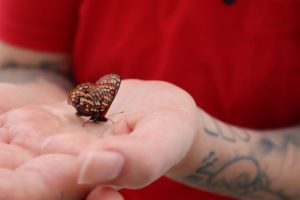
Adult TCB in the hands of a technician at MCCCW. Photo by Desiree Whittenberg.


I recently traveled to Mission Creek Correctional Facility for Women (MCCCW), a Washington Department of Corrections (WA DOC) facility that has been closed since September 2025. For over 14 years before closing, MCCCW played a crucial role in native prairie habitat restoration and species recovery through SPP’s Taylor’s Checkerspot Butterfly Program. This program is an ongoing collaboration between SPP, Department of Corrections, and Washington Department of Fish & Wildlife (WDFW) to restore the population of this keystone species, which contributes to the overall health of Washington State prairies.  The health of prairie ecosystems and the future of the Taylor Checkerspot Butterfly (TCB) are closely connected, with each relying on the other for survival. Prairies supply the essential ingredients butterflies need, like specific host plants for their larvae, nectar for adults, and the right seasonal patterns to guide their life cycle. In turn, the butterfly plays a role in supporting pollination, contributing to food webs, and reflecting the overall condition of the ecosystem. Because prairie habitats are so limited and vulnerable, declines in the TCB often point to deeper environmental challenges, such as reduced plant diversity or shifts in climate timing. Protecting this butterfly, therefore, goes hand in hand with restoring prairie landscapes, helping to rebuild resilient ecosystems that support a wide range of species while maintaining important environmental functions.

When MCCCW closed its doors in September 2025, the incarcerated women were transferred to Washington Corrections Center for Women (WCCW). The federally endangered butterfly larvae, who were peacefully unaware of their looming migration, remained at MCCCW and rested in diapause. For three months, SPP made special trips to MCCCW to check on the larvae as they overwintered by providing food, checking environmental conditions, and tucking the larvae back in if/when they stirred too much. In December 2025, the larvae took the same 40-mile car ride their incarcerated caretakers had just a few short months before. Reunited at WCCW, technicians worked hard to ensure the larvae remained healthy through diapause until Wake Up in February 2026. From then until March, larvae were provided daily care at WCCW until all larvae were released back into the wild. This moment marked the completion of the first steps in plans that had been hatched by partner organizations when they learned about the impending closure of MCCCW.
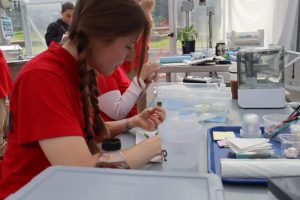
 

TCB Technician counts eggs laid by adult butterflies on the leaves of Plantago lanceolata, also known as narrowleaf or English plantain. Photo by Desiree Whittenberg.

Starting late 2024, SPP worked tirelessly with partners from WDFW, the US Department of Fish and Wildlife, MCCCW staff and leadership, WA DOC leadership, incarcerated technicians, and many other entities to determine the best course of action to relocate the TCB program from MCCCW to WCCW while keeping the program active and functioning. Knowing that proper rearing facilities would not be quite ready for the emerging butterflies in early spring, this collaboration had to devise a plan that worked for all parties involved. In 2025, DOC leadership and staff, TCB Technicians, and SPP crafted a plan to continue utilizing existing greenhouse infrastructure at MCCCW. In April 2026, WCCW transported technicians to their temporary job site at MCCCW to care for, measure, and monitor wild-caught adult butterflies. Technicians also needed to care for eggs being laid by the adults (as seen in the photo below) through development until they once again enter diapause and are transported back to WCCW, where they will overwinter until they too will emerge in the early months of 2027, this time in their brand-new lab at WCCW.
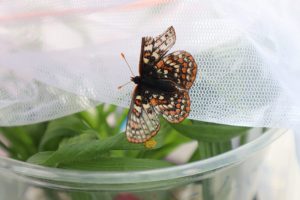
Adult TCB boasts the fruit of her labor, future TCB generations on English plantain leaf under her left wing. Photo by Desiree Whittenberg.

While speaking with the technicians, it was clear that they were not only passionate about their jobs but also deeply connected to the experiences of the butterflies in their care.

“We are so similar. We are both in captivity, you know? We’re both trying to recover and grow against the odds. At first, I just thought this job would be nice because the pay was better than our other options. I didn’t expect it to have such an impact on my overall well-being. We don’t really get that too much in here.”

I heard this sentiment echoed by several voices that day in the greenhouses, each expressing a mix of gratitude, reflection, and honesty. For some, the reality that not every butterfly will get to thrive outside of locked-up spaces felt personal. And yet, there was also a quiet sense of purpose, an understanding that every individual, whether released or not, contributes to something larger. In caring for these fragile species, the technicians are not only supporting the recovery of a federally endangered butterfly but also participating in the restoration of an entire ecosystem, leaving a lasting impact that extends far beyond the walls they work within.
By Paul Thorsteinson, Apprentice Level Beekeeper

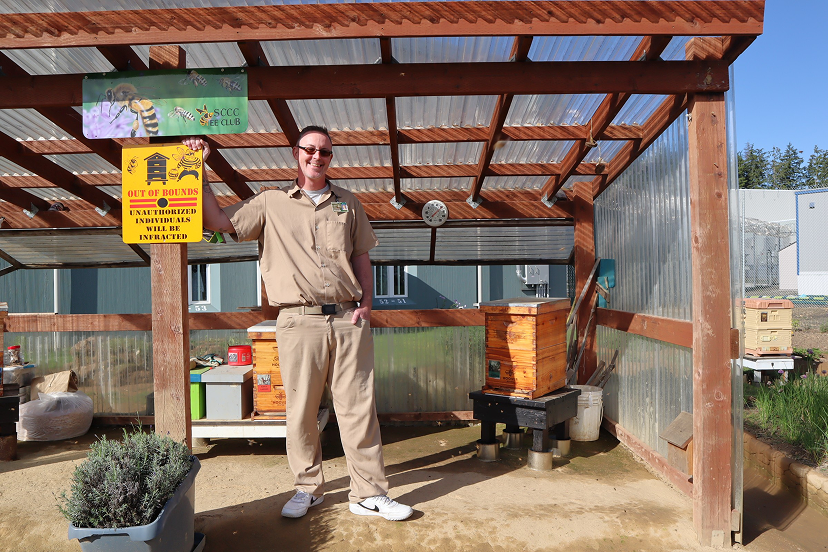
On October 7th, 2025 the unthinkable happened. In a video conference made possible by Microsoft Teams, three separate prisons connected from different sides of the world. This meeting was the first of its kind. It consisted of two Norwegian Prisons and Stafford Creek Corrections Center in Aberdeen, Washington. The conservation that ensued was the defining aspect of what made this global connection unique. They didn’t connect to talk about criminal justice. They didn’t talk about prison cells or chow hall meals. They connected to talk about bees.

The prisoners from Stafford Creek shared a presentation about their facility’s growing apiary and the benefits of sustainable practices learned in prisons. They talk about how bees are a necessary component to ecological survival and how if bees disappeared, the entire world’s agricultural system would collapse within just four years. They shared the benefits of honey being a pure food source that never spoils. One of the most compelling examples was pots of honey found in Egyptian tombs that were still edible even after thousands of years in storage.

The Stafford Creek beekeepers went on to share with the Norwegians the different bee products they were able to make at their facility. All of the items were made from resources that were harvested directly from their local apiary. They called their process Bee Alchemy. The products ranged from candles, beard balm, lip balm, and even a few gallons of honey. All of these items made at Stafford Creek are donated back to the community.

One incarcerated presenter even shared his entire testimony fully dressed in a white beekeeper’s suit. After sharing a short video of Stafford Creek’s hives, he described the overwintering practices and the necessary activities needed to improve the bees’ chances of survival during the cold, wet winter months.

The international presentation of bees to multiple incarcerated community was the first of its kind. It had never been done before. Sustainability has never been discussed by incarcerated people from different parts of the world. All of this was made possible through a new Washington Way initiative called Cell-2-Cell. It is a fully interactive connective platform that unites incarcerated people on different sides of the world so that they can share their life experiences and culture.  Starting just two years ago, Cell-2-Cell is realizing its revolutionary potential to connect communities, talk about bees, and change the world.

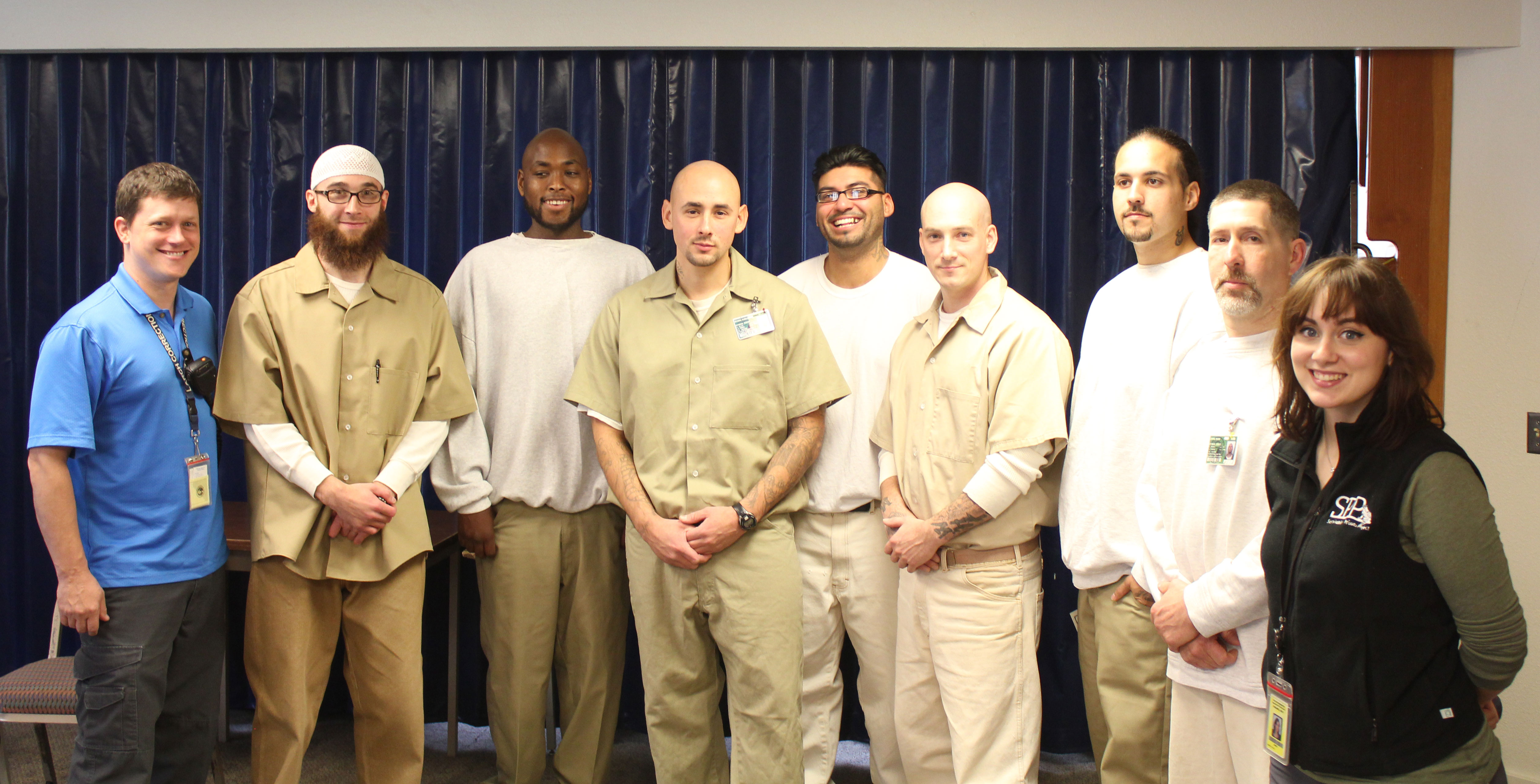
I had the privilege of visiting Larch Corrections Center’s first graduation Roots of Success class in the beginning of December. A huge congratulations is in order for everyone involved. Thank you to the students, instructors, and Classification Counselor Shawn Piliponis for the dedication and hard work. It couldn’t be done without you. We look forward to celebrating many more graduations.

LCC-Roots-gradsI wanted to share one of the seven wonderful speeches that each offender gave. Daniel C. Carter of Larch Corrections Center wrote and presented the speech below. Mr. Carter would love to become a Roots of Success Instructor someday.
That is such a nice smile! :>)

Dear Ms. Raquel Pinderhughes,

I am writing to thank you for your dedication to helping prisoners to enhance their environmental awareness. I first became aware of your contribution to the Sustainability in Prisons Project while I was working in the Engineering Department at Stafford Creek Corrections Centers in 2012-2013. I was able to be involved in the Beekeeping program as well as doing construction and repair work on the Tilapia Farm, the recycling center, and building the hoop houses that went to the women’s prison. It was also there that I first heard about the Roots of Success class.

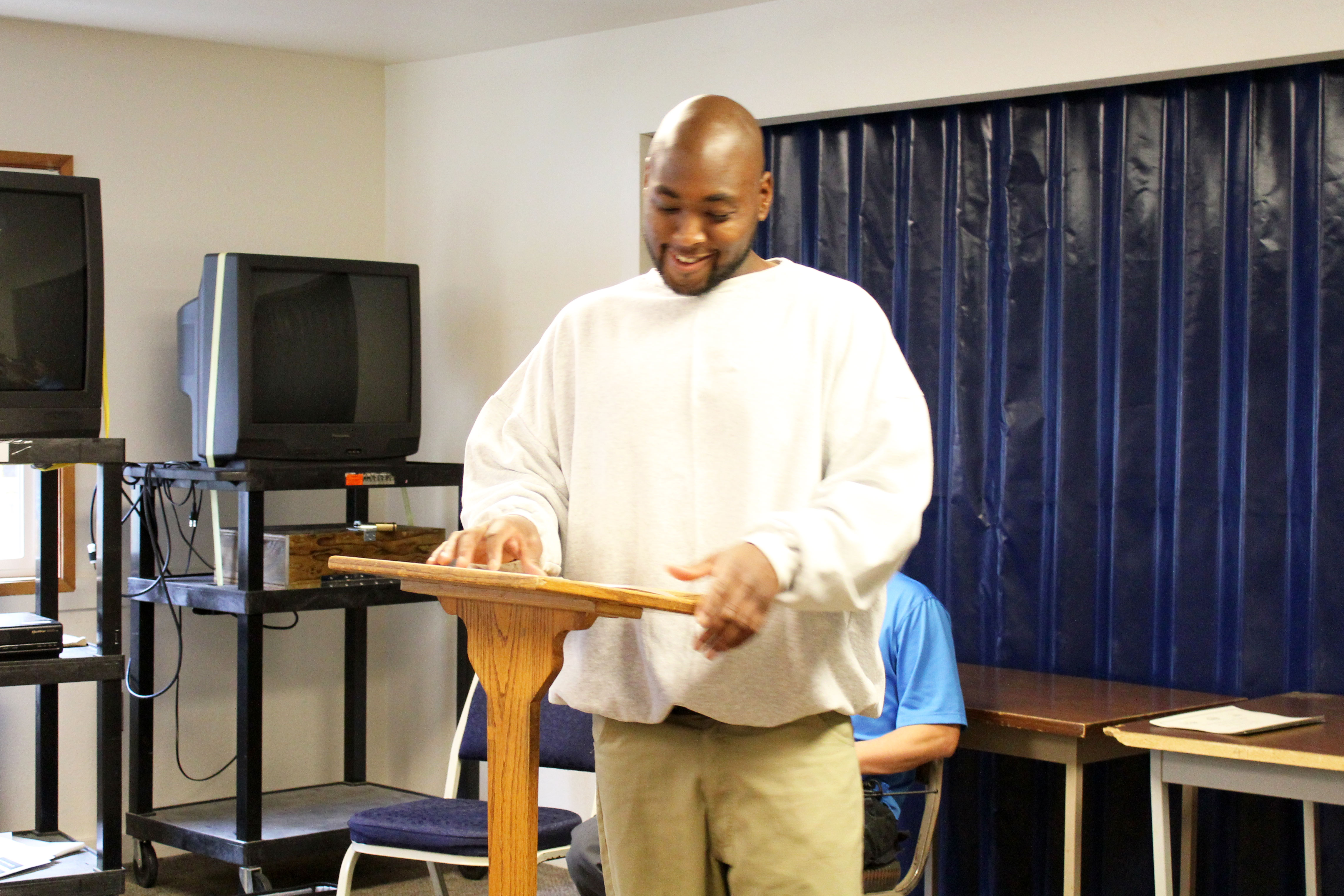
Student Daniel Carter gives his speech during Larch's first Roots of Success Graduation. Photo by Emily Passarelli.
Student Daniel Carter gives his speech during Larch’s first Roots of Success Graduation. Photo by Emily Passarelli.

I’ve been incarcerated for fifteen years and working at Stafford Creek and being part of the Sustainability in Prisons Project was one of the most rewarding  and fulfilling experiences I’ve had in all that time. Being engaged with the environment and things that are positively impact the planet was therapeutic and even humanizing.

As a person who has spent my entire adult life in prison, I can say with authority of personal experience and years of critical observation that the prison experience is generally humiliating, degrading, and painful. We are cut off from the natural world and the rest of civilization almost completely. Many of us live our lives like animals in zoos: trapped behind concrete walls, razor wire fences, within steel cages, surrounded by extraordinary levels of hostility. It is a hardship to simply not become hardened.

Most of us who endure incarceration suffer from severe trauma as a result of existing under these circumstances. Therefore, I’m convinced being part of these programs, such as those at Stafford Creek and Roots of Success, is critical to keeping men and women who are behind bars in touch with their humanity and in contact with the natural world.

I joined the Roots of Success class here at Larch Corrections Center because of the great work I was exposed to at Stafford. I’ve learned many useful things from the Roots of Success class, such as the impact of industrialization, climate change, green jobs, and alternative ways of behaving to minimize my own carbon footprint. I learned about sustainable development and environmental justice/injustice. I also learned about just how wasteful our consumer culture really is and how our economic and social system contributes to gross impacts on our environment, treating the planet and people as if they are disposable.

The environmental literacy curriculum is well designed and I feel like it is very beneficial. I enjoyed the videos. My favorite one was called, “The Story of Stuff.”

I also liked the module on financial literacy and social entrepreneurship. The fact that it is taught by inmates is also something about it that I really appreciate.

I look forward to getting out of prison and being part of the solution for the problem we are facing in terms of climate change and the destruction of the world’s most precious non-renewable resources. I want to live a lifestyle conducive to the world around me rather than one that corrupts it further. I want my children to learn to respect the biosphere of which they are a part of and to realize their responsibility to maintain and protect it.

Thank you so much for your work. You have helped me to not only being even more environmentally conscious, but even more inspired to propagate environmental literacy and green ways of living.

Sincerely,

Daniel C Carter, #838440

Larch Correction Center


Congrats to Mr. Carter and his fellow students and instructors for this fantastic feat!

This speech was presented by Roots of Success graduate Robert Mayo on July 22, 2015; shared here with his permission.

Good Afternoon.

My name is Robert Mayo and I’m here today because I completed Roots of Success.

I would like to take this moment to show the utmost respect and give gratitude towards all of those who were involved in Roots of Success.

First and foremost, I would like to thank Dr. Raquel Pinderhughes [Roots founder], Mr. Aleksinski [SCCC Roots Liaison and Classification Counselor] and the rest of the supporting cast up here today that made all of this possible. Next, I would like to thank Mr. Walrond, Mr. Mitchell, Mr. Duhaime and Mr. Powers for doing such an amazing job instructing us. And lastly, I would like to thank all of us here today who are receiving certificates, because today we all proved to ourselves that hard work, dedication and determination truly pays off!

SCCC-Roots-graduate-Mayo
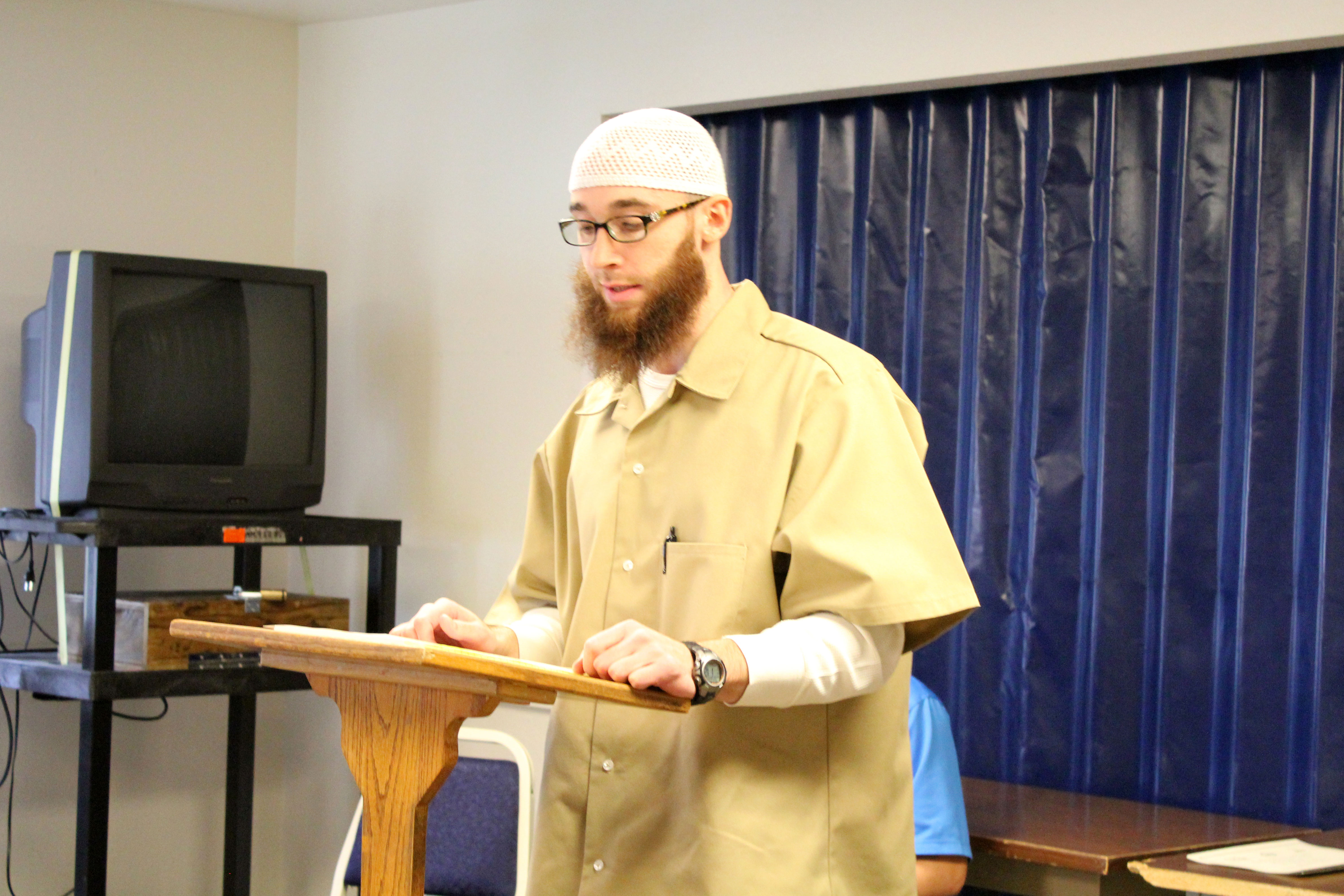
Mr. Mayo gives a speech at the Roots of Success graduation. Photo by Joslyn Trivett.

Before Roots of Success I had the mind frame to put things off until tomorrow. I was a procrastinator and I hated to try anything new or anything I wasn’t good at. For example, PUBLIC SPEAKING! This has been one of my biggest fears throughout my entire life. Even as a kid, I can still recall the feelings I felt when having to speak in front of the class. My heartbeat would start to speed up. My hands would become all sweaty. My armpits would start to drip. And my mind would picture everyone in the classroom laughing at me. IT WAS HORRIBLE! I remember telling Mr. Walrond about this when I first started Roots of Success. He told me that by the end of this course not only will I be able to speak in front of any crowd, but I will be able to do it with confidence and conviction. That conversation was just a few short months ago and today I’m happy to be able to have Mr. Walrond’s prediction come to fruition.

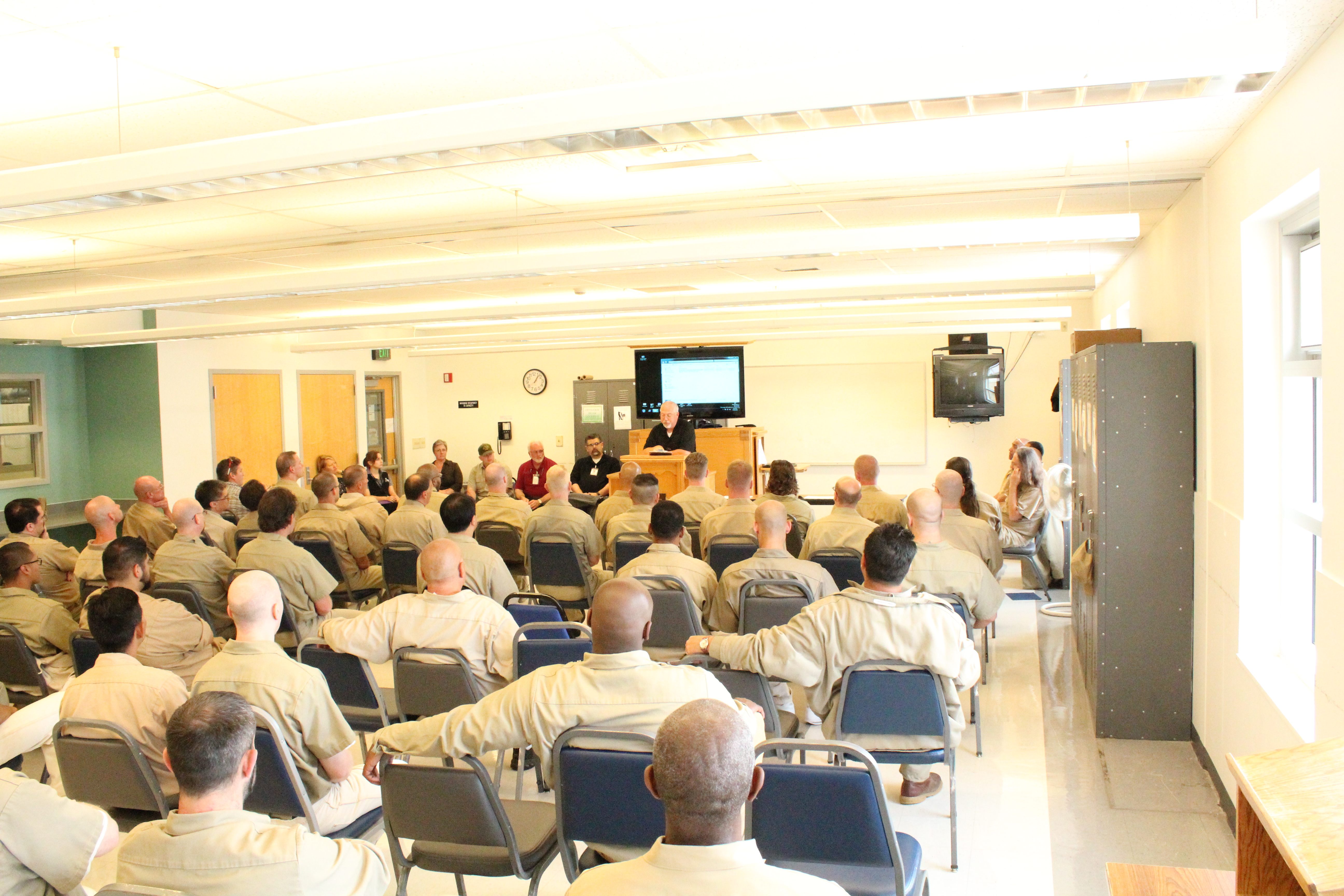
50+ inmates graduate from Roots of Success. Photo by Joslyn Trivett.
Over 50 Roots of Success graduates listening to a speech. Photo by Joslyn Trivett.

You see, Roots of Success didn’t only teach me how to make my environment a better place for me to live in, but it also taught me how to become a better person within my environment. My favorite modules were “Community Organizing and Leadership” and “Financial Literacy and Social Entreprneurship.” These two modules really hit home for me. I never realized all the procedures being taken to make certain laws come into effect. I was unaware of people going to local town hall meetings to fight against the major corporations that are placing factories inside of their communities without their permission. Or the ongoing battle that’s been prevalent all across the U.S. between minorities and The Department of Justice on police brutality. Or the parents who protest constantly about the lack of education their children are receiving throughout their low income neighborhoods. If I choose to fight when I get out of here these are the types of fights that I want to be a part of. As a collective, we have the power to make a difference! We have the power to make our voices heard! We have the power to take action! So why don’t we?

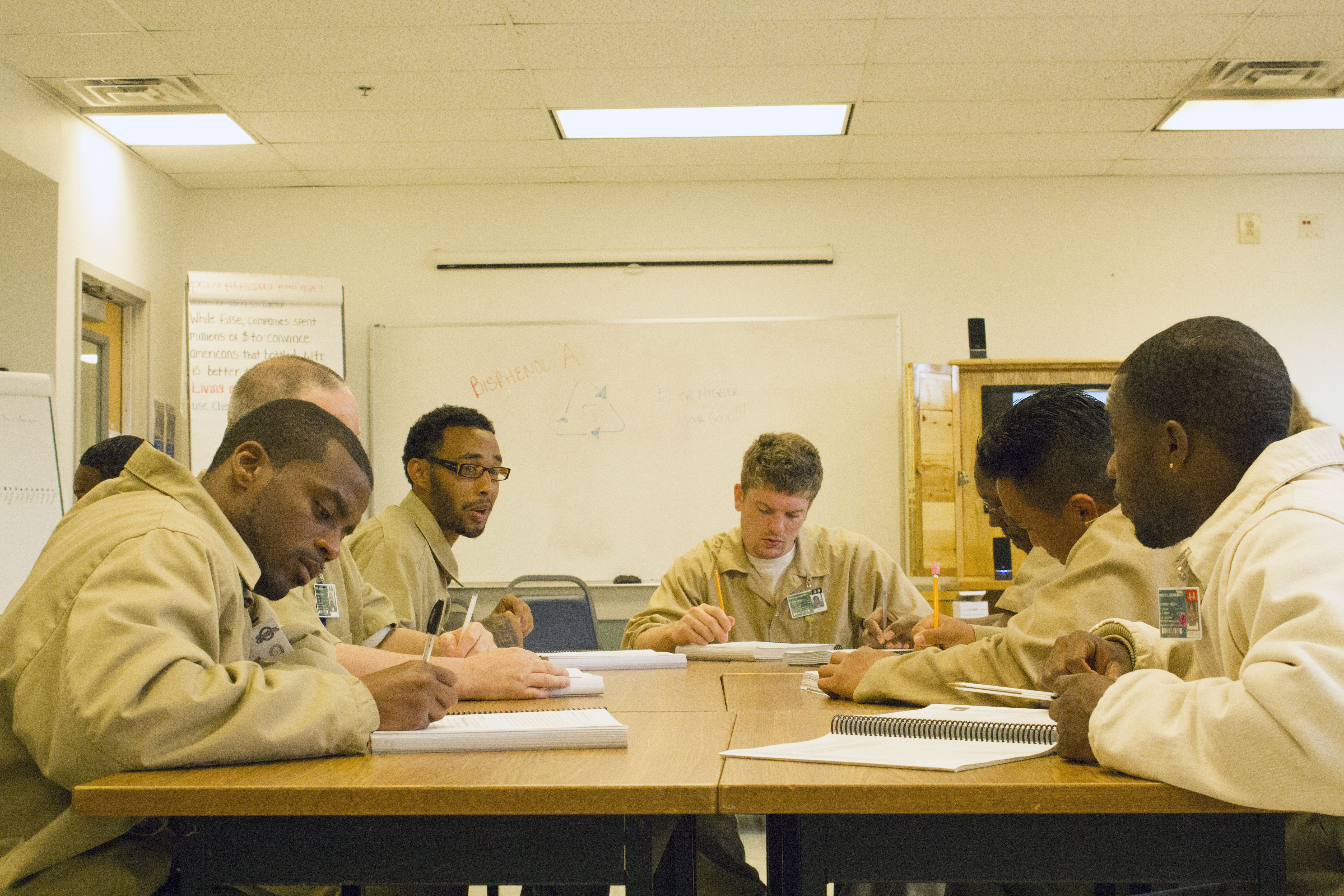
Roots of Success students study together in a group.
Roots of Success students study together in a group during a regular class. Photo by Joslyn Trivett.

In the “Financial Literacy and Social Entrepreneurship” module, I learned how to fill out an application correctly. I learned what I should wear, how I should talk and what I should do when going in for an interview. I know now how to set short and long term goals, how to budget my finances and how to live comfortably within my means. I got something from each and every module, but these were the two modules that woke me up the most. I’m done living life in a daydream and I’m ready to fight for what it is that I want.

Roots of success was essential to my growth. It was the first building-block to the foundation of my future. The only negative thing that I can say about Roots of Success, is that it’s already over. I hope that eventually there will be an additional course offered to us here at Stafford Creek. If possible, I would like to be the first person to sign up and I can guarantee you that many others would be soon to follow.

Roots of Success is a Success!

Before I leave here today I would like to mention three things that I can now say about living green.

I KNOW IT!

I LOVE IT!

AND I BELIEVE IN IT!

Thank you for your time.

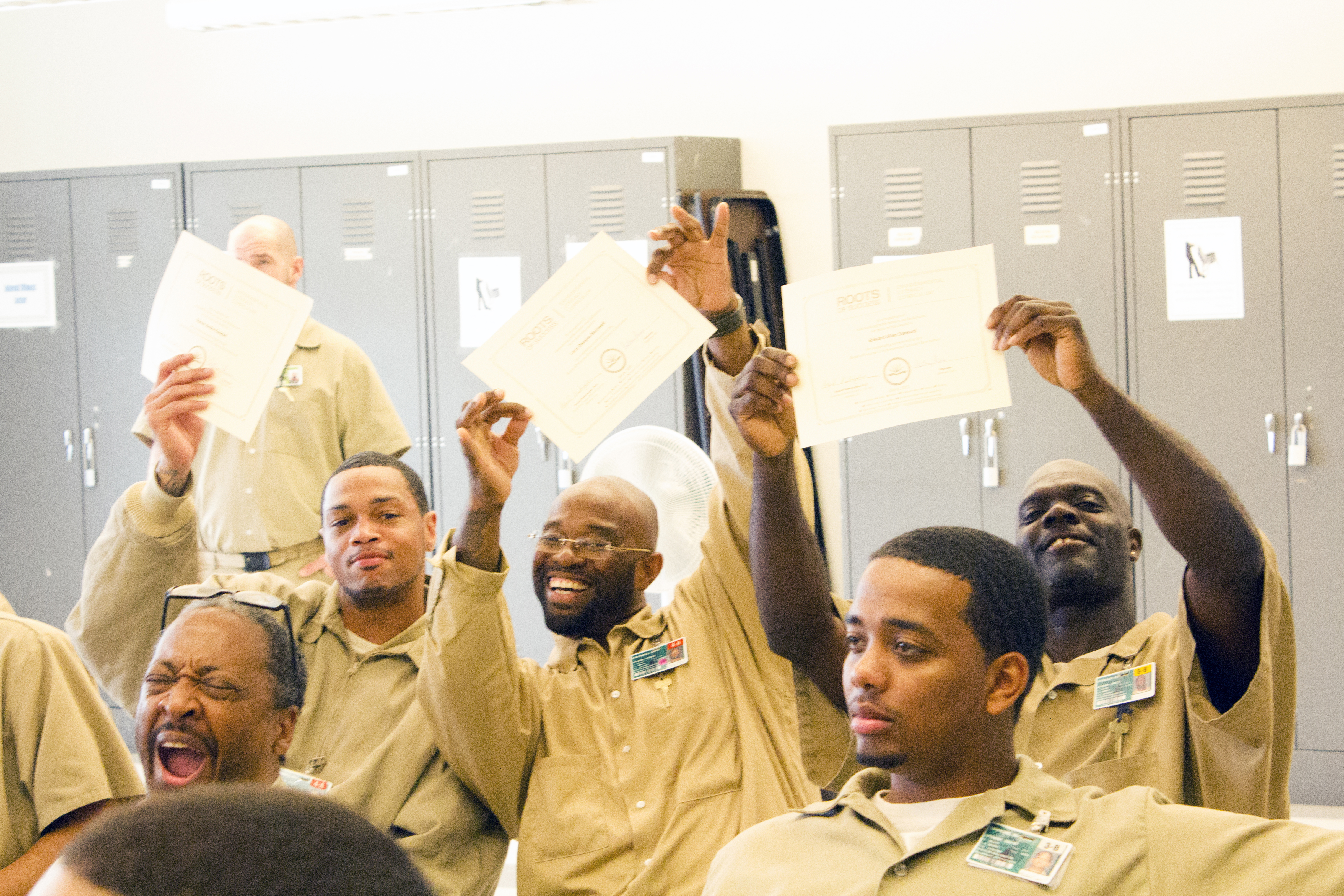
Recent Roots of Success graduates proudly display their certificates
Recent Roots of Success graduates proudly display their graduation certificates. Photo by Joslyn Trivett.

For more information on the Roots of Success, please contact the program coordinator Emily Passarelli at passaree@evergreen.edu.