The National Wildlife Federation (NWF) is pleased to recognize the Washington Corrections Center for Women (WCCW) in Gig Harbor as an official Certified Wildlife Habitat site. NWF celebrates the efforts of the staff and offenders at WCCW to create garden spaces that improve habitat for birds, butterflies, frogs, and other wildlife. They have provided the essential elements needed by all wildlife – natural food sources, clean water, cover, and places to raise their young.
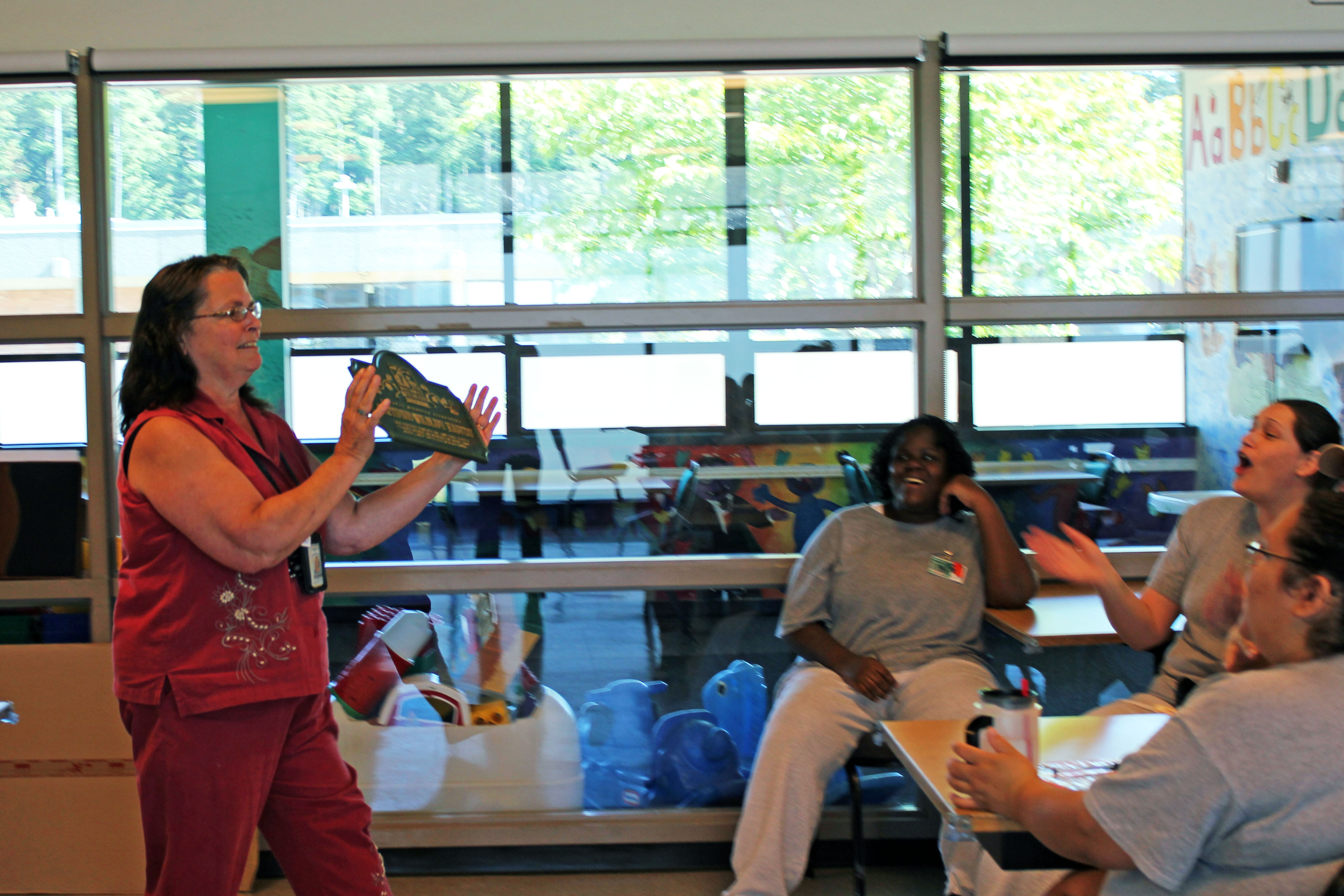
Paula Andrew displaying the NWF Habitat Certification plaque that can be found at the front entrance of WCCW.
Paula Andrew displaying the NWF Habitat Certification plaque that can be found at the front entrance of WCCW. Photo by Joslyn Rose Trivett.

From Paula Andrew, SPP Liaison at WCCW: “I can remember the day it all started – I sat in the back of the room during [NWF’s] Sustainability lecture and kept thinking to myself, ‘We do that! We have that! We qualify as a wildlife habitat!’ I read through the application to become certified, and each category referred to a practice we already had in place at WCCW. I started thinking about what a perfect partnership this would be, with perfect timing to fit in with the sustainable practices we were adopting throughout our facility.”

WCCW joins NWF’s roll of more than 150,000 certified habitats nationwide, but is the first prison to receive that distinction in Washington State, not to mention the whole Northern Rocky and Pacific Regions. Wildlife habitats are important to year-round wildlife residents as well as species that migrate, such as some birds and butterflies. Each habitat is unique for both beauty and function.

A family of bunnies spotted at WCCW, living proof of their wildlife habitat!
A family of bunnies spotted at WCCW, living proof of their wildlife habitat! Photo by DOC staff.

The WCCW habitat is a many-faceted gem, sprawling among 65 acres that play home to squirrels, birds, butterflies, and an adopted aging cat. The horticulture program has saturated the grounds with 28 varieties of food crops that are used to feed the 900-plus offenders that can be seen daily, diligently working the flower beds and fruit & vegetable growing areas with an admirable sense of pride.
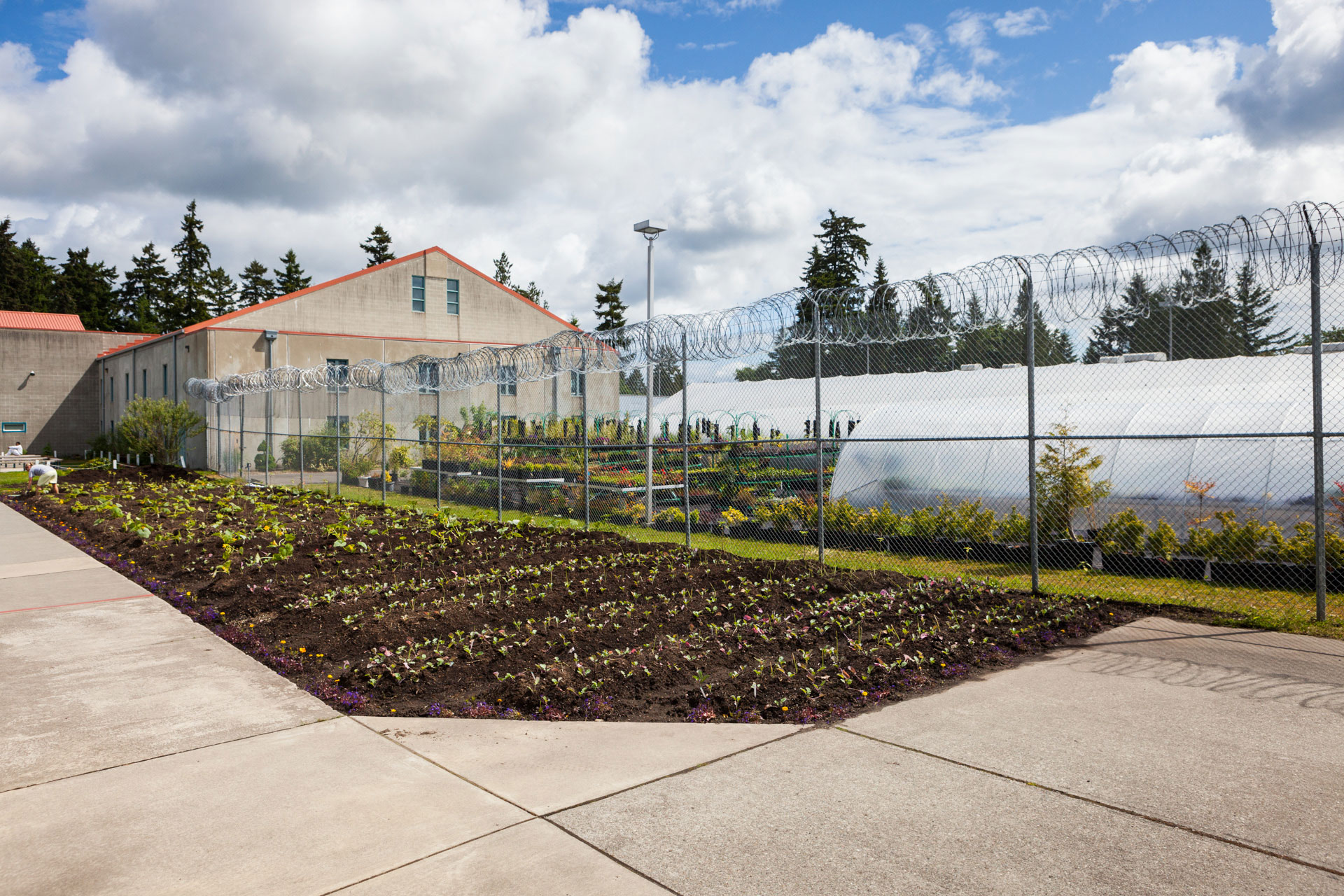
Gardens at WCCW.
Gardens at WCCW. Photo by Benj Drummond and Sarah Joy Steele.

WCCW has recently reaffirmed its commitment to sustainable practices throughout the facility. Proof of that can be witnessed in the just-completed composting project; it is turning out rich soil to be used to in the many food and ornamental gardens.

For more information on gardening for wildlife and details on how an entire community can become certified, visit www.nwf.org/habitat or call 1-800-822-9919. The mission of the National Wildlife Federation is to inspire Americans to protect wildlife for our children’s future.
by Tiffany Webb, SPP Lecture Series Coordinator

Working with SPP as a graduate student has provided more opportunity and professional experience than I could have imagined when I started as the Lecture Series Coordinator. Since then, my interest in social and environmental justice has blossomed, spurred by regular interactions with incarcerated individuals and the excitement they display for environmental topics. Thus I found myself presenting at the Just Sustainability: Hope for the Commons conference hosted by the Center for Environmental Justice and Sustainability at Seattle University this past weekend.

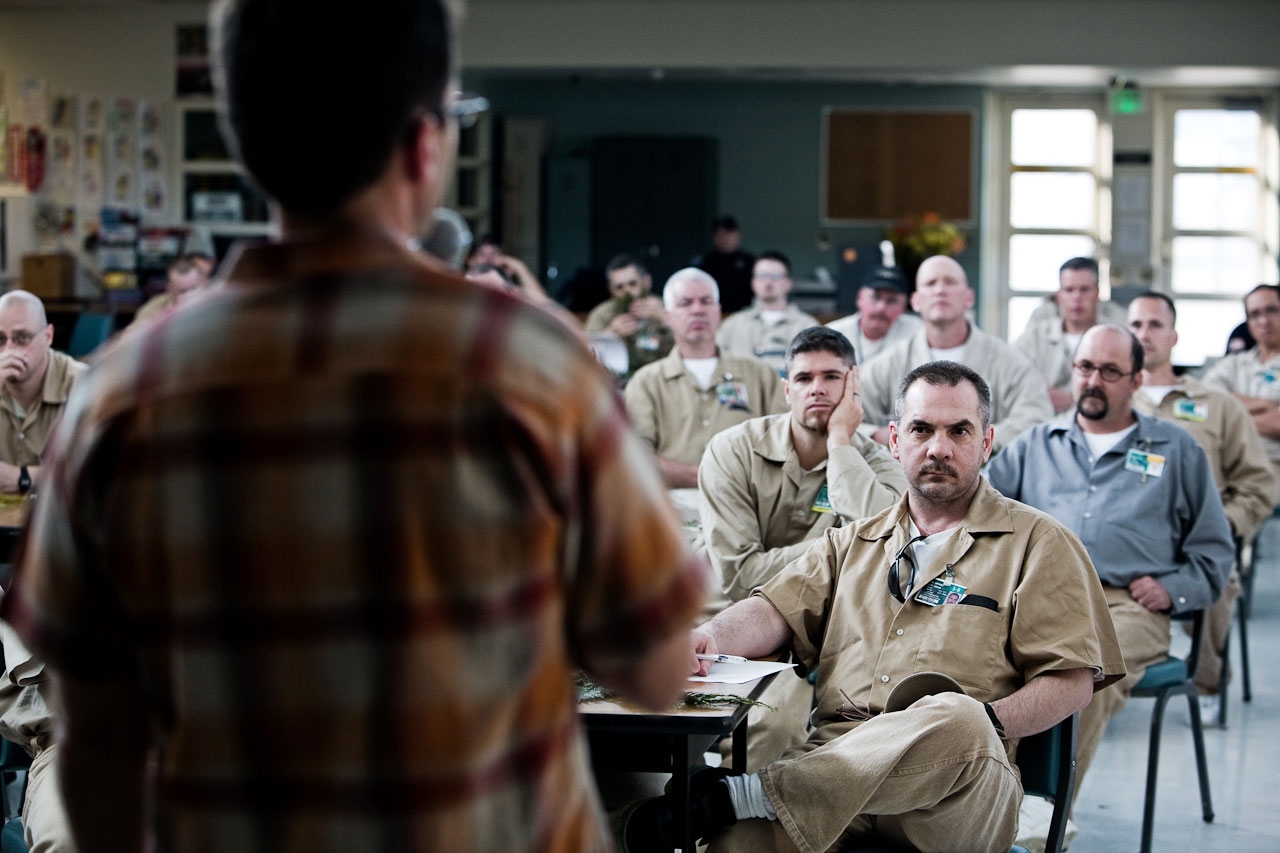
Science and sustainability lecture at Stafford Creek Corrections Center. Photo credit: Benj Drummond
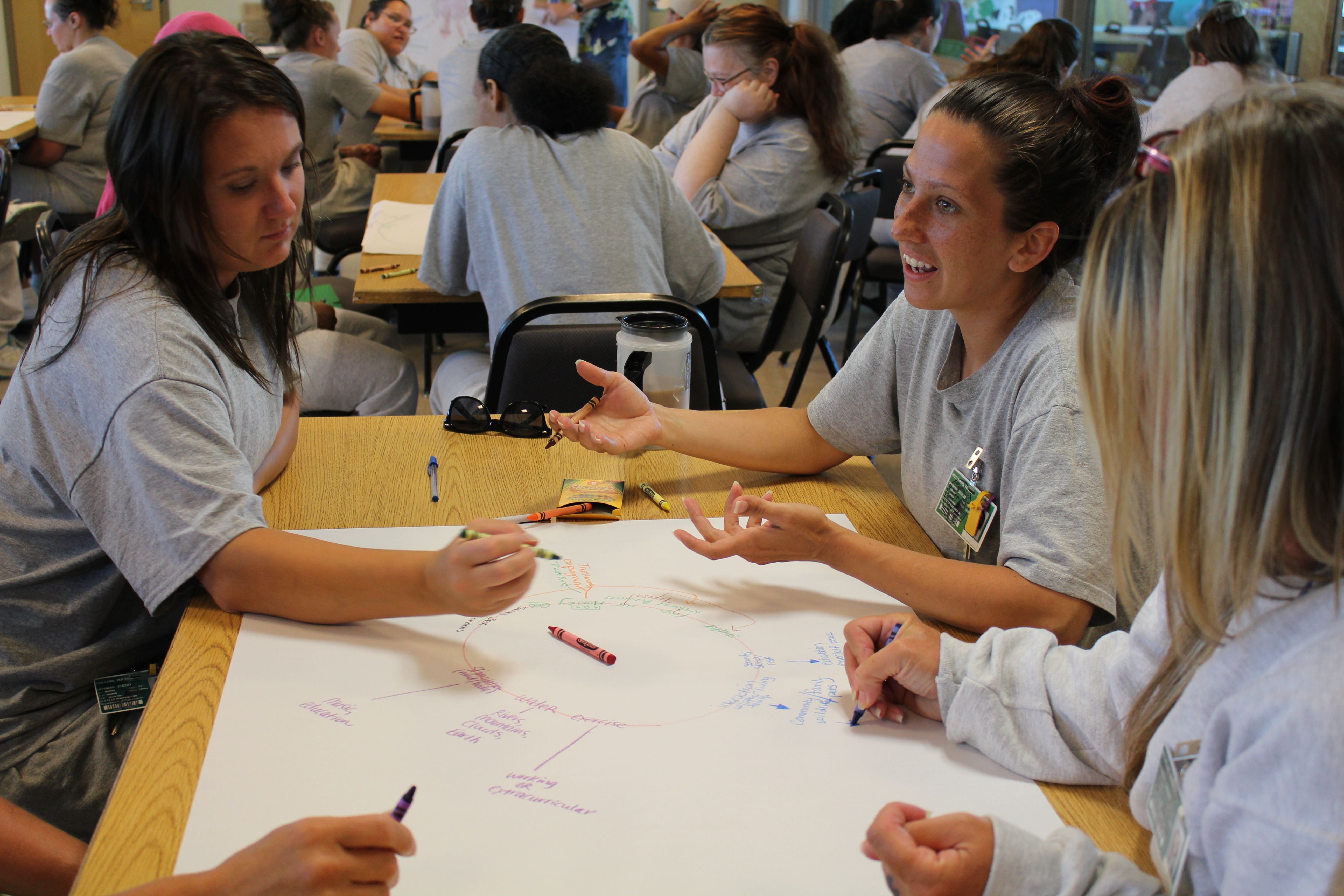
Sustainability workshop at Washington Corrections Center for Women. Photo credit: Joslyn Rose Trivett

Lecture versus Workshop

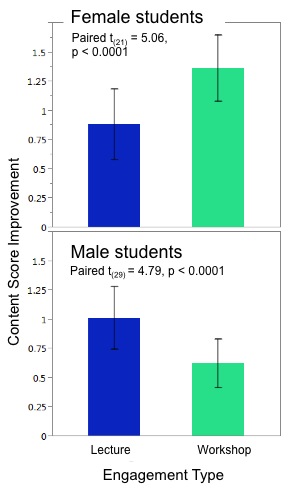
I presented on behalf of Sarah Weber, a former SPP coordinator and MES graduate, whose thesis research focused on environmental education in prison. More specifically, her research compared teaching methods (lecture vs. workshop-style presentations) and their influence on inmate attitudes and knowledge of environmental topics. Interestingly, when reanalyzing Sarah’s research for publication, we found results that differed from the original analysis: female students benefited more from workshops and male students benefited more from lectures (see figure below). This finding is particularly helpful for ensuring that the environmental education opportunities we offer are tailored to the audience. As the Lecture Series Coordinator, I plan to use these findings to better promote environmental learning through offering more workshops for women and lectures for men.

Results from Weber research
Results from Weber’s research.

“You never know what you can’t do.”

Presenting at the conference was a great experience, but my most appreciated take-away came from the wonderful plenary speakers. We heard from Bill McKibben of 350.org, the most widespread political action organization in our history; Sarah Augustine, a sociologist at Heritage College and indigenous activist; and Denis Hayes who coordinated the very first Earth Day and has gone on to do so much more.

They spoke about the global extraction industry and its impact on the environment as well as the displacement and rights violations of indigenous communities. The ecological problems they outlined were sobering, but they all offered a similar call to action. They encouraged everyone to reach beyond what you think is possible, because, as Denis Hayes put it, “You never know what you can’t do.” And while exercising political will can sometimes be uncomfortable, it is always necessary in encouraging effective change. I learned so much from these amazing people and the lessons they shared from years of environmental activism. Hearing their stories sparked a fire in my consciousness, and I feel reenergized in the work I do with SPP, the research for my Master in Environmental Studies, and in my personal life.

If you’re interested in getting involved with environmental action in the PNW, check out:

350.org

Beyond Coal WA

Climate Solutions

The E3 Network

Sierra Club, WA State Chapter

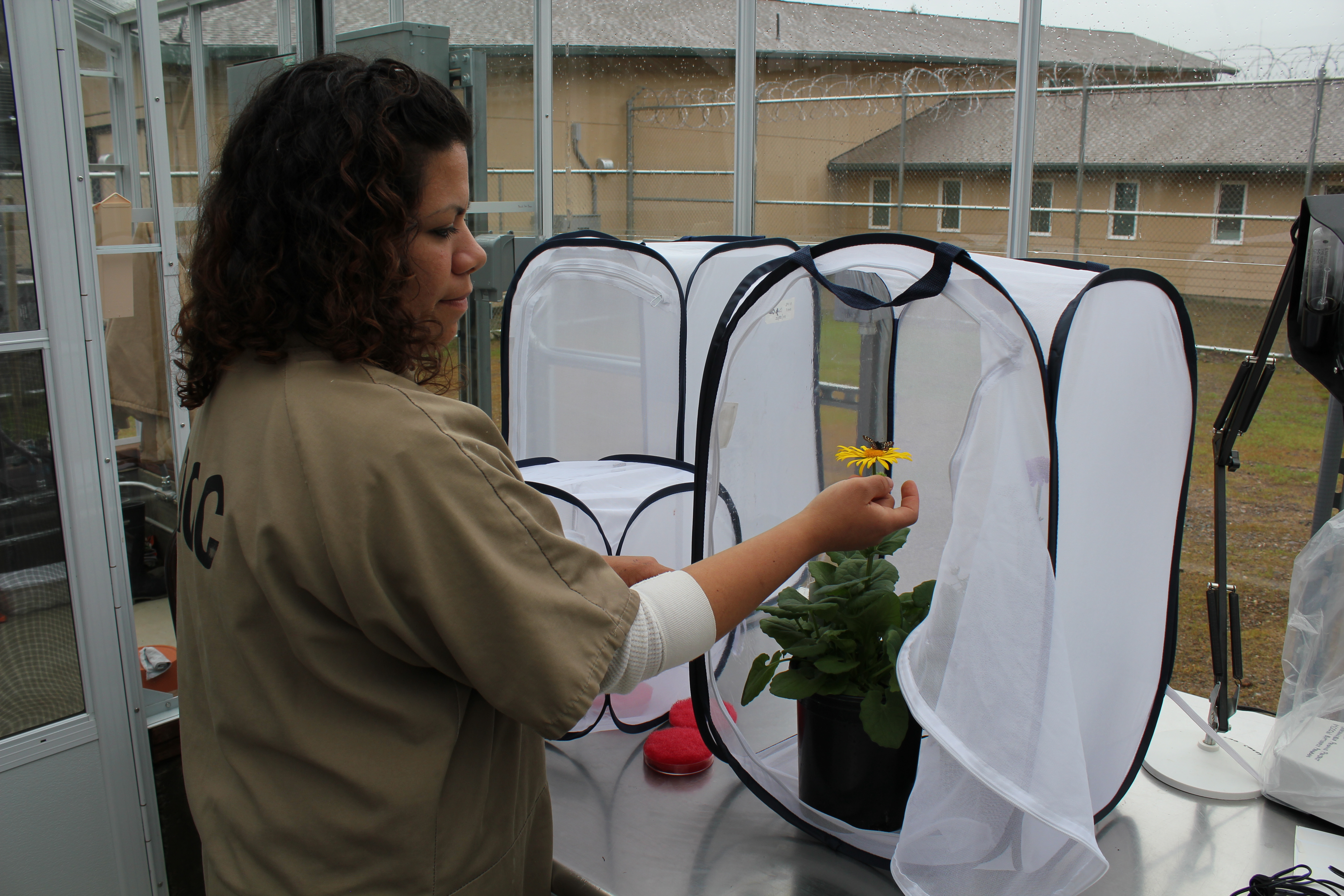
The Taylor’s checkerspot butterfly (TCB) rearing program at Mission Creek Corrections Center for Women (MCCCW) was initiated in 2011. Inmate technicians first practiced raising painted lady butterflies in a new greenhouse just outside the facility’s gates. In less than a year they proved themselves more-than-capable at this kind of work. In 2012 they started rearing and breeding the endangered TCB.

IMG_4272

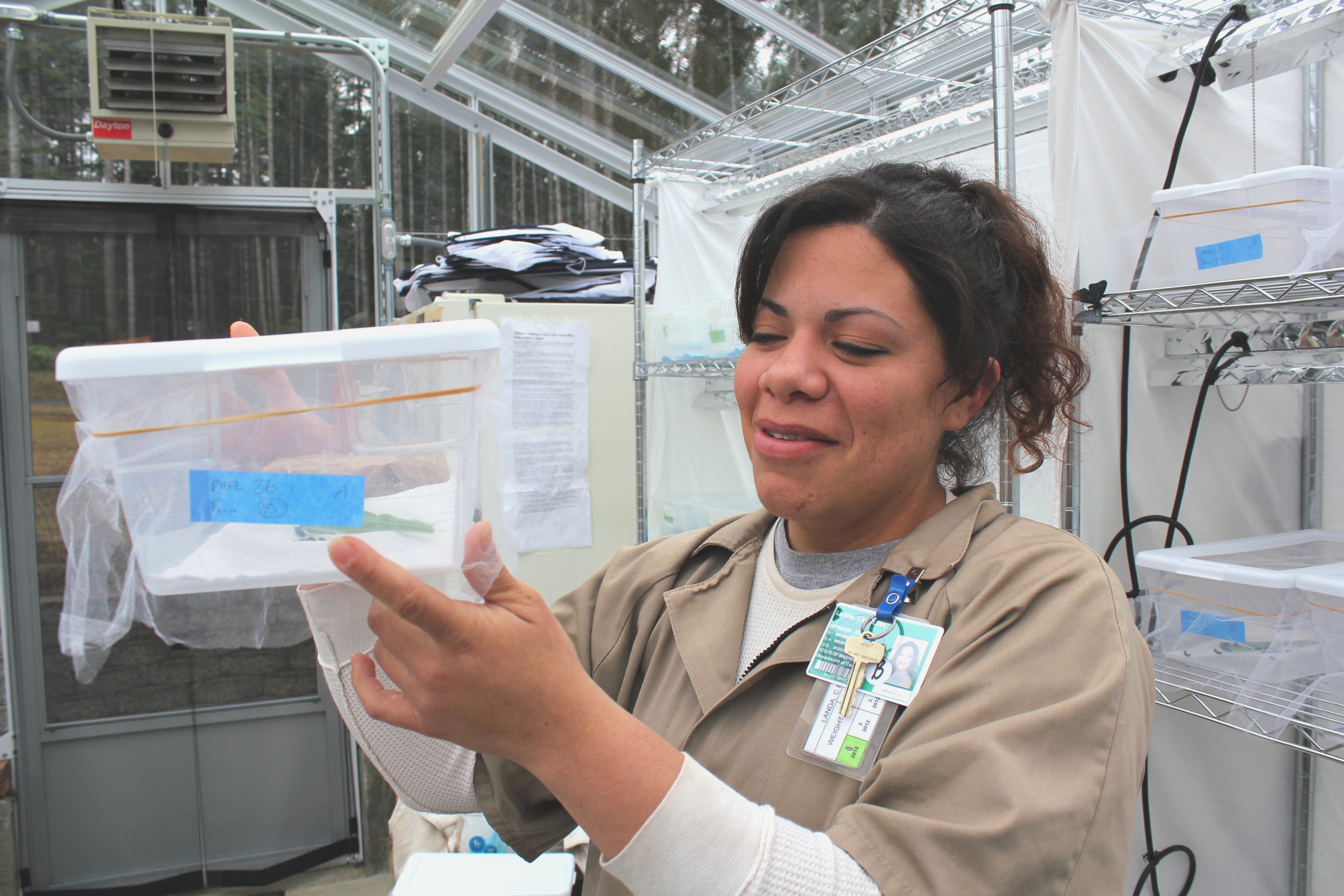
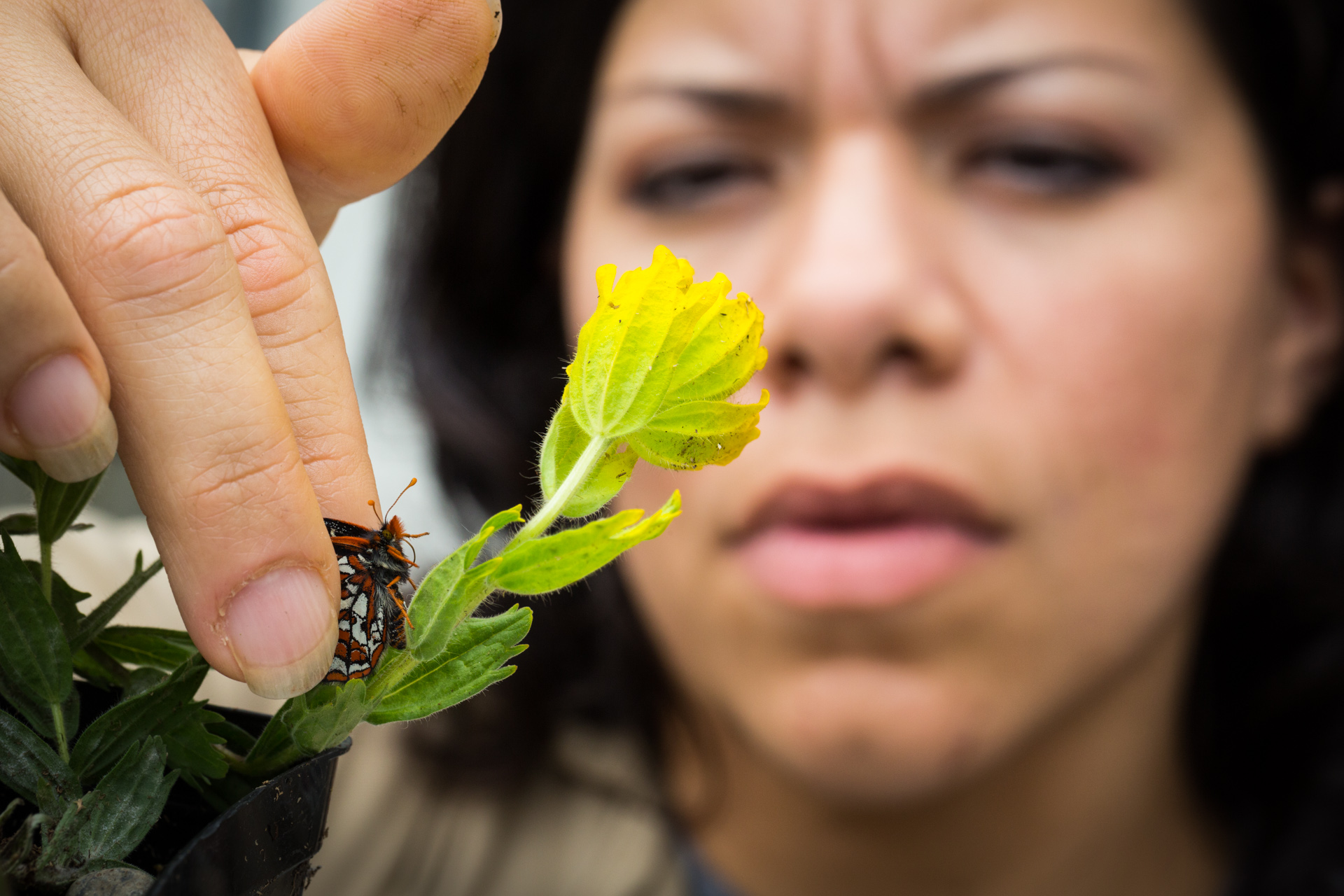
Carolina Landa was an inmate technician with the program from its inception. She was present for the first delivery of TCB caterpillars. She worked with SPP from 2011 to 2013 as a full-time technician. Then, while completing other programs at MCCCW she volunteered her time to support new technicians. Over the years she helped raise over 6,000 caterpillars and butterflies for release onto South Sound Prairies. She has created new and innovative husbandry practices, participated in butterfly research, and helped to train and mentor other inmate technicians along the way. Her dedication, passion, and commitment to the delicate and detailed work of raising butterflies, is a large part of the reason this new and unique program has proven successful. These early accomplishments ensured that SPP, DOC staff, future inmate technicians, and other SPP partners will have the opportunity to continue work to recover this federally listed species.

046

Earlier this year Carolina wrote: “I just want to say that through these butterflies I have learned so much, and healed. It is amazing how God places all things in your life for a reason. This program has changed my life forever. I am so grateful for the knowledge, accomplishments and growth it has provided me. It is exciting to care for these beautiful creatures and giving back to the environment gives me a good feeling. ”

305SPP1389
Photo by Benj Drummond

In mid-July Carolina transferred from MCCCW into a Community Parenting Alternative (CPA) program. This unique and groundbreaking program allows an inmate to serve up to 12 of the last months of their sentence in Home Detention. The focuses of this 2010 legislation are on the child, family, and the importance of maintaining the family bond for inmates reentering the community. Due to the contributions Carolina made during her incarceration, she was granted this well-deserved opportunity to finish her sentence with her family.

This means that Carolina is no longer a butterfly technician at MCCCW. However, her contributions will stay with the program for years to come. She states that she would like to continue her involvement in the TCB rearing program as a volunteer or student after she is released. She intends to pursue an undergraduate degree at The Evergreen State College in the near future.

SPP would like to thank Carolina for all of her work with the butterflies and welcome her back into her community. We wish her the best of luck in all that she aspires to in the future.