Category: Uncategorized
By Paul Thorsteinson, Apprentice Level Beekeeper
On October 7th, 2025 the unthinkable happened. In a video conference made possible by Microsoft Teams, three separate prisons connected from different sides of the world. This meeting was the first of its kind. It consisted of two Norwegian Prisons and Stafford Creek Corrections Center in Aberdeen, Washington. The conservation that ensued was the defining aspect of what made this global connection unique. They didn’t connect to talk about criminal justice. They didn’t talk about prison cells or chow hall meals. They connected to talk about bees.
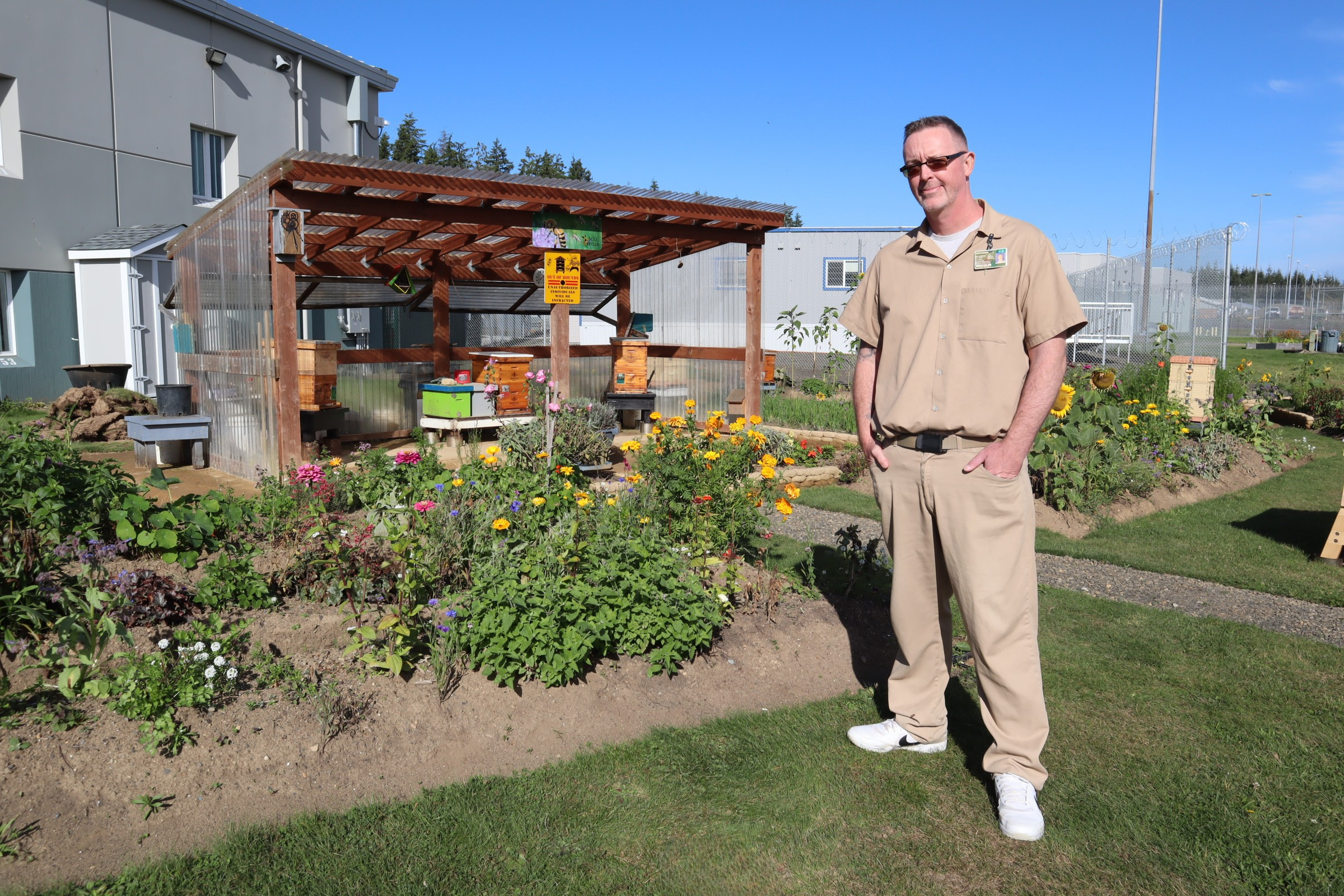
The prisoners from Stafford Creek shared a presentation about their facility’s growing apiary and the benefits of sustainable practices learned in prisons. They talk about how bees are a necessary component to ecological survival and how if bees disappeared, the entire world’s agricultural system would collapse within just four years. They shared the benefits of honey being a pure food source that never spoils. One of the most compelling examples was pots of honey found in Egyptian tombs that were still edible even after thousands of years in storage.
The Stafford Creek beekeepers went on to share with the Norwegians the different bee products they were able to make at their facility. All of the items were made from resources that were harvested directly from their local apiary. They called their process Bee Alchemy. The products ranged from candles, beard balm, lip balm, and even a few gallons of honey. All of these items made at Stafford Creek are donated back to the community.
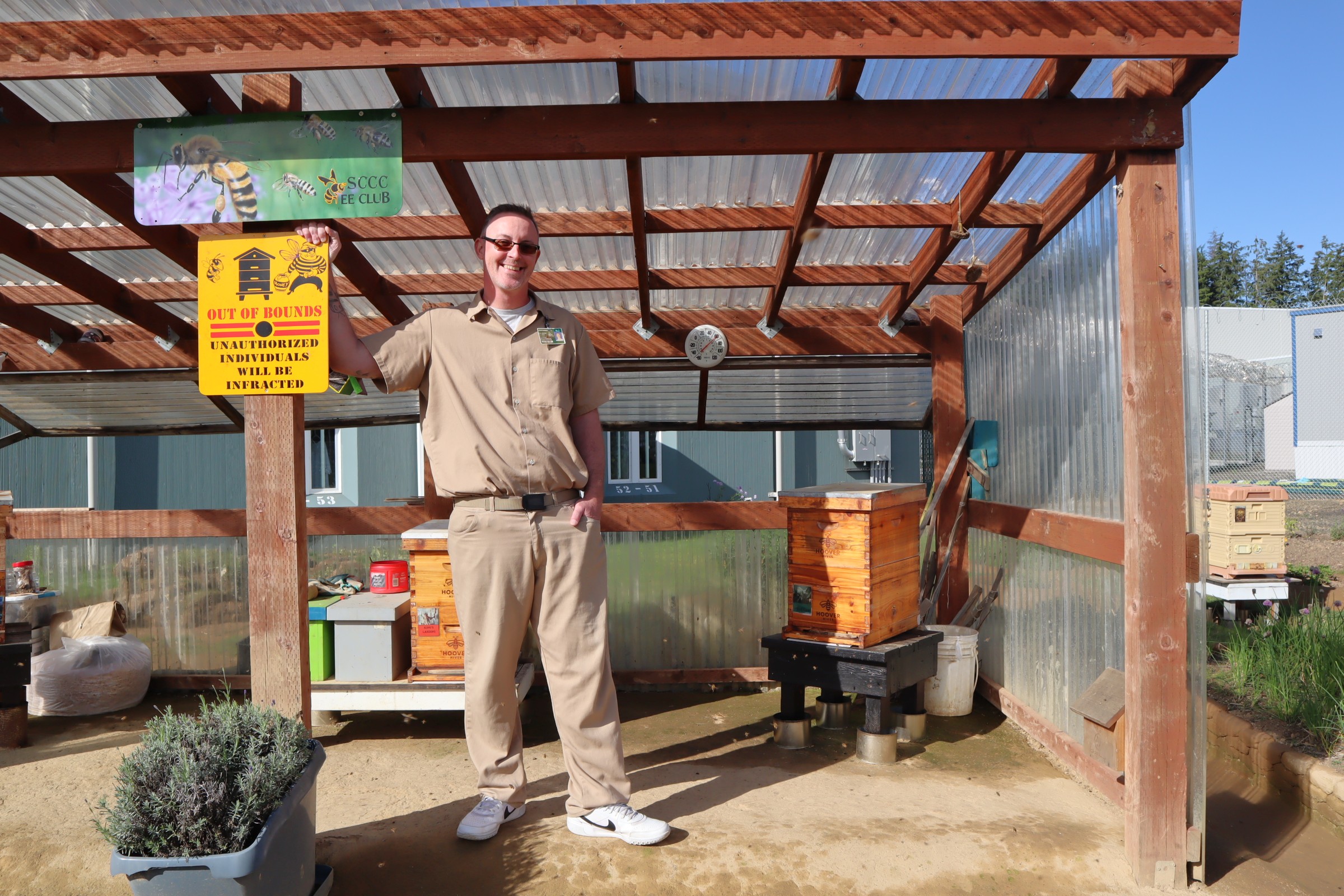
One incarcerated presenter even shared his entire testimony fully dressed in a white beekeeper’s suit. After sharing a short video of Stafford Creek’s hives, he described the overwintering practices and the necessary activities needed to improve the bees’ chances of survival during the cold, wet winter months.
The international presentation of bees to multiple incarcerated community was the first of its kind. It had never been done before. Sustainability has never been discussed by incarcerated people from different parts of the world. All of this was made possible through a new Washington Way initiative called Cell-2-Cell. It is a fully interactive connective platform that unites incarcerated people on different sides of the world so that they can share their life experiences and culture. Starting just two years ago, Cell-2-Cell is realizing its revolutionary potential to connect communities, talk about bees, and change the world.
By Sarah Larson, SPP Sagebrush Coordinator
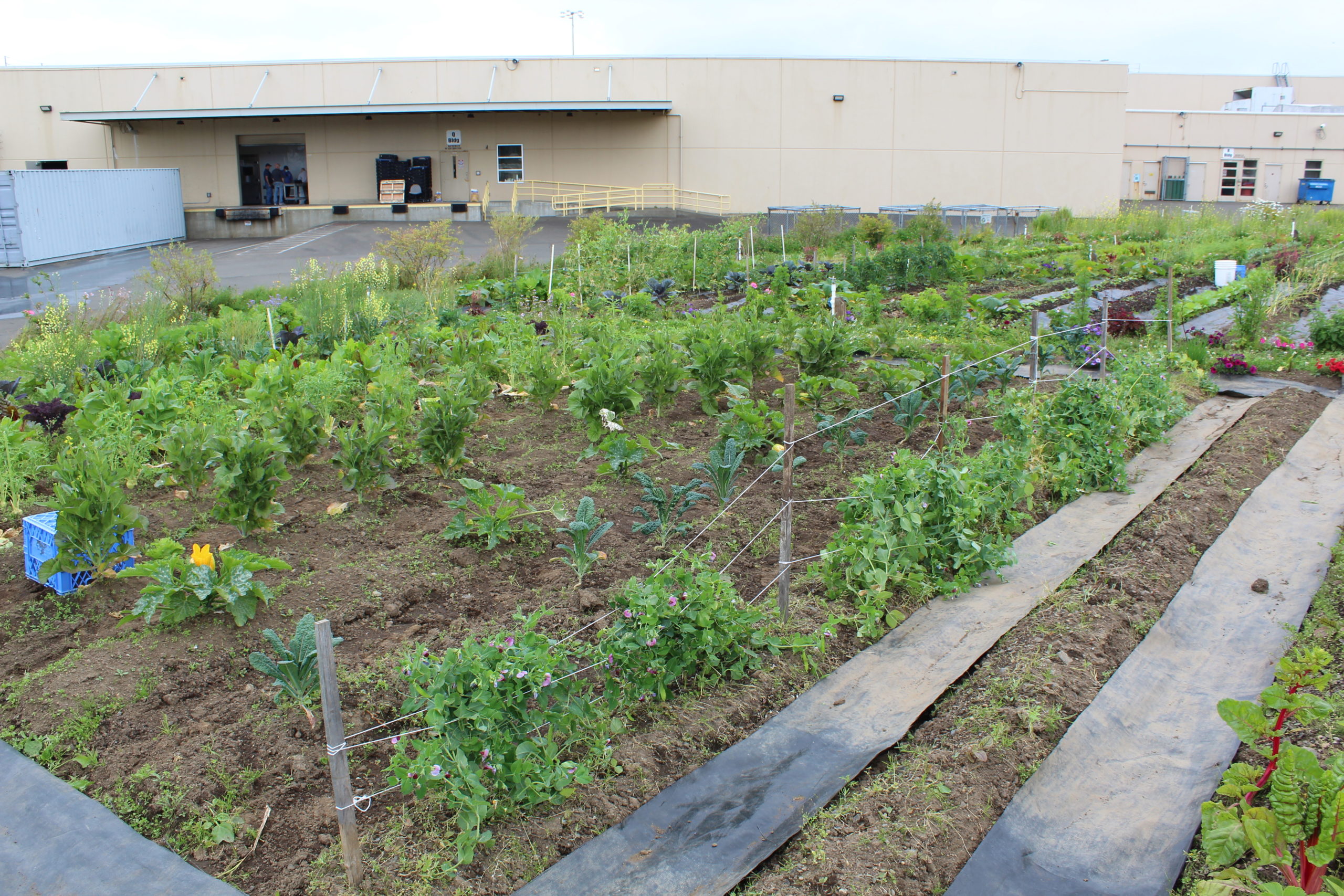
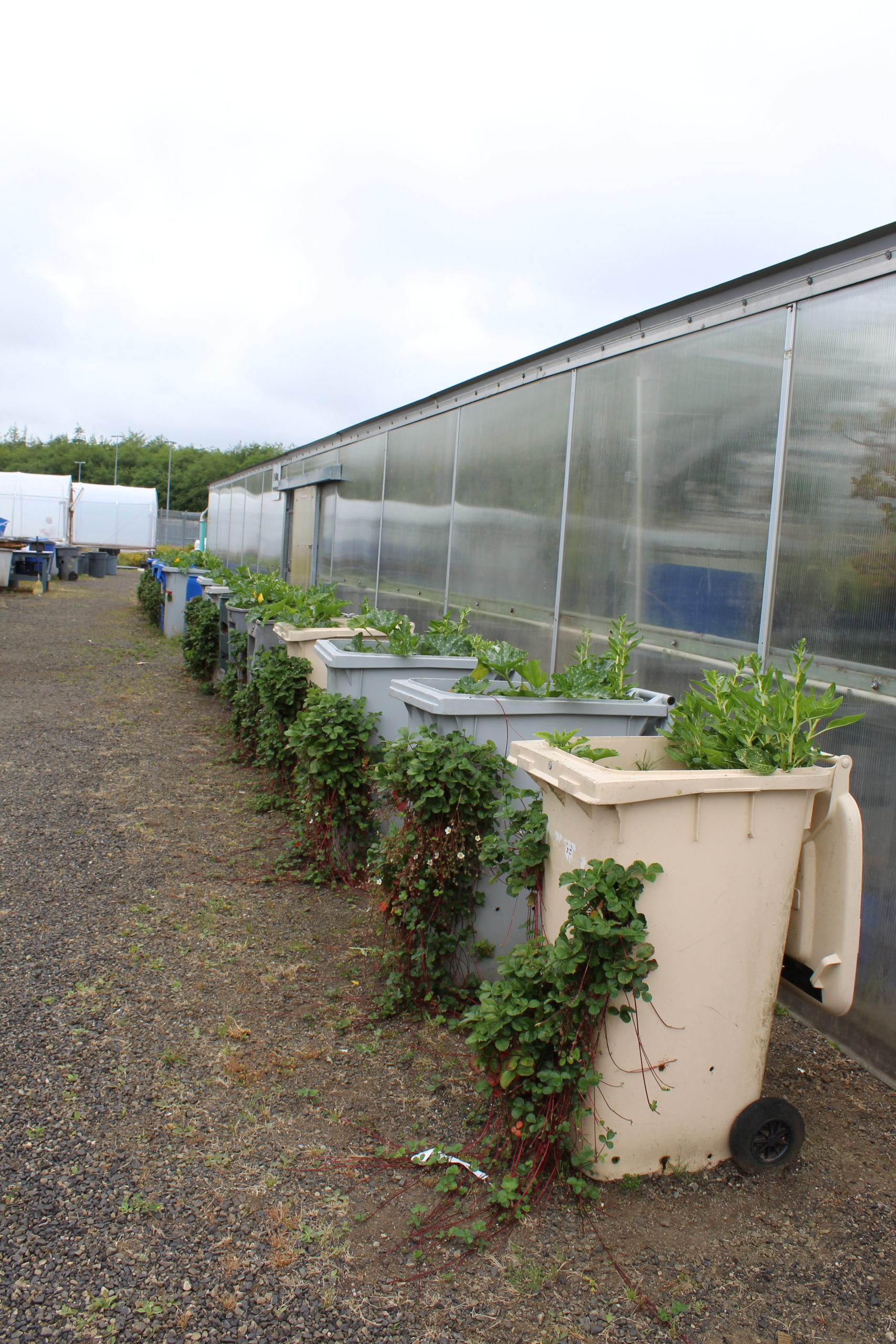
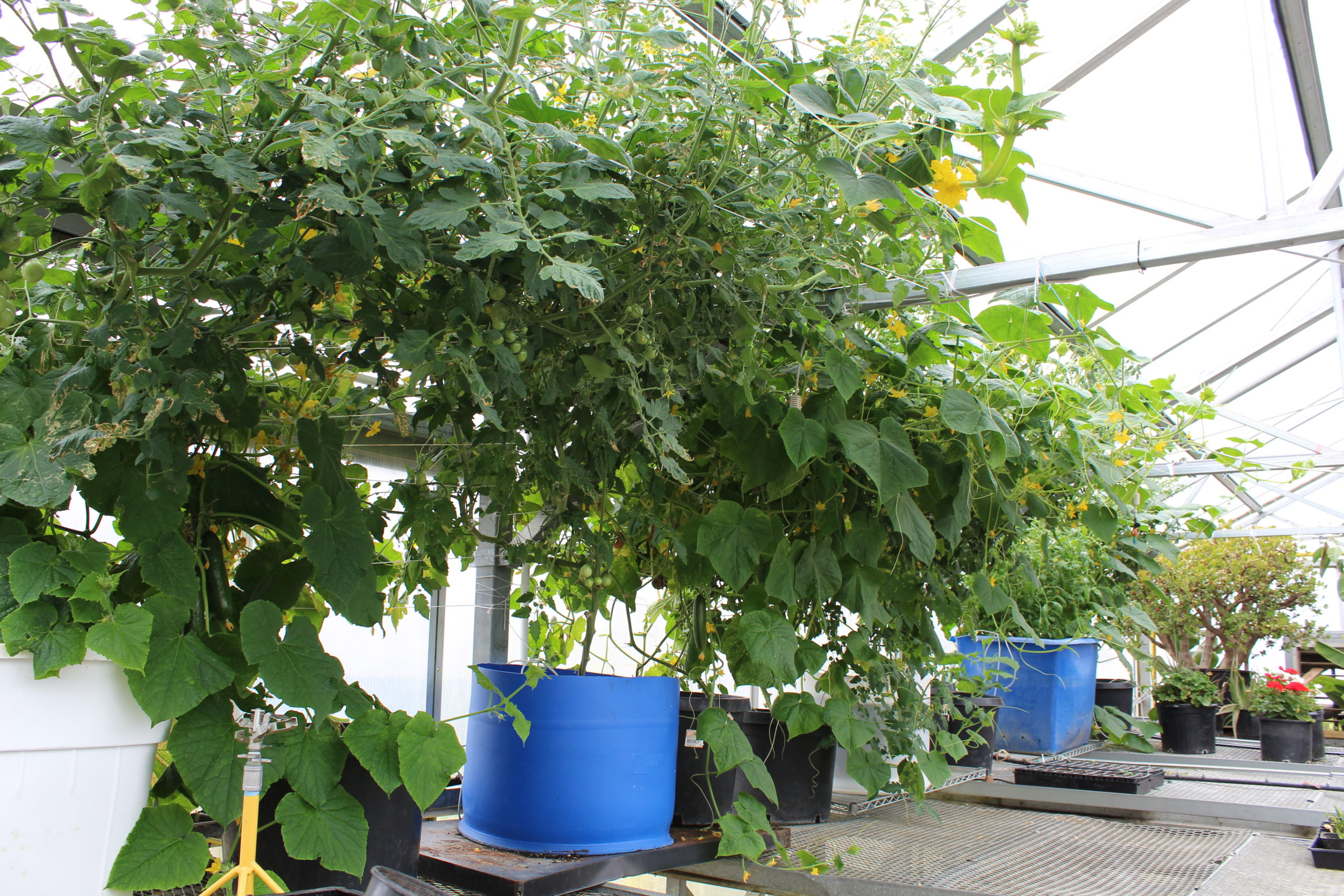
Incarcerated gardeners have been tending to their gardens since the season began this past spring. Despite delays in planting due to the unusually long and cool spring, the gardeners managed to plant a variety of vegetables throughout the facility. Harvests occur each Monday morning with the bounty being donated to the Coastal Harvest food bank in Hoquiam. As of mid-September, they’ve grown and donated an amazing 6,000 lbs. of produce!

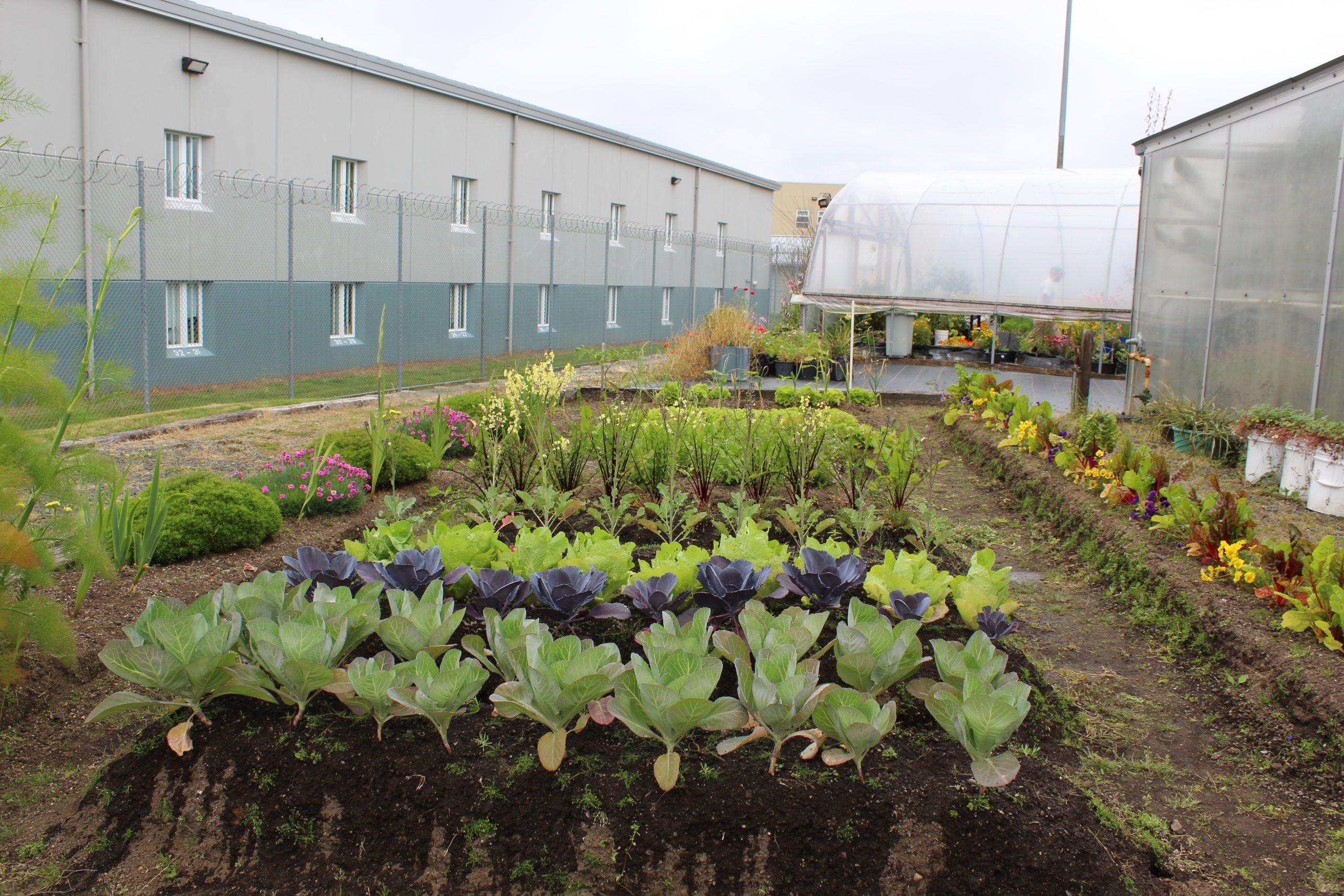
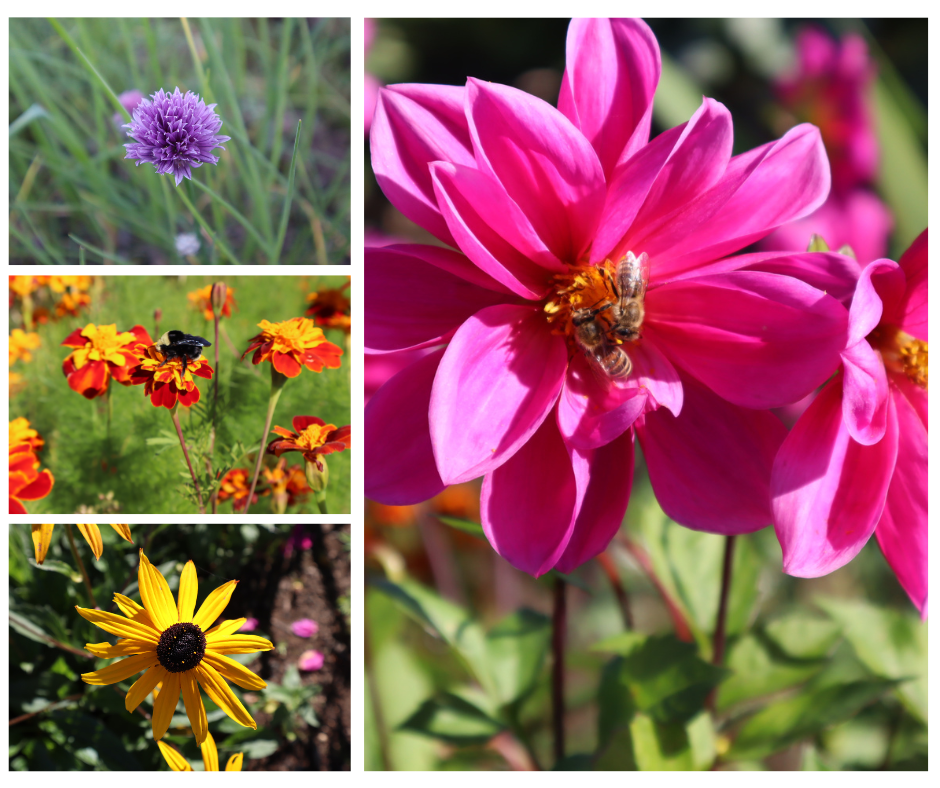
The gardeners don’t just grow vegetables, they also incorporate wildflowers and perennials. While this helps beautify the grounds, it also does an incredibly important job of supporting the Stafford Creek honey bees. The bees forage for pollen and nectar, while also pollinating many of the vegetables.
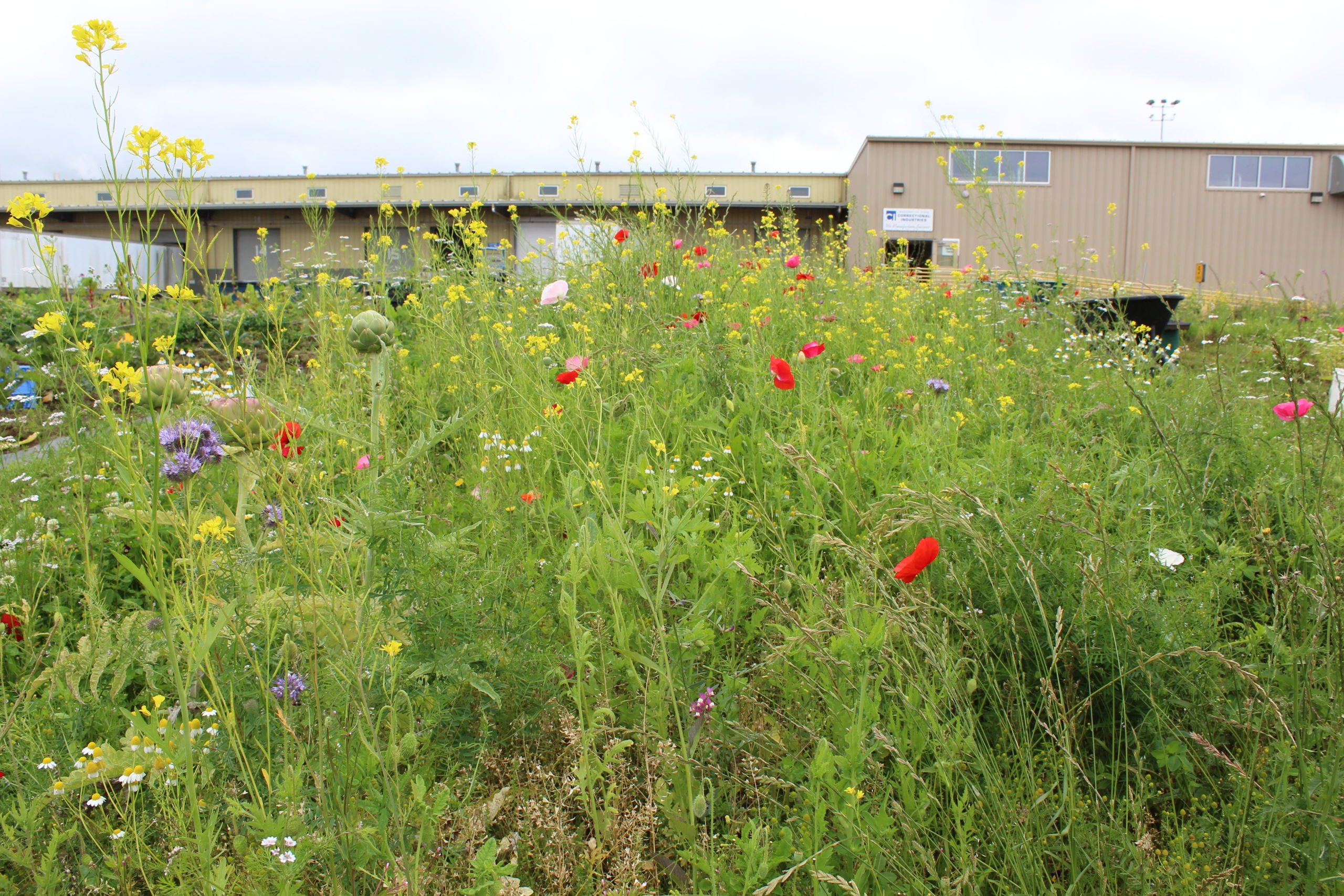
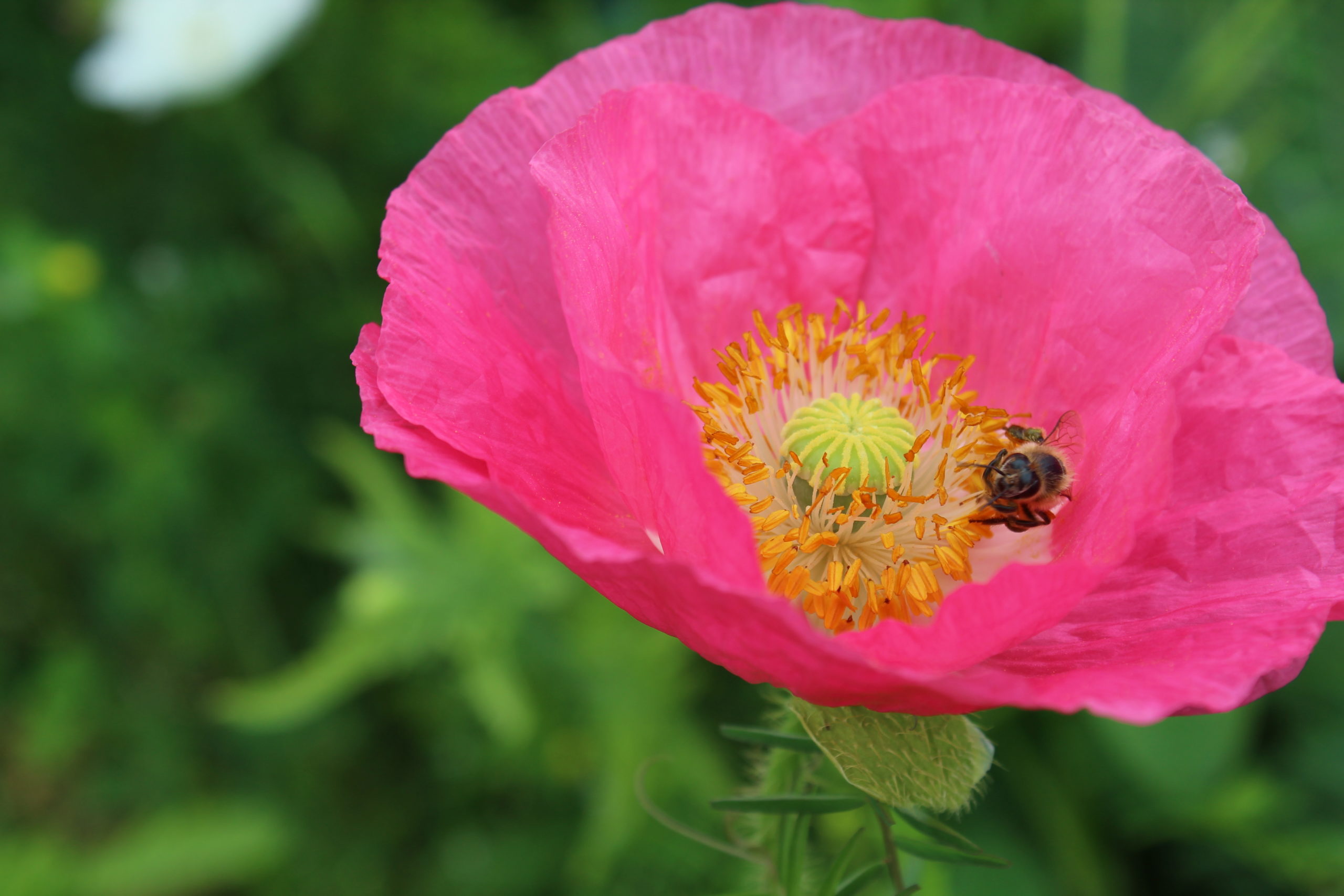
Gardeners often experiment with new plant varieties, giving them the opportunity to learn more about the needs of different plants and how to solve issues with pests and diseases. Gardeners also collect and store seeds that are then sown the following year.
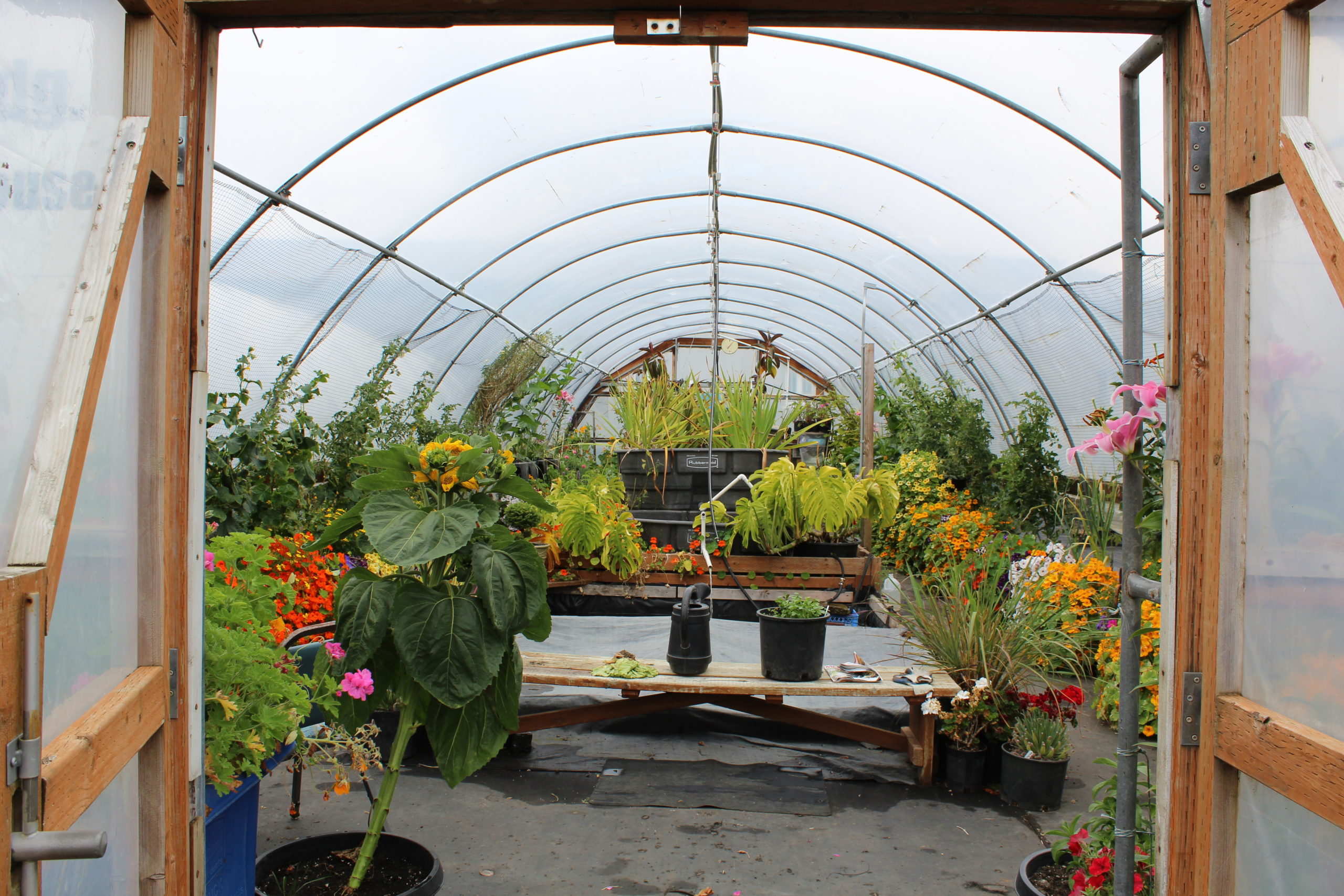
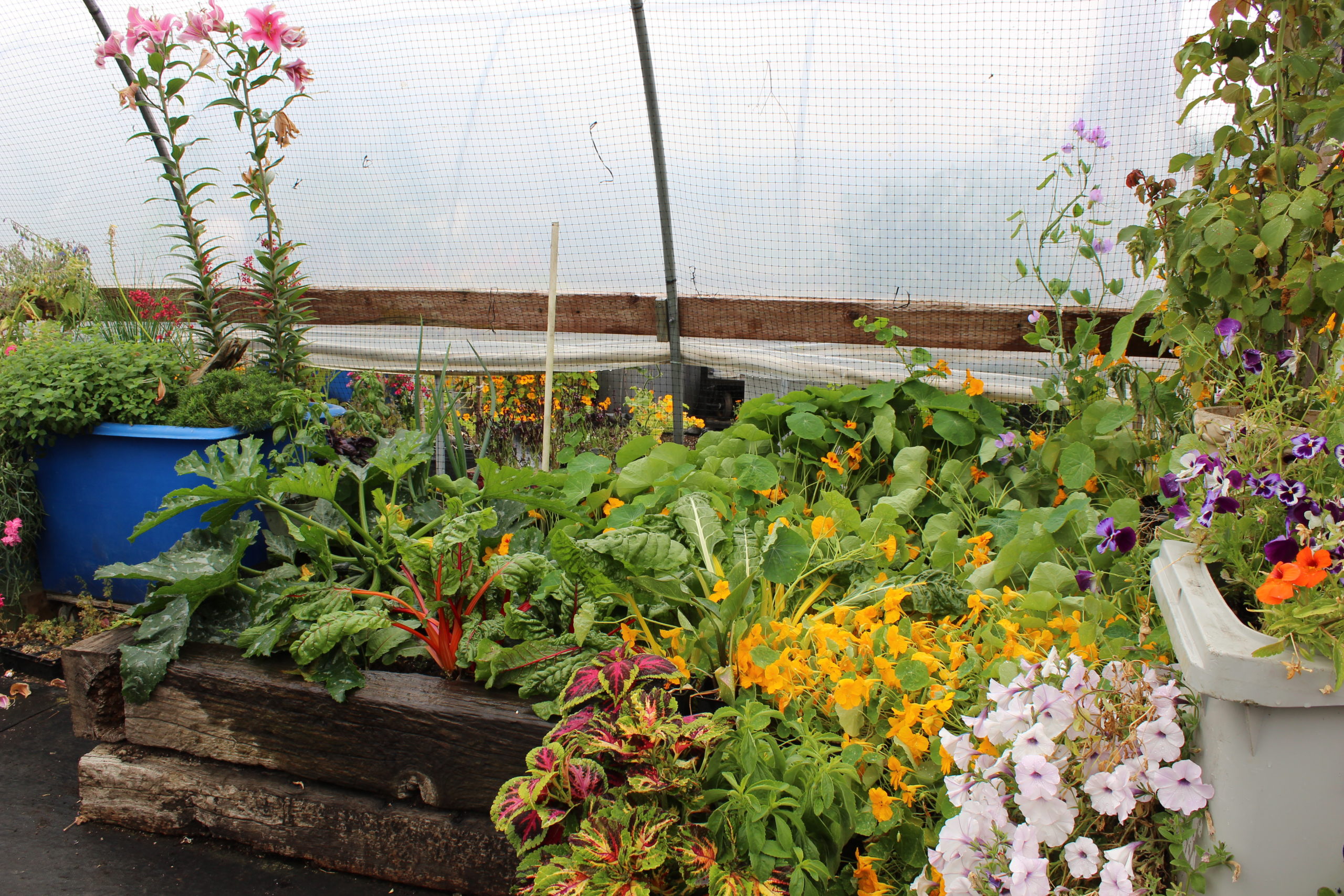
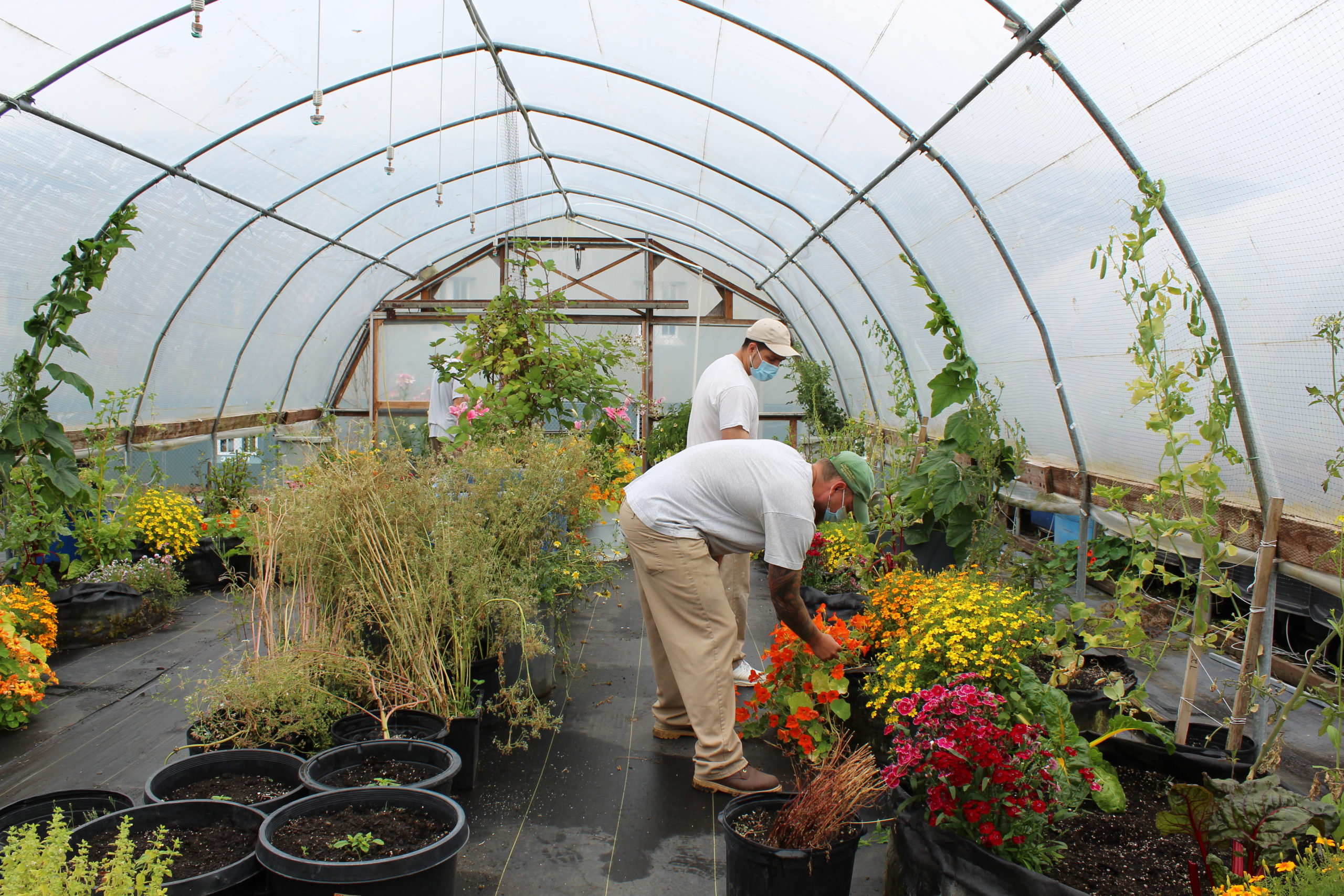
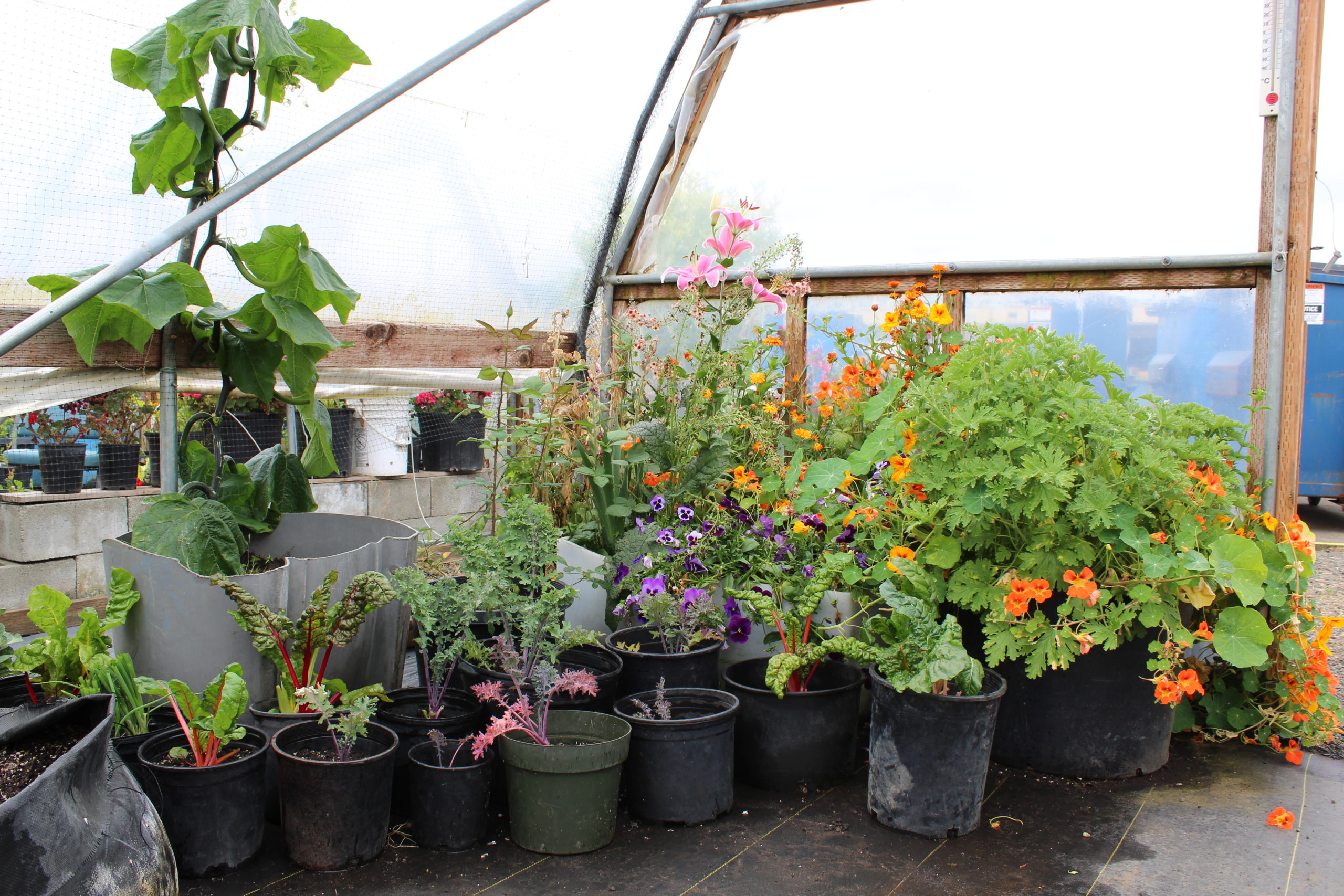
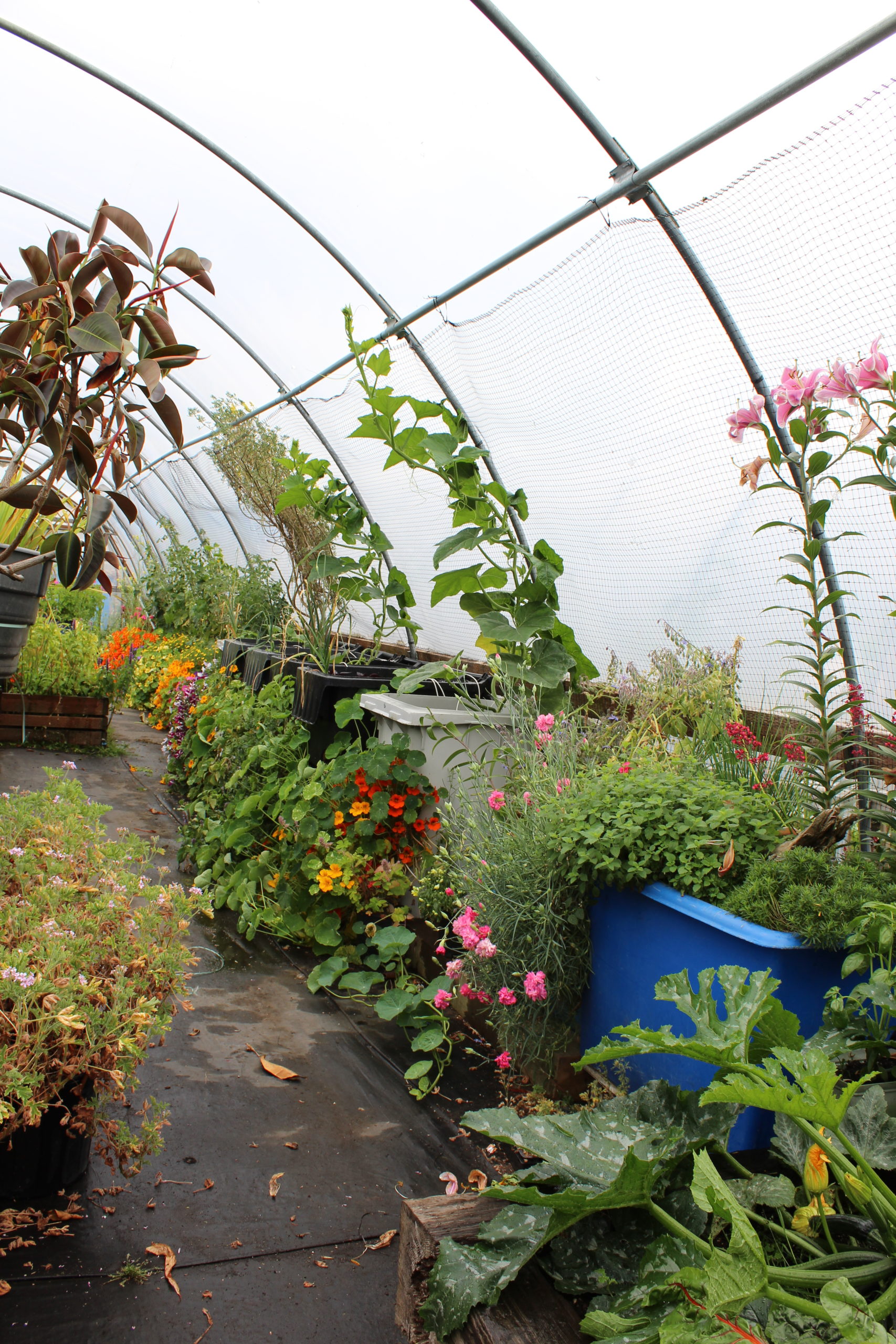
With sustainability in mind, the gardeners get very creative in repurposing old containers to grow plants in. Many items are repurposed, like recycling bins, water barrels, laundry tubs, as well as reusing black plastic nursery pots.

This season, the sustainability crew at The Washington Corrections Center (WCC) in Shelton, WA planted native prairie plants for seed harvesting. These plants, which include Plectritis congesta, Collinsia parviflora, and Collinsia grandiflora, are being used in prairie restoration for the endangered Taylor’s checkerspot butterfly.

Despite work delays, the crew was able to sow the field and harvest the seeds-which are currently curing inside before they’re packaged and distributed. This process involved deconstructing old garden beds that previously housed violets, reshaping the soil, planting ground cover, sowing the seeds twice, and weeding the rows weekly.
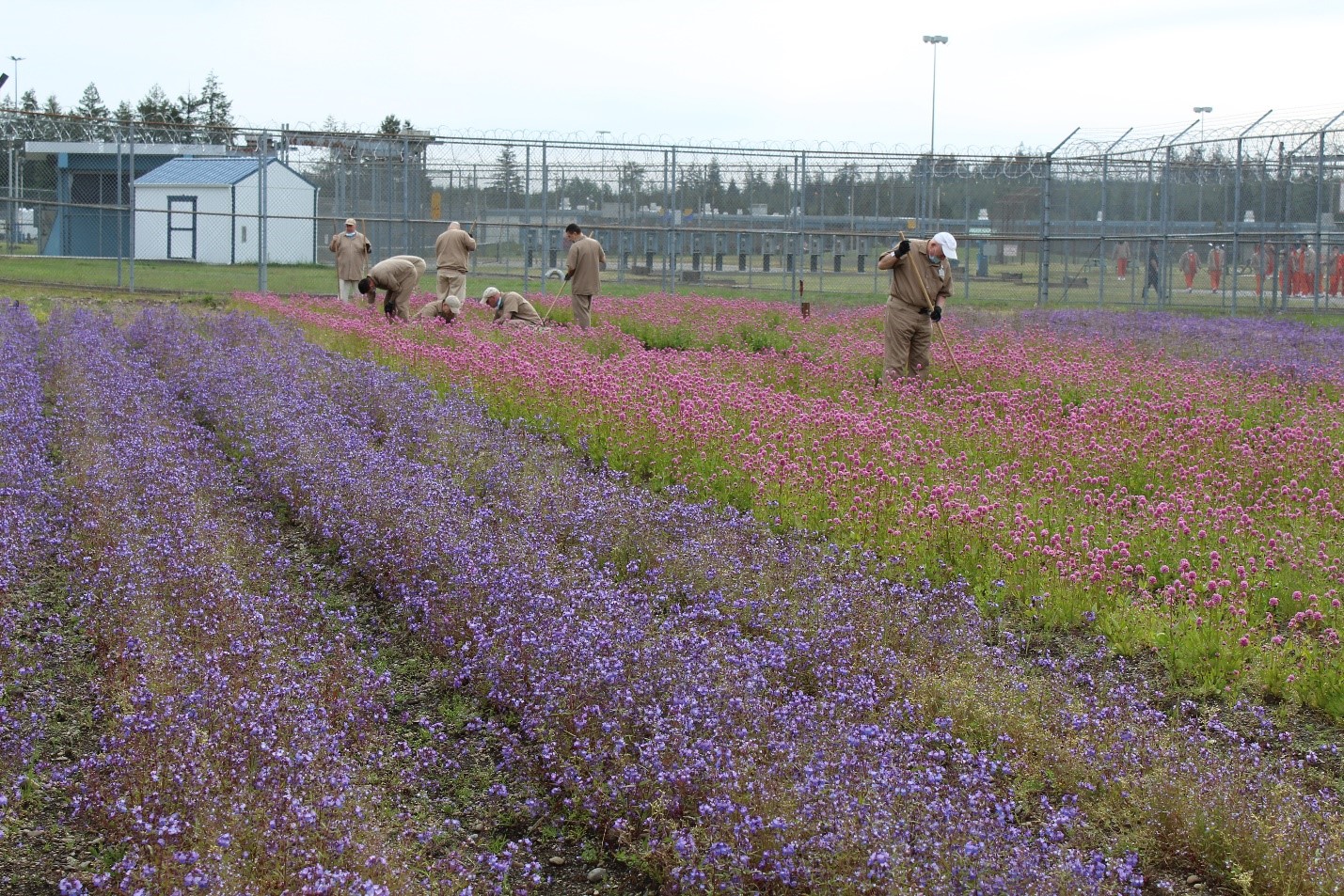
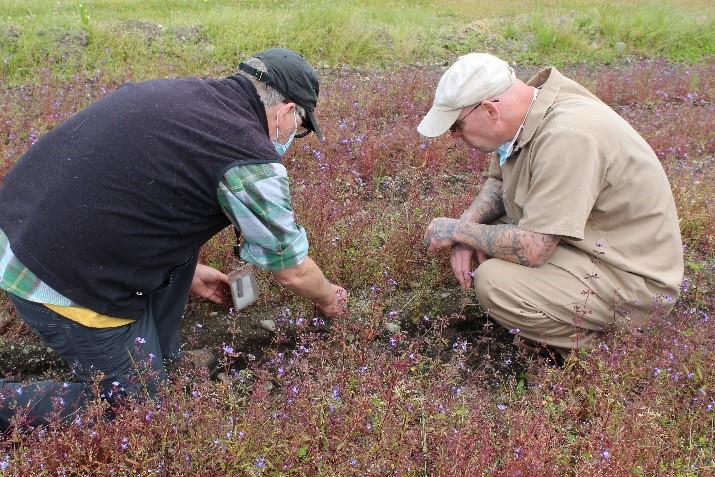
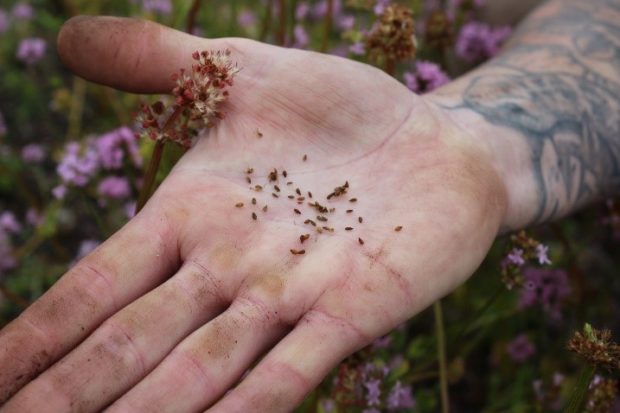
Technicians weeded the rows weekly (top). SPP Ecological Conservation Manager Carl Elliot and a WCC crew member discuss seed ripeness and harvest dates (left). A technician shows Plectritis congesta seeds. Photos by Michelle Klim.
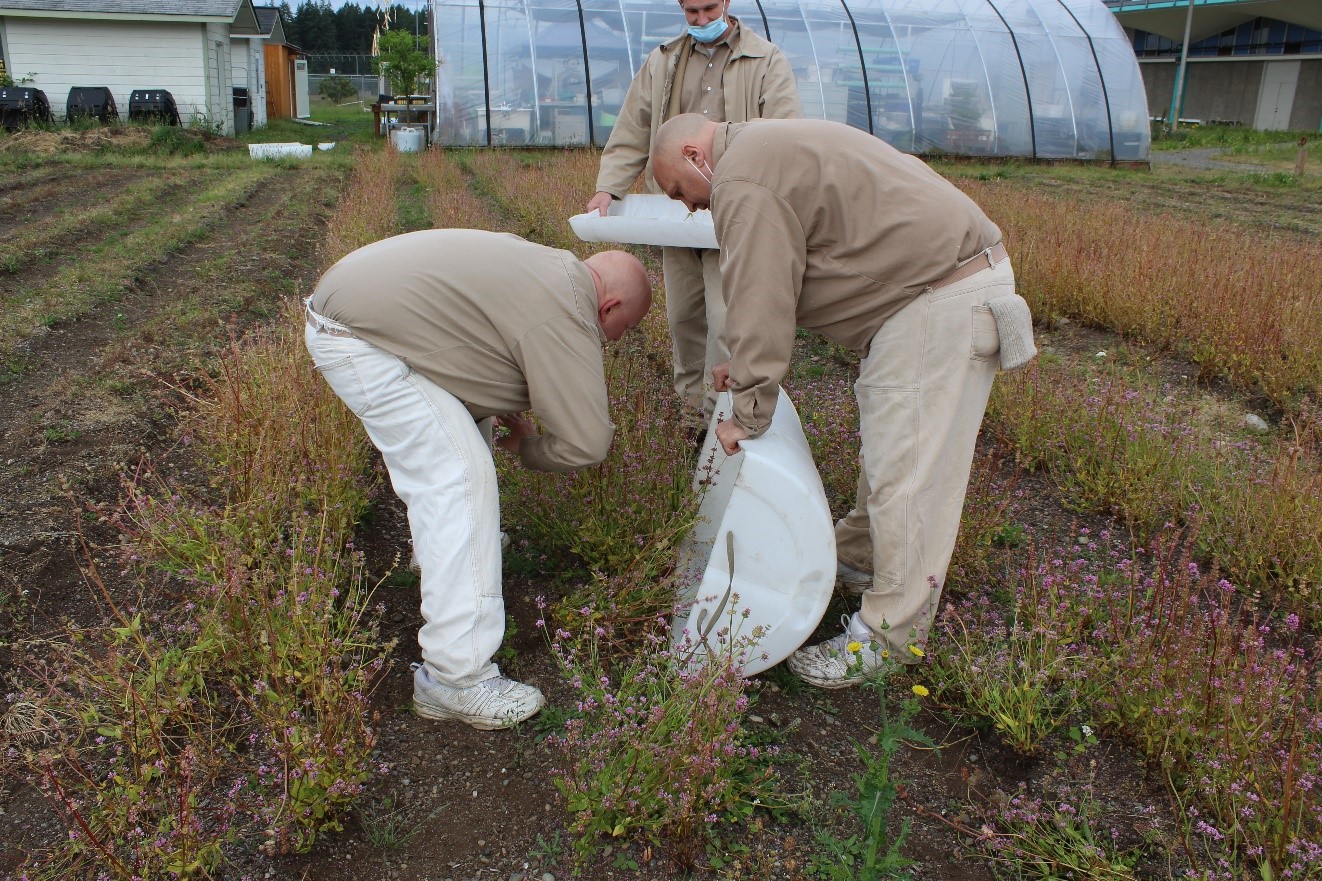
During the harvesting process, the crew noticed that there were seeds being left behind. They came up with an innovative solution- using a wireless shop-vac to collect them. They separated the seeds from the soil by shaking them through sieves but still had some small debris in the mix. After some trial and error, they came up with a solution- submerging the seeds in water and collecting the ones that float or bunch together.
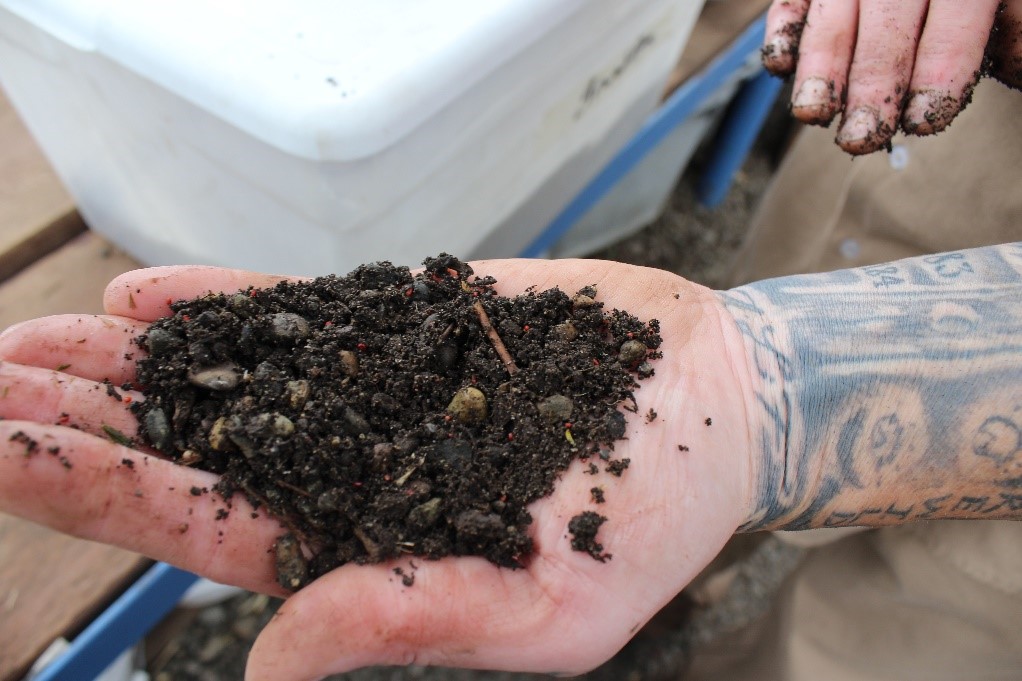
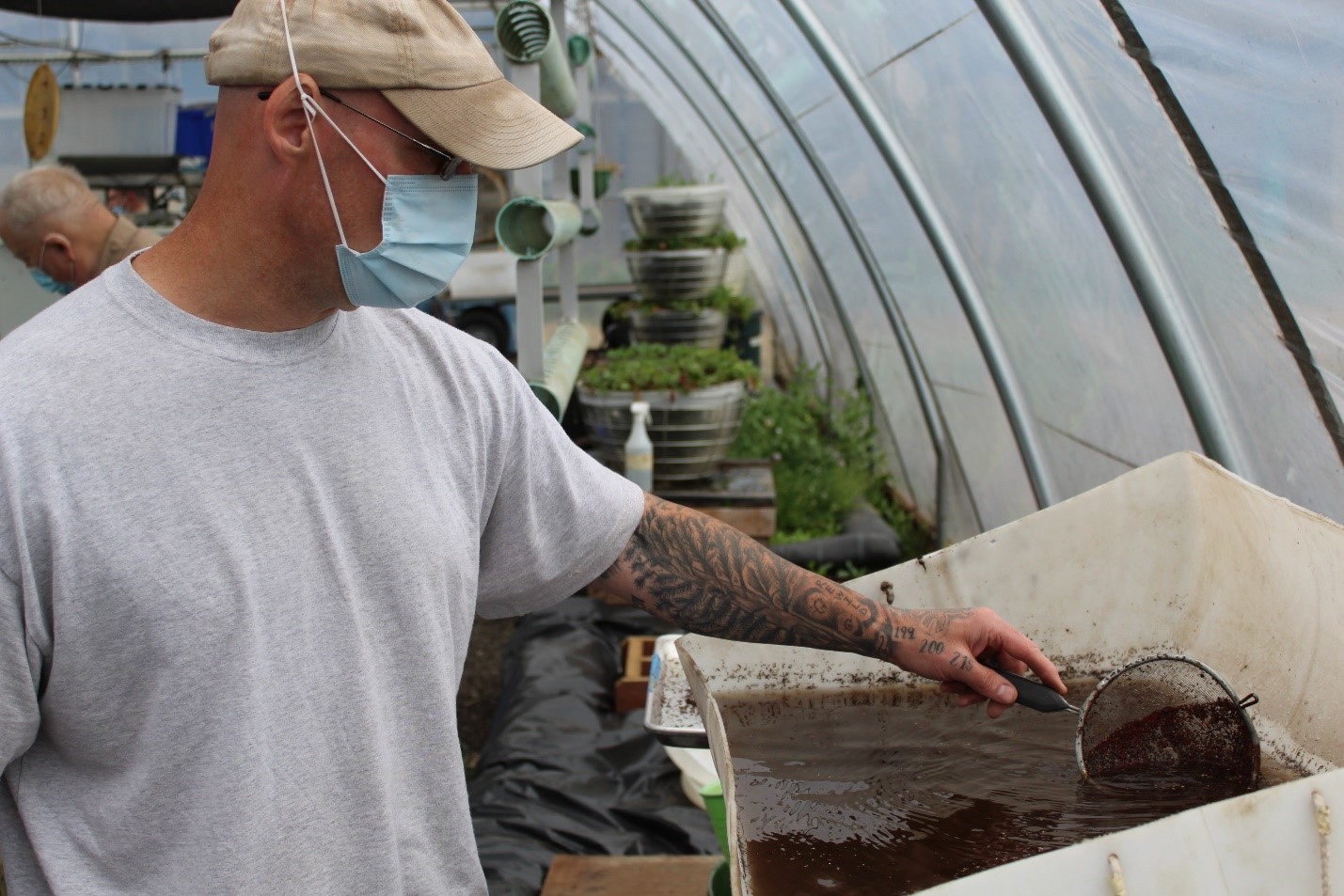
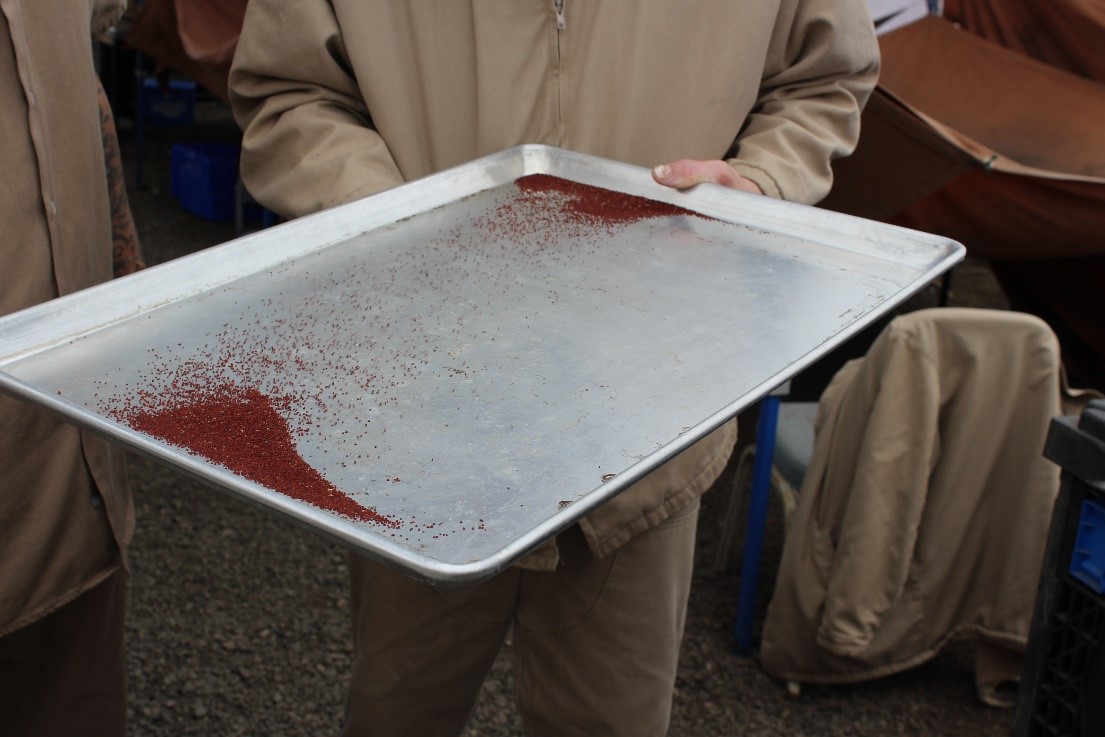
The work was not easy, but the team was able to work together to come up with solutions and complete the harvest.
Written by Marissa Scoville, SPP Ecological Coordinator
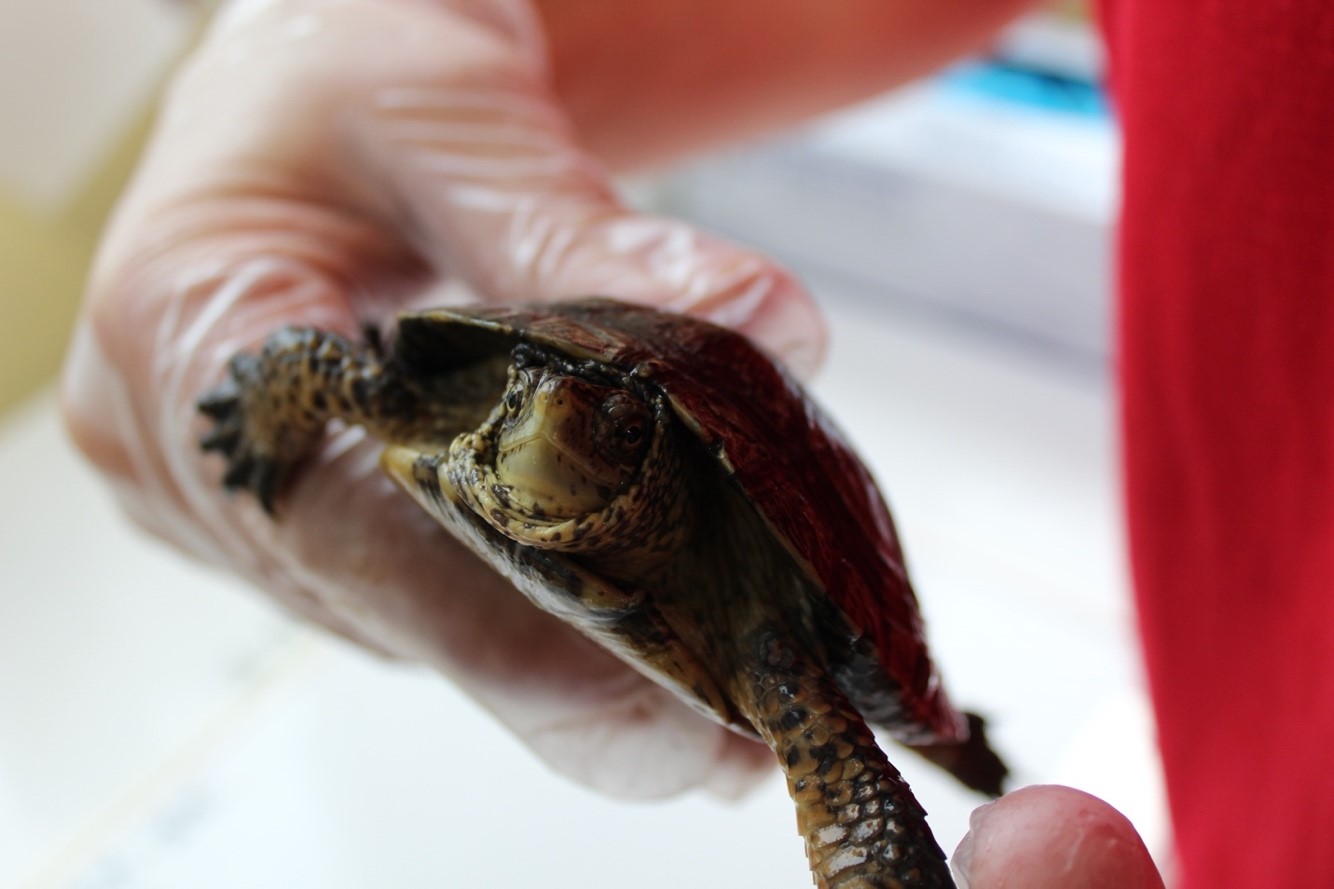
After a long hiatus Cedar Creek Corrections Center (CCCC) and the Sustainability in Prisons Project (SPP) were happy to welcome back the Western Pond Turtle (WPT). The WPT program has been active since 2013, but due to Covid-19 SPP had to take a two-year break from the program. With the return of the program SPP has begun working with a team of incarcerated technicians to provide care to these turtles by helping them recover from illness so they can return to their native ponds and help the population grow.
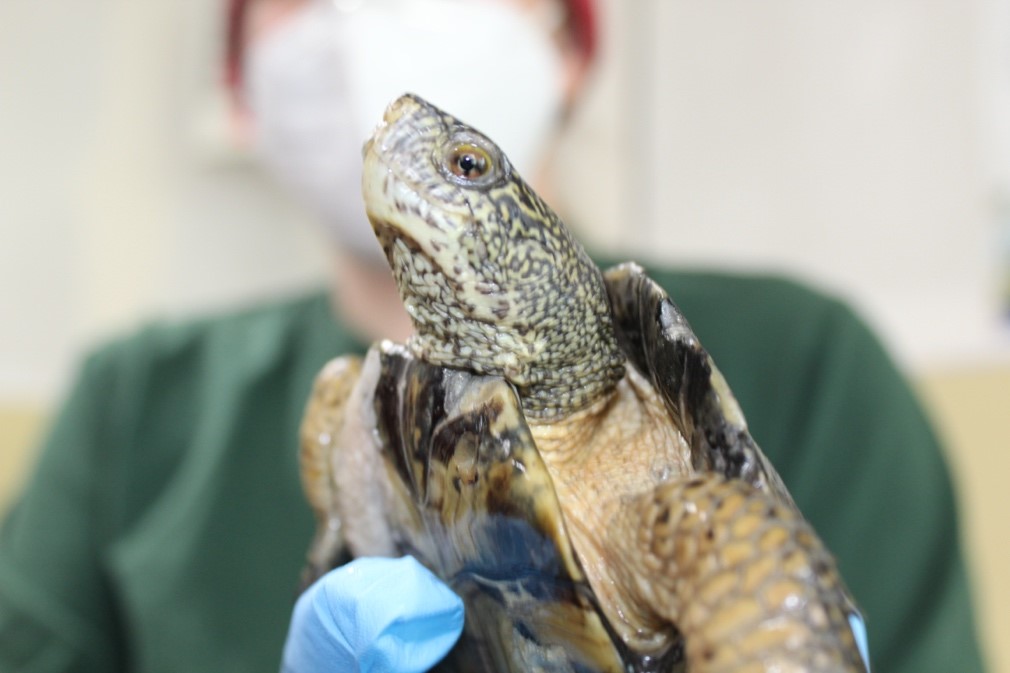
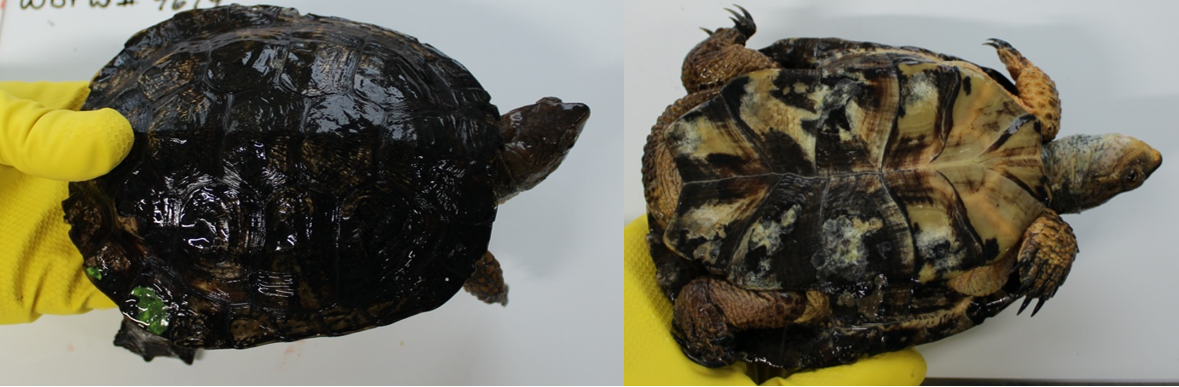
The WPT are a Washington state listed endangered species. Biologists from Washington Department of Fish and Wildlife (WDFW) trap the turtles and examine them for signs of shell disease. Shell disease is caused by a keratin eating fungus that infects the WPTs and creates lesions on their shells, left untreated it can be fatal. Turtles that are show symptoms of shell disease are then brought to PAWS Wildlife and Rehabilitation Center (PAWS) for treatment. This year all the turtles that received treatment were from Peirce County. After treatment the turtles have a long road to recovery, and this is where the technicians at Cedar Creek come in to play.
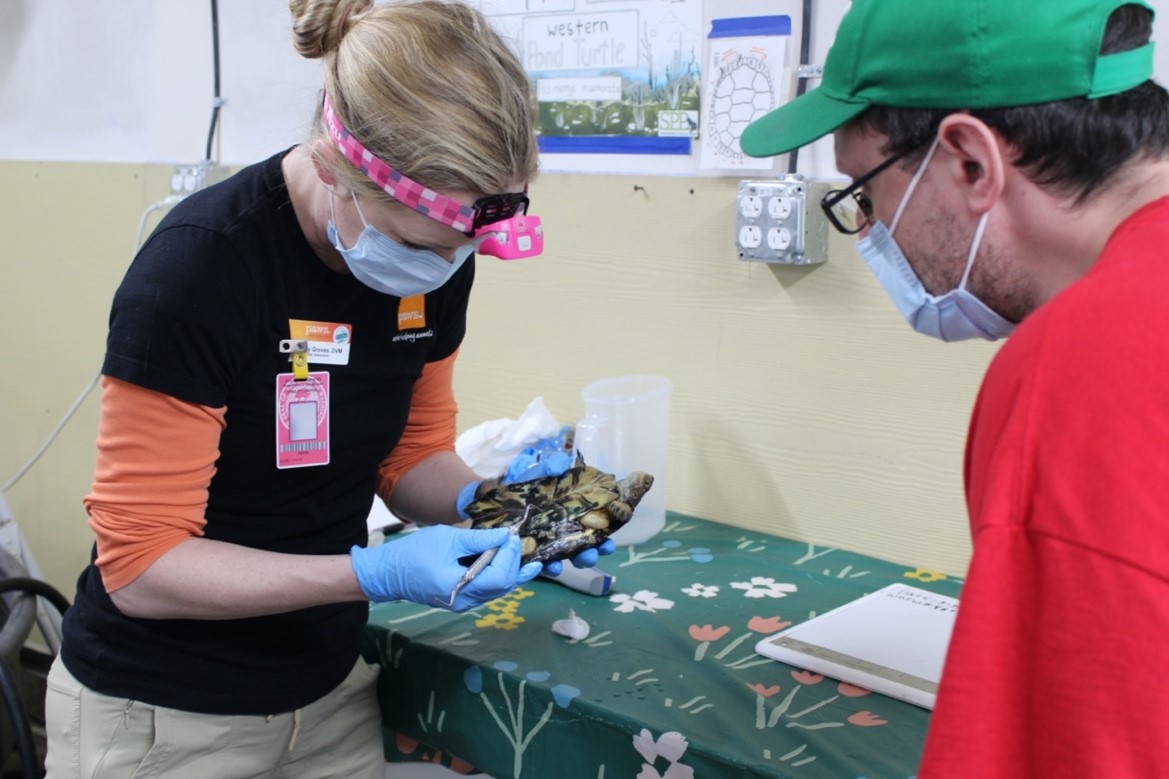
At Cedar Creek, the turtles are kept in a small building lovingly dubbed by both staff and technicians alike, “The Turtle Shack”, which was renovated this year to house the turtles. Due to the two-year break in the WPT program and the new Turtle Shack, there was a lot of work to set up before the turtles could arrive! But supplies were quickly gathered, and the tanks and lights were set up as well, and pretty soon The Turtle Shack was ready to house the WPTs. On March 9th, 2022, the eight WPTs were transferred down from the PAWS facility to Cedar Creek by WDFW biologist Emily Butler.
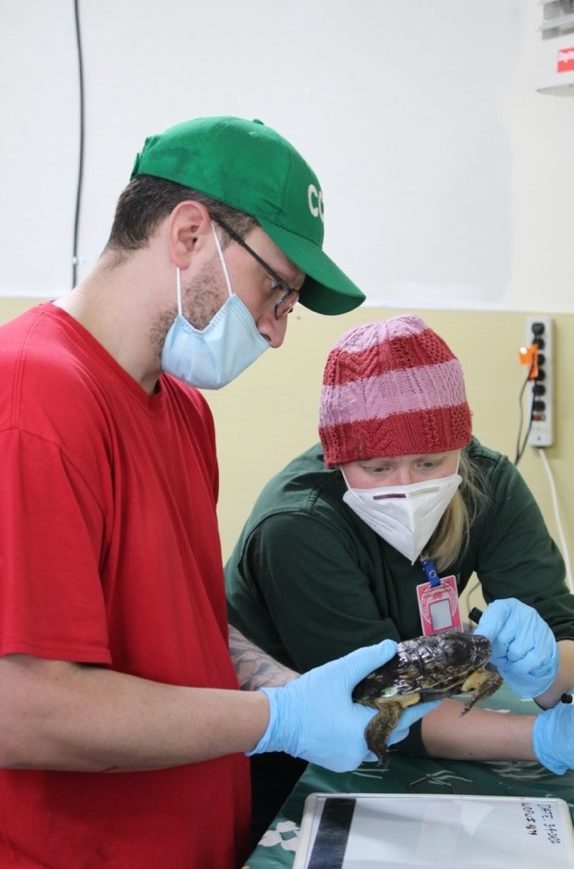
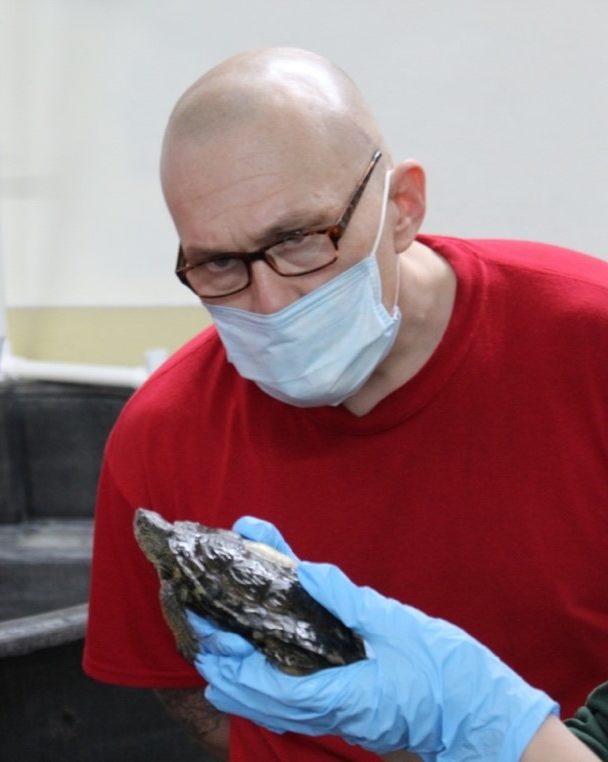
Once the turtles arrive at Cedar Creek, the technicians work hard to care for this endangered species. The technicians prepared and fed the turtles a varied diet of smelt, mealworms, night crawlers, turtle pellets, mixed greens, and reptile gel. They also provided daily water changes and weekly tank cleanings to prevent possible infections in the turtles’ post-treatment wounds. With daily behavior observations the technicians quickly learned the personality each turtle had, some were shy and preferred to hide all day while others were bold and sassy, preferring to bask all day and would occasionally attempt to pick a fight with their tank mate. It is important to note aggressive turtles were separated in their tanks with Plexi glass to prevent potential injury (this would not stop them from endlessly hissing at each other though). Physical observations were also regularly made to ensure treated lesions were healing or if new lesions developed. These observations helped the technicians notice if a turtle acting differently and may need medical attention, thankfully no extra medical attention was required for this round of turtles. In what felt like minutes, the turtles were rehabilitated and ready for release.
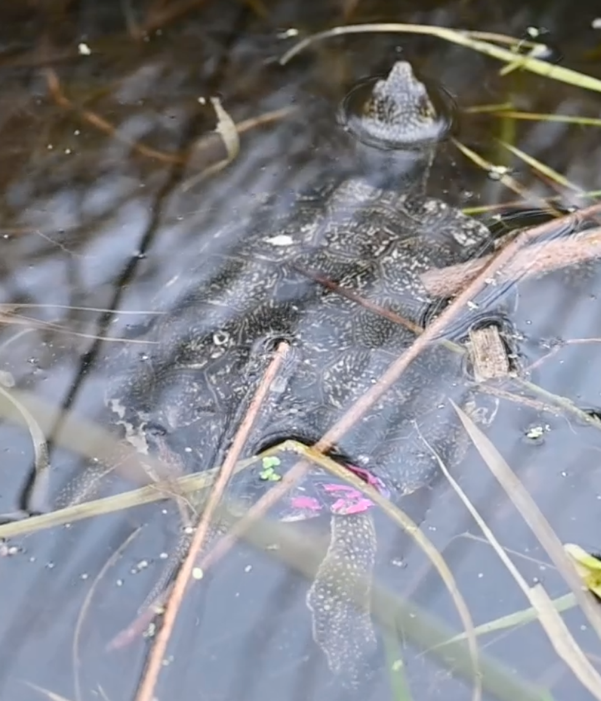
On May 5th, 2022, the turtles were transported to the Pierce County release site, where their native ponds are located. Here a small staff made up of SPP and WDFW members checked all the turtles prior to release. Unfortunately, the technicians were unable to join this year’s release. The pre-release checks consisted of weight and size measurements, Passive Integrated Transponders (PIT) scans and verifying each turtle’s WDFW number. After this the turtles were brought down to the ponds. At the Pierce County site each of the turtles were released back into the same pond which they were trapped in many months ago. Each of the staff took turns releasing the eight WPTs into their native ponds. The turtles swam away and rejoined their population just in time for the summer and the WPT mating season. SPP and the Cedar Creek crew are very happy to see the successful release of the WPTs but will be missing the turtles until the next batch of are trapped for treatment.
Written by Derek Thedell, Composting Education Coordinator
At SPP, we believe collaboration is key to successful, resilient programs. One collaboration we are excited to share about is the Foundations in Composting education course, which has been in development since the summer of 2021. With the support of a generous donor, many partners, and Institute for Applied Ecology’s Sagebrush in Prisons Project the new course will be available in Washington prisons and offered at the Lovelock Correctional Center in Nevada!
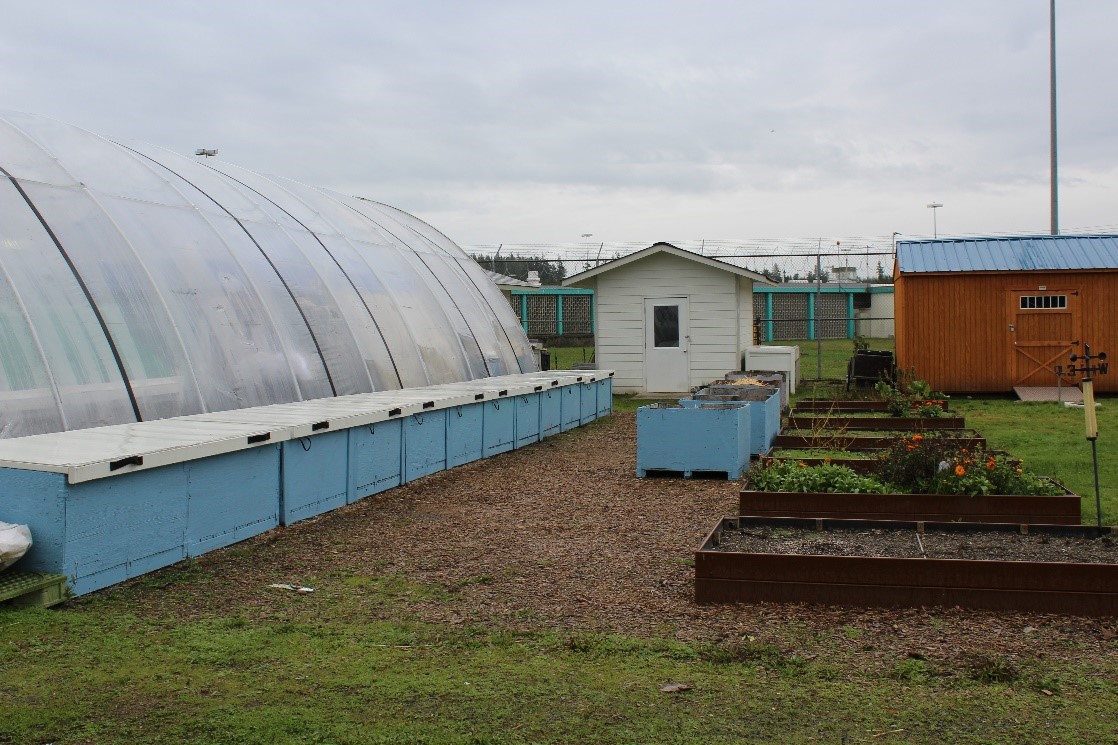
This curriculum is modeled from the Foundations in Gardening course written in 2020 and focuses on the science and impacts of composting from small to commercial scales. The curriculum will also introduce careers in sustainability and include cultural and historical components throughout the curriculum. Additionally, once completed, we will present it to The Evergreen State College for review for college credit.
Module or chapter development is currently in progress and includes input and voices from experts in our communities including incarcerated individuals, corrections staff, formerly incarcerated individuals, Evergreen Master of Environmental Studies graduates, local composting experts, Tilth Alliance, Centralia College staff, and professors at the University of Washington. You might recognize a few faces and voices, including Nick Hacheney and Juan Hernandez who were composting leaders at the massively successful composting program at Monroe Correctional Center.
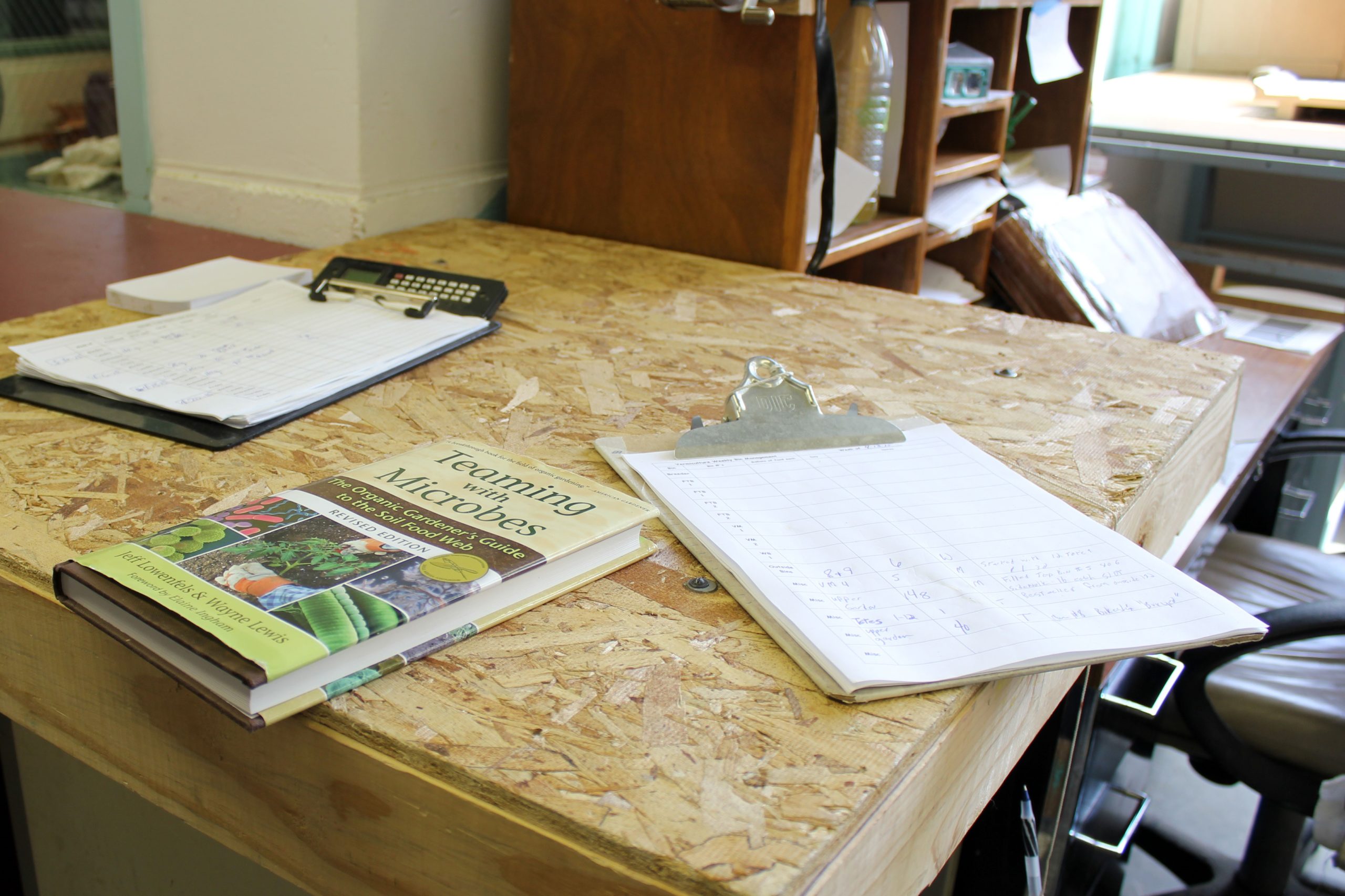
Last November, SPP had the privilege of hosting a course planning meeting at the Washington Corrections Center (WCC) in Shelton. Collaboration is a fundamental part of the SPP program development process. Bringing in the voices and input of the incarcerated composting educators and technicians, Department of Corrections staff, and community experts helps assure that our program is inclusive and well-rounded.
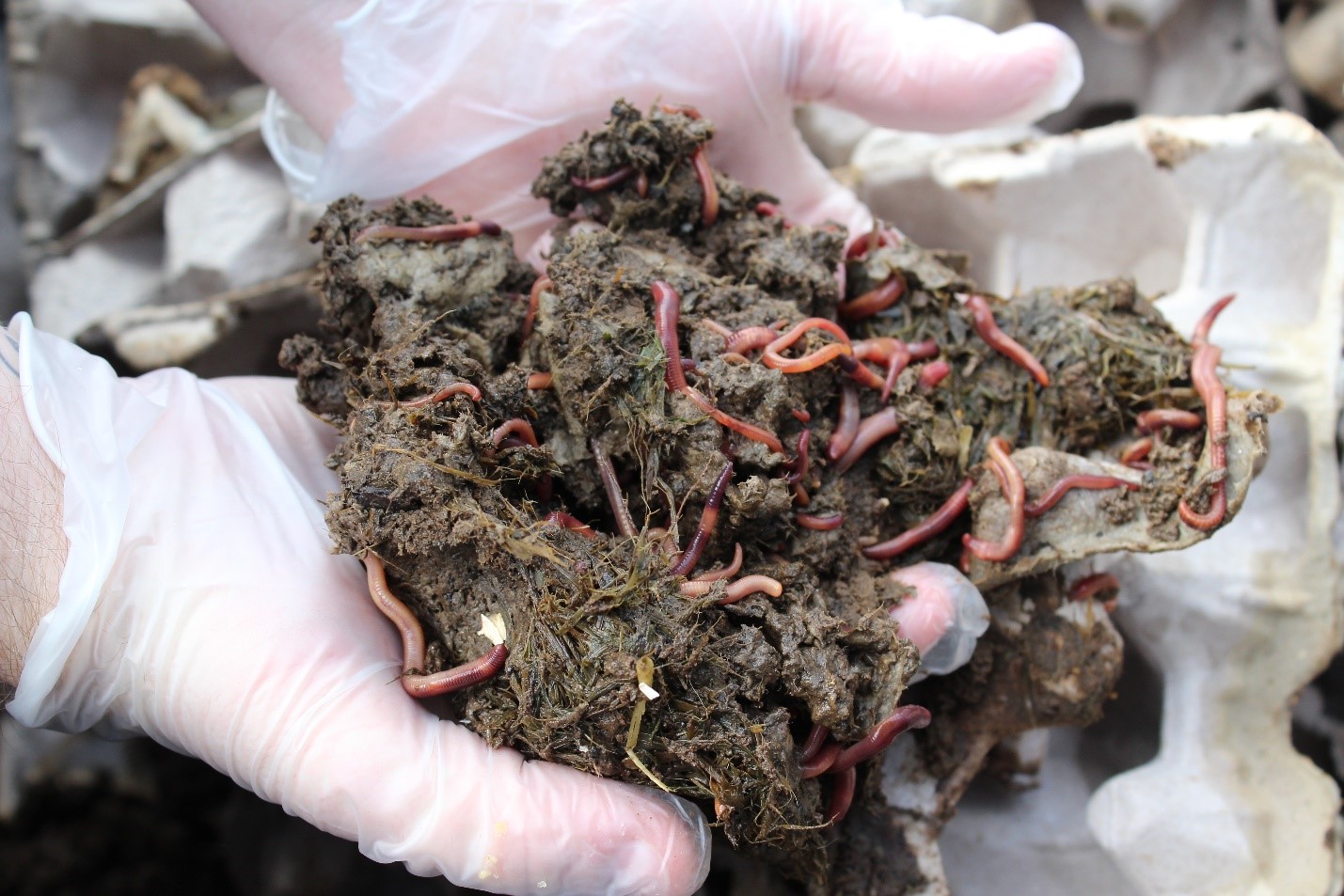
Currently, the sustainability crew at WCC, led by Corrections Specialist 3 Jeff Sanders, has several active composting projects including thermophilic piles (pictured), bokashi, vermicomposting using worms (pictured) and black soldier flies. SPP hopes to provide an educational opportunity to supplement these active projects in the future using this curriculum.
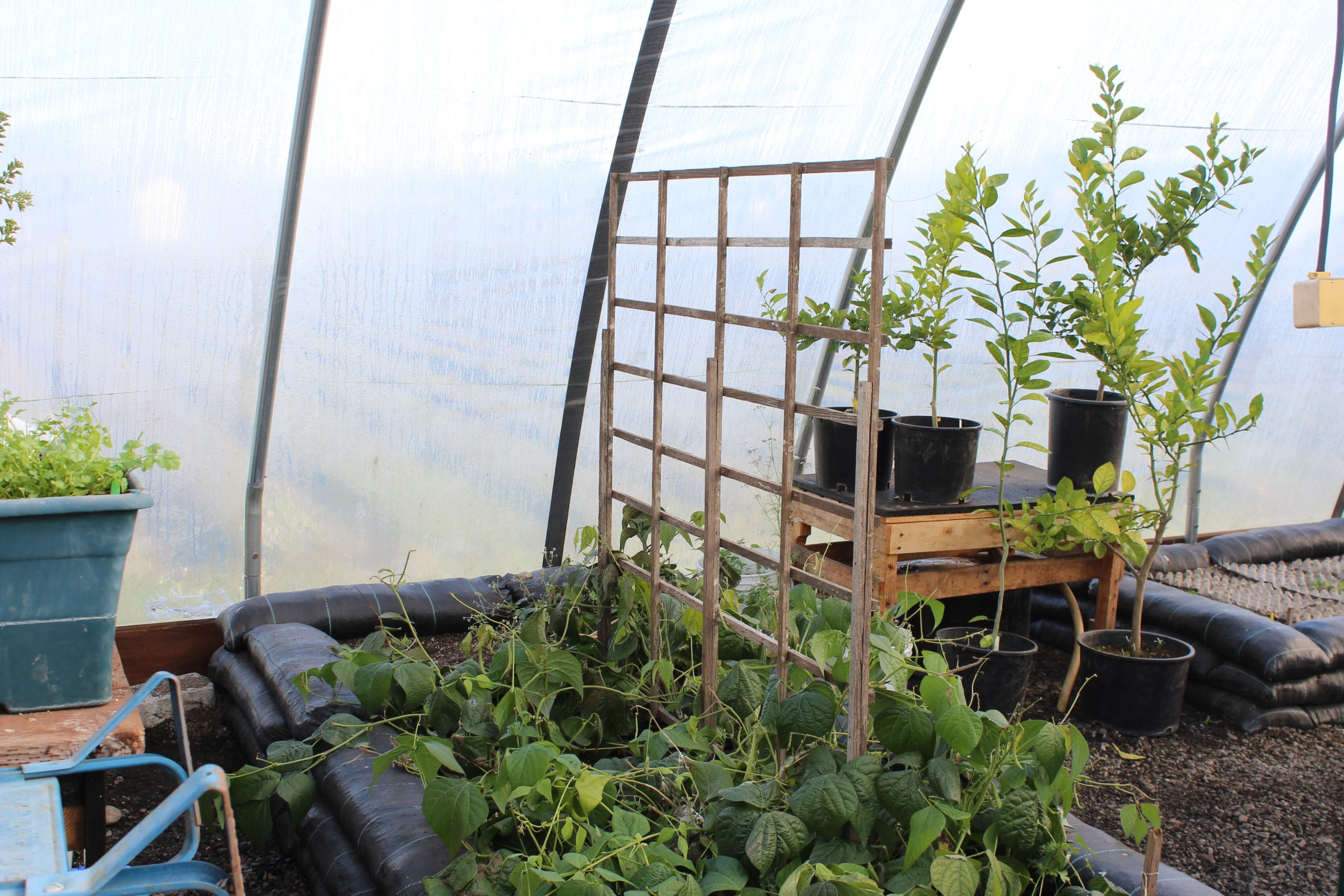
Development of the curriculum is slated to be finished by spring, with the pilot program in Nevada getting started quickly after that. Until then, we will continue to write, edit, and edit some more for this exciting new program. One thing is for sure, the future of composting education in prisons is bright!
Written by Jennifer Bass, Environmental Education Coordinator
This year, Larch Corrections Center introduced the Foundations in Gardening curriculum to High School+ (HS+) students in partnership with the Sustainability in Prisons Project and Clark College. This is the first time SPP’s education materials are being used for HS+ students! HS+ is a flexible alternative to the GED for students where students can use life experience and prior learning to earn their high school diploma. LCC’s class is led by Clark College Instructor Lauren Zavrel and 2 peer-facilitators.
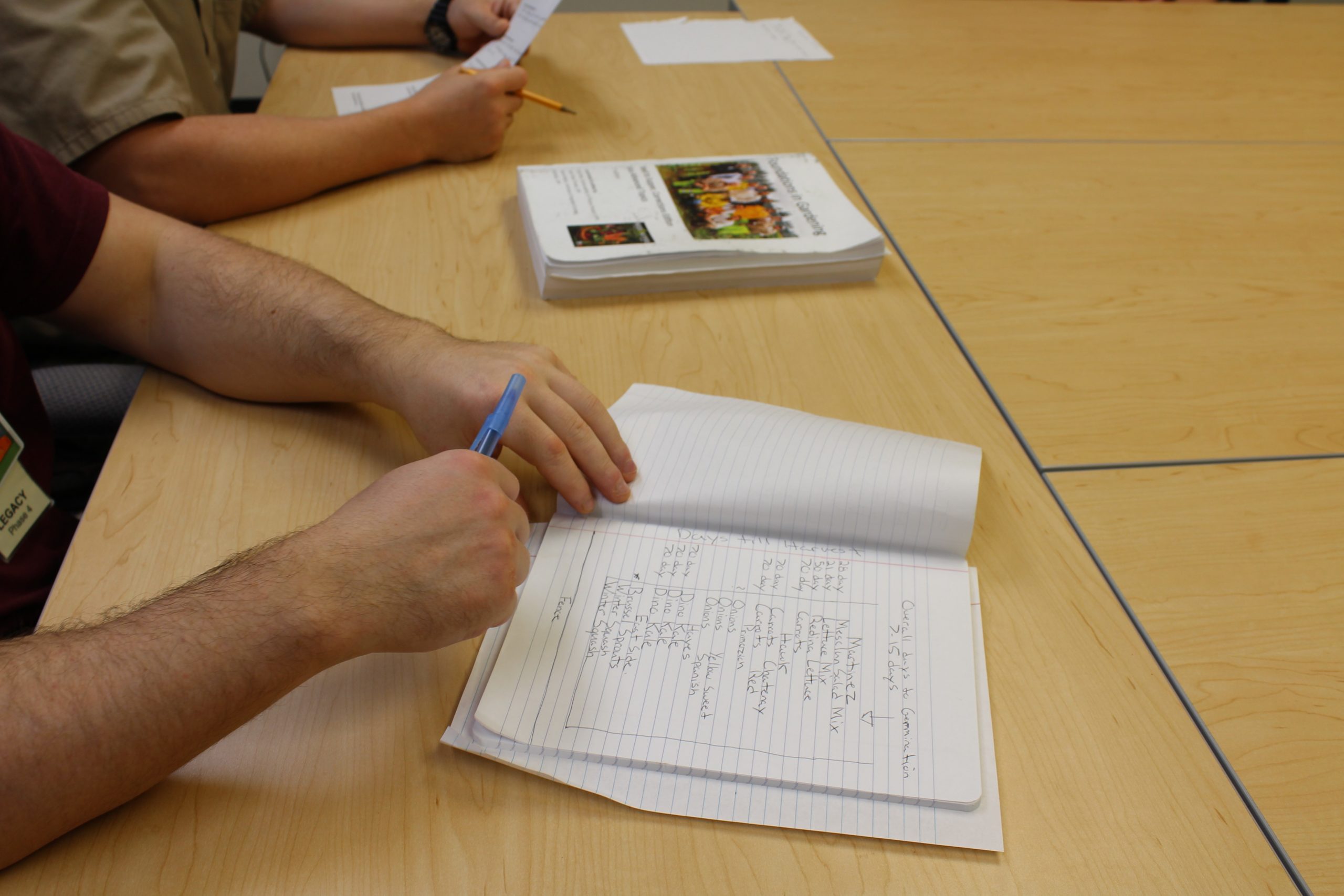
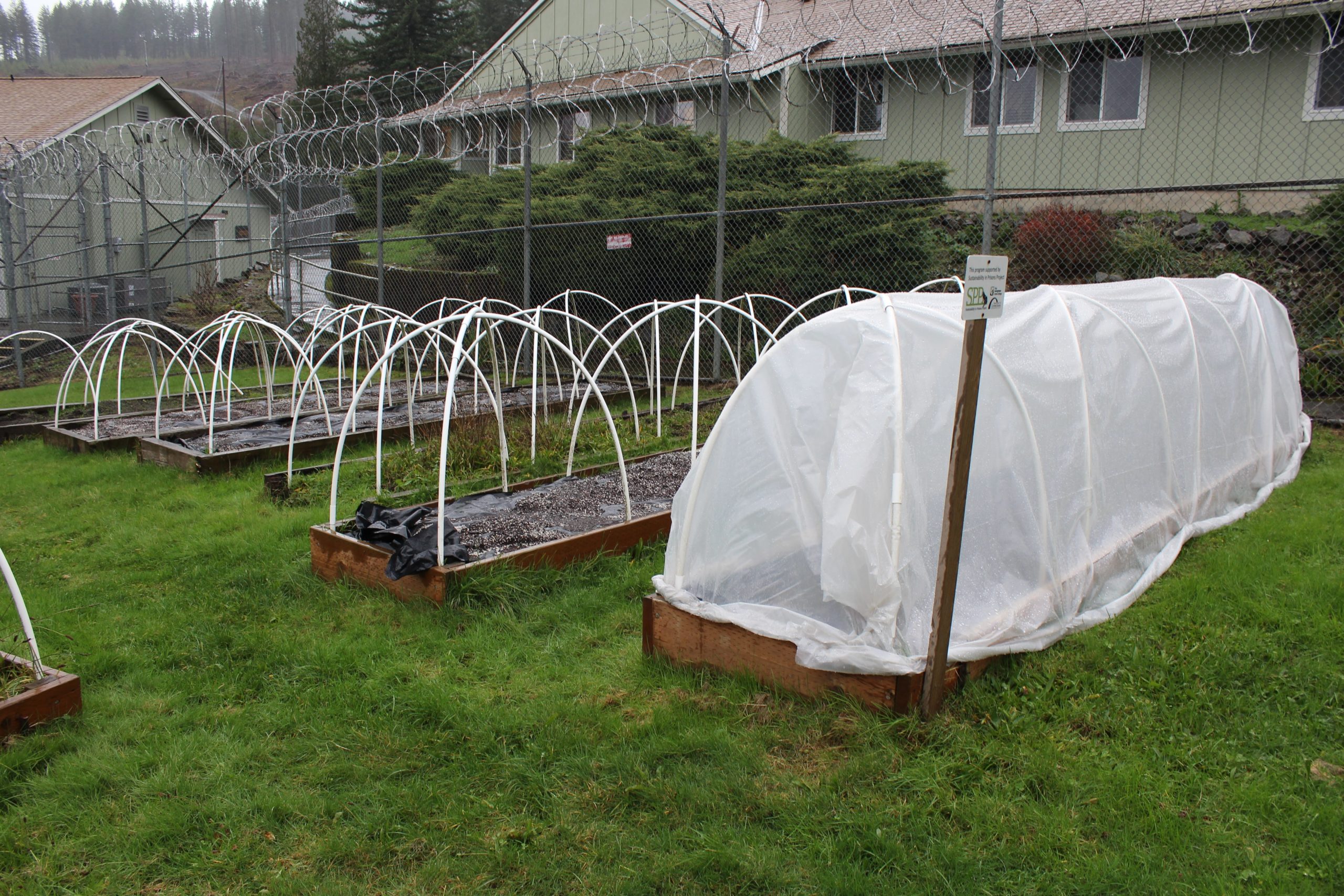
The gardening class includes both a hands-on component in the garden as well as regular classroom seminars and assignments. In the late fall, the gardeners at LCC developed a planting plan and sowed leek, Brussel sprouts, red clover, and onion seeds.
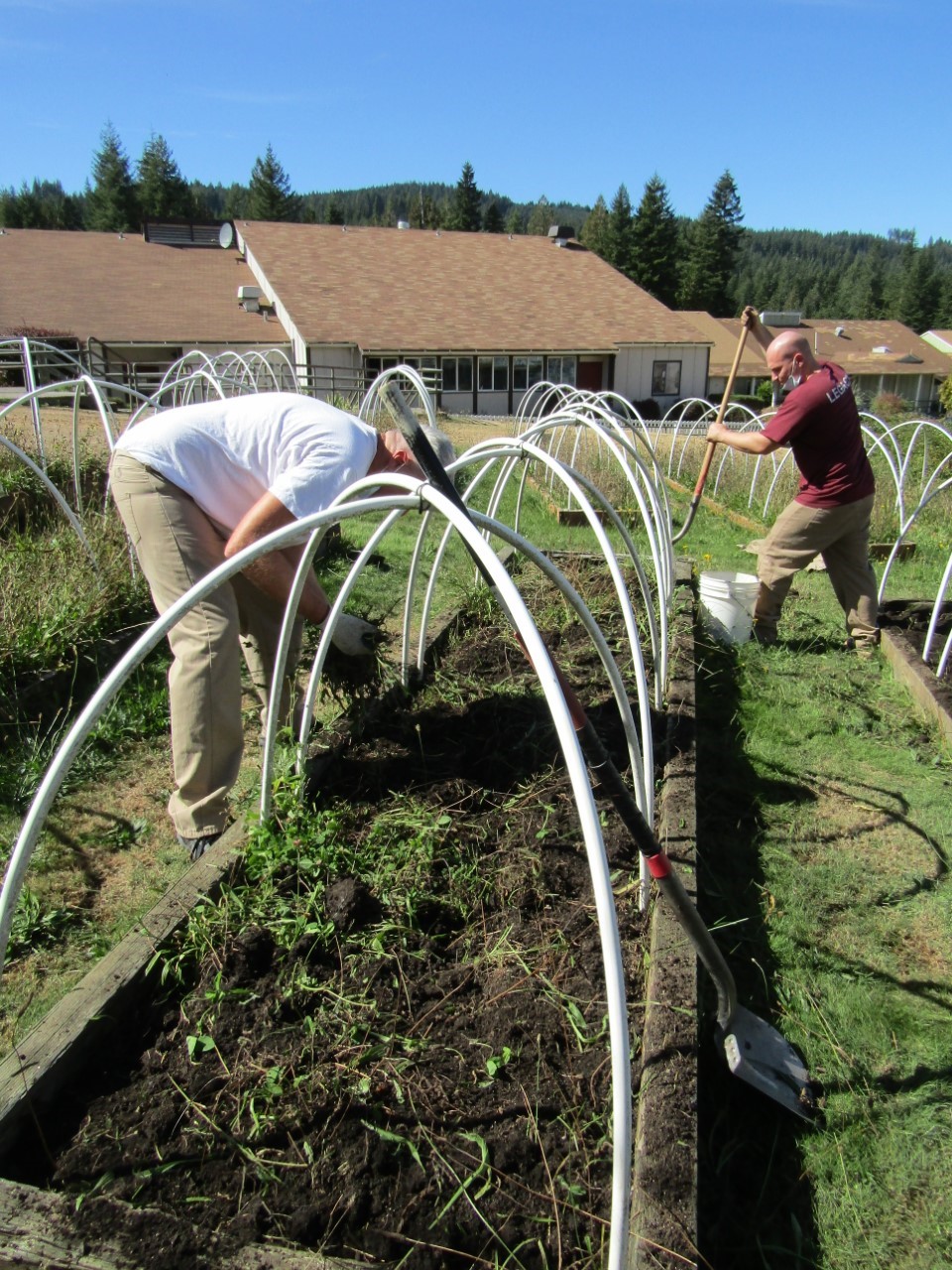
Combined, the LCC gardeners will spend more than one hundred hours studying course material, working in the garden, completing assignments, and participating in seminars! The class and work wouldn’t be possible without the peer-facilitators, facility liaison, and partners at Clark College.
To help the SPP continue providing education in Washington prisons, click here.
Text by Erica Benoit, SPP Special Projects Manager
In my final weeks working with the Sustainability in Prisons Project, I was lucky enough to interview Susan Christopher, another amazing former SPP Butterfly Technician who actually worked alongside Nichole Alexander during her time at the Mission Creek Corrections Center for Women (MCCCW). Susan and I spoke about her experience in the SPP program, the impact she has had on other women struggling with incarceration and/or addiction, and her considerable community involvement.
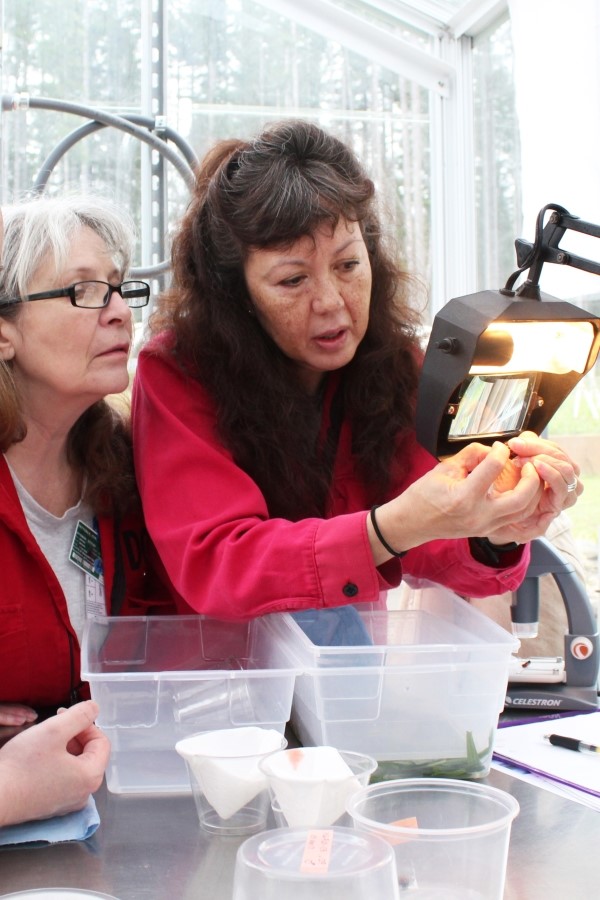
Susan’s time in the Taylor’s checkerspot butterfly program represents an exceptional case in which an incarcerated person remained employed in a program for more than 3 years. This opportunity to work with the species for four total breeding seasons meant she gained extensive experience and skills that have contributed to the program’s long-term success. In particular, she and other technicians at the time developed tracking mechanisms that impressed program partners like the Washington Department of Fish and Wildlife. Some of her other accomplishments in the program include giving a presentation to 40 biologists, taking a field trip to see the butterflies in the wild at the Glacial Heritage Preserve, and being interviewed by PBS News Hour about the program.
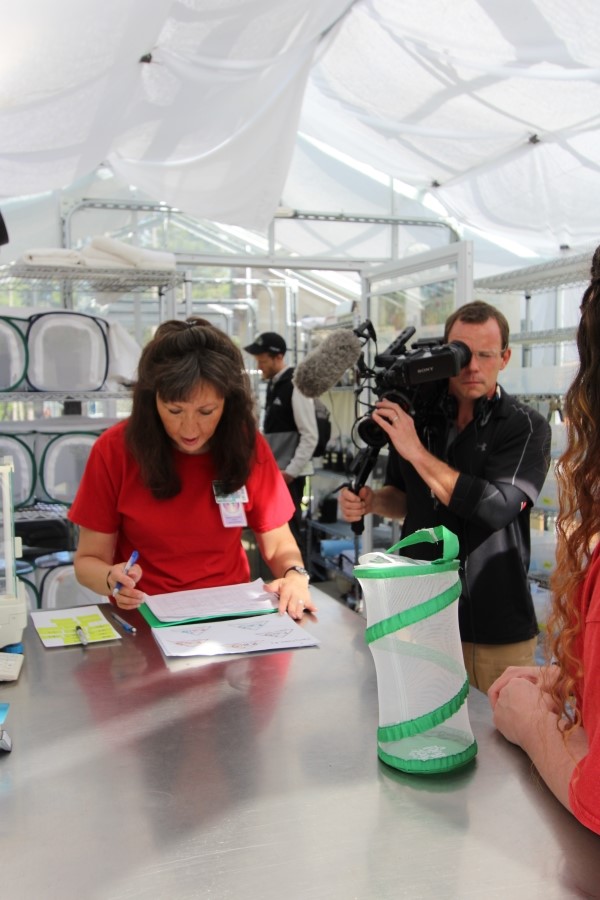
Susan emphasized the positive impact that being in the SPP butterfly program had on her. She said, “It’s such an amazing program…what it does for our self-esteem, giving us a chance to prove ourselves again, to be trusted and appreciated. To me, it was the most important job in the institution.”
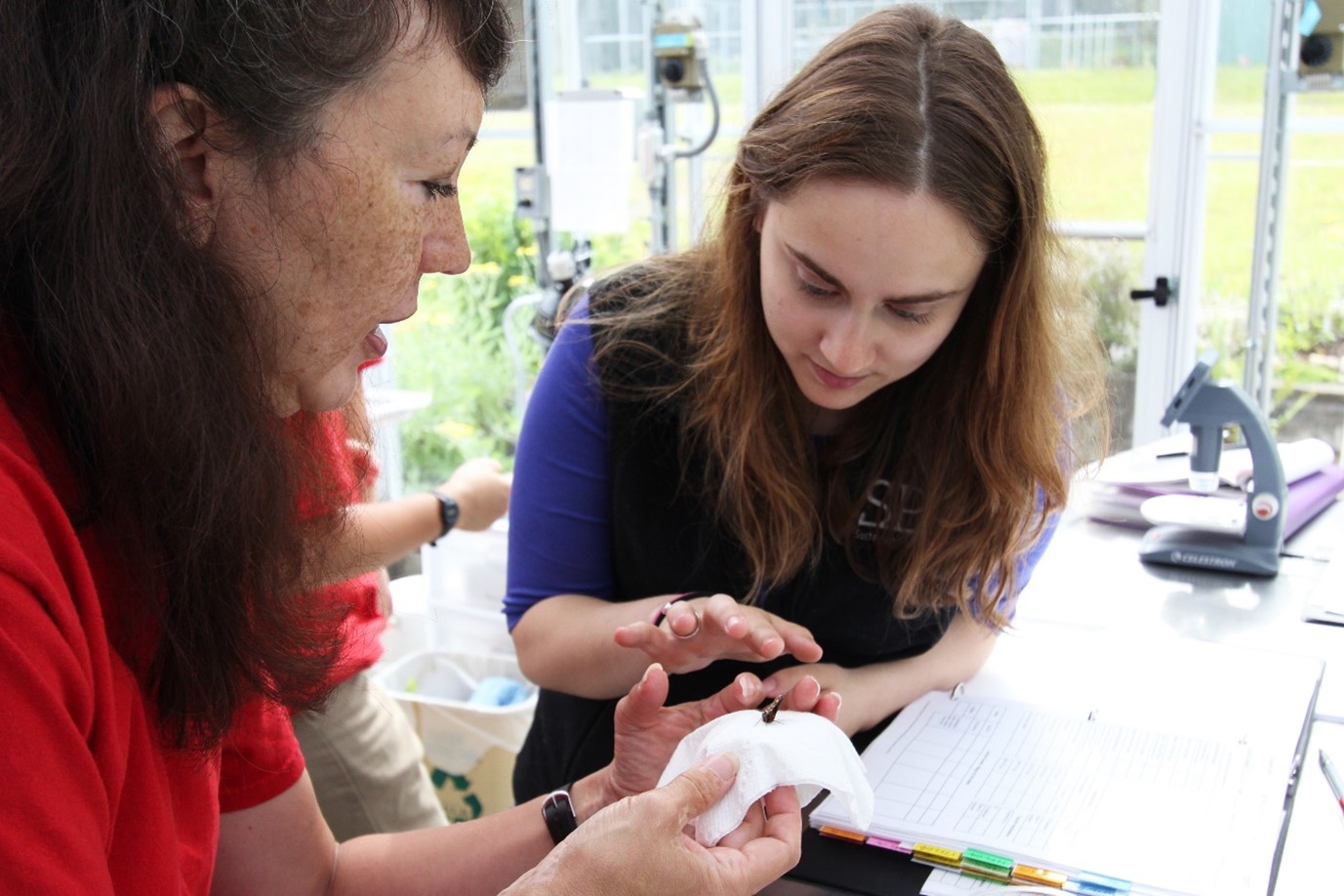
It was clear from our interview that Susan also tends to have a big impact on the communities around her, whether that is in prison or her outside community. For instance, she served as a peer mentor in prison for women while they were experiencing crisis. She also volunteered in MCCCW’s clothing closet program, which provides professional clothes to women preparing to take their next steps into society. While incarcerated, she taught yoga to other incarcerated women as a therapeutic outlet. Since her release from prison, she has continued this practice with individuals who are in treatment for issues related to addiction. She also shares her story of overcoming her own addiction problems to women’s groups and church groups as a way to own her truth and give people hope.
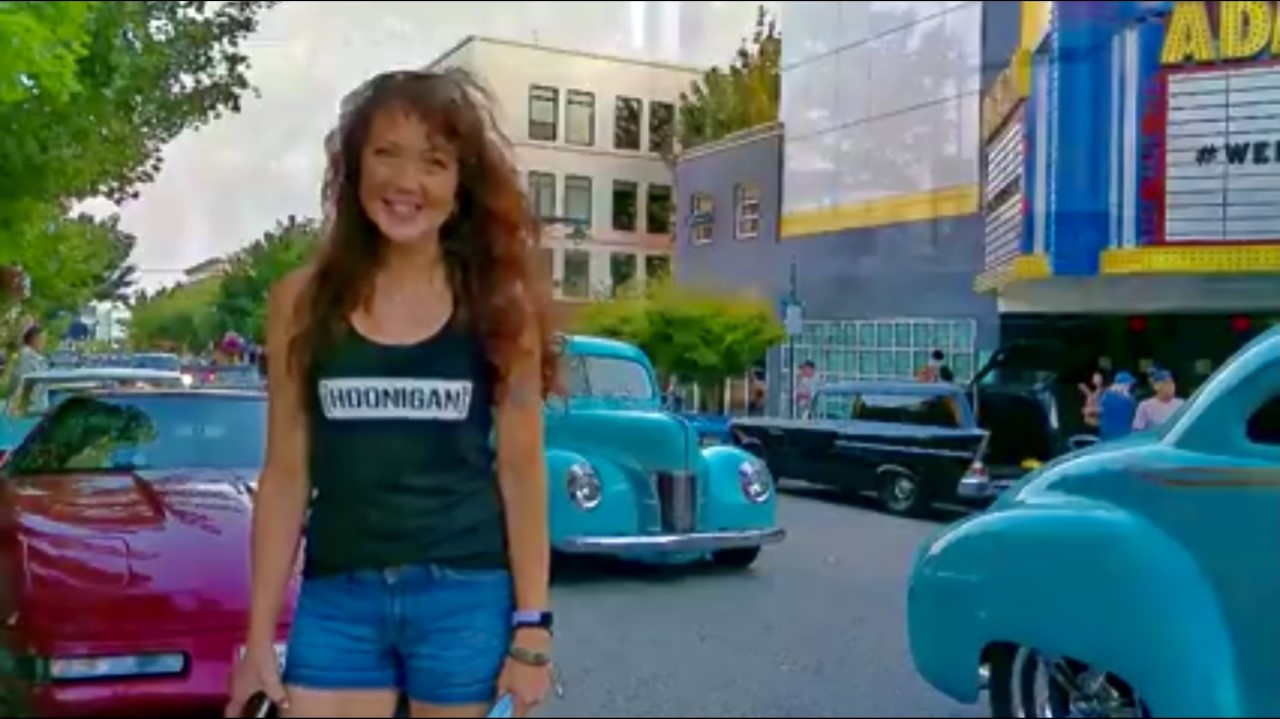
In addition to these meaningful contributions, Susan has also dedicated her time to providing fun outlets for her community of Bremerton, Washington. While the pandemic has put a damper on many social activities, Susan wanted to find safe ways to connect with her community. With the support of city officials, she has organized numerous family friendly cruise nights and car shows around the area. You can learn more about those events by visiting the Cruisin Bremerton Facebook group.
All in all, Susan told me that over time, she realized her purpose and reason for being in prison was to make a difference in others’ lives. In total, Susan had 57 different roommates while incarcerated. For these women and hundreds of others, she has served as part of their support network both during and after incarceration. Many of them still reach out to her today to tell her how her journey has been an inspiration to them.
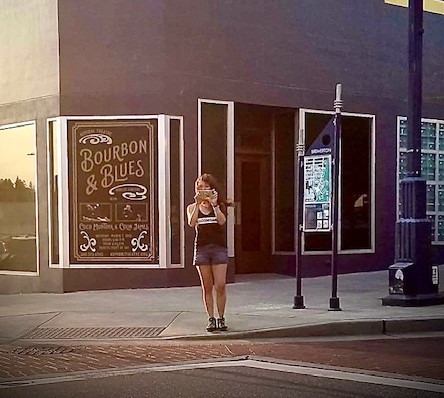
Speaking of her journey since incarceration, Susan feels her successes are on the quiet side, but that is how she likes it. She appreciates getting messages and hugs from those who she has impacted. She said she now feels like, “I am worthy, and I do have a place in this world…It may not be standing up and winning awards, but I have a certain satisfaction now that I’ve never had before. People are watching me, looking up to me, and they appreciate me.” We at SPP see you and so appreciate you, Susan.
Text by Erica Benoit, SPP Special Projects Manager.
I had the pleasure of interviewing Nichole Alexander, former SPP Butterfly Technician, on the 2-year anniversary of her release from the Mission Creek Corrections Center for Women (MCCCW). We spoke briefly about the impact of her SPP experience on her trajectory post-release, and even more about her long list of accomplishments in the last two years, including her graduation from Evergreen Tacoma.
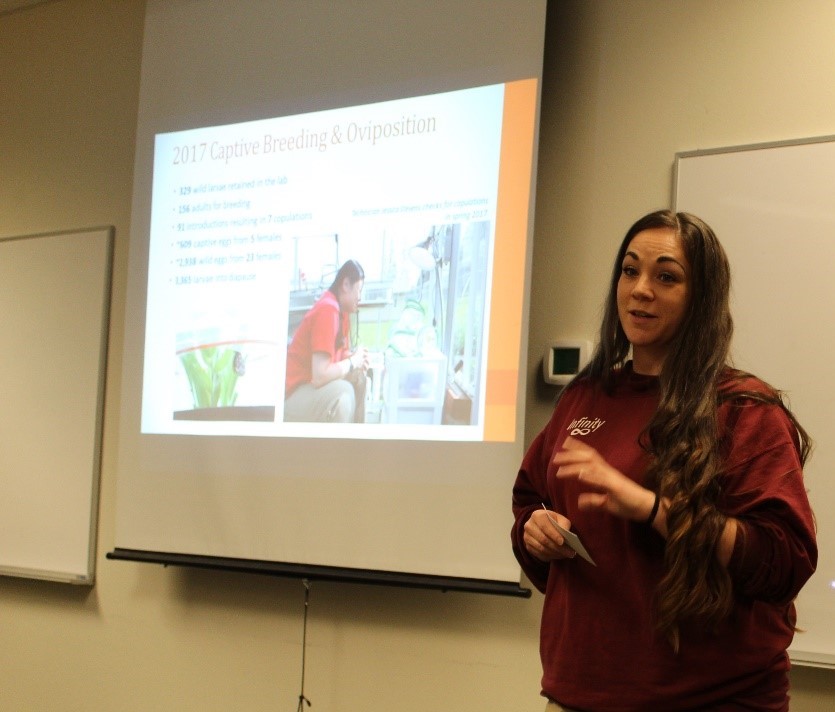
Nichole, pictured above, spent three seasons in the Taylor’s checkerspot butterfly program at MCCCW before she released in April 2019. She said the most impactful part of her experience with SPP was the opportunity to work within a tight-knit team of individuals and across federal and state agencies, an experience in which she felt respected and valued. She also spoke to the therapeutic benefits of the program. Speaking of some major life events that happened while she was incarcerated, Nichole said,
“Being able to go out to the butterfly lab every day…the routine of being able to be in a work environment, an educational environment, to actually feel like we are giving back to the community, bettering myself and laying the foundation for my future, my kids’ future, was huge to pull me through some of the worst times that I have been through…I was actually able to find a light within myself in a very dark place.”
In addition, Nichole expressed that her experience with SPP laid the foundation for what she would accomplish next. In particular, she credits Kelli Bush, SPP Co-Director and Keegan Curry, former SPP Butterfly Coordinator, for providing the encouragement and support to apply to the Evergreen State College’s Tacoma campus while still incarcerated to attend post-release. In her opinion, they reminded her that she had potential.
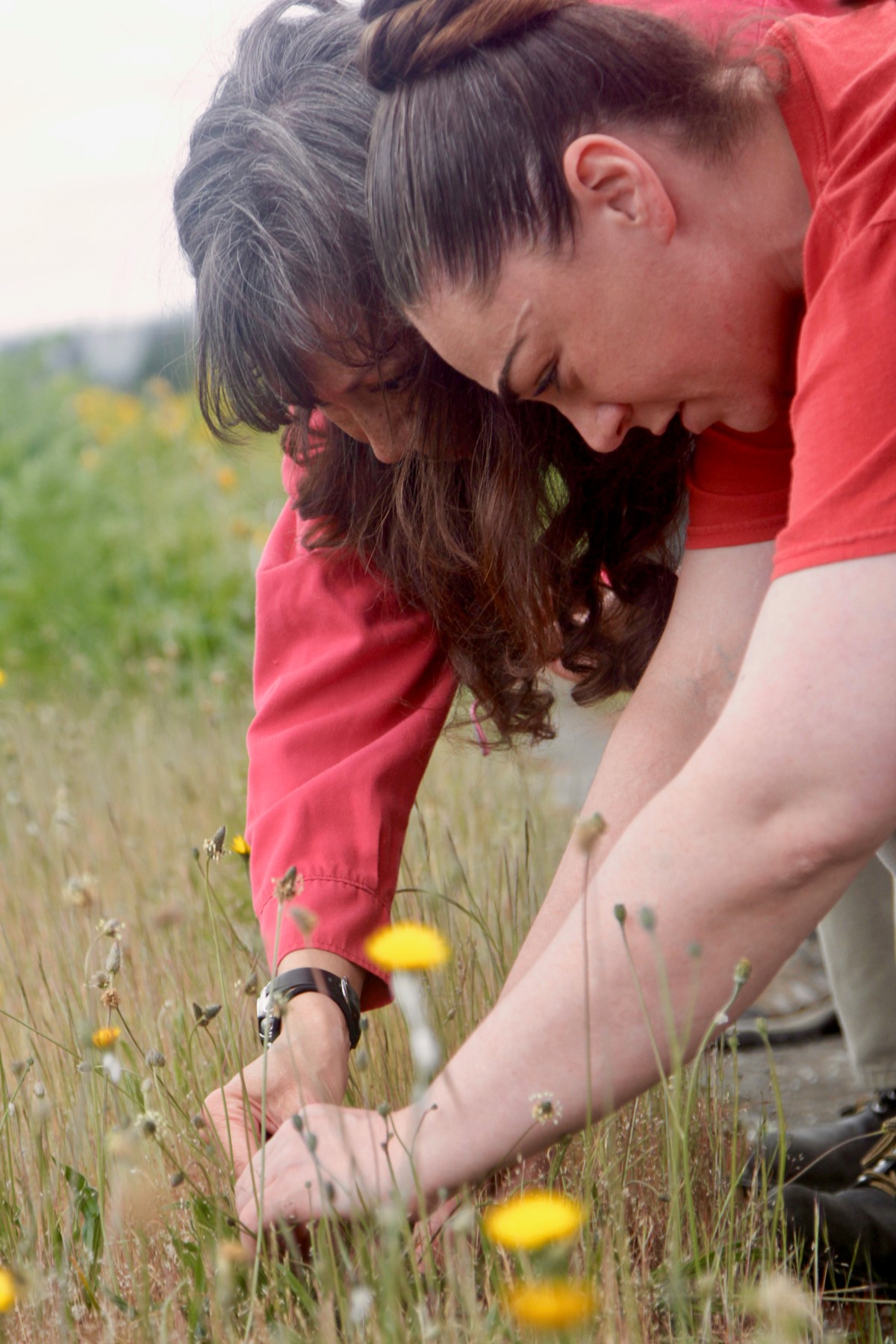
She then jumped straight into finishing up her last quarter to earn her Associates Degree in Business Administration and Management from Tacoma Community College before starting her Law and Policy degree at Evergreen Tacoma. While pursuing higher education, she has also been heavily involved in giving back to the community. She organized a book drive for the youth residing at the Echo Glen Children’s Center and also worked with World Central Kitchen to provide thousands of meals to the homeless population. Professionally, she has worked for Ventures nonprofit as the Ready for Release Coordinator & Instructor. In this position, she briefly taught business & marketing to the incarcerated women at MCCCW before the program was suspended due to the COVID-19 pandemic. Currently, her professional endeavors focus strongly on providing support resources for the unsheltered population around Seattle. She works for REACH as their Waterfront Outreach Care Coordinator, as well as JustCARE’s Street Outreach Program Coordinator. But her work does not stop when she goes home, as she has worked hard to connect her academic studies with the practical reality of what she has witnessed through her jobs.
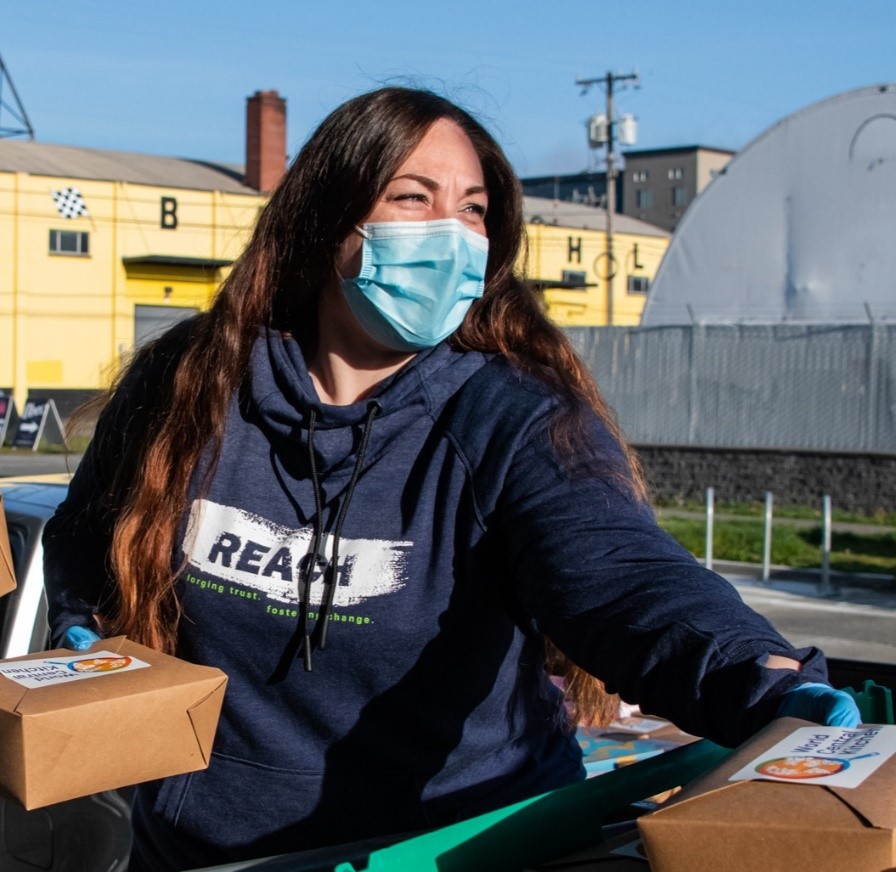
Nichole has now successfully completed her undergraduate coursework at Evergreen Tacoma and is set to graduate with a Bachelor of Arts in Law and Policy. She speaks highly of the support she received while attending Evergreen and said she cannot praise it enough for how welcoming they were to her. She especially appreciates the patience and support from some influential professors, like Dr. Gilda Sheppard and Dr. Anthony Zaragoza, and essential support staff as she navigated challenges related to re-entering society. Even more, she emphasizes the sense of community gained there. It’s clear that she made the most of her community involvement at Evergreen Tacoma; she helped start the Justice Involved Student Group there. She also spoke excitedly about her dedication and involvement in organizing Evergreen Tacoma’s virtual graduation ceremony in 2020, which was featured in a New York Times article. It was important for her and her fellow coordinators to go out of their way to make the graduates feel that their success was seen and celebrated. To do this, they organized custom gift boxes from a local party supply company, local flower bouquets, and family meals prepared by local restaurants for each of the graduates. The emphasis on supporting local businesses in this effort was especially needed in the heart of the COVID-19 pandemic. We only hope she is able to feel the same sense of accomplishment at her own graduation ceremony.
Nichole is not planning to slow down anytime soon. She was recently accepted into the Master of Public Administration (MPA) program, a recent expansion to the Evergreen Tacoma campus. Nichole plans to start that program this coming fall. She also communicated her plans to address issues within the carceral environment, including efforts to reduce recidivism and connect incarcerated mothers with their children. While incarcerated, Nichole helped organize the annual Girl Scout Beyond Bars (GSBB) sleepover to visit their moms at MCCCW. In particular, she helped connect the visiting girl scouts (including her own daughter) with the SPP butterfly program where they got to participate in fun activities that helped them earn badges! She continues to be a GSBB troop leader and expresses the importance of these opportunities in connecting girls impacted by incarceration with their mothers. In addition, WA Corrections recently featured Nichole and her daughter in a story about the importance of parent teacher teleconferences, a hopeful sign for future endeavors related to this effort.
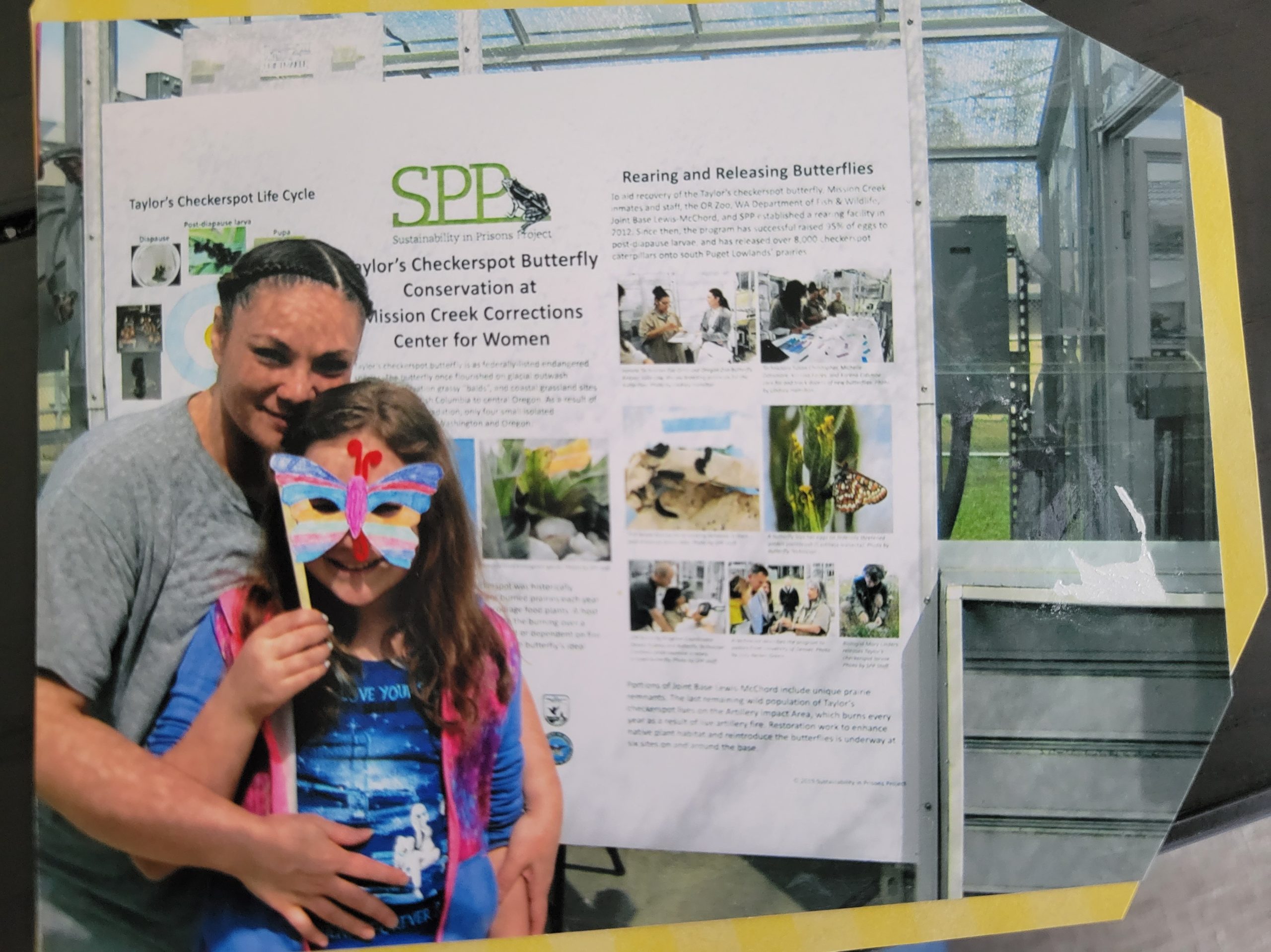
Speaking of the differences in her journey before and after incarceration, Nichole said “If you hear my history, for that person there’s no hope…Then to sit in the meetings that I sit in…and to work with the people that I work with today, there’s no ceiling. It’s unstoppable where you can be and how you can give back.” With that outlook, we know there are many more great things in store for Nichole Alexander, as well as those her life and work impacts.