By James Atteberry, Facilities Manager for Washington State Penitentiary
and Joslyn Rose Trivett, SPP Education and Outreach Manager
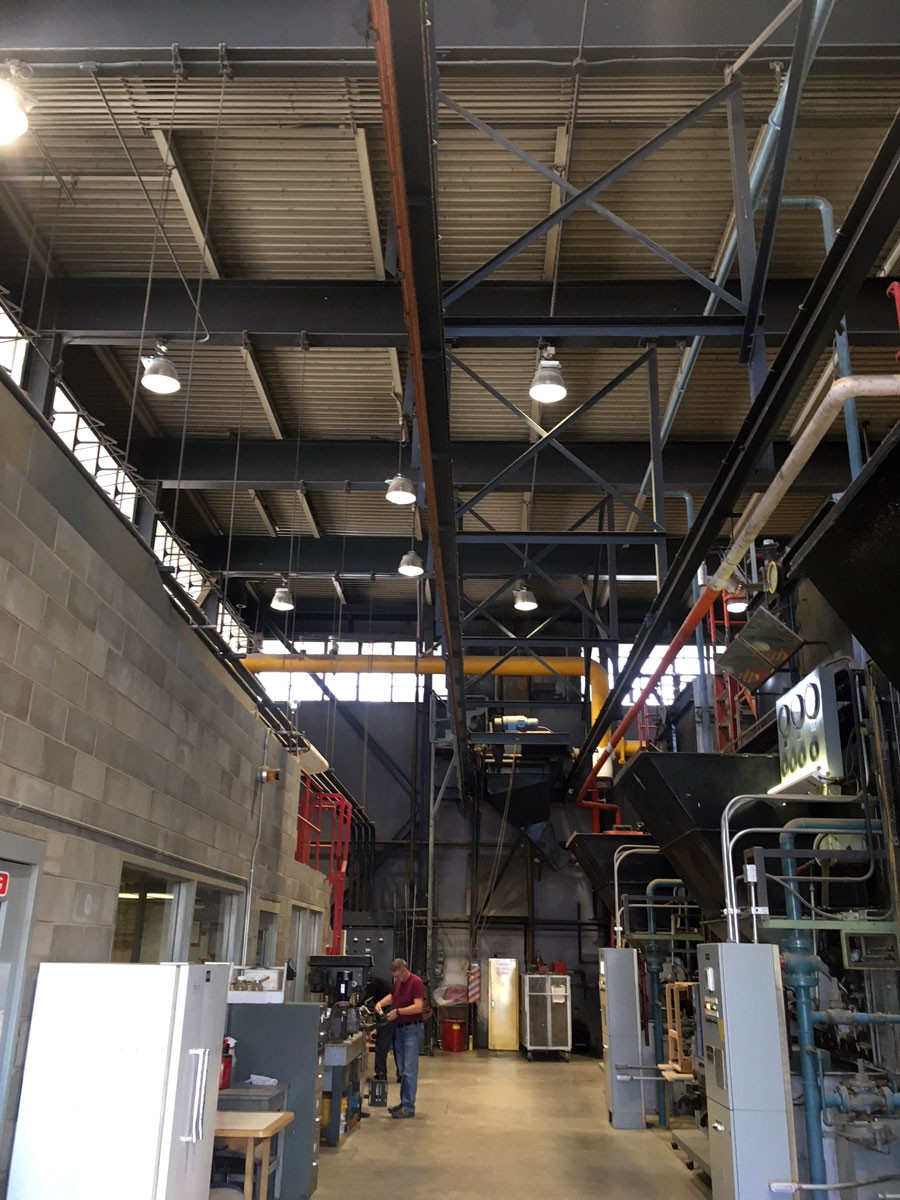
These LEDs are in the Steam Plant.

Starting in 2015, Washington State Department of Corrections (WA Corrections) has been committed to converting all lighting to LED (Light Emitting Diode) fixtures. LEDs are far more efficient than conventional fixtures, so replacements and retrofits should save energy and reduce expenses at the same time.
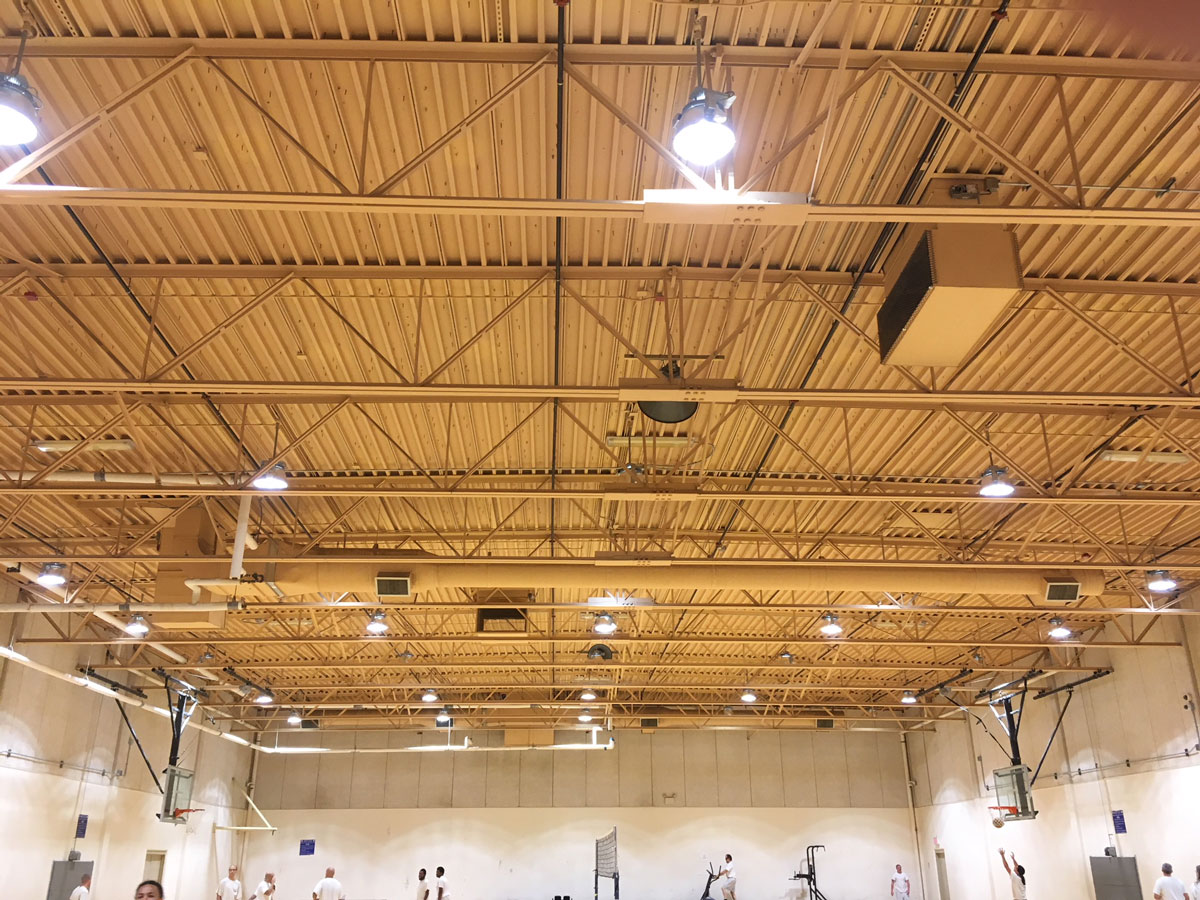
LEDs illuminate exercise in the South Complex gym.
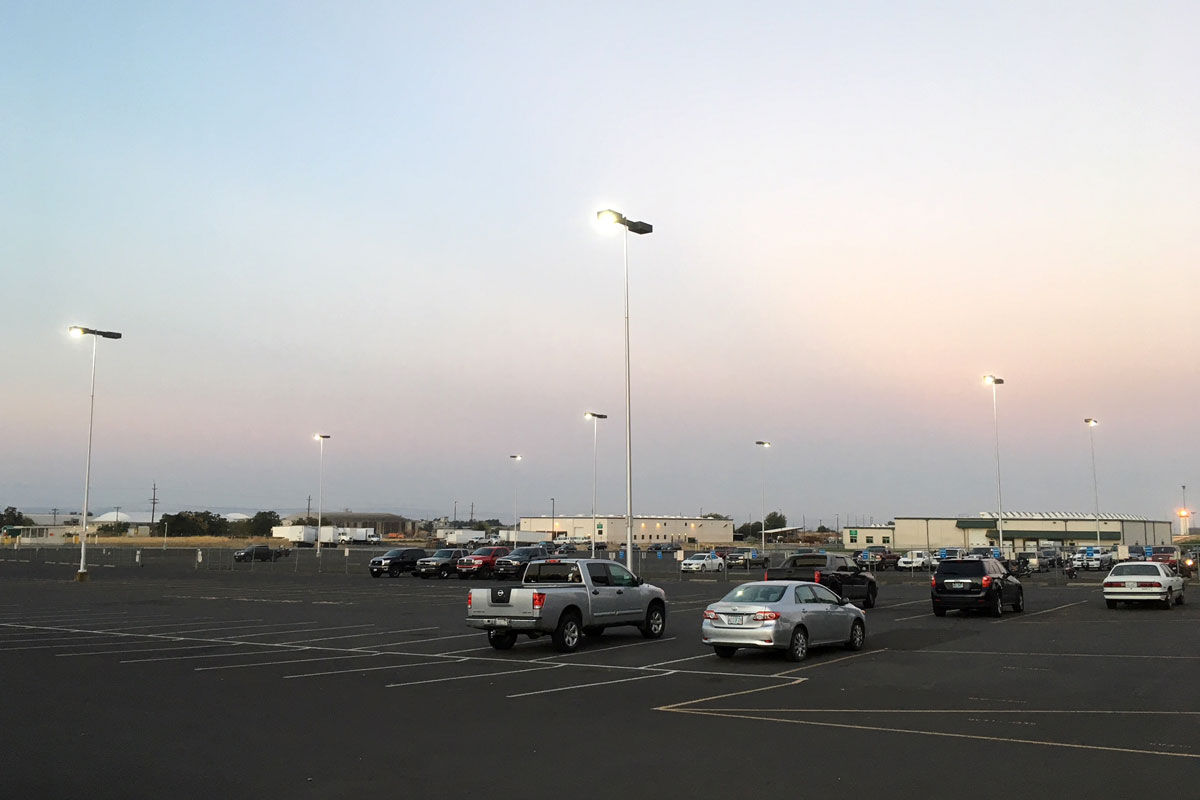
East Complex parking lot lighting looking good after the switch to LEDs.

In the past year, Washington State Penitentiary (WSP)’s headway toward meeting the commitment stands out; WSP’s Electrical Department has transformed their lighting landscape. The in-house team of staff and incarcerated electricians has completed eight major projects so far, renovating the lighting for the steam plant, general store, engineers warehouse dock, Unit 7 roof, east complex parking lot, and inside and outside the Intensive Management Unit (IMU) and gyms.

Of course, these retrofits required a sizable investment up front, but the payoffs come quickly. For the in-house projects completed thus far, the initial costs were about $73,000; pay back from incentive programs cut more than 30% off that price, reducing it to around $50,000. An additional project was contracted out, and another funded by Capital Projects; even in these cases, WSP received the incentive pay back. Before long, expected energy savings will pay off the rest: reduced energy bills for each area will pay off installation costs in one to six years. For example, the new lighting in and around the IMU will save WA Corrections $5,181 in energy bills annually; the savings pays off installation costs in less than three years, and, after that point, it frees up funds to spend on other necessities and improvements.

If that’s not already sweet enough, the labor saving in maintenance is huge as well. Some LED fixtures can last up to 20 years before needing repair! LED retrofits look like a total win for the prison. We offer our credit and thanks to WSP’s Electrical Department and to WA Corrections leadership for the vision and hard work that has gone into saving energy and creating efficiency.
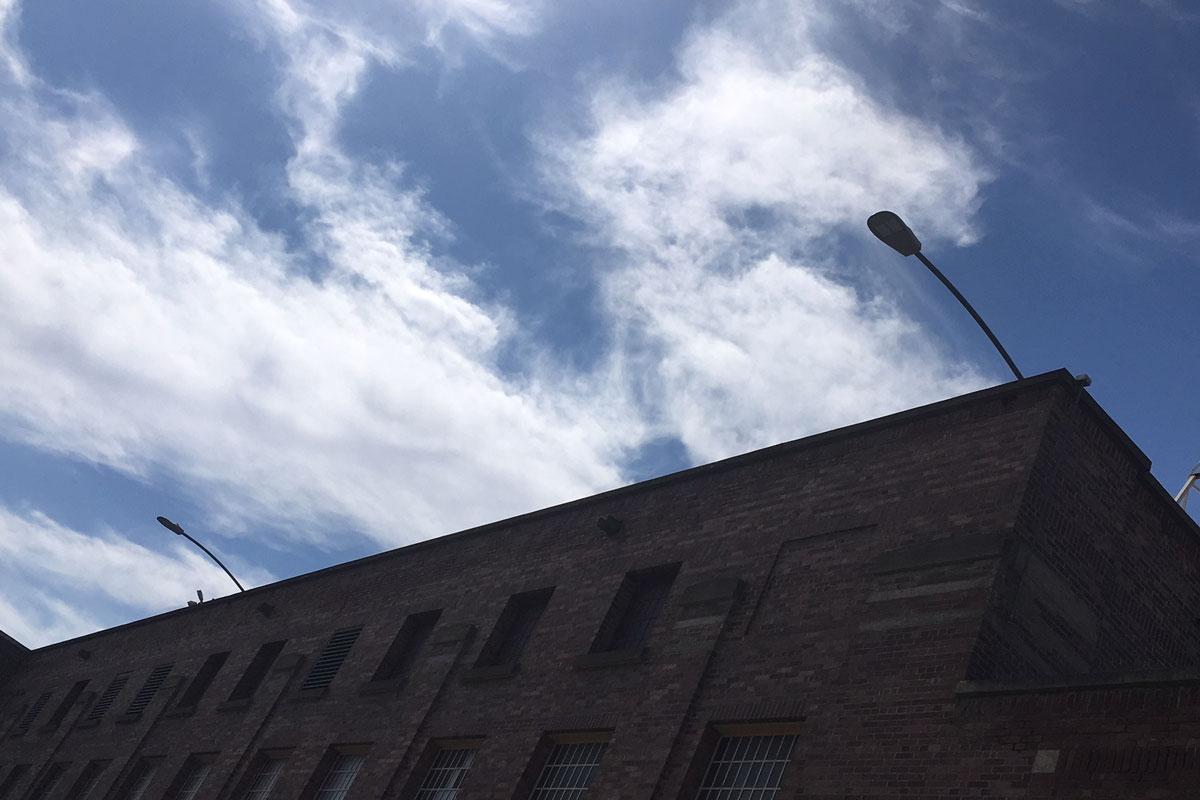
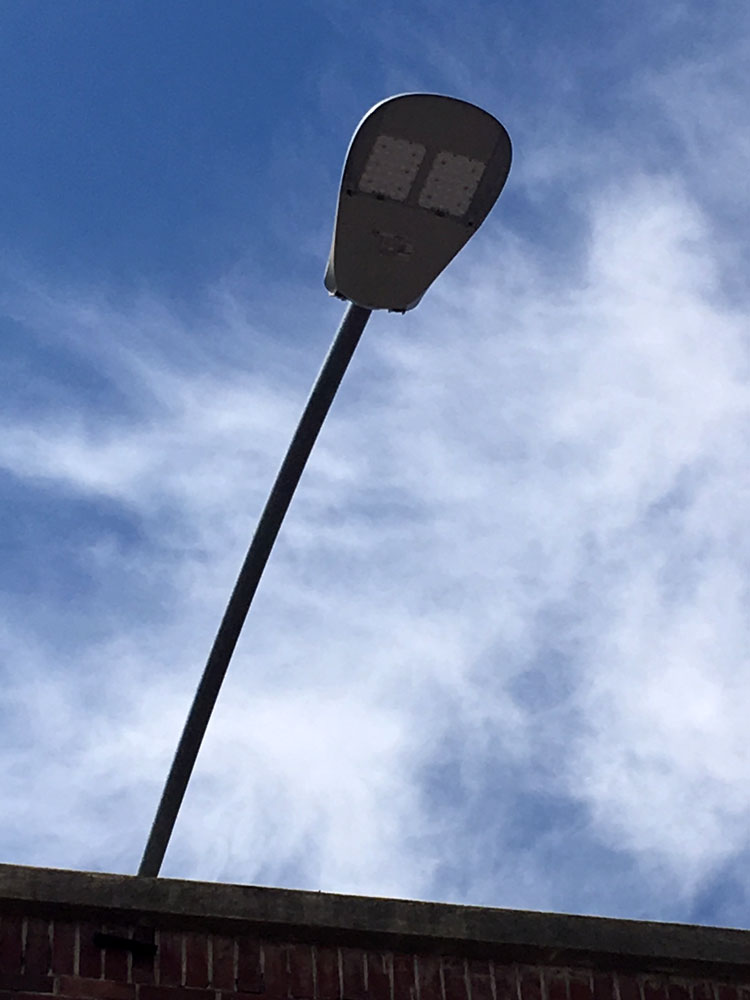
These are the new LED roof lights; image to the right shows a close up.

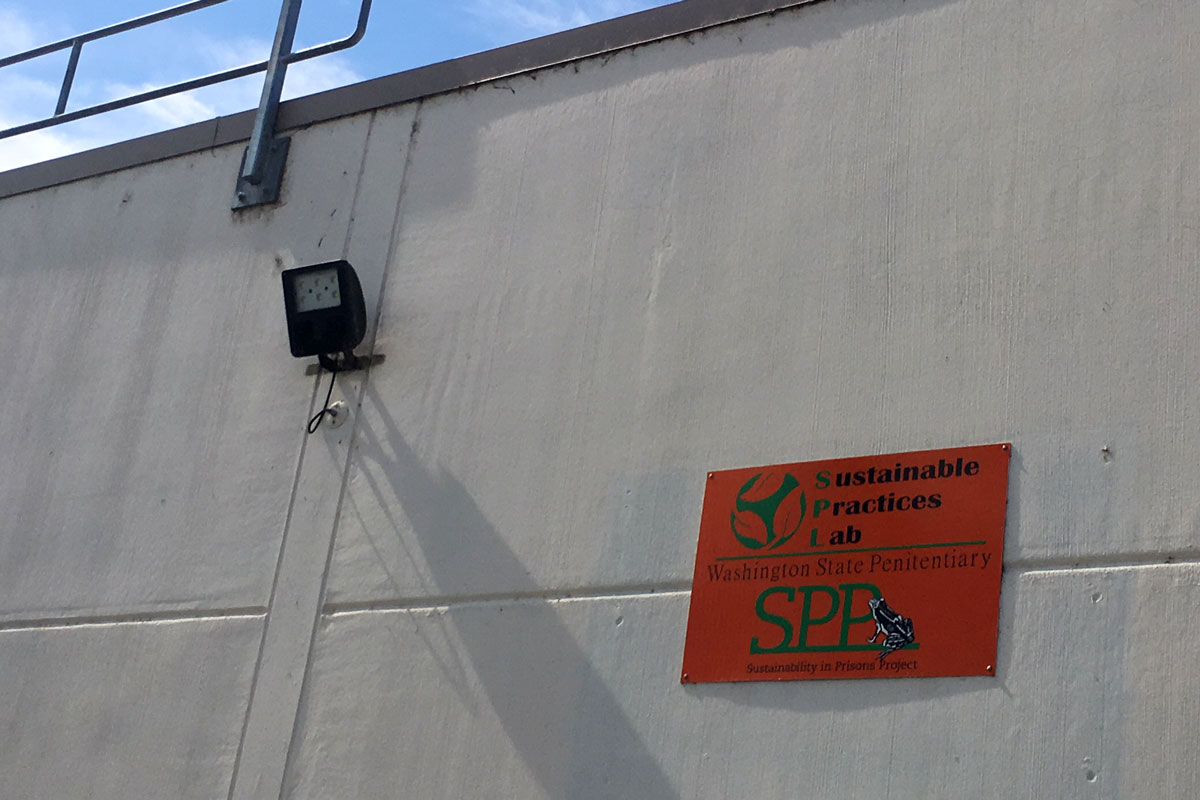
The Sustainable Practices Lab exterior is now lit by LEDs.

Text by former Cedar Creek Turtle Technician William “Bill” Anglemyer.
Forward by former SPP Turtle Program Coordinator, Jessica Brown.
Photos by SPP Ecological Conservation Coordinator, Marisa Pushee (unless otherwise noted).

I met Bill during my first visit to Cedar Creek over a year ago when I started as SPP’s Turtle Program Coordinator.  Although Bill is quite humble in sharing his experience as a technician, he played a huge role in the success of the western pond turtle program: his organization, attention to detail, and dedication to the turtles’ health and welfare were instrumental to building the program. It was fun to witness his passion for reading and writing about environmental issues leading him to the Organic Farming Program at Evergreen. Recently, Marisa Pushee and I had the chance to visit Bill on the organic farm and get a tour of all the gardens and operations, including Bill’s carrots! Below are Bill’s own words about his time with SPP, and what he’s been up to since his time as a Turtle Technician.

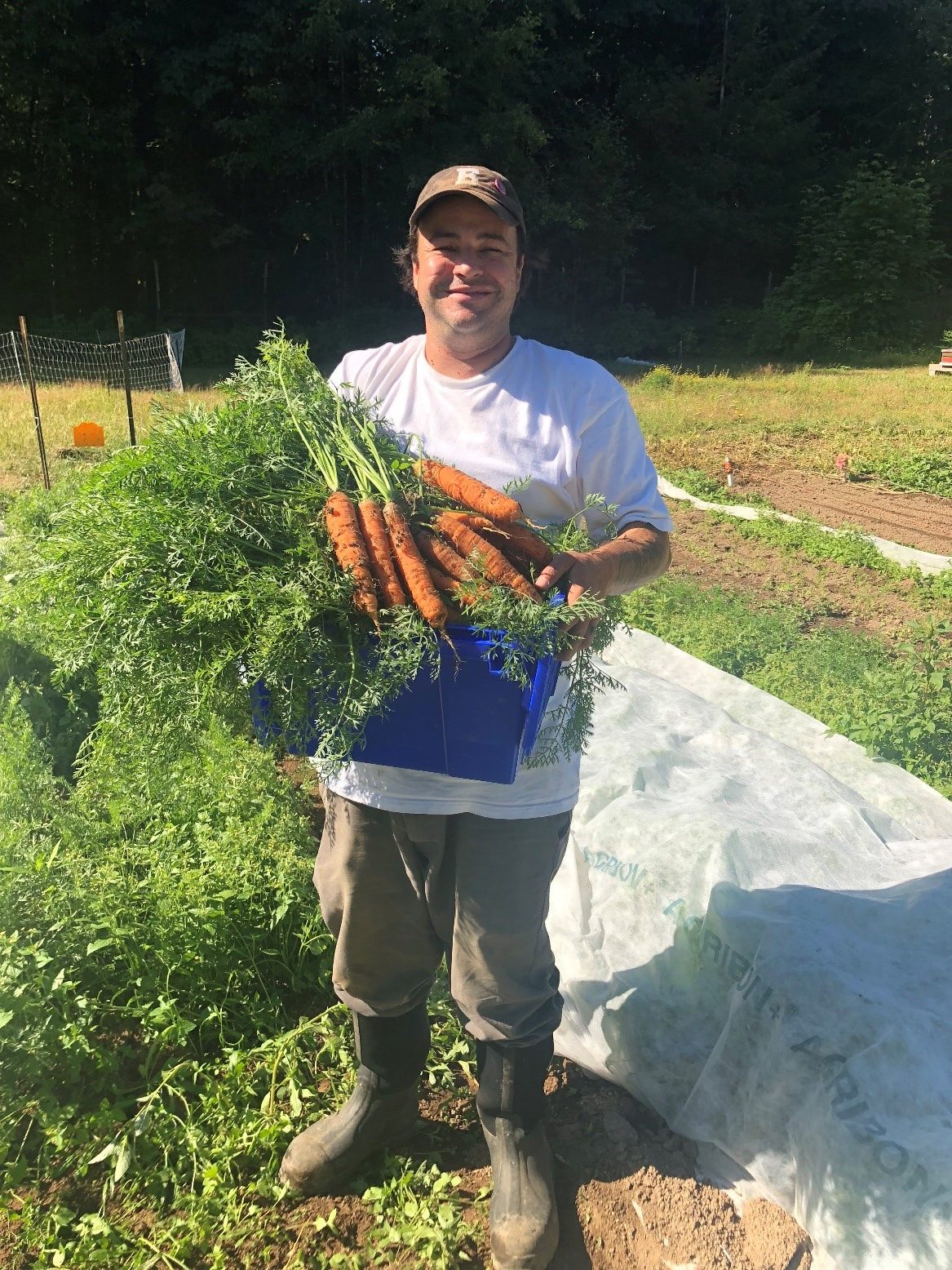
Bill shows a harvest of his prized carrots at Evergeen’s Organic Farm. Photo by Tierra Petersen.

My name is William “Bill” Anglemyer. I spent over 3 years working as a Turtle Technician at Cedar Creek Correctional Center through SPP, in collaboration with the Washington State Department of Fish and Wildlife. In those 3+ years, I did much more than care for turtles. I also raised Oregon spotted frogs for the summer of the first year and maintained cricket and mealworm breeding operations. Additionally, I was involved in the video monitoring of four different species of woodpeckers for a research program conducted by the US Forest Service.

In the western pond turtle program, I learned about the importance of biodiversity and the role of different species within our world. At first, most of this learning was done to counter arguments by staff and other inmates who failed to see the value in preserving endangered species. I spent my time studying textbooks on conservation biology and animal behavior (ethology). After a few years studying those subjects and countering arguments from different people, I began to really understand the importance and the dangers that go along with the current climate situation.

Along with my passion for environmentalism, I have always been interested in journalism. This is because I believe journalism is the only field in which a person’s job is to learn all they can about everything in the world.

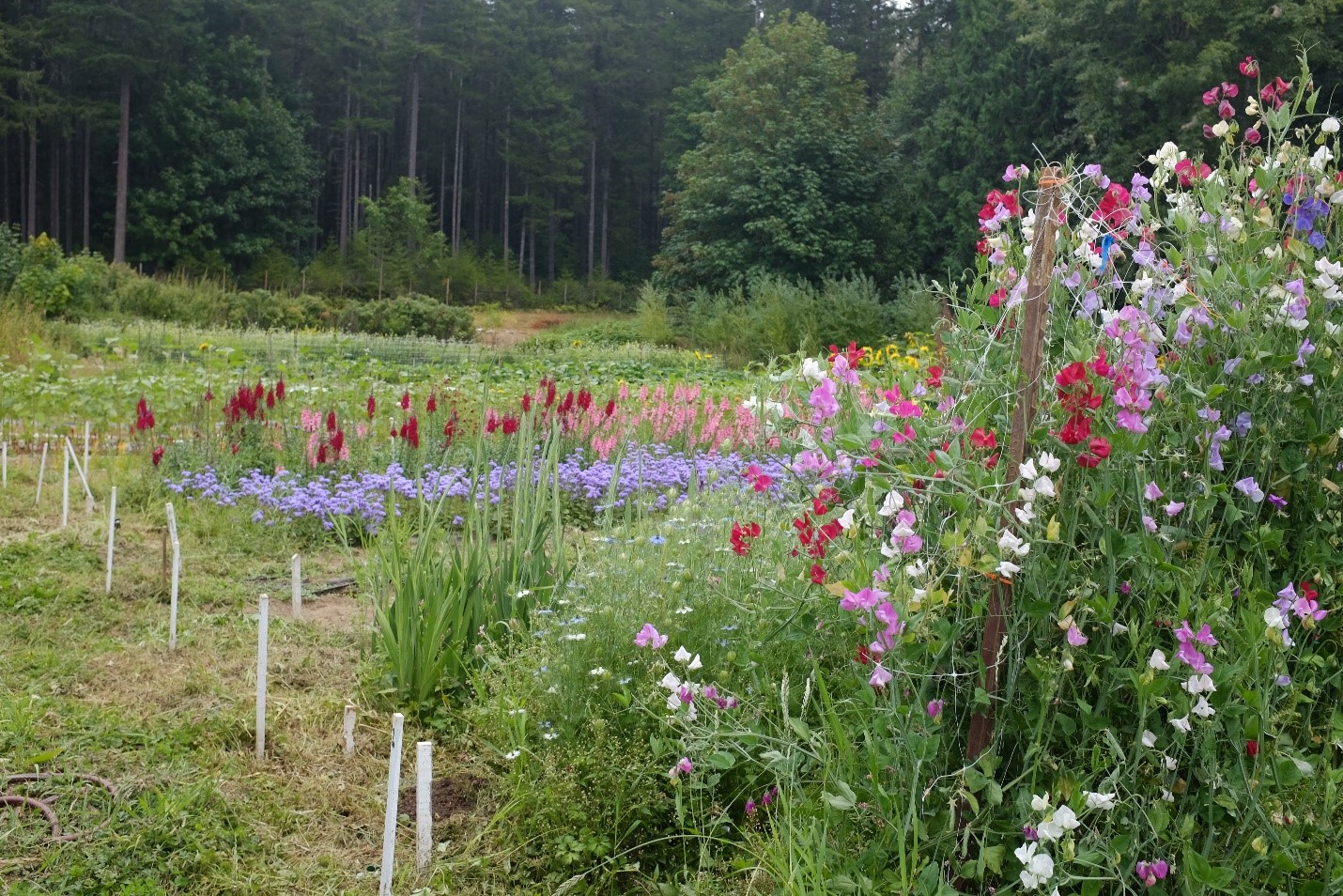
Beautiful flowers growing at the Organic Farm on Evergreen’s campus.

I am currently enrolled in The Evergreen State College where I’m studying organic farming and the local food movement. My plan is to be a voice for small farmers in future journalistic pursuits. In one year I will complete my bachelor’s degree. My plan is to produce pieces on environmental, socio-economic, and social justice issues without the sensationalization that is part and parcel of many mainstream media productions. As to current projects, a classmate and I are working on a coffee table book of photography with pictures of recreational vehicles which feature a comical prefix added to their names.

After I complete my degree at Evergreen, I hope to attend the environmental journalism school at CU Boulder — more schooling never hurts when it comes to learning skills and making contacts.

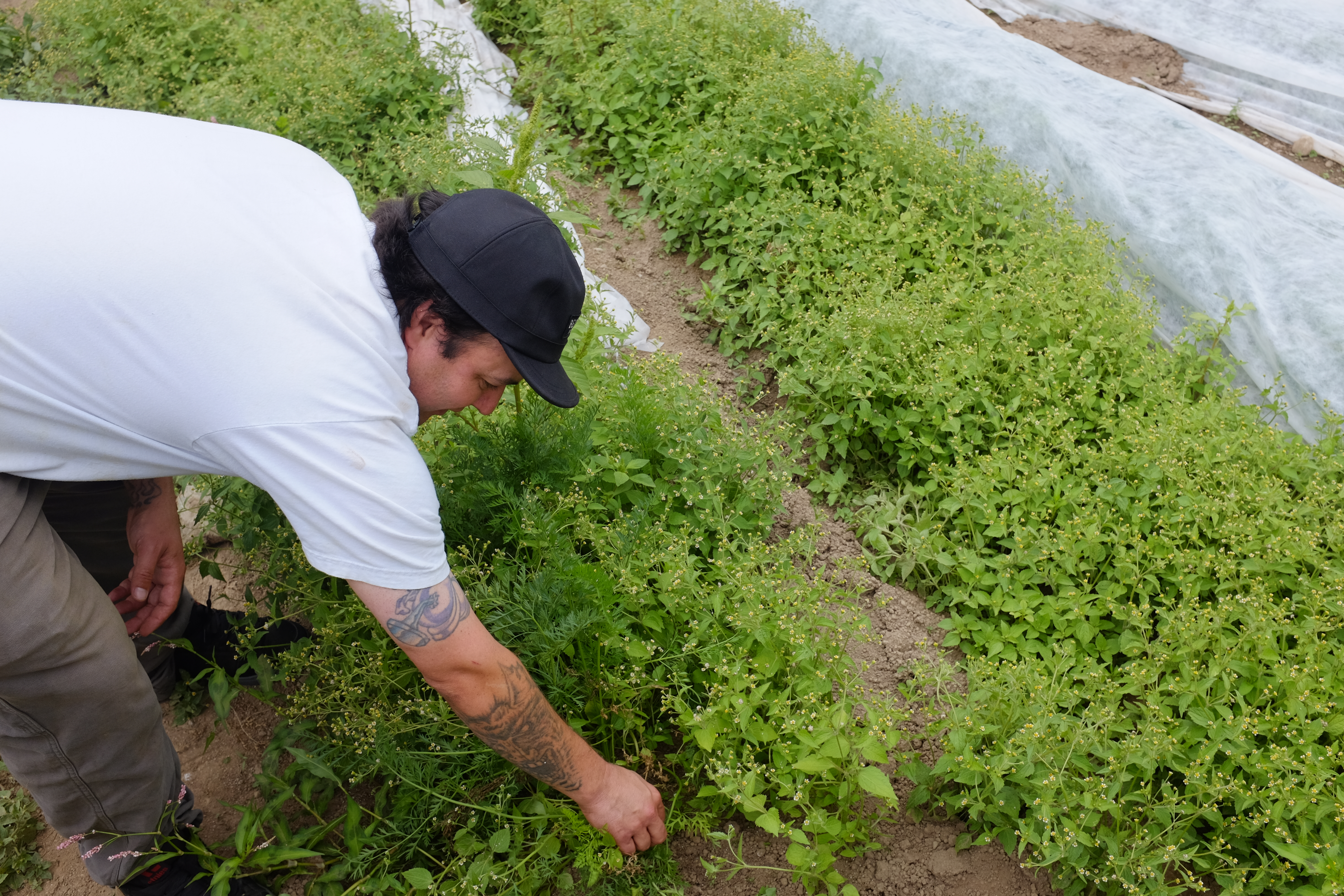
Bill hard at work on the Organic Farm at Evergreen.

by Joslyn Trivett, SPP Education and Outreach Manager

Airway Heights Corrections Center (AHCC) is a fair trip from the Evergreen team’s offices in Olympia—a six hour drive, or a flight to Spokane and renting a car. Even so, each of us who has been before looks for excuses to go again. AHCC positivity and enthusiasm are infectious, and it is great fun to join them whenever we can.

A likely source of the positivity is the staff culture; it is easy to feel the influence of AHCC leadership and staff wellness and productivity throughout the facility. They take on new projects expecting to succeed, and work hard. At the same time, they don’t take themselves too seriously. They laugh a lot! They talk openly about their own faults, and poke friendly fun at others.

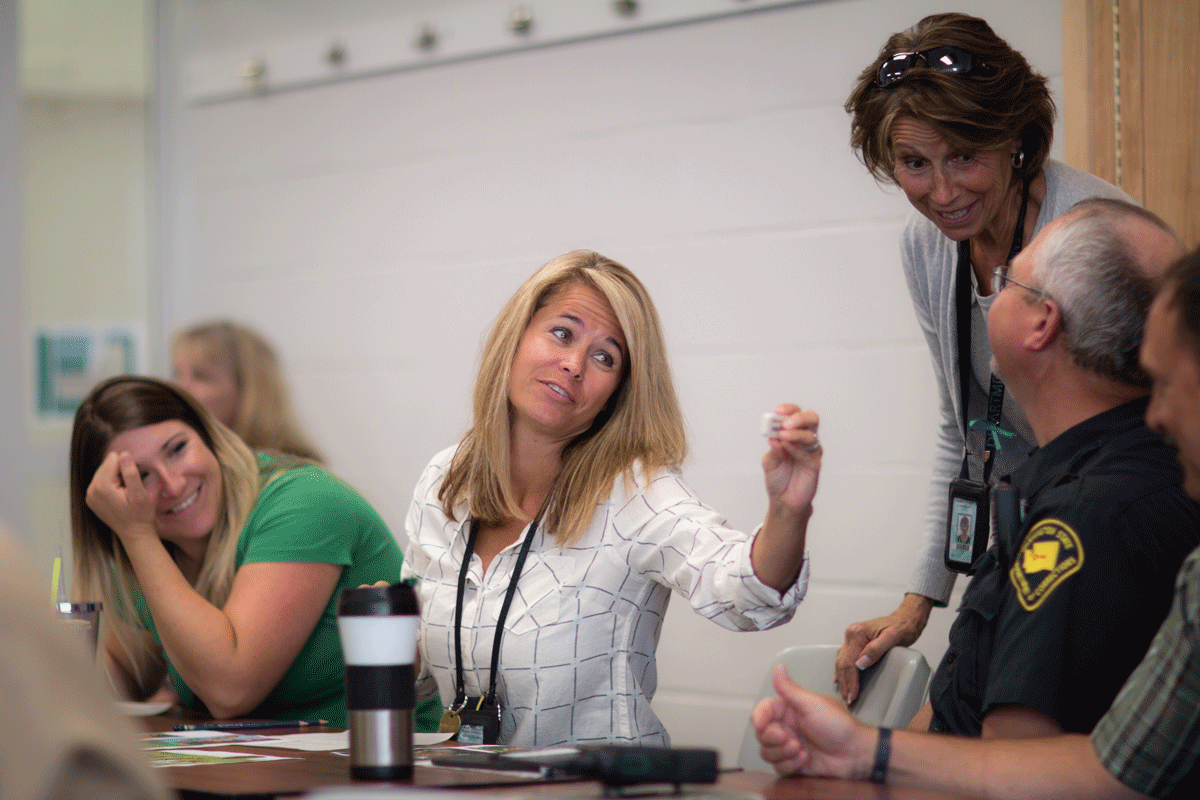
AHCC staff make fun during a sustainability meeting. Photo by Ricky Osborne.
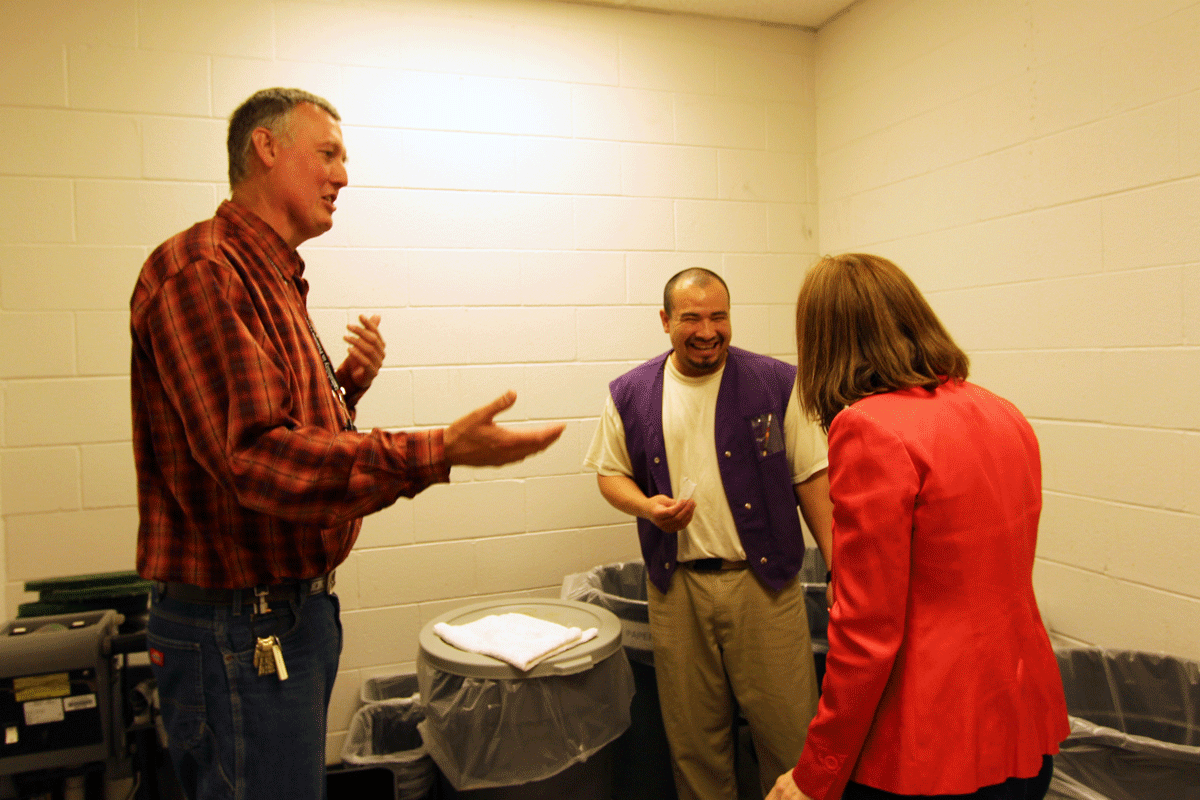
AHCC’s waste sorting program is so effective that the incarcerated porter didn’t understand what the corrections staff meant when asking about “garbage.” That word starting to lose its meaning was so delightful that we all started to laugh.
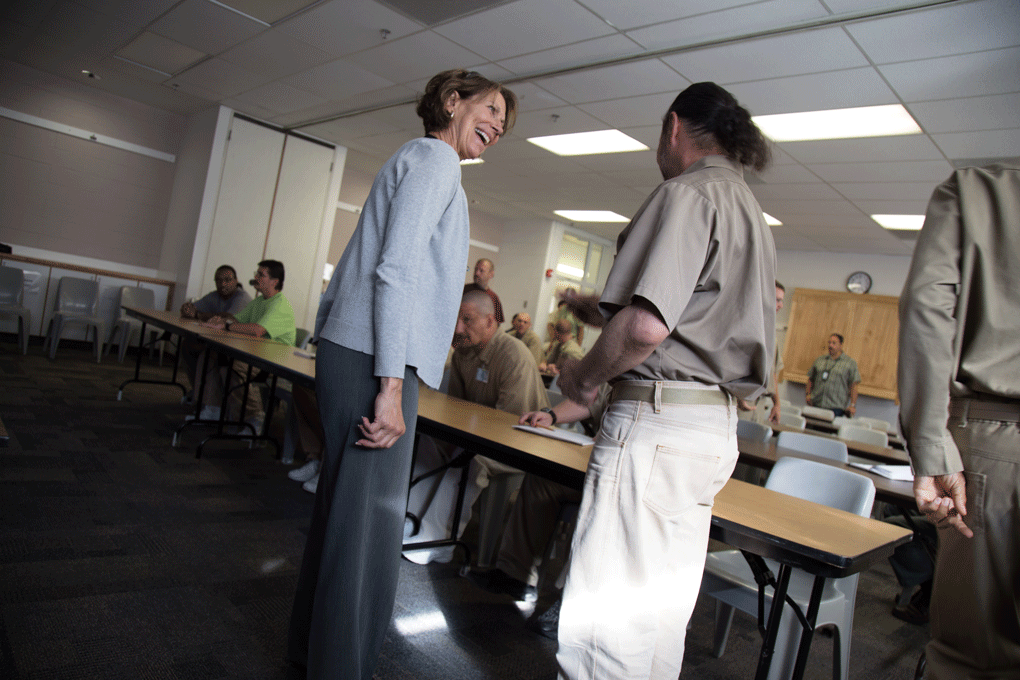
Before a nature illustration class, Associate Heinrich talks with an incarcerated student. Photo by Ricky Osborne.

Just as important, they also listen intently to others’ ideas and questions. They believe in each other, and do a grand job of celebrating everyone’s successes. The work environment is pervaded by a can-do attitude. As Kraig Witt, Recreation Specialist 4, has said, “This is our giant coloring book. Let’s play…there’s no can’t. We can do anything.

Their optimism finds many willing partners. AHCC hosts extraordinarily productive sustainability programs. To name a few: a thriving in-prison beekeeping club; Pawsitive dog training supported by two humane societies; more than 500 cords of firewood processed for donation to low income families each year; new quilting and vermicomposting programs. Most of the prison grounds are devoted to gardens, and when regional water contamination meant they needed to suspend growing vegetables, they planted flowers instead; they know how to make lemonade from lemons!

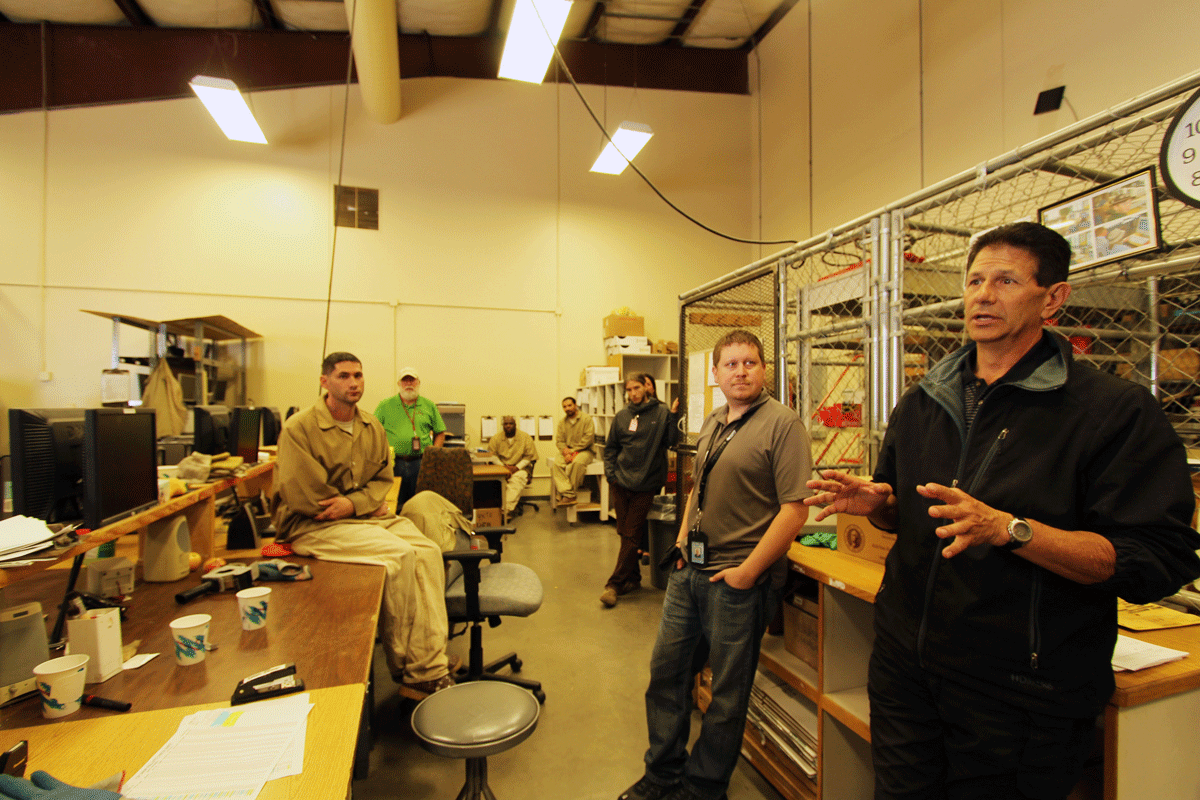
Correctional Program Manager Mike Klemke describes the Computers 4 Kids program. In the last year, incarcerated technicians refurbished 4,321 computers.

At the heart of these efforts is investing in AHCC staff. Associate Superintendent Kay Heinrich has said, “It really engages the staff to care about the environment of where they work. People care about where they’re working; it increases their morale.” A previously incarcerated SPP technician and current Evergreen student advised us that taking care of staff makes the prison experience better for everyone. We look to follow AHCC’s example on what that can look like.

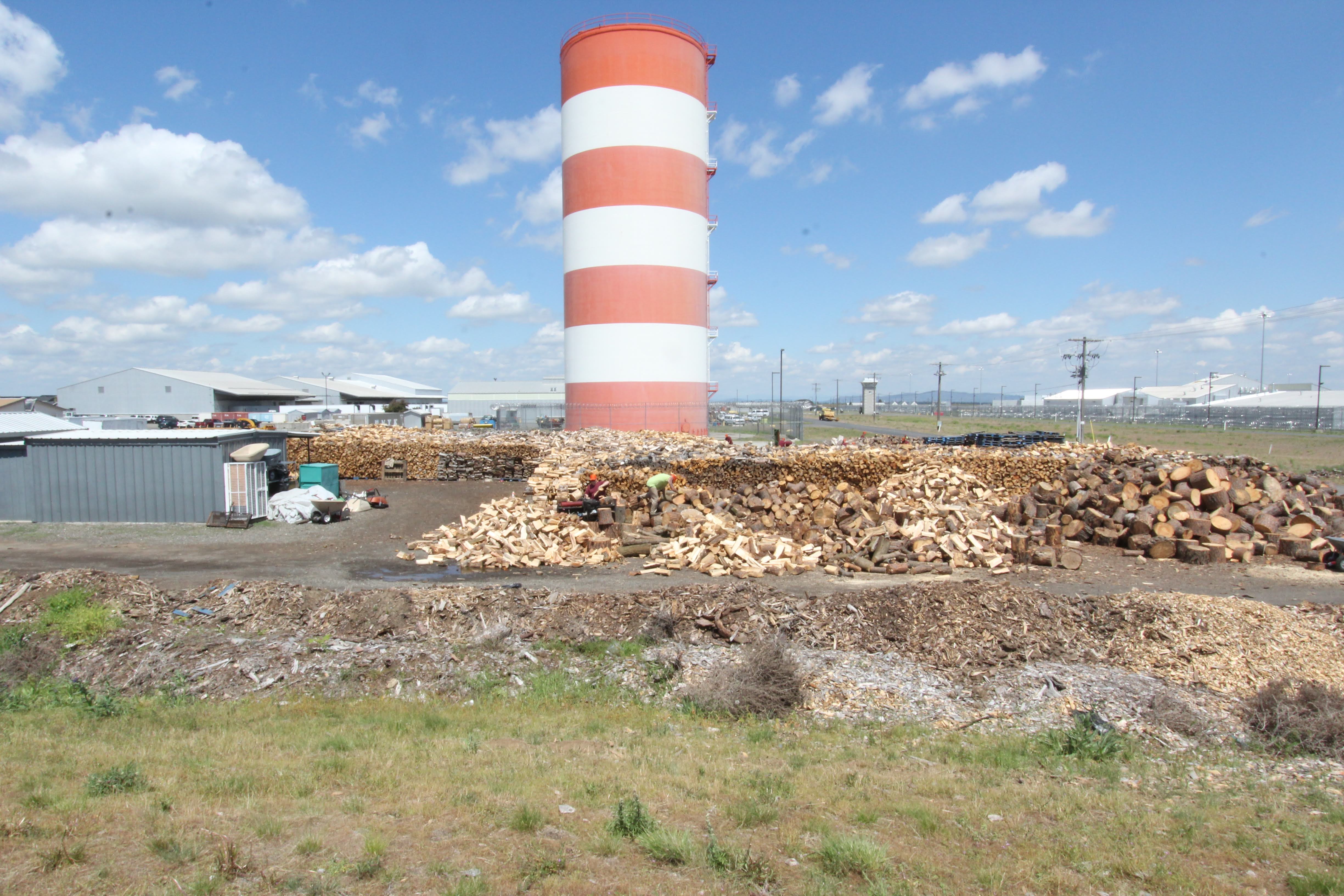
AHCC dedicates a huge area to cutting and stacking cords of firewood for Spokane Neighborhood Action Partners (SNAP). Photo by Bethany Shepler.