Emergent Pre-Vegetated Mats (EVM) Program (2017-2020)
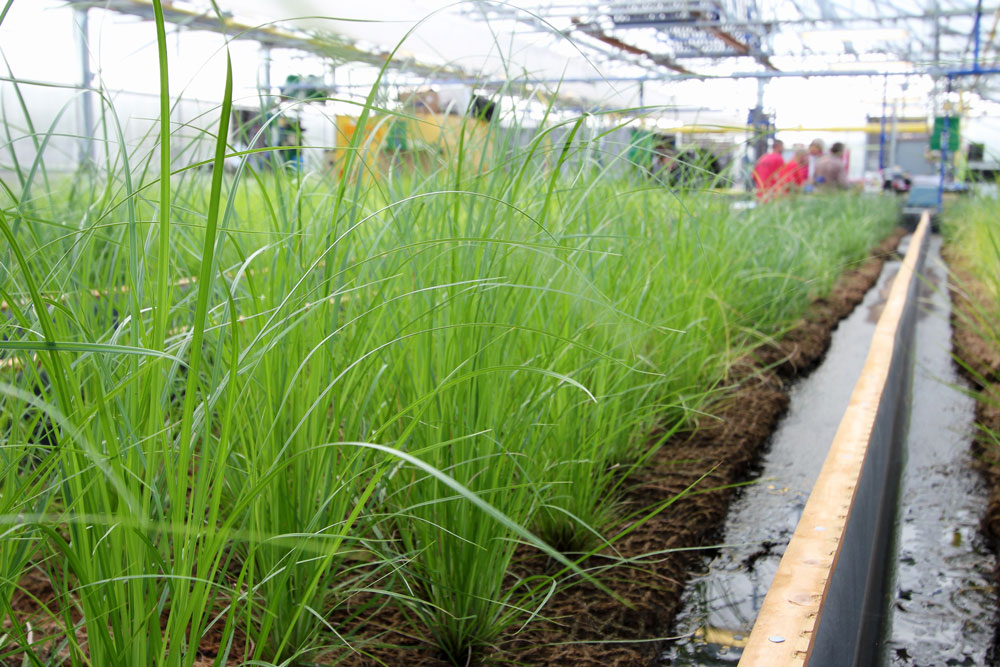
In 2017, SPP embarked on an ambitious pilot program to cultivate pre-vegetated mats of wetland plant species for habitat restoration benefiting the Oregon spotted frog (subject of a past rearing program) and salmon species. Thanks to significant support and ingenuity of staff and technicians, the surplus tilapia facility at Stafford Creek Corrections Center (SCCC) was converted to an aquaponics system. Two large fish tanks contained more than 100 koi, and their waste is a nitrogen source for plant growth; we added was compost tea to provide other essential nutrients. The plants in this system were species of native sedges and rushes, classified as emergent vegetation. In the winter months, emergent plants were under water; in the spring and summer, as the water recedes, the plants grow rapidly and emerged from the water’s surface.
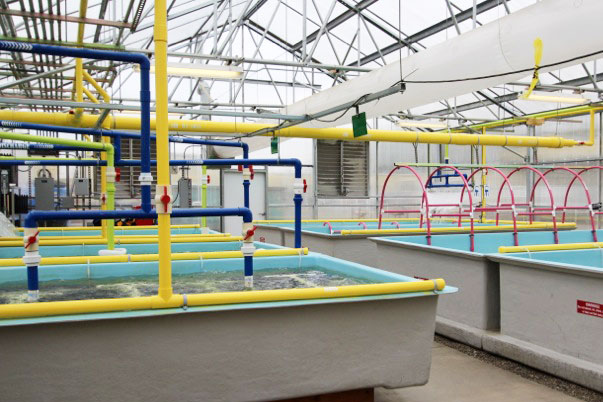
In the nursery, we grew emergents in coir (coconut fiber) mats and did not need soil. Water circulated back and forth between the plant beds and fish tanks via elaborate, color-coded plumbing.
SCCC’s plumbing crew created a masterful array of color coded pipes for the EVM program.
The Emergent pre-Vegetated Mat (EVM) program
The Emergent pre-Vegetated Mat (EVM) program is part of a collaborative experiment funded by the US Department of Fish and Wildlife. Partners install mature EVM on plots following various weed control treatments. The plots will be monitored for plant establishment and weed suppression success over a three-year period. The technical accomplishments of the program thus far bode well for positive results from this experiment in ecological restoration.
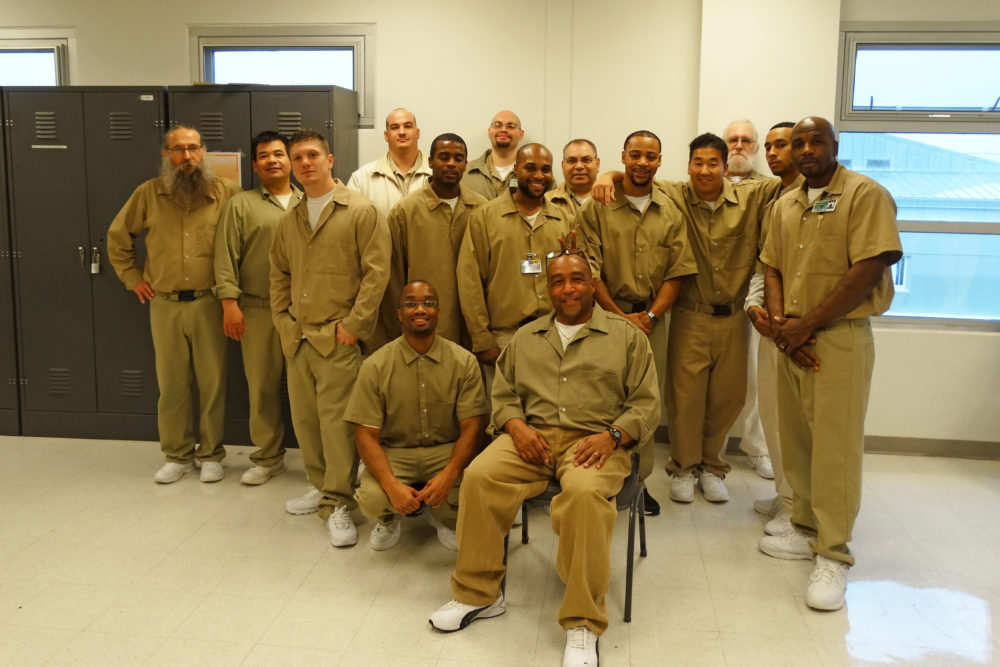
The EVM team included incarcerated technicians, Stafford Creek Corrections Center maintenance staff, Evergreen’s program coordinators and managers, Joint Base Lewis McChord, the Center for Natural Lands Management, Washington Department of Fish and Wildlife and the United States Fish and Wildlife. This team did an amazing job meeting the challenges of the innovative program’s technical demands. We installed the first mats at Joint Base Lewis McChord in early November 2016, and a second batch early in 2017. Although this program ended in 2020 some results of this work were highlighted in the Samish Indian Nation’s Department of Natural Resources OSF Story Map. and then link to the story map using text OSF Story Map – https://storymaps.arcgis.com/…4187a64ab9c84a3ee836
EVM technicians
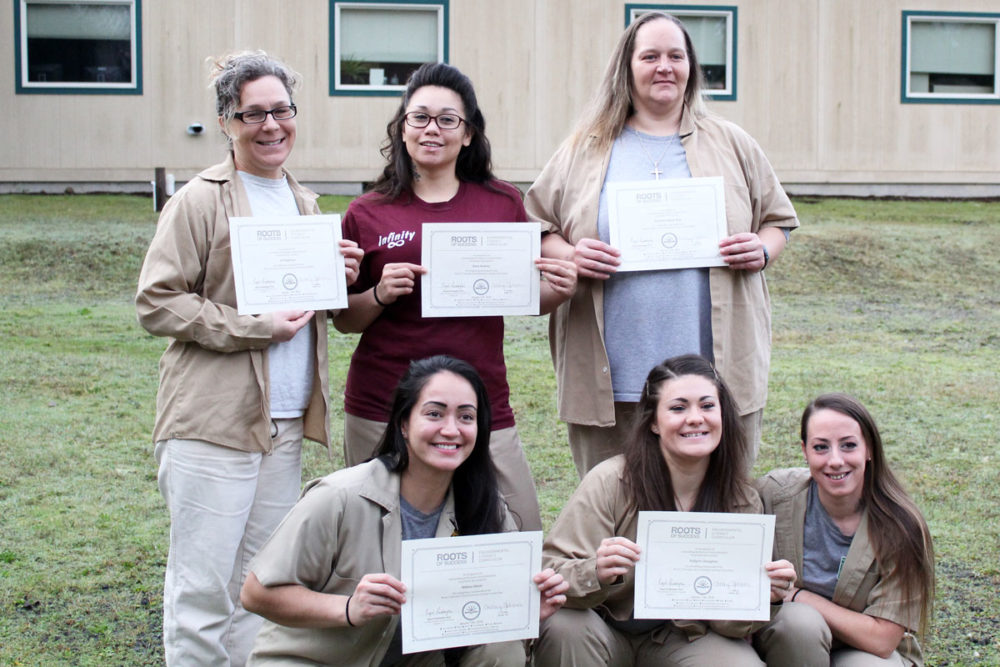
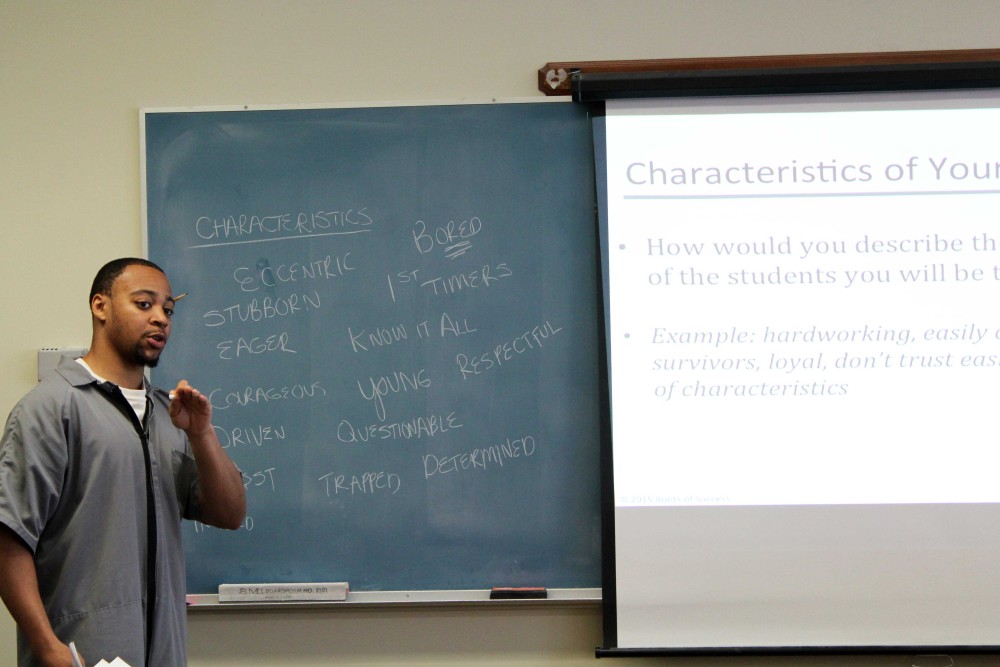
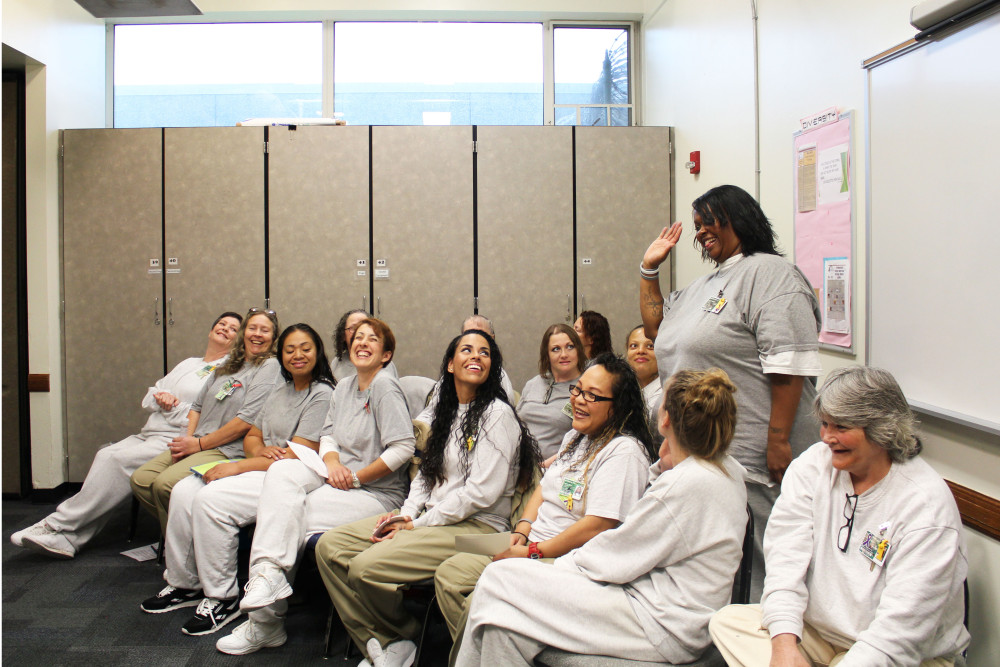
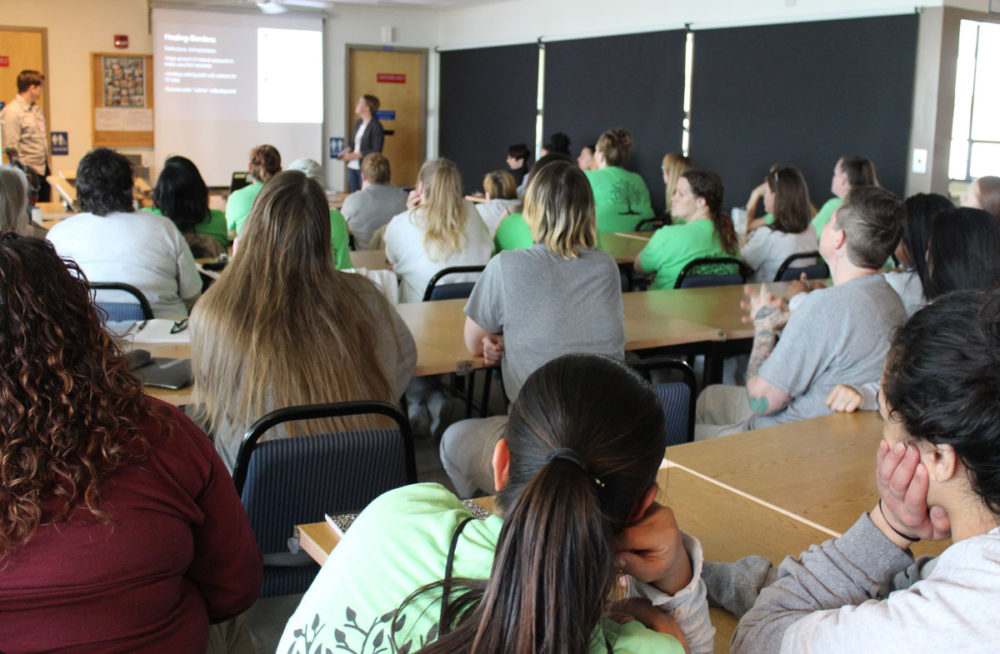
SPP staff from The Evergreen State College provided the educational framework and protocol management for the technicians. We delivered weekly workshops on plant sciences topics such as wetland ecology, plant identification, plant cultivation, and insect and disease management. The technicians also assisted in Master of Environmental Studies thesis research of the system’s nutrient flow and input. The skills acquired by the aquaponics technician prepared them for careers in sustainable infrastructure, wetland science, or the burgeoning industry of hydroponic plant culture.
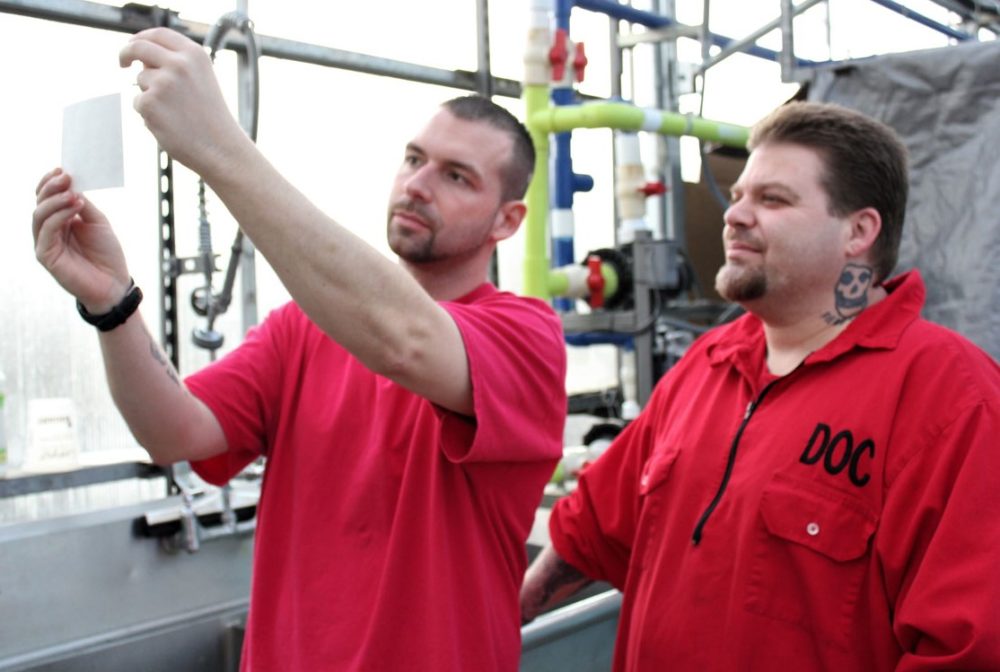
Brian Bedilion and Rudy Smale compare a water quality test to a color chart.
 Read More