

Programs By Facility
In 2025, Washington’s 10 prisons reported around 159 sustainability-related programs and named 208 partner organizations across the state. In 2026, programs continue to grow, adapt, and thrive. Scroll through the facilities below to see facility-specific highlights from the most recent annual report.
Washington State Facilities


Airway Heights
Corrections Center
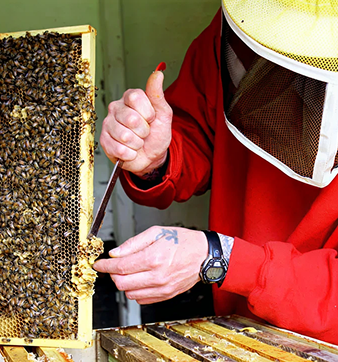
Airway Heights hosts a wide range of sustainability programs including beekeeping, large-scale gardens producing food for kitchen use and donation, and composting. It refurbishes thousands of computers for local schools and runs dog training, firewood donation, pollinator habitat, waste sorting, and worm farming.
Cedar Creek
Corrections Center
Clallam Bay
Corrections Center
Clallam Bay runs beekeeping, vegetable and flower gardens contributing food to local food banks, and a farmers market. They operate waste sorting, water catchment, wastewater treatment, and a cat adoption program. The facility emphasizes pollinator habitat and community recycling efforts.
Coyote Ridge
Corrections Center
Monroe Correctional
Complex
Olympic Corrections
Center
Stafford Creek
Corrections Center
Stafford Creek offers monthly environmental programs, beekeeping, a prairie Ecological Conservation nursery project, and gardening and composting classes. It engages in large-scale composting, waste sorting, pollinator plantings, water catchment, bike repair, dog training, toy drives, and diverse sustainability arts and tech activities.
Washington
Corrections Center
Washington Corrections Center’s SPP programs include a world-class composting “bugs” project, beekeeping, prairie Ecological Conservation, gardens, plant propagation, construction/service projects, dog training, chicken care, recycling, and environmental workshops. These initiatives blend sustainability with vocational training.
Washington Corrections
Center for Women
WCCW offers monthly environmental programs, a prairie Ecological Conservation nursery program, gardening and pollinator planting with community partners, and beekeeping. It includes a Prison Pet Partnership, quilting and crafts supporting wildlife rescue, and waste sorting/recycling. Programs aim to build skills and community ties.
Washington State
Penitentiary
Washington State Penitentiary hosts the Sustainable Operations Lab (SPL) with many programs including gardening, composting, recycling, carpentry, furniture repair, aquaponics, and beekeeping. It also has a large institutional garden, waste diversion efforts, community crews, and the Sagebrush Steppe Ecological Conservation Program.
Closed Facilities
Mission Creek Corrections Center for Women
Mission Creek led Ecological Conservation with a Taylor’s checkerspot butterfly rearing program and beekeeping, plus vegetable and flower gardens used in kitchens and pollinator habitat. It hosted animal programs (Pawsitive Prison Project), small-scale composting, water catchment, and bird habitat work.



Once a year, SPP reports on all things sustainable happening in Washington State Prisons.