Sagebrush Ecological Conservation
Nursery Programs
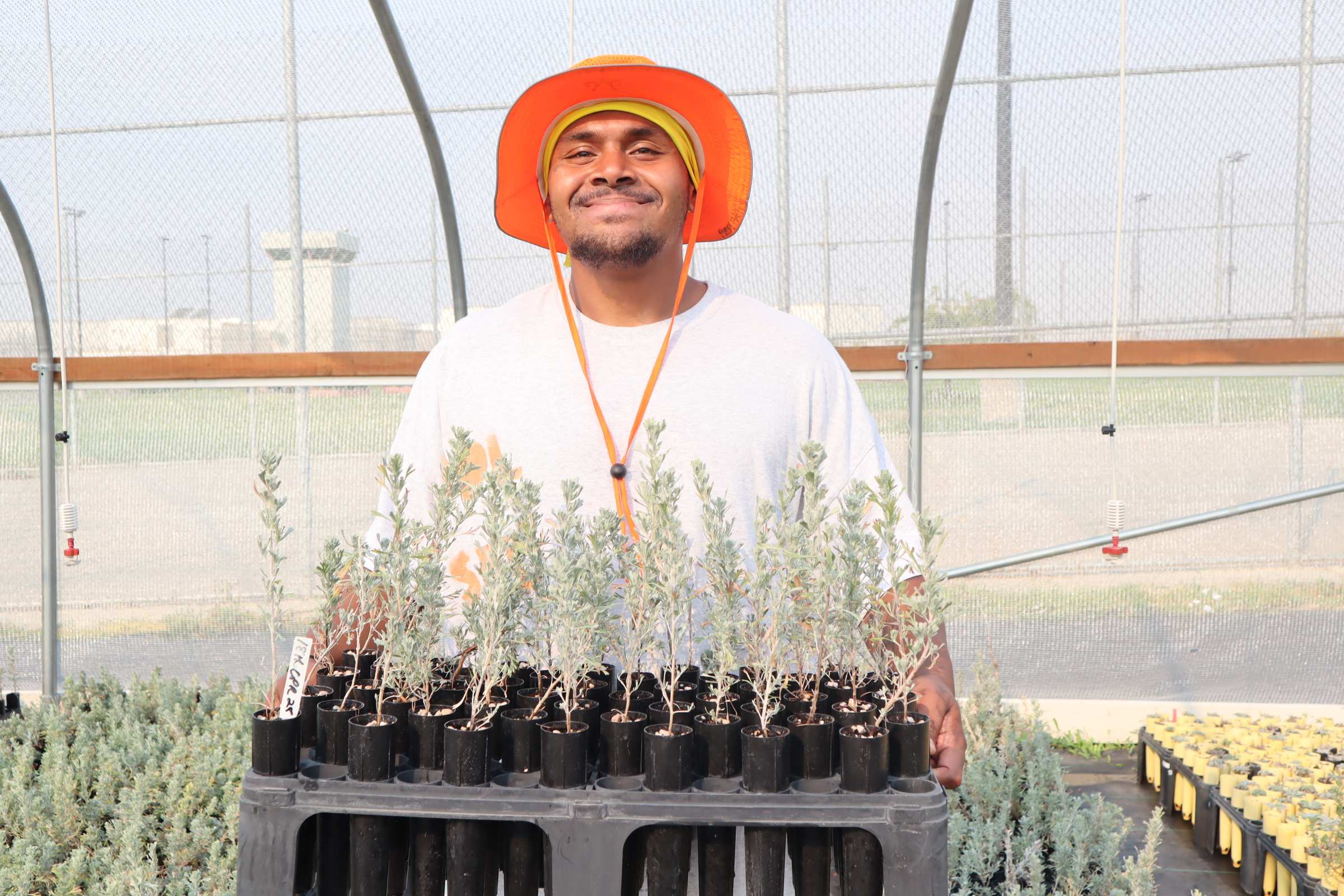
The Sagebrush-Steppe Ecological Conservation Nursery Program is an 18-credit course that provides interdisciplinary academic and vocational education focused on sagebrush-steppe ecosystems. Subjects covered include plant propagation, nursery management, conservation biology, restoration land management and Federal and State environmental policies. These topics are explored through readings, seminars, workshops, presentations, and writing assignments.
Technician Responsibilities/Intent
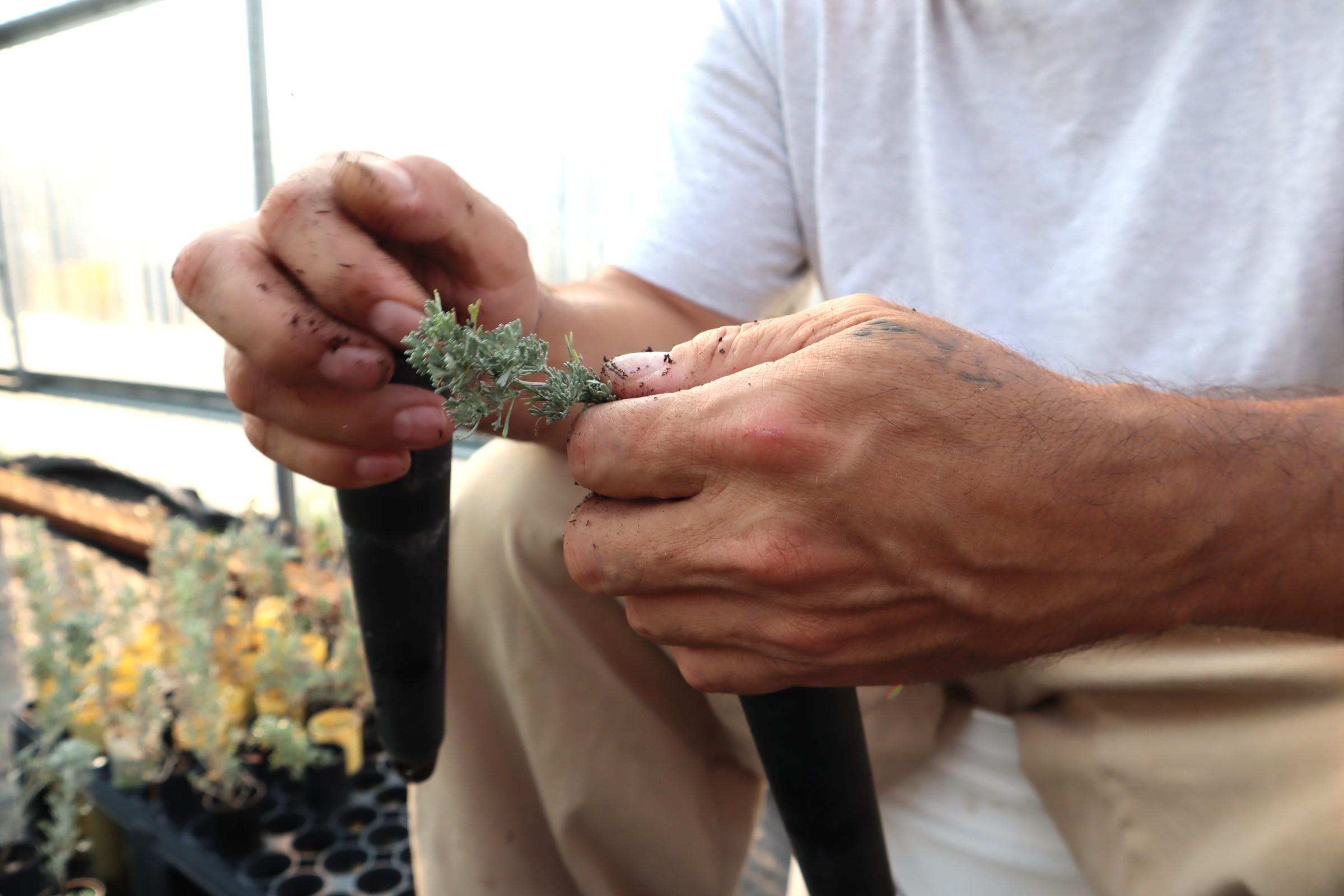
Sagebrush-Steppe Ecological Conservation Nursery Technicians are responsible for meeting daily needs of the program, and work closely with WA Corrections staff, SPP-Evergreen staff, and Evergreen graduate students to maintain high program standards. Technicians are expected to attain subject matter expertise, job autonomy, and exhibit personal accountability for projects. The program requires detailed, technical work, frequent contact with partners and the public, and scientific trials. The work involves detailed record-keeping, field notes, and frequent status and quality control communications with program partners; it also requires self-direction and advanced problem-solving skills.
Course Objectives:
- Apply ecological principles to current conservation issues and discuss interactions between species and the environment that define sagebrush-steppe ecosystems in the Great Basin region;
- Explain processes that influence species’ distributions and abundances using examples from sagebrush-steppe ecosystems;
- Understand and apply concepts and learn to critically analyze papers from assigned peer-reviewed papers and texts (listed in Bibliography);
- Critically analyze federal and state policies regarding the Endangered Species Act and sagebrush-steppe conservation; and
- Demonstrate horticultural knowledge pertaining to sagebrush propagation and plant care.
Course Structure & Requirements
- Experiential Learning: at least 425 hours of hands-on experience caring
for sagebrush plants. - Academic learning: 40 hours of academic learning including the following:
- Protocol Workshops: 7 of 9 workshops or readings will be completed with demonstrated proficiency in technical skills and completing all daily nursery tasks.
- Seminars and Education Sections: Will be tracked by SPP Program Coordinator and assessed by participation in discussions and completion of activities.
- Reading Responses: Students will be evaluated upon completion of reading responses recorded in their notebook.
- Reflective Writing: The SPP program coordinator will provide a reflective writing prompt. To receive college credit for this course, you will need to complete the reflective writing assignment and submit your legible, handwritten, or typed reflective writing to SPP-Evergreen.