by Christina Stalnaker, SPP Graduate Research Assistant
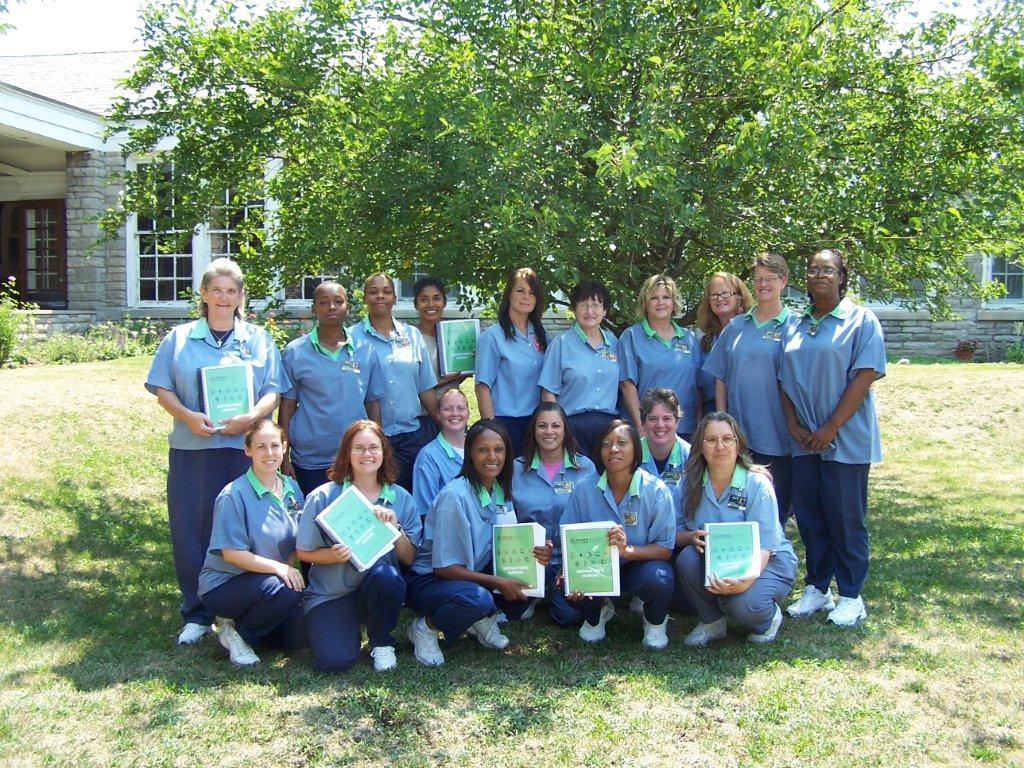
Women from the Ohio Reformatory for Women and Northeast Reintegration Center graduate from Roots of Success Facilitator Training.  This is the first time ODRC brought Roots to women's prisons.  Photo Credit: Ohio Department of Rehabilitation and Correction.
Women from the Ohio Reformatory for Women and Northeast Reintegration Center graduate from Roots of Success Facilitator Training. This is the first time ODRC brought Roots to women’s prisons. Photo by Ohio Department of Rehabilitation and Correction.

“Roots of Success was the core component that tied together our cultural change in environmental awareness. We had begun recycling and composting. We addressed energy and water conservation, but I knew we needed education to really reach the inmates. Roots of Success took our green initiatives to a new level; it led the change that allowed inmates to be part of the environmental awareness at SCC (Southeastern Correctional Complex). The passion I saw from the inmates was amazing.”

-Warden Sheri Duffey, the first Warden to bring Roots to the Ohio Department of Rehabilitation and Correction (ODRC)

In prison classrooms throughout Ohio, ODRC provides facilitator training for inmates to deliver Roots of Success, an environmental literacy curriculum. These facilitators will prepare fellow inmates for re-entry into the green economy. ODRC also leverages inmates’ new-found passion and environmental education to implement sustainability initiatives throughout their facilities. ODRC brought Roots of Success to its first institution in 2011. Leah Morgan, ODRC Energy Ecological Conservation & Sustainability Administrator, informs us that the program proved to be so successful that it is now implemented in 19 out of 26 institutions, with plans to expand into all facilities within the next year.
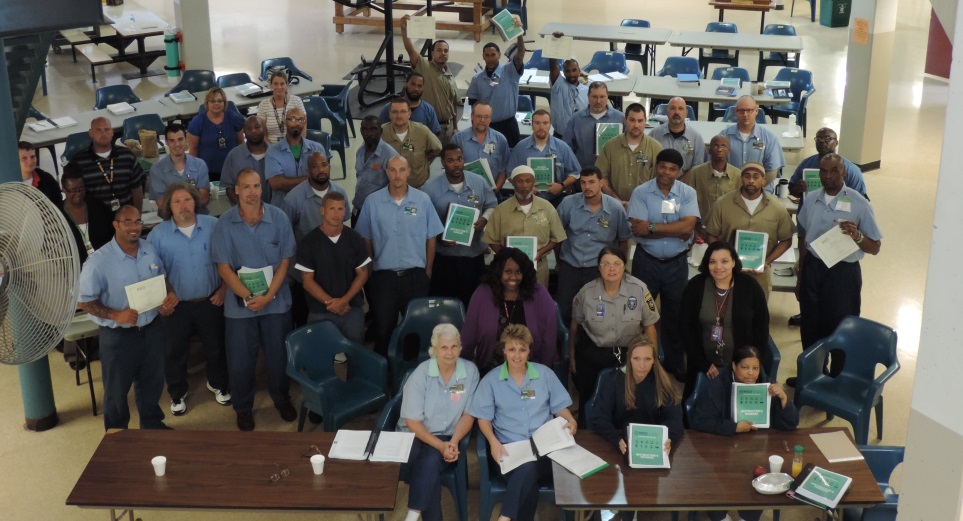
Lorain Correctional Institution recently hosted ODRC’s largest Roots of Success train-the-trainer course to date, including both men and women from their facilities. Photo by Ohio Department of Rehabilitation and Correction.

Morgan attributes the program’s success to their inmates, “Honestly, though, it wouldn’t have taken off the way it did without the passion of the inmates behind it. They LOVE this program.  We have long-term offenders trained and certified to facilitate the program, so a) it is not incredibly staff intensive, and b) it gives them meaningful work that they don’t normally have an opportunity to have.”

You can see video testimony from two of ODRC’s original trainers here:

Video by Roots of Success.

Video by Roots of Success.

Both Tony Simmons and Willie Lagway are Roots of Success Master Trainers at the Southeastern Correctional Complex in Lancaster.
By Jaal Mann, SPP Graduate Research Assistant

After over two years working with the Sustainability in Prisons Project, it’s difficult to move on from this highly supportive and tight-knit group who work together to help everyone achieve success.

While I am sad to leave the program, the graduate students who come and go are part of what makes SPP the organization it is. Every year, a new batch of students begins to work with the program, advancing their own research in ways that can improve SPP’s practices, and bringing their fresh perspectives and ideas to the programs.

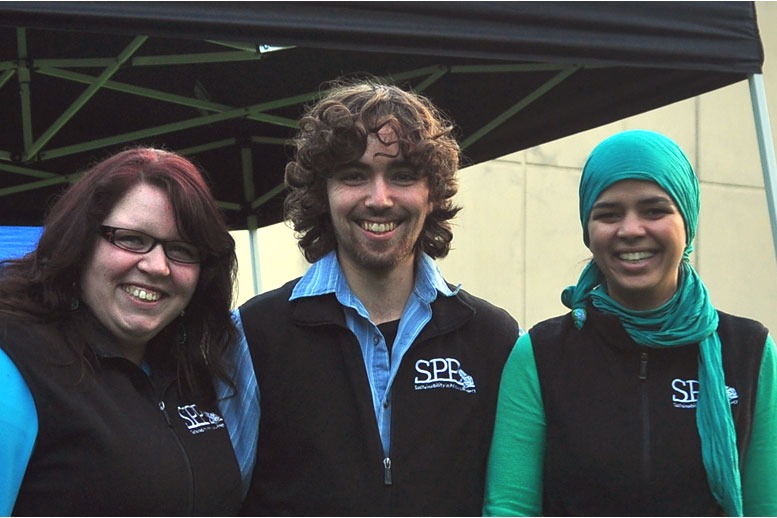
SPP's second-year conservation nursery graduate students, from left to right: Bri Morningred, Jaal Mann, and Drissia Ras. Jaal and Drissia have finished their Masters studies and will be moving on at the end of the month.
SPP’s second-year conservation nursery graduate students, from left to right: Bri Morningred, Jaal Mann, and Drissia Ras. Jaal and Drissia have finished their Masters studies and will be moving on at the end of the month.

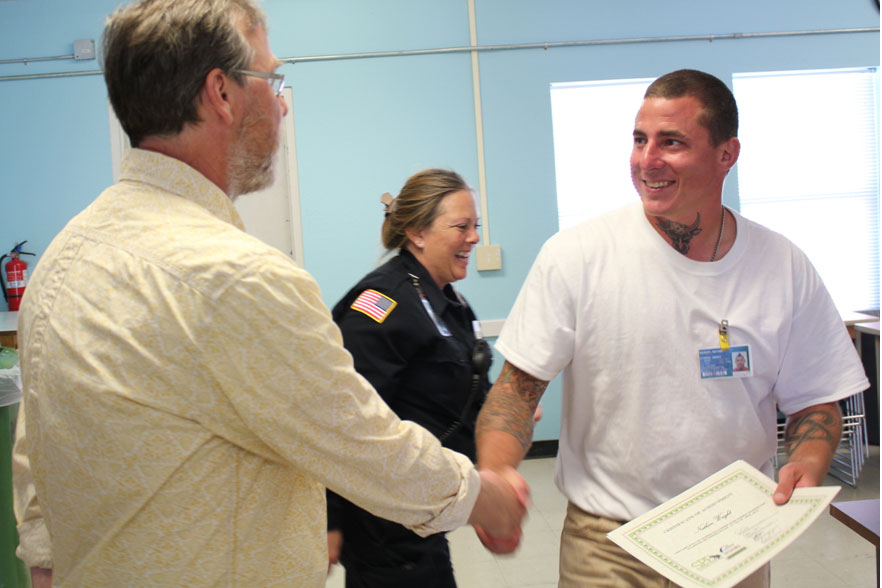
At the same time, major transitions have happened in the Prairie Restoration Crew from Cedar Creek Corrections Center. Several inmates on the crew were released, and others moved on to different jobs. We recently held a graduation ceremony for crew members who had completed a certain number of hours of work, and it was great to be able to show recognition for their efforts.

Inmates on Cedar Creek Corrections Center’s Prairie Restoration Crew, past and present, receive recognition for their efforts over the past year in a graduation ceremony at the corrections center.
Inmates on Cedar Creek Corrections Center’s Prairie Restoration Crew, past and present, received recognition for their efforts over the past year in a graduation ceremony at the corrections center.

Three new graduate students have joined the conservation nursery team. The nursery programs will continue to flourish while providing life-changing experiences for both inmates and students who have the opportunity to work in them.

Photos and text by Joslyn Rose Trivett, SPP Network Manager

On September 3rd, Evergreen’s SPP staff visited Clallam Bay Corrections Center (CBCC). Corrections staff proved gracious and enthusiastic hosts. Hearing about their sustainability programs and plans for the future was well worth the trek from Olympia. Here is a photo gallery of some of the highlights:

1inside-greenhouse2
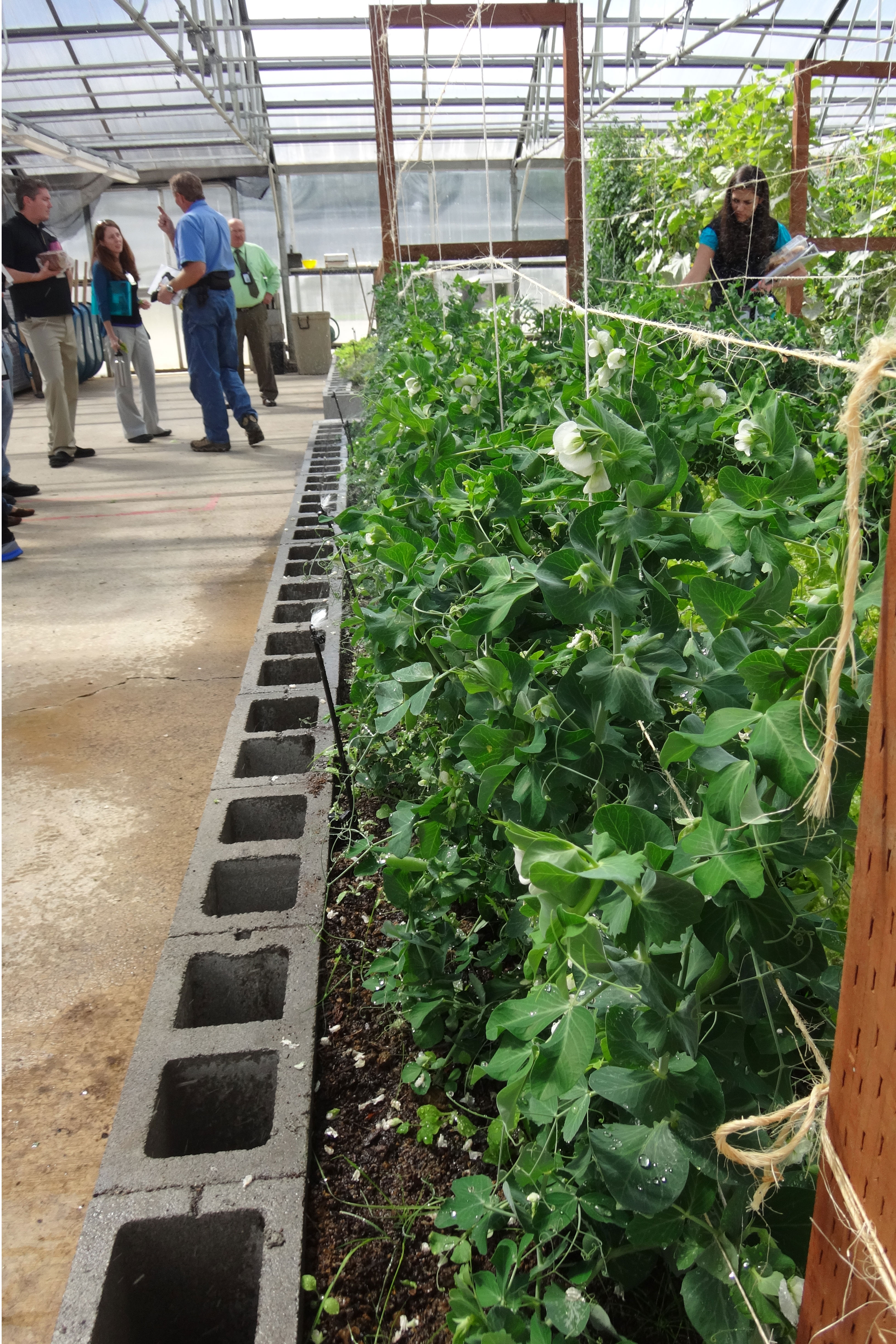
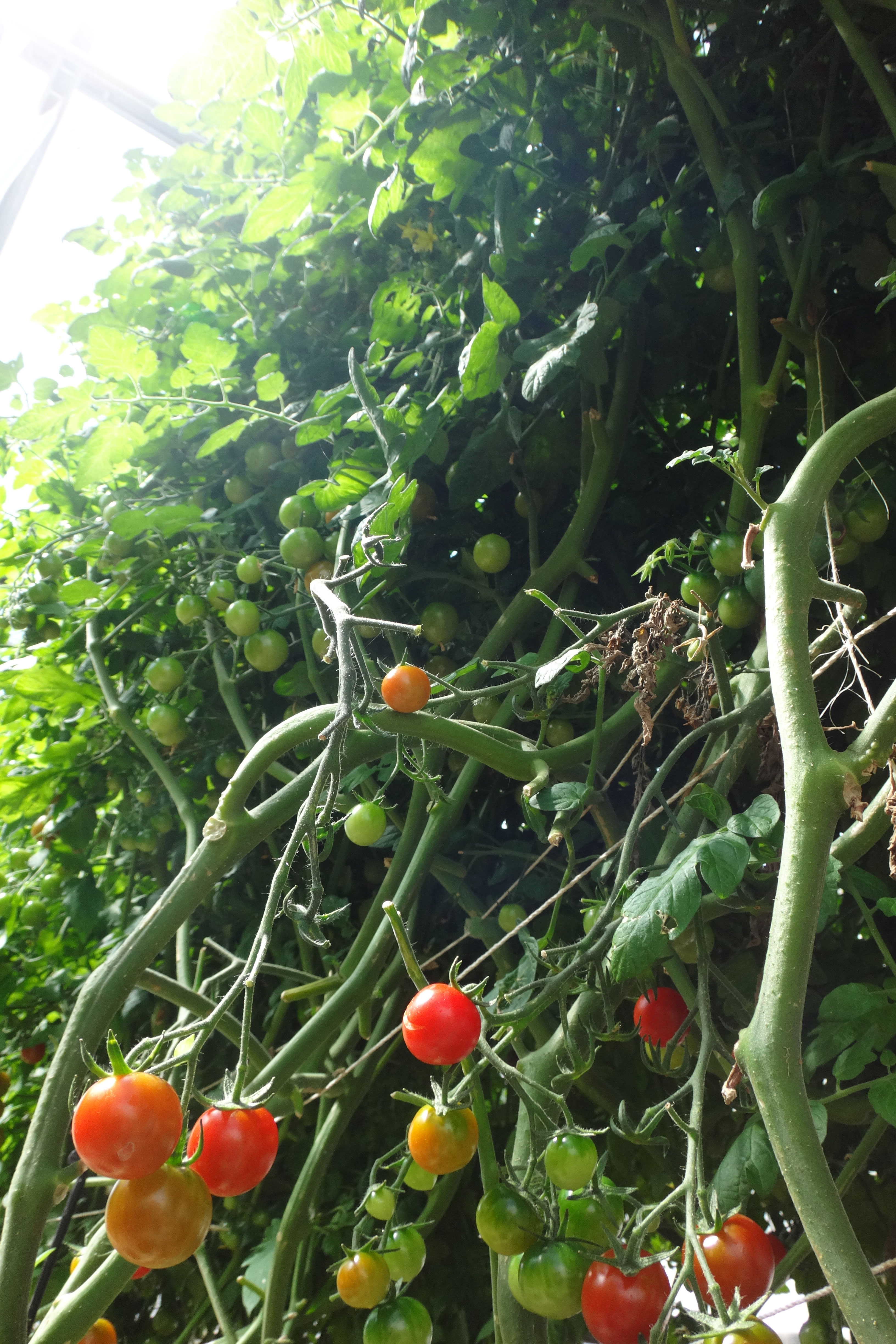
We were dazzled by their greenhouse–every food plant inside was the picture of health. We sampled peas, lettuce, and tomatoes, and appreciated what a difference fresh produce must make to a prison menu.


1tomatoes-greenhouse
The Food Services Manager and Gardener at CBCC have only worked together a few months, and already have figured out how to make the most of garden yields in the kitchen; a predictable harvest schedule has reduced grocery expenses, and meant that inmates opt to eat more lettuce.


1space-for-garden-expansion
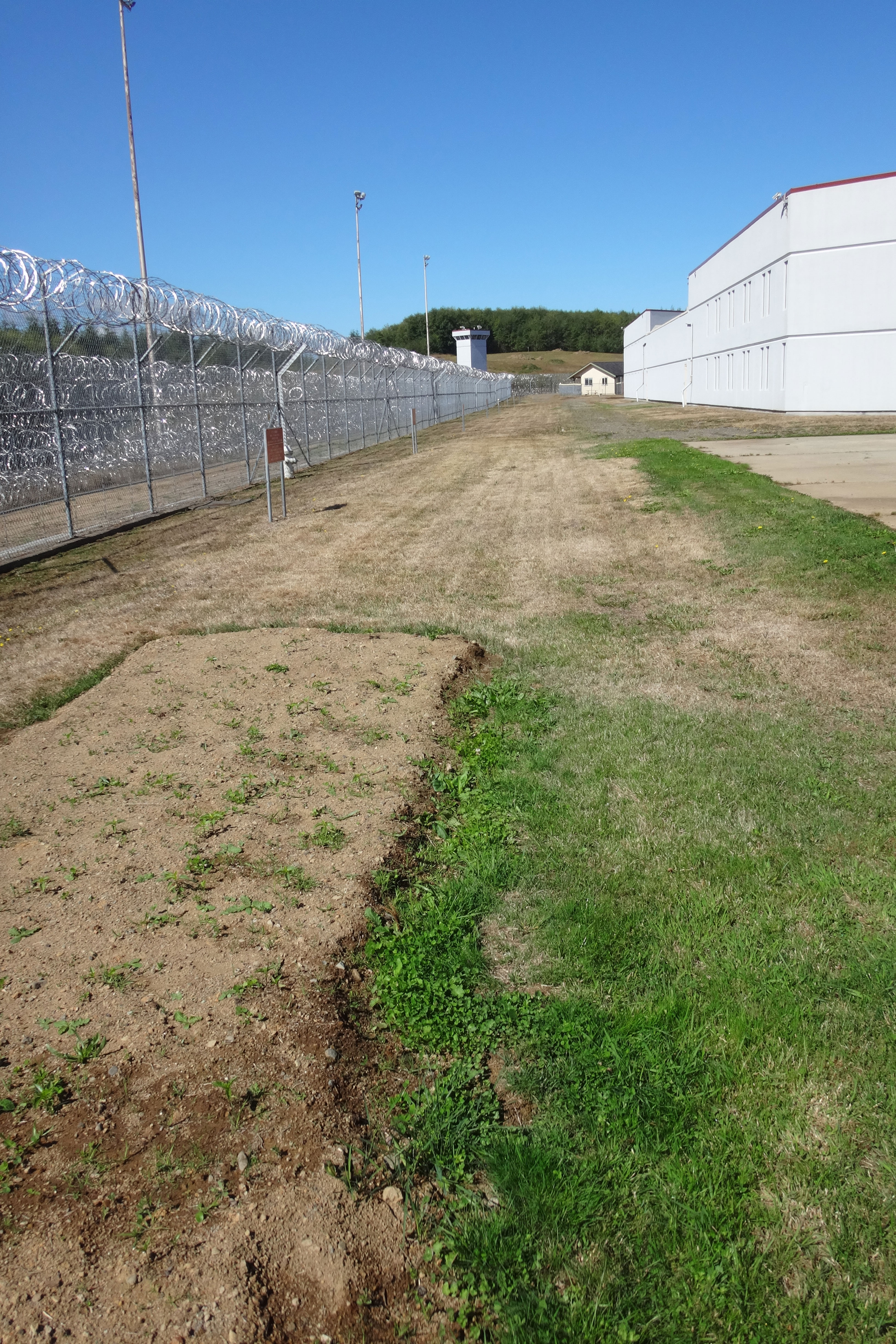
CBCC sits on 92 acres, and there is ample room for expanding the gardening program inside and outside the fence. This photo shows an area outside the the windows of the Intensive Management Units, a site for future garden beds.


squash,-main-garden
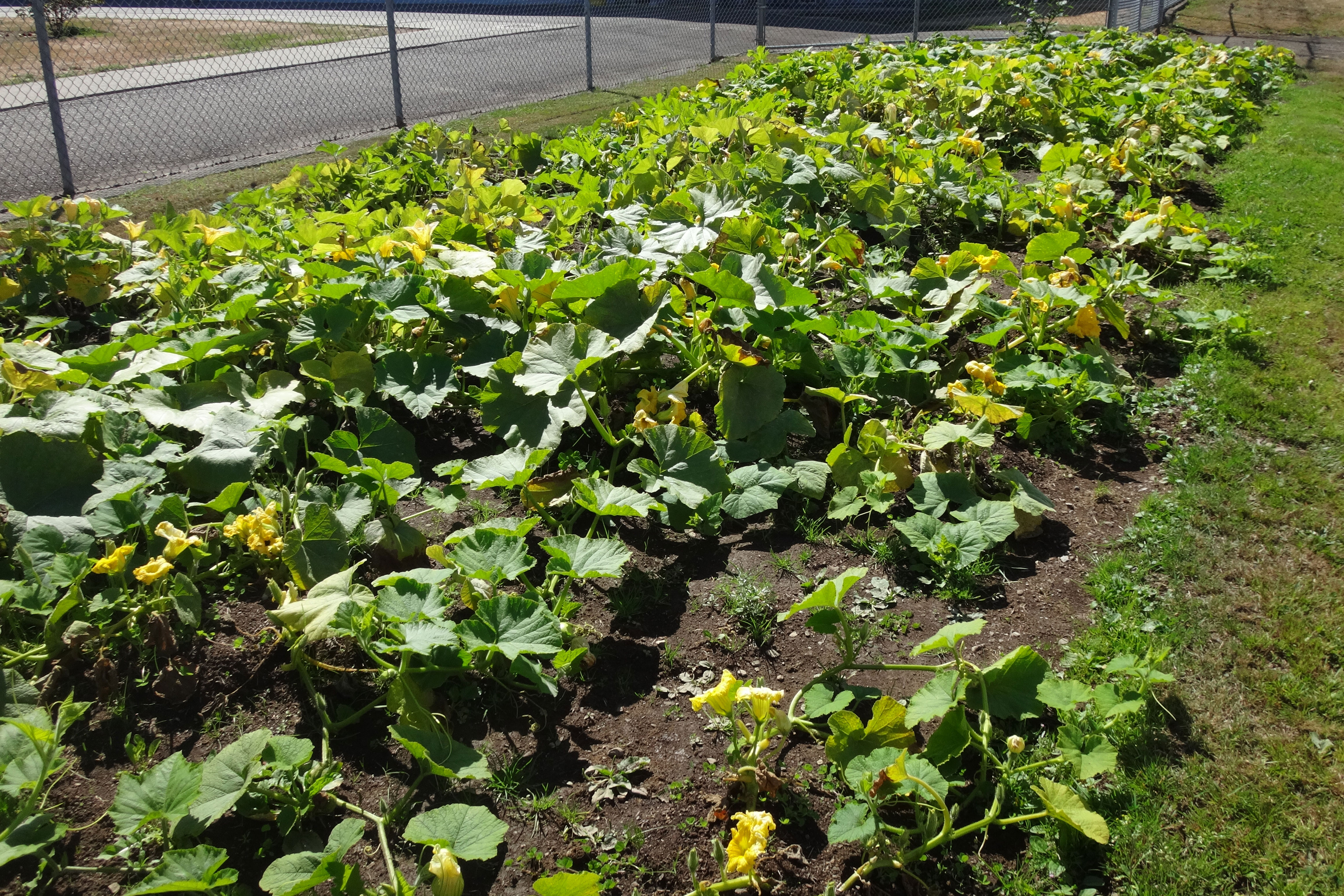
The prison already grows squash (shown here), carrots, radishes, spinach and other greens, herbs, and flowers. They have plans to add blueberries, rhubarb, and perhaps even gourmet mushrooms–crops that they know would be productive in their wet, mild climate.


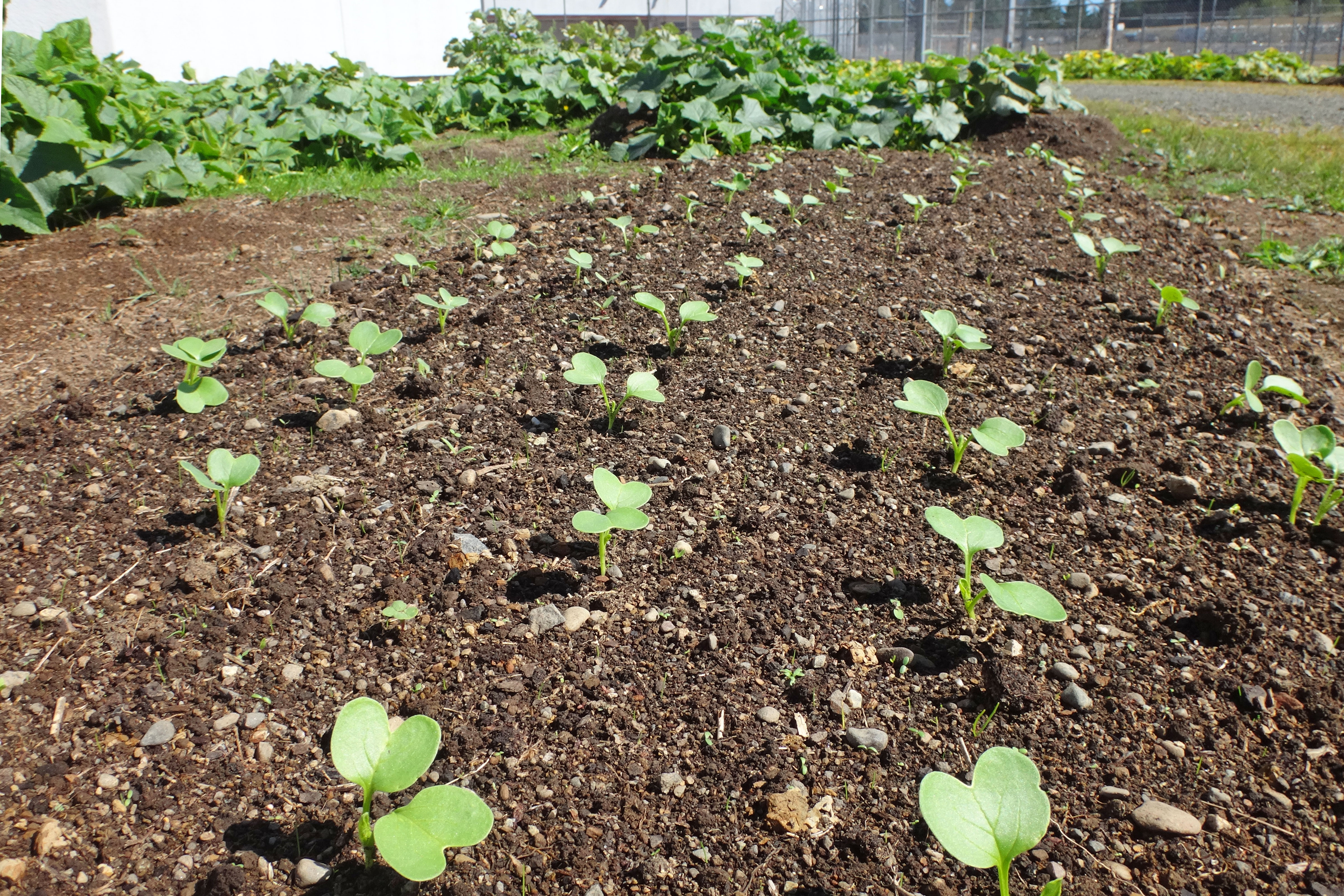
1-garden-sprouts
Here bok choy seedlings respond to the benefits of soil improved by compost–these sprouted much more quickly than those in unimproved soil.


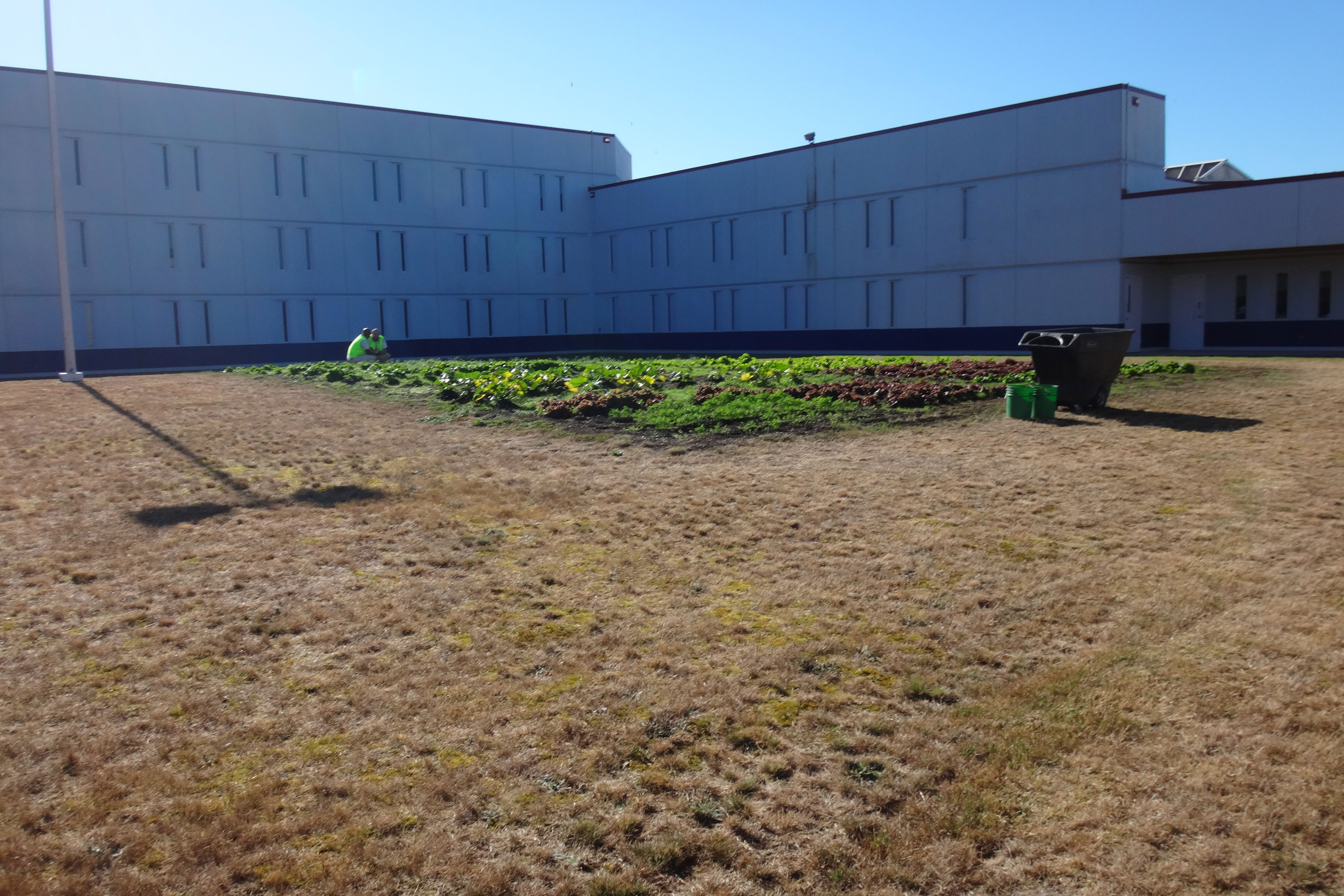
courtyard
Prison staff have heard very positive feedback from inmates on the new garden program. It is incredible what they have accomplished this year, especially when you consider that they didn’t get started until June! Plans are to double their efforts in 2015, including using every inch of the central courtyard for growing food and ornamental plants.


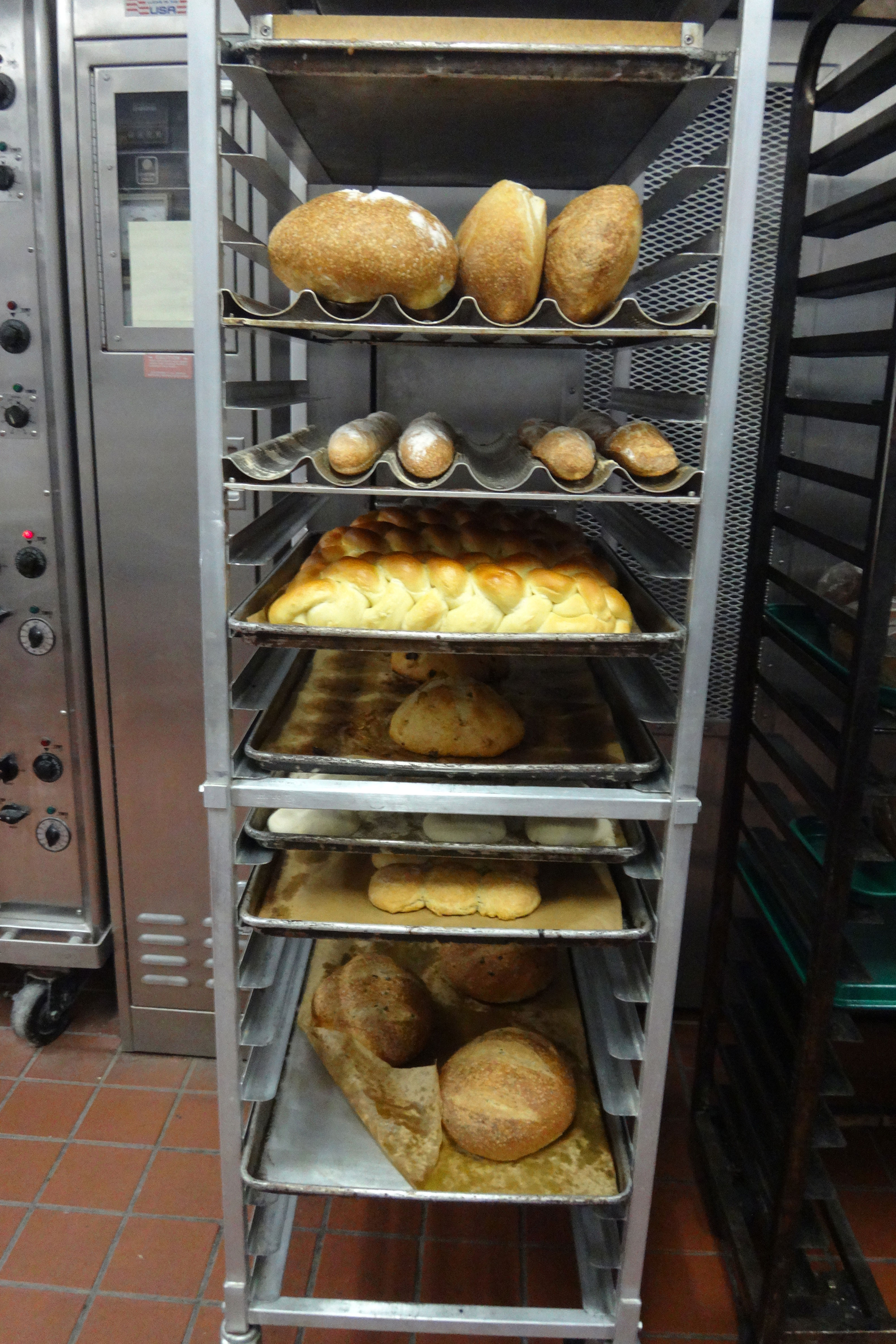
1-bakery
The prison has a vocational baking program that provides inmates with culinary experience and offers staff and the town bakery fresh-baked deliciousness.


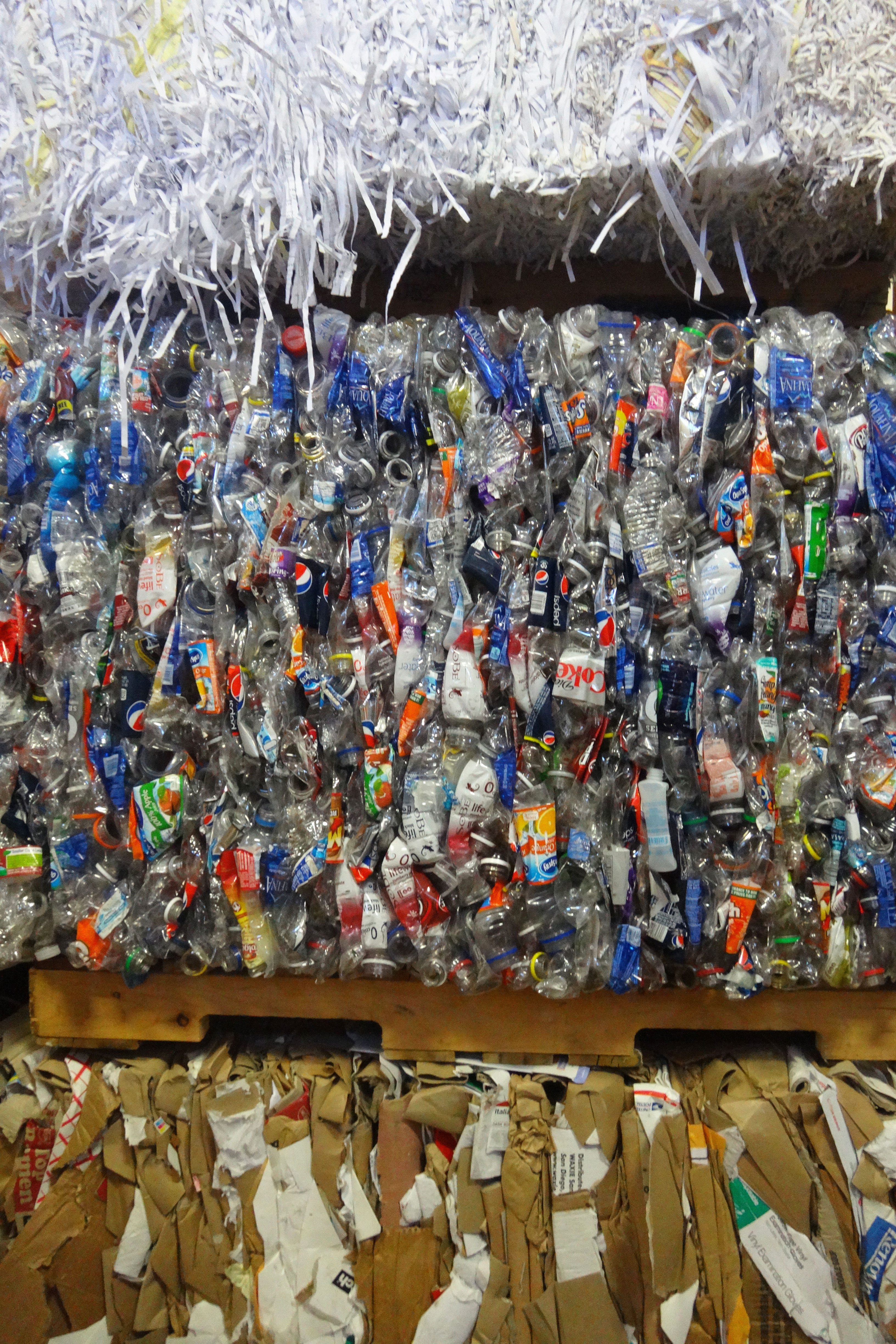
commodities-2
The prison has excellent waste sorting practices in place, and they are ready to expand their recycling and composting programs.


1primo-sorted-cardboard
They shared a vision of near-zero waste: a single trash can wheeled out to the curb from a facility housing nearly 900 men. We can’t wait!


Our thanks to our hosts Superintendent Obenland, Associate Superintendent Mike Tupper, Facilities Manager Jack Brandt, Gardener Mike Indendi, Food Services Manager Jerry McAffe, and Roots of Success Liaison Mark Black. We look forward to seeing your sustainability programs grow by leaps and bounds!