By Emily Passarelli, SPP Green Track Coordinator, and Joslyn Rose Trivett, SPP Education and Outreach Manager
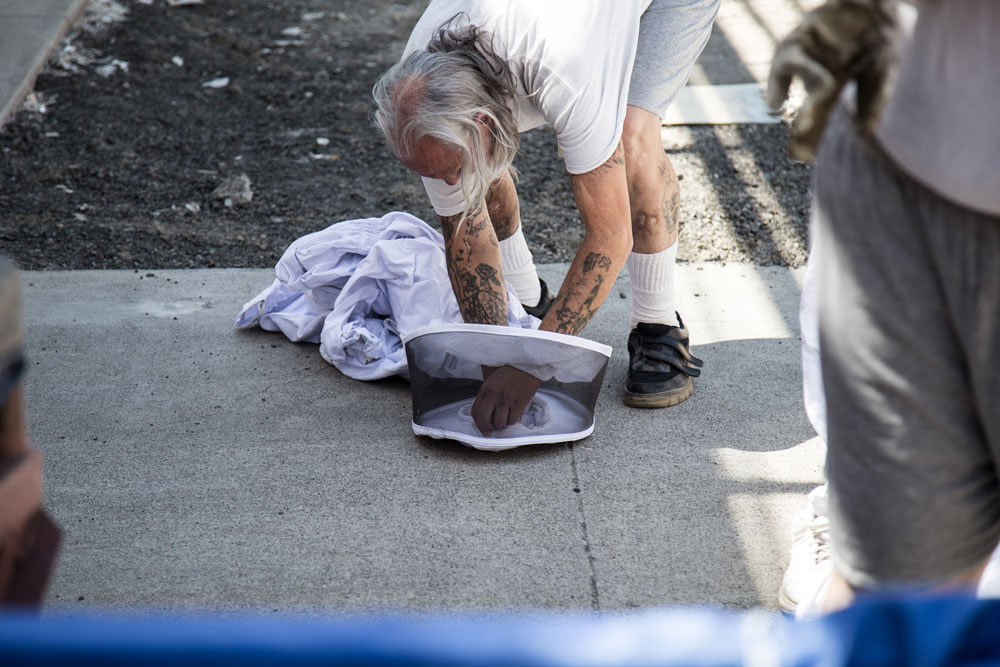
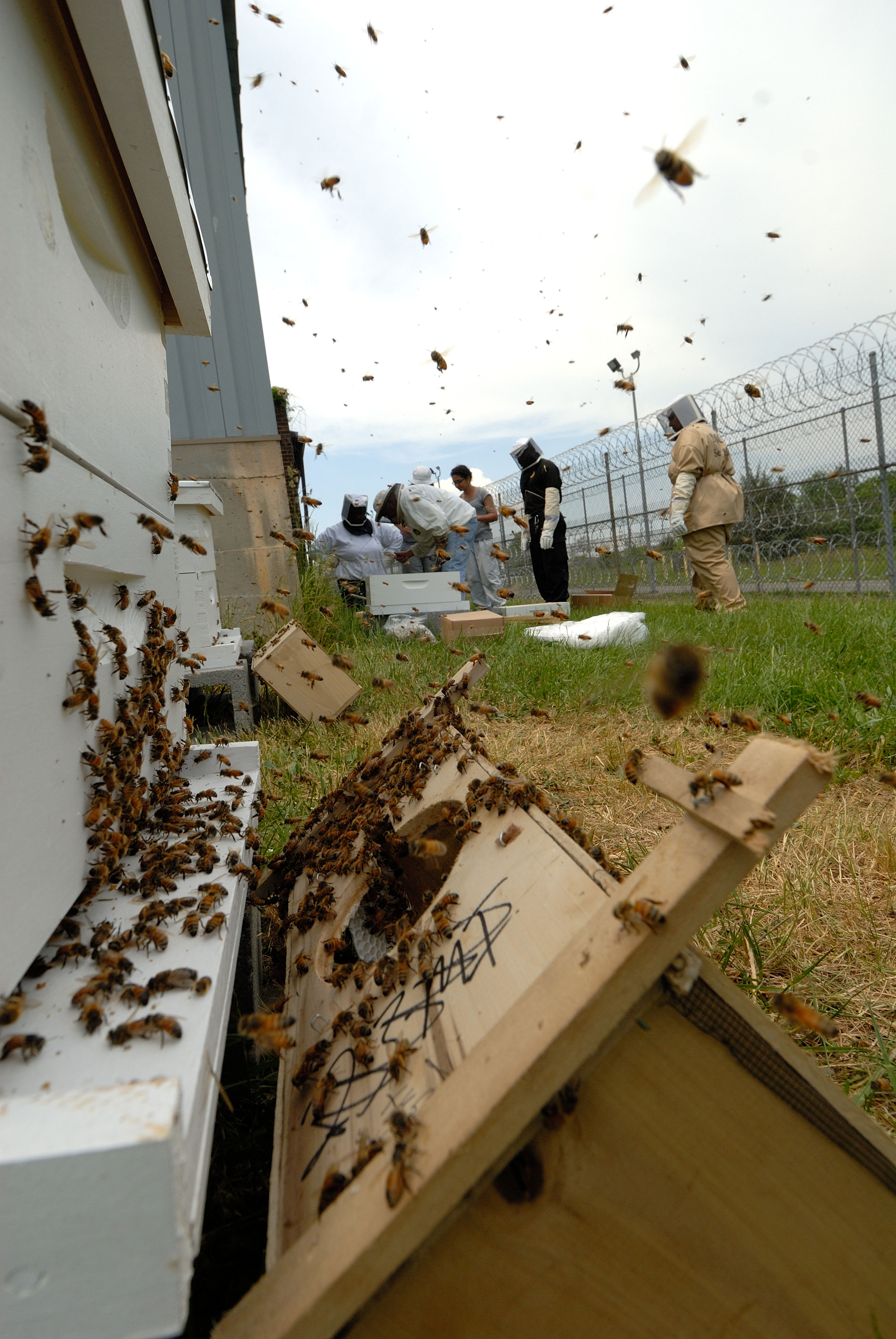
You might think that beekeeping in prisons is a nice idea, but not a big idea: maybe it’s a small, fanciful project that would crop up here or there. Not the case!
In Washington State prisons alone, we already have seven beekeeping programs up and running, and at least three more are in the works. Beekeeping is also in the prison at Joint Base Lewis-McChord, and many corrections facilities nationwide, including Georgia, Maryland, Illinois, Oregon, Florida, Nebraska, and LA County. Beekeeping programs can also be found in foreign prisons like England, New Zealand, Italy, and France. We’ve been contacted by prisons interested in beekeeping in Massachusetts, Albania, and Canada!
Outside of prison, reentry programs, like Sweet Beginnings in Chicago, offer meaningful work experience. The founding executive director of Sweet Beginnings, Brenda Palms Barber, found that “Fewer than 4% of Sweet Beginnings participants go back into the criminal justice system, compared with the national average of more than 65% and the Illinois average of 55%.” How amazing is that?
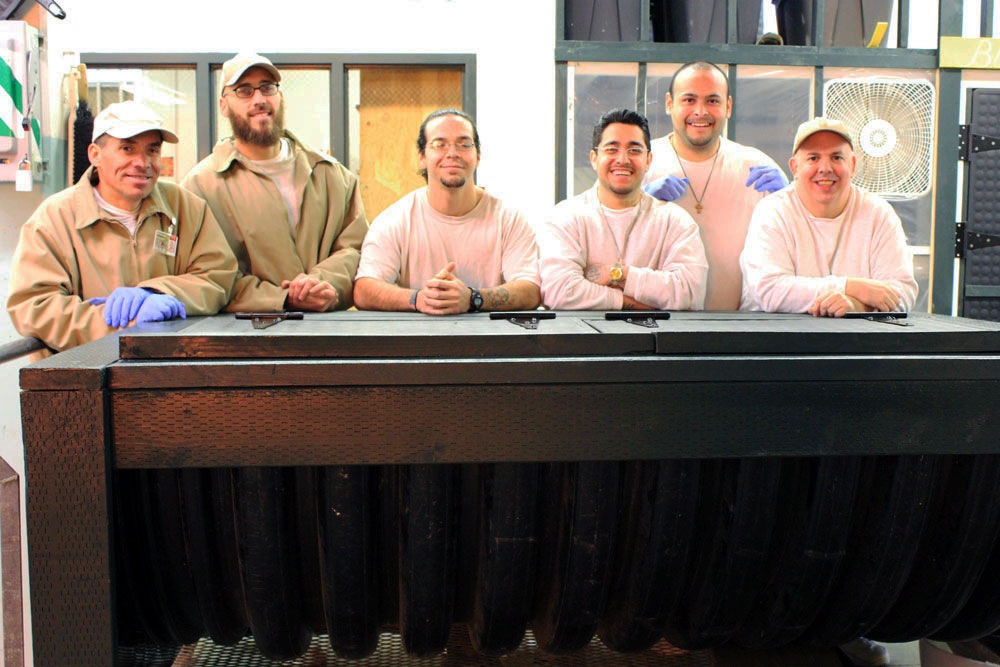
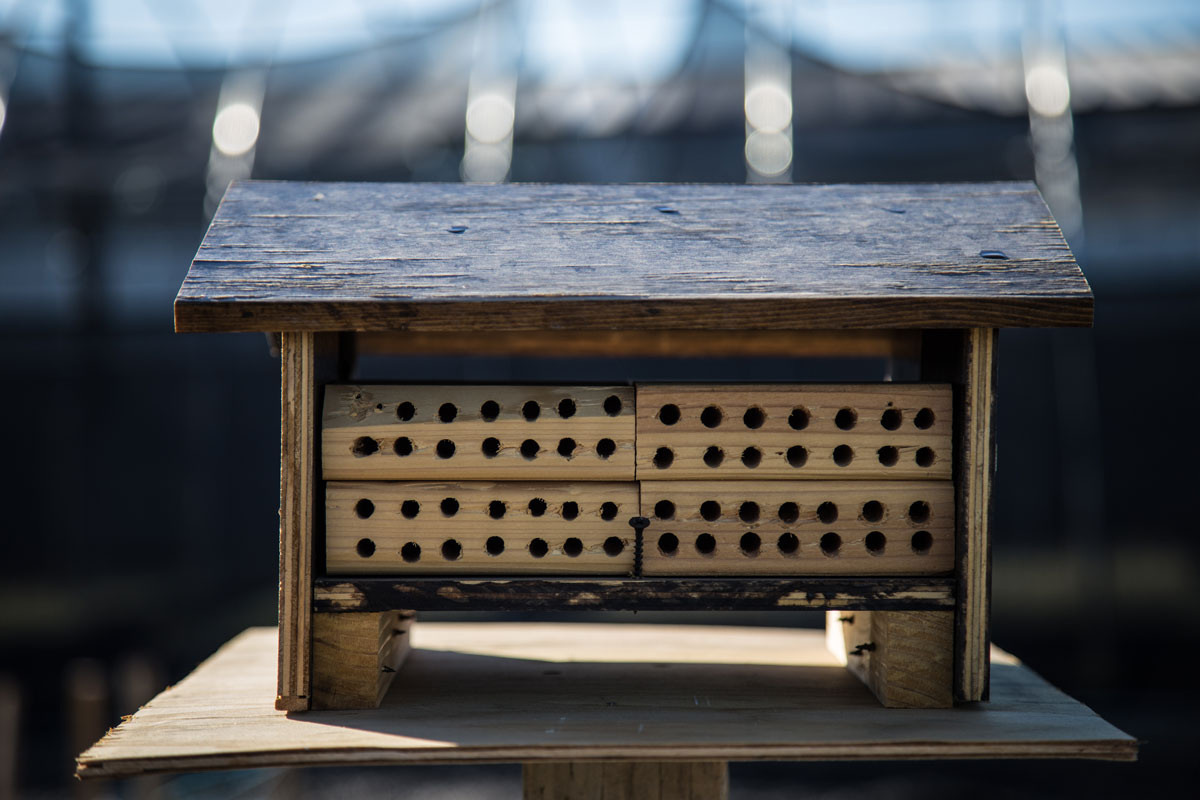
Adding to the honeybee focus are countless prison gardens that are accessible to many types of pollinators: beds of flowers and herbs, small-scale vegetable production, and full-scale farms. Corrections facilities typically don’t use any chemical pesticides, so don’t contain the systemic poisons that threaten foraging pollinators; prison plantings are helping to rebuild pollinator habitat by offering a safe food supply. Some prisons add habitat structures for native pollinators, such as mason bee boxes at Coyote Ridge Corrections Center (see photo) and a literal-log delivered to the retention pond at Airway Heights Corrections Center.
These programs tap into the many therapeutic benefits of working with nature, which has been widely documented in scientific research. Working with honeybees is particularly soothing; it’s impossible to get good results with bees without calming down. Both inmates and staff sorely need relief from prison stresses, and nature programs can be a place of refuge and recharge.
Also these programs provide a way for inmates to “give back ” to communities and the environment. In recent decades, pollinators have been dying at a frightening rate, putting our food sources in jeopardy: we depend on pollinators for more than 30% of human food and drink. Generally, nearly all plants with flowers need pollinators; 85% depend on insects for their reproduction! We need healthy hives to conserve and restore bee populations. In 2015, pollinator health was declared a national priority; as a hobby or career, beekeeping is has societal recognition and value. This is no fanciful endeavor—we need bees to thrive so that we can thrive.
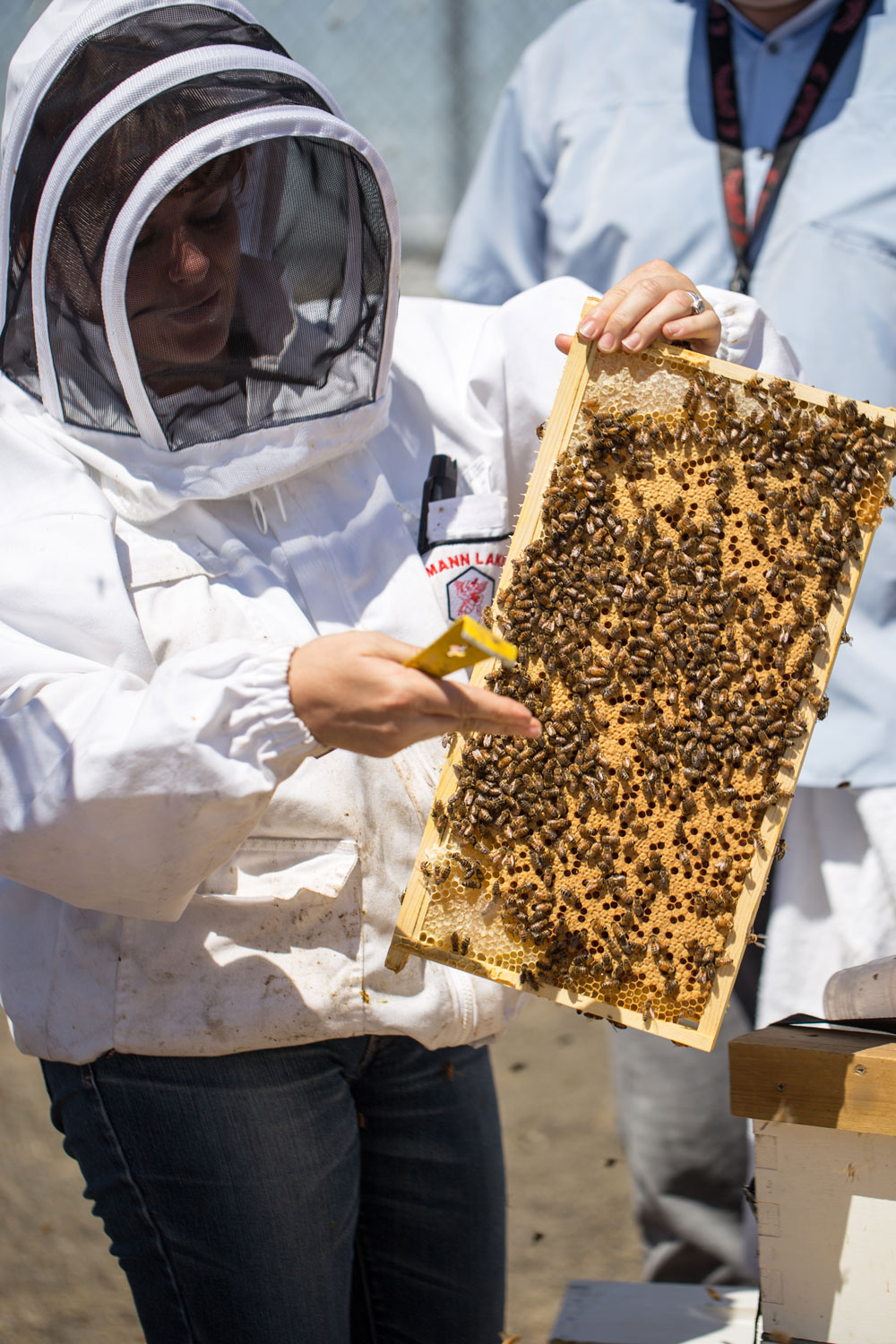
In Washington, we are ramping up to a full-day Summit for Beekeeping in Prisons, to be hosted by Washington Corrections Center for Woman on March 3rd. More than 100 people are registered, and they will come from all 12 Washington prisons, the Evergreen State College, various non-profits and community groups, and multiple beekeeping associations, including the statewide association that oversees beekeeping certification. A major bonus of holding the summit inside a prison is that incarcerated beekeepers will be able to participate. All partners will share best practices, future prison beekeeping plans, safety ideas, community outreach plans, and pollinator health knowledge. We can’t wait to hear what great ideas and thoughts come from our many, fantastic partners!
Each program depends on partnerships among incarcerated individuals, corrections staff, and expert beekeepers. They are united in learning about and tending to something beautiful, complex, and a little bit scary…until it becomes second nature.