By Erica Turnbull, SPP Summer Intern

Spending 11 weeks working in prison might not sound appealing to everyone but as a Rehabilitation and Social Justice major at Western Washington University, I could not have been more excited to be accepted by the SPP team as their summer intern.

Starting my internship with an overview of SPP, I was invited to visit and participate in programs at four prisons (Stafford Creek, Cedar Creek, Mission Creek, and Washington Corrections Center for Women). In time, most of my volunteer work took place at Stafford Creek Corrections Center (SCCC) and Cedar Creek Corrections Center (CCCC).

Inmates participating in the educational lecture held at SCCC. Photo by Erica Turnbull.

SCCC holds educational lecture once a month with guest speakers. At the lectures, inmates can learn about sustainability and have time for Q&A with the presenter. I made educational handouts for the inmates to take with them and helped do data entry to track program success and inmates’ environmental interest. Also at SCCC, SPP Graduate Research Assistant, Drissia Ras, and I worked in the greenhouses where inmates are growing endangered native prairie plants. Once a week we spent a day counting germination successes, controlling pests, and maintaining the plants as they transition through their life cycle.

At CCCC I took over the gardening project from Sophie Hart, a former SPP volunteer. I enjoyed tremendous help from recent Evergreen Environmental Studies graduate Katie Wolt. Together we helped the inmates compile seasonal crop lists, talked about the importance of crop rotation to replenish soil nutrients, and planted flowers with natural healing properties that double as pest controls by attracting natural predators to control the overabundant aphid population. Our biggest project was collaborating with the inmates to start amending the soil in the newly established orchard.

Vegetable garden at CCCC. Photo by Erica Turnbull.

Also I was invited by staff to participate in the Roots of Success program with SPP Graduate Research Assistant Rachel Stendahl and Correctional Industries’ Lucienne Guyot. It was great to see the gardening crews in a classroom setting where we could talk about job skills development and planning for re-entry.

I was also cordially invited to attend the Redemption Program; a safe place for inmates to share their past, set goals for the future, and help each other develop and achieve positive change within them.

Two inmates on the gardening crew at CCCC, taking a break from amending the soil in the prison’s orchard. Photo by Erica Turnbull.

I have noticed that a number of inmates are very passionate about self-betterment and helping others succeed as well. Several inmates have spent the majority of their adult lives in prison. From what I have observed, punishment t

hrough incarceration does not appear to have as much positive and lasting impact on inmates as programs, opportunities, and the encouragement of others. A positive and safe context allows inmates to understand how past actions led them to where they are now and what changes they can make to grow and move forward. Personal growth allows them to create productive goals and foster hope in themselves and others.

Developing trust through consistency is also important. Inmates needed to know they could rely on me to come when I said I would, order project supplies, etc. Spending just a few hours with the inmates every week lets them know someone cares and is as dedicated to the projects as they are. The inmates I worked with value interactions with people from outside the gates. They also value working outdoors with nature; I heard several inmates express the hope and tranquility it brings.

Roots of Success class at CCCC. Photo by Erica Turnbull.

From what I have noticed, SPP programs bring out a number of strengths in the inmates. Programs require and encourage responsibility, reliability, timeliness, communication, teamwork, and help foster patience which leads to calmer dispositions.

This is an amazing project! I have learned and grown so much through this experience. I want to thank my WWU supervisor, Charles Sylvester, as well as my SPP supervisor, Brittany Gallagher, for having patience. The whole SPP team flooded me with unending support throughout and beyond my internship. I would like to give a special thanks to Charlie Washburn, CCCC Programs Manager, Kim Govreau, CCCC Volunteer Coordinator, and Katie Wolt, SPP volunteer, for their knowledge, encouragement, and guidance. Lastly, a thank you to all the officers who never failed to maintain safety and keep a positive attitude!

Inmate with his son sitting in a firetruck at the CCCC’s children’s back to school fair. Photo provided by Kim Govreau.

I look forward to working in this field now more than ever and am excited to see what new programs SPP has in store!
 

by Jaal Mann, Ecological Conservation Nursery Coordinator and Graduate Research Assistant

kittens-at-Shotwells-3

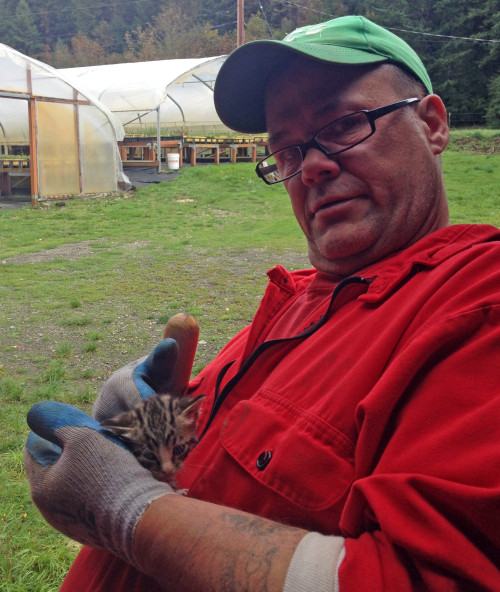
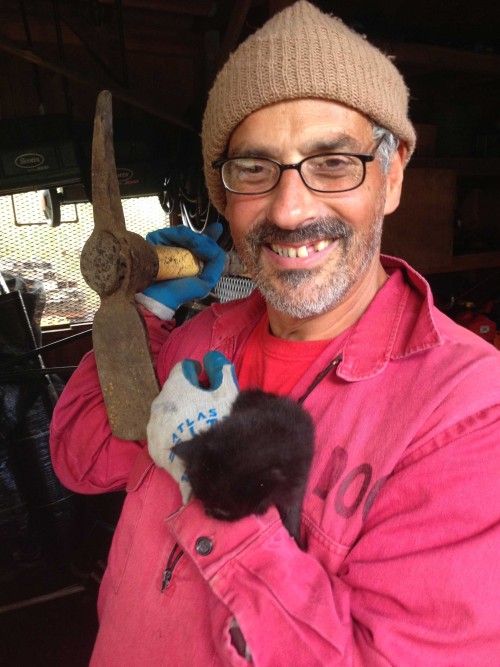
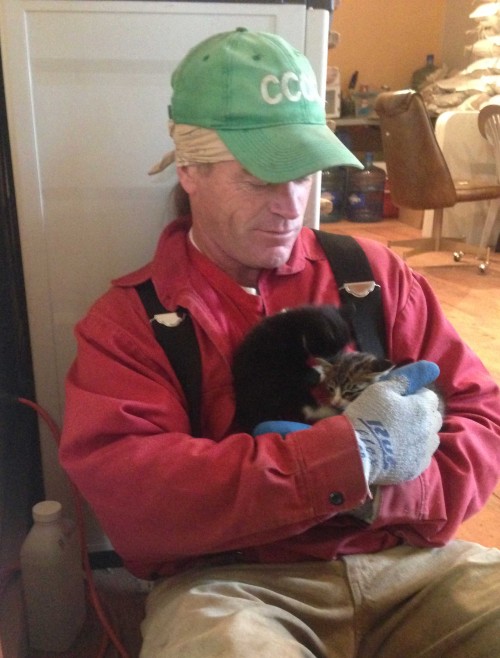
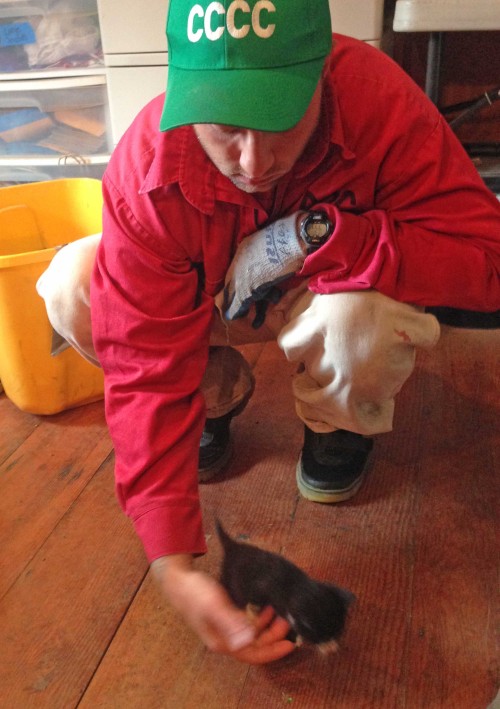
A couple of weeks ago, a stray cat gave birth to six kittens at our Shotwell’s Landing nursery in the tool storage shed. The inmate crew that comes there to work from Cedar Creek Corrections Center immediately bonded with the kittens, and made sure they were socialized and healthy. We have found homes for all of the kittens and they will be in permanent homes at the end of the week. A happy ending for the kittens, and the inmates will be sad to see them go.

The experience with the kittens has served as a reminder of the positive impact that working with living things can have.

kittens-at-Shotwells-4  kittens-at-Shotwells-2 kittens-at-Shotwells-1

wcc-fields-3

By Scott Knapp, Grounds & Nursery Services Specialist 5, Washington Corrections Center; photos by Scott Knapp and Don Carlstad

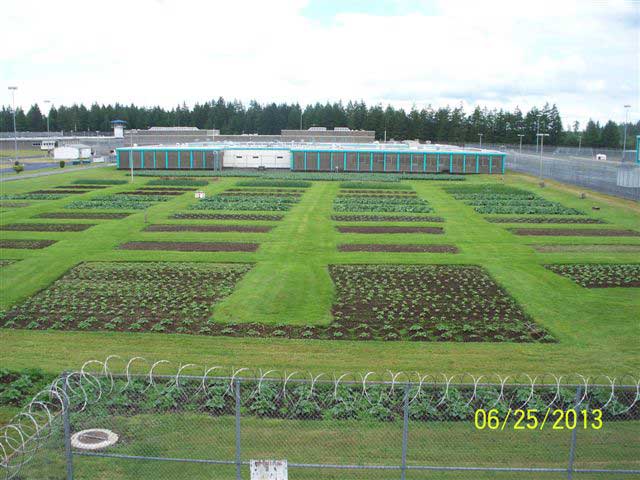
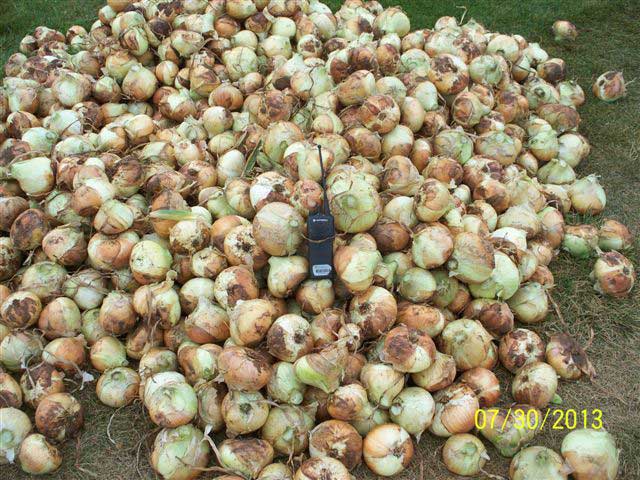
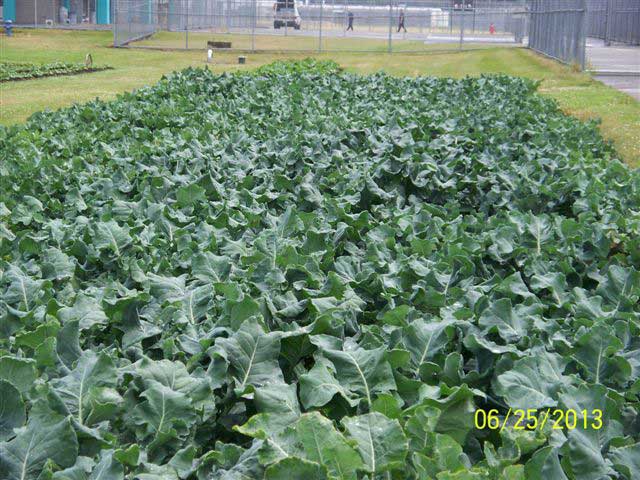
It has been a busy and productive gardening season here at Washington Corrections Center (WCC). We harvested over 20,000 lbs. of fresh garden bounty this year. The 180 tomato plants that we grew in one of our greenhouses produced well over 1,000 pounds of deliciousness! Half the bounty has gone to Mason County food banks, and half has stayed here to help reduce the prison’s food costs.

We rotated crops so that we could harvest all season long—no booms or busts. Our main crops were the staple-type veggies that everyone enjoys and the folks at the food banks, some with limited resources, can enjoy without having to prepare in a kitchen; these were broccoli, cabbage, cucumbers, zucchini, beans, potatoes, radishes, carrots, onions, and beets. The 19 offenders that work the garden really enjoyed being a part of a record-breaking year for WCC’s gardens, and planning for next year’s crops is already underway.

WCC-Garden-Big-Daddy-Onion-Harvest-July-2013-010

This year, all of our annual flowers grown from seed did exceptionally well. We added fresh compost from our new composting center (photo of the center in a recent blog) to all of our flower beds, and that made everything flourish. The color and size of some of them were incredible, and a lot of it is still looking extremely nice this late in the season. The color really brings life to an otherwise dreary venue. Preparing for planning next year’s annuals is already underway: we are sterilizing the greenhouses this week and starting to mix our secret recipe of potting soil. This is a very busy time of year for us here at WCC as we put the garden area to bed for the season and prepare for another great season next year.

wcc-brocc-field
Happy Gardening!!!

By Fiona Edwards, SPP Graduate Research Assistant

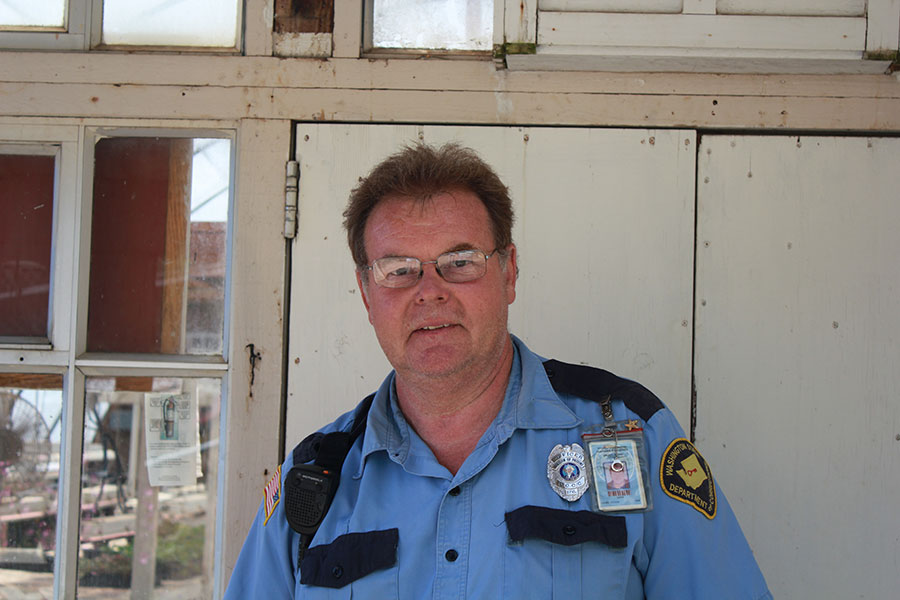
Officer Glenn Epling

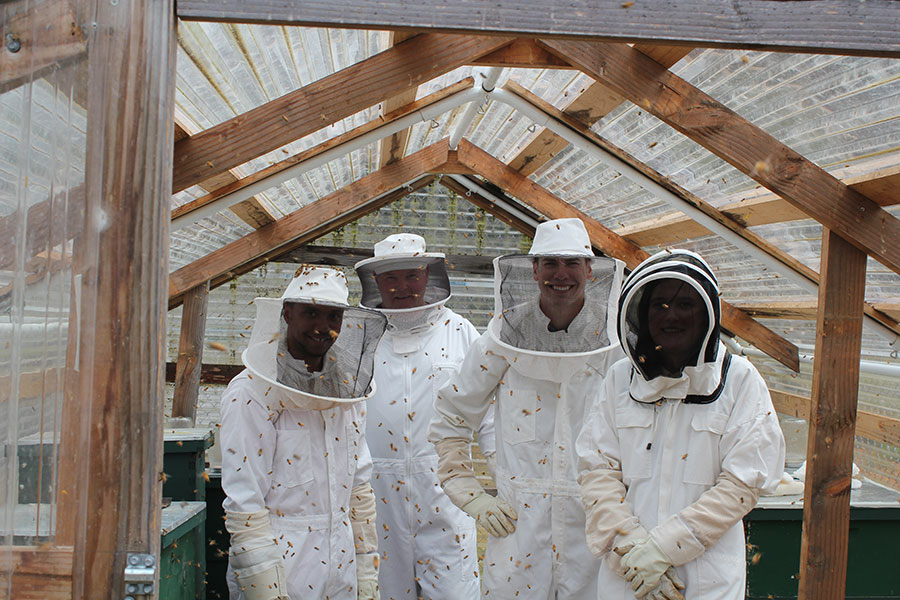
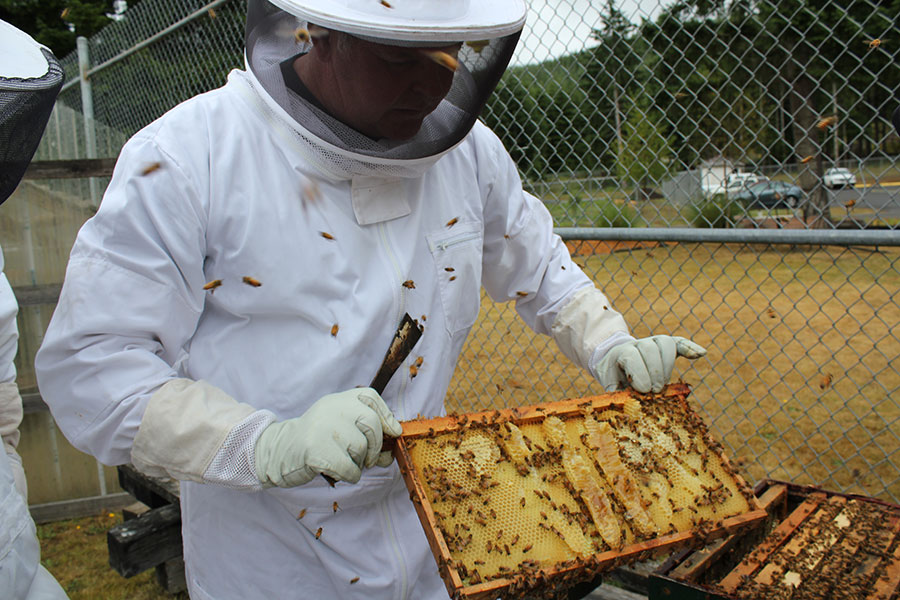
In June, I had the opportunity to meet Officer Glenn Epling, the new beekeeping project lead at Cedar Creek Corrections Center (CCCC). Officer Epling enthusiastically described tending beehives and his experiences as a third generation beekeeper. He gave an impromptu demonstration of the hives in action to former SPP graduate research assistant Andrea Martin, SPP-CCCC Liaison Anthony Pickard, and me. We were fortunate enough to gear up in the beekeeping suits and look into the hive boxes to see the bees in action (SPP posted photos of this excursion here). I had never been that close to a hive beefore, and I couldn’t beelieve how loud they were!

IMG_0347-websize

Here is my brief interview with Officer Epling :

How did you get involved in beekeeping?

I became interested in beekeeping through my Grandfather and my Father. My grandfather started beekeeping about 30 years ago and then my father picked it up when he passed away. After my father passed away I was left with all of this equipment and decided to pick it up. It’s a family tradition.

How does beekeeping contribute to a sustainable environment?

Beekeeping provides pollination for flowers and crops, the pollen that is collected can be used for allergies and other medical needs. The honey that is taken from the bees provides us with many vitamins and nutrients to help heal our bodies. In turn we can make things out of the wax: lip gloss, hand lotions, and candles.

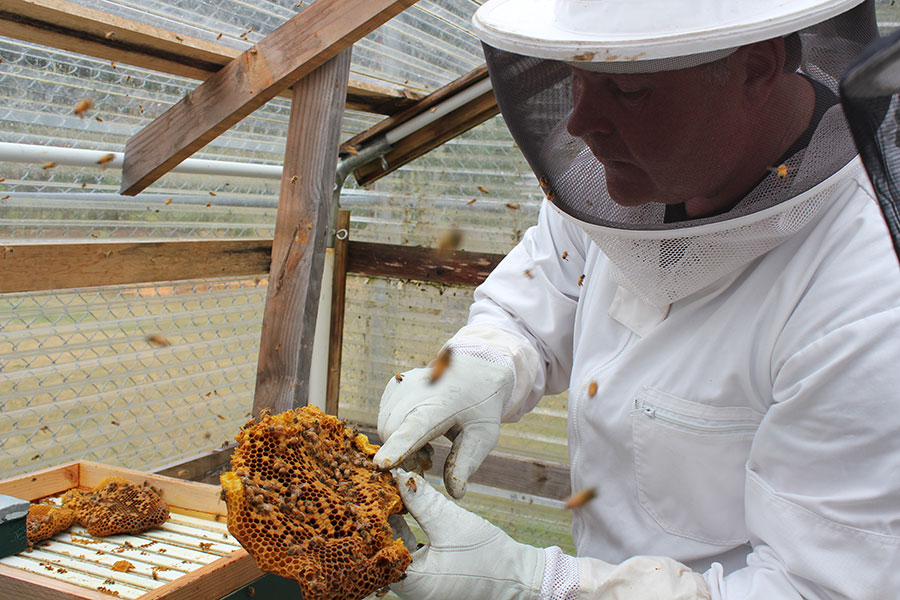
Officer Epling points to a brood.

Can you explain your beekeeping process at Cedar Creek?

The beekeeping process starts with a new hive that can be built into a sustainable hive that can take care of itself. We start with one box, after they fill it we move to two boxes, at which point it becomes a “Sustainable Colony.”

You just took over the beekeeping program after Vicki Briggs retired; what is your vision for the future of the beekeeping program?

We have a long term vision here at Cedar Creek of starting and getting our hives up to a sustainable level to where they will be able to maintain their own hives and continue the growth of the younger hives to meet the needs of honey production. We also want to maintain the bee activity throughout the prison grounds for the future of our own crops, trees, and flowers.

Officer Epling shows us a slat from one of the bee boxes. He holds the bee tool that was passed down to him from his grandfather.

Do you have any goals for your interaction with SPP?

To share the knowledge that I have and gain knowledge that they may have for me and to work with them to build a sustainable bee program here in the prison systems.

Any other comments you’d like to share?

I’m looking forward to working with Evergreen and the people there to make this program a success. I think it’s important to our environment that this program is successful.

By Julie Vanneste, Environmental Planner, Sustainability Coordinator for WDOC

In August, Cedar Creek Corrections Center started using its new composting facility, marking the latest addition to the Department’s lineup of five large onsite composting facilities that manage food and other organic wastes, including kitchen waste, tray scrapings from dining areas and landscaping wastes. In addition to these likely waste streams, Cedar Creek also plans to begin composting bio-solids from the facility’s waste water treatment plant, much like Olympic Corrections Center has for the past 20 years.

These composting centers are a source of pride for the Department for Corrections and just one example of how sustainable operations are not only environmentally correct but fiscally responsible.

The composting facility at Stafford Creek Corrections Center, which is similar in capacity and design to Cedar Creek’s new facility, has saved Stafford Creek a calculated $30,000 per year. Their entire waste management system, which includes the compost unit, allows the facility an average annual savings of $200,000. Incorporating bio-solids with other organic wastes at Olympic Corrections Center saves tens of thousands of dollars each year through the ability to manage this waste stream onsite. Food and landscaping wastes adds still more savings.

In-vessel-composting
An offender technician works with the in-vessel composting system at Washington Corrections Center in Shelton. Photo by Benj Drummond and Sara Joy Steele.

Reducing greenhouse gas emissions, easing the burden on our landfills and creating meaningful employment by providing  skills and educational opportunities for  offenders are additional bonuses of the composting and sustainability programs.

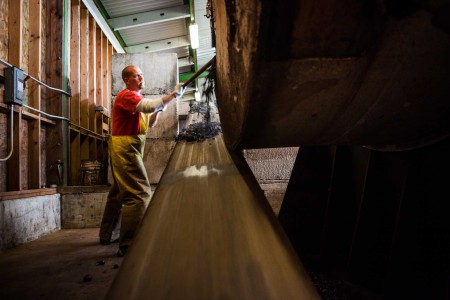
Cedar Creek’s new facility consists of a rotating drum, manufactured in Lynden, WA; four aerated static pile bays; and storage of the finished product. The rotating drum can receive an average of 3,000 pounds of organic waste daily. Compost removed from the drum is moved to an aerated static pile for three addition weeks, where it is closely monitored for pathogen reduction and curing. Once finished, the compost is safe for general use as a soil amendment.

Although Cedar Creek is a much smaller campus, managing approximately three tons per month of food waste as opposed to Stafford Creek’s average of 20 tons per month, the smaller forest camp has big plans for its new drum.

Although the equipment and its accompanying 7,000 sq. ft. building are new to Cedar Creek, composting is not. Home of the Department’s first food waste compost facility, Cedar Creek  has successfully managed all of its food waste  in a back-yard -style composting operation  for the past 10 years, cobbled together from salvaged material including ecology blocks and an old roof moved from another part of the campus. Costing virtually nothing to construct, staff and offenders, under the leadership of then-superintendent Dan Pacholke, began a project that almost immediately saved the Department $1.3 million in impending upgrades to the facility’s waste water treatment plant. Those upgrades were ultimately determined unnecessary after the facility demonstrated that the use of their new composting system eliminated such significant burden on the waste water treatment plant that additional capacity could be handled without improvements to the facility.

Now some 10 years later, composting again appears to be the more sustainable and cost-effective answer. Costly and increasingly scarce options to truck and manage the facility’s bio-solids off-site have been costing the Department $3,000 a month. The Department’s existing contract with LOTT, the local municipal waste water treatment facility, will expire in December 2013 with no favorable option to renew.

With this looming problem in mind, the compost facility was designed to receive these bio-solids and compost them in conjunction with other sources of organic waste from the facility and eventually with food waste from the Capital Campus in Olympia.

Although still awaiting regulatory approval of their of bio-solids permit from the Department of Ecology, there is goodwill and high hopes for this project from stakeholders, regulators, and potential partners alike. While there is no projected date for approval of the permit due to staff shortages at the Department of Ecology, DOC is working with Thurston County’s Solid Waste Program to secure approval for a solid waste permit with provision to accept bio-solids. If approved, Ecology may accept this county approval and thereby grant a provisional bio-solid permit while Ecology continues its permit review.  Meanwhile, Cedar Creek continues to process its food waste and plans the future use and partnerships of this badly needed regional resource.

Cedar Creek Corrections Center superintendent Doug Cole with the new compost barrel.
Superintendent Doug Cole and Project Manager Eric Heinitz with the rotating drum that begins the composting process at Cedar Creek Corrections Center.