by Jonathan Bolden, Roots of Success Instructor, Coyote Ridge Corrections Center
Photos by DOC staff

Jonathan Bolden was certified as a Roots of Success instructor in May, 2015. Since then, he has co-taught the environmental curriculum six times. Photo by DOC staff.by Jonathan Bolden, Roots of Success Instructor, Coyote Ridge Corrections Center
Jonathan Bolden was certified as a Roots of Success instructor in May, 2015. Since then, he has co-taught the environmental curriculum six times.

Too often we assume that the concept of sustainability is exclusive to the realm of environmental justice. That somehow the idea of conserving natural resources, protecting endangered species and habitats, or reducing our energy consumption will automatically result in a healed earth.

This assumption overlooks the most important factor in actually employing sustainability approaches and practices to meet the growing demands of environmental justice—the human being.

Transforming our earth requires the transformation of people, more specifically, the transformation of people’s attitudes and behavior, as it relates to the environment. The greatest potential and need for this change to occur exists within prisons.

Society has condemned and confined prisoners to prison because of their unsustainable (criminal) behavior. Their behavior has wreaked havoc and devastation within communities similar to the unsustainable human behavior that has led to the environmental crises we currently face. In this sense, the sustainability concept not only applies to radically improving our relationship with the earth and environment but also in our effort to redeem, reform, and rehab[ilitate] prisoners.

Einstein once said that the current dilemmas we face could not be solved at the same intellectual level in which they were created. We are going to have to revolutionize our thinking in how we establish responsible environmental and criminal justice practices. What better way to achieve this goal than to incorporate the solution of one with the other.

The Sustainability in Prisons Project (SPP) and Roots of Success program (Roots) puts this wisdom of Einstein into practice. These types of programs provide prisoners with the necessary skills and experience to successfully reintegrate into society and find employment in the green economy.
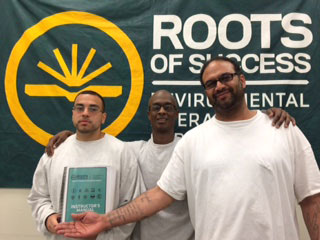
Roots instructors Julian Reyes, Jonathan Bolden, and Eugene Youngblood pose at a graduation event.

At Coyote Ridge Corrections Center (CRCC), SPP creates programs and opportunities for prisoners to engage in sustainability activities. For instance, the sagebrush project allows prisoners to acquire experience with the native plants of Washington State. The sagebrush plays an essential role in the eastern Washington landscape, as it provides numerous species with food and shelter. If the sagebrush were to become threatened or even extinct, this would have serious implications for the Washington State wildlife.
Sagebrush-and-tattoo-arm
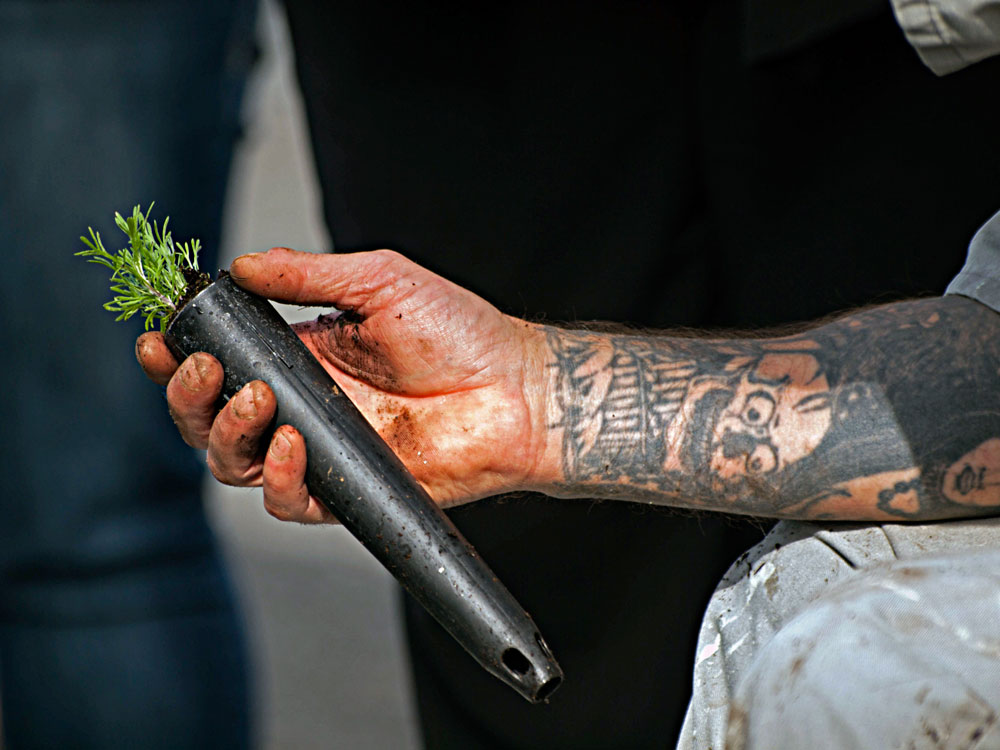
A technician in the sagebrush program at Coyote Ridge Corrections Center checks the health of a plant plug. Photo by Jeff Clark, Bureau of Land Management.

In addition, the Roots course empowers prisoners with its environmental literacy curriculum. While it builds environmental understanding, it also focuses on building the individual student. This means students are challenged to assess their attitude and behavior toward the environment and by extension their attitude and behavior toward society. By introducing the green economy and green jobs to students, Roots highlights the opportunity for students to become gainfully employed and be a veritable solution to our environmental problems.

Ultimately, what we do today determines our tomorrow. SPP and Roots are planting seeds that are sure to bear the fruit of sustainability and justice. So let us take a cue from these programs and dig our hands into the dirt to cultivate a better future.
Mike Brown, a student in Mr. Scott Knapp’s horticulture class at Cedar Creek Corrections Center shared his poem with Mr. Knapp, who then shared it with us.  With Mr. Brown’s permission,  we now share it with all of you:

In Service to the Earth

To those who heal and protect the earth

In all ways and large.

To those who throw a protective shield ‘gainst

Industries toxic barge.


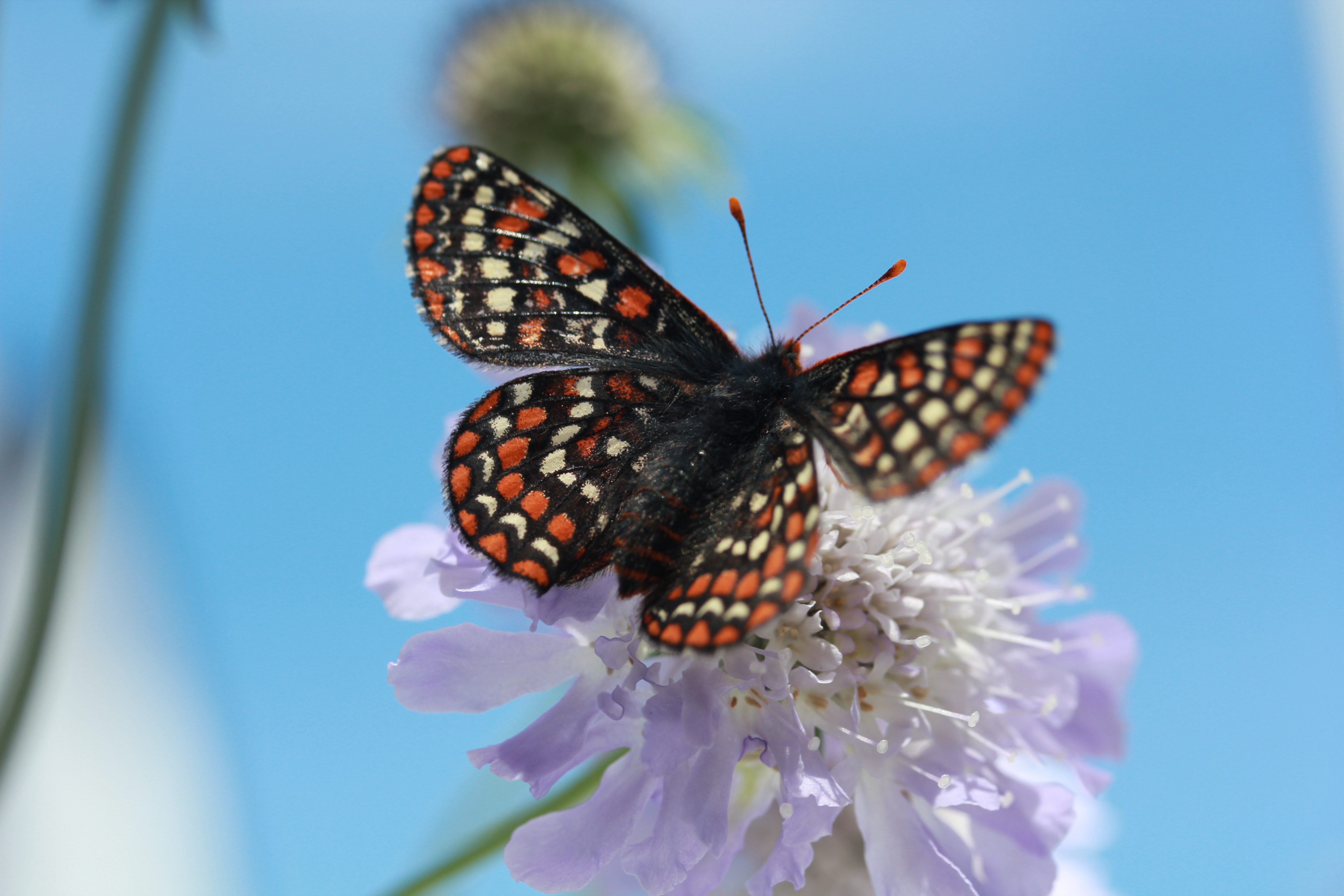
Endangered Checkerspot Butterfly from Mission Creek Corrections Center. Photo by SPP Staff
Endangered Checkerspot Butterfly from Mission Creek Corrections Center. Photo by SPP Staff.


Valued be the composters; gardeners;

Breeders of worms; frogs; bees and soil renewers.

To those who train dogs for the military vet;

Much appreciation, though we’ve never met.

To those who choose to purify the air.

Makers of clean water…all share,

From rivers, lakes, creeks and sea’s.

To those who plant trees.


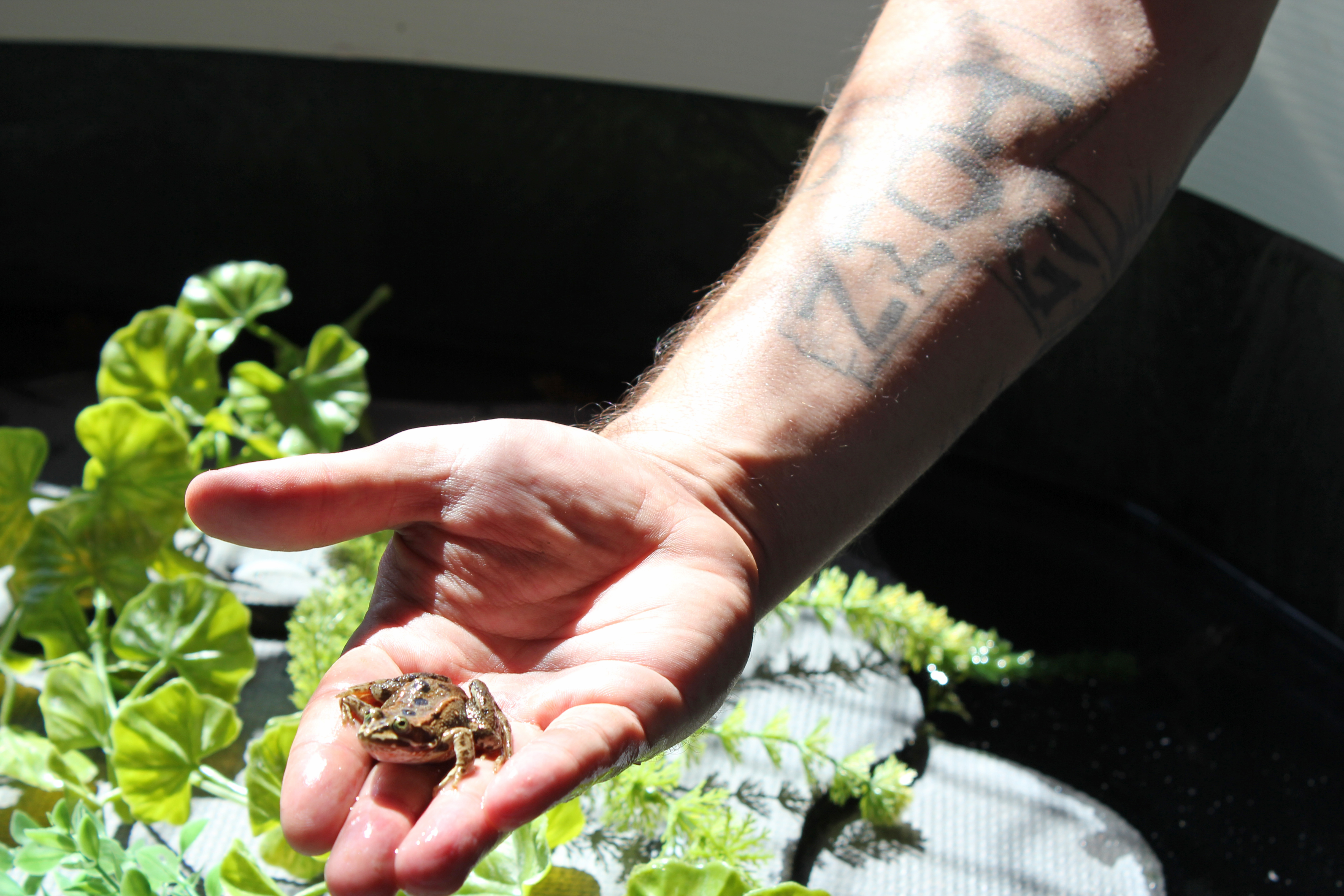
Rearing Endangered Frogs. Photo by Joslyn Rose Trivett.


Valued are those who heal the prairies,

Grasslands, and renew the seeds.

Those who fight pollution by recycling and restore

The lore of fisheries

Herbs of plants (their healing salve),

Wildflowers that feed the gopher, butterfly,

And larks in the sky.

Valued are those who ask questions, “Why?”


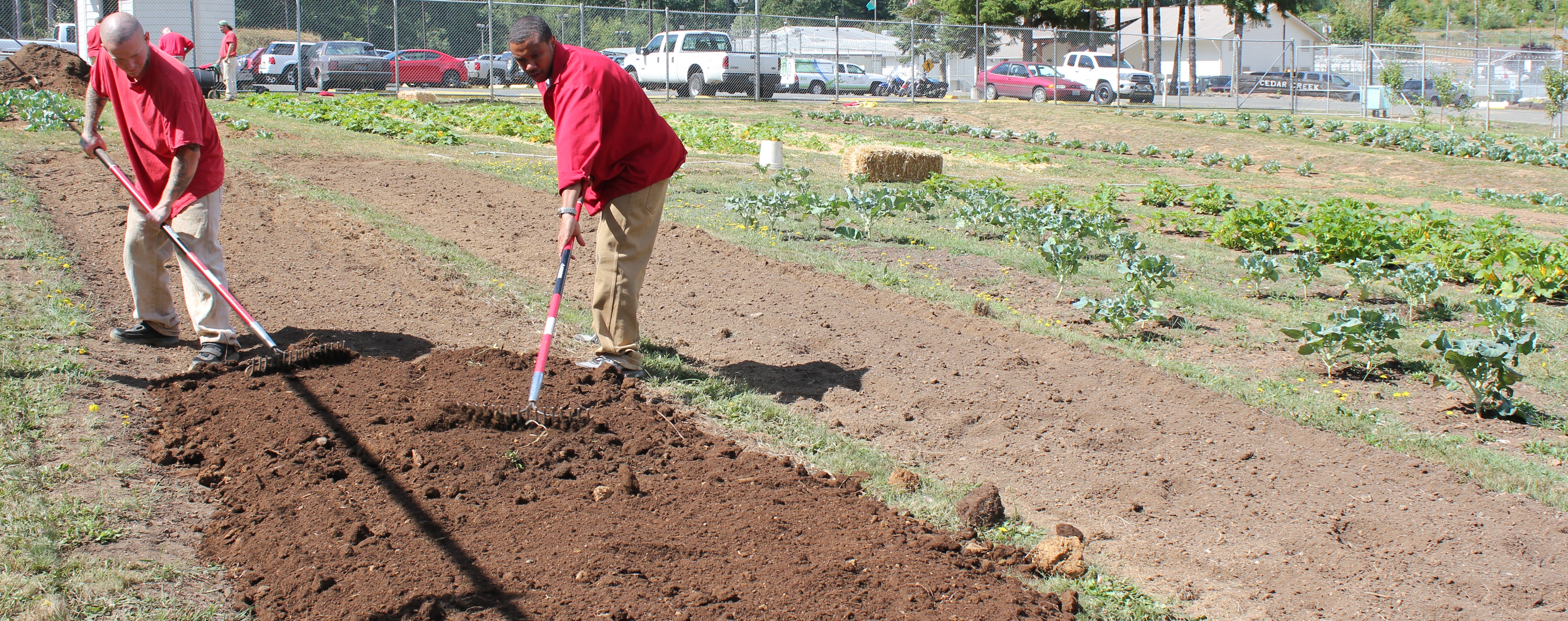
Amending the Soil. Photo by SPP Staff.


Valued are those who heal cities.

Healing to them for whom the flock flows slowly.

To those with excitement and creativity.

Those who promote prison sustainability.

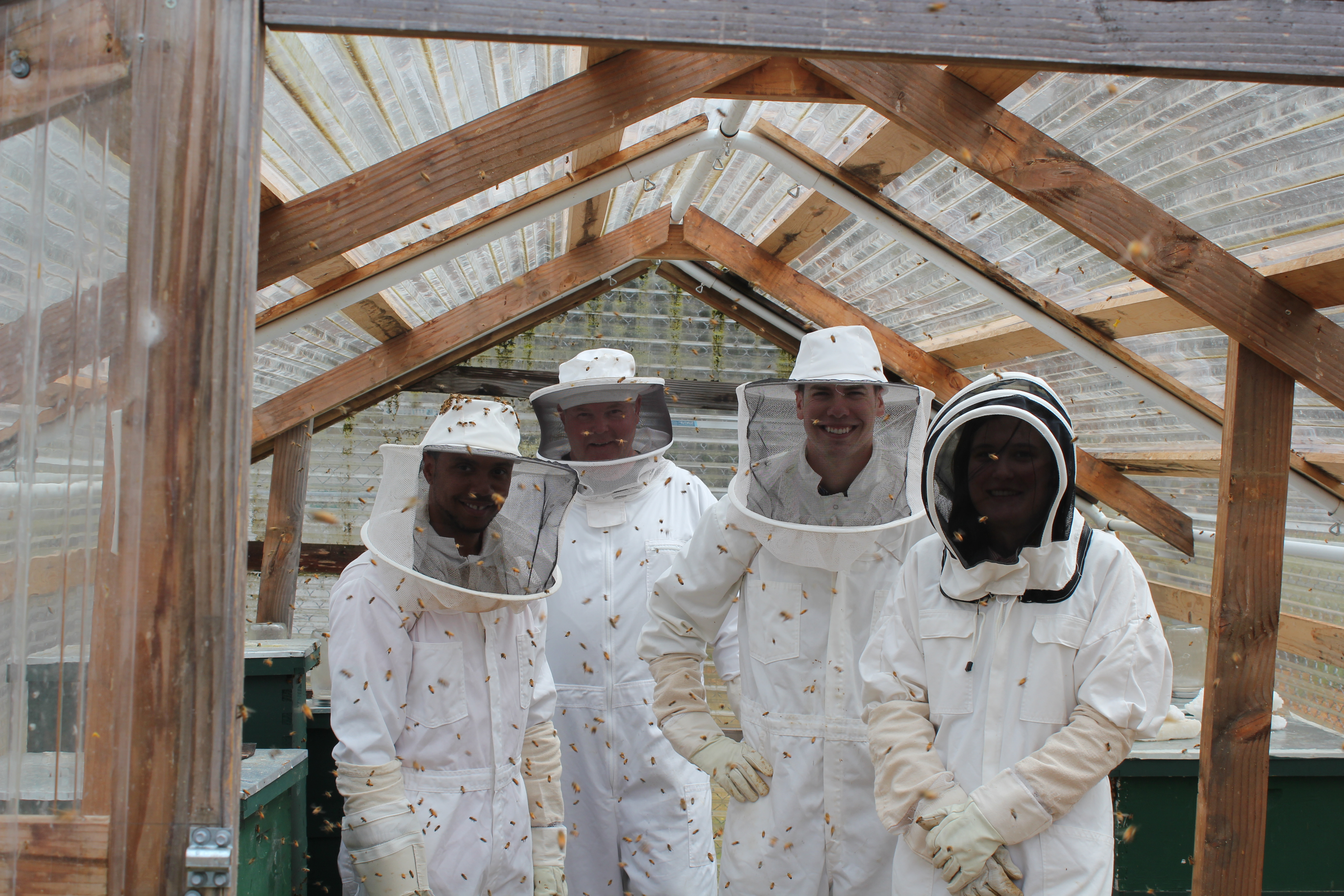
Beekeeping at Cedar Creek Corrections Center. Photo by SPP Staff
Beekeeping at Cedar Creek Corrections Center. Photo by SPP Staff.

Valued are those who’s wounded and bled,

Who risk themselves in service to the earth.

To all who give, nature will sing:

“Thank you for life,” courtesy of everything!”

-Mike Brown

by SPP Program Coordinator, Sadie Gilliom

DOC Classifications Counselor, Gina Sibley was the SPP liaison for Cedar Creek Corrections Center for almost two years.  We want to thank her for her partnership and support and congratulate her on her recent promotion.  She will be missed!

Gina Sibley always went above and beyond while supervising the technicians in the bee, turtle and frog programs at Cedar Creek.  Supervising was not all she did.

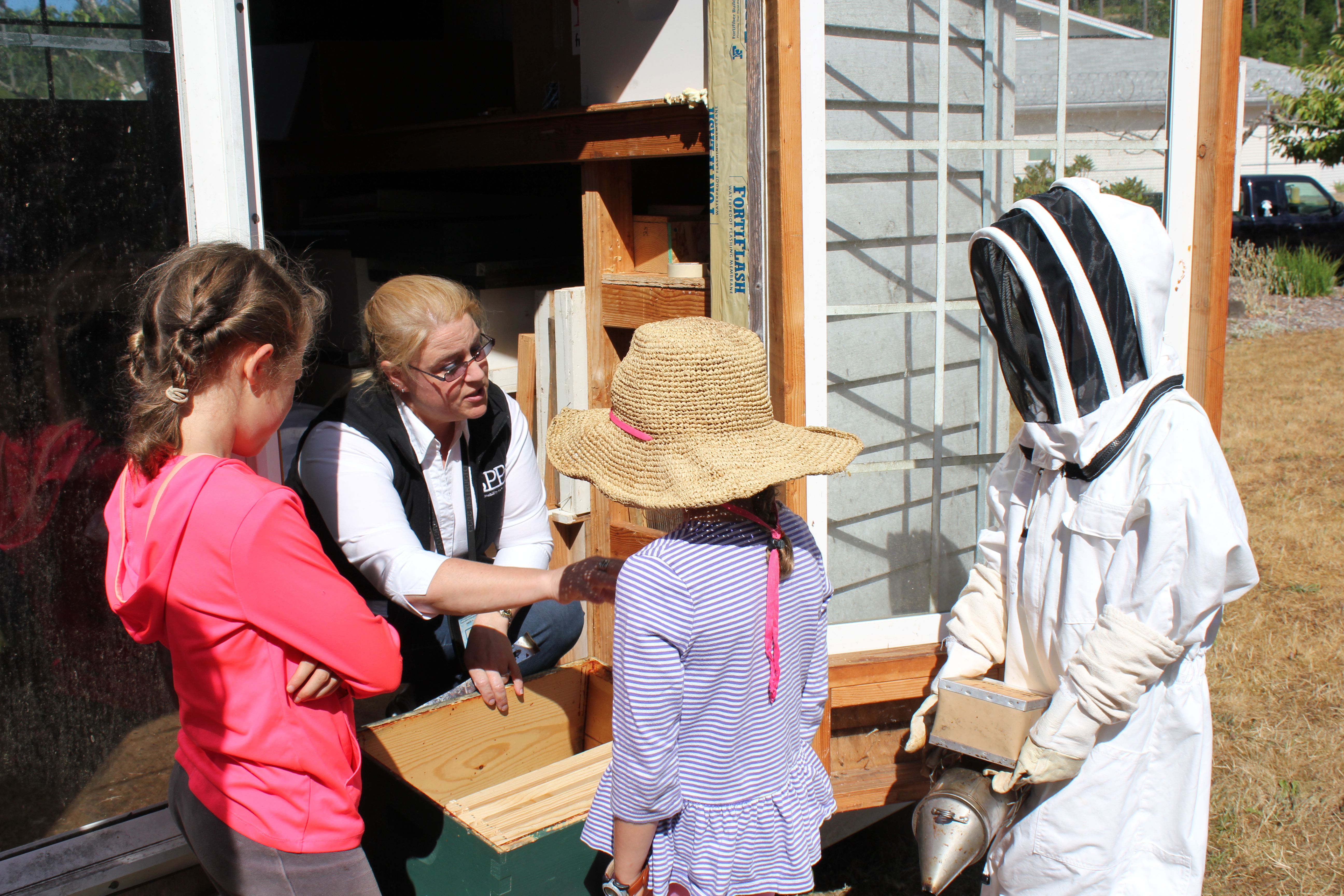
Ms. Sibley Teaching About Bees
Ms. Sibley Teaching About Bees. Photo by Sadie Gilliom.

She joined in the experience by participating in seminars on science journal articles, facilitating the creation of a turtle emergency response team,  staying late to participate in and supervise the bee keeping certification classes, assisting in capturing honey bee swarms, coordinating clearances for tours of the program and the list goes on!

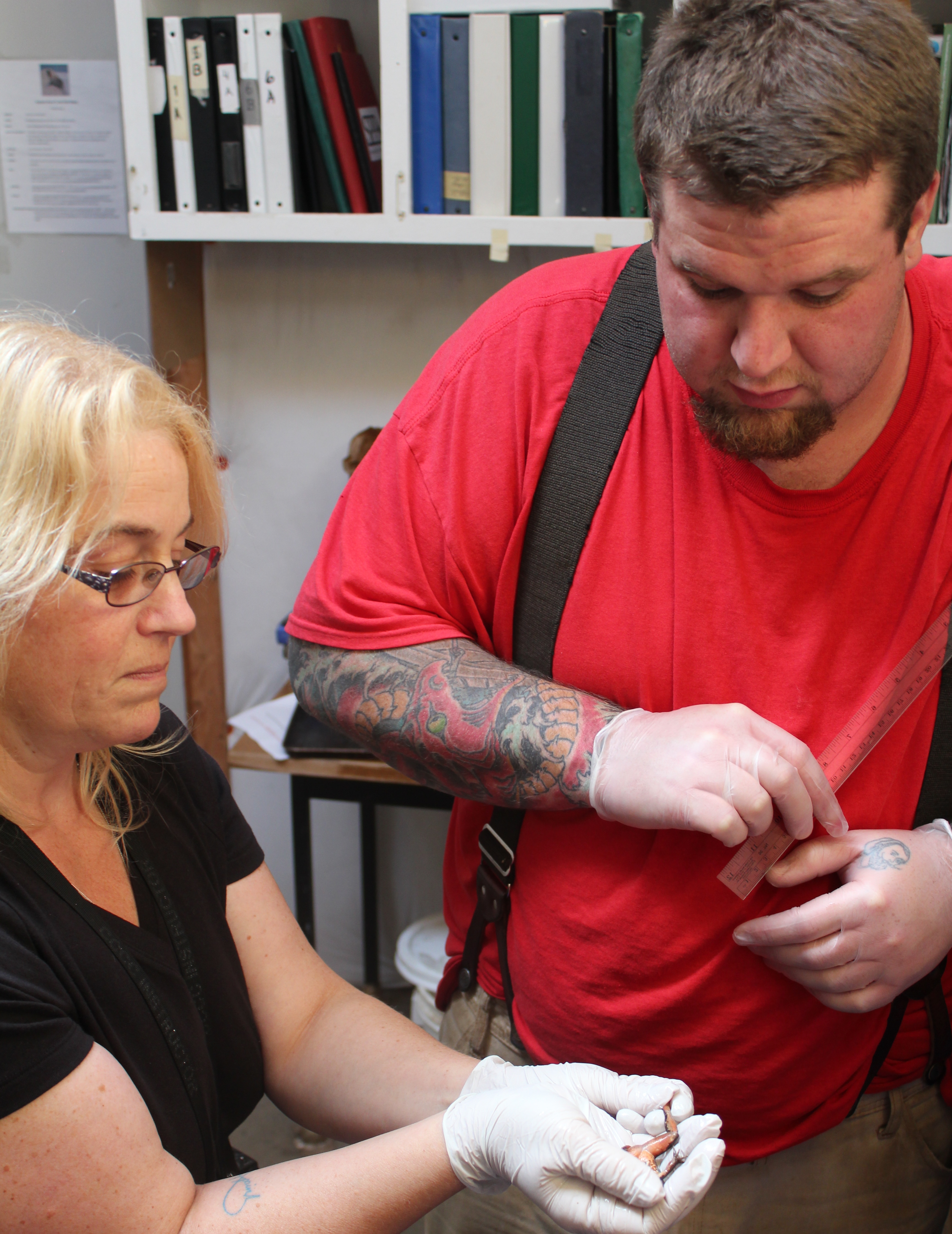
Ms. Sibley Helping Mr. Boysen Measure Shank Length
Ms. Sibley helping turtle technician Mr. Boysen measure an endangered Oregon spotted frog. Photo by Sadie Gilliom

Thank you so much, Gina.  You have made your mark on SPP and we know you will continue spreading the word of science and sustainability wherever you go.

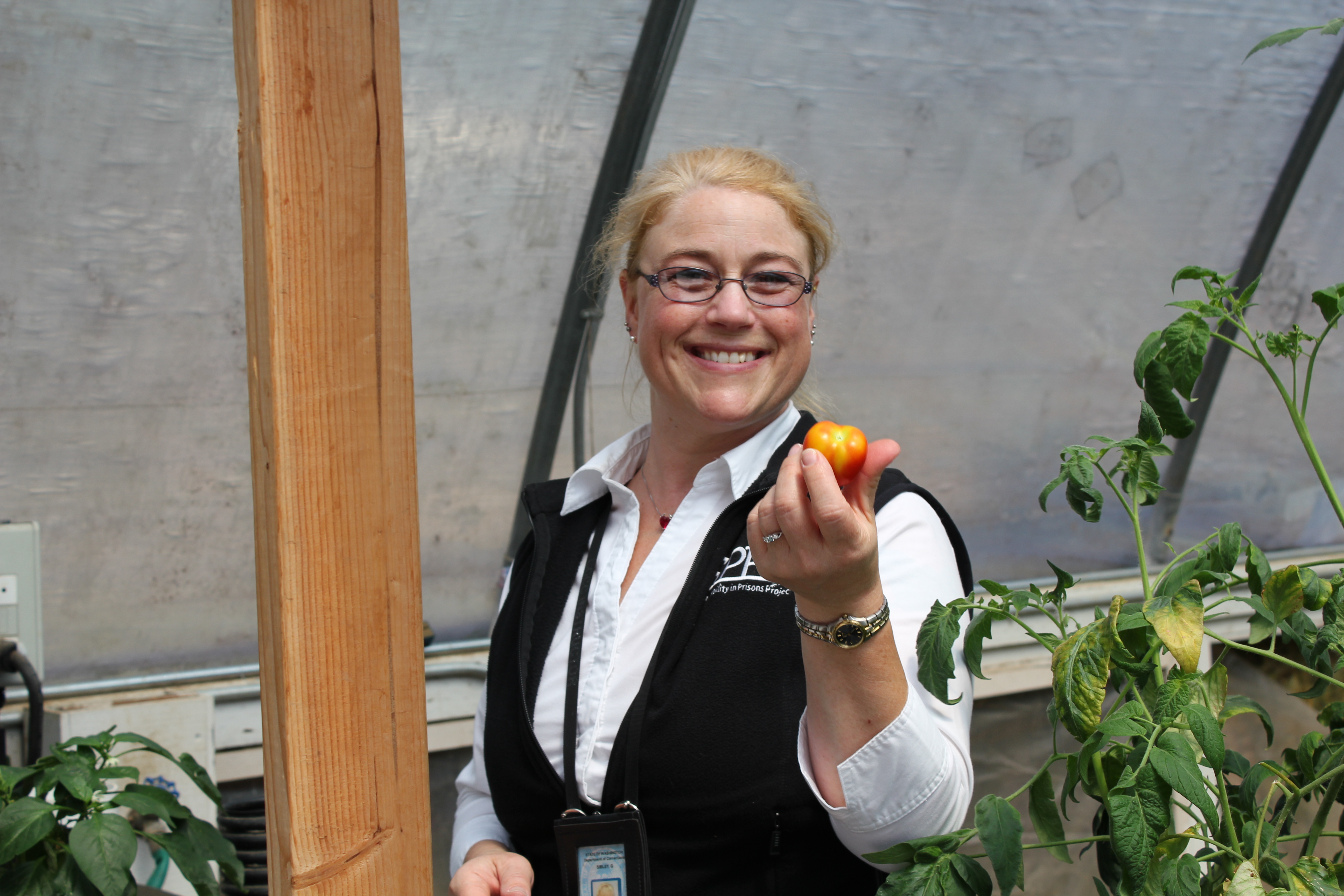
Ms. Sibley and the Tomato
Ms. Sibley with a tomato grown in the aquaponics greenhouse. Photo by SPP staff