Carl Elliott, one of our Graduate student Research Associates, has been documenting his work with the project since April. The following are a few of his entries.
Introduction
4/01/2010
Throughout the spring of 2010, the Cargill Fellowship supported the Sustainable Prisons Project staffing in the nursery at Stafford Creek Corrections Center. We wanted to create a learning environment where incarcerated men gain the knowledge, skills and confidence necessary to participate in the emerging green economy. The nursery project provides a framework to clearly explain important ecological principles related to sustainability. Additionally, the nursery skills provided in the training can be transferred to numerous other job pathways after the inmate’s release. Inmates also build significant confidence as they produce real products that will assist other agencies in restoring a threatened landscape. The concrete success in growing plants for restoration is inspiring for incarcerated individuals who have not often had many concrete successes in their lives. 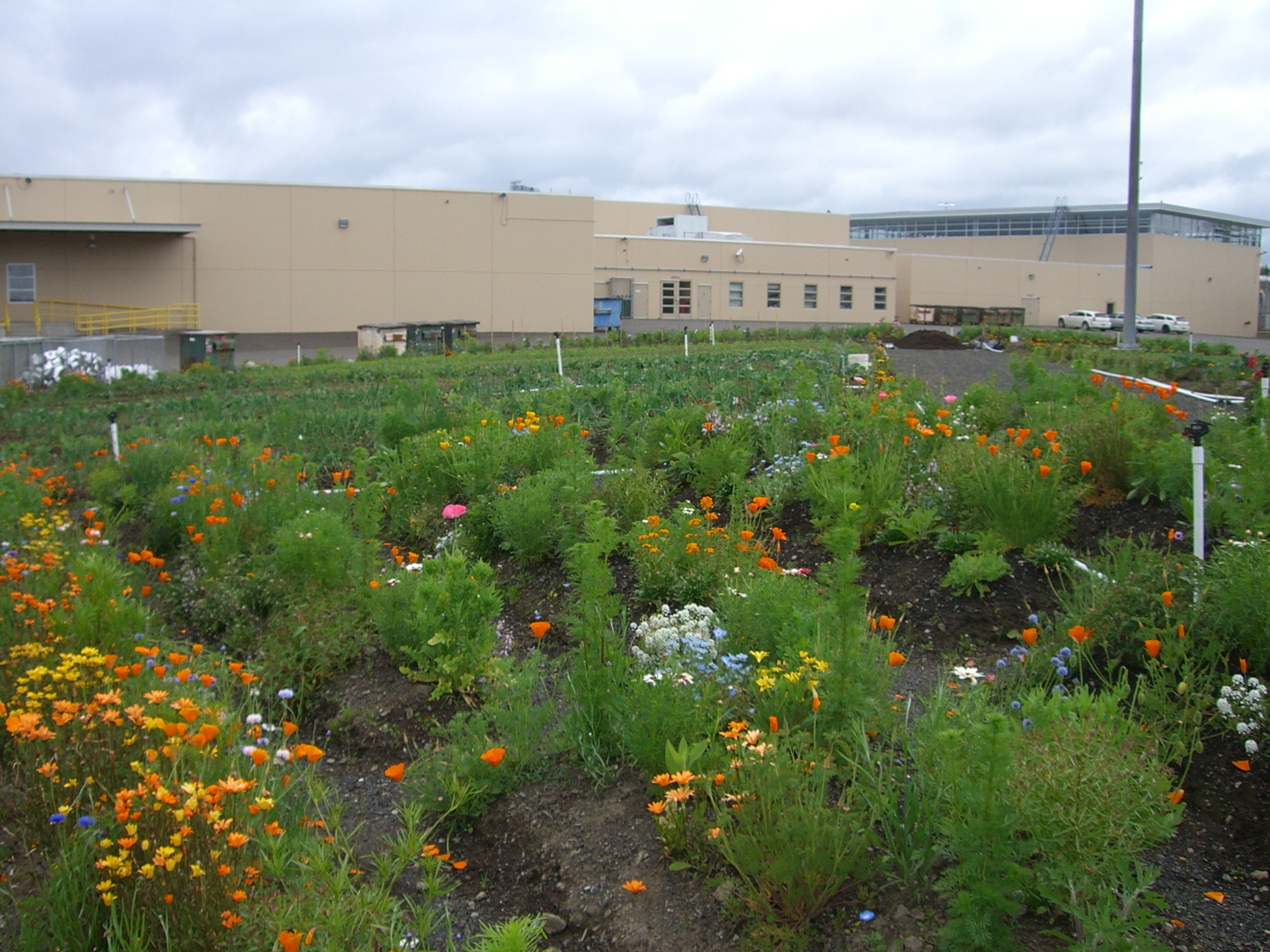
Seed Cleaning
4/18/2010
The Sustainable Prisons Project developed a curriculum for offenders curriculum for the offenders involved in the nursery program, which complimented the production schedule of the nursery. Before offenders could understand the importance of nursery work, they needed to understand the context of why restoration is needed on south Puget Sound prairies. We held a number of informal workshops this month where we cleaned seed or prepared the sowing flats and soil. This allowed a lot of time just to discuss restoration and humans impact on natural ecosystems. The offenders discussed and debated amongst themselves, questioning “what is the definition of ecological restoration?” This discussion led to lead to questions about why restoration is even needed. The South Puget Sound prairies are anthropogenic ecosystems, affected by human activities. Though soil, climate and biotic factors play a role in the ecosystem, the primary driver influencing the prairie ecosystem state is periodic fires, lit by humans. With a return to prairie burn regimes on South Puget Sound prairies instituted by The Nature Conservancy and Joint Base Fort Lewis McChord, the nursery project will be able to supply need plants and seed to return forb diversity to the prairies. 
Practical Nursery Techniques
5/19/2010
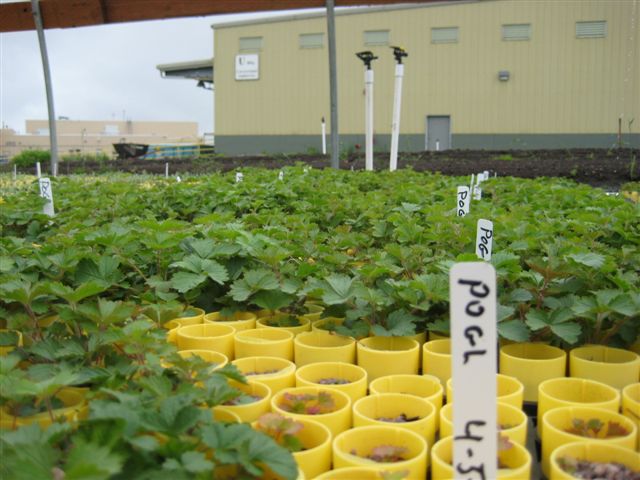
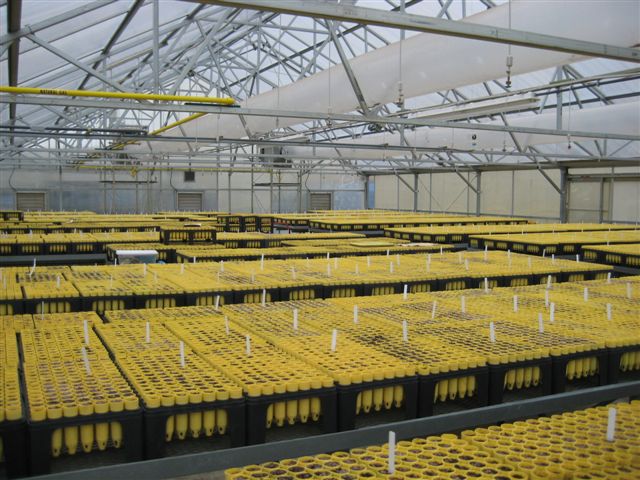
The offenders, DOC staff and SPP staff worked on practical nursery techniques this month. The details of cultivating wild plants provide a lesson in patience that growing that pansies and petunias do not. Wild plants do not germinate with the same regularity and consistency as cultivated plants and their germination and stratification protocols are not as well documented as the economically important cultivated species. This year over 380,000 prairie and riparian plants of 30 species are being sown, germinated and cultivated at Stafford Creek. Each species has unique stratification, handling, sowing and cultivation requirements. This diversity of protocols has presented challenges in communication and documentation and both offenders and staff have shown that they are up to the task. Everyone involved has learned there is both an art and a science to cultivating wild plant species. We have been greatly assisted by our partners at The Nature Conservancy of Washington, who have provided protocols developed at their Shotwell’s Landing Nursery. TNC staff came out this month to do a workshop and provide quality control to make sure that all the prairie plants are being grown to their specifications.
Plants Up and Growing
6/17/2010
Our nursery work has progressed well this spring. We are about one halfway through the sowing process. Most of the plants sown to date are slow growing and erratic germinators. Prairie forbs such as Lomatium nudicale, Lomatium utriculatum, Viola adunca and Castilleja hispida have germinated at rates around 20% and we should expect twice that rate over the next four to six weeks. The majority of plants will go into the restoration sites from October to January when the rains come (of course this year as of June, the rains have not stopped). The offenders are monitoring germination rates between the plants in the green house that have temperatures higher temperatures than the hoop house which also has a greater range of temperatures from daytime to nighttime. The process of detailed record keeping coupled with producing almost 400, 000 plants has been a challenge. SPP staff has provided templates and education on keeping accurate field journals to each offender. As a project, we hope to collectively create documented plant production protocols that would raise the inmate’s participation from simply labor to one of being active stakeholders in the restoration process. This is also providing interesting data that helps us understand which plants grow faster, in what environments.