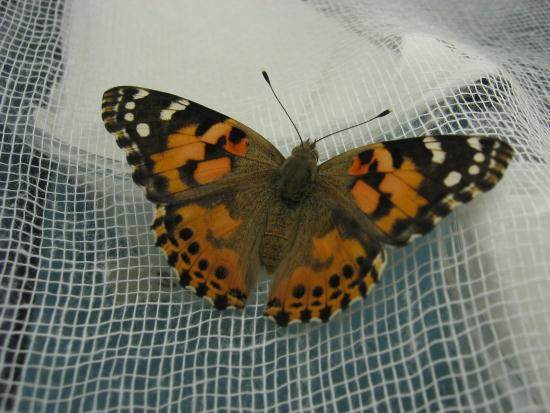
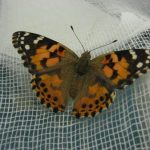
The first painted lady butterfly to eclose in the SPP lab at Evergreen.
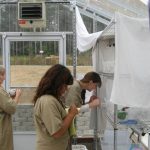
At long last, the wait is over. After almost a year of preparation, the butterflies have finally arrived! Inmate technicians at Mission Creek Corrections Center for Women (MCCCW) have been caring for painted lady larva for almost three weeks now, and over the weekend they got to watch their first butterflies emerge from their chrysalid.
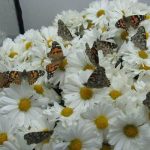
The painted ladies are being reared as a training surrogate for the endangered Taylor’s checkerspot, which inmates will begin to work with next February. These training butterflies were chosen for their relative hardiness and fast life cycle, which will allow the inmates to go through several complete revolutions before graduating to the much more delicate Taylor’s checkerspot. So far the inmates involved have surpassed expectations in every way.
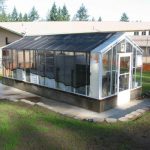
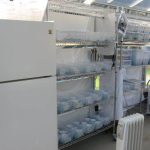
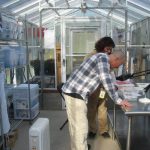
As the final phases of greenhouse construction were being completed, the student intern on the project, Dennis Aubrey, began rearing painted ladies at the Sustainable Prisons Project (SPP) lab on The Evergreen State College (TESC) campus. This was done to work out the fine details of adapting the Taylor’s checkerspot rearing protocol for use with the painted ladies, and to prepare for training the inmates at the facility. Following this, 200 painted lady eggs were ordered and delivered to MCCCW, where eager inmate technicians began learning how to care for these delicate insects. Working with butterflies in the SPP lab approximately two weeks ahead of the ones at MCCCW was incomparably helpful in training the inmates effectively.
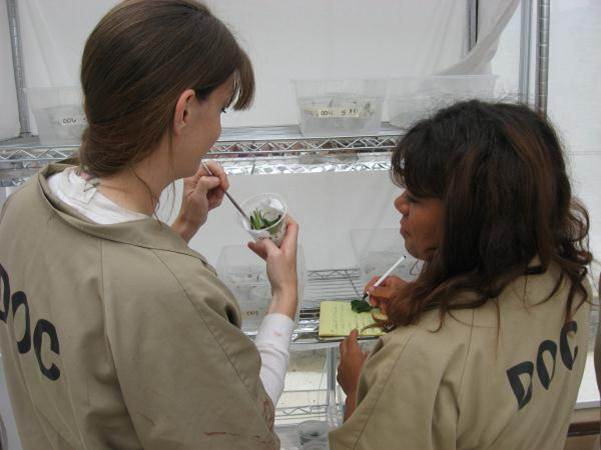
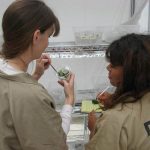
Inmate butterfly technicians at MCCCW caring for painted lady caterpillars and recording observations
From the time they began, the inmates have been taking very detailed carefully drawn notes, and have been tending to their charges with the patient meticulous care that makes all the difference in rearing projects such as this. At SPP’s frog project at Cedar Creek Corrections Center, the large amount of time inmates dedicate to caring for the endangered Oregon spotted frogs has led to the largest specimens raised at any institution. Last week, when Dennis visited Mission Creek to check on the inmates’ progress, he couldn’t help but notice that the painted lady chrysalids were significantly larger than he was able to produce in the SPP lab. Whether that’s a factor of the light and beneficial conditions in the greenhouse, or is directly attributable to the increased daily care, it’s hard to say. Either way, it’s a great sign of things to come for the future success of the project.
By SPP Project Manager Kelli Bush
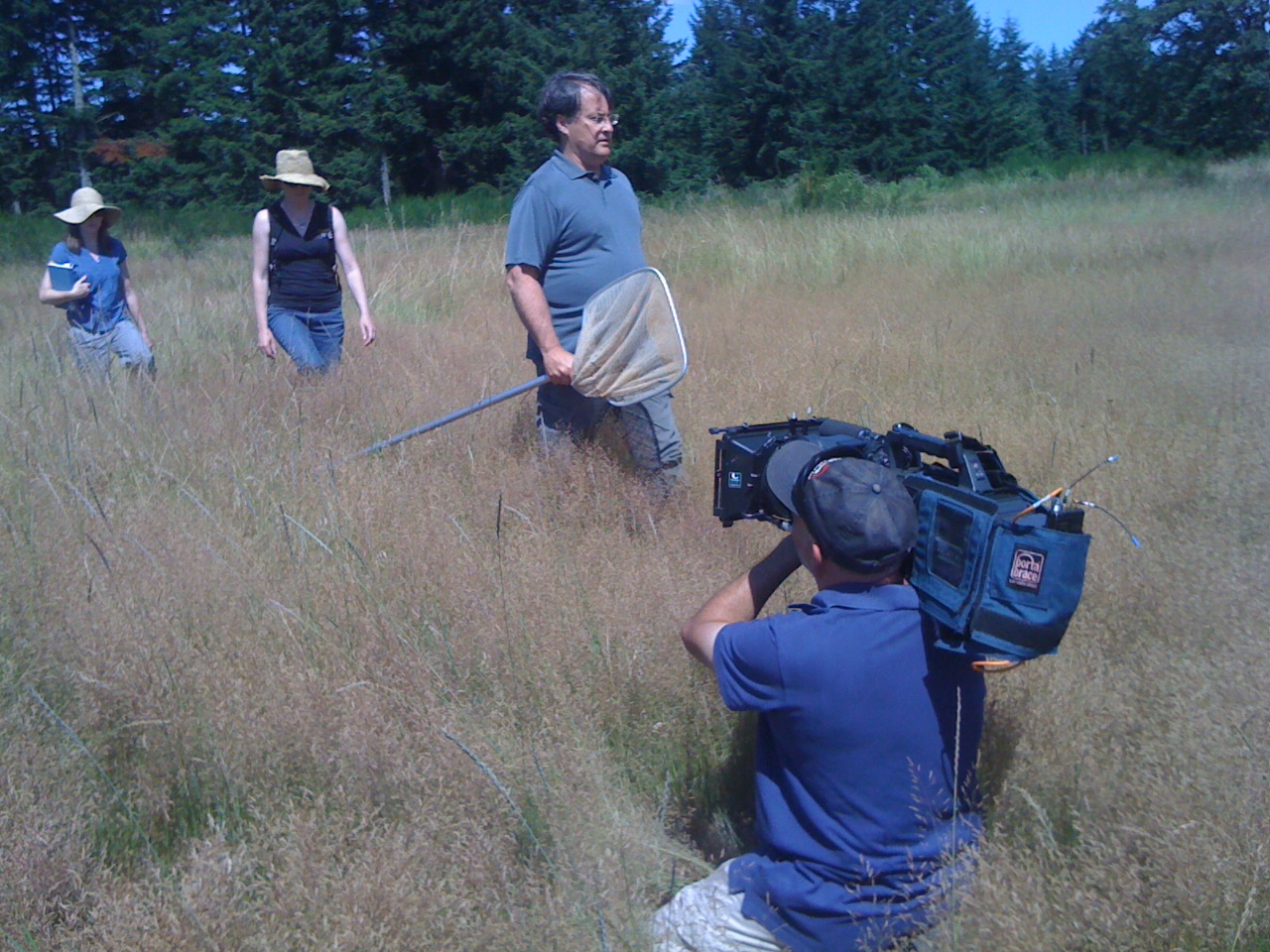
Filming Oregon spotted frog search
A French documentary crew recently visited Western Washington to film a new episode for their National Geographic series “Guardians of Nature”. The episode will include segments featuring the Sustainable Prisons Project (SPP) Oregon Spotted Frog Program and riparian forest research conducted by SPP Co-Director Dr. Carri LeRoy.
The film crew spent an entire day with the SPP Oregon Spotted Frog Program team. Filming began at Cedar Creek Correction Center in the morning. SPP staff and inmates walked the crew through the daily tasks associated with caring for the endangered frogs. Prison Superintendent Doug Cole shared his thoughts on the benefits of the program from a prison perspective.
SPP Co-Director Carri LeRoy and Project Manager Kelli Bush at West Rocky Prairie
The afternoon was spent at West Rocky Prairie in the greater Olympia area. West Rocky Prairie is home to a wild population of Oregon spotted frogs. Dr. Marc Hayes, senior biologist at the Washington Department of Fish and Wildlife, led the group to a wetland location where he netted two juveniles and one adult frog to show the film crew. He explained how factors such as habitat loss and bull frog predation have led to the decline of the species and discussed current efforts to recover the native population. The day concluded with summary discussion of the Sustainable Prisons Project and the many benefits of including incarcerated individuals as partners in conservation and sustainability work.
The film crew also spent a day with Dr. Carri LeRoy filming riparian and stream science research on the Hoh River. The Hoh River is a braided gravel stream channel fed from the glaciers of the Olympic Mountains and flowing through densely vegetated temperate rainforest and cottonwood (Populus trichocarpa) gallery forests. Dr. LeRoy’s research on how the genetics of cottonwood trees can influence both other members of the ecological community associated with the trees and the ecosystem-level processes of riparian forests was the focus of the interview. Although it might seem impossible for something as small as a gene to have an effect on a whole ecosystem, there are many examples of the strong organizing power of genes. Genes can influence the insects that live in tree canopies, bird predation and nest building, deer browsing, soil organisms, nutrient cycling, carbon flux, water use and even adjacent stream communities and ecosystem processes. Dr. LeRoy’s “Genes-to-ecosystems” research involves examining the interactions between tree genes, forests and streams through leaf litter fall.
With the dynamic backdrop of ice-blue water and lush vegetation she demonstrated methods for measuring soil respiration (a combination of root respiration and microbial/insect respiration) at the base of a large cottonwood tree. In addition, she placed leaf litter bags of known tree genetics into a small tributary stream of the Hoh River and collected aquatic insects from the cobbly bottom. It was a gorgeous summer day spent in one of the most pristine river systems in Washington State.
The crew has featured beautiful locations all of the world, but this will be the first episode filmed in the US. The show is primarily carried on stations throughout Europe. We were thrilled to have the opportunity to share our work with “Guardians of Nature” and an audience on the other side of the planet. The two segments will likely be available early spring 2012 and will be posted to our website as soon as they are available.
By Rowlanda Cawthon, Washington Department of Corrections, East Team Leader, Communications
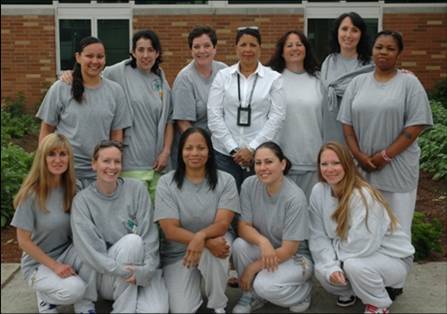
Associate Superintendent Margaret Gilbert, center, with members of the Women's Village at Washington Corrections Center for Women
Principles behind the mantra, “It takes a village to raise a child,” have been adopted by a group of dedicated offenders at the Washington Corrections Center for Women. Both offenders and staff at the prison wanted to foster a positive community environment and propel women to shift their thinking, so they formed the Women’s Village group to develop an approach that would change the prison culture.
With the cuts to offender programming, the women realized the need to tap existing resources to foster a sense of growth, collaboration and commitment. “The Women’s Village has been a great way for the women to really start thinking about their lives and how they can influence each other,” said Associate Superintendent Margaret Gilbert. “We’ve managed to get some staff on board and we are certain this project can change the culture of the prison.”
The mission of the Women’s Village is, “To encourage and foster an atmosphere of change by harnessing our unique strengths together as individuals and to create a new culture based on the pursuit of personal excellence.” The term Women’s Village was created by Psychology Associate Robert Walker and offenders developed the purpose, values and structure of the program. “The project offers the women a unique opportunity to share their personal experiences and knowledge to inspire each other to change and make positive contributions to the community in which they all live — the prison,” said Walker.
A village council serves the Women’s Village in an advisory and governing capacity to provide leadership and direction. There are ten women on the council who work incredibly hard to create a healthier prison atmosphere. Their criminal backgrounds vary as do their custody levels, but this doesn’t hinder their unified commitment.
Jeannette Murphy who has been incarcerated for 28 years firmly believes that the Women’s Village is a practical resource. “One goal of the village is to keep the women busy,” said Murphy. “If we can help keep the women busy and assist them in finding their passion, we can address problems before they escalate and greatly reduce violence. We can work together to prevent another Jayme Biendl incident from occurring where we live.”
As the project evolved, the women unanimously agreed that they needed to identify their passions and create work opportunities around what genuinely made them happy. This resulted in the formation of nine sub–councils that serve as a means to get women engaged in something bigger than themselves.
Violence Reduction Team – Responsible for gauging the prison environment and identifying ways to reduce violence.
Health and Wellness Team – Facilitates wellness classes to include women’s health, nutrition and daily health routines.
Educational Team – Assist offenders with their educational needs and work with offenders who have learning disabilities to help them achieve their goals.
Environmental Team – Creates sustainable programs and get women involved in creating a sustainable environment.
Peer Support Team – Help offenders who need assistance in dealing with the realities of prison life. Peer mentors also work directly with mental health staff.
Morale Building Team – Bring back a sense of order and respect within the prison by promoting a positive change in the way women deal with their feelings.
Reentry Team – Facilitates programs that will help with the reentry process including but not limited to job readiness classes, resume workshops and dressing for success.
Spiritually Team – Gives women a chance to explore a variety of beliefs and become more in tune with their own, whatever they may be.
Family Support – Facilitates parenting groups, create positive ways to build on family relationships, and host workshops centered on family dynamics.
Each team is lead by a council member who has a sincere passion for the work required. Women interested in the Women’s Village must officially become a village member by participating in three orientations, two accountability circles, and committing to engage in two self–help groups or classes offered at the prison.
The orientations are lead by the council members and staff, and give an overview of the purpose and values of the Women’s Village. The women are also given an opportunity during orientation to develop personal goals that will enable them to create a vision of who they are and who they are becoming. Accountability circles provide the women with an opportunity to meet regularly to discuss issues or problems they are facing, to set goals to address these issues, and to brainstorm ways to accomplish the goals.
“We are a group of women who want more for ourselves and we want the women around us to feel the same way,” said Offender Renee Curtiss. “Having women believe in you and hold you accountable is the key to changing attitudes and behaviors, and that’s what we are all about.”
The values of the program are respect, honesty, compassion, diversity, self–empowerment, education and usefulness. These beliefs have been the driving forces behind the members’ ability to assist offenders in transitioning from intensive management unit to less restrictive custody, developing recycling and gardening programs, and simply getting women to be a source of change for each other within prison walls.