Skip to content
spp.agencypartnerinteractive.com
Sign up Donate Now
  • Home
  • Programs
    • Environmental Education
      • Foundations in Gardening
      • Foundations in Composting
      • Environmental Engagement Workshop
    • Ecological Conservation
      • Taylor’s Checkerspot Butterfly Program
      • Beekeeping & Pollinator Programs in Prisons
      • Emergent Pre-Vegetated Mats (EVM) Program
      • Northwestern Pond Turtle Rehabilitation Program
      • Oregon Spotted Frog Rearing
      • Prairie Ecological Conservation Nursery Programs
      • Sagebrush Ecological Conservation Nursery Programs
    • Restorative Nature & Sustainable Living
      • COMPOSTING PROTOCOLS
      • Composting with bugs
      • Emergent Pre-Vegetated Mats (EVM) Program
      • Oregon Spotted Frog Rearing
    • Community Contributions
    • Sustainable Operations
    • Programs by Facility
      • Airway Heights Corrections Center (AHCC)
      • Cedar Creek Corrections Center (CCCC)
      • Clallam Bay Corrections Center (CBCC)
      • Coyote Ridge Corrections Center (CRCC)
      • Monroe Correctional Complex (MCC)
      • Olympic Corrections Center (OCC)
      • Stafford Creek Corrections Center (SCCC)
  • About Us
    • What SPP is and isn’t
    • Funding
    • SPP Past
    • Incarcerated Partners
    • SPP Staff
  • Resources
    • SPP Publications
    • Allied Organizations
    • SPP Results
    • SPP Families
  • Press & Galleries
    • Press & Media Room
    • Press archive
    • Blog & Stories
    • Video Gallery
    • Awards
  • SPP Network
    • SPP Network Programs
  • Get Involved
    • Contact
    • Contribute
    • Environmental Engagement Workshop
    • Thank you
  • Sign up
  • Donate Now

Tag: Environmental Engagement Workshop Series

By Joslyn Rose Trivett and Erica Benoit, SPP at Evergreen
Photos by Joslyn Rose Trivett.
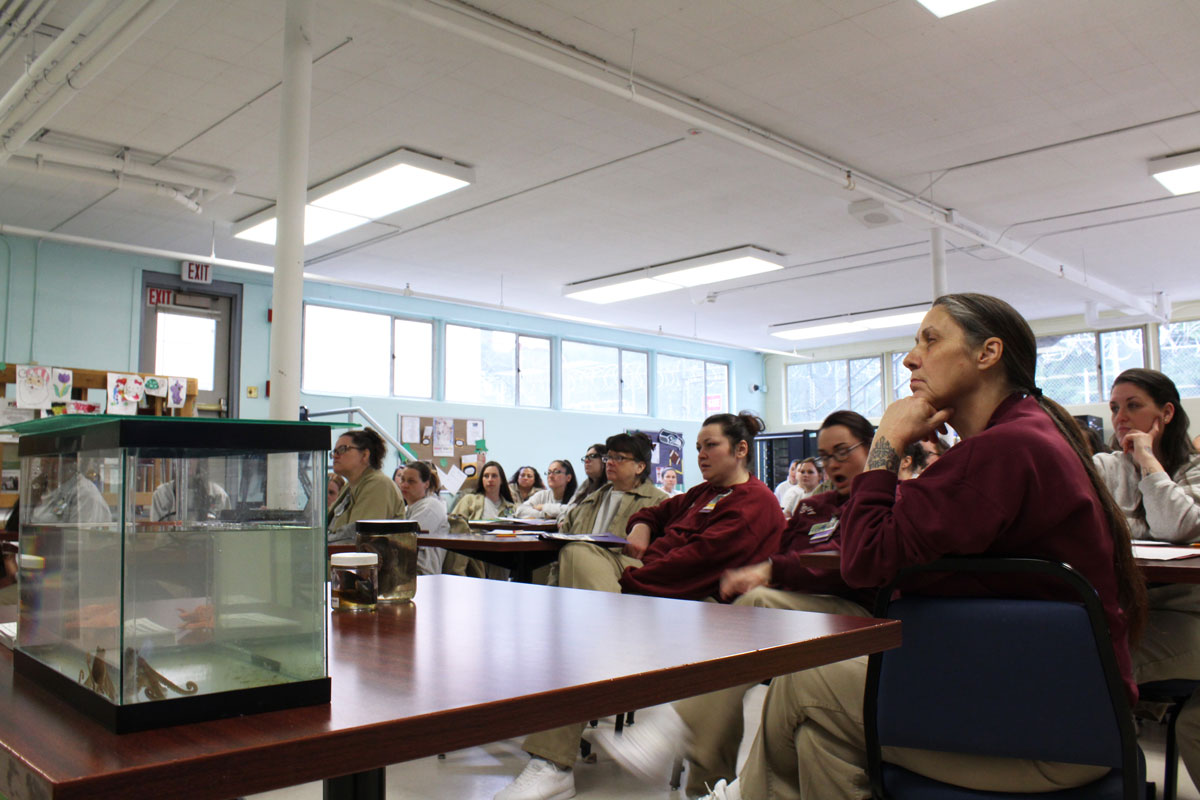
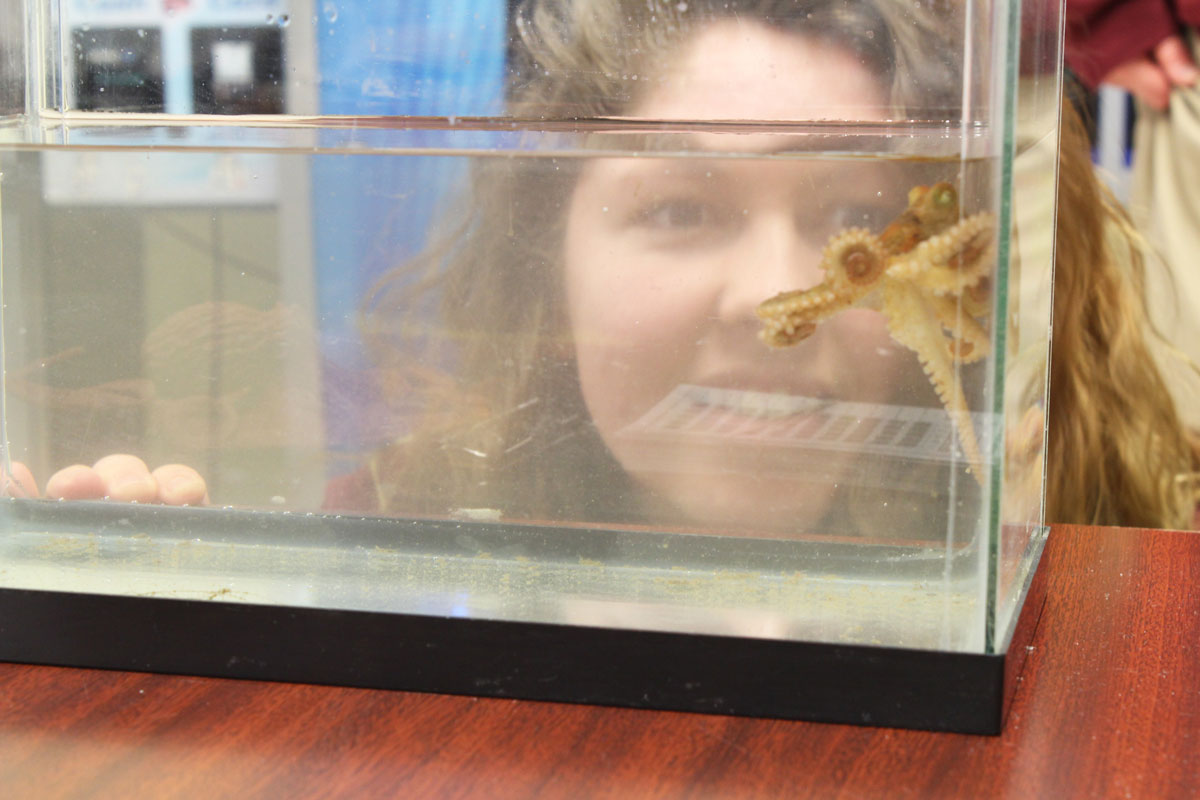
A Pacific red octopus uncurls its tentacles as it swims back in forth in front of the class at Mission Creek Corrections Center (MCCCW).

One of the best things that we have been a part of in 2020 was the launch of our workshop series at Mission Creek Corrections Center (MCCCW). Hard to believe it was only a month ago — life is so different today than it was then. Our main focus has to be responding and adapting to the COVID 19 crisis, and still it’s important to let ourselves focus on the good and the positive. For the sake of our partners in prison, we want to continue share some of the magic of nature and environmental education inside of prisons and the partners who make it possible. These programs are so valuable and important to us; we can’t wait to continue to support them inside prison as soon as it’s safe to do so.

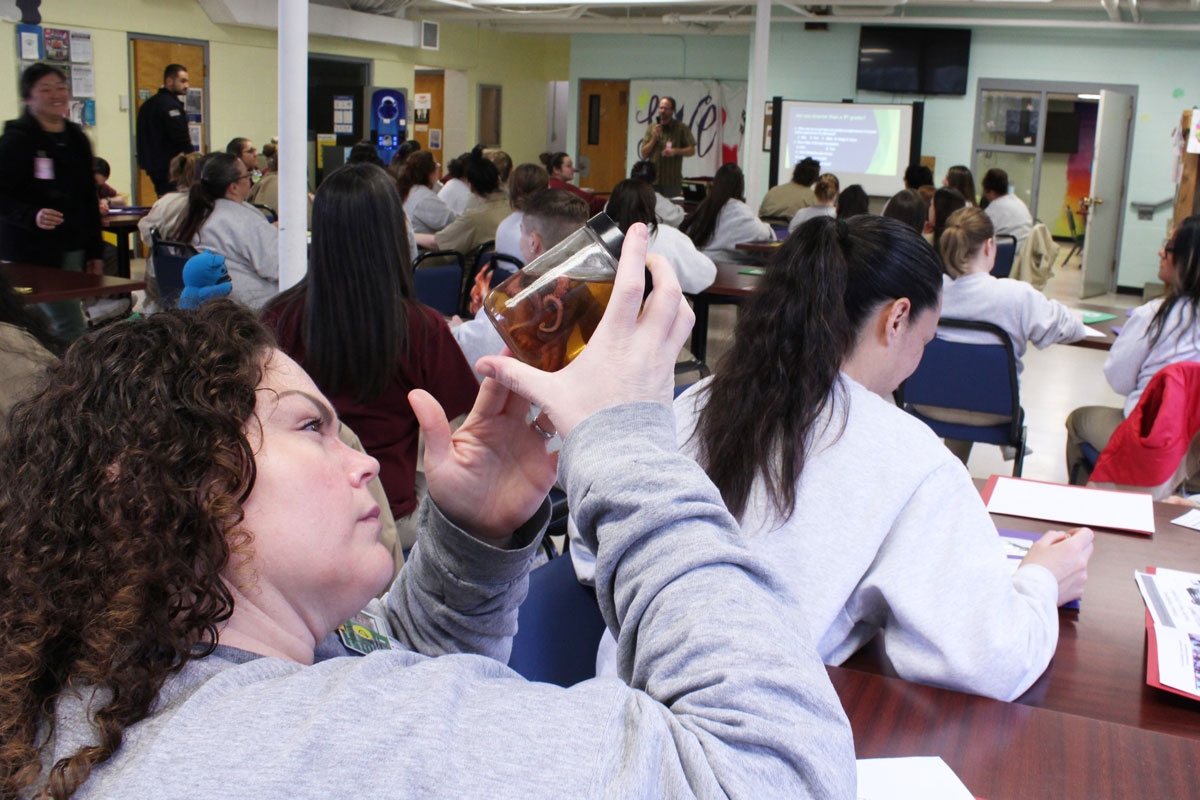
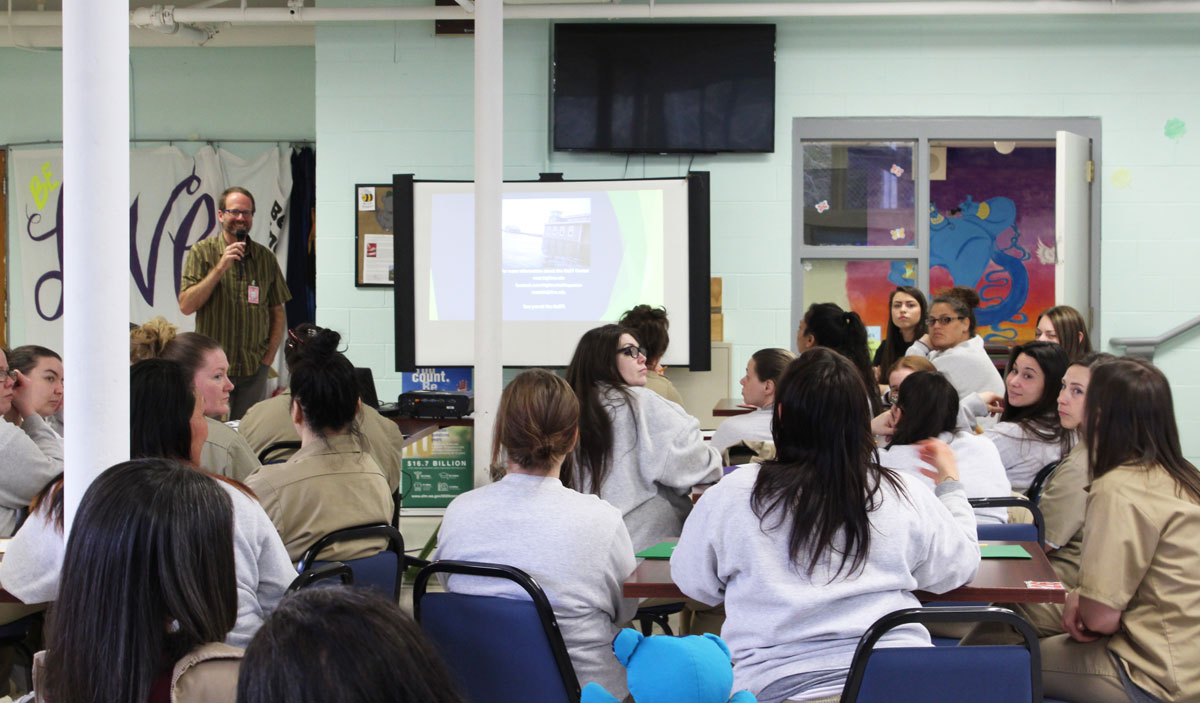
Here are some of our favorite images from the first SPP Environmental Workshop at MCCCW, Octopus Intelligence. Rus Higley and Joanne Park of the Marine Science and Technology (MaST) Center at Highline College facilitated an excellent session. Of course the real star of the show was the juvenile Pacific red octopus (the same species but a different individual than the one who visited a 2016 workshop at Stafford Creek…the MaST Center releases an octopus back to the wild when its behavior suggests that it is ready to go.)
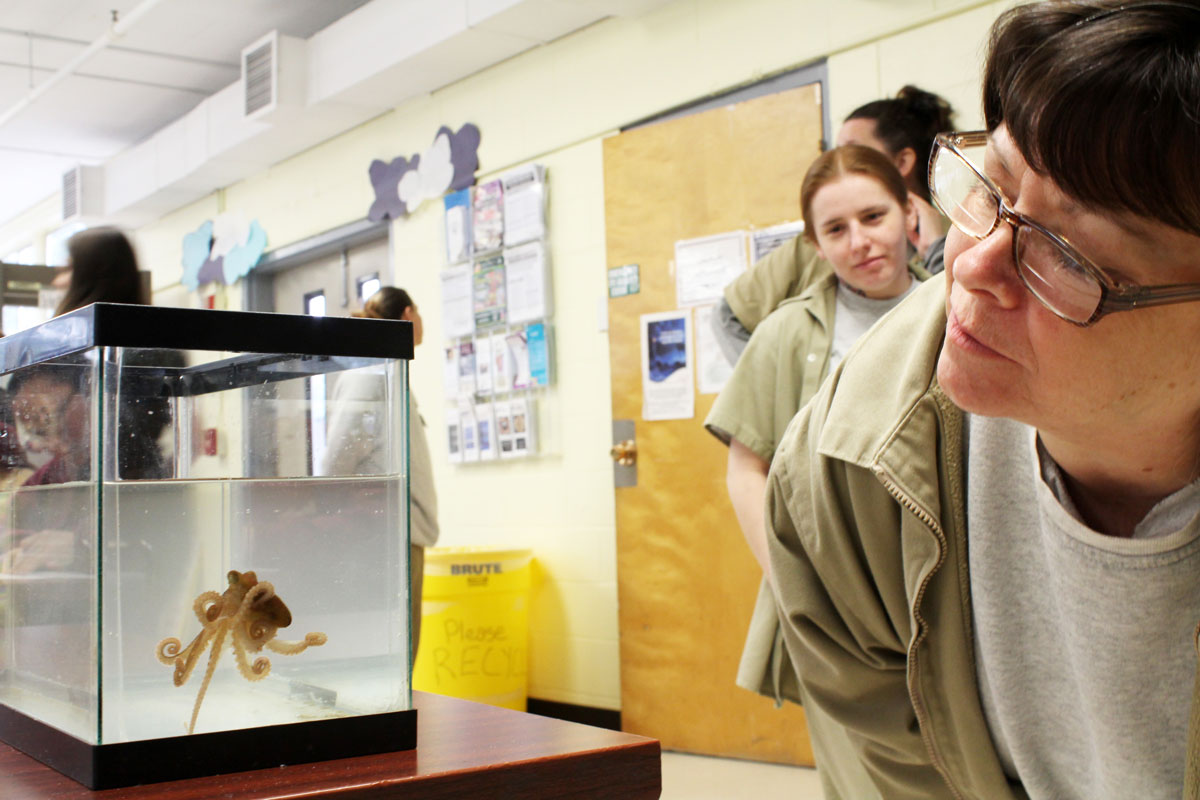
Christina Flesner studies the octopus…while it studies her back! Can’t know for sure, but Rus Higley made a compelling case for high levels of octopus awareness and smarts.
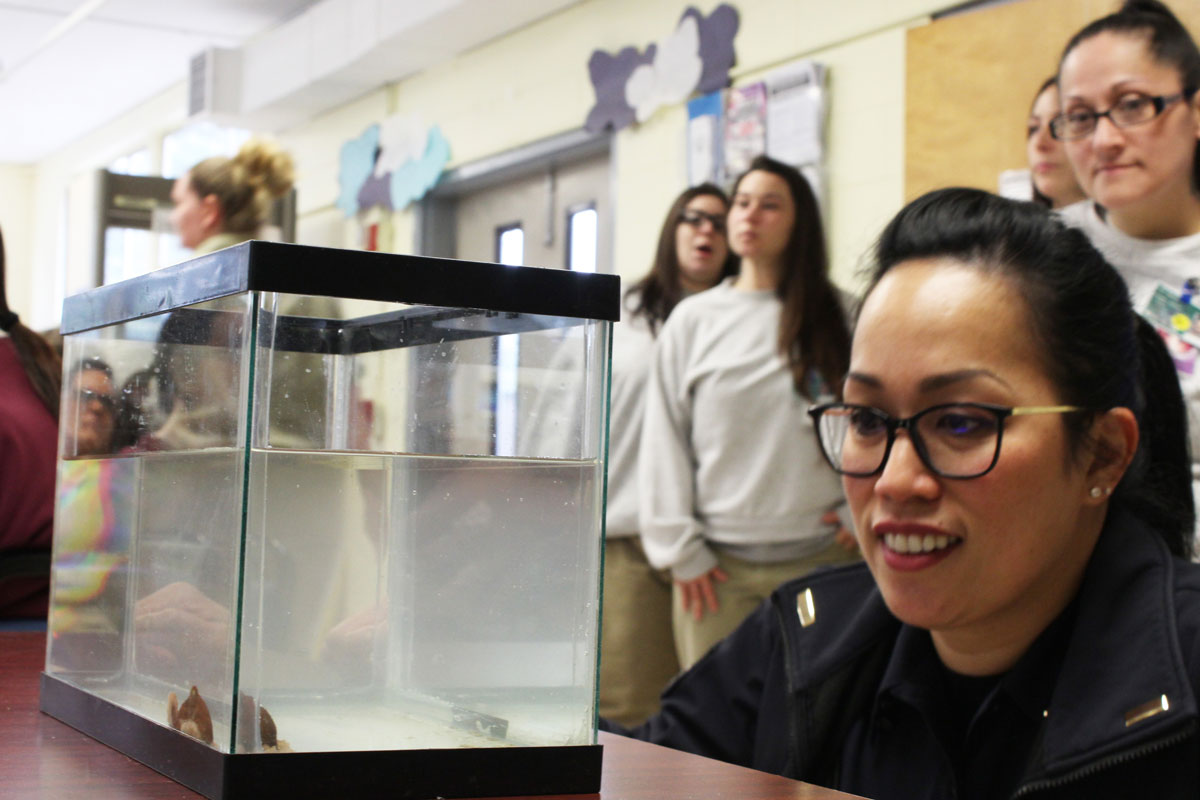
MCCCW’s Lieutenant visits with the octopus. She has been a solid supporter of other SPP programs at MCCCW as well.
Meg Ward studies a preserved specimen.
Jasmine Sabourin visits with the octopus. Several viewers showed similar happiness in the octopus’ presence.
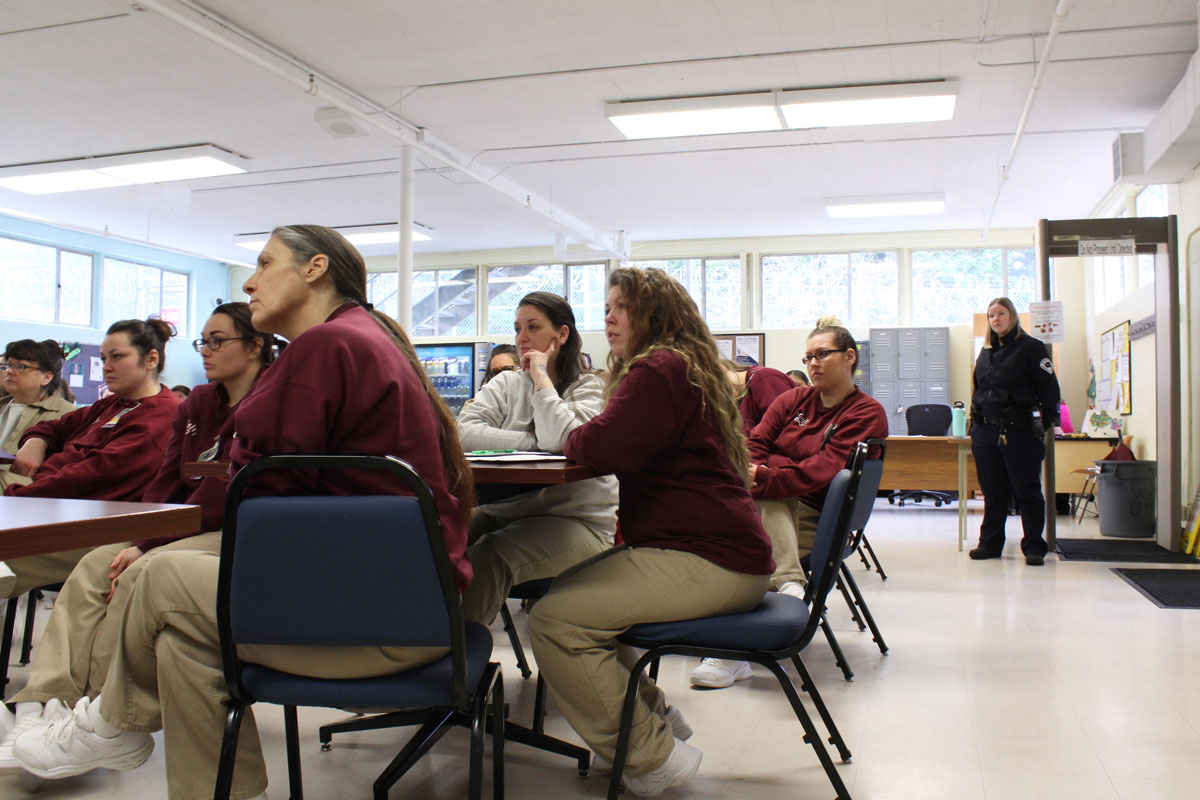
Two officers stayed for the workshop and appeared to enjoy and appreciate the session as much as the incarcerated students.
Students’ questions were one of the best parts of the workshop. Some of the topics they asked about were how octopuses are affected by pollution (a lot), whether it’s possible to tag and track them (possible and really tricky), whether females can opt-out of reproduction, which is a mortal act (probably not), and the quality of life for octopuses in captivity at the lab.

The second workshop in the series took place only a week later and featured some local predator birds (an owl and a turkey vulture). Although the workshop series is currently on hold at all 3 facilities, we’re looking forward to continuing the series as soon as we can. Once it’s safe to do so, partners plan for the MCCCW series to reoccur on the first Friday of every month.

Hope all of our partners are staying well and safe. We are thinking of you more than ever.
Text and photos by Erica Benoit, SPP Environmental Workshop Series Coordinator

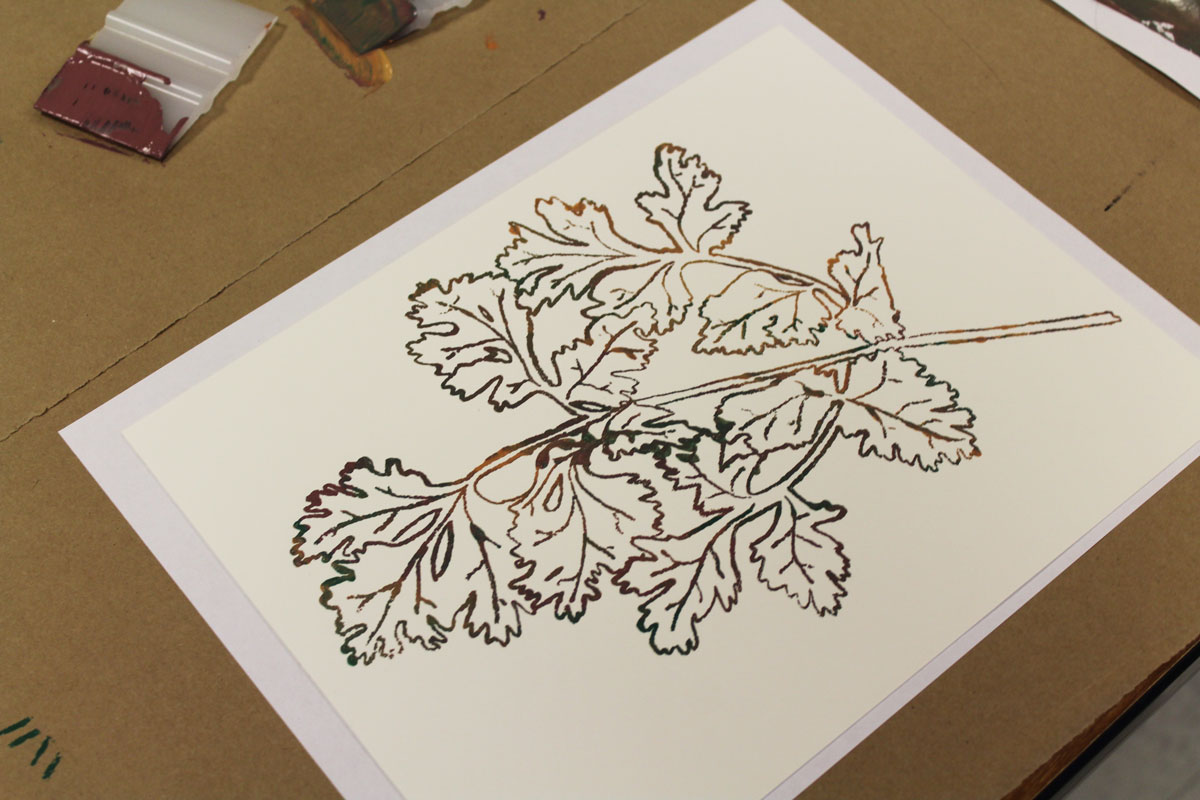
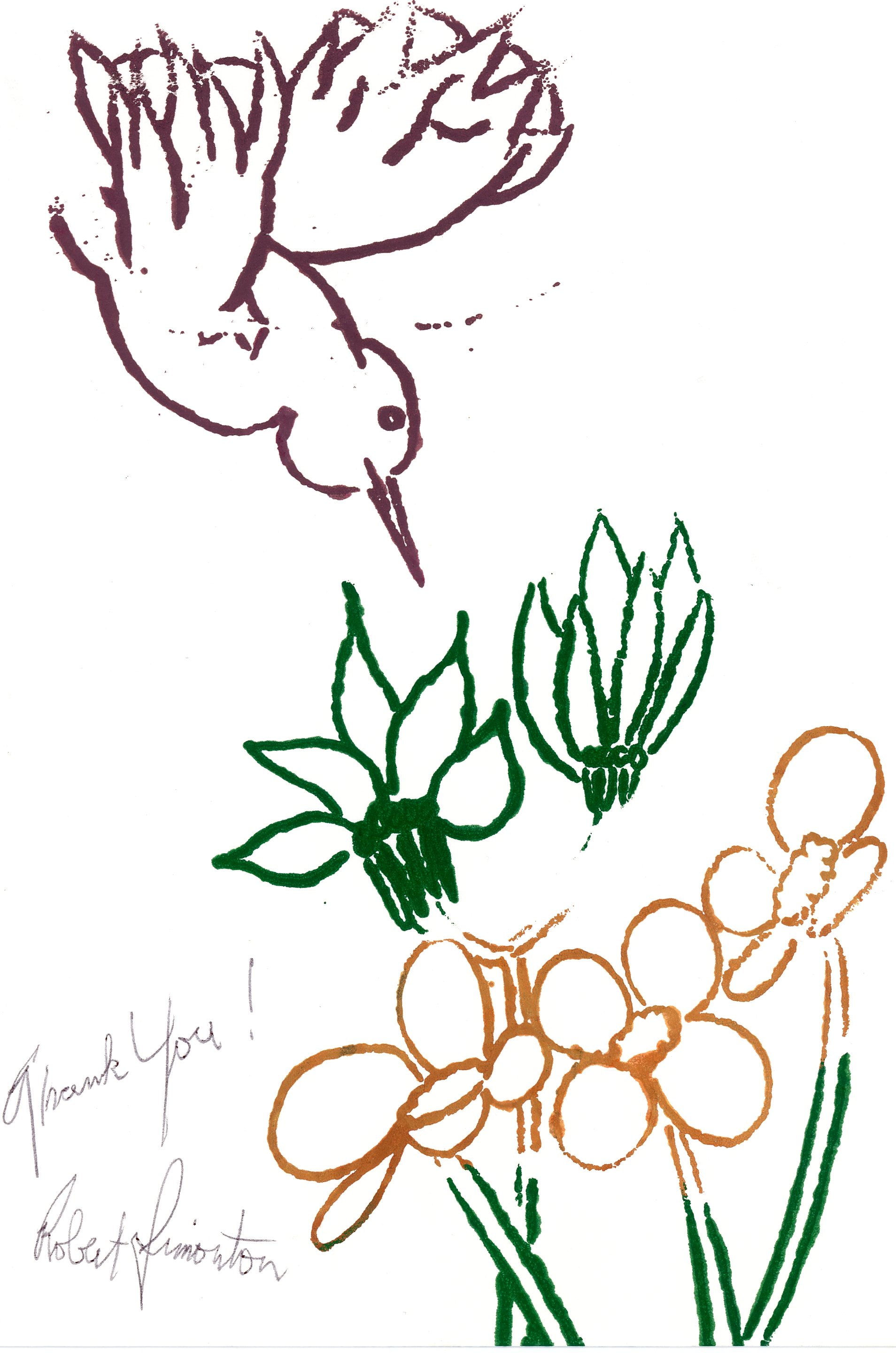
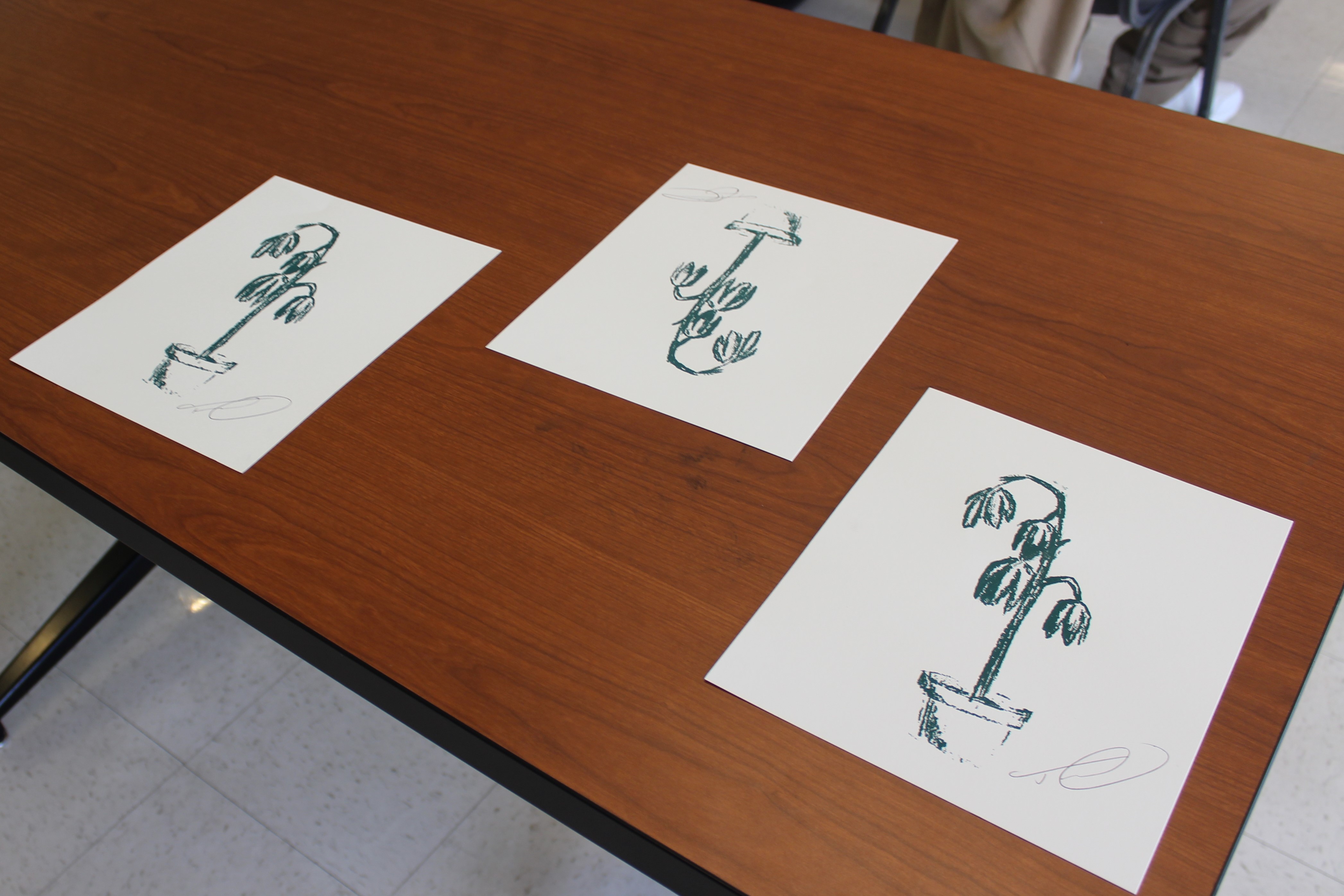
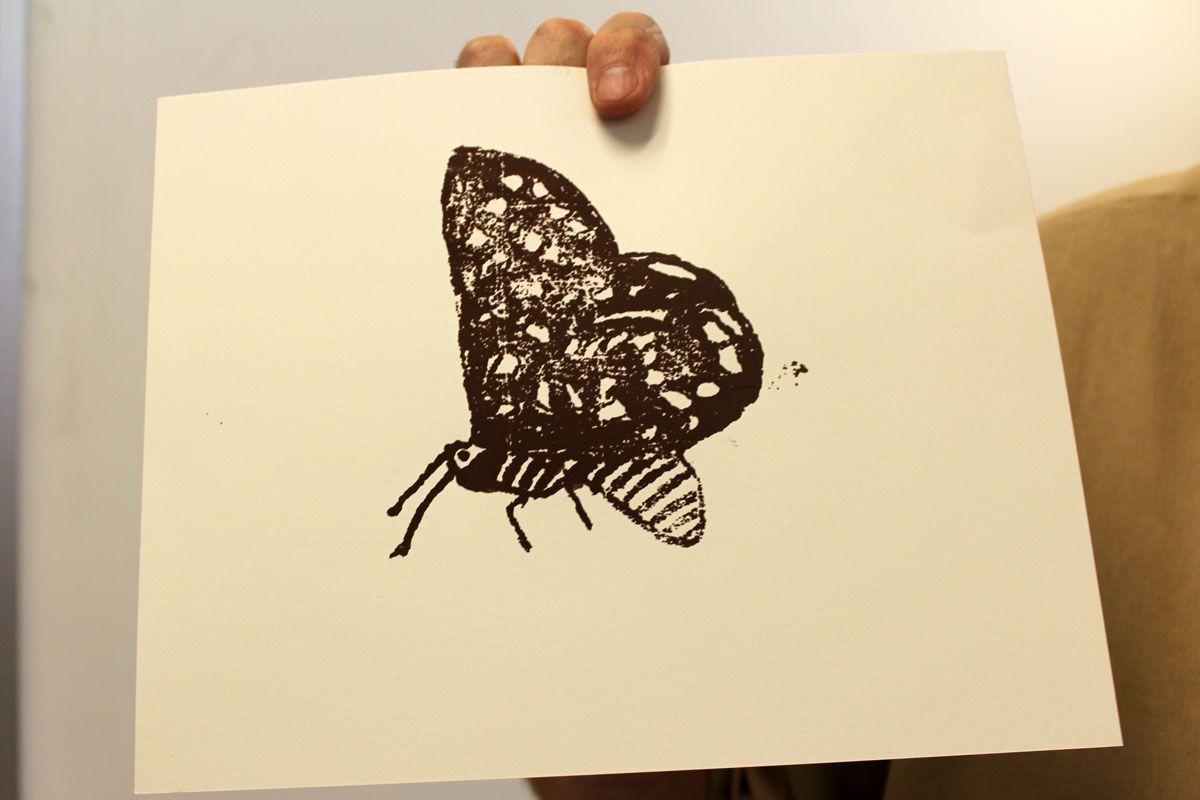
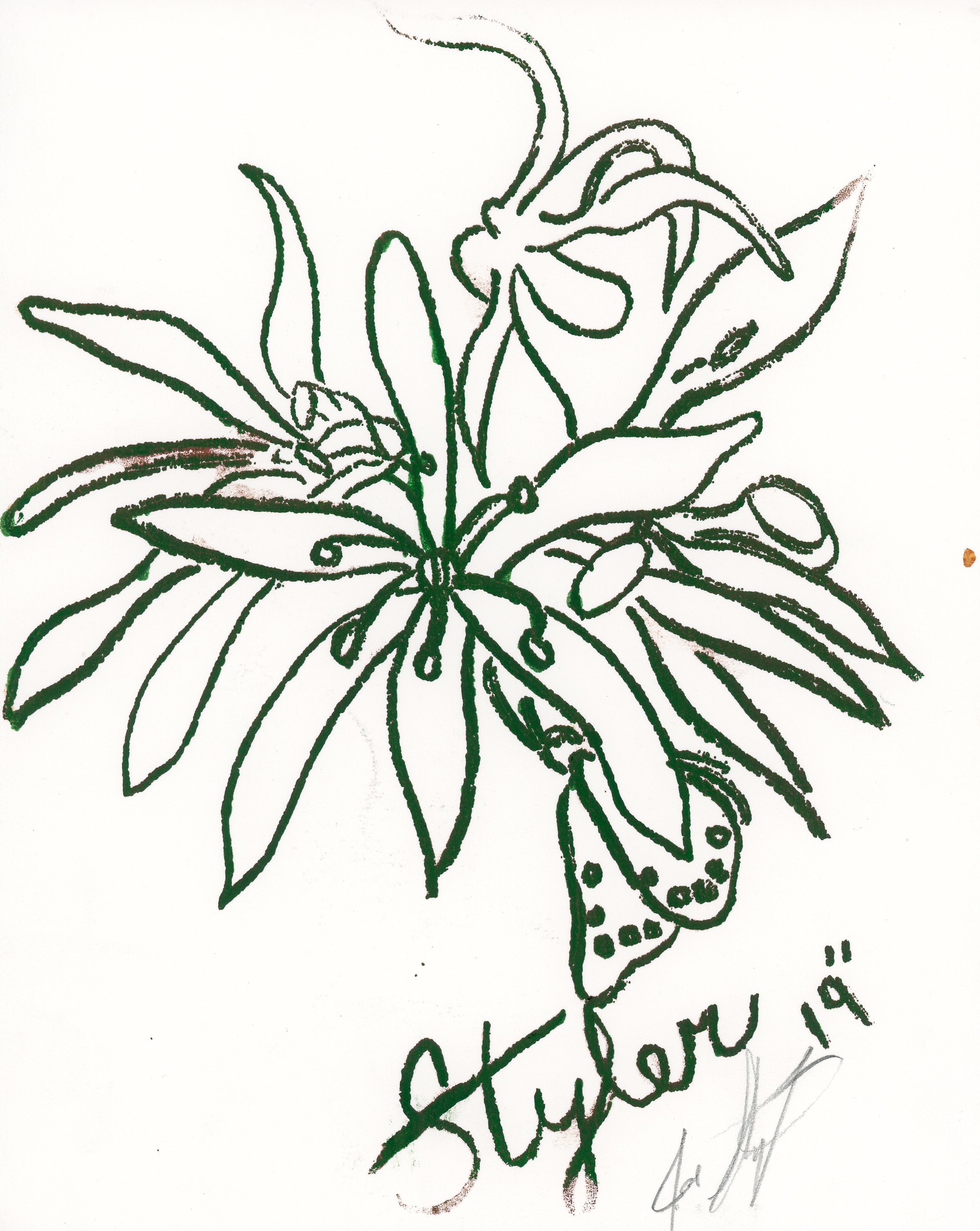
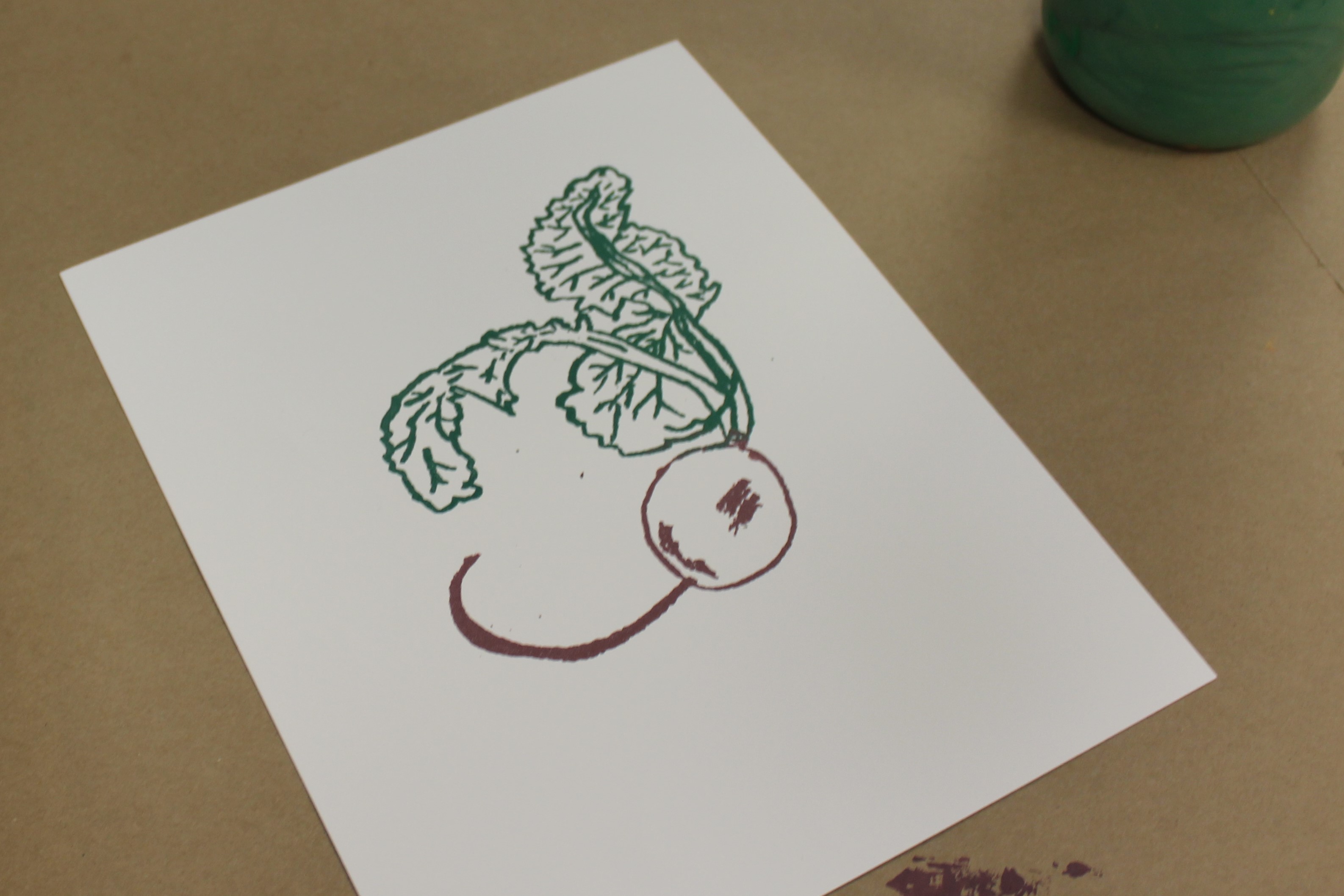
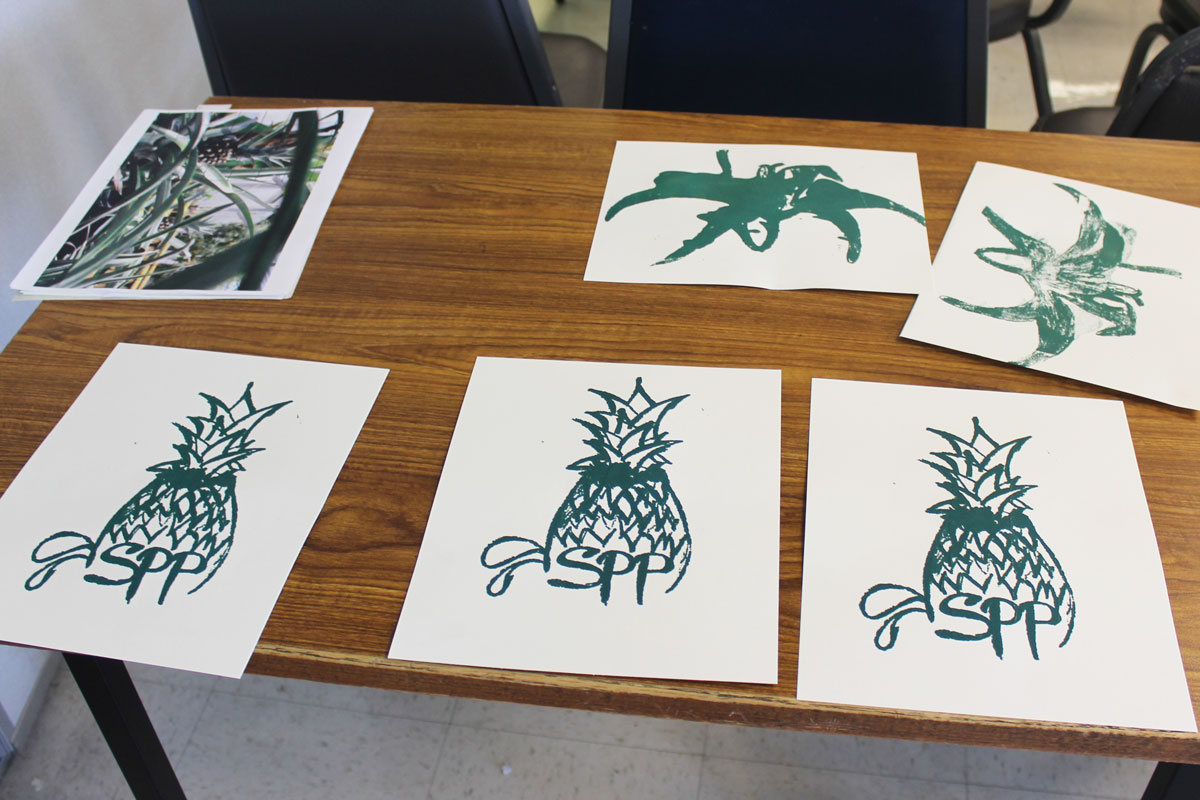
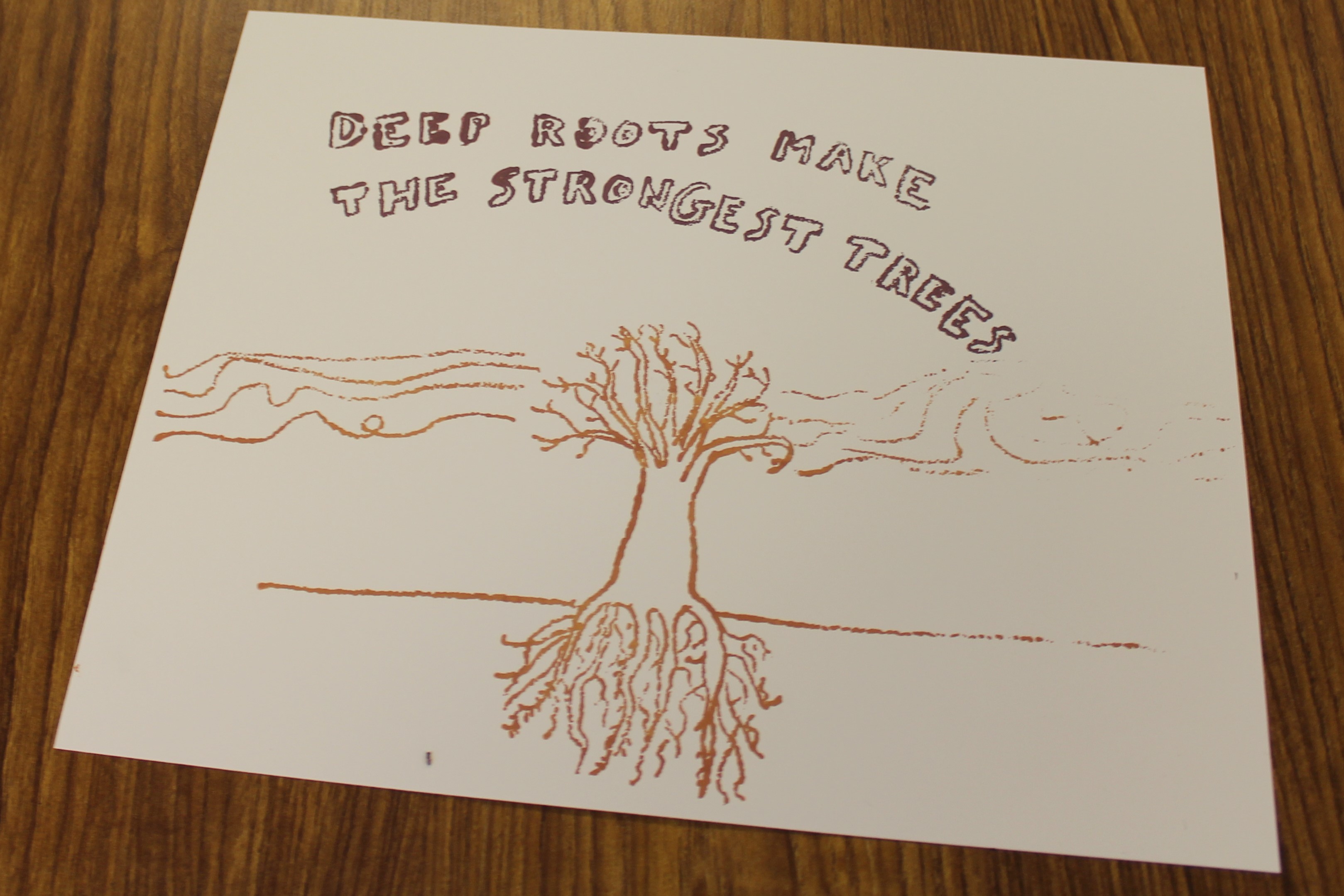
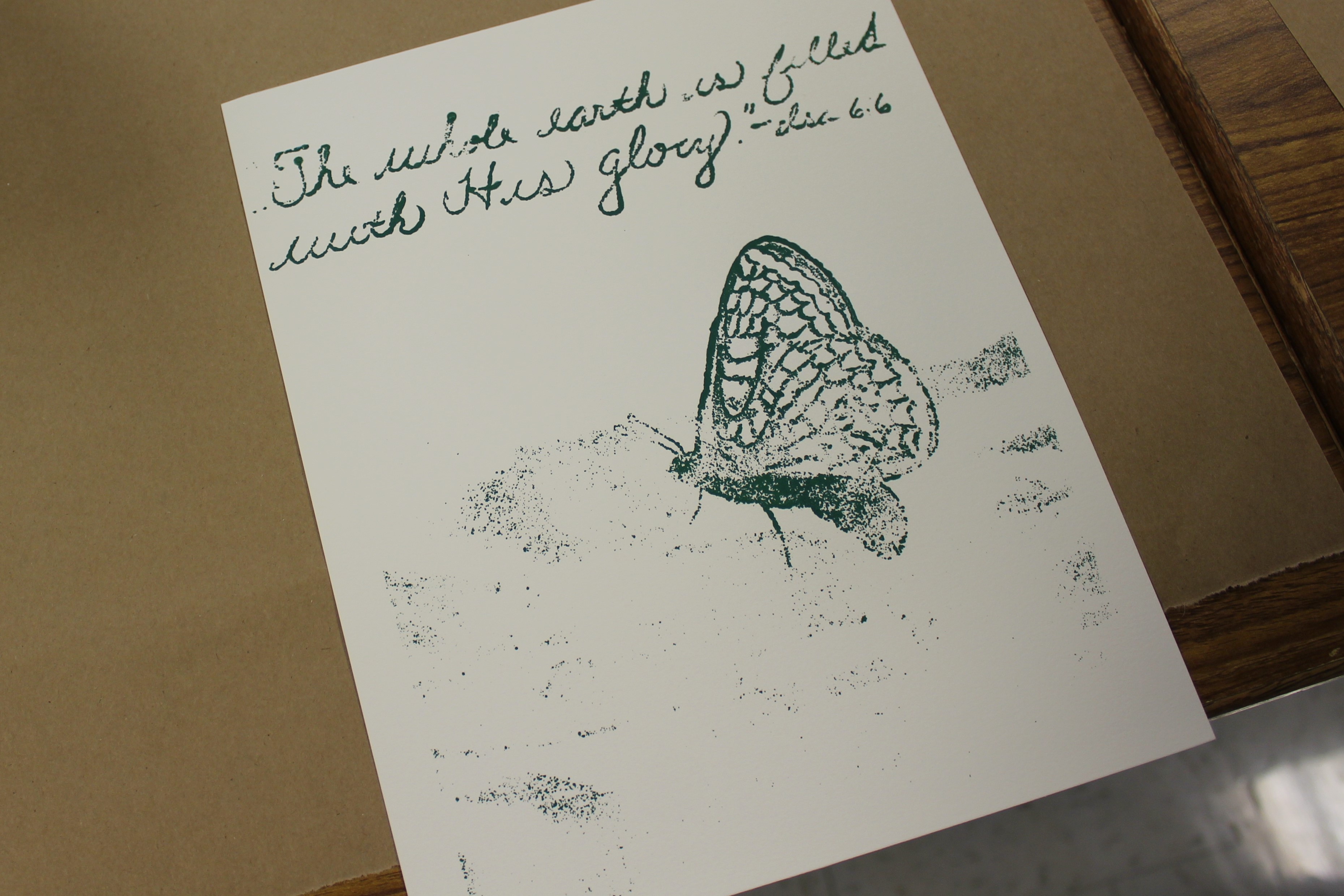
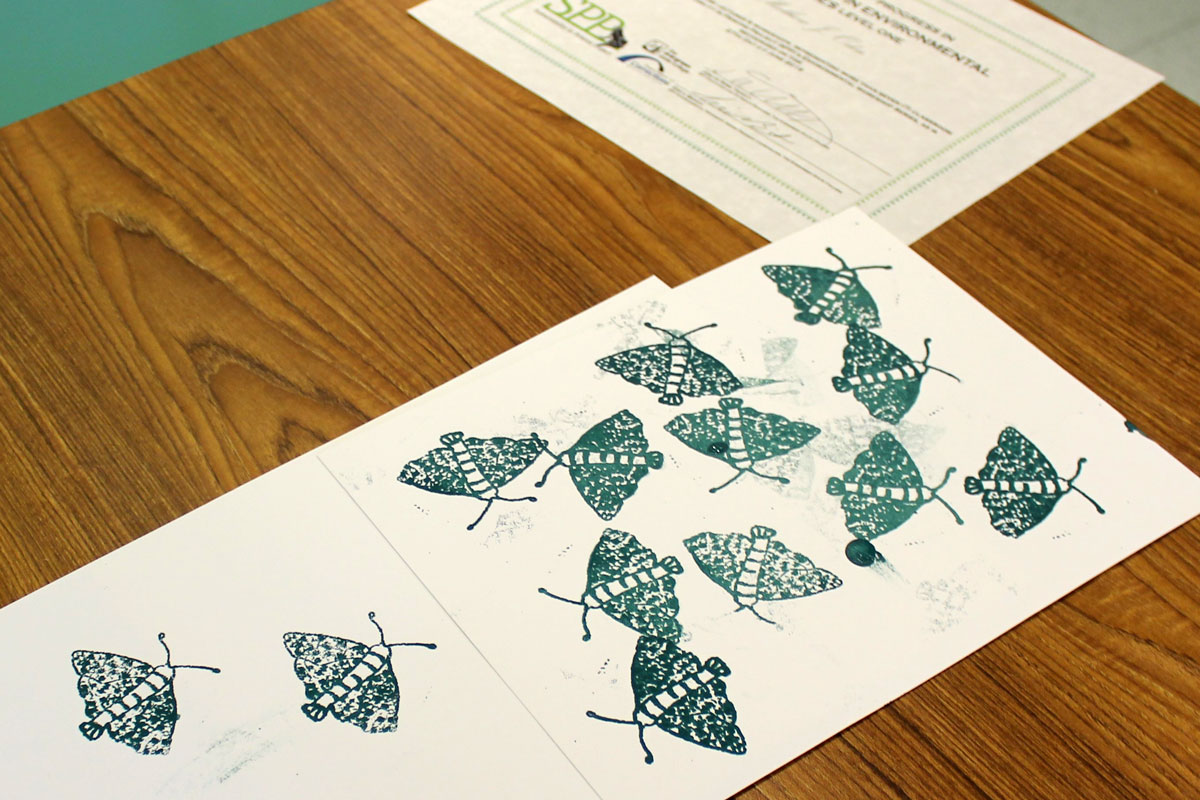
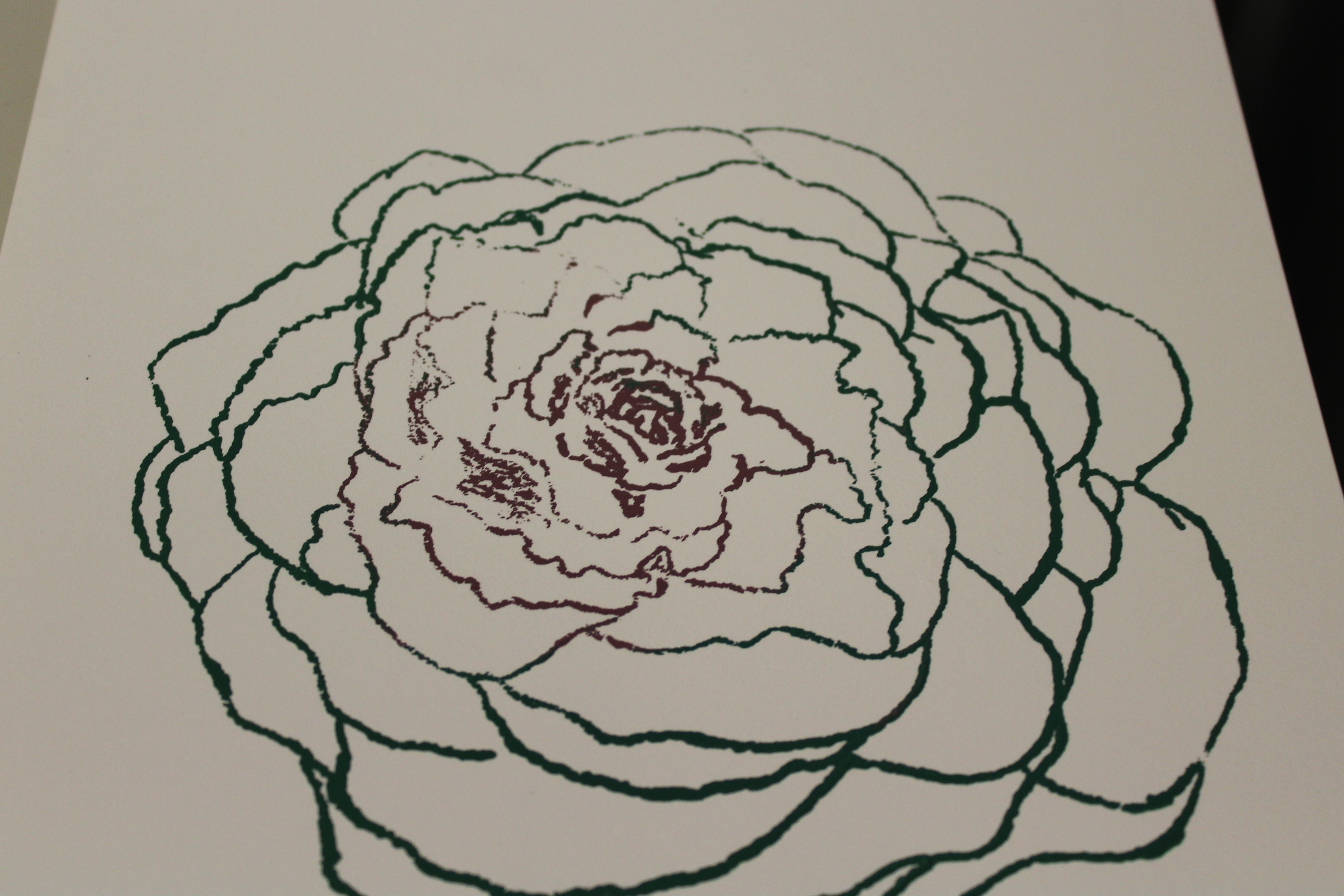
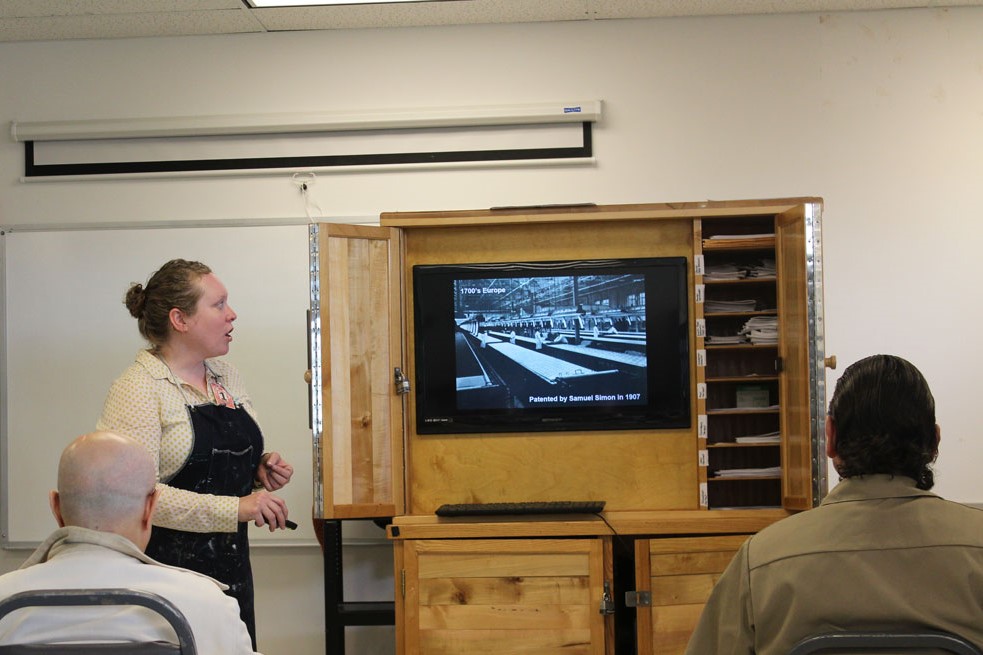
In July, incarcerated students at the Stafford Creek Corrections Center had the unique opportunity to participate in a screen-printing workshop through the SPP Workshop Series. Emily Adams of the Evergreen State College graciously offered two separate workshops so that a greater number of students could participate. Emily gave an introductory lecture on the history and process of screen-printing and then the students had about an hour to create their own prints.

Emily Adams describes the history of screen-printing in a classroom at Stafford Creek Corrections Center.
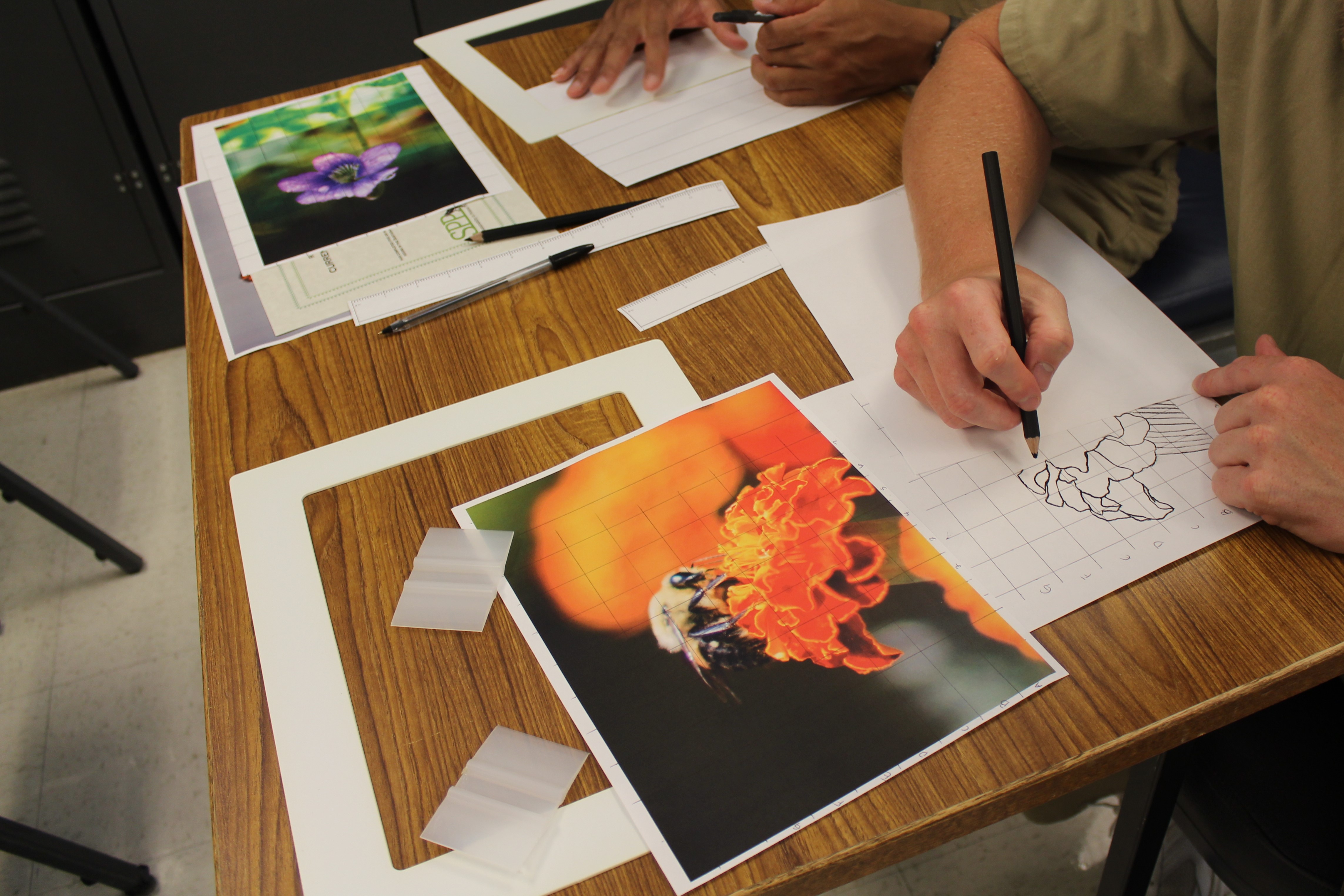
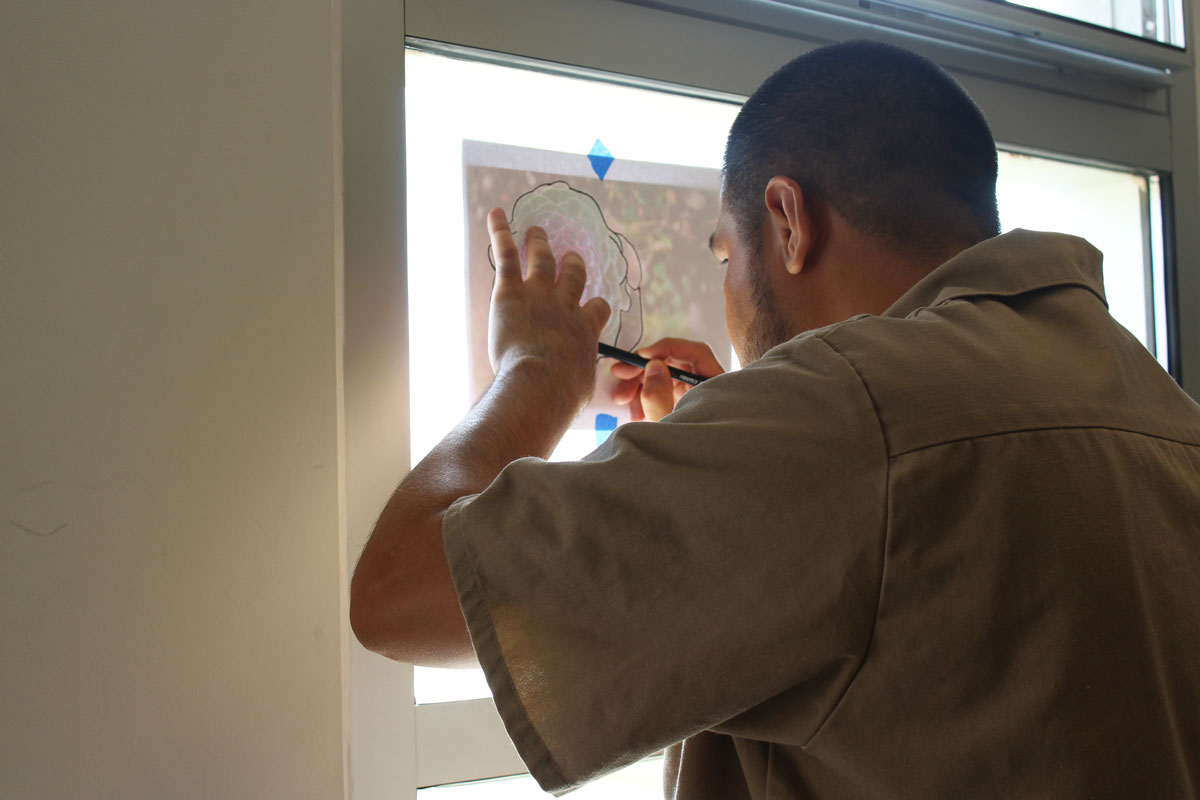
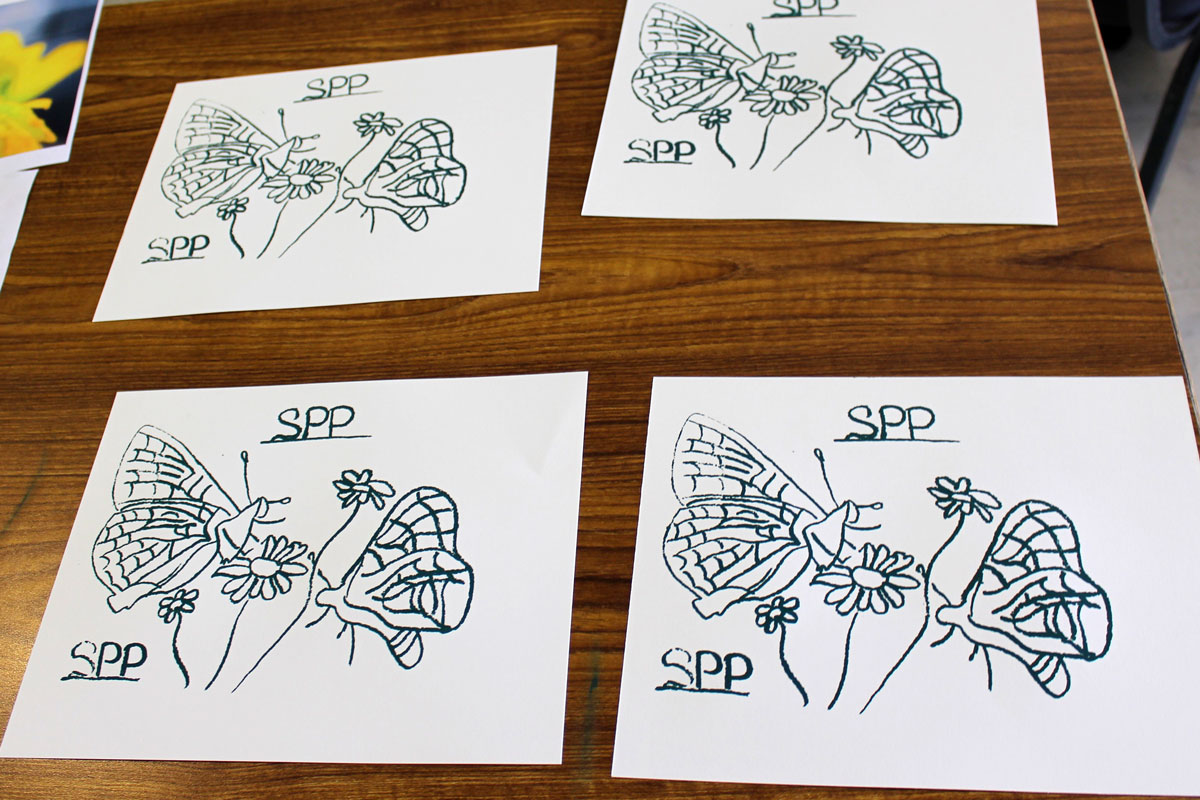
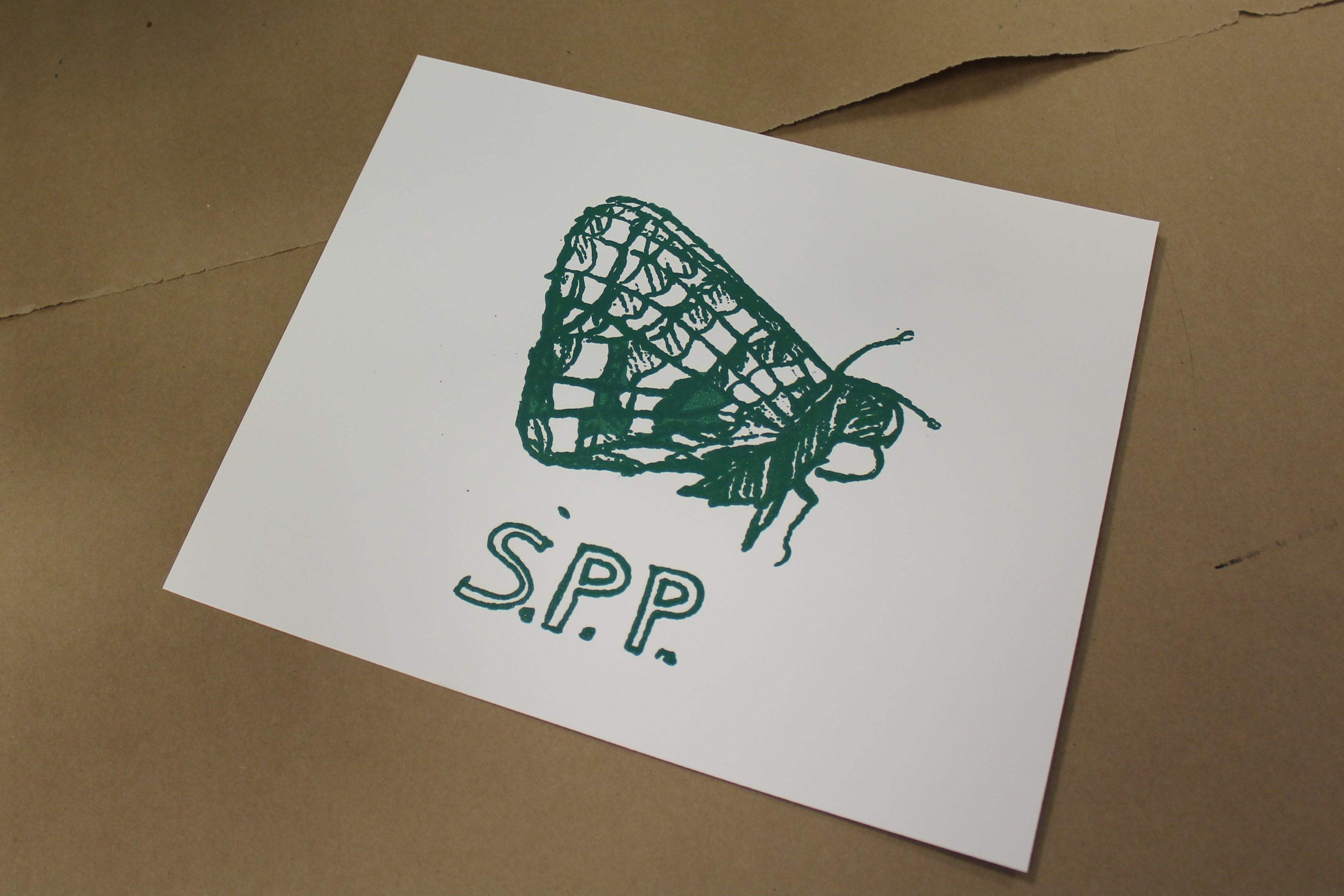
For inspiration, students had a variety of high quality images taken from SPP’s various programs to choose from as the subject of their screen prints. In some cases, the students practiced the skill of grid drawing while others relied on quick tracings due to limited time.

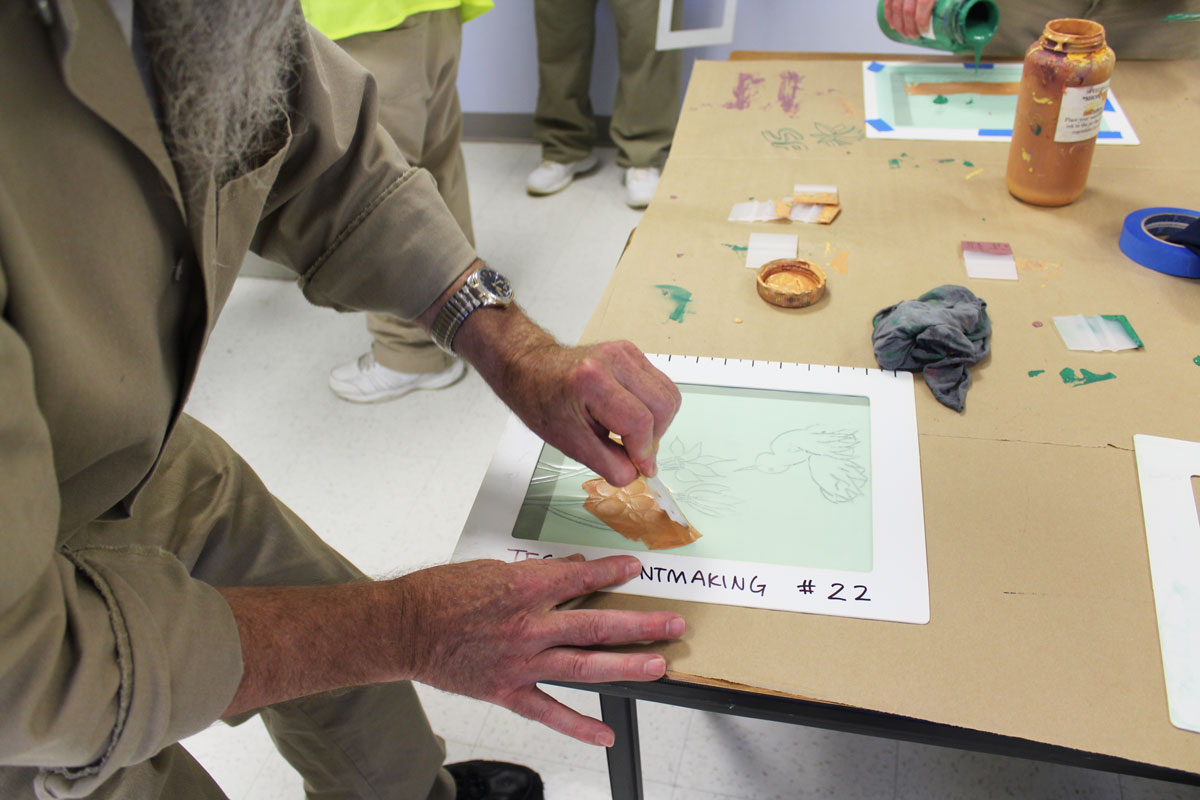
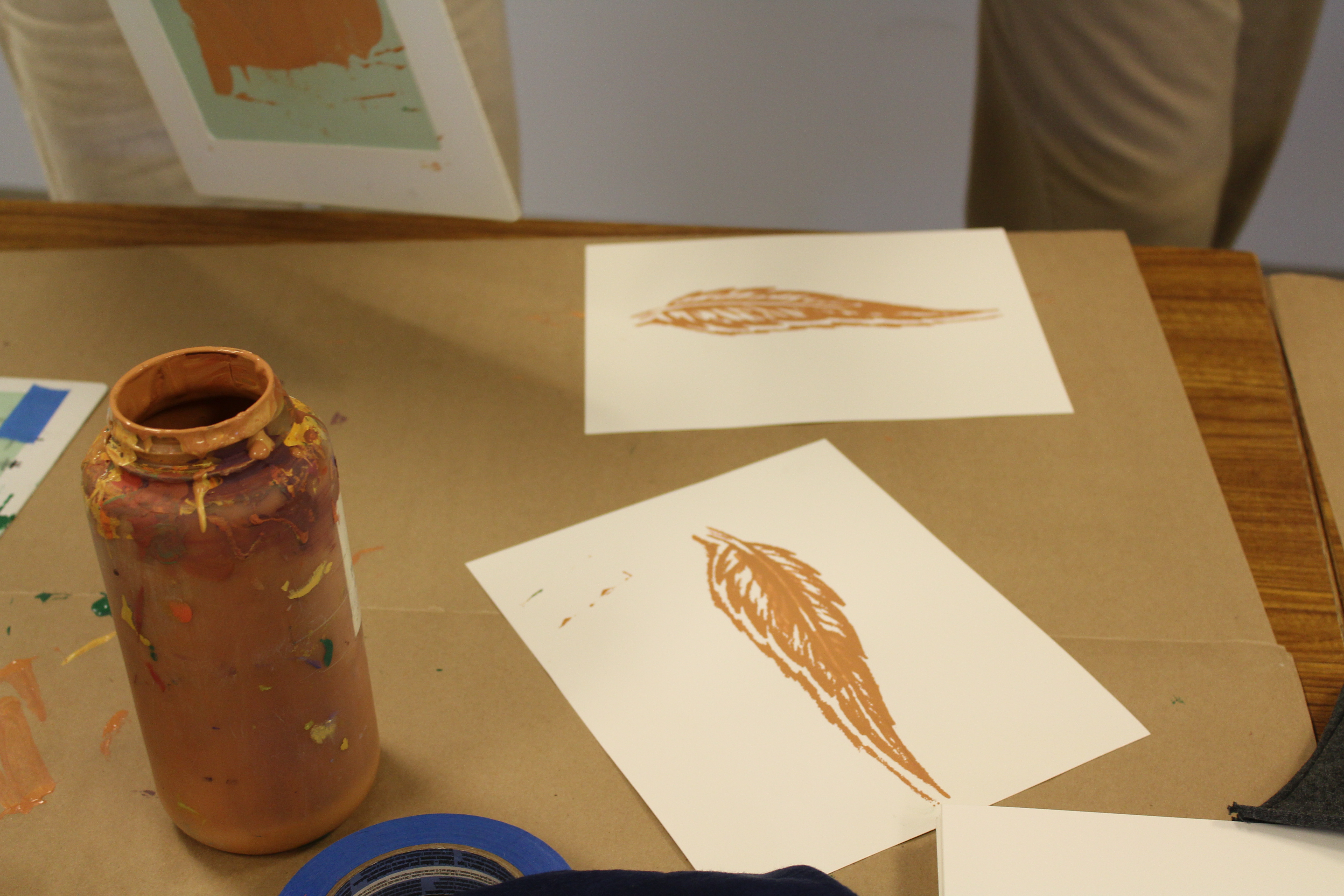
Once they had a drawing in hand, Emily put the drawing through a Thermo Fax Machine to create a “screen,” which each student ran ink through to create the final product. The image below illustrates this process, as one student uses a squeegee to push yellow-orange ink through his screen. For the first workshop, students were pressed for time, but almost everyone was able to complete a print before the session ended.   

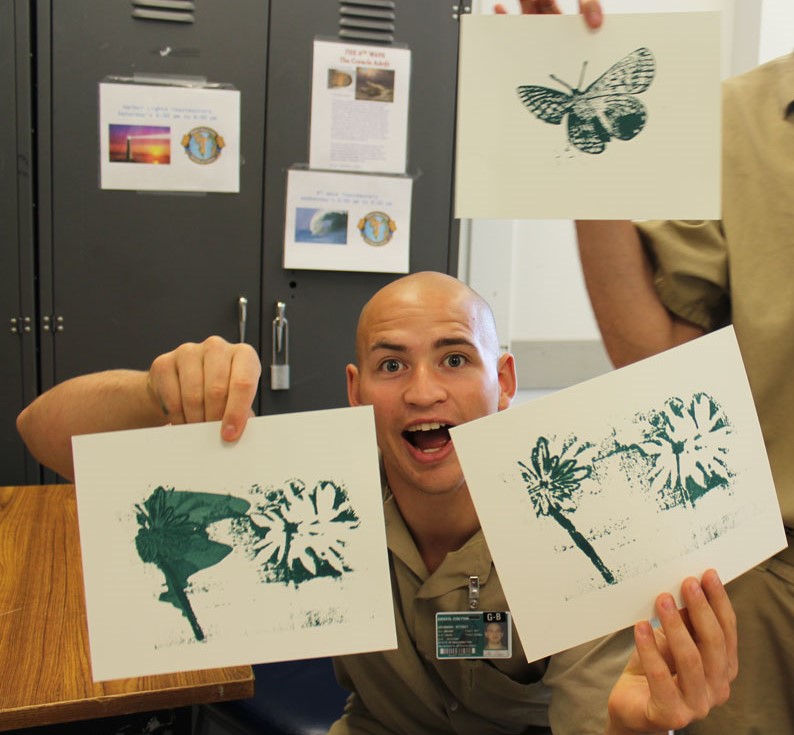
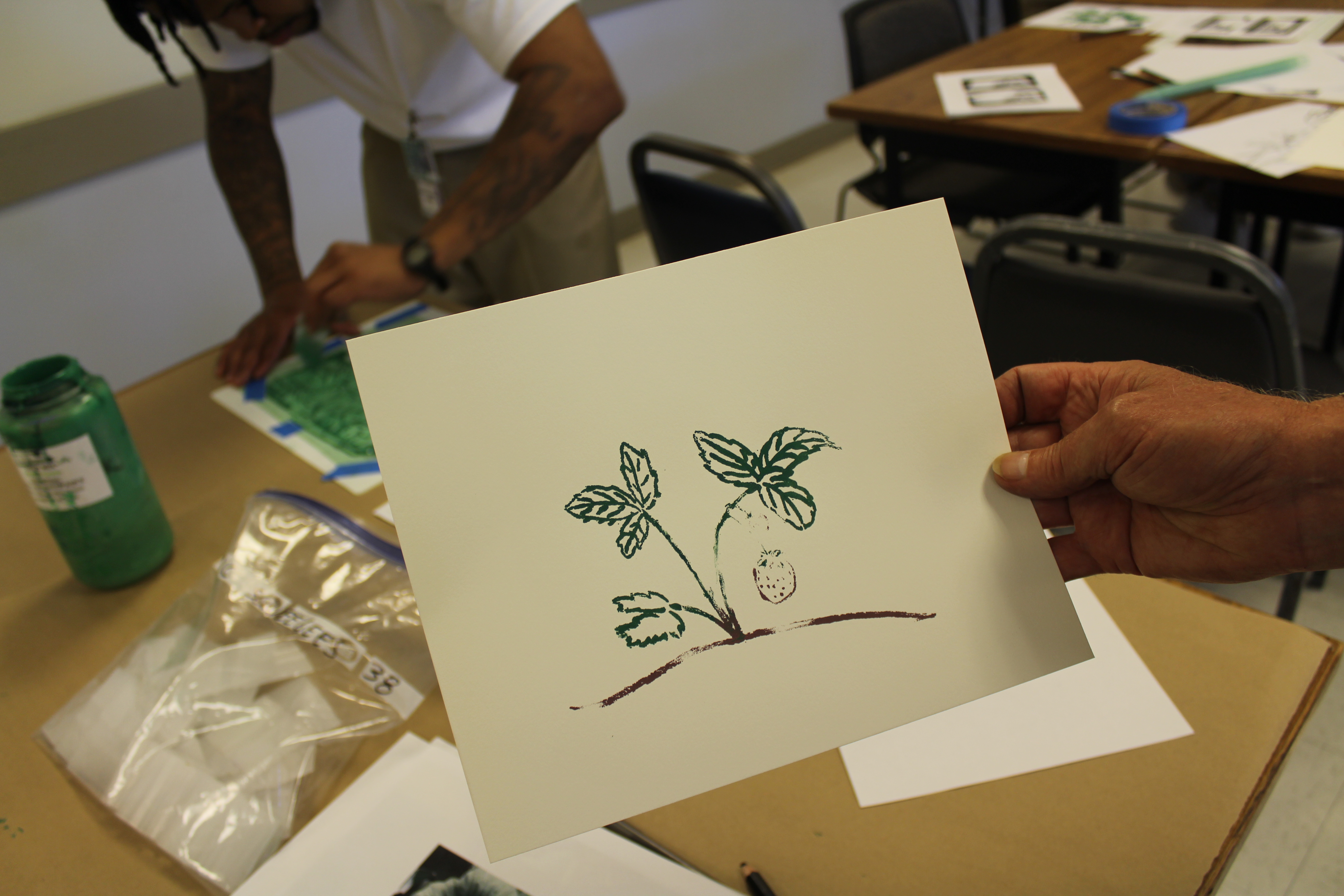
Emily and I worked through a few logistical challenges to make the second workshop an even greater success. Most of the students in the class were able to leave the workshop with two or more different prints. We hope you enjoy some of the great prints the students created, posted below.

Workshop student Colton Green happily shows off his first screen prints!

Text and photos by Erica Benoit, SPP Environmental Workshop Series Coordinator

Note: please be aware that at least one individual featured in this story and in these images has victims who are concerned about re-victimization; any sharing or promoting of images should keep that risk in mind.

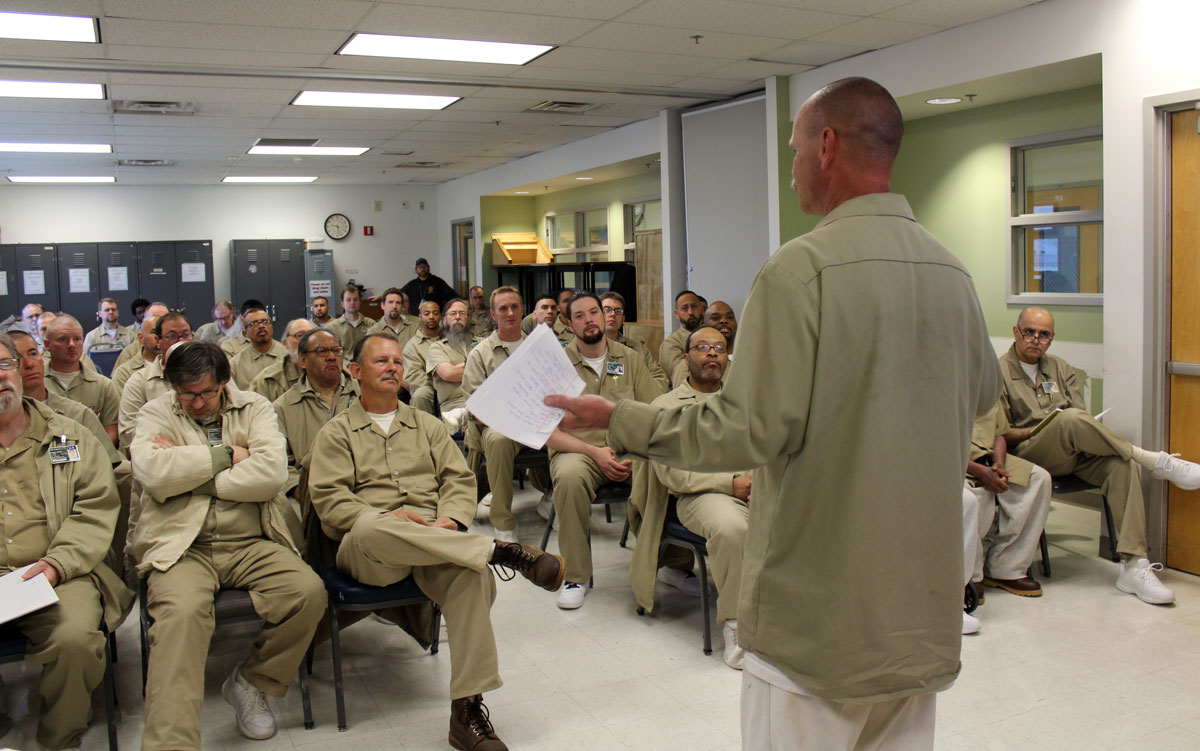
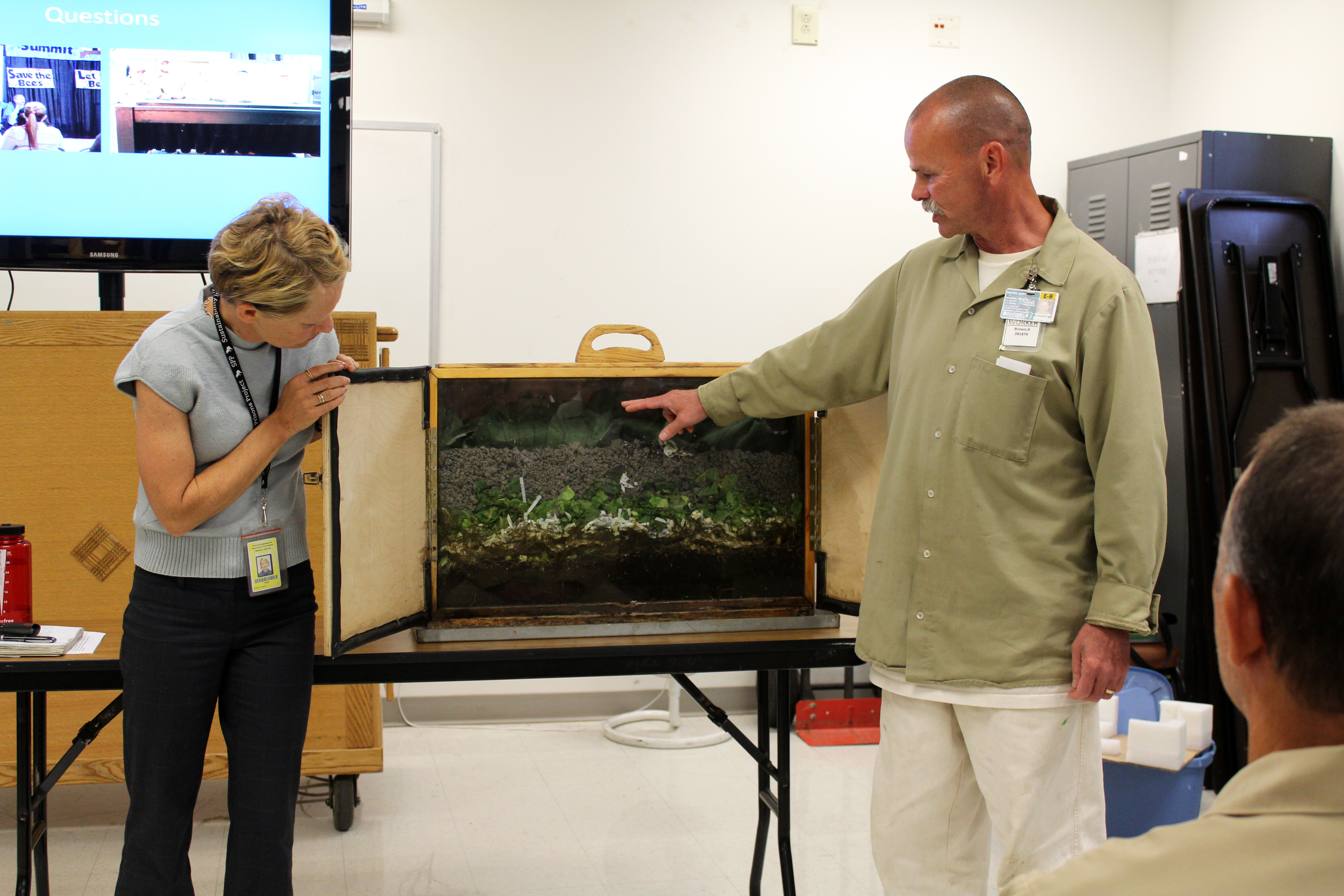
The composting program started by two incarcerated men at the Monroe Correctional Complex (MCC) has fascinated many visitors and sparked international interest. Workshop students at the Stafford Creek Corrections Center (SCCC) were no less eager to hear about this program directly from one of the founders: Rory Brown. Rory is currently incarcerated at SCCC, where he is a regular at the workshop series. In May, Rory got his first chance to stand up in front of the men he usually sits alongside. His compost program origin story was one of  determination and resourcefulness.

Rory recounted how he and his counterpart, Nick Hacheney, identified food waste as an issue at MCC. With staff support and no funding, they began to scrounge up discarded materials to create worm bins. After some trial and error, they were successful; from almost nothing, they created a system that limited the facility’s food waste. The program has continued to grow over the last 9 years and is now able to process 20,000 lbs. of food waste every month. 

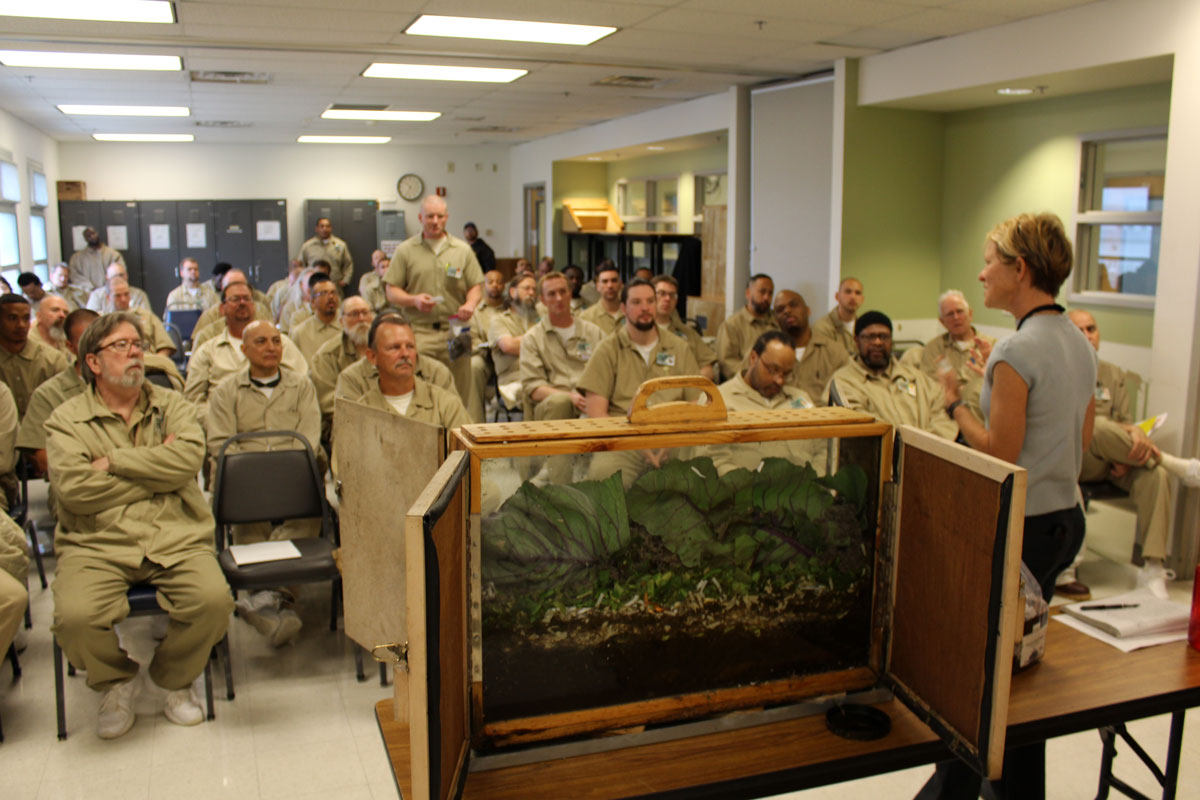
Along with his personal anecdotes, Rory brought an excellent demonstration that showed how worms break down organic materials and shredded paper to create high-quality fertilizer that can be used in gardens. He also passed around worm castings and the finished compost product for all students to examine.

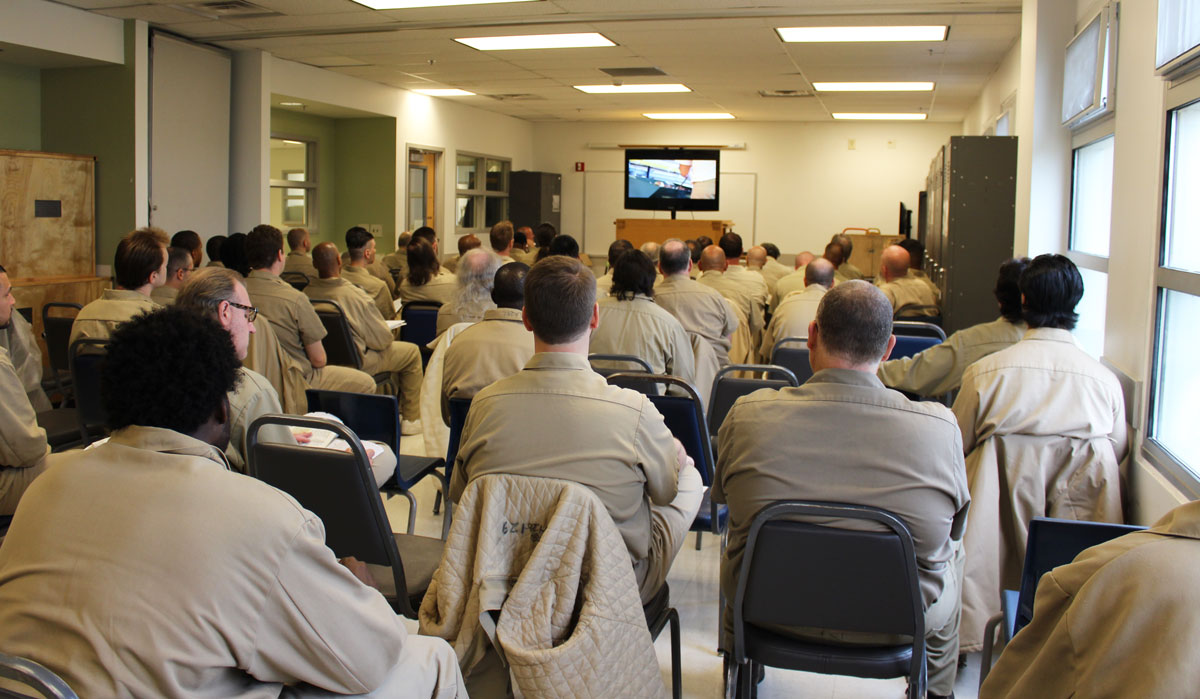
The session was co-presented by Joslyn Rose Trivett. She provided an overview of SPP’s three spheres of sustainability as well as updates on MCC’s composting program since Rory left the facility in 2014. The current compost technicians at MCC also made an appearance through a video filmed at the facility back in January. In it, they talked through the process of composting with worms, as well as their most recent endeavors with other kinds of bugs that process food waste: Bokashi and black soldier flies.

The workshop concluded with an inspiring TEDx Talk by Nick Hacheney. One workshop student enthusiastically told us that the video should be required viewing at all prisons; it demonstrates that incarcerated individuals have the power to create sustainability.

Text and photos by Erica Benoit, SPP Environmental Workshop Series Coordinator

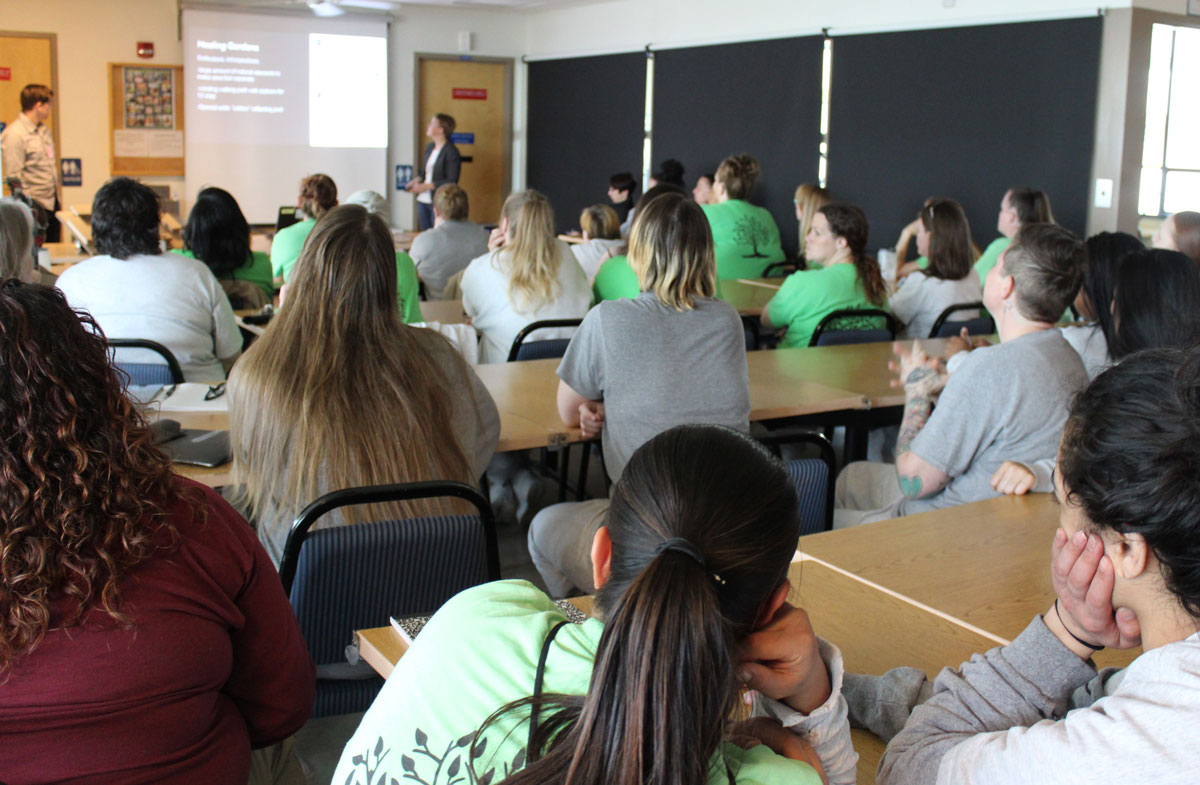
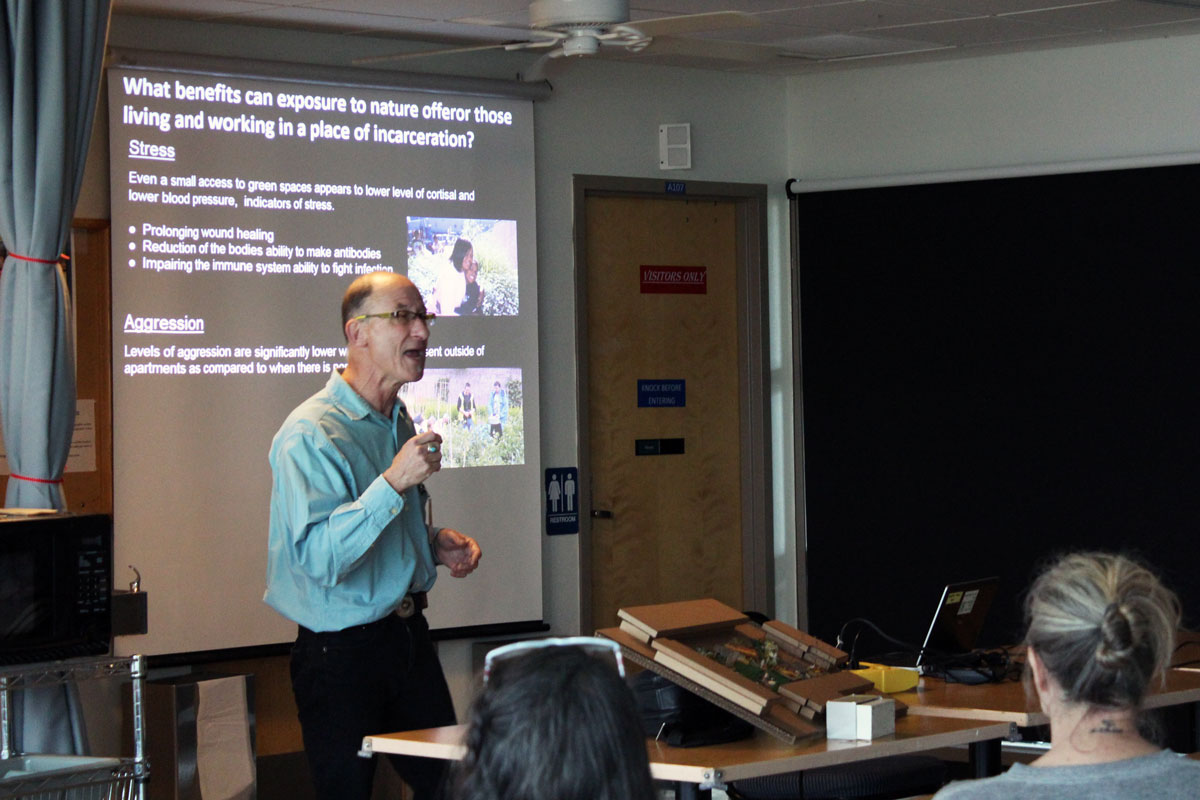
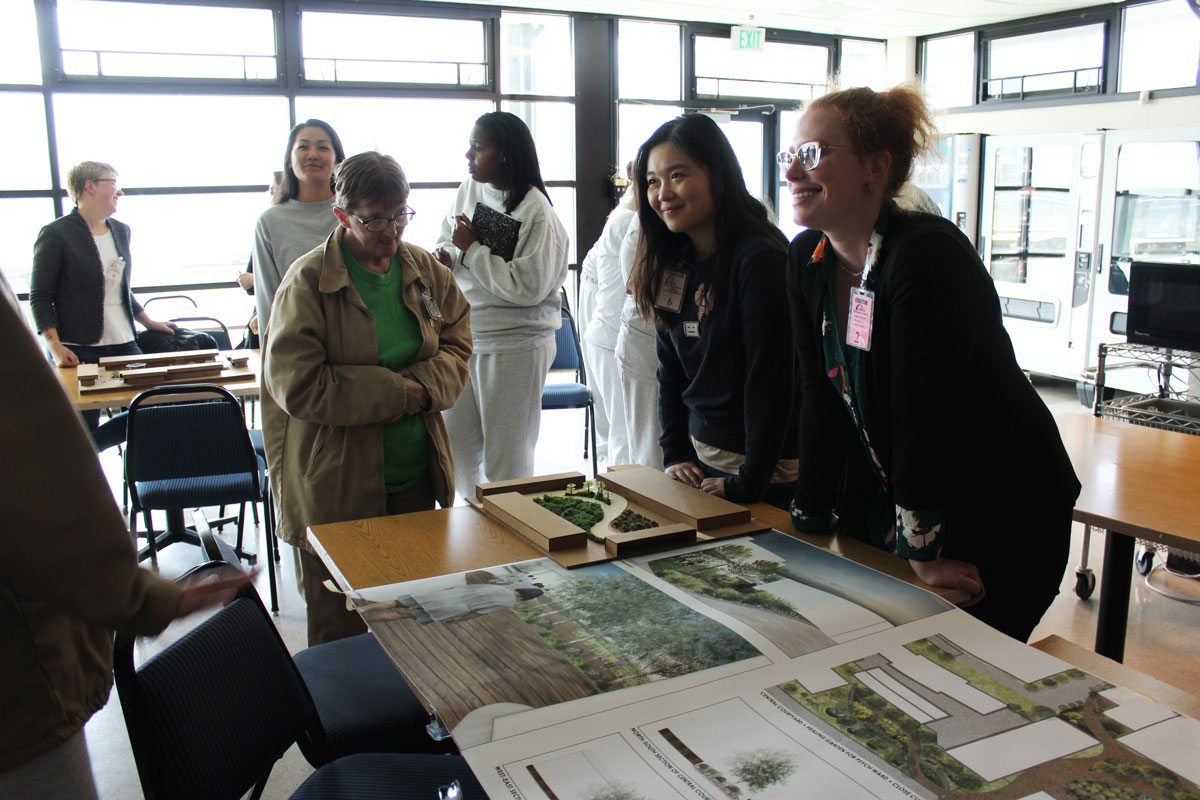
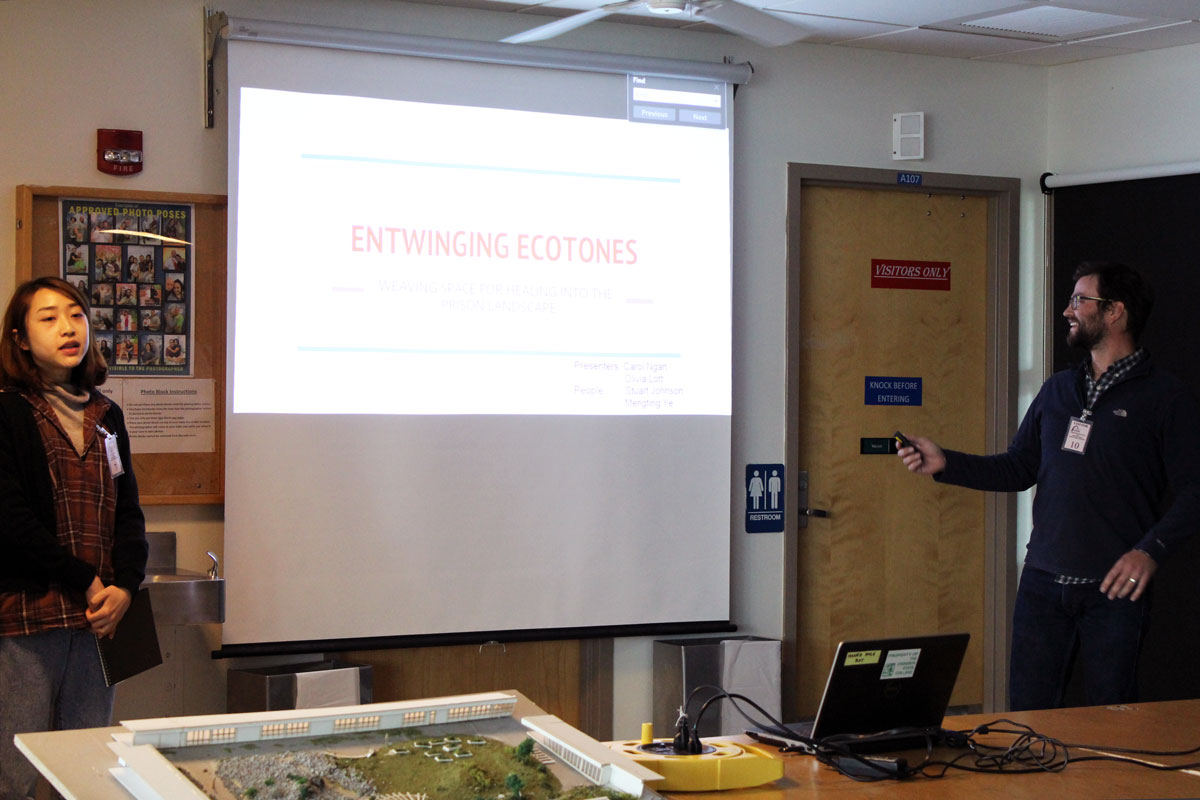
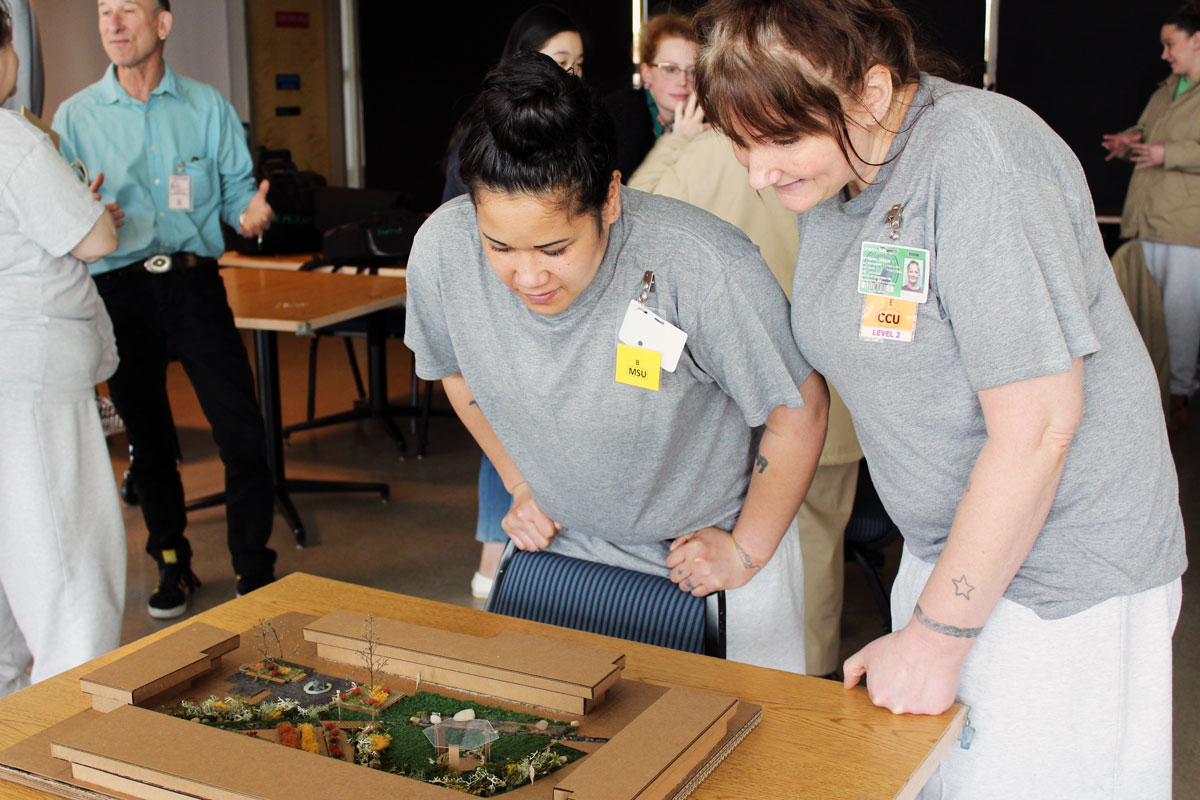
More than 70 students filled the workshop classroom at the Washington Corrections Center for Women (WCCW) in Gig Harbor to engage with Professor of Landscape Architecture Daniel Winterbottom and his students from the University of Washington (UW) College of Built Environments. The students enthusiastically presented six proposals for a re-envisioned prison landscape, one that offers many ecological, psychological and emotional wellness.

Professor Winterbottom first came to WCCW early in 2016, along with Dr. Barb Toews of UW-Tacoma. Both academics saw potential for building restorative landscapes at the prison, for the benefit of both incarcerated individuals and prison staff. They also found willing partners among WCCW’s leadership, particularly Associate Superintendent Felice Davis, Facilities Manager Rod Coberly, and Superintendent Jo Wofford. Even so, it took three years of persistence before Professor Winterbottom had the go-ahead to make the prison the topic of his Therapeutic Master Plan Studio class.
Last month, he and his students presented their recommendations to WCCW’s leadership, which were met with further support and enthusiasm. The next step was to get feedback from the incarcerated individuals, the folks who might be most affected by the potential project. Luckily, there was an opening in the workshop series calendar, creating the perfect opportunity to bring everyone together!

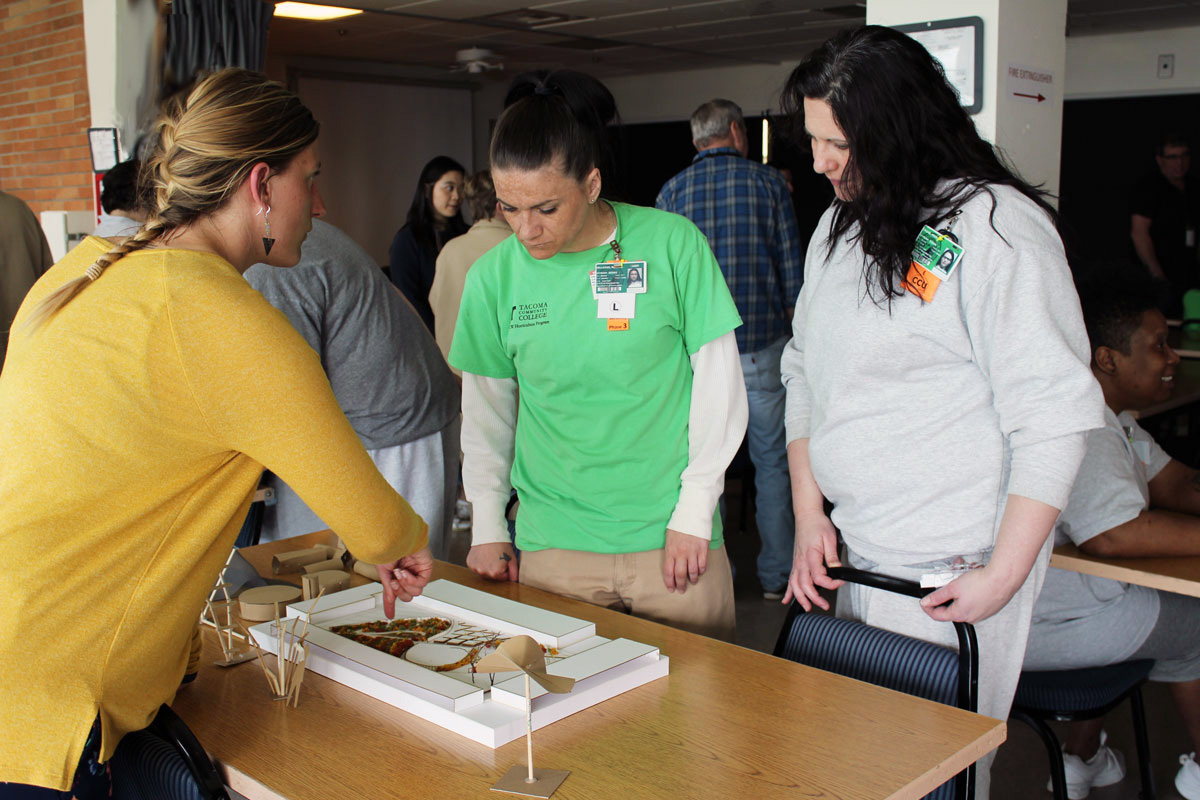
The student groups, with architecture models and posters in hand, presented projects focused on designing a nurturing and healing environment as an exercise of rethinking the landscape of incarceration.

They proposed creating places that stimulate the senses, and that offer both respite and engagement through the garden. Each proposal offered different approaches and methods, but all were intended to create a more humane place for both residents and staff.

Workshop students were especially respectful of the time and effort the UW students put into their projects, and their comments and questions reflected that appreciation.

Overall, workshop students were engaged and excited to hear about the potential to transform their built living environment.

Text and photos by Erica Benoit, SPP Environmental Workshop Series Coordinator

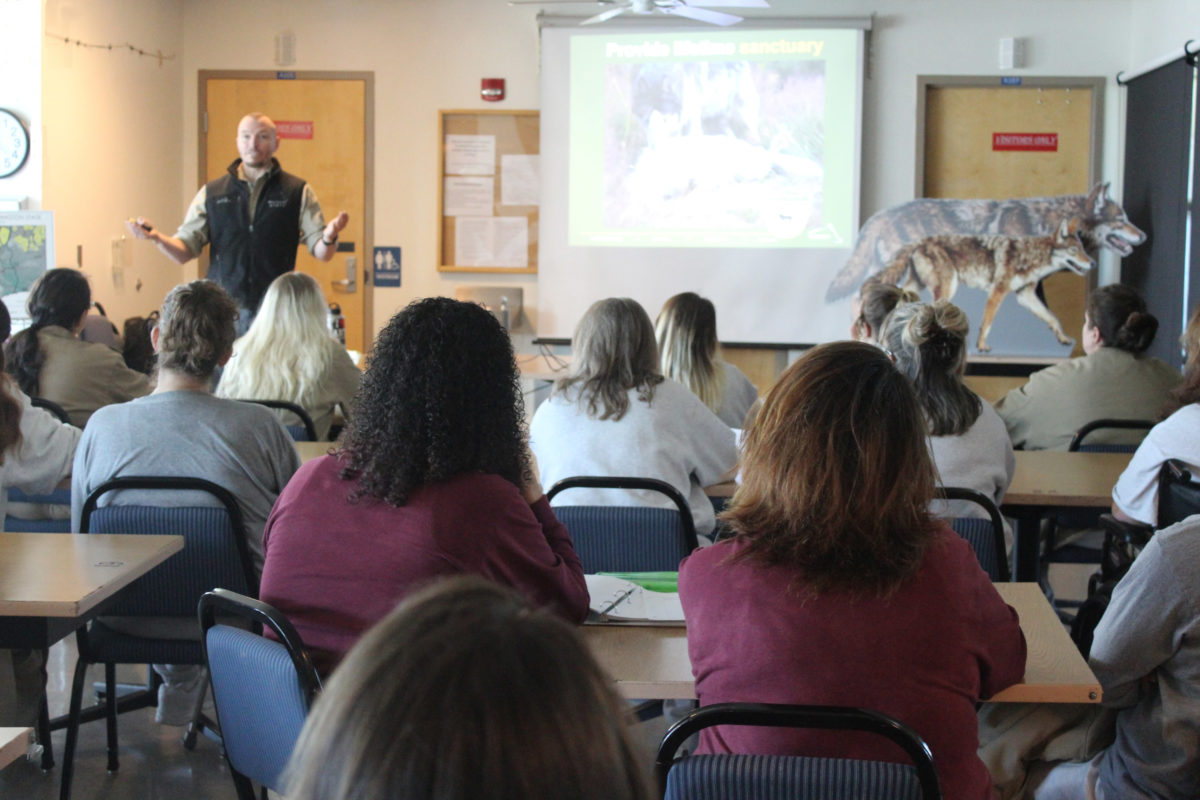
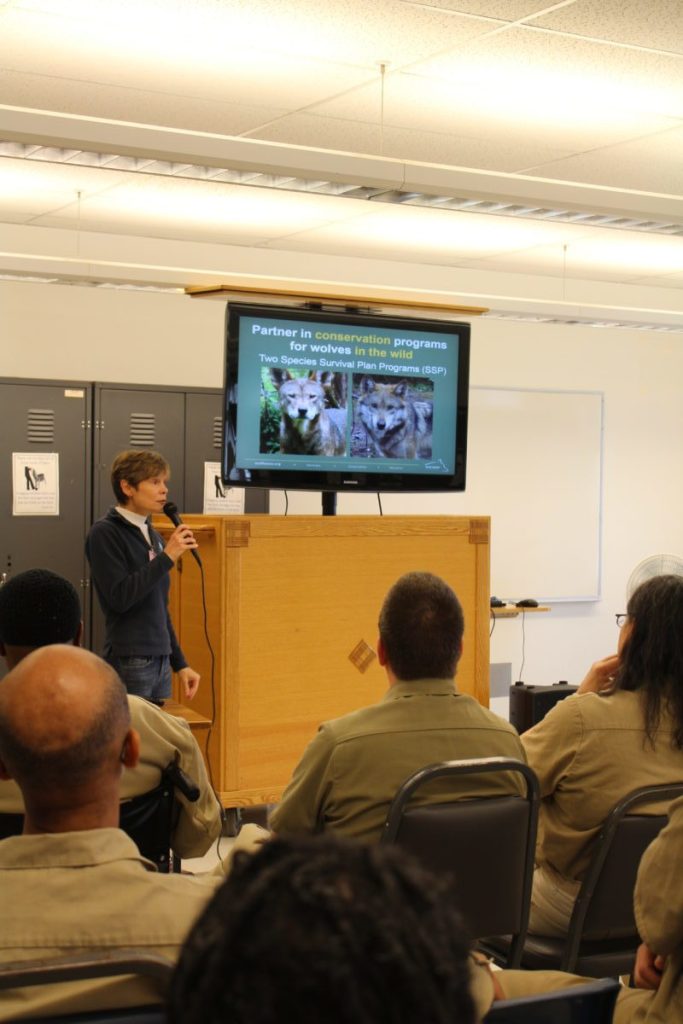
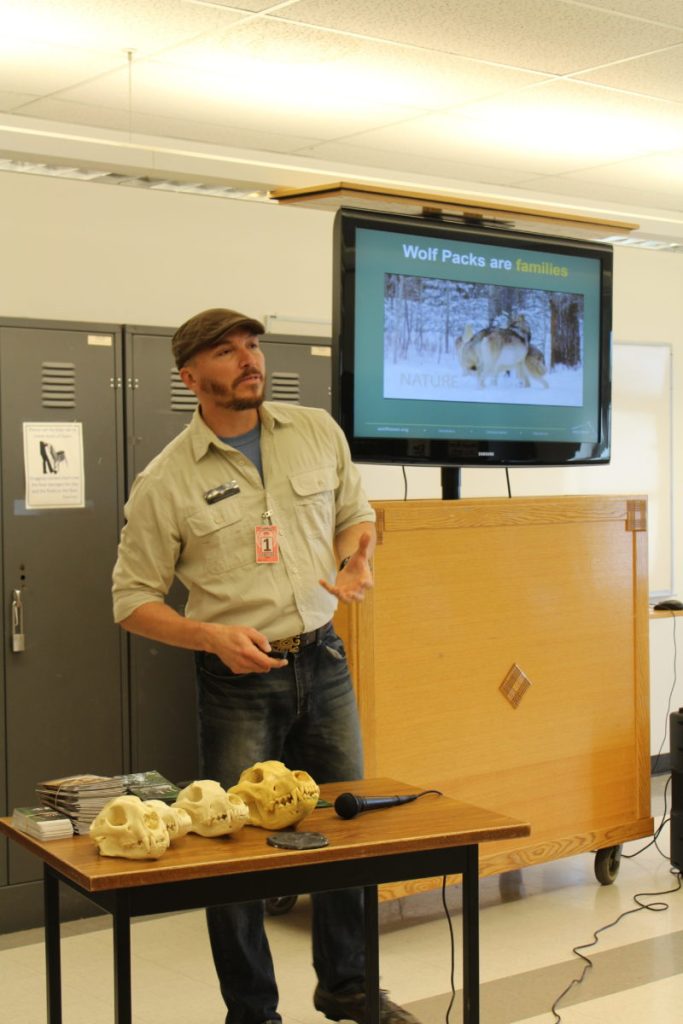
Over the last two months, representatives from Wolf Haven International, a frequent partner in the SPP Workshop Series, led workshops about wolves of Washington at both the Washington Corrections Center for Women (WCCW) in Gig Harbor and Stafford Creek Corrections Center (SCCC) in Aberdeen. Both workshops were well attended at both facilities, and students were fully engaged, thanks to the great presentation skills of Wolf Haven staff members Chris Montero and Cindy Irwin.

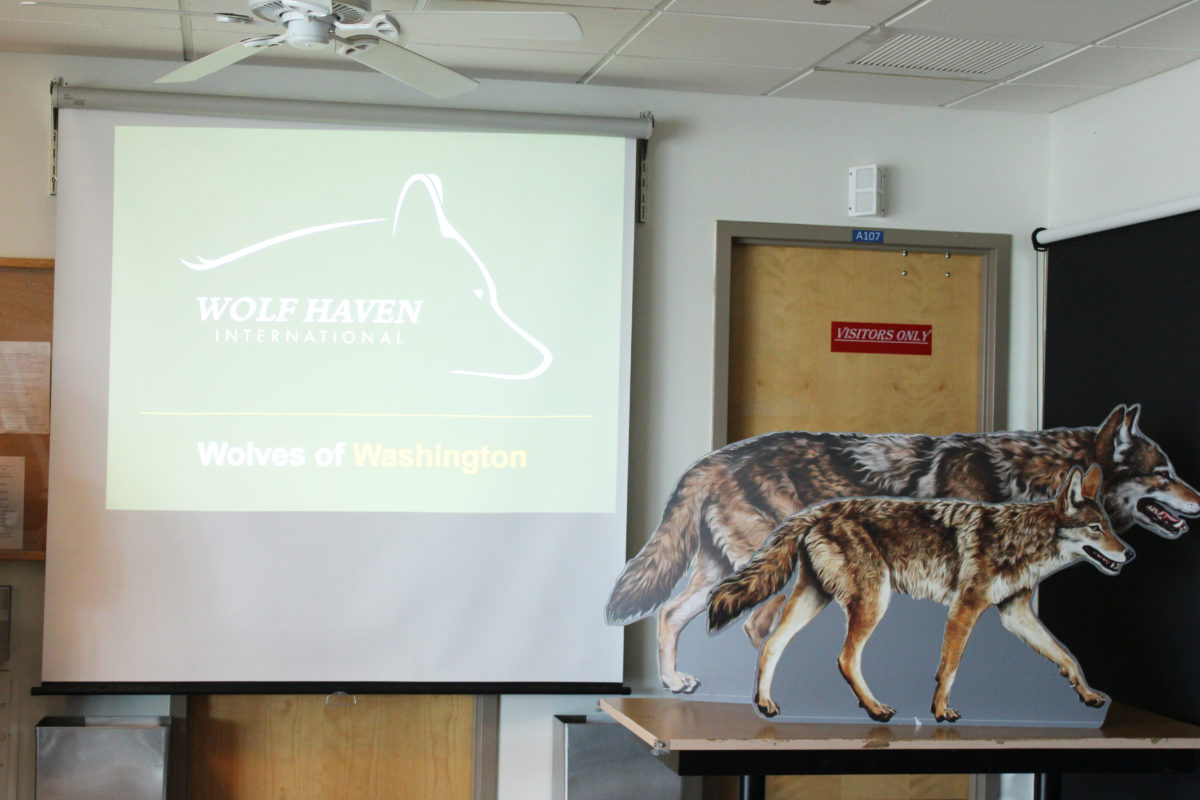
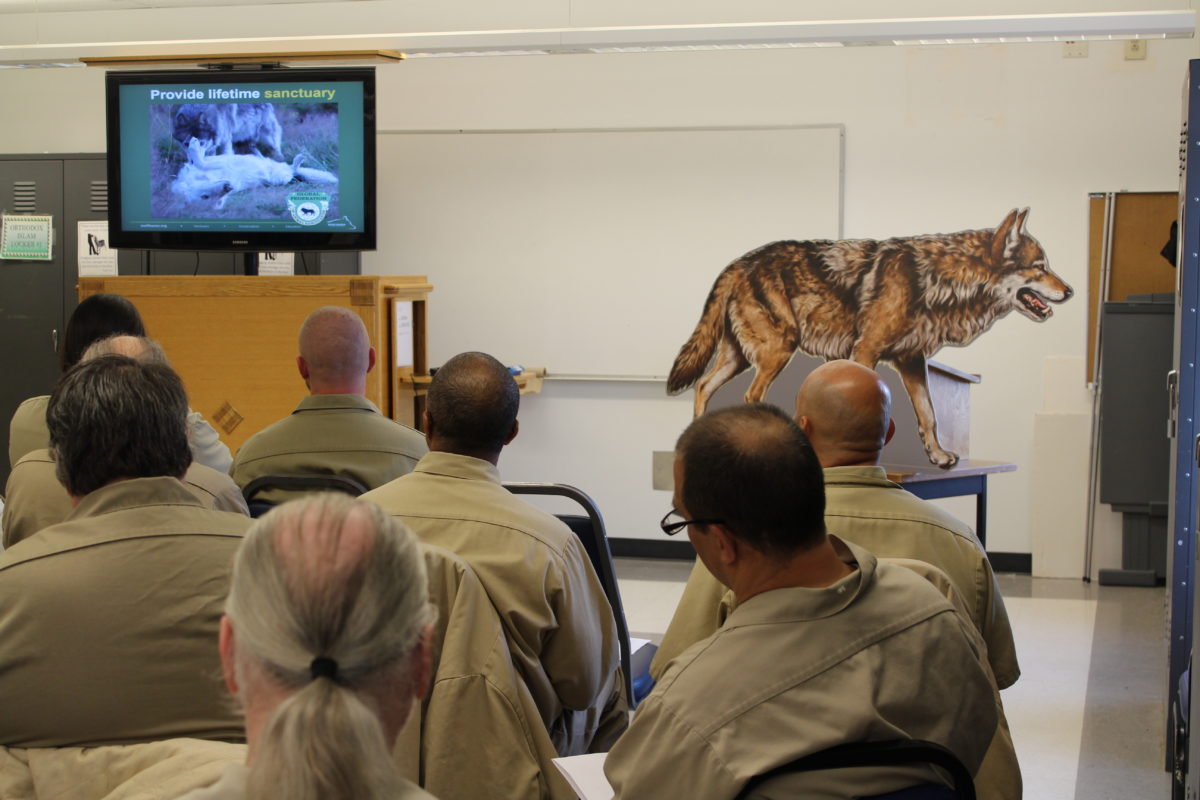
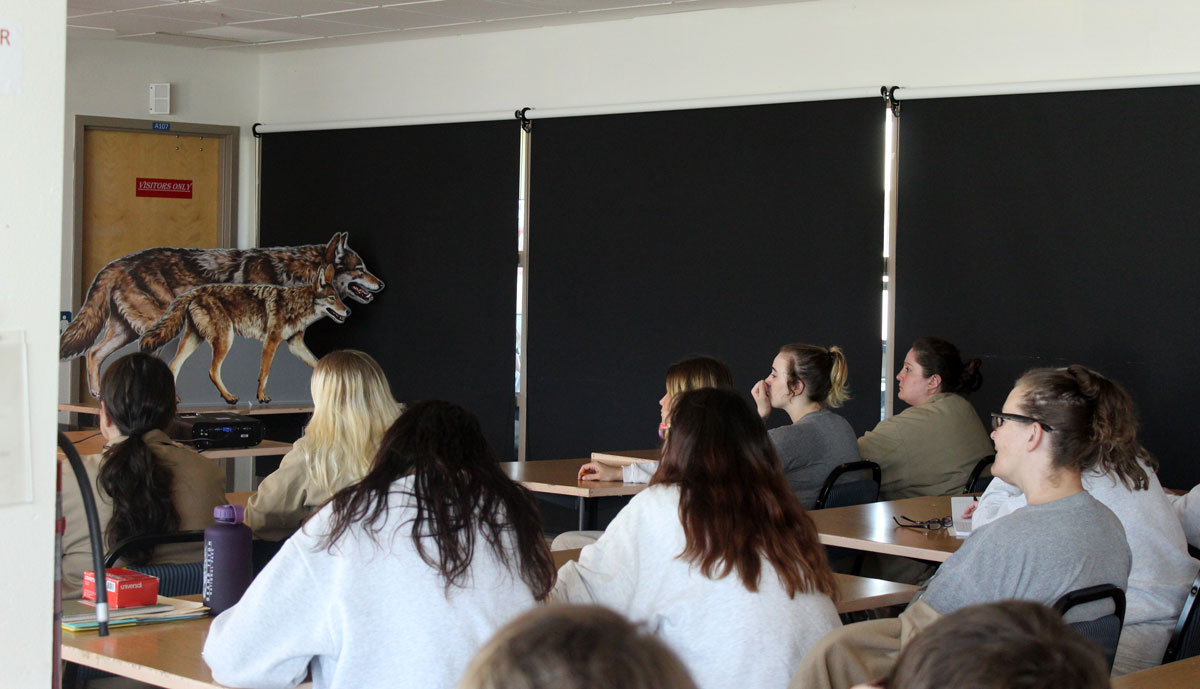
Their presentations touched on the ecological importance of wolves, behavior of wolves and their packs, historical and current conflict between humans and wolves, as well as recovery efforts to reestablish wolf populations in Washington. Chris and Cindy showcased compelling videos of the wolves residing at Wolf Haven’s sanctuary, life-size cutouts of a wolf and a coyote, skull replicas, and plenty of brochures and bookmarks for the students to take with them!

Wolves are commonly confused with coyotes, which are much less afraid of humans and are responsible for most of humans’ fear of wolves! These life-size cutouts were used to explain the difference coyotes and wolves.

Chris Montero, Outreach Coordinator at Wolf Haven, enthusiastically presented to students at WCCW on October 2nd, 2018. From his ability to connect with the students, you can tell he’s done this before!

Cindy Irwin, Wolf Haven’s Director of Education and Volunteer Services, joined Chris at the workshop at SCCC on November 15th, 2018.

Chris was especially knowledgeable about wolf behavior. One student at SCCC noted: “Very informative. I’m amazed by the behavioral similarities that wolves and humans share.”

Students at SCCC were excited to hear about the opportunity for public tours at the Wolf Haven sanctuary in Tenino, Washington.

Students at WCCW asked so many wonderful questions, and related what they were learning to their lives! One student shared in writing”: “Loved this lecture! I am from Rainier, which is right by Tenino, and have been by Wolf Haven many times. I am looking forward to actually visiting it – so fascinating!”

by Joslyn Rose Trivett, SPP Outreach and Education Manager, and Erin Lynam, SPP Workshop Series Coordinator

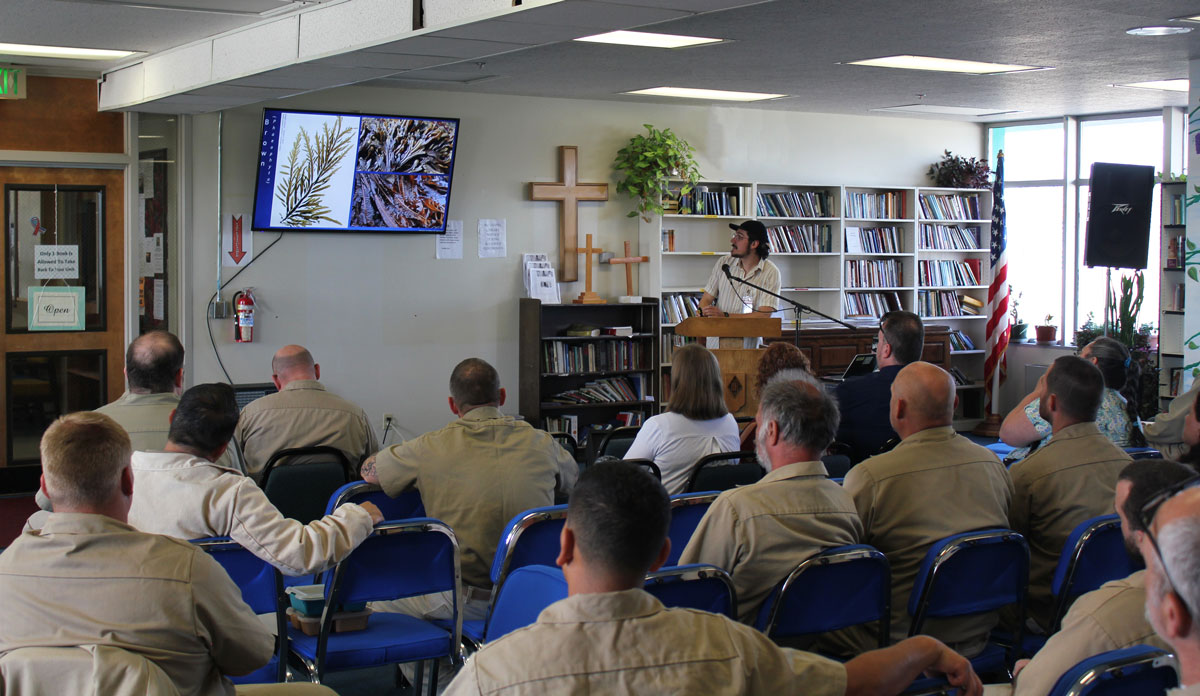
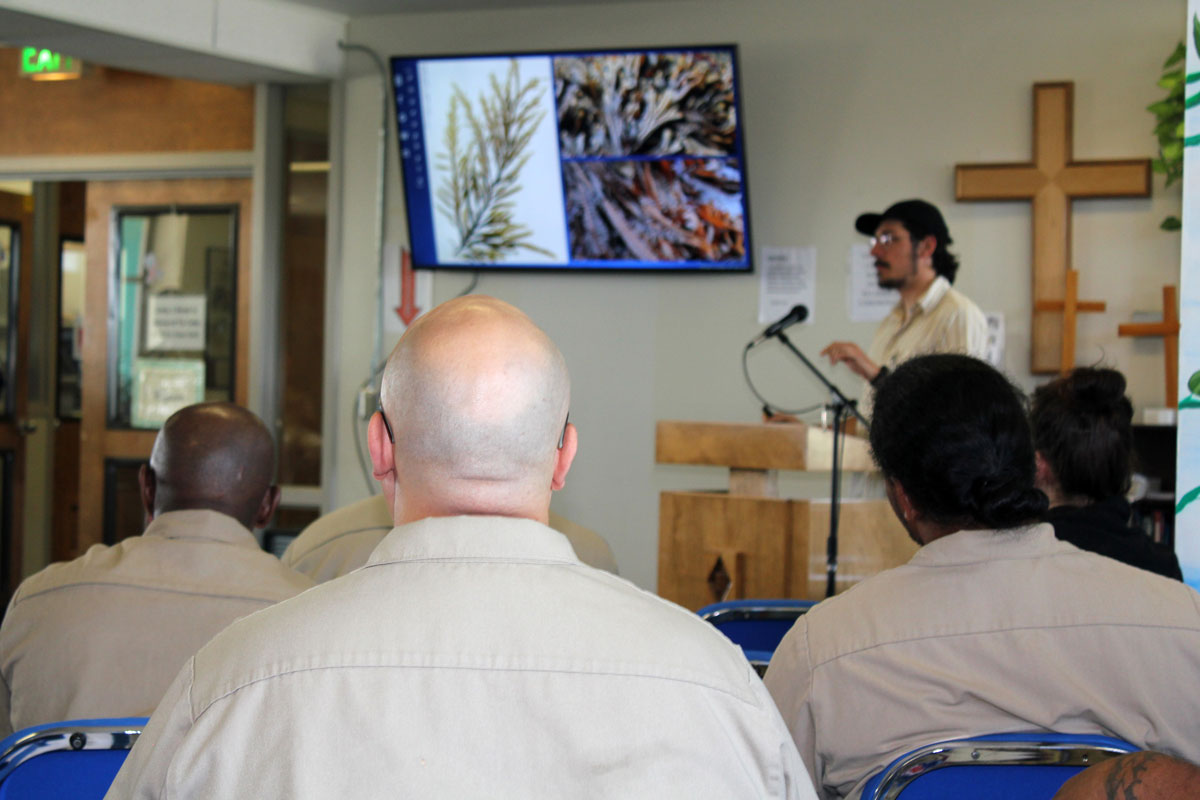
Max Calloway is a Master of Environmental Studies candidate at Evergreen. Here he describes different types of native kelp to incarcerated students and staff at Washington Corrections Center. Photo by Erin Lynam.

On April 23rd, Washington Corrections Center (WCC) hosted their first workshop of SPP’s Environmental Engagement Workshop Series. This is our second try expanding the program to Shelton, but we expect it to stick this time! Staff supporting the program at WCC and Evergreen know better how to make it work, and everybody is on board with making it so.

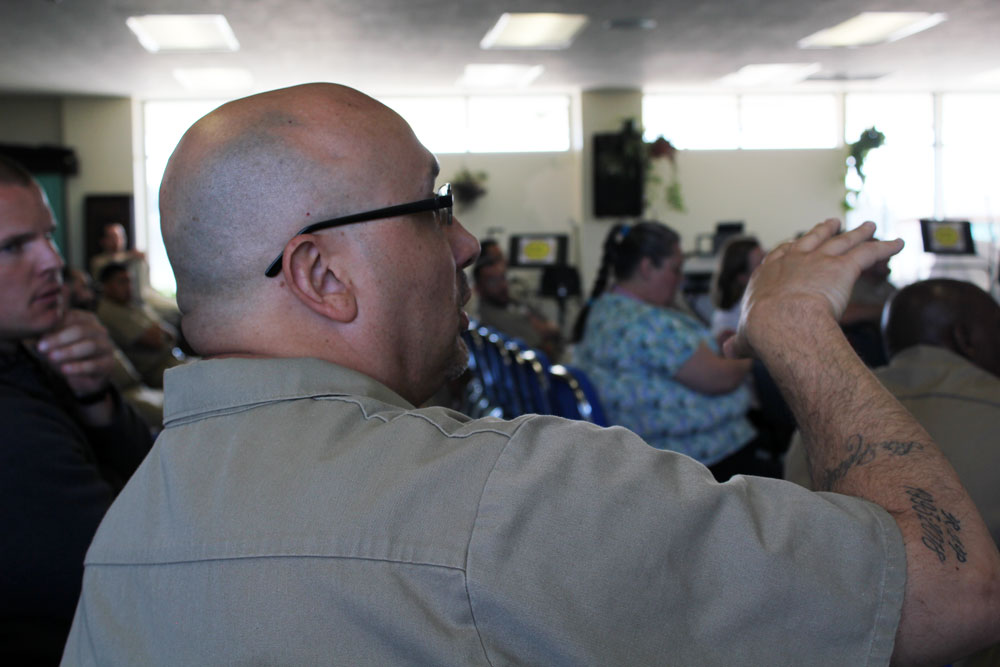
A student talks with Max about about what impact climate change has had on local kelp. Photo by Erin Lynam.

We were lucky to re-launch the series with a veteran presenter: Max Calloway studies kelp in the Salish Sea, and he is a compelling and accessible expert. WCC Superintendent Dan White said, “The presenter was EXCELLENT!  I learned some very interesting things today.”

The event was well-attended, with 27 incarcerated students and 14 corrections staff giving their attention to the topic. All present were fully engaged and the topic questions and discussions were lively and insightful.

We are grateful for Jeffry Sanders, Dean Mason, Jenn Bullard, and the Superintendent—they are great folks to work with. We know that their enthusiasm and dedication to programming will make this program an ongoing success.

Correction Specialist Jeff Sanders has only recently taken on the role of overseeing sustainability programs for the institution, and he is off to a promising start. He left the workshop with, “Thanks for all that came, and we look forward to next months’ workshop!”


Recent Posts

  • Hands that Heal: Incarcerated Technicians Powering TCB Restoration
  • Beekeeping with Norway
  • Taylor’s Checkerspot Post-Diapause Release 2025
  • How trees connect nature and people: Workshop at Stafford Creek with Nalini Nadkarni
  • 2025-2026 Treatment Turtles Have a New Routine

Recent Comments

  1. Robin on Beekeeping with Norway
  2. Best Roblox executor on Susan Christopher reflects on her experience raising endangered butterflies in prison
  3. Oliver on The Healing Garden
  4. Jeremy Walsh on Susan Christopher reflects on her experience raising endangered butterflies in prison
  5. Hmate on Beekeeping with Norway

Archives

  • July 2026
  • March 2026
  • October 2025
  • July 2025
  • June 2025
  • May 2025
  • April 2025
  • March 2025
  • February 2025
  • January 2025
  • December 2024
  • October 2024
  • September 2024
  • January 2023
  • December 2022
  • September 2022
  • August 2022
  • June 2022
  • February 2022
  • December 2021
  • October 2021
  • September 2021
  • June 2021
  • April 2021
  • February 2021
  • September 2020
  • May 2020
  • April 2020
  • March 2020
  • February 2020
  • January 2020
  • December 2019
  • November 2019
  • October 2019
  • September 2019
  • August 2019
  • July 2019
  • June 2019
  • May 2019
  • April 2019
  • March 2019
  • February 2019
  • January 2019
  • December 2018
  • November 2018
  • October 2018
  • September 2018
  • August 2018
  • July 2018
  • June 2018
  • May 2018
  • April 2018
  • March 2018
  • February 2018
  • January 2018
  • December 2017
  • November 2017
  • October 2017
  • September 2017
  • August 2017
  • July 2017
  • June 2017
  • May 2017
  • April 2017
  • March 2017
  • February 2017
  • January 2017
  • December 2016
  • November 2016
  • October 2016
  • September 2016
  • August 2016
  • July 2016
  • June 2016
  • May 2016
  • April 2016
  • March 2016
  • February 2016
  • January 2016
  • November 2015
  • October 2015
  • September 2015
  • August 2015
  • July 2015
  • June 2015
  • May 2015
  • April 2015
  • March 2015
  • February 2015
  • January 2015
  • December 2014
  • November 2014
  • October 2014
  • September 2014
  • August 2014
  • July 2014
  • June 2014
  • May 2014
  • March 2014
  • February 2014
  • January 2014
  • December 2013
  • November 2013
  • October 2013
  • September 2013
  • August 2013
  • July 2013
  • June 2013
  • May 2013
  • April 2013
  • March 2013
  • February 2013
  • January 2013
  • December 2012
  • November 2012
  • October 2012
  • September 2012
  • August 2012
  • July 2012
  • June 2012
  • May 2012
  • April 2012
  • March 2012
  • February 2012
  • January 2012
  • December 2011
  • November 2011
  • October 2011
  • September 2011
  • August 2011
  • July 2011
  • June 2011
  • April 2011
  • March 2011
  • February 2011
  • January 2011
  • December 2010
  • November 2010
  • October 2010
  • September 2010
  • August 2010
  • July 2010
  • June 2010
  • April 2010
  • November 2009
  • September 2009
  • August 2009
  • July 2009

Categories

  • Biology
  • Budget
  • collaboration
  • Community Contributions
  • Community Organizations
  • Ecological Conservation Programs
  • Ecological Research
  • Ecological Restoration
  • Education
  • Environmental Justice
  • Evaluation
  • Fund Raising
  • Gardens
  • Health
  • Incarcerated Voices
  • Inmate Voices
  • International programs
  • Nature inside
  • Outreach
  • Partners
  • Prison Life
  • Reentry
  • Replication of the model
  • Roots of Success
  • Science
  • SPP Network
  • Sustainable Operations
  • Test
  • Tours
  • Uncategorized
  • Workshop Series

Join Our Newsletter

A lot of exciting things are happening, subscribe to our newsletter to find out more.

    QUICK LINKS

    • About SPP
    • Blogs
    • Contact Us
    • SPP Network

    PROGRAMS

    • Environmental Education
    • Ecological Conservation
    • Sustainable Operations
    • Community Contributions
    • Restorative Nature

    PEOPLE AND PARTNERS

    • SPP Staff
    • incarcerated Partners
    • SPP Past
    • Funding
    • What SPP is and isn’t

    RESOURCES

    • SPP Publications
    • Allied Organizations
    • SPP Results
    • SPP Families

    PRESS & GALLERIES

    • Press & Media Room
    • Press Archive
    • Blogs
    • Video Gallery
    • Awards

    VISION: In response to the dual crises of ecological degradation and mass incarceration, we aim to reduce recidivism while improving human well-being and ecosystem health, Read More

    A partnership founded by


    A partnership of The Evergreen State College and Washington State Department of Corrections. Copyright 2026 | Privacy | Terms

    Designed & Developed by Agency Partner Interactive

    Book a Mirror

    Error: Contact form not found.