By Desiree Whittenberg, SPP Environmental Education Development and Outreach Coordinator
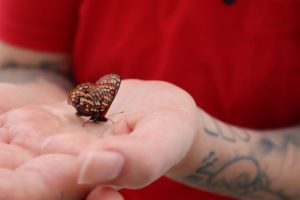
Adult TCB in the hands of a technician at MCCCW. Photo by Desiree Whittenberg.


I recently traveled to Mission Creek Correctional Facility for Women (MCCCW), a Washington Department of Corrections (WA DOC) facility that has been closed since September 2025. For over 14 years before closing, MCCCW played a crucial role in native prairie habitat restoration and species recovery through SPP’s Taylor’s Checkerspot Butterfly Program. This program is an ongoing collaboration between SPP, Department of Corrections, and Washington Department of Fish & Wildlife (WDFW) to restore the population of this keystone species, which contributes to the overall health of Washington State prairies.  The health of prairie ecosystems and the future of the Taylor Checkerspot Butterfly (TCB) are closely connected, with each relying on the other for survival. Prairies supply the essential ingredients butterflies need, like specific host plants for their larvae, nectar for adults, and the right seasonal patterns to guide their life cycle. In turn, the butterfly plays a role in supporting pollination, contributing to food webs, and reflecting the overall condition of the ecosystem. Because prairie habitats are so limited and vulnerable, declines in the TCB often point to deeper environmental challenges, such as reduced plant diversity or shifts in climate timing. Protecting this butterfly, therefore, goes hand in hand with restoring prairie landscapes, helping to rebuild resilient ecosystems that support a wide range of species while maintaining important environmental functions.

When MCCCW closed its doors in September 2025, the incarcerated women were transferred to Washington Corrections Center for Women (WCCW). The federally endangered butterfly larvae, who were peacefully unaware of their looming migration, remained at MCCCW and rested in diapause. For three months, SPP made special trips to MCCCW to check on the larvae as they overwintered by providing food, checking environmental conditions, and tucking the larvae back in if/when they stirred too much. In December 2025, the larvae took the same 40-mile car ride their incarcerated caretakers had just a few short months before. Reunited at WCCW, technicians worked hard to ensure the larvae remained healthy through diapause until Wake Up in February 2026. From then until March, larvae were provided daily care at WCCW until all larvae were released back into the wild. This moment marked the completion of the first steps in plans that had been hatched by partner organizations when they learned about the impending closure of MCCCW.
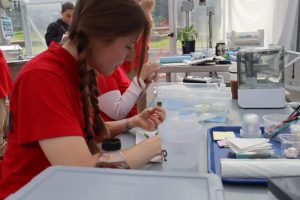
 

TCB Technician counts eggs laid by adult butterflies on the leaves of Plantago lanceolata, also known as narrowleaf or English plantain. Photo by Desiree Whittenberg.

Starting late 2024, SPP worked tirelessly with partners from WDFW, the US Department of Fish and Wildlife, MCCCW staff and leadership, WA DOC leadership, incarcerated technicians, and many other entities to determine the best course of action to relocate the TCB program from MCCCW to WCCW while keeping the program active and functioning. Knowing that proper rearing facilities would not be quite ready for the emerging butterflies in early spring, this collaboration had to devise a plan that worked for all parties involved. In 2025, DOC leadership and staff, TCB Technicians, and SPP crafted a plan to continue utilizing existing greenhouse infrastructure at MCCCW. In April 2026, WCCW transported technicians to their temporary job site at MCCCW to care for, measure, and monitor wild-caught adult butterflies. Technicians also needed to care for eggs being laid by the adults (as seen in the photo below) through development until they once again enter diapause and are transported back to WCCW, where they will overwinter until they too will emerge in the early months of 2027, this time in their brand-new lab at WCCW.
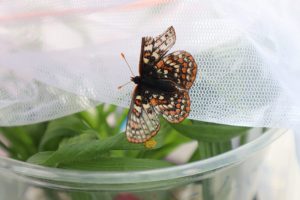
Adult TCB boasts the fruit of her labor, future TCB generations on English plantain leaf under her left wing. Photo by Desiree Whittenberg.

While speaking with the technicians, it was clear that they were not only passionate about their jobs but also deeply connected to the experiences of the butterflies in their care.

“We are so similar. We are both in captivity, you know? We’re both trying to recover and grow against the odds. At first, I just thought this job would be nice because the pay was better than our other options. I didn’t expect it to have such an impact on my overall well-being. We don’t really get that too much in here.”

I heard this sentiment echoed by several voices that day in the greenhouses, each expressing a mix of gratitude, reflection, and honesty. For some, the reality that not every butterfly will get to thrive outside of locked-up spaces felt personal. And yet, there was also a quiet sense of purpose, an understanding that every individual, whether released or not, contributes to something larger. In caring for these fragile species, the technicians are not only supporting the recovery of a federally endangered butterfly but also participating in the restoration of an entire ecosystem, leaving a lasting impact that extends far beyond the walls they work within.
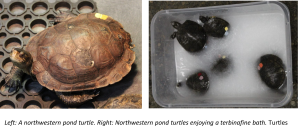
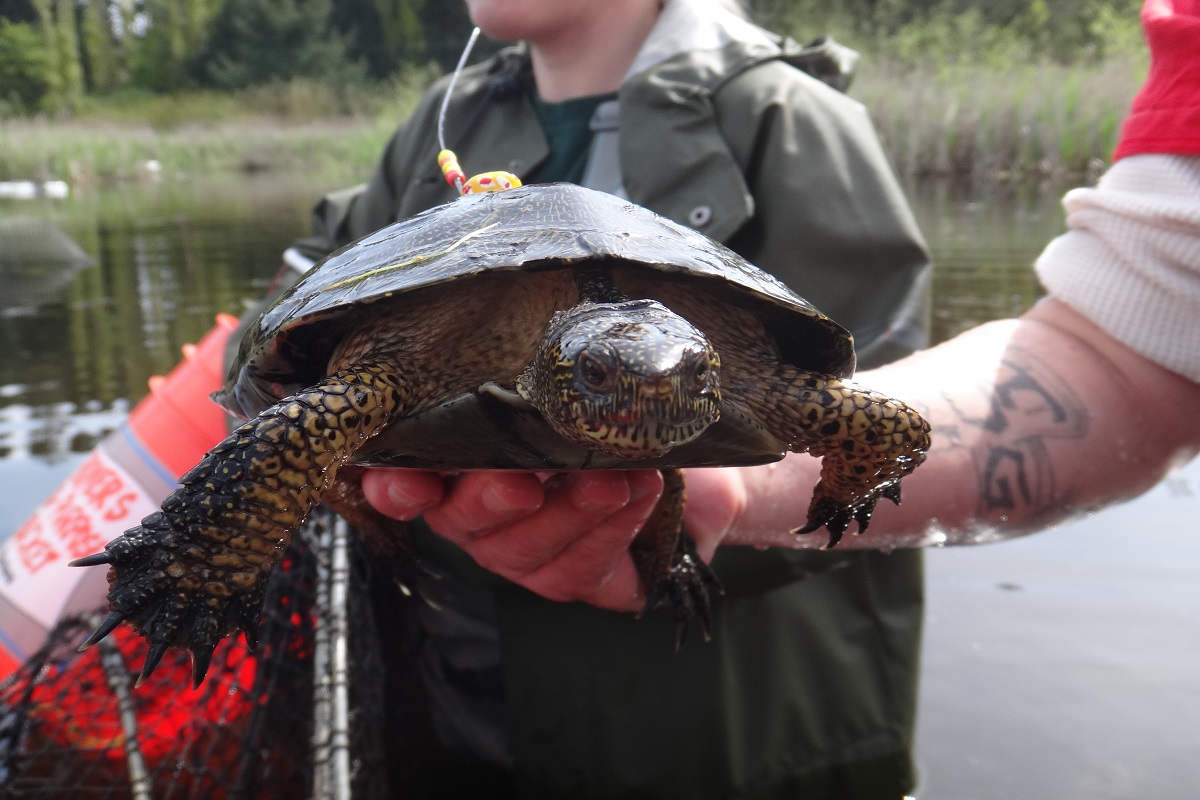
This season, the northwestern pond turtles (NWPT) in post treatment care at Cedar Creek Correction Center (CCCC) have a new routine: bath time. Turtles housed at CCCC are trapped by biologists from The Washington Department of Fish and Wildlife (WDFW) as part of a monitoring and rehabilitation effort focused on combatting a fungal-associated shell disease. This shell disease is thought to be caused by a keratin eating fungus known as Emydomyces testavorans that infect the NWPTs and create lesions and pitting on their shells. These lesions make parts of their normally hard shells soft and, if left untreated, can pose serious health risks.

SPP is partnering with WDFW to pilot a less invasive treatment option for these turtles. Based on research from the University of Illinois Wildlife Epidemiology Lab, SPP is administering an anti-fungal treatment bath for the turtles. Three times a week turtles soak for 30 minutes in a terbinafine and water solution to coat them in the medicine, in hopes of clearing them of the fungal pathogen.

This season there are 10 sub-adult turtles and 12 adult turtles in care at Cedar Creek, all of which have tested positive for E. testavorens. The 10 sub-adult turtles came to CCCC in August of 2025 and have been taking baths 3 times a week since. These sub-adults are also being periodically tested for E. testavorens, to assess the effectiveness of the terbinafine bath treatment. In addition to taking terbinafine baths 3 times a week, the 12 adult turtles also received treatments similar to past years with surgical removal of portions of the shell most severely impacted by the shell disease. This treatment took place at the Progressive Animal Welfare Society (PAWS) in the fall and winter. In February, the first round of adult turtles were transferred to Cedar Creek Correction Center for long term care prior to their release back to their native ponds in the spring.

As in past seasons, the technicians caring for the turtles work diligently to ensure environmental conditions are stable in the program area along with ensuring daily feeding and tank cleanings are performed by protocol standards. With the addition of the terbinafine treatment, the technicians are now also administering the baths to the turtles, which gave the technicians the opportunity to learn and implement new care protocols. In addition to the hands-on turtle care, northwestern pond turtle rehabilitation technicians receive education on wetland ecology, turtle biology, and animal husbandry. A total of 10 credits are offered by The Evergreen State College for technicians who complete the educational portfolio.

Thank you to all the partners and technicians for making this work possible!

By William Angelmyer, former SPP Turtle Technician and current student at The Evergreen State College. Photos by SPP staff unless otherwise noted.

Bill worked as a Turtle Technician for SPP from 2015-2018 and is now completing his undergraduate degree at The Evergreen State College. Note that some of the turtle care protocols referenced in this blog have changed since Bill left the program.

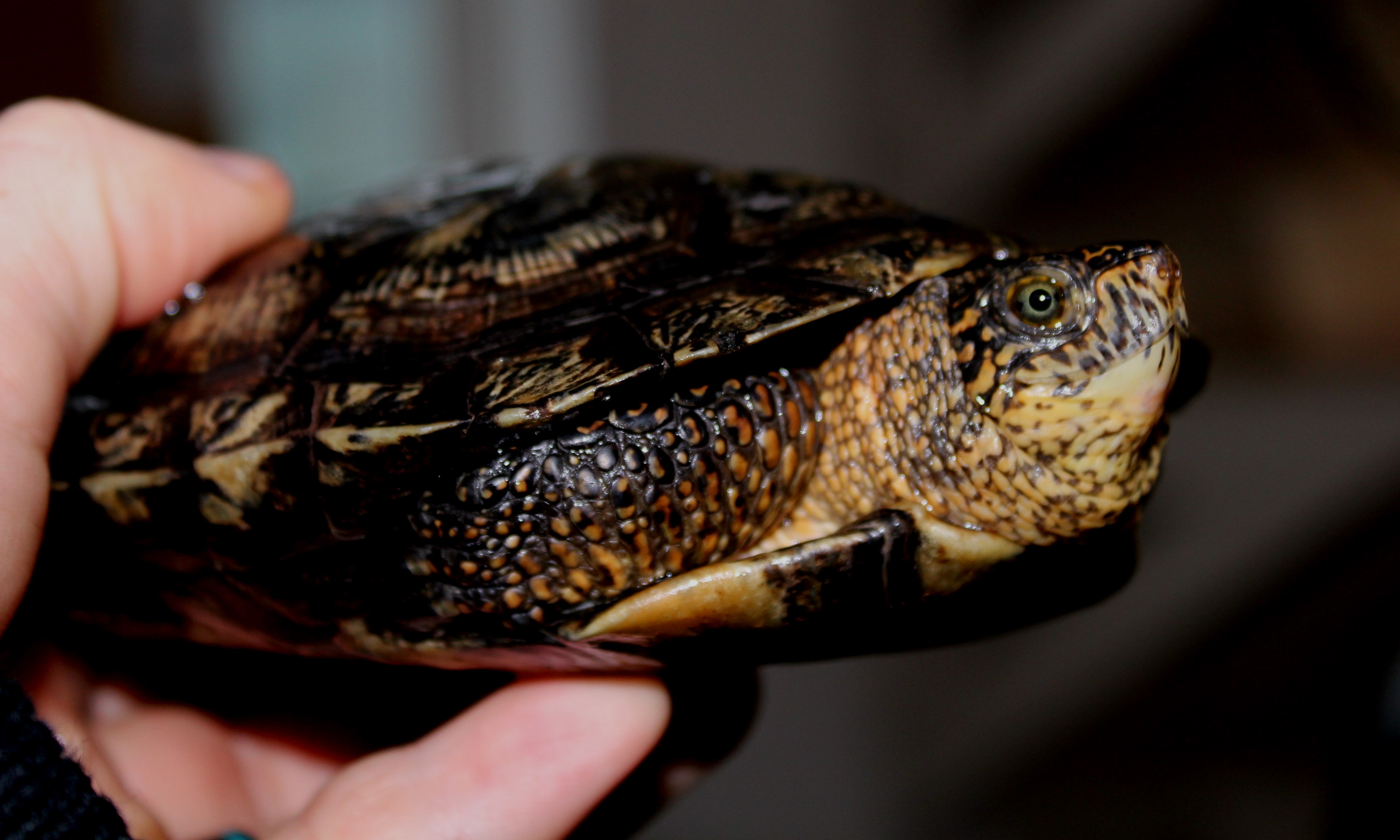
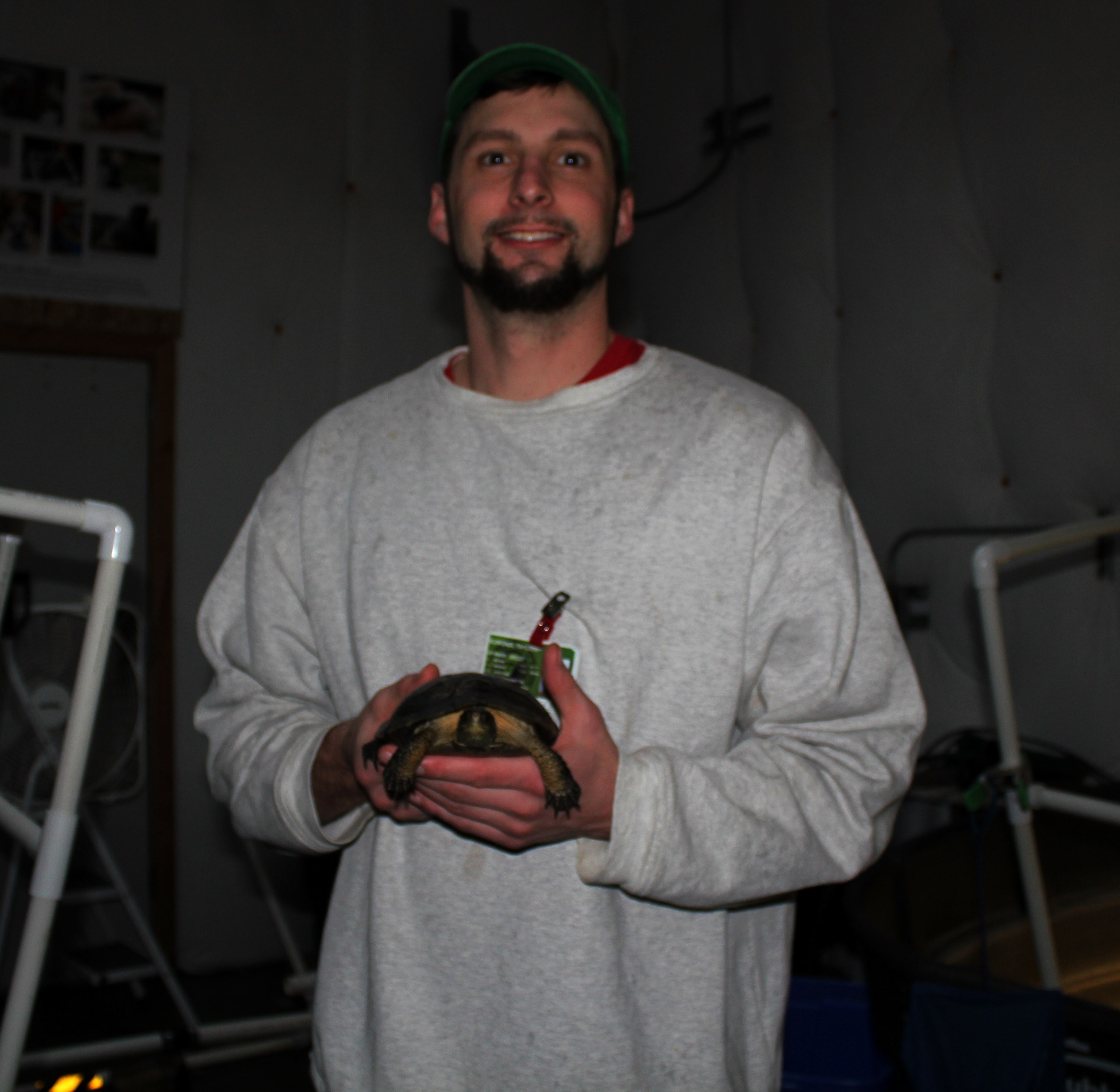
Bill Anglemyer holds at western pond turtle.

“Any job that offers an opportunity to change perceptions is more than just a job; it’s a learning experience.”

Summer is coming to an end. This is an exciting time for the SPP Turtle Technicians at Cedar Creek. The end of summer means that soon the technicians will be receiving new turtles. Speaking from personal experience, I know that summer is a good time to do a lot of reading and research—basically, doing book work. Without turtles to manage, we technicians spend the summer studying and catching up on other projects.

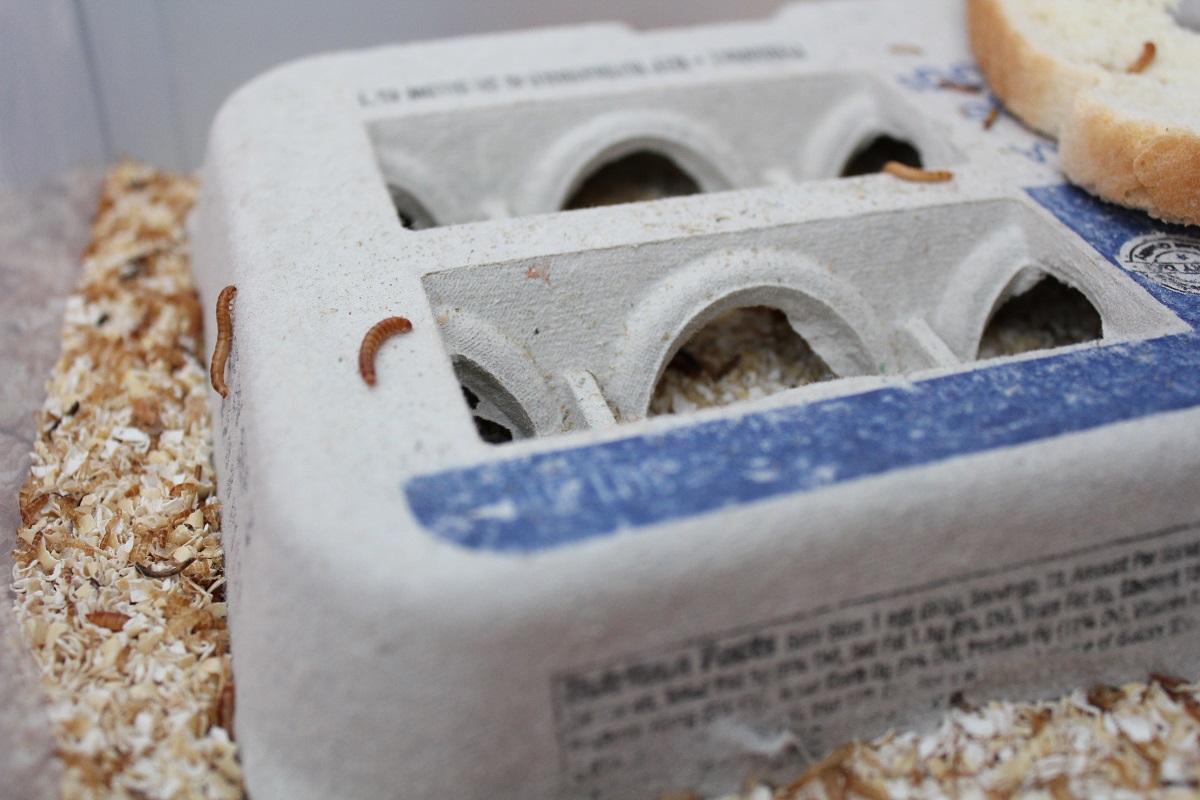
Raising mealworms for the next round of turtles and entering data for a woodpecker monitoring project  keep us busy every day, but the real valuable time is the time spent learning about biology and animal behavior. Of course this takes some self-motivation to launch because you are responsible for your own choice of study. No one makes you read text books. For those of us that use education as a coping mechanism to deal with incarceration, we can’t be stopped from studying. After an entire summer of reading, though, it is a refreshing change to receive new western pond turtles and start practicing animal care and shell disease management. Although this hands-on work carries with it a new level of stress and anxiety, it also provides valuable moments fraught with emotional ups and downs. Caring for the turtles brings home some of the studying from a theoretical context into a concrete reality. All of the turtles we receive after summer have gone through a recent debriding process. Debriding is a procedure where portions of their shells have been cut away in order to stop the disease from spreading.

Mealworms production at Cedar Creek. All part of a balanced turtle diet.
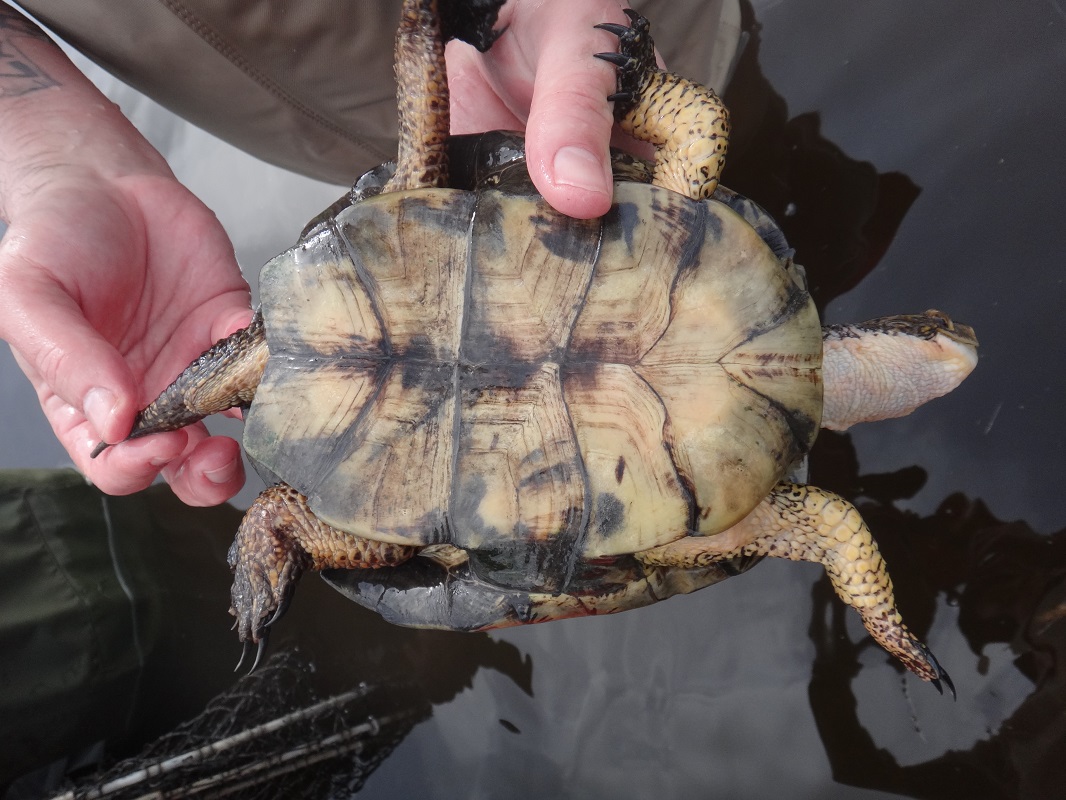
Anglemyer reveals the healed plastron of a turtle about to be released into the wild.

Unfortunately, this procedure—removing damaged portions of the shell—also leaves the turtles with wounds that have to be taken care of diligently in order to ensure that they heal efficiently and without infection. This is where the emotional rollercoaster part of the job comes to bear. Not all the turtles heal at the same rates. Some turtles heal slowly. Sometimes, they heal very slowly. Sometimes turtles will stop eating for days or weeks. Cataloging their  progress and behavior can be worrying at times.

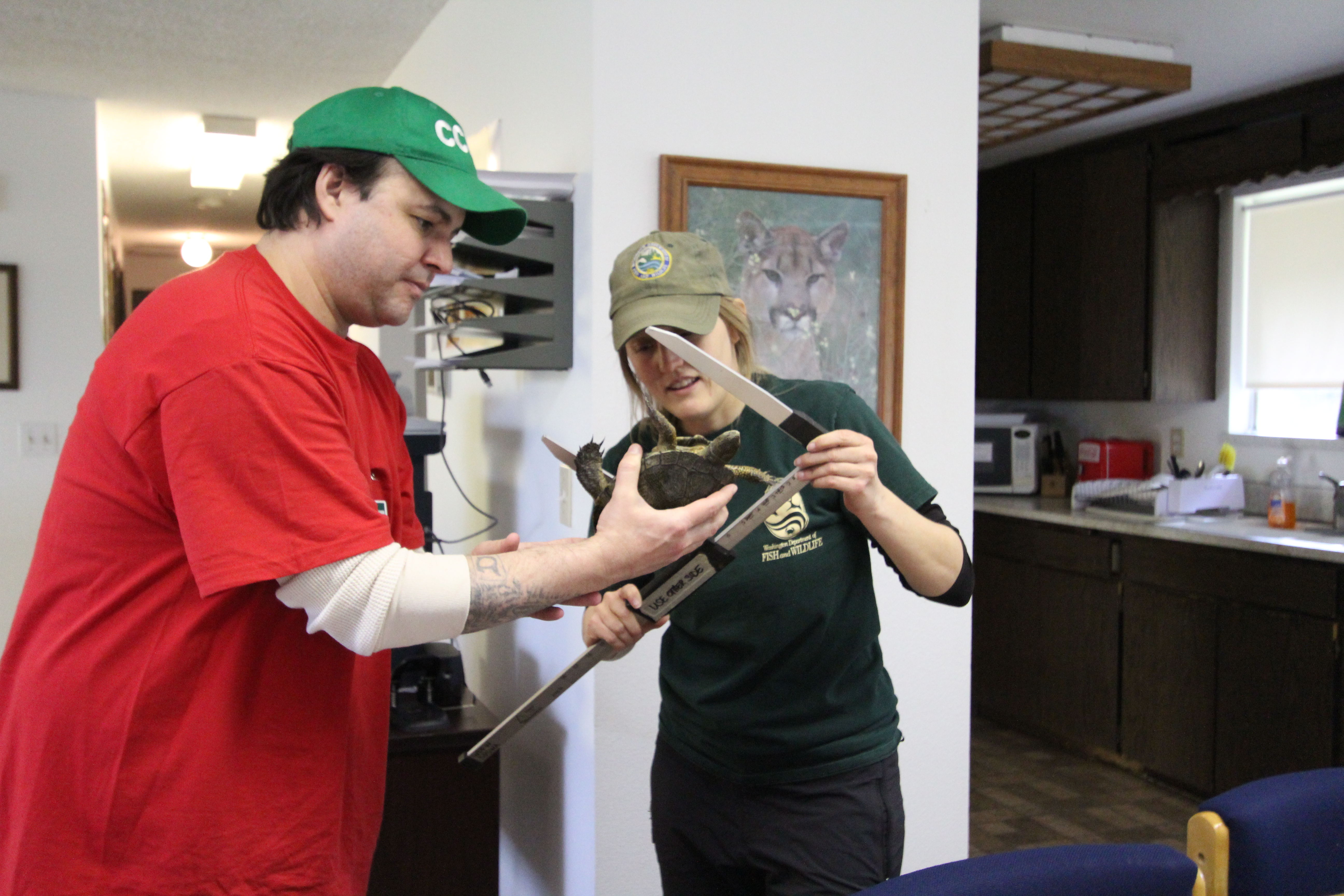
Turtle Technician Bill Anglymeyer and Washington Department of Fish and Wildlife Biologist Emily Butler evaluating turtles before releasing them back into their habitat.

However, these new worries are accompanied by a refreshing hands-on learning experience. Many of the technicians have never worked closely with reptiles. Many people have preconceived notions about reptiles having a deficiency of personality. Moreover, reptiles are stereotyped as being only focused on needs and lacking social interactions. After working closely with turtles, though, it is easy to recognize the personalities of each individual. Like many mammals, some are social and playful, some are fearful and isolate, and some are fixated completely on food.

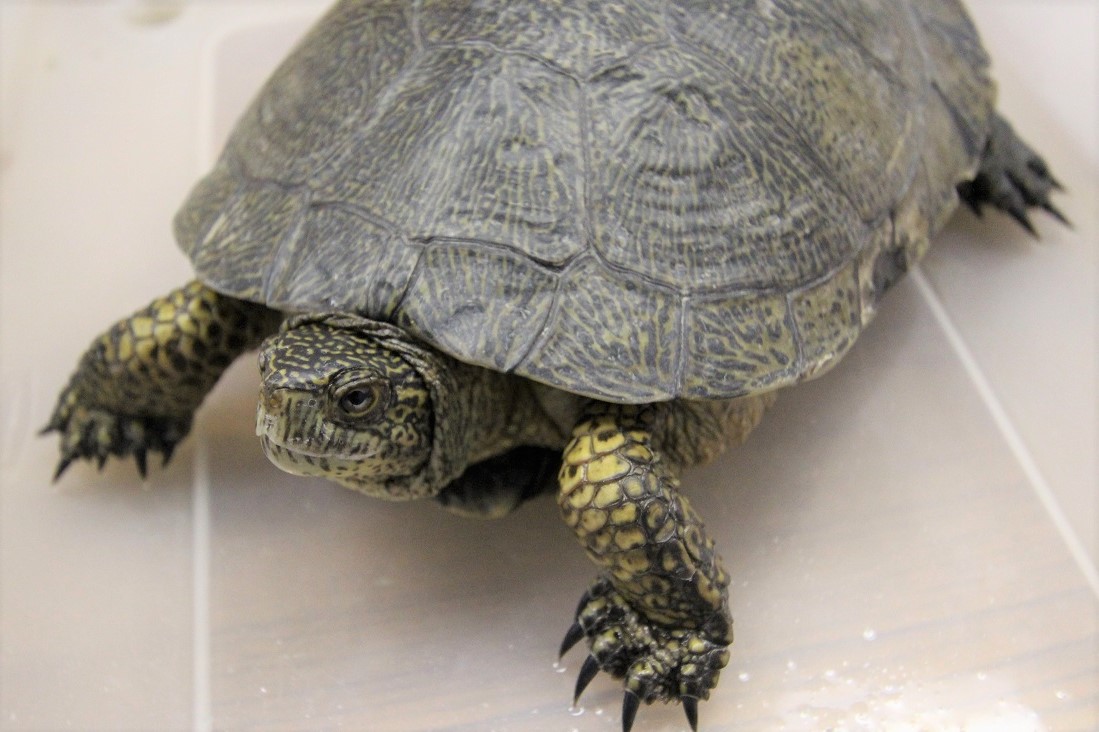
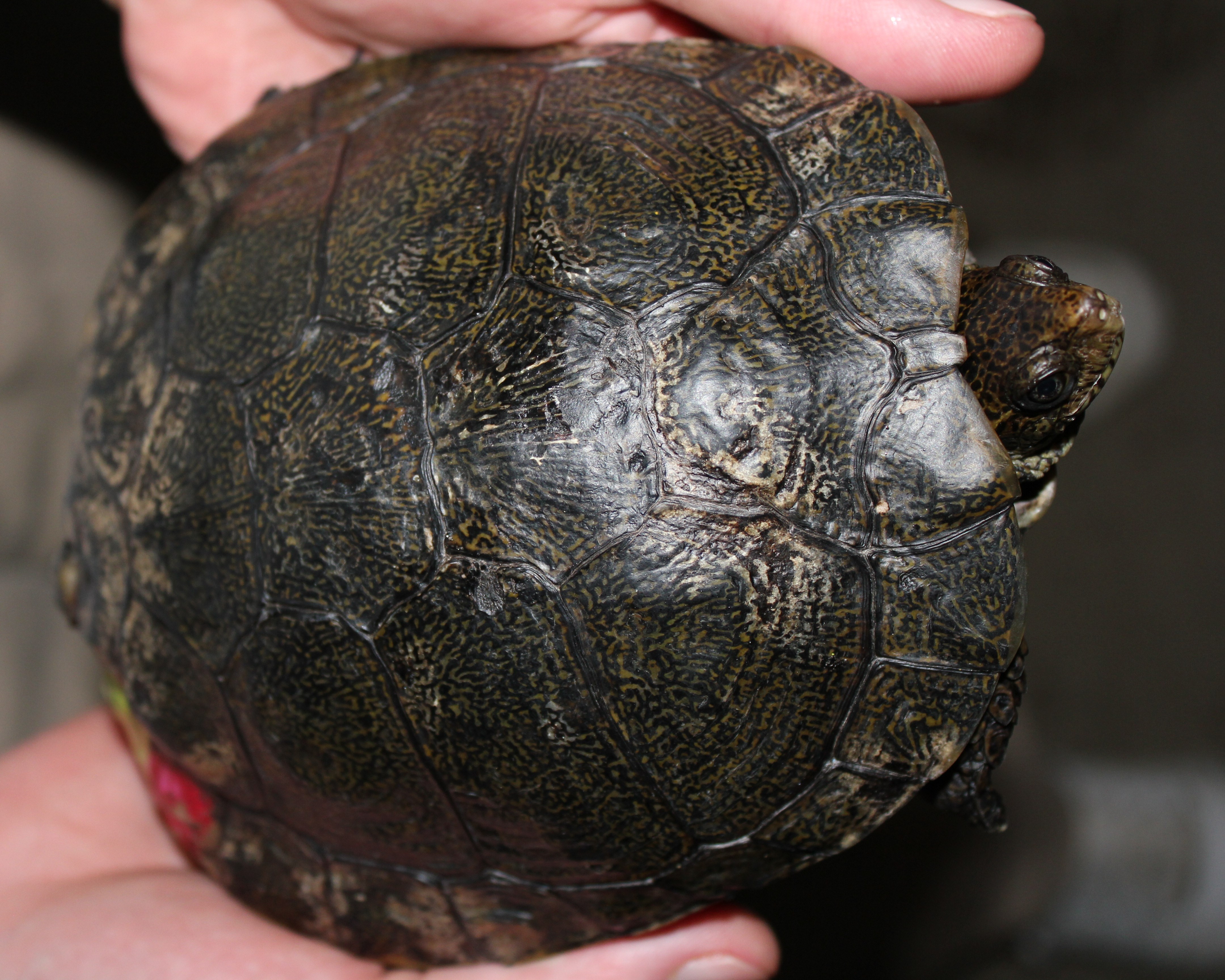
Western pond turtle, a state listed endangered species and one of only two native turtles in Washington State.

Seeing this new perspective is one of the most valuable experiences I gained as a Turtle Technician. Any job that offers an opportunity to change perceptions is more than just a job; it’s a learning experience.  My work with SPP was also greatly valuable to me because seasonal changes offer such a wide variety of experiences. Summer means book work and the fall means implementing that study into practical experience—along with the experience of caring for real animal lives. I miss my times at the CCCC Turtle Area. That may seem a little insane, considering I was incarcerated at the time. But the time I spent learning and caring for creatures, which I had had very little understanding of before, was a magical time during which I rarely realized that I was incarcerated.

Bill on Evergreen’s organic farm. Photo by Tierra Petersen.

Text and photos by Western Pond Turtle Program Coordinator, Sadie Gilliom

Cedar Creek and Larch Corrections Centers programs just received new turtles last week!

New turtle at Larch Corrections Center

New turtle at Cedar Creek Corrections Center

These turtles just finished their treatments at PAWS wildlife rehabilitation center and the Oregon Zoo and moved on to the prisons to be cared for and monitored by the trained turtle technicians at the prisons.

Technician Eldridge holding a new turtle at Cedar Creek

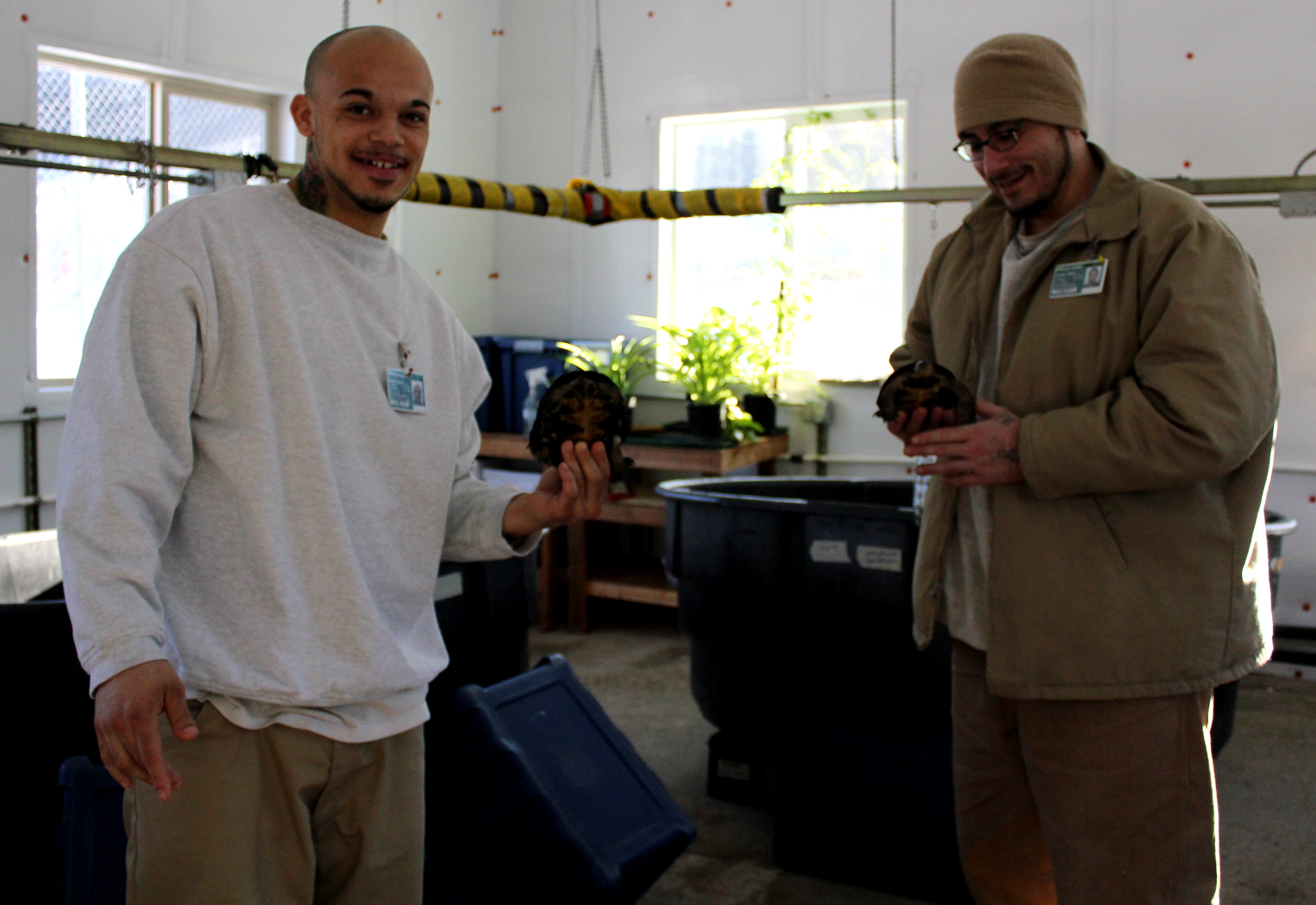
Speaking of turtle technicians, we would like to welcome two new technicians who joined the Larch program at the same time the turtles arrived. A big salutations to Mr. Gonzalez and Mr. Larson!  They are getting some great training from current lead technician, Mr. Goff, before he moves on to try out the new dog program at Larch.

Two new turtle technicians at Larch posing with new turtles

Here’s to new turtles, new technicians, and to the future release of these turtles back into the wild!

Happy New Year!

by SPP Program Coordinator, Sadie Gilliom

DOC Classifications Counselor, Gina Sibley was the SPP liaison for Cedar Creek Corrections Center for almost two years.  We want to thank her for her partnership and support and congratulate her on her recent promotion.  She will be missed!

Gina Sibley always went above and beyond while supervising the technicians in the bee, turtle and frog programs at Cedar Creek.  Supervising was not all she did.

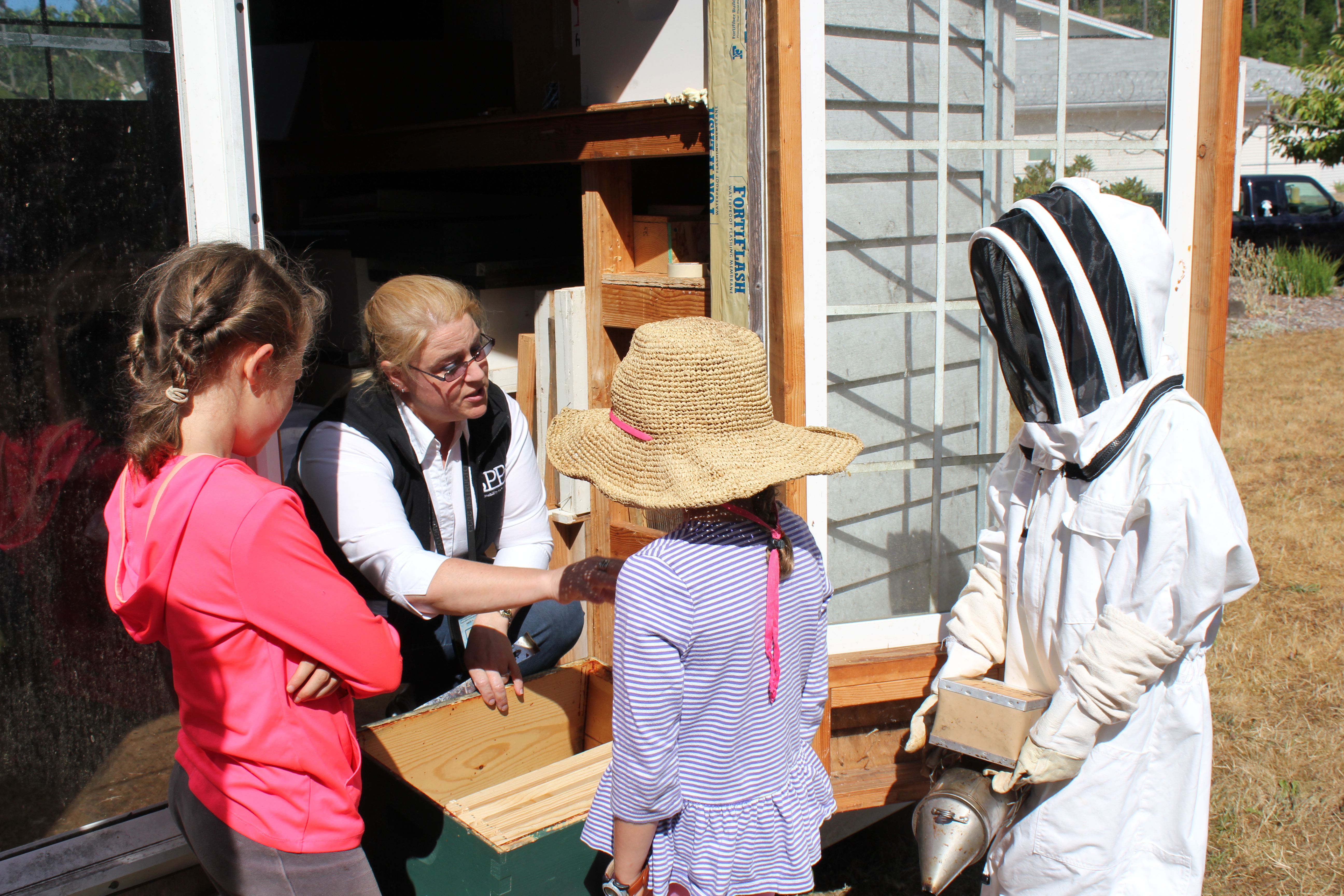
Ms. Sibley Teaching About Bees
Ms. Sibley Teaching About Bees. Photo by Sadie Gilliom.

She joined in the experience by participating in seminars on science journal articles, facilitating the creation of a turtle emergency response team,  staying late to participate in and supervise the bee keeping certification classes, assisting in capturing honey bee swarms, coordinating clearances for tours of the program and the list goes on!

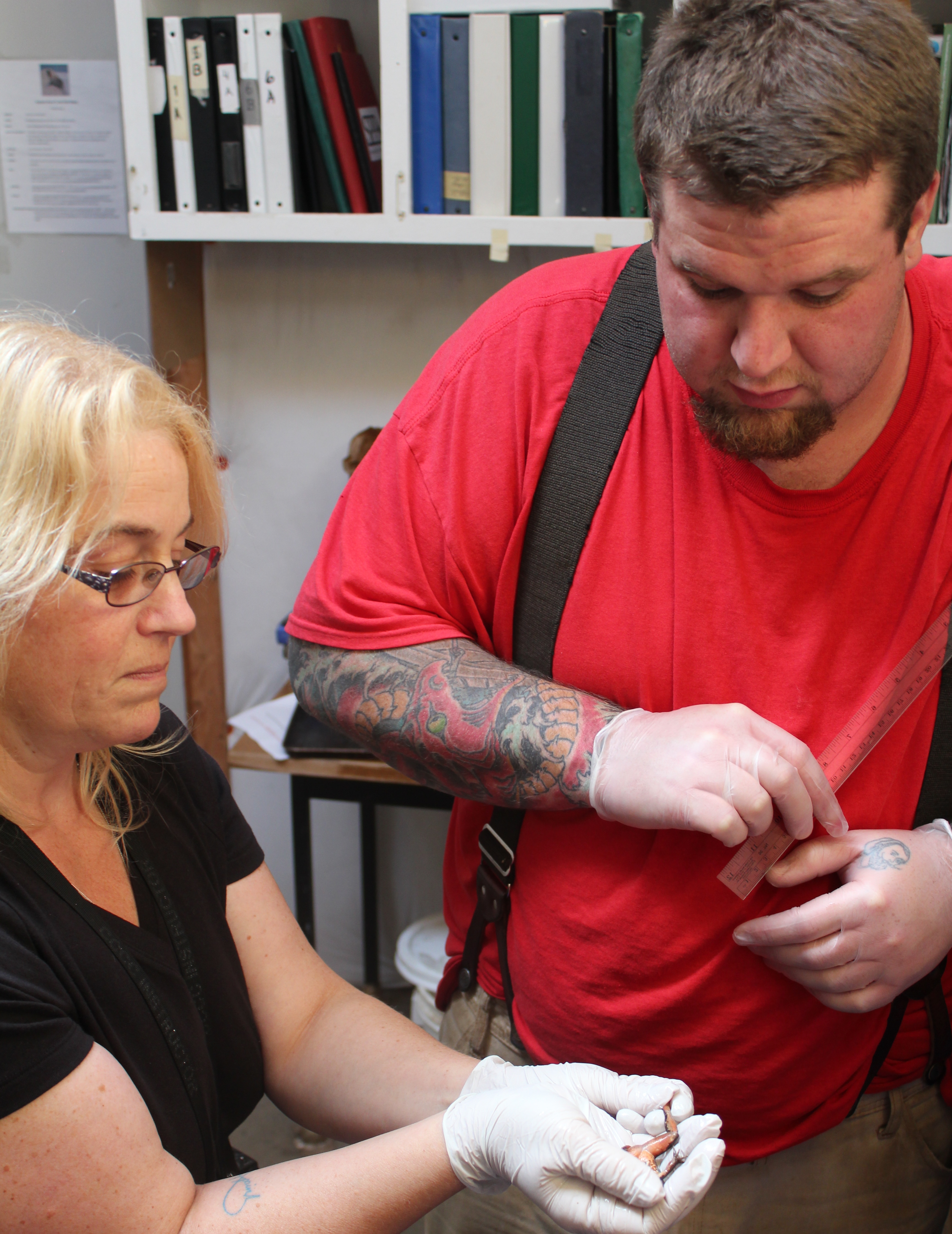
Ms. Sibley Helping Mr. Boysen Measure Shank Length
Ms. Sibley helping turtle technician Mr. Boysen measure an endangered Oregon spotted frog. Photo by Sadie Gilliom

Thank you so much, Gina.  You have made your mark on SPP and we know you will continue spreading the word of science and sustainability wherever you go.

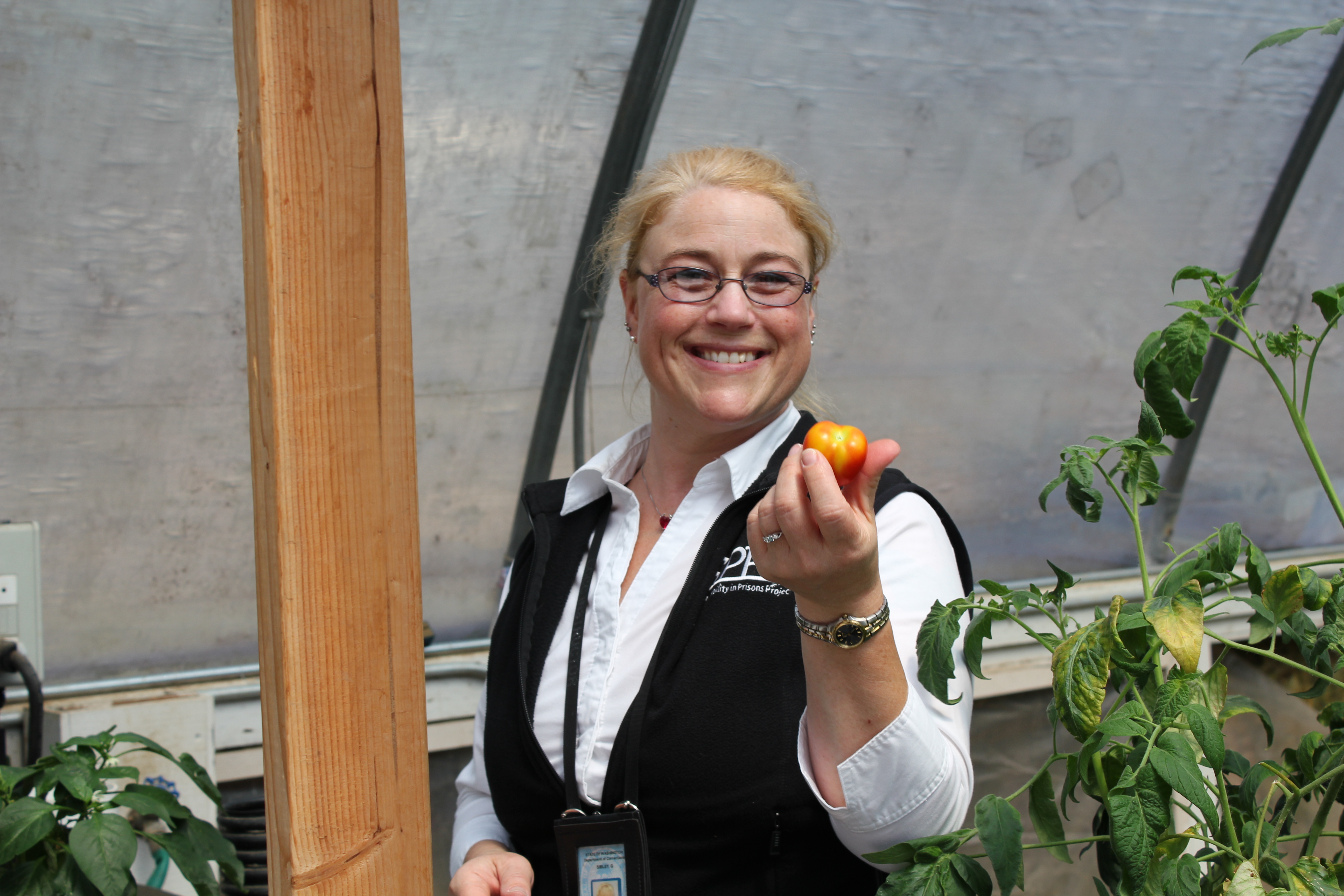
Ms. Sibley and the Tomato
Ms. Sibley with a tomato grown in the aquaponics greenhouse. Photo by SPP staff