By Carly Boyd, SPP Butterfly Program Coordinator

I first heard about the Evergreen State College as a junior in high school. Unfortunately, I quickly decided it wasn’t possible to attend; no one (not even me!) was ready for me to move across the country from Maryland to Washington State.
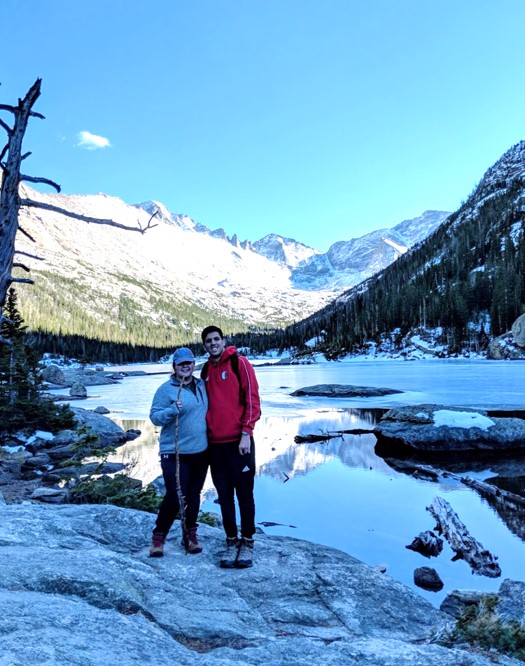
Carly and her fiancé hiked in Rocky Mountain National Park in CO while visiting her best friend in Denver.

Instead, I attended a state school in western Maryland. I graduated in 2018 with a biology degree and plans to get my Master’s. When I realized Evergreen has a Master of Environmental Studies (MES) program, it felt like a second chance for me

I was working and living with my fiancé and pet cat Kiwi in Virginia. To take that second chance, I moved to a state where I knew no one. Not once have I been afraid or worried that I had made the wrong choice.

During my first year at Evergreen, what I have learned about people and how the world works has been invaluable and so different from the education I received in Maryland. I expect my time with SPP as the Butterfly Program Coordinator will be just as surprising and important.
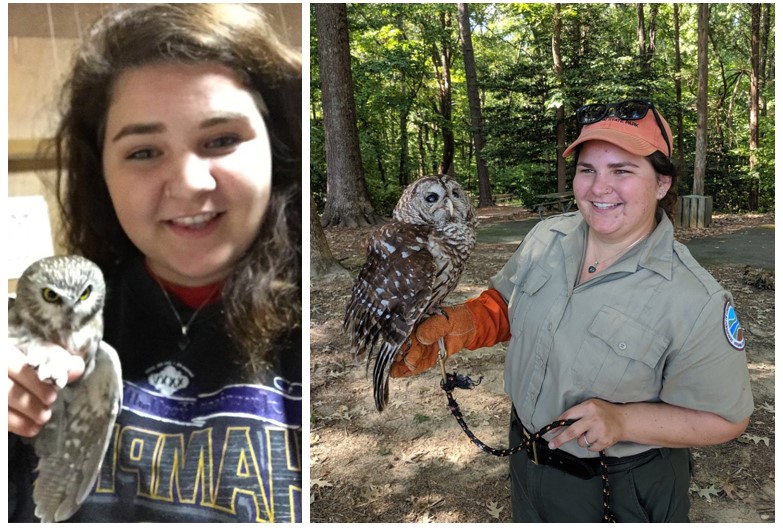
Left: Carly holds a wild saw-whet owl; she participated in a long-term research project called Project Owlnet. Right: During her time working for Virginia State Parks, Carly holds a blind, one-winged barred owl who helped with environmental education programs.

Before SPP, I have worked with people from all walks of life and I’ve learned so much from those experiences. The most valuable skill I’ve gained is versatility: being prepared and able to change my approach to better suit whoever I’m working with. Already, this skill is serving me well in the SPP butterfly program. Efforts to keep everyone in the program safe amidst the COVID-19 crisis requires a lot of adaptation.

It is often difficult to start a new job and this one brings the challenge of a completely new environment for me. On top of that, as a part of an utterly changed world, I need to scrutinize my every action for safety, especially when working with an at-risk population. I recognize that I have to hold some responsibility for the technicians’ safety and health. At the same time, I hold some responsibility for keeping the program going as long as we are able; the technicians deserve to continue the work they value.
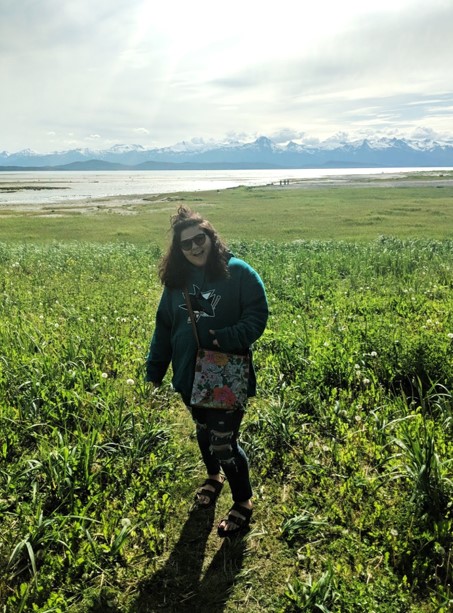
Most of Carly’s photos are of her loved ones, pets, and nature. Here is rare picture with her in it! enjoying her exploration of Juneau, Alaska while there visiting family.

As a program and as an organization, we remain open to change. We continue to discuss the best and safest way to move forward for everyone involved.

Working with incarcerated individuals is changing me as a person. It’s very different from the work I’ve done in the past and honestly very different from what I ever saw myself doing. It is an unexpected opportunity that forces me to rethink what I am able to do professionally. My perceptions of the prison system and the incarcerated individuals inside are shifting. The position is helping me to rethink what I’m capable of and what I want to dedicate my life to.

In the bigger picture, working with SPP reinforces what I know and who I am. I believe humans are resilient and that, deep down, we all have a passion to learn and to contribute to a deeper collective. Also, I think we have an innate desire to be close to nature, in whatever way we can. Even in such a time of uncertainty and fear, I want to help our incarcerated partners connect with nature… so long as they, and we, are comfortable making it possible.
Text and photos by Joslyn Rose Trivett, SPP Education & Outreach Manager

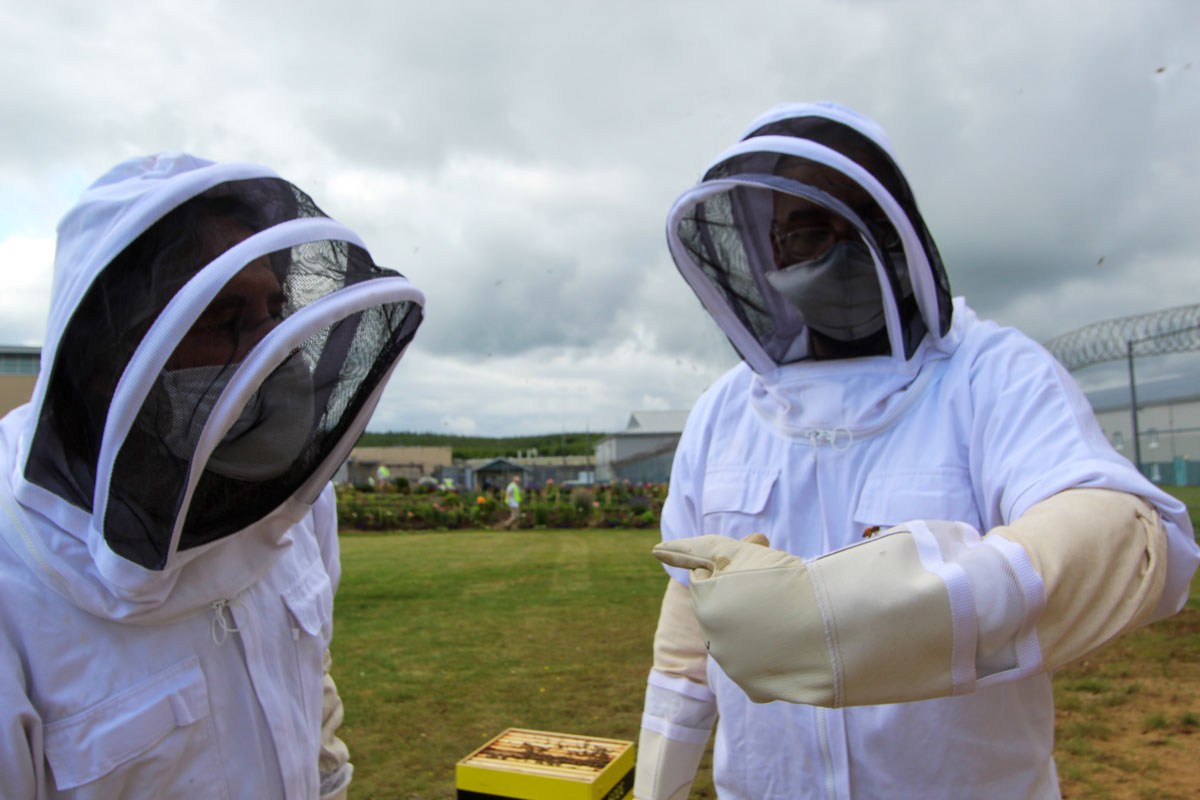
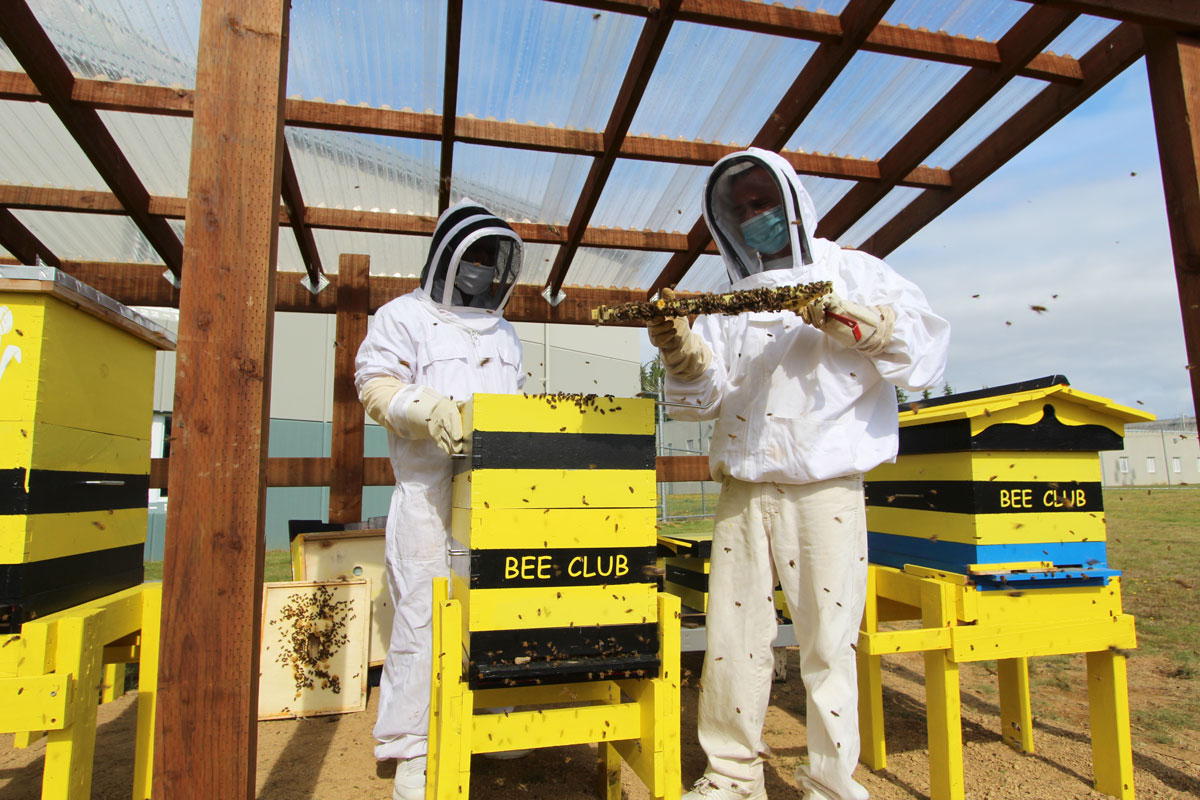
In early July 2020, Apprentice beekeeping student DeShan and Journeyman beekeeper Charles Roark check the health of a hive in the Stafford Creek Corrections Center program.

When the pandemic made it impossible for expert beekeepers from the outside community to visit, the program at Stafford Creek Corrections Center found a way to teach itself.

For a few years, the beekeeping program has been well-supported by a visiting expert who could deliver Washington State Beekeepers Association’s courses and certifications. From late in 2017 to summer 2019, beekeeper Duane McBride awarded Beginner certificates to 4 staff members and 76 incarcerated individuals and Apprentice certificates to 8 staff and 58 incarcerated beekeepers!

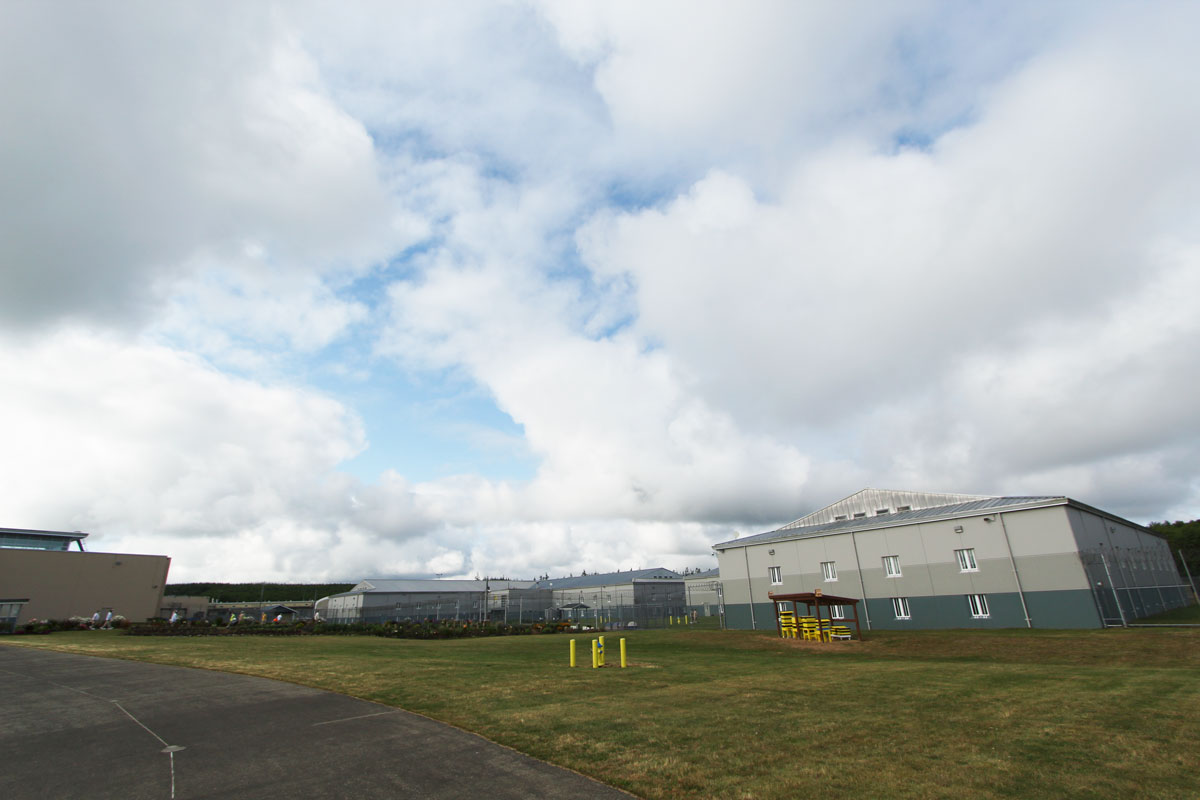
Stafford Creek’s bee club moved the hives to a warmer, drier site that easily can be seen by all visitors to the main prison campus.

During the past winter, building on that impressive foundation, the Stafford Creek program formed its own bee club and made plans to relocate their hives to a warmer, drier site.

At the same time, they gained a resident Journeyman beekeeper, Charles Roark; he had just transferred from Airway Heights Corrections Center (home of another amazing bee program). Apprentice beekeeper Rory had served as an assistant instructor in Duane’s last class. Supported by Bee Program Liaison Kelly Peterson, Charles and Rory joined forces to continue the education and certification program.

Apprentice students David Duhaime and David Lewis study and admire a worker bee perched on Lewis’ glove.

Together, they mentored Apprentice students in small groups, repeating each class three times so that every student could learn the same content and practice hands-on, all while keeping socially distanced. It was wonderful to hear that all partners — instructors, students, and the bees — thrived in the program. At the end of one session, a student said that it was his best day ever at the prison.

That magic was still alive when I visited the program in early July. Rory introduced the program by saying, “May I brag about our beekeeping program?” I was so glad he did! He was hardly the only one; there was a lot to be proud of. Ms. Peterson told us, “I don’t have to stress about this program…you guys are so good at it.”

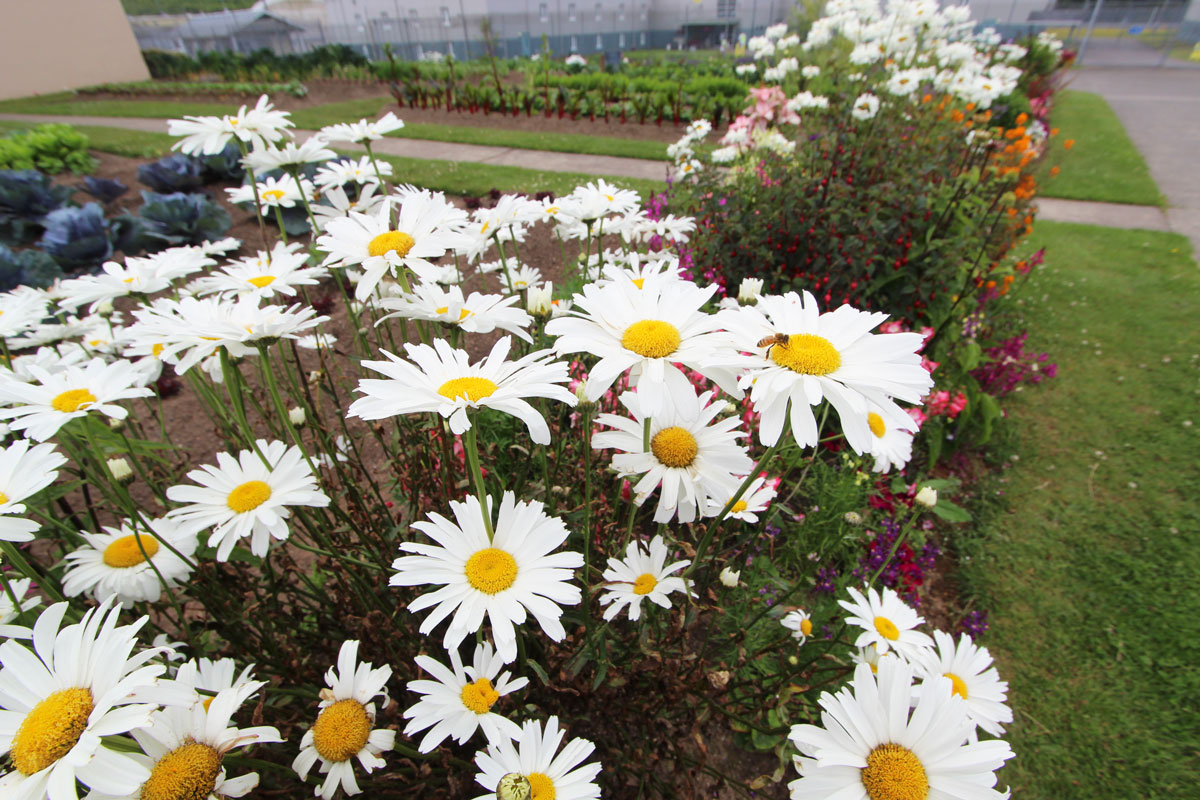
I found many honeybees in the nearby garden beds — see that worker bee in the center of a big daisy?

They started the flight season with only two hives and had quickly grown the population to fill seven! The beekeepers told me about the character and quality of each queen and her hive and shared all kinds of observations. I was so pleased to see them in their element, showing the teamwork, creativity, and gentle respect that are the best parts of SPP’s bee programs.

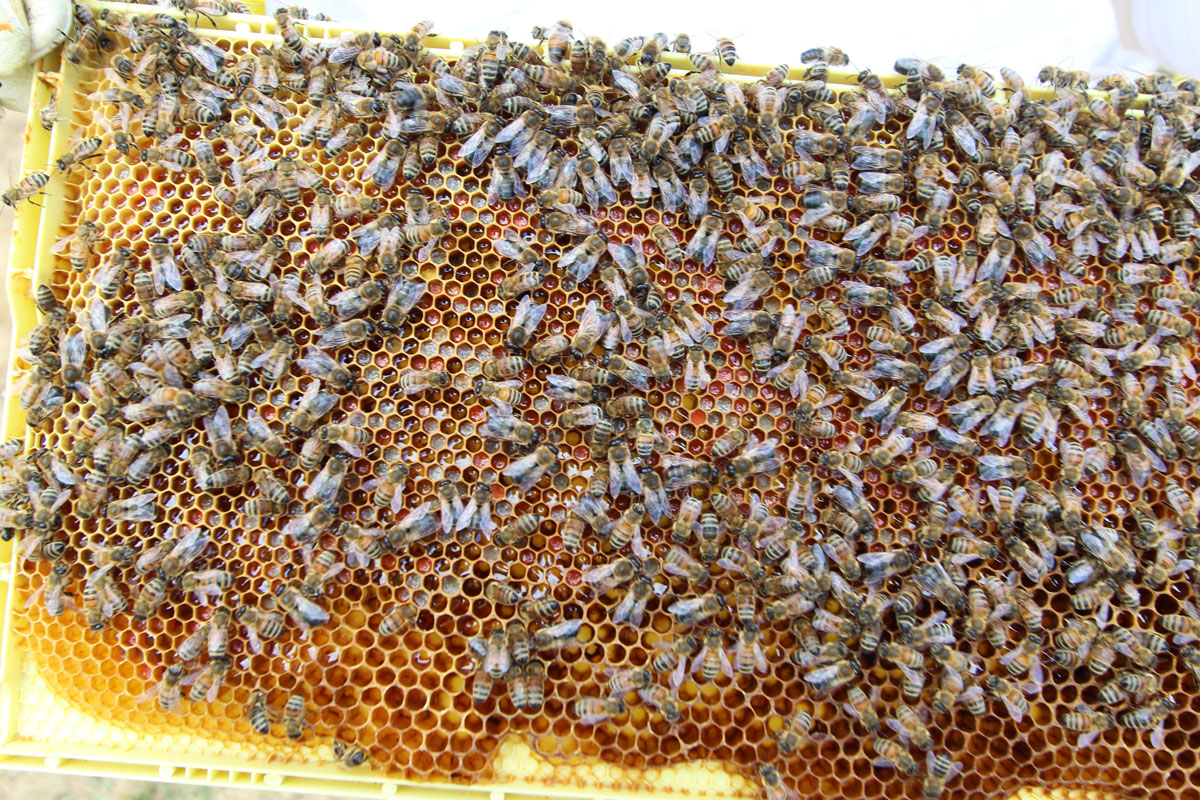
On a frame of healthy bees,, you can see many different colors of flower pollen stored in the cells; these food stores are called “bee bread.”

To learn more about bee programs that endure during the pandemic, I recommend these articles:
Like honeybees, we are working together

Welcoming the bees back to WCC

The The Buzz About Honey Bees

Text by Marisa Pushee, Joslyn Rose Trivett, and Kelli Bush
Photos by Marisa Pushee

In these unprecedented times, we are adapting to meet the new needs of the community we serve. This has meant suspending the majority of in-person programs in favor of remote education.

Early in the pandemic, following the general pattern, the Taylor’s Checkerspot Butterfly Program partners suspended the program. But then, partners asked Could it be possible to restart? Everyone agreed that human health and safety had to be the top priority. Also, we heard from the Washington Department of Fish & WildlifeMission Creek Corrections Center staff, and incarcerated technicians that the program was very important to them. They asked that we problem-solve together, to collaborate on figuring out if there was any combination of rules and protocols that would allow for a re-start.

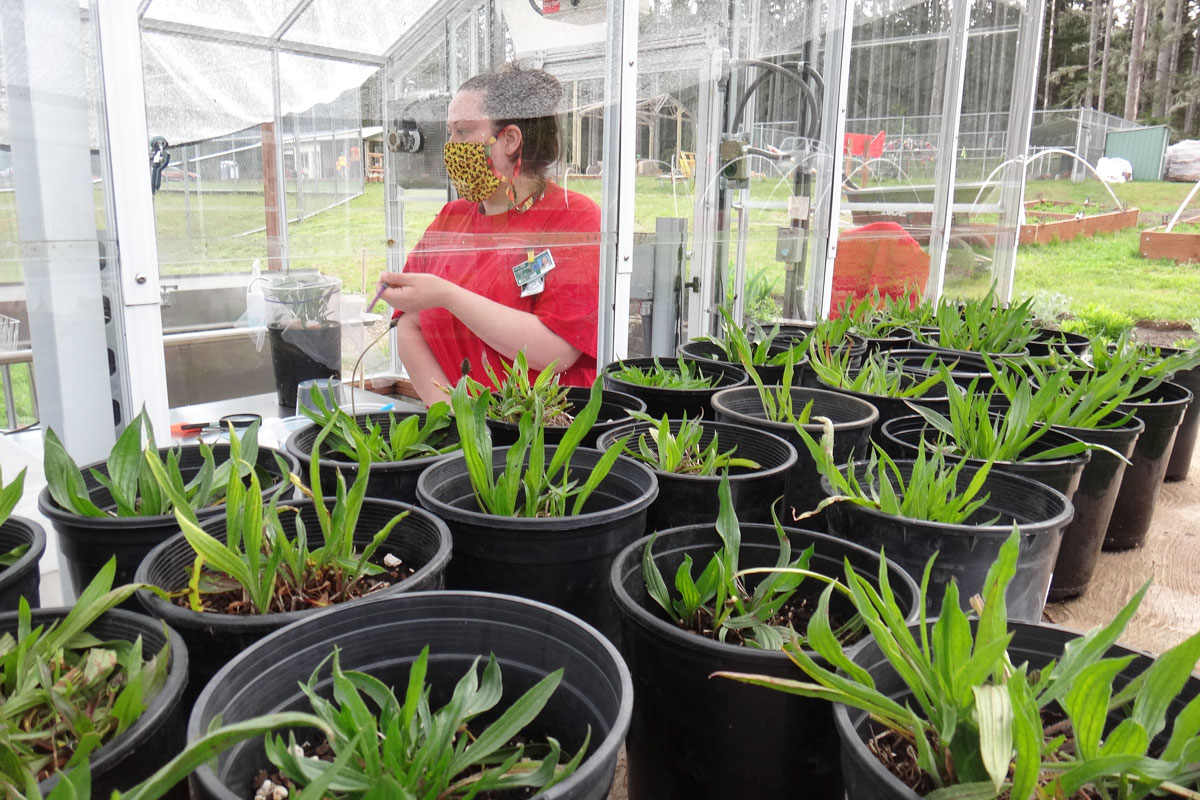
Technician Erin Hart works in one of the greenhouses, following best practices by wearing a face mask, social distancing, and implementing extensive cleaning protocols.

Following all COVID-19 safety protocols, we met several times and discussed a potential restart. Prison staff demonstrated that they were eager to prioritize the health and safety of the incarcerated technicians, willing to adapt program practices, and could support increased remote communication as SPP-Evergreen limited our prison visits. Technicians requested the program be restarted and expressed that, in the program space, they felt a reduced risk of contracting the disease. The lead wildlife biologist agreed that operations must be contingent on new protocols to reduce human health risks.

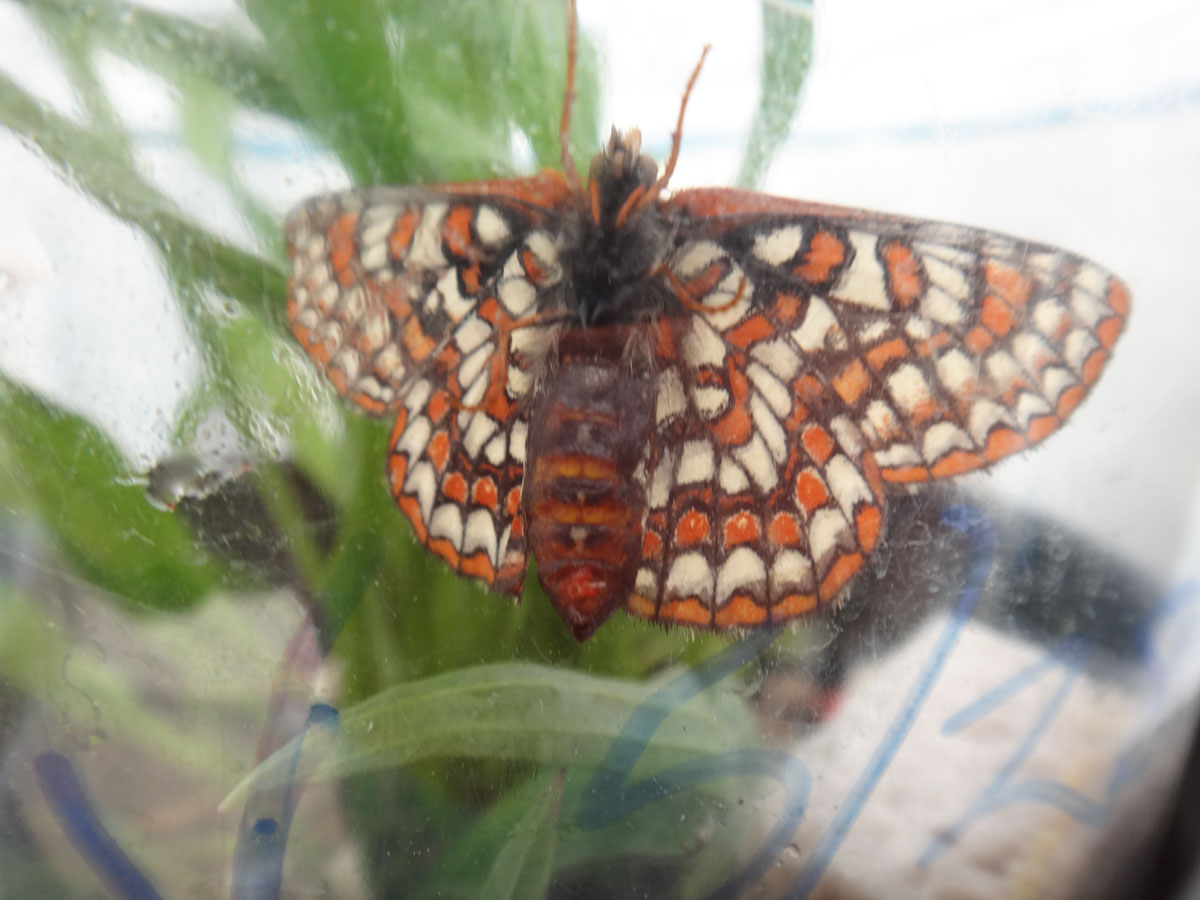
An adult Taylor’s checkerspot butterfly rests in an oviposition pot where she will lay her eggs.

Ultimately, all partners agreed that the program could re-start with new safety protocols in place. A key element of the re-start plan was to continuously reevaluate program safety, to ask each other regularly and often what could be done to make it safer and, most importantly, was it really safe enough.

The butterflies came back to Mission Creek. Social distancing, masking, and disinfection protocols were meticulously followed. Commitment to safety and open communications were fulfilled. The rearing season was successful for the butterflies and for the people involved.

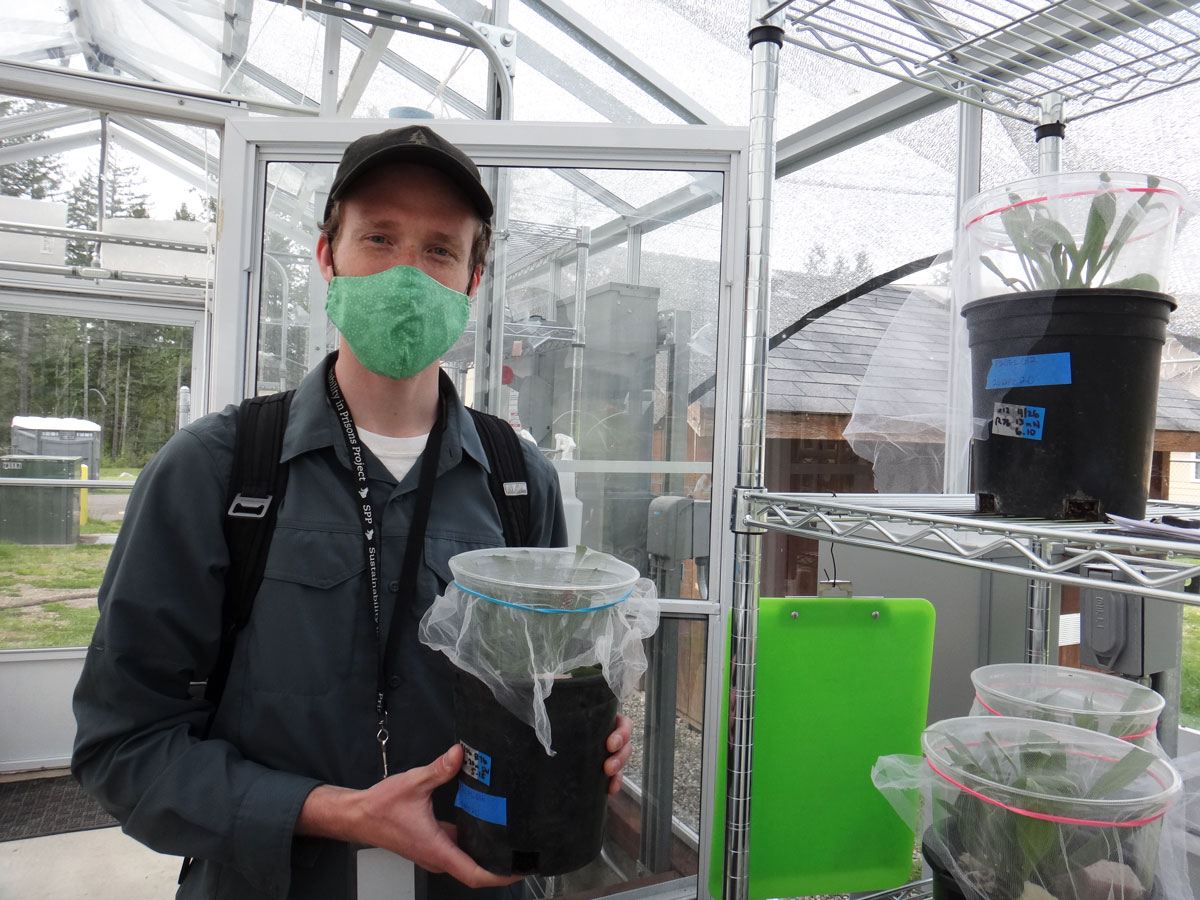
Butterfly program coordinator Keegan Curry holds a rearing enclosure called an oviposition pot (a Plantago plant with a net over it) near the back door of a greenhouse.

Compiled by Joslyn Rose Trivett, SPP Education & Outreach Manager, informed by Chad Naugle, Sustainability Programs Manager, Oregon Department of Corrections

There’s definitely a transition, not only among the adults in custody, but the staff as well, how we’re starting to be more pro-social, how we are starting to work together, not against each other. Now we are standing beyond anything we thought a healing garden could do.

Toshio Takanubo, President of the Asian Pacific Family Club
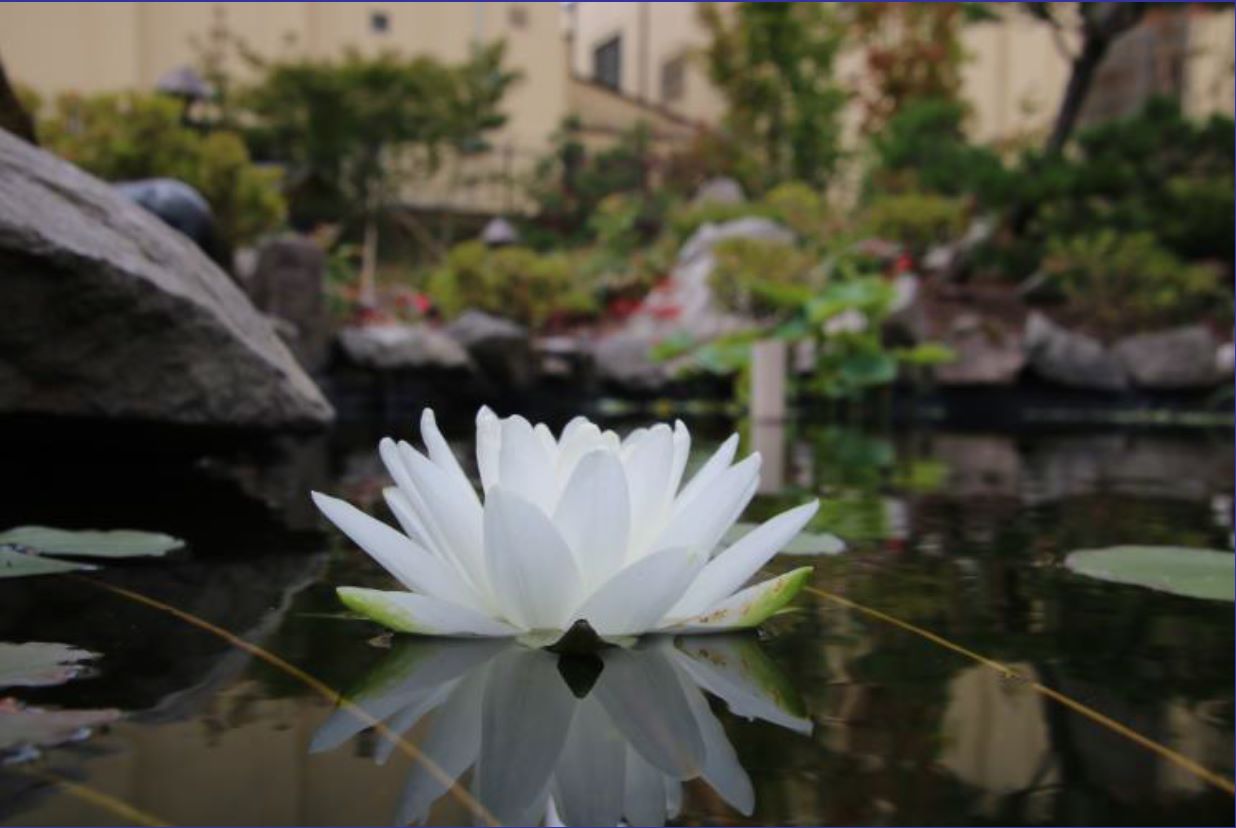
A flower blooms in the Healing Garden’s koi pond. Photo from Oregon Department of Corrections.

Back in 2014, Johnny Cofer, Project Coordinator for the Asian Pacific Family Club, suggested a koi pond to the Superintendent of Oregon State Penitentiary. Superintendent Brandon Kelly asked Cofer to write up a proposal and the plan for a healing garden at the prison was born. Kelly considered the plan and saw the promise in it; so long as safety and security needs could be met, “maybe this could precipitate change.” Still, paying for the project seemed a formidable hurdle.

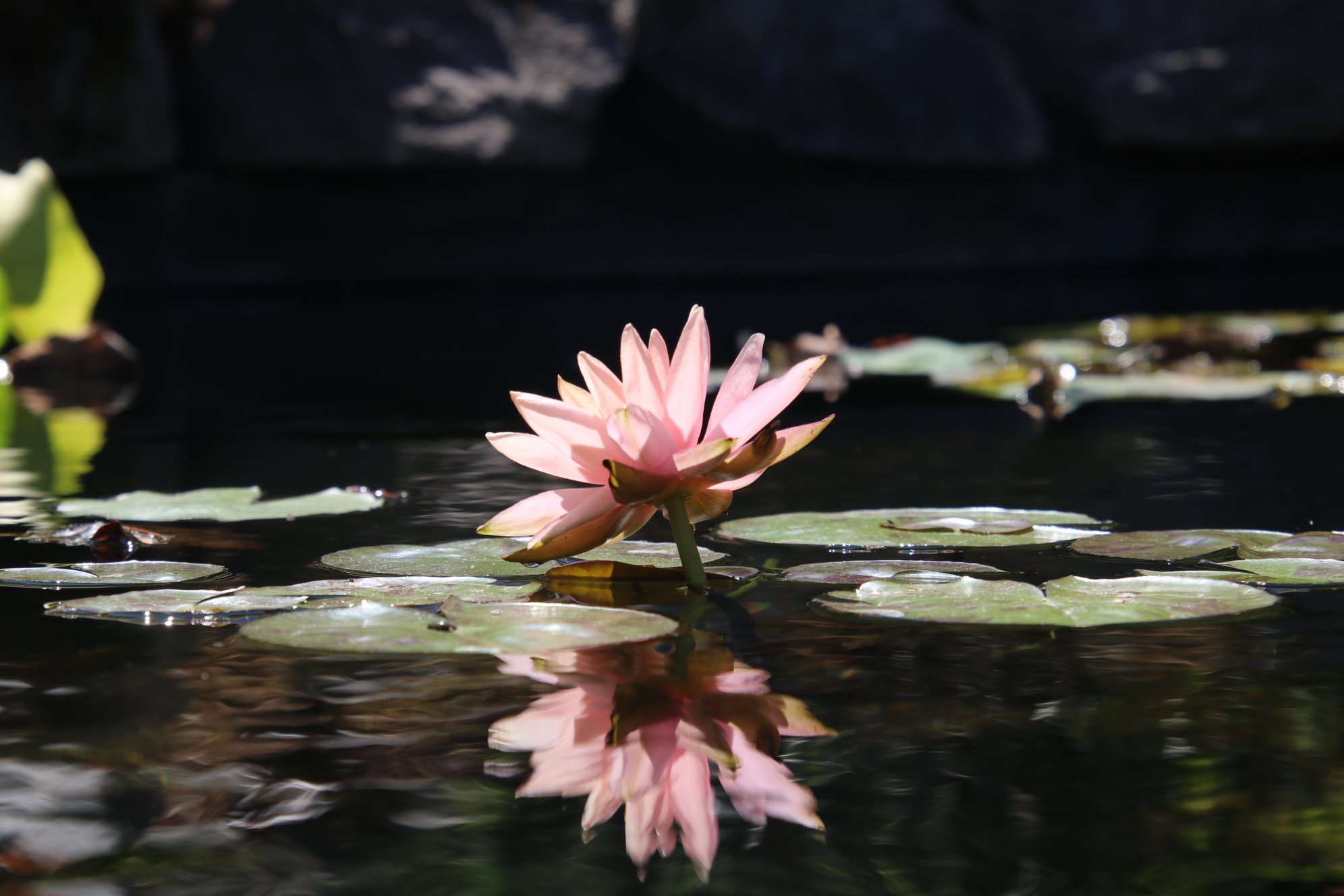
Sunlight shines on a pink bloom. Photo from Oregon Department of Corrections.

The Asian Pacific Family Club found ways to raise funds that covered the entire project; no taxpayer money had to be spent on the garden. The club started working with Japanese garden designer Hoichi Kurisu to further develop and refine their plan. Once the project was in motion, many people asked to help, excited to be a part of it.

Plans became reality in the fall of 2019. They had raised more than $500,000 in funding and in-kind donations and nearly 200 incarcerated adults had volunteered to help build the garden. The finished product was beautiful. To learn more about the project, we recommend two media pieces:

Capital Community Media‘s film about the garden took first place in the 2020 Hometown Media Awards, Cultural Perspective category

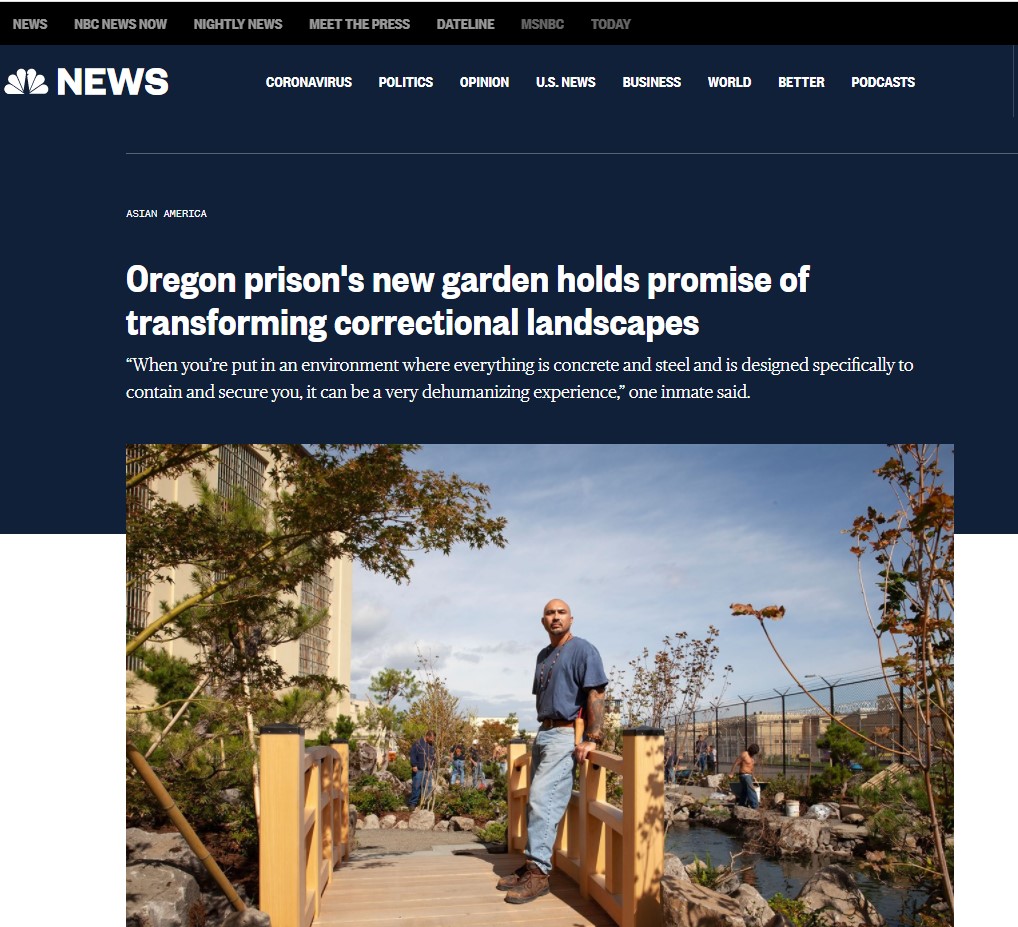
NBC New’s article from October 2019.

This screenshot is from an NBC News article. Johnny Cofer, pictured, is quoted as saying, “There’s no Google maps to restoration and redemption, you have to forge your own way.”

“Here at the penitentiary, we are changing the world one interaction at a time.”

Tonya Gushard, staff member at the Penitentiary