Blooming Inside the Walls

By Graduate Research Associate Carl Elliott from Stafford Creek Corrections Center

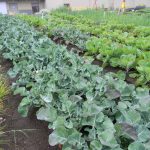
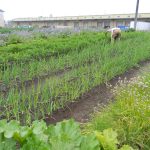
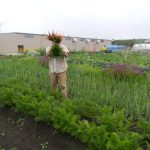
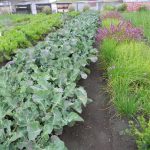
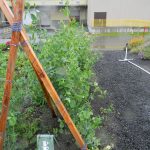
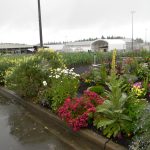
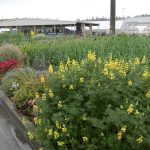
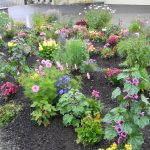
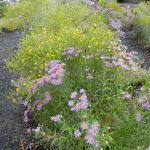
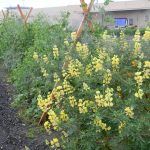
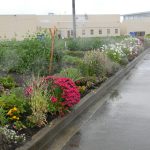
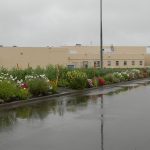
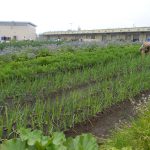
Surrounded by acres of Douglas-fir forest and behind razor wire security fences, a garden tended by the offenders at Stafford Creek Corrections Center is flourishing. Their efforts to cultivate food and flowers has altered the landscape and nourished the spirit of those involved.  These men asked me to provide a documentation of the garden for their families on the outside.  I thought that this service alone was worth providing, but I also feel others outside the prison fence should have the opportunity to see and hear about the garden.

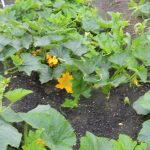
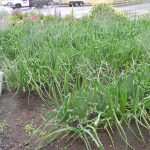
The spring weather on the coast of Washington this year was unusually cool and cool nights persist through July. Night temperatures have rarely stayed above 50° F. The cool weather caused heat loving plants like tomatoes, peppers, and squash to languish.  However, crops such as broccoli, cabbage, peas, and carrots have exploded with growth. The offenders are gathering buckets full of carrots and peas to share with the prison kitchen.

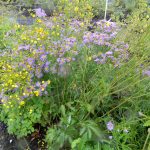
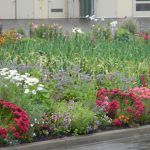
All of the flower gardens were designed by the offenders. They paid special attention to creating habitat for insect pollinators. The plant families they cultivated in the pollinator garden were from the pink or catchfly family, the sunflower family, the pea family, and the mallow family. These plants provide nectar, pollen, and insect prey for beneficial insects.  This is important because the garden is surrounded by concrete which provides poor pollinator habitat.

The other flower gardens include a cutting garden and a native prairie garden. The flowers from the cutting garden are used to beautify the visitor room in the summer. This allows friends and family to see the fruits of the men’s labors and make for a beautiful reception for visitors. The native prairie plant garden overflows with species from the conservation nursery. By seeing the plants they are cultivating for restoration, the men can begin to learn plant families and plant community associations found on the prairies.

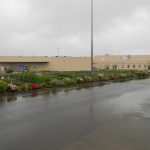
The whole garden sits amidst a sea of concrete. Originally, it was a turf covered turn-around for delivery trucks.  Staff grounds keeper, Jon Rydman, took the initiative to open up the space for the men to garden there two years ago.  After a great amount of initial effort to cut the sod, lay the irrigation, and form the beds, the garden was started.  Soil fertility has been improved by compost generated from prison kitchen waste. This unique in-vessel composting system is a pilot project coordinated by plant manager, Chris Idso.  Creating a flourishing garden in a Correction Center requires cooperation and coordination among staff.  The garden produces more than vegetables and flowers; it is also a place for education and change.
To donate to the SPP programs at Stafford Creek Corrections Center, click here.
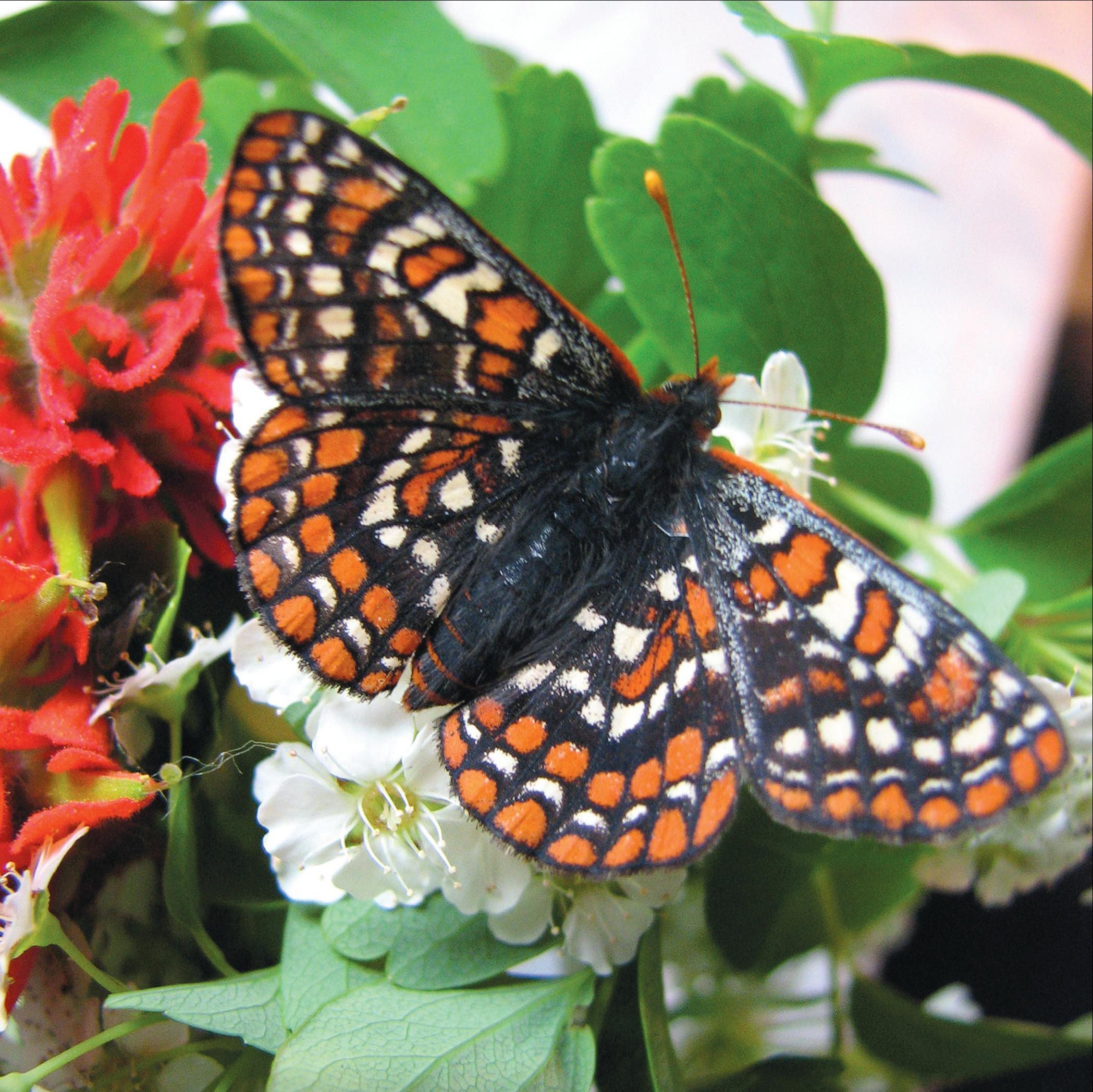
 

Taylor's checkerspot
Adult female Taylor's chekerspot

SPP Launches New Ecological Conservation Program at Mission Creek Corrections Center for Women

By Graduate Research Associate Dennis Aubrey

The Sustainable Prisons Project (SPP) and the Mission Creek Corrections Center for Women (MCCCW) are preparing to launch a brand new conservation program.  In addition to prairie plants and Oregon spotted frogs, we will be partnering on a new captive rearing program to raise Taylor’s checkerspot butterflies (Euphydryas editha taylori) for release on South Sound prairies.  The Taylor’s checkerspot is listed as a state-endangered species in Washington and is a candidate for listing under the federal Endangered Species Act.  These butterflies once flourished on glacial outwash prairies, low elevation grassy balds and coastal grassland sites from southern British Columbia to central Oregon, but in recent decades habitat loss and degradation have reduced it to a few small, isolated populations.

Staff at MCCCW are currently hard at work constructing a custom greenhouse at the prison which will house the program, The UV light transmission of the glass structure will provide the checkerspots with ideal growing conditions, and its interior partition will create two separate climate controlled rooms.  The building is expected to be complete by the end of the month, and the first release of larva onto South Sound prairies will occur in April 2012.  Currently the Oregon Zoo is the only facility rearing Taylor’s checkerspots.  The new structure at the prison will provide a second rearing program to assist with butterfly recovery efforts.   The project is generously funded by the Army Compatible Use Buffer (ACUB) program, US Fish and Wildlife Service, and The Nature Conservancy.  Other collaborating partners include Washington Department of Fish and Wildlife, Washington Department of Corrections, the Evergreen State College, the Oregon Zoo, and Joint Base Lewis McChord.  Even though the new rearing facility is not yet complete, SPP graduate student intern Dennis Aubrey has been busy preparing for the new program.  Dennis is receiving training from staff at the Oregon Zoo as they raise checkerspots, as well as assisting with field activities. He recently helped release 1036 prediapause checkerspot larva at the Scatter Creek Prairie restoration plots.  Along with staff at MCCCW, he also helped conduct interviews and hire inmates for the rearing technician position.  Dennis will continue to play an active role in training incarcerated women to become butterfly rearing technicians.

checkerspot release
Graduate student intern Dennis Aubrey helping release checkerspot larva at Scatter Creek

Our partners at MCCCW have been enthusiastic participants in all phases of the planning and implementation of this project.  All involved are optimistic that this is the beginning of a successful long-term undertaking to recover endangered butterflies and bring science education to incarcerated women.  This program promises to be an integral part of a growing culture of sustainability and conservation at the facility.

To donate to the SPP Taylor’s Checkerspot Program and help conserve biodiversity in Washington, click here.

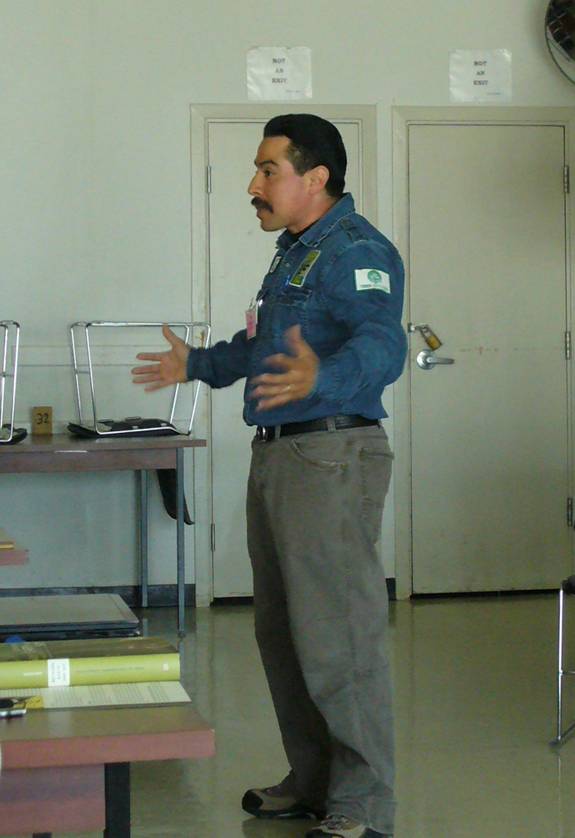
Noe Cardenas- Certified Arborist- City of Seattle teaching about arboriculture

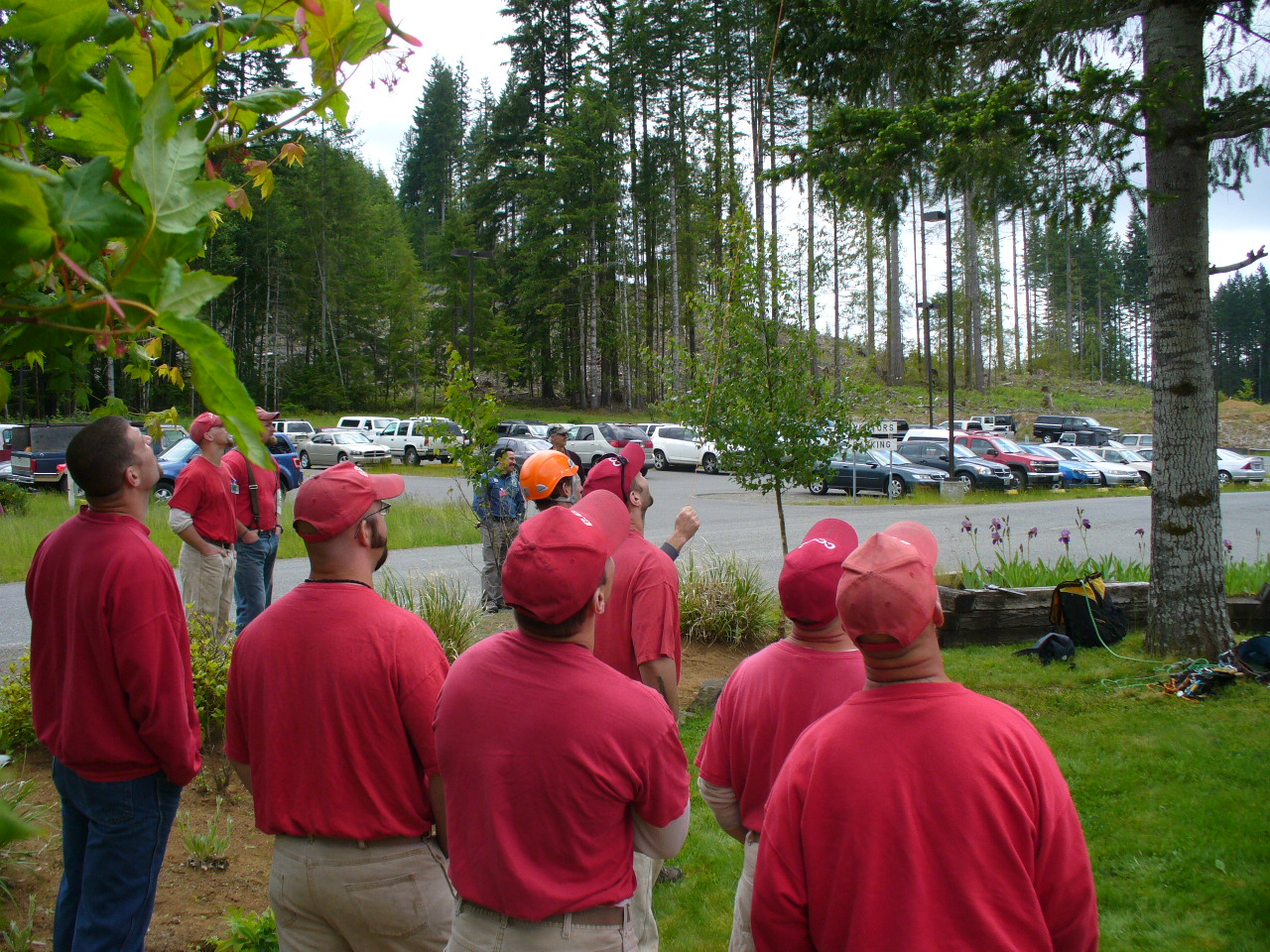
The SPP recently held a full day workshop on arboriculture at Cedar Creek Correction Center.  The workshop was a great success with nearly 40 inmates (maximum allowed) and approximately 12 staff in attendance.   Arboriculture is defined by the International Society of Arboriculture (ISA) as the art and science of planting, caring for, and maintaining individual trees.  Arborists are knowledgeable about tree health and are trained and equipped to provide proper care.  Inmates participating in the workshop already have an interest and some experience working with trees.  They are all members of Washington Department of Natural Resources (WDNR) forestry crews.  Inmates on these crews work full-time planting trees, controlling weeds, fighting forest fires, and assisting with native plant restoration projects.

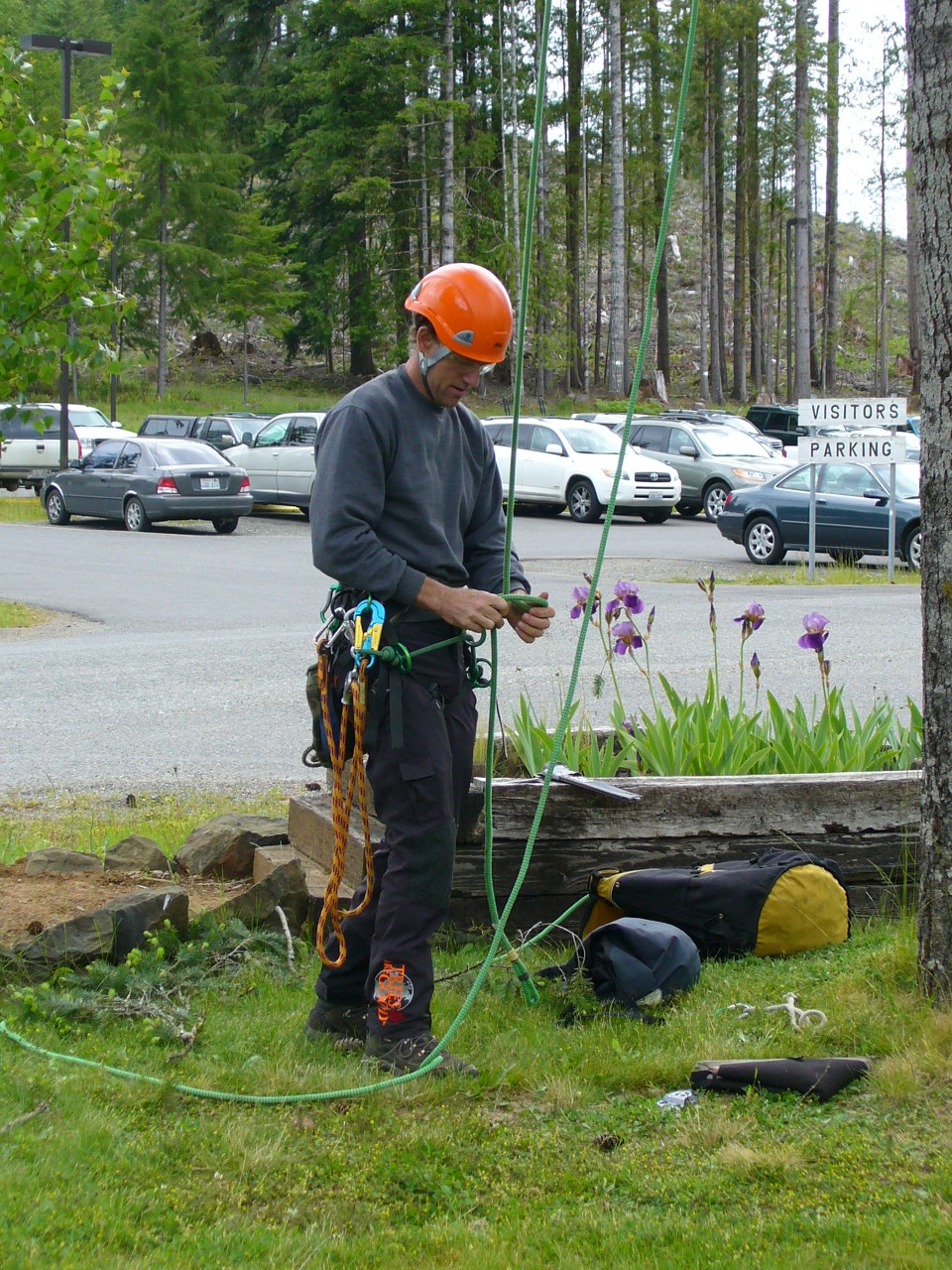
The workshop covered a wide range of tree-related topics including: forest ecology, an introduction to arboriculture, tree biology, tree career options, pruning, and a tree climbing demonstration.  Seven different volunteer presenters took time away from their busy schedules to share their passion for trees with the inmates.  The goal of the workshop was to introduce inmates to arboriculture and other tree-related careers.  We hope to inspire inmates to consider becoming ISA Certified Arborists.  ISA certification is quickly becoming a minimum requirement in many tree care companies.  Certified Arborists are able to demonstrate a standard of knowledge and dedication to tree care; which can provide an advantage in today’s job market. The ISA has generously donated 50 certification exam study guides and featured the SPP in the April edition of their publication Arborist News.

Dan Kraus- World Champion tree climber giving climbing demonstration

If resources allow, the SPP will work with our partners at WDNR and Washington Department of Corrections (WDOC), to build a certification training program in the near future.  The training program would bring together volunteer instructors to help qualified inmates prepare for the arborist certification exam.  An education and certification program at Cedar Creek Correction Center could provide multiple benefits including:

  • employment opportunities at a decent wage for inmates post-release;
  • green-collar job training which builds a new work force to care for our urban forests;
  • involvement with the ISA, an organization that encourages on-going educational and professional development;
  • the program may serve as a model for other prisons and other states;
  • with increased employment opportunities and education, inmates may be less likely to re-offend when they are released.
Inmates participating in arboriculture workshop

Many thanks to the volunteer presenters, students, and agency partners that helped make the workshop a success.  Please stay tuned as we carefully explore options for expanding this education opportunity.