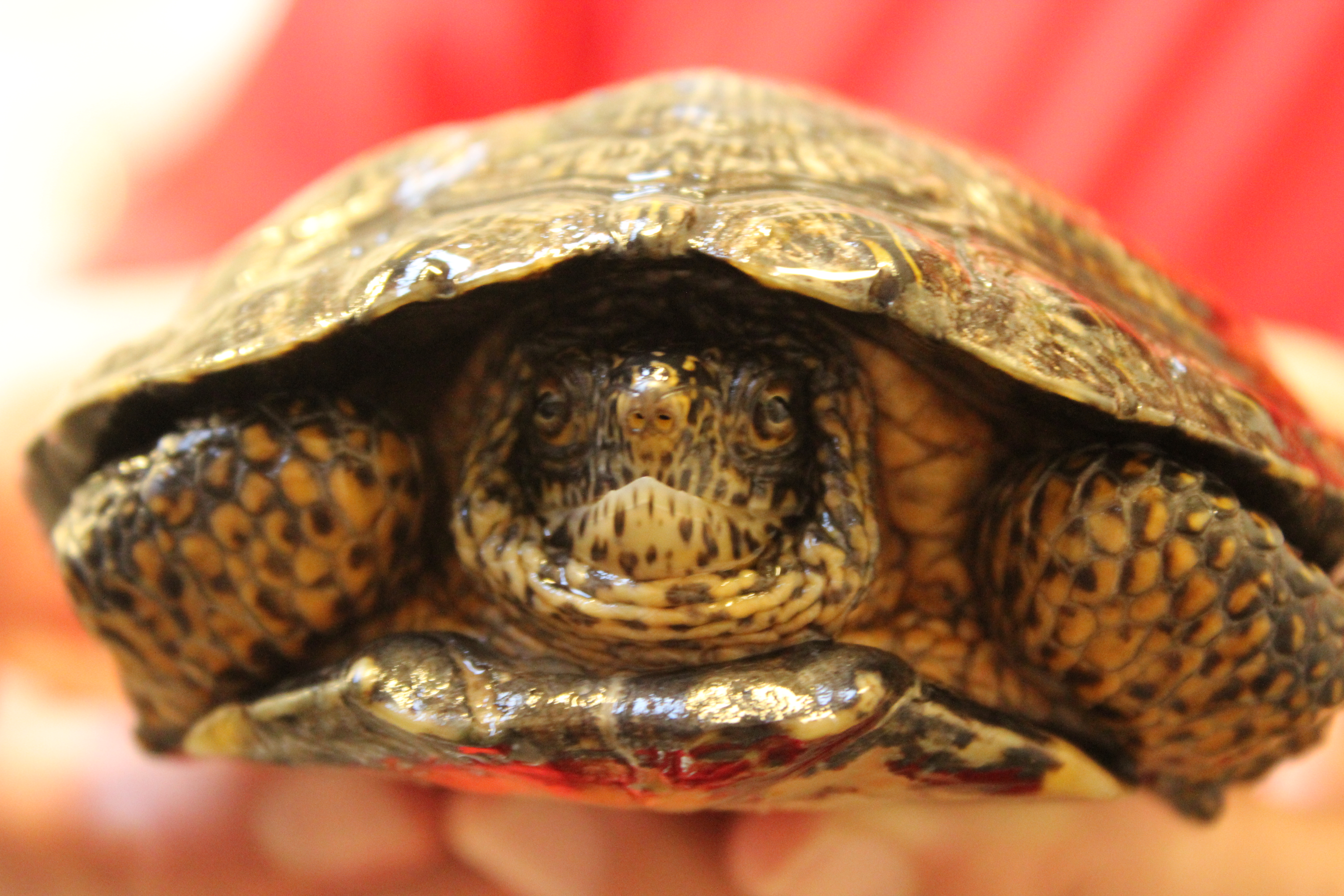
One particularly adorable turtle who recently arrived at Cedar Creek.
During this waiting period, the turtles received acute care for shell disease, which included antibiotics, antifungal medication and shell surgery. The turtles that have arrived have completed treatments and just need watchful eyes and extra time to heal and wait out the winter months. The technicians provide all of this and more. They were excited to have new turtles to care for and prep for their eventual release back into the wild!
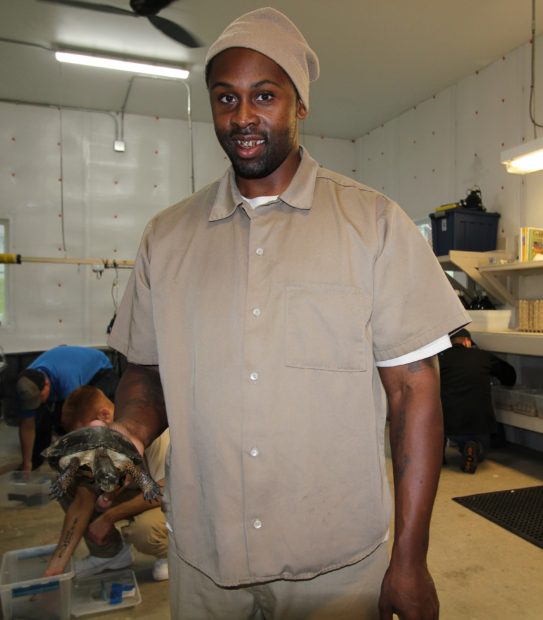
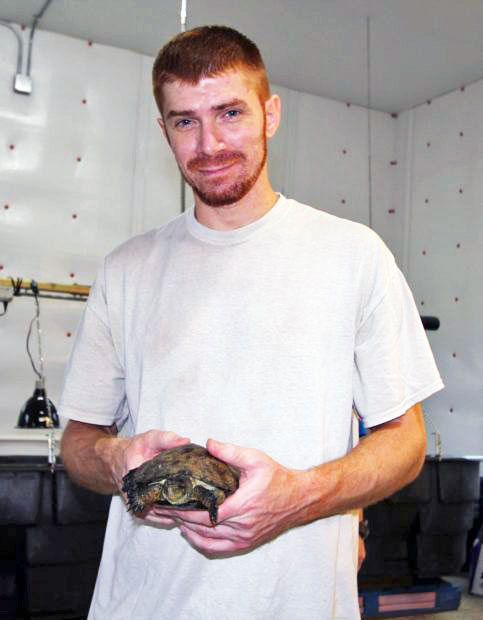
Mr. Hill, a Turtle Technician at Larch, getting ready to put a new turtle in her tank.Mr. Goff, a Turtle Technician at Larch, getting ready to put a new turtle in her tank.
I delivered the turtles with the help of WDFW biologist, Emily Butler, to Cedar Creek on Monday November 1st and just this Monday Larch received their turtles. We were honored to have Dr. Matt Brooks, a nutritionist from the Oregon Zoo, to help us transport the turtles to Larch. This was Dr. Brooks’ first visit to the turtle program. He is helping us to improve turtle health by increasing the nutritional value of their diets. We are so thankful for his help, as we are always looking for ways to improve the quality of care provided to these endangered turtles. Thank you Dr. Brooks!
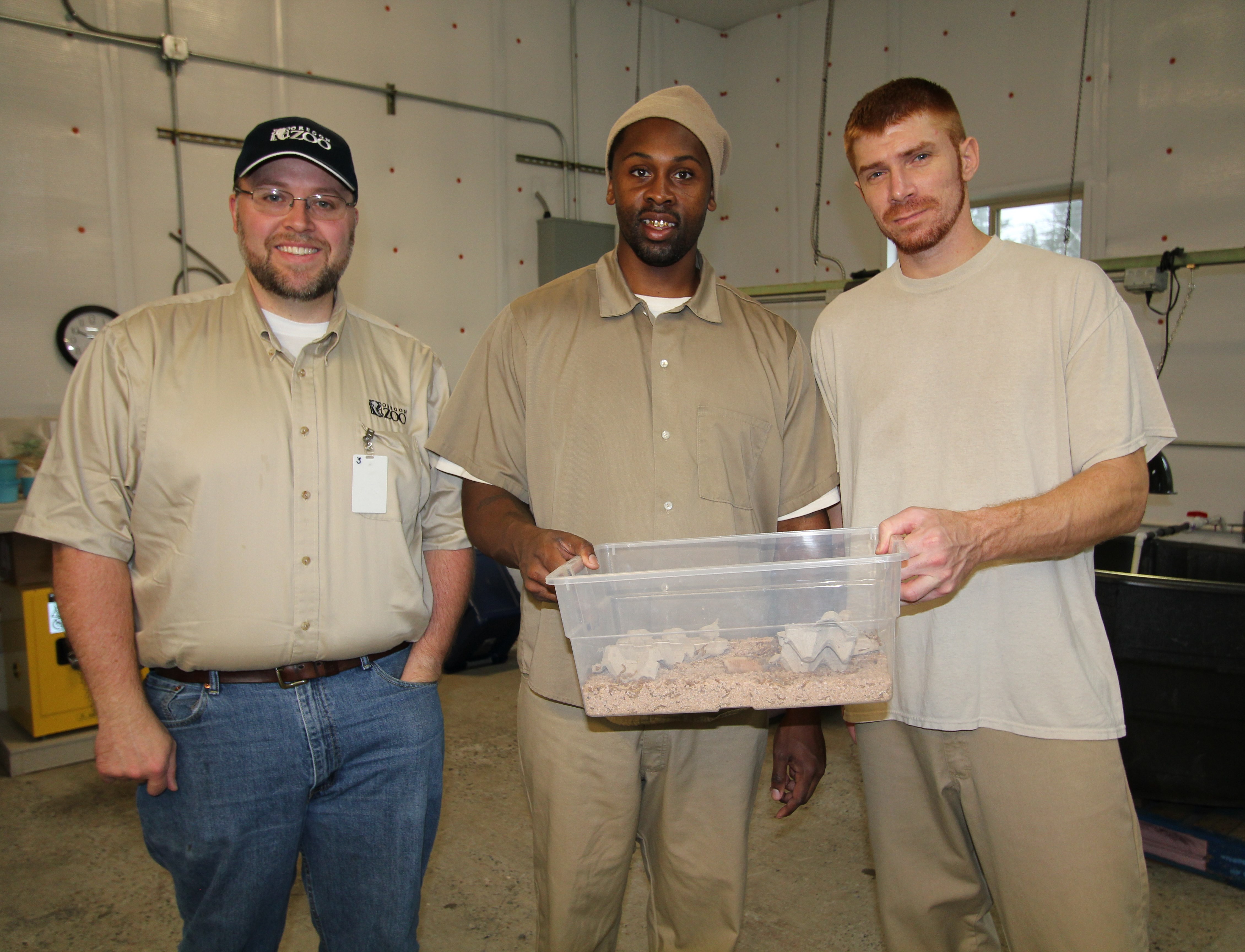
Dr. Brooks and the Turtle Technicians posing with a bin full of mealworms. Dr. Brooks took a sample of mealworms back with him to test their nutritional value.
by Eugene Youngblood, Roots of Success Master Trainer at Coyote Ridge Corrections Center
& Joslyn Rose Trivett, SPP Education & Outreach Manager
Photos provided by DOC staff
Timing + Action = Success
I once read:
The wrong action at the wrong time leads to disaster.
The right action at the wrong time brings resistance.
The wrong action at the right time is a mistake.
The right action at the right time results in success.
The Roots of Success program at Coyote Ridge Corrections Center (CRCC) is more than just environmental literacy; more than facts, figures, data, and information. Roots of Success is the first definitive action step for those who are caring, thinking, men on the cusp of change. If indeed the right action at the right time results in success, the men here at CRCC who have taken the Roots of Success course have taken the first step in the direction of positive change.
We are in the midst of a revision (addition) to our Roots of Success program where we are going to provide students with “hands on training,” resume writing, cover letter production, and other essential requirements for green employment. And with the full support of the administration we are finally able to not only fulfill our commitment as instructors but provide essential tools needed for effective reentry. Hopefully, this will culminate in a “green” mock interview fair.
When all is said and done; we want to make sure that more is done than said… because we know actions speak louder than words.
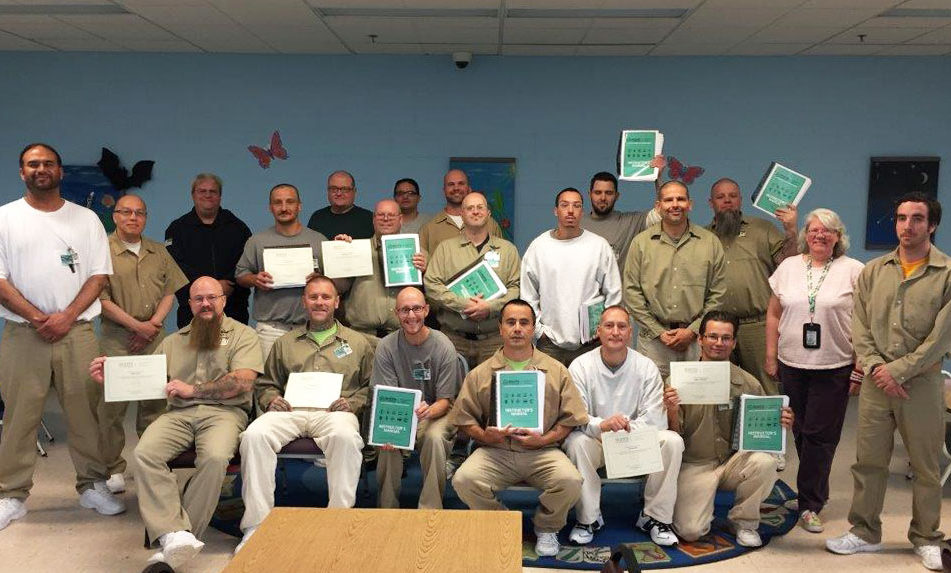
New Roots of Success instructors and staff sponsors at Airway Heights Corrections Center pose with Master Trainer Eugene Youngblood, far left.
Instructor Training at Airway Heights Corrections Center
Eugene Youngblood has taught the environmental literacy curriculum, Roots of Success, for more than two years now. Since September, 2014, he has led students through the 50 hour curriculum ten times, and also taught Correctional Industries’ condensed version of the course. His writing about the Roots of Success curriculum (above) shows his enthusiasm for the program and investment in its students.
Mr. Youngblood also is a Master Trainer for the curriculum. Last month, he left his “home” facility, Coyote Ridge, and visited Airway Heights Corrections Center (AHCC) to certify 18 new instructors for the facility. He spent two days with the class of instructor candidates, well-supported by Roots’ training script and multi-media presentations. Consultation with Dr. Pinderhughes, the curriculum’s creator, proceeded and followed the session.
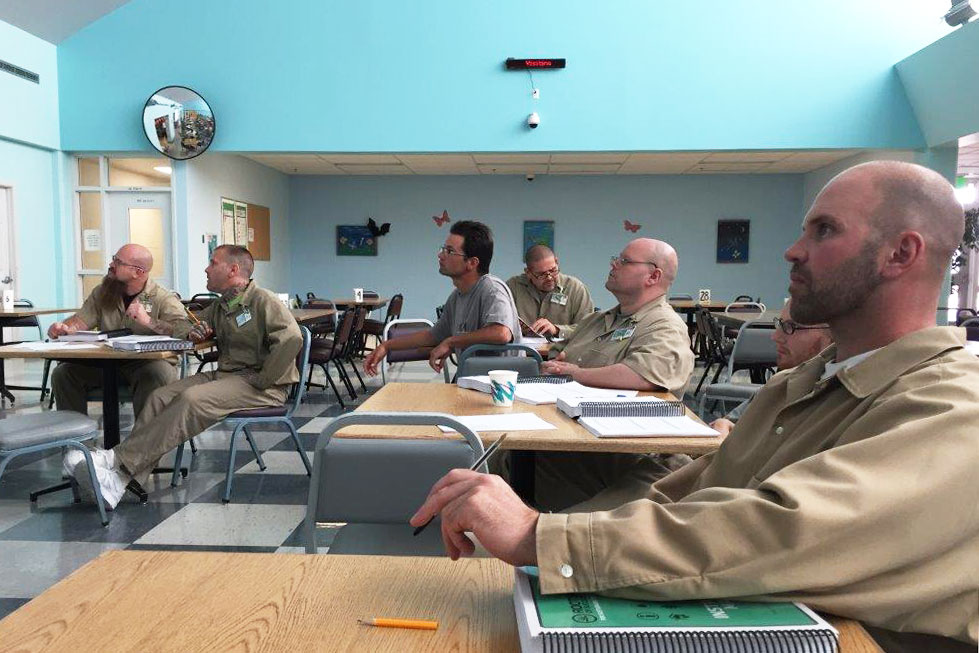
Future Roots of Success Instructors listen intently to a presentation during the 2-day training.
By all accounts, the instructor training was a success. From Dawnel Southwick, one of the program’s staff sponsors at AHCC, in a message to program partners:
Mr. Youngblood was consistently professional as the facilitator, and set a high standard for participants in the Roots Instructor class.
Each student participated and was given practical and effective feedback about their strengths and weaknesses in the process. The feedback was applicable and easy to understand. No one was left out or neglected. Each student was treated with the highest respect, and responded positively to the facilitator, curriculum and presentation. I noticed all the students were engaged, interested, and eager to hear and learn from Mr. Youngblood.
Thank you for allowing and making this amazing opportunity happen here at AHCC.
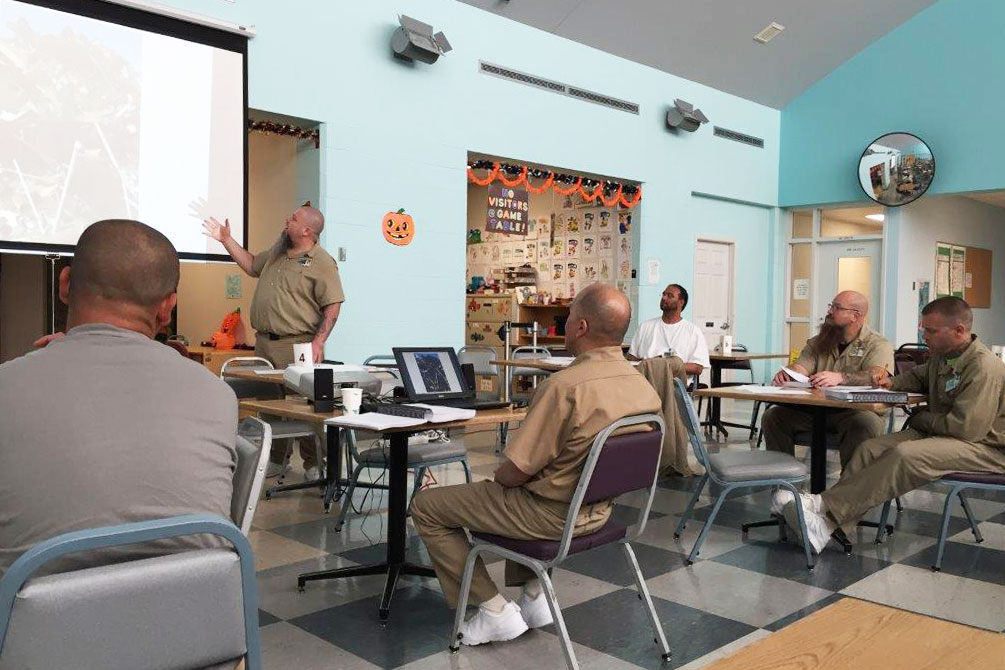
An instructor candidate takes his turn practicing leading the class.
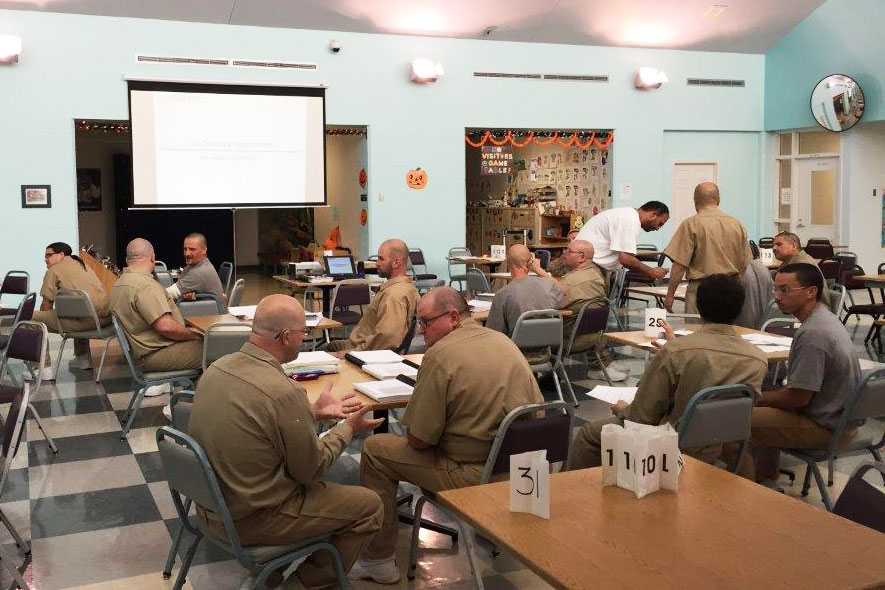
Productive small-group work punctuates presentations during the instructor training.
Co-Authored by Western Pond Turtle Technicians Taylour Eldridge and William Anglemyer
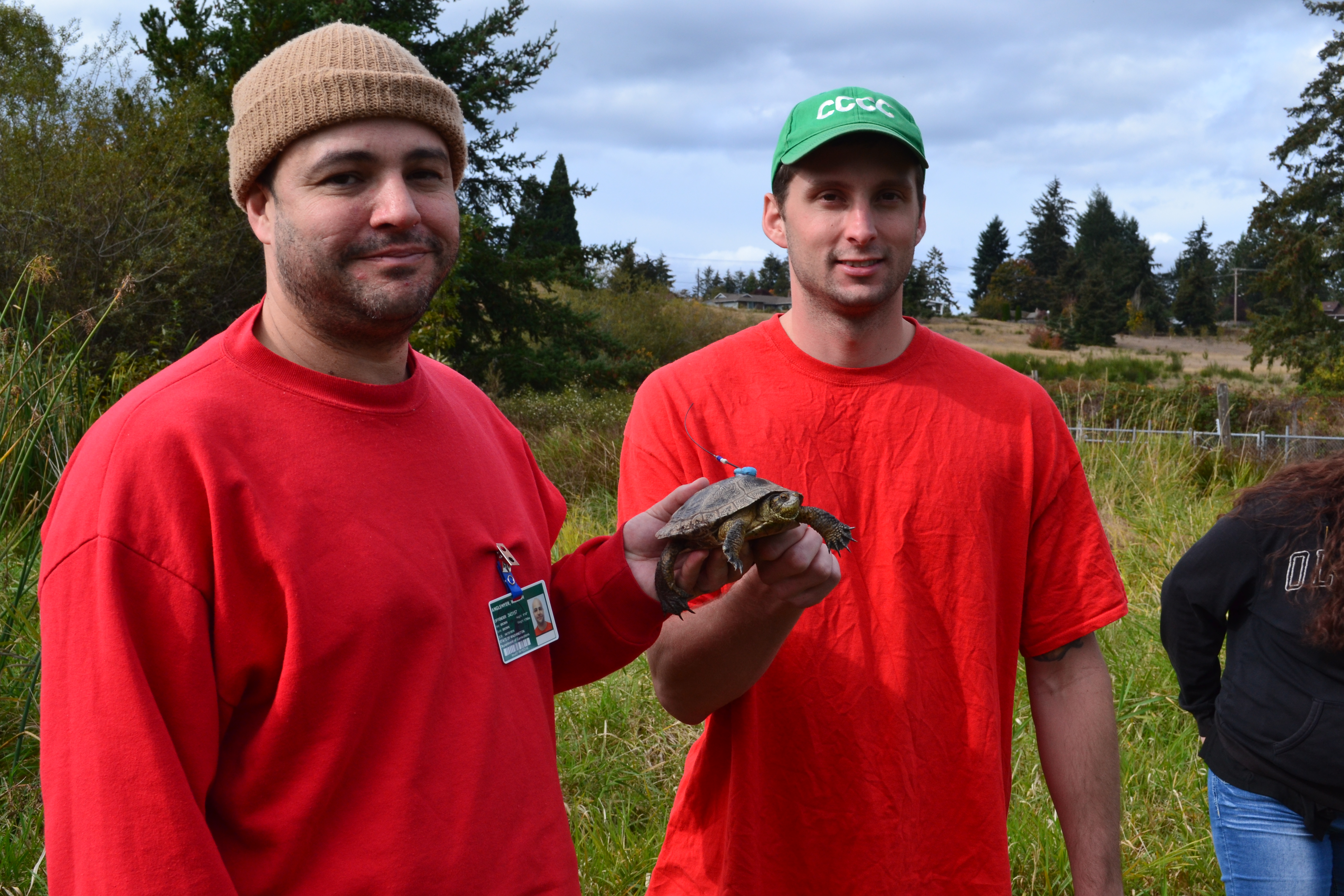
On Monday October 3rd, turtle 4176 was released from the Turtle Rehabilitation program at Cedar Creek Corrections Center . She had been there for quite some time—about 4 months, with a month long intermission at PAWS wildlife rehabilitation center in Lynnwood, WA—then back for another 4 months. She had suffered from seizure-like episodes and for awhile it looked like she wouldn’t be deemed releasable back into the wild. We had been worried, as people who have spent time in solitary confinement ourselves, that months in captivity would have a detrimental effect on her. So it was a great relief to finally load her into a container and board a van destined to deliver her to the Lakewood Western Pond Turtle Refuge.
Turtle Technicians, Mr. Anglemyer and Mr. Eldridge, getting ready to release turtle 4176. Photo by Sadie Gilliom.
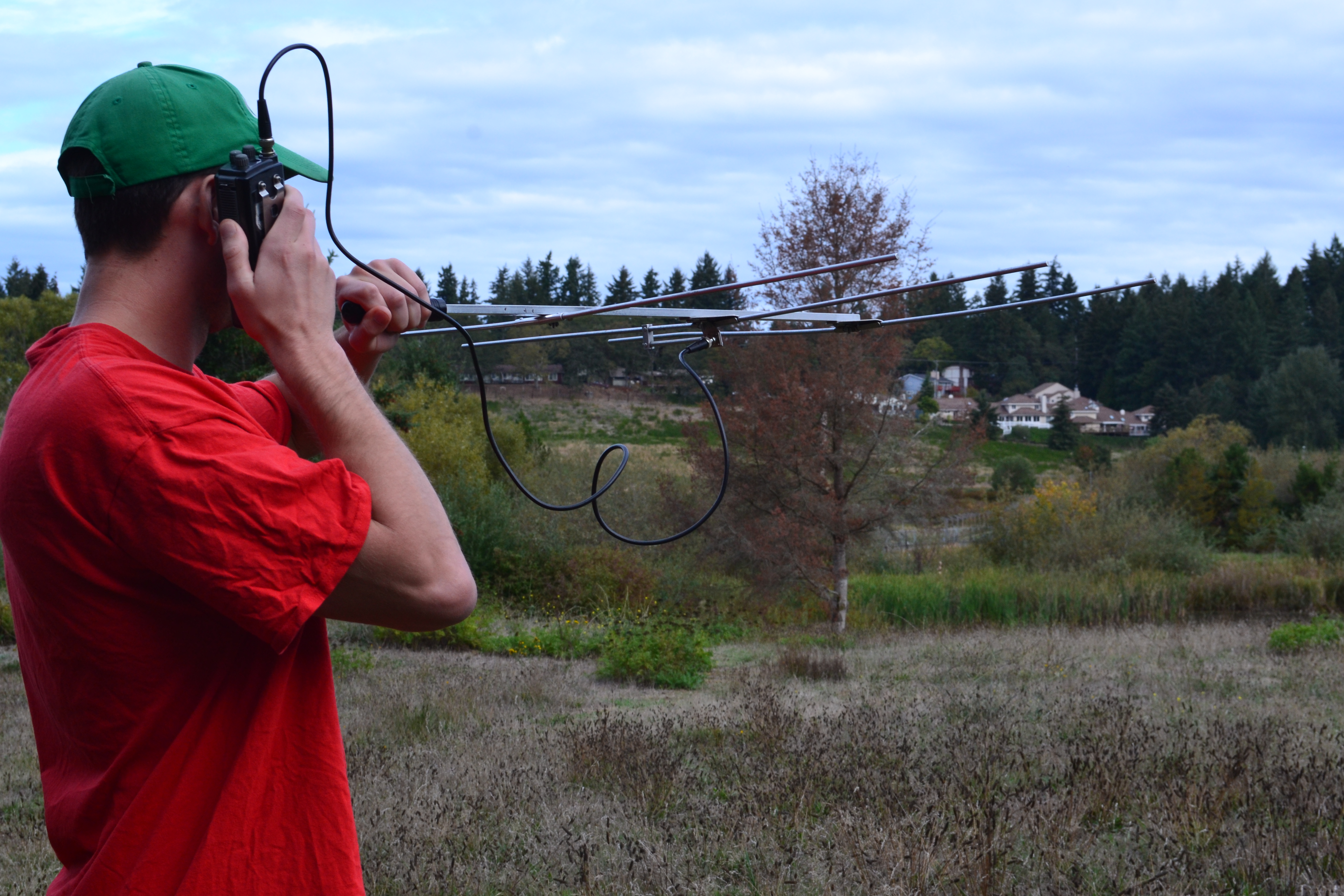
When we arrived, we were met by Washington State Fish and Wildlife Biologist, Emily Butler. In addition to facilitating the turtle release, Ms. Butler showed us how the radio telemetry transmitters are attached to the turtles. We were then given a training on how to use the radio receivers and Ms. Butler took us to the area where the turtles lay their nests. She had hidden two mock (plastic) turtles with transmitters attached to the shells. We took turns using the radio receiver and the attached antenna to find the plastic turtles. We both found it quite difficult; it’s not even close to easy to use the radio telemetry equipment. But we were eventually successful in locating them–truthfully, we received some visual hints. We have a new-found respect for anyone who has to attempt to find turtle nests in this manner.
Technician, Mr. Eldridge, learning to use the radio telemetry equipment. Photo by Sadie Gilliom.
Apart from the experience making us much more aware of the very difficult work of finding nests, it was a great learning experience which gave us a new found appreciation for the hands-on work that goes on in the field—a part of the program we’d never been privy to before. We learned of the plethora of other activities that the biologists do every day to help with the recovery of this amazing species.
We both feel good about being part of the SPP Western Pond Turtle Rehabilitation Program and we cannot think of a more worthwhile job—especially as people in an incarceration setting. We’re looking forward to helping the next batch of turtles get through their healing process and seeing them released back into the wild. We hope the day will come soon when there are no more turtles that need help healing. Hopefully, the future will bring multitudes of healthy turtles living in their natural habitat.