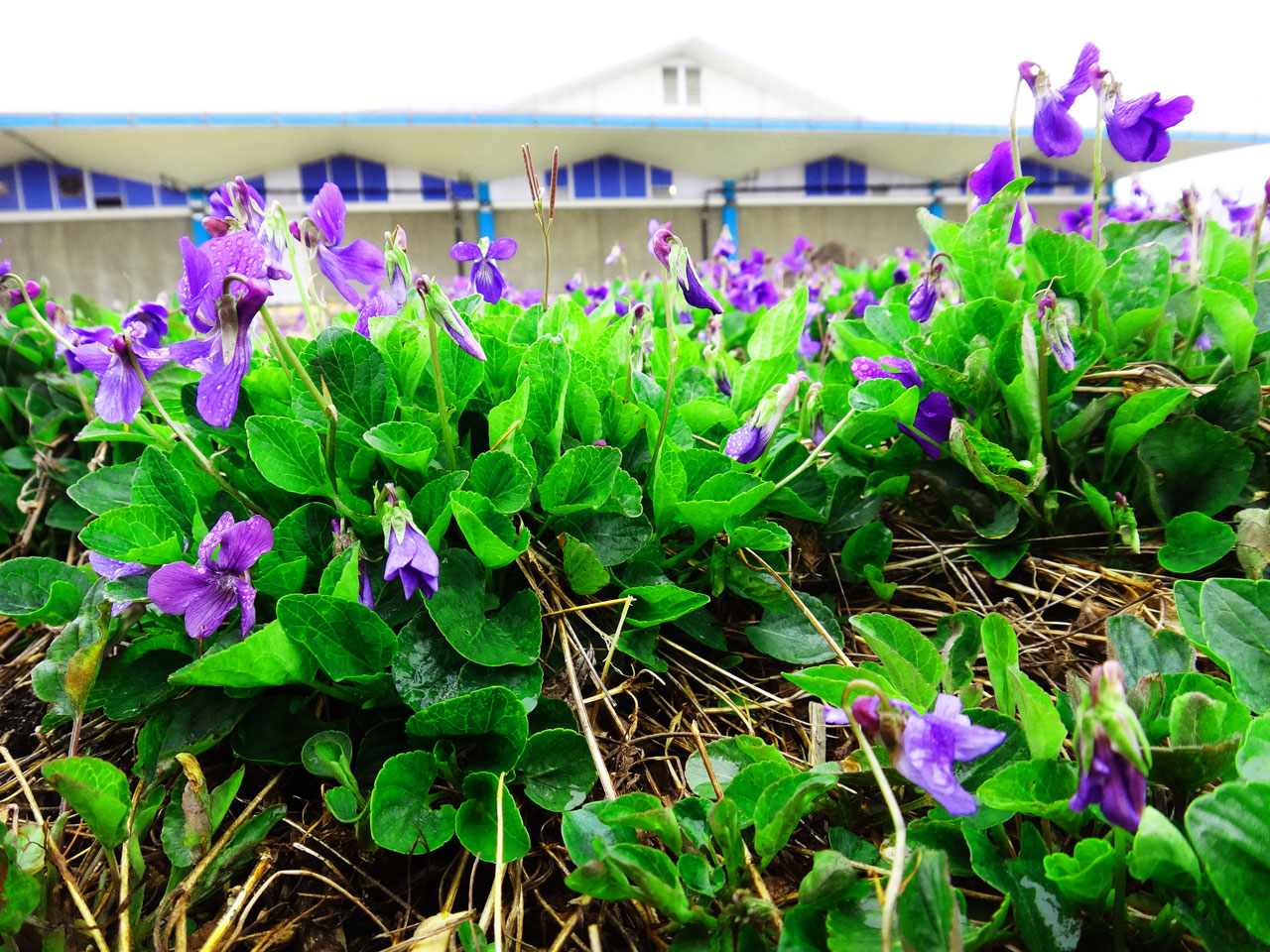
Early-blue violet. Photo credit: Alexandra James

by Alexandra James, SPP Ecological Conservation Nursery Coordinator
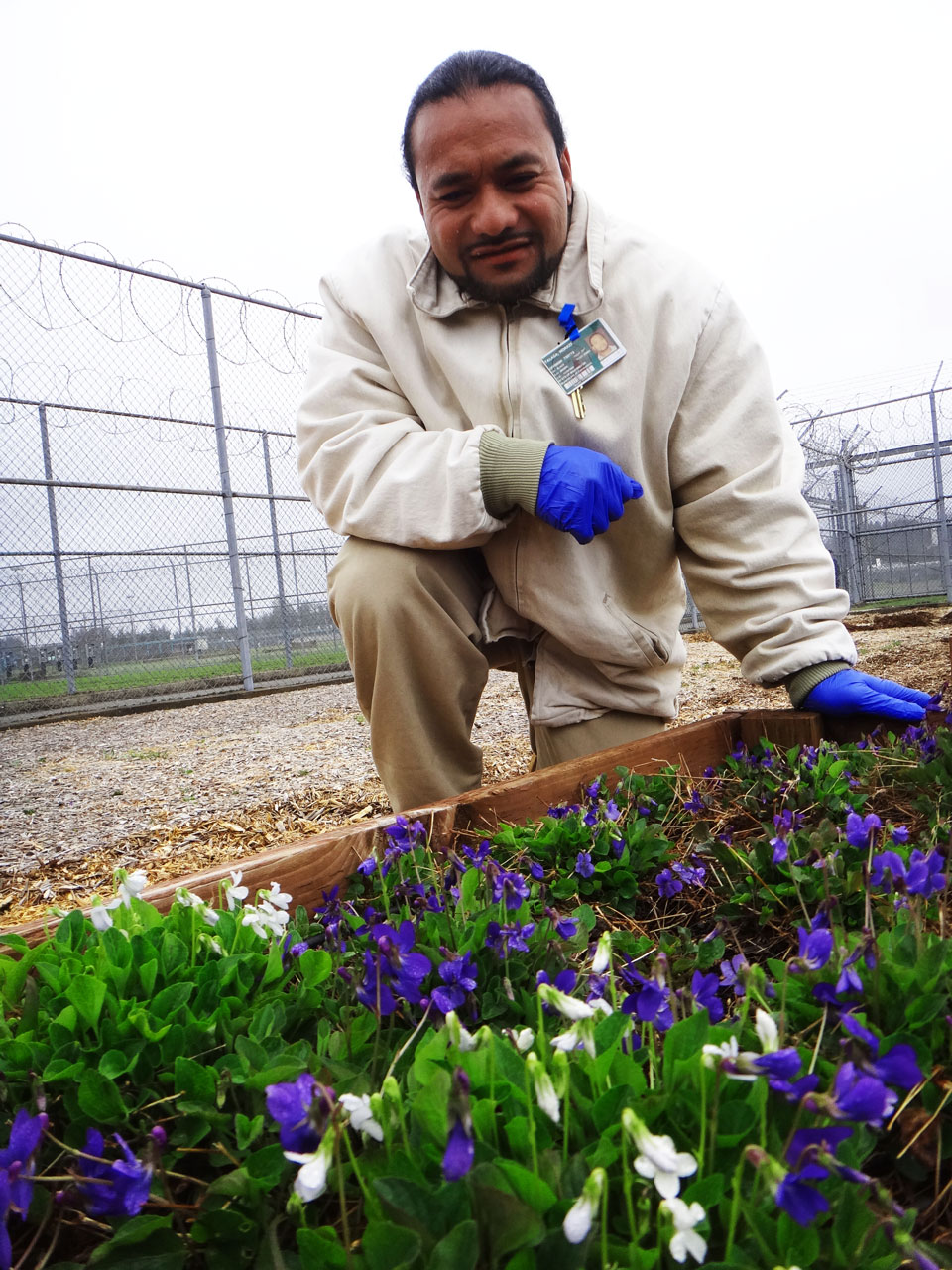
Teaching Assistant, Morris Talaga, inspecting a raised bed for weeds and pests. Photo credit: Alexandra James

Spring has sprung at Washington Corrections Center (WCC)! The Ecological Conservation Nursery is well underway with the cultivation of two viola plant species (Viola adunca & Viola howellii) that currently fill the twenty-nine raised beds that compose the core of the nursery. Viola adunca, commonly known as the early-blue violet, is a critical prairie plant species for the South Sound Prairie ecosystems of Washington State and Oregon. In fact, the early-blue violet is the only food source for the silverspot butterfly’s larval life-stage. This means that the silverspot caterpillar feeds only on the early-blue violet and relies on the plants sustenance for survival. Today, the silverspot butterfly is federally recognized as endangered due to the loss of native habitat and, in particular, the loss of the early-blue violet.

Why should we care about the silverspot butterfly? Like all butterflies, the silverspot butterfly is an important pollinator species. Without pollinators, we would see a collapse of our agricultural economy, food supply, and surrounding landscapes. Pollinators are essential in preserving biodiversity, preventing soil erosion, increasing carbon sequestration, and more importantly, providing us with ecological services, including our food and raw materials.

The WCC Ecological Conservation Nursery Crew is working hard to aid in the recovery of the early-blue violet. Technicians spend a vast majority of their time learning about, sowing, cultivating, and tending to thousands of viola plants—this is what it means to be responsible for the world’s largest violet production nursery! The crew dedicates year-round attention to the successful propagation of the early-blue violet and collects viable seed during the summer months to aid in prairie conservation efforts across Washington State. The seed they collect will be shared with state agencies such as the Center for Natural Lands Management and Joint Base Lewis-McChord, and go to prairie restoration initiatives that aid in the protection of butterfly species, including the silverspot butterfly. “The work we do is important and it is great to be a part of something so important and meaningful for our community; it means so much to give back” – Teaching Assistant, WCC SPP Crew.
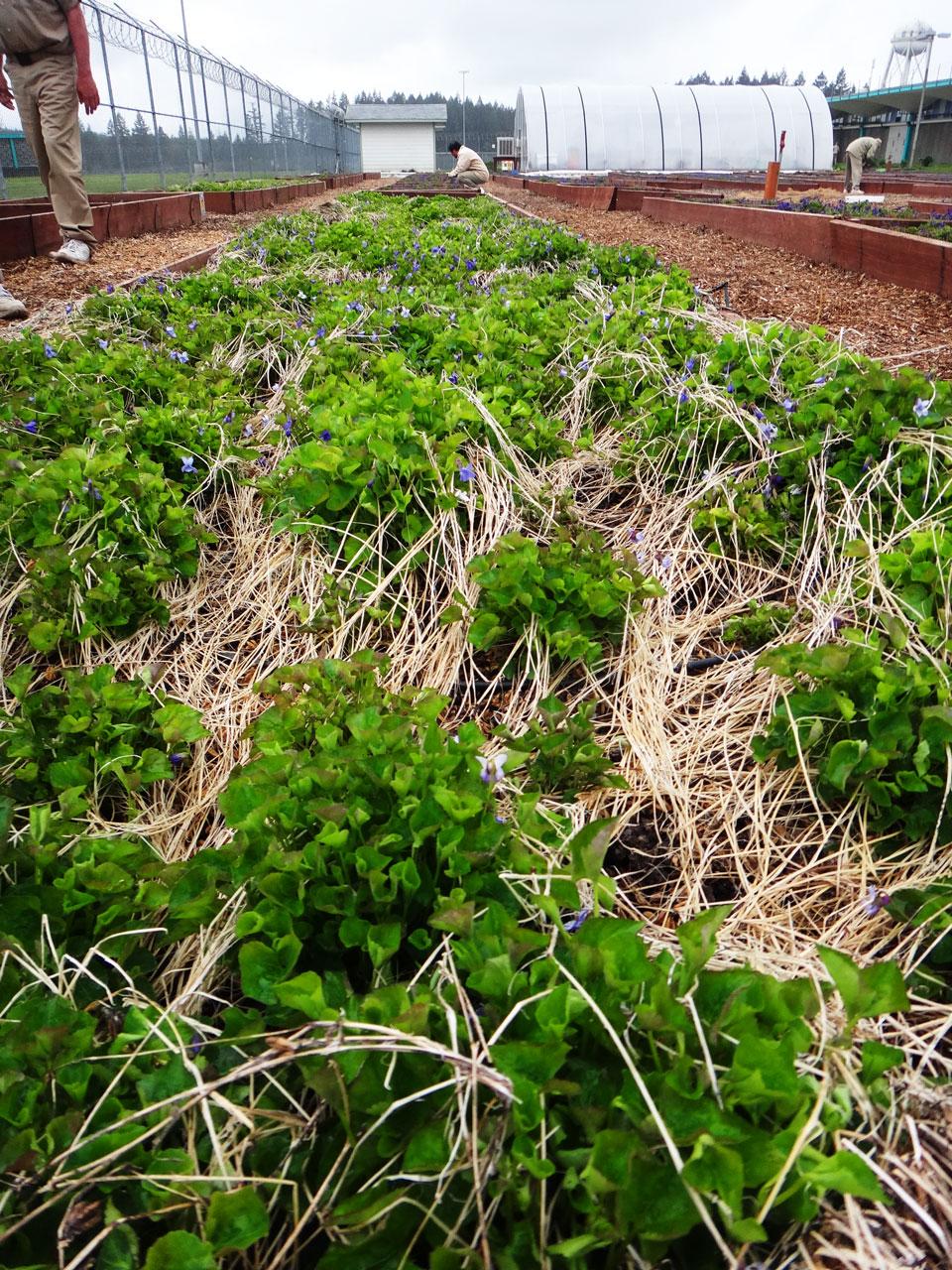
Spring blooms of the early-blue violet. Photo credit: Alexandra James

In addition to the viola plants, the WCC Ecological Conservation Nursery Crew has sown over thirty-five different prairie plants to be used in a Prairie Demonstration Garden that will aid in the education of prairie landscapes to WCC visitors, staff and residents. All thirty-five plants are native to the South Sound Prairies of Washington State and Oregon. The cultivation and propagation of these native plant species will support hands-on environmental education for the crew and bring awareness to the importance our state’s prairie landscapes.
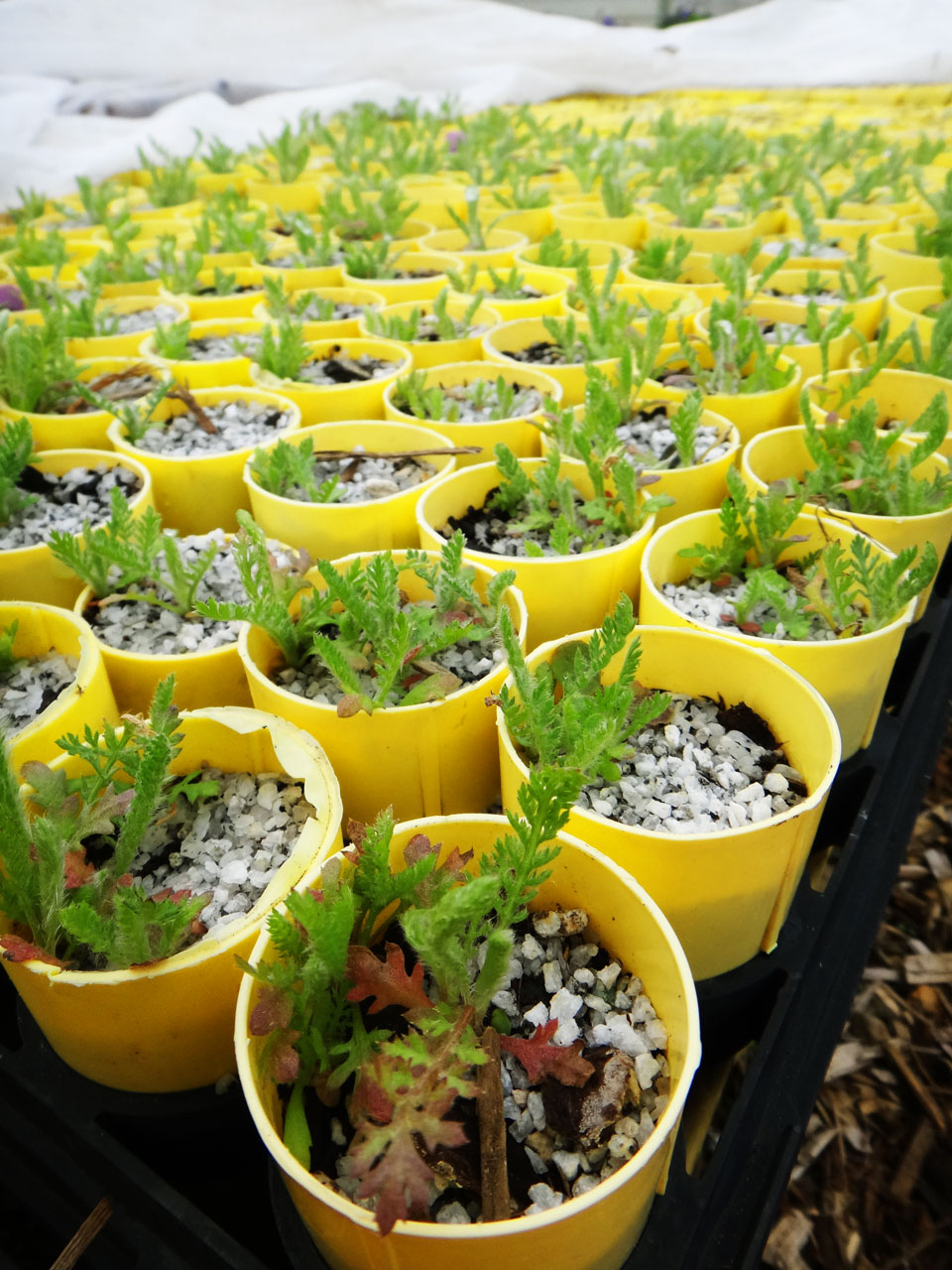
Propagation tray of native prairie plant (Achillea millefolium) for the Prairie Demonstration Garden.

by Keegan Curry, SPP Taylor’s Checkerspot Butterfly Coordinator

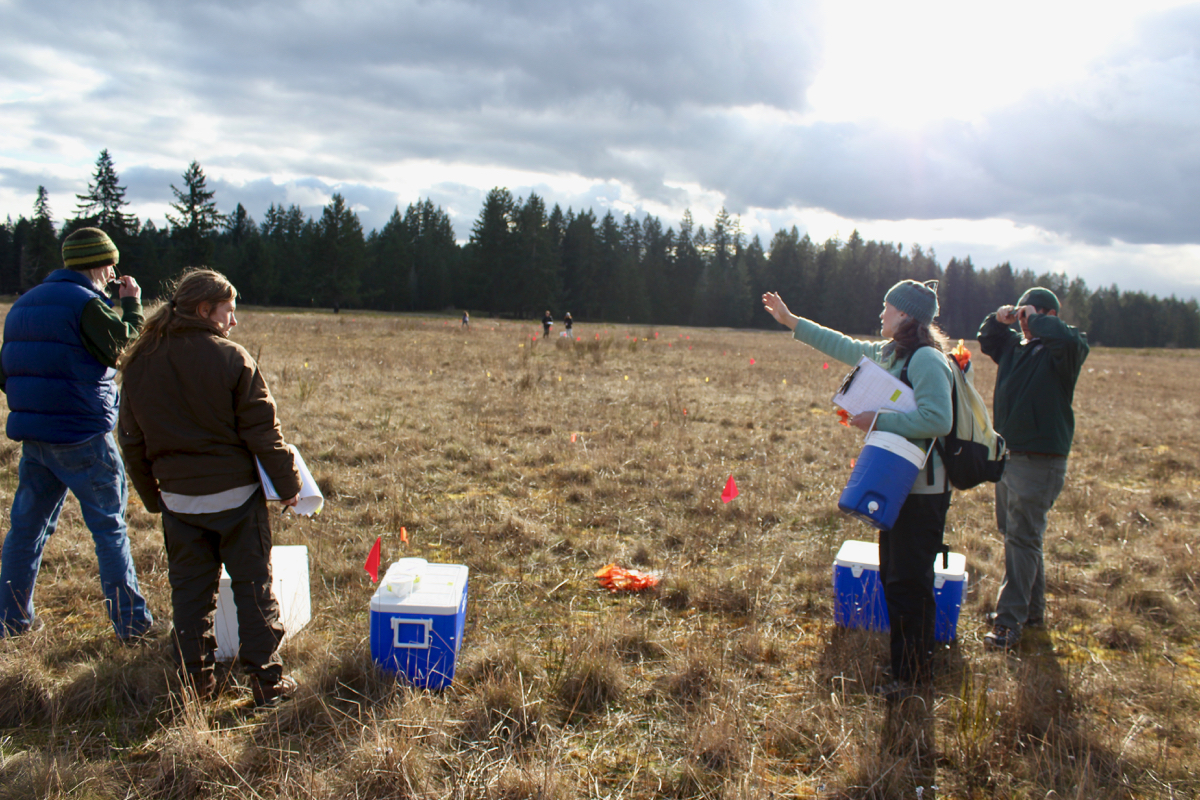
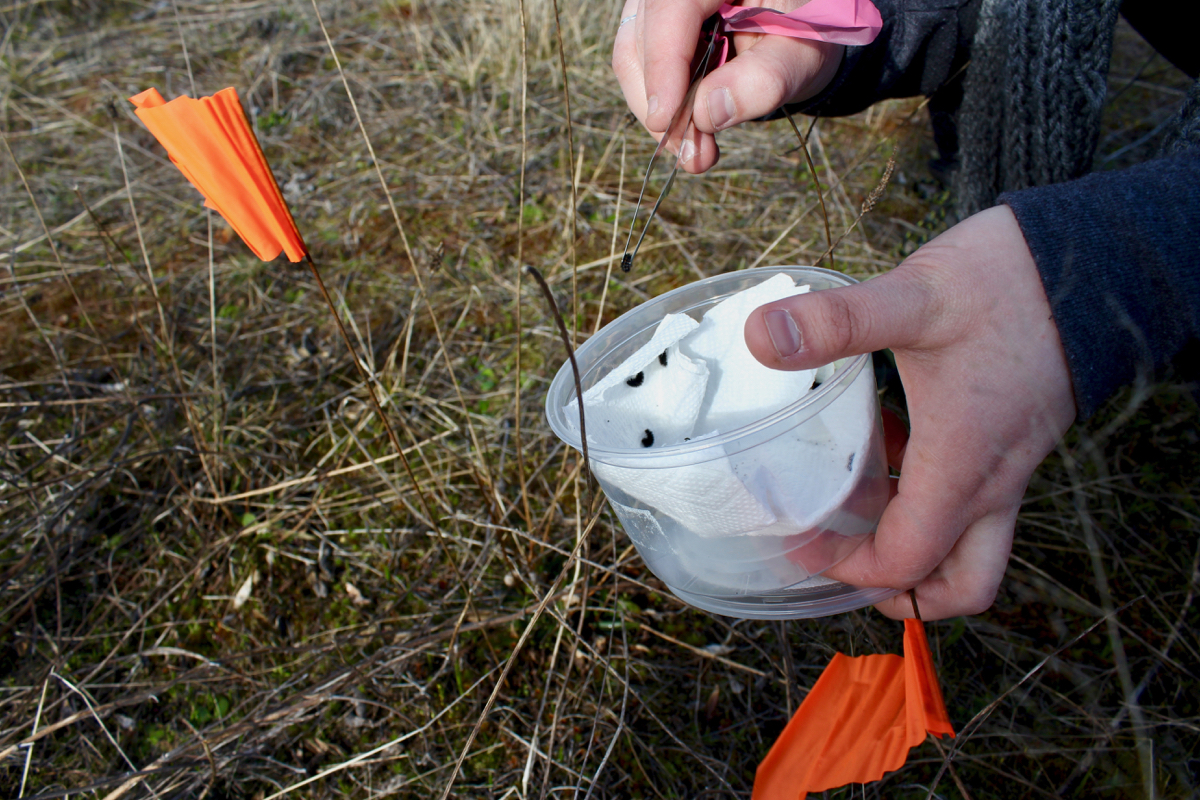
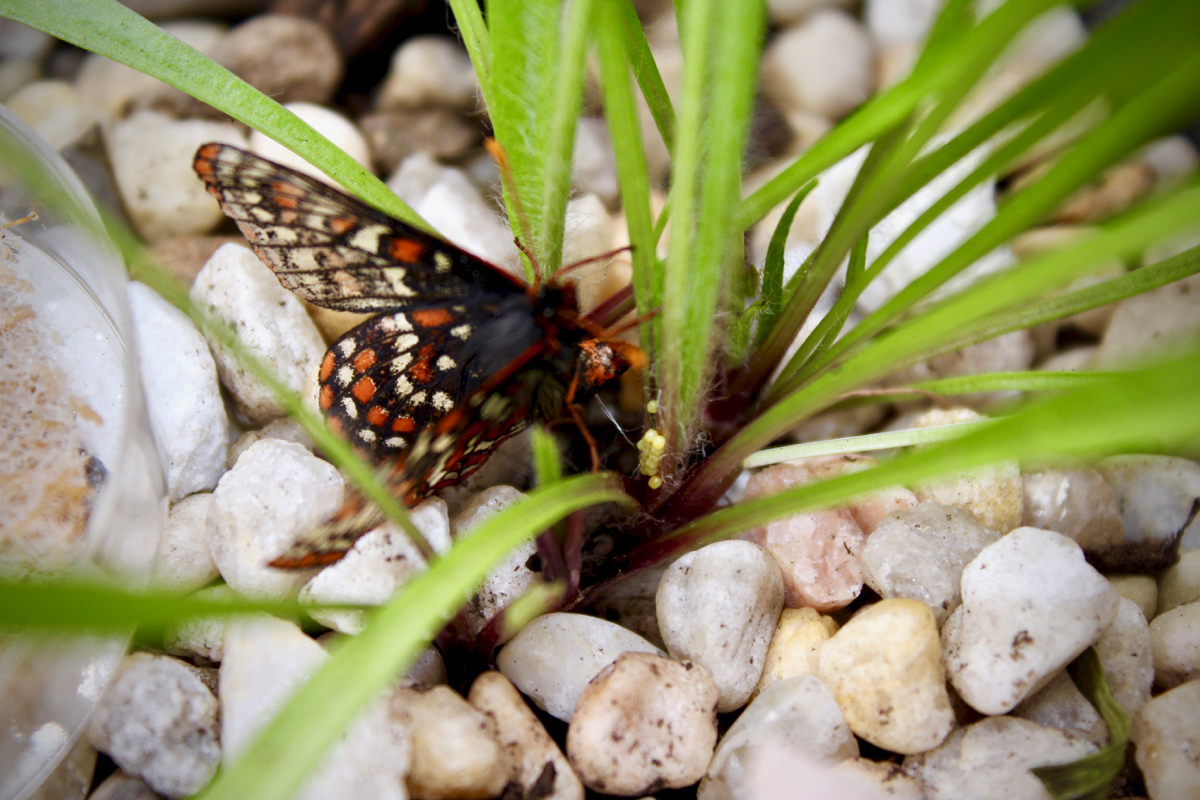
Each year, the Sustainability in Prisons Project’s (SPP) Taylor’s Checkerspot Butterfly Program rears thousands of endangered caterpillars for reintroduction to the wild. Incarcerated technicians at Mission Creek Corrections Center for Women (MCCCW) shepherd these rare butterflies through each of their four life stages—eggs, larvae, pupae, and adults. The transition from winter to spring is an exciting time for the program because that’s when all the action happens: the larvae wake up and begin to eat, followed shortly by pupation, adult emergence, and captive breeding.

Taylor’s checkerspots are adult butterflies for only about 5 weeks during the spring, so things happen fast; now that we’re nearing the end of “flight” season, it all feels like a white and orange blur! And yet, a lot has happened in the past few months. Two new butterfly technicians joined our team, ~2,800 post-diapause larvae were sent to Joint Base Lewis-McChord for release, 225 adult butterflies eclosed in the lab, and technicians hosted site visits for some of our most valued partners (including one very special guest). To top it all off, the MCCCW butterfly crew celebrated their most productive breeding season to date!

I am pleased to share with you some images from the 2018 rearing season. These photos highlight the tremendous efforts and accomplishments of everyone involved, including staff from Washington Department of Corrections (WA Corrections), Washington Department of Fish and Wildlife (WDFW), Oregon Zoo, U.S. Fish and Wildlife Service (USFWS), and many more.

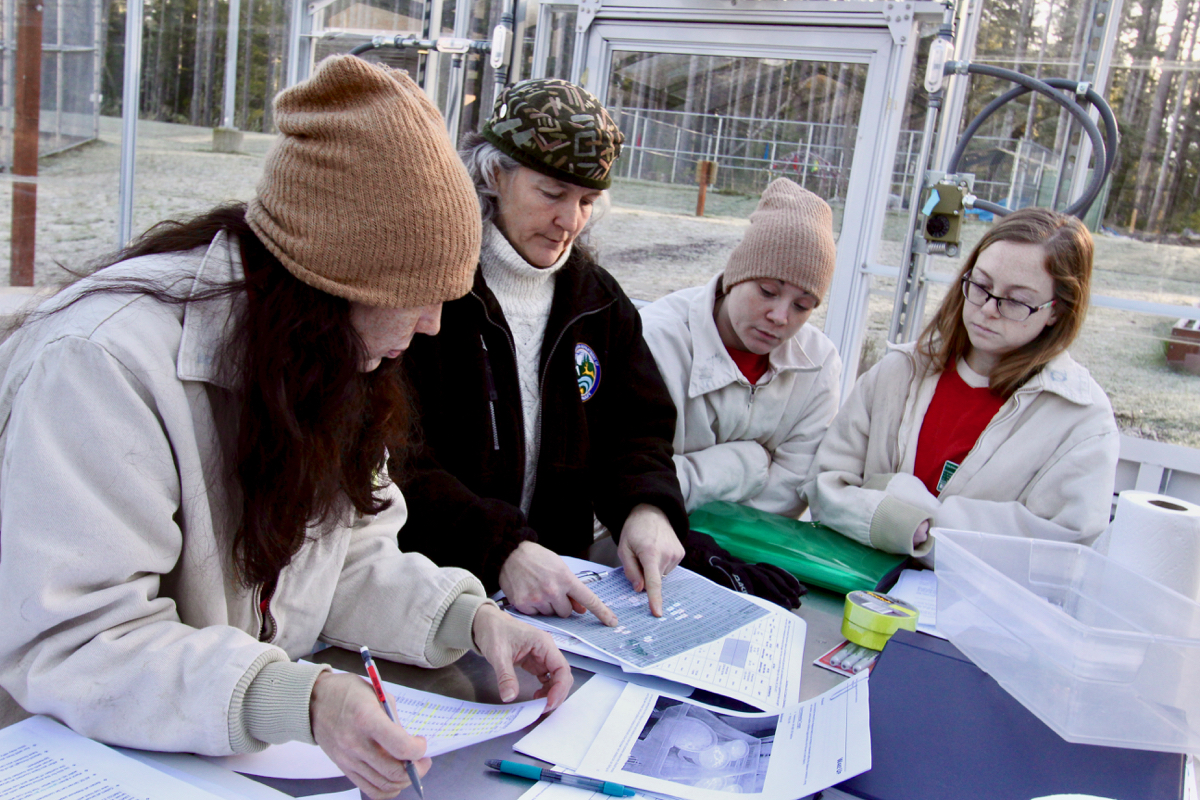
(Left to right) Technician Susan Christopher, WDFW Biologist Mary Linders, and Technicians Nichole Alexander, and Alexis Coleman work together to decide which caterpillars should be released this year and which ones should remain at MCCCW for captive breeding.
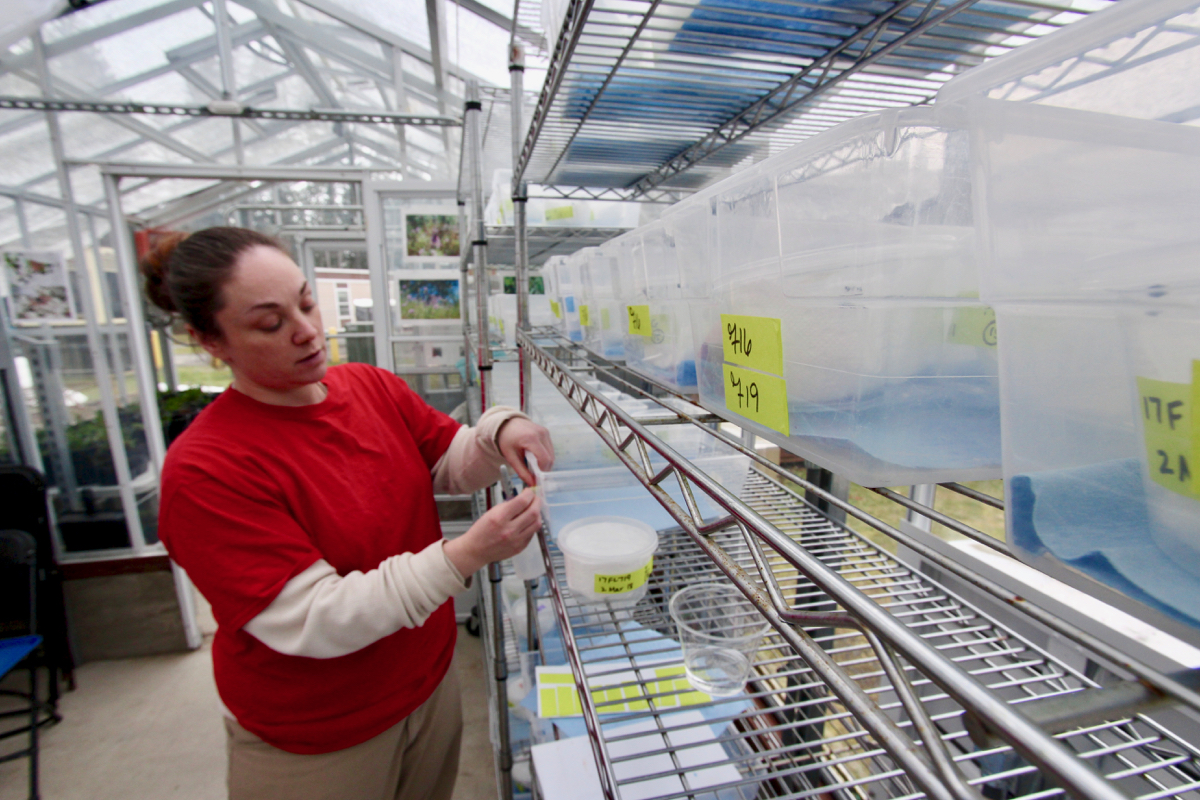
Technician Nichole Alexander labels individual deli cups full of caterpillars that have just been woken up from winter diapause. Over 3,000 hungry caterpillars now line these shelves waiting to be released!
WDFW Biologist Mary Linders directs volunteers at a Taylor’s checkerspot release site. We transport caterpillars from the prison to the field and very carefully introduce them to their new environment.
A volunteer transplants Taylor’s checkerspot caterpillars to Plantago lanceolata host plants. It is early spring, so much of the prairie vegetation has yet to flower.
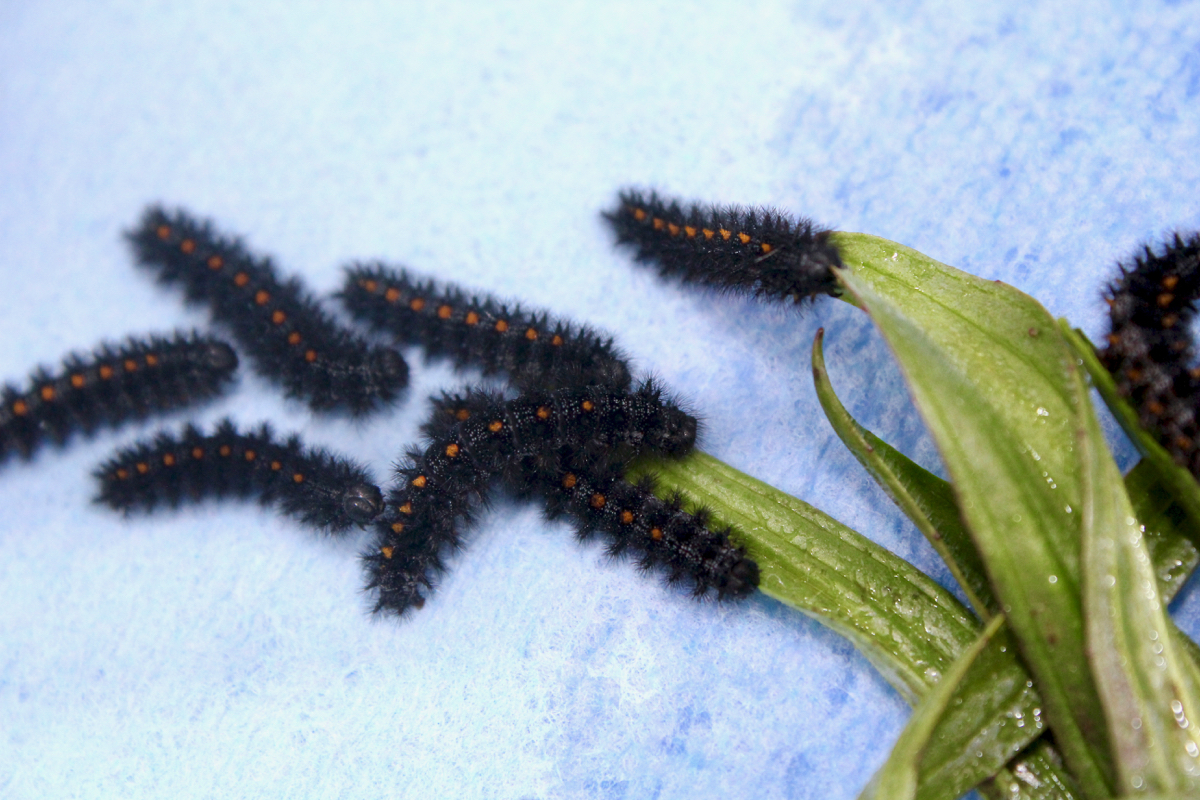
A few caterpillars remain in the MCCCW lab where they will mature to produce some of the program’s next batch of eggs. Here, a few caterpillars get fat and happy as they prepare for pupation. A group of fifteen caterpillars can eat up to eight Plantago leaves per day! Technicians have to feed them constantly to keep up with their appetites.
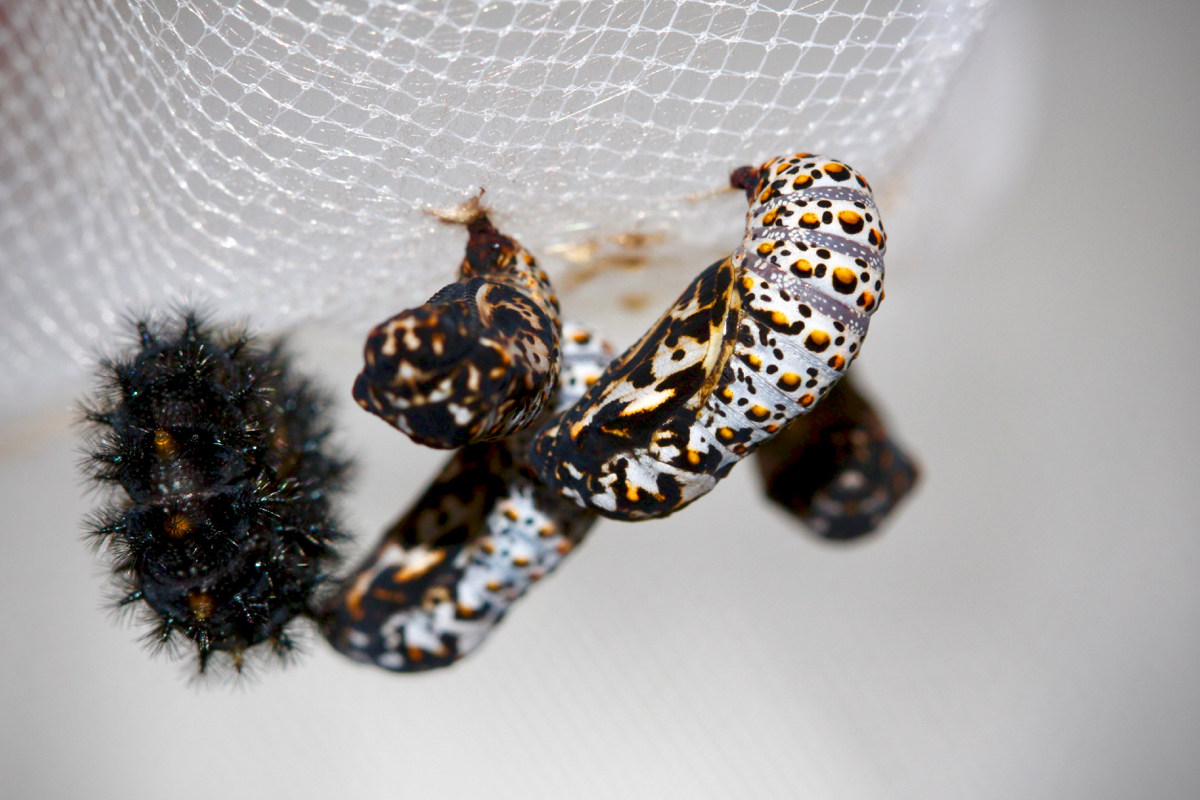
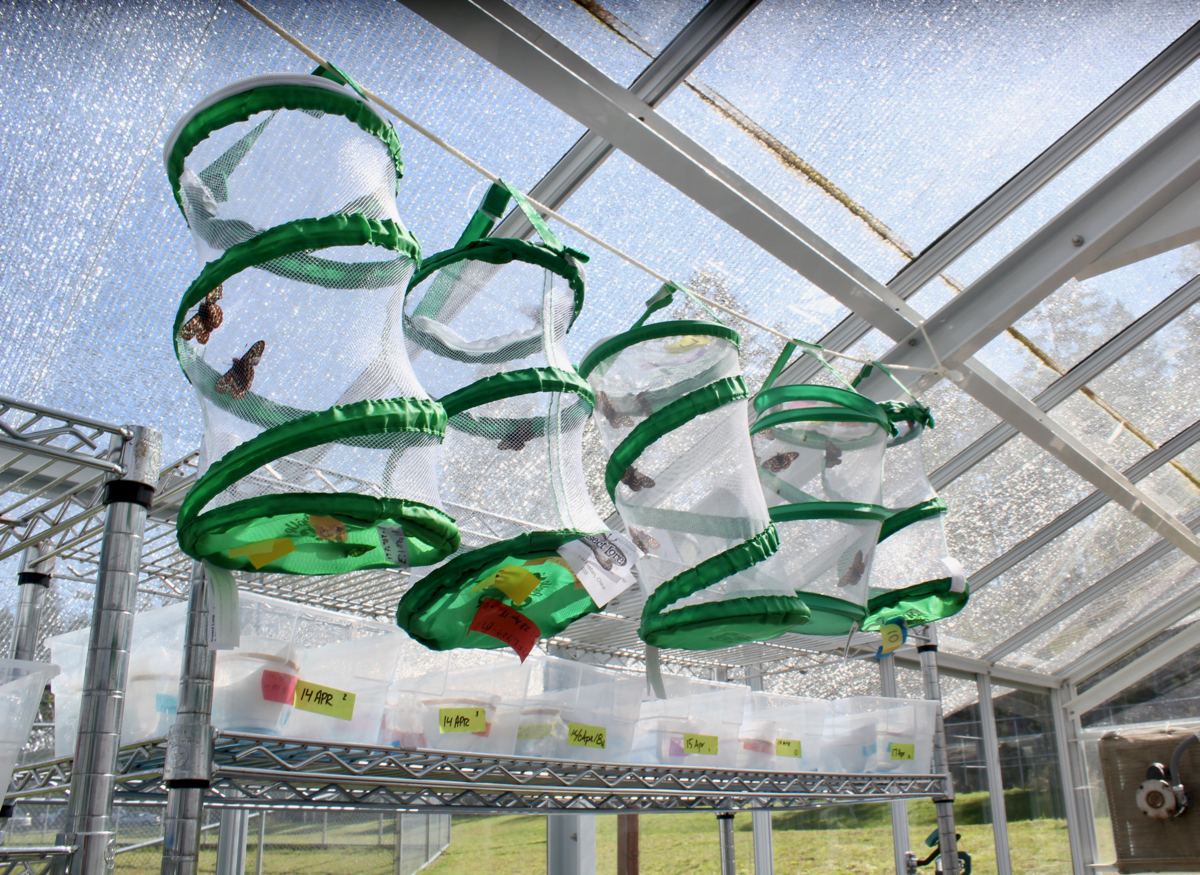
Once they have reached the appropriate size, caterpillars crawl to the top of their mesh enclosure and hang in a ‘J’ shape before transforming into a chrysalis. Pupation is such a strange and beautiful process to behold, and MCCCW technicians get to watch it happen right before their eyes.
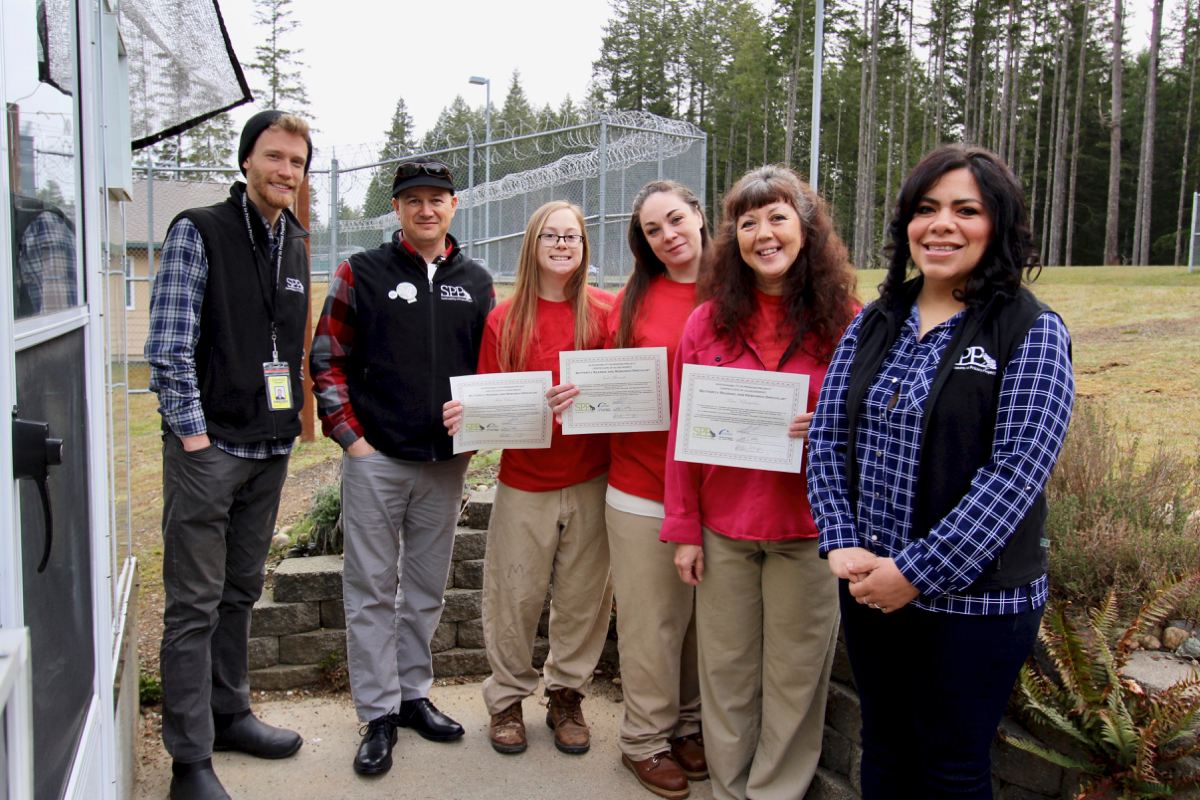
Midway through the season, Carolina Landa (far right) and Dennis Buckingham (second from the left) paid a special visit to the butterfly program. Dennis was the first SPP coordinator and Carolina was one of the original incarcerated technicians, and the part she played in shaping the program is legendary. Carolina returned to MCCCW and share valuable words of encouragement with the current technicians. It was a great opportunity to present Alexis Coleman, Nichole Alexander, and Susan Christopher with their Butterfly Rearing and Research Specialist certificates.
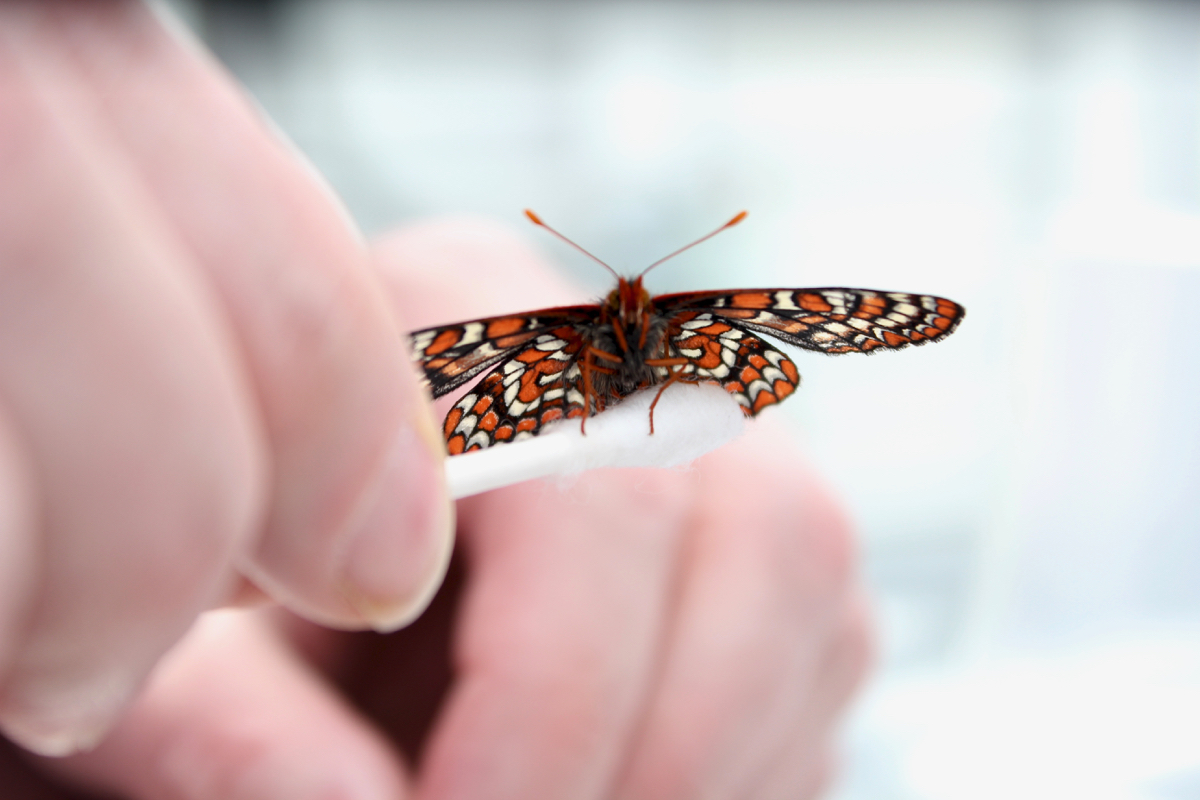
About three weeks after pupation, butterflies begin to emerge from their chrysalises. This is a rewarding moment for the butterfly technicians, but it also means more work! Each butterfly needs to be fed honey from a Q-tip, weighed on a scale, photographed, identified as male or female, and placed in the appropriate enclosure.
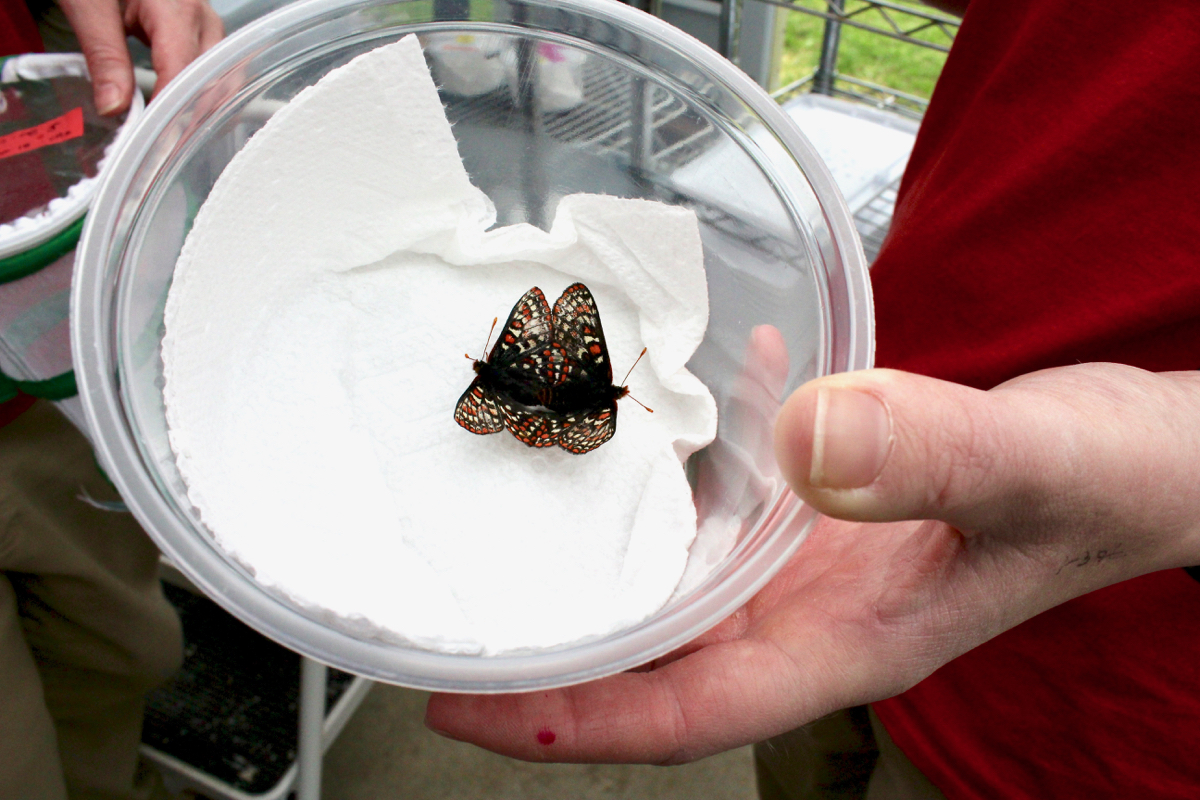
Technicians pair male and female checkerspots based on their genetic lineage. Males and females are introduced to each other in these mesh tents. The butterflies were very cooperative this year, wasting no time in consummating the match.
Mated pairs are removed from the breeding tents. Technicians then place the female butterflies on Plantago plant for egg-laying. The male gets to go hang out with his buddies until they are released into the field.
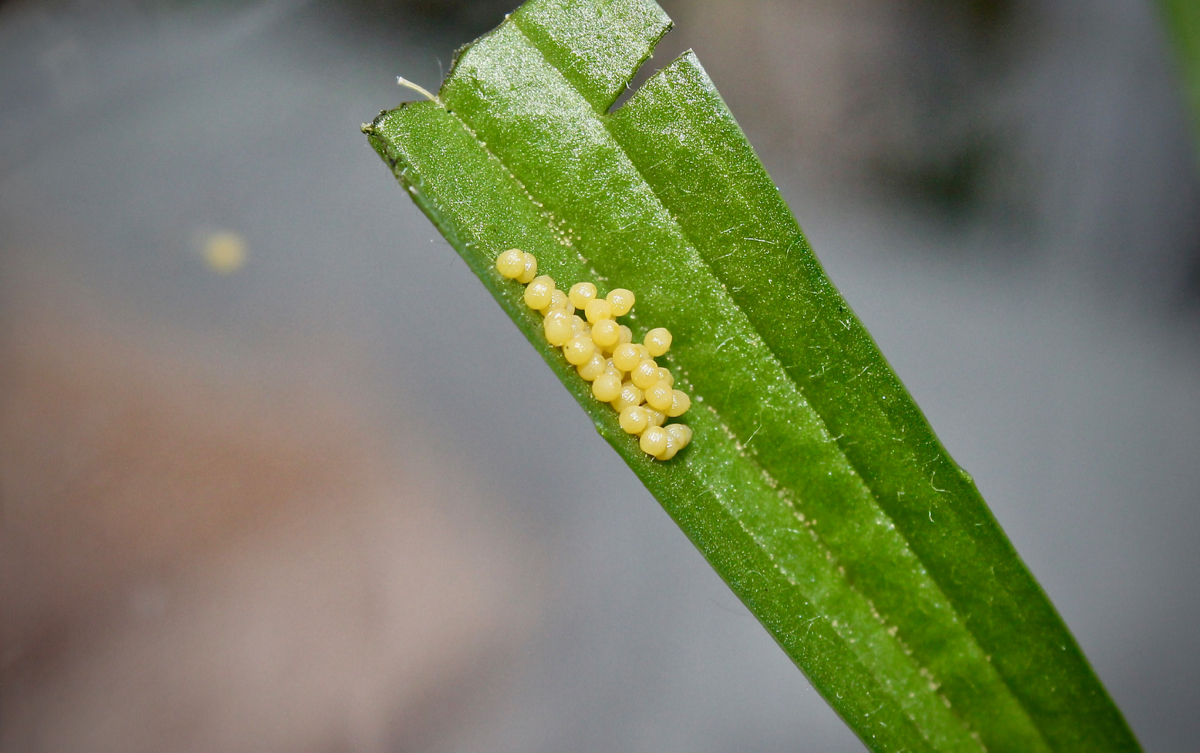
A mated female lays eggs near the base of Plantago lanceolata. In the wild, this is a great place to keep the eggs safe from harm, but in the lab, eggs laid this way pose a challenge for technicians. They will have to use a tiny paintbrush to remove these fragile eggs and transfer them to a 5.5oz cup where they will eventually hatch.
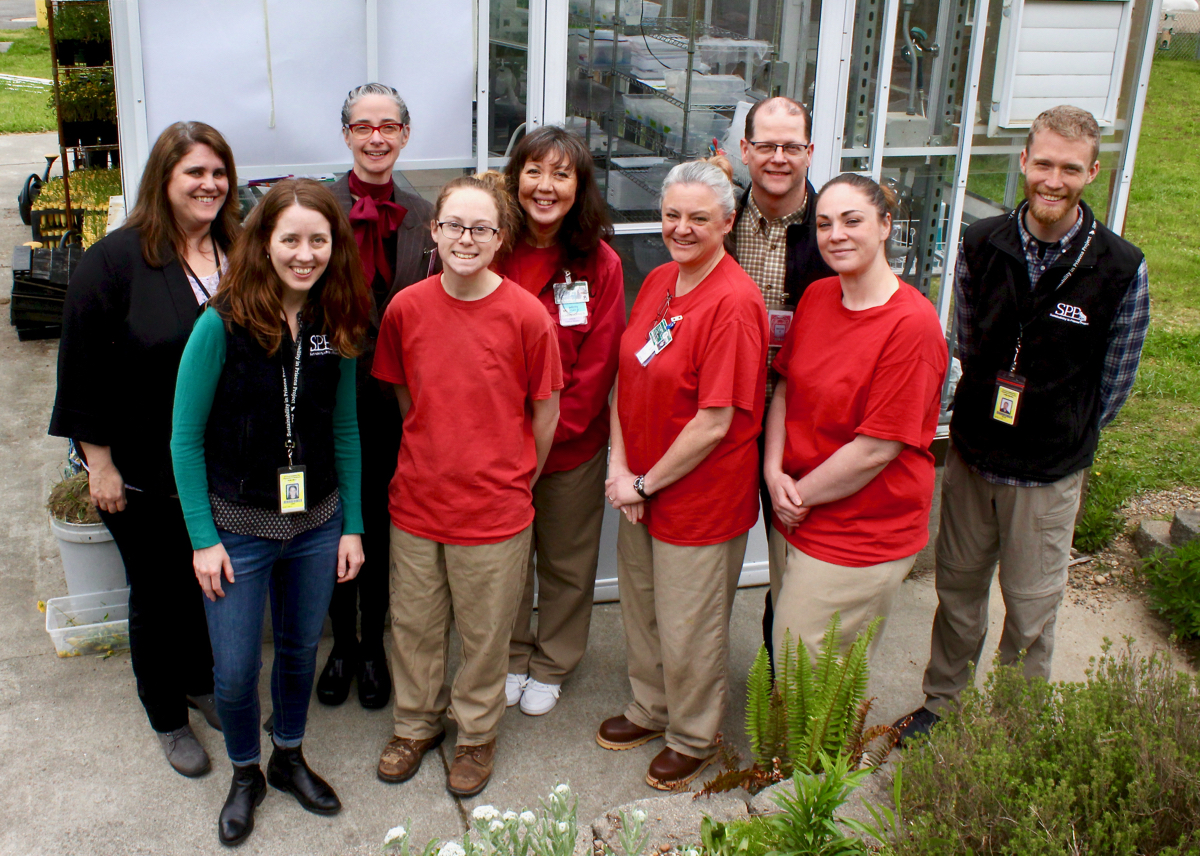
(Left to right) MCCCW Superintendent Devon Schrum, SPP Co-Director Kelli Bush, USFWS Biologist Karen Reagan, Alexis Coleman, Susan Christopher, Tracy Hatch, USFWS Division Manager Tom McDowell, Nichole Alexander, and SPP Coordinator Keegan Curry take a group photo in front of the butterfly lab. Karen and Tom from USFWS oversee Taylor’s checkerspot recovery on a regional level; they took time out of their busy schedules to visit the MCCCW captive rearing program and see firsthand the work that incarcerated technicians are doing to support endangered species conservation.
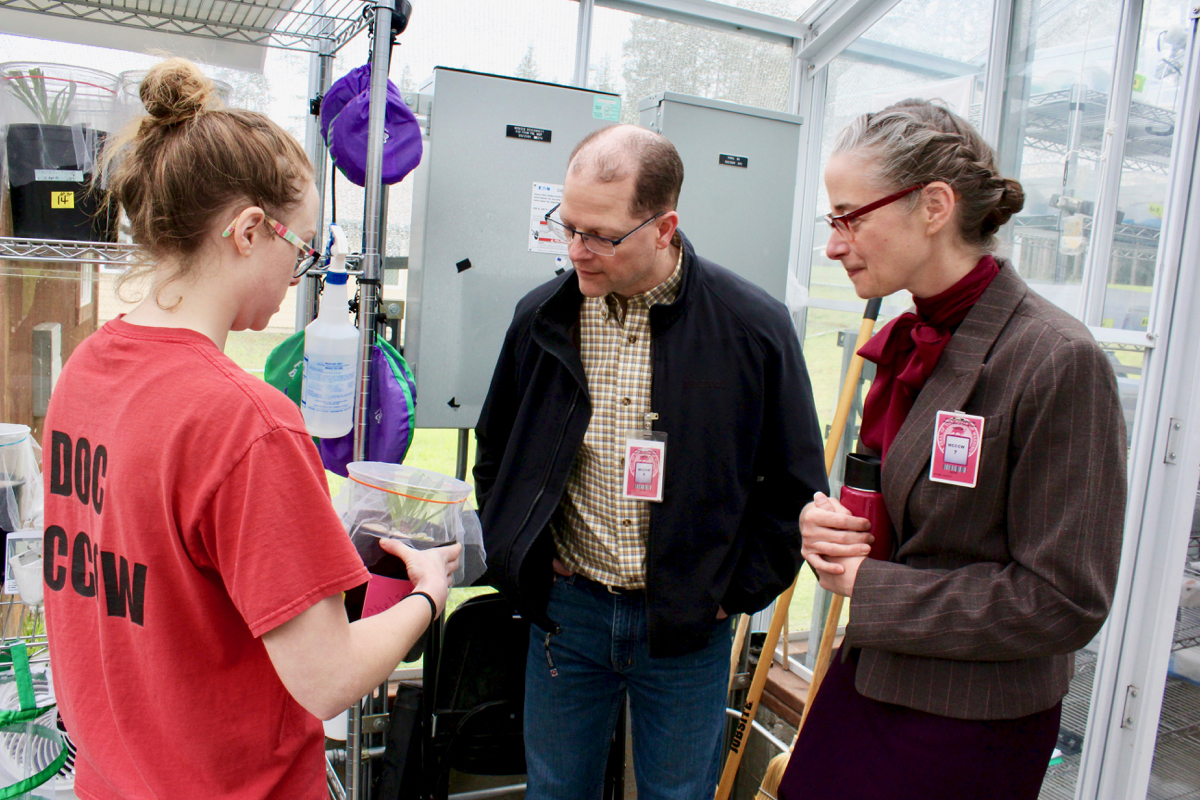
Technician Alexis Coleman shares her observations about Taylor’s checkerspot egg-laying behavior with Tom McDowell and Karen Reagan from USFWS.
This year was the most productive breeding season to date for MCCCW: our captive-bred butterflies laid over 7,000 eggs! This is great news for the program and for species recovery in the field, and the technicians at MCCCW should be proud. Their contributions are vital to restoring Taylor’s checkerspot populations in Washington State.


Text and photos by Bethany Shepler, SPP Green Track Program Coordinator

I recently visited Olympic Corrections Center (OCC) on the Olympic Peninsula near Forks, Washington. OCC is a “camp” for incarcerated individuals with 4 years or less remaining in their sentence. Inmates at OCC learn trades and gain valuable experiences for when they release. Among many options available to them is working for the Department of Natural Resources (DNR) as response teams for flooding, forest fires, and other work within national parks. OCC has an impressive garden setup where they grow plants and seedlings; they use these areas as labs for learning horticultural science and plant biology (a Peninsula College program). They also have excellent composting and wood shop programs.

It was a privilege to see their programming. Here are a few snapshots of their great work.

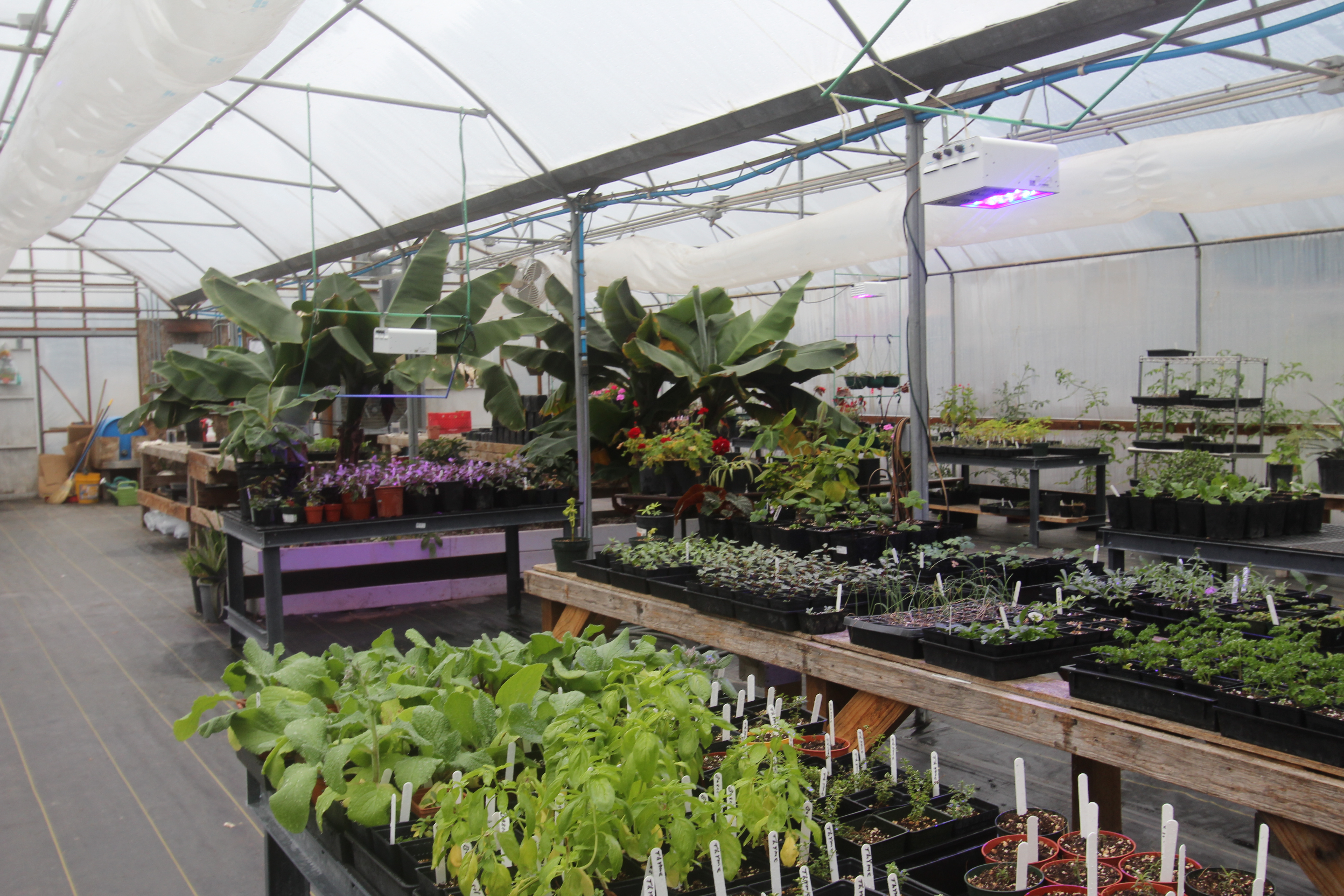
The greenhouse at OCC has seedlings, produce, flowers, and tropical plants. They grew dozens of flower baskets for Mother’s Day, for both inmates and staff to give to their mothers and wives.

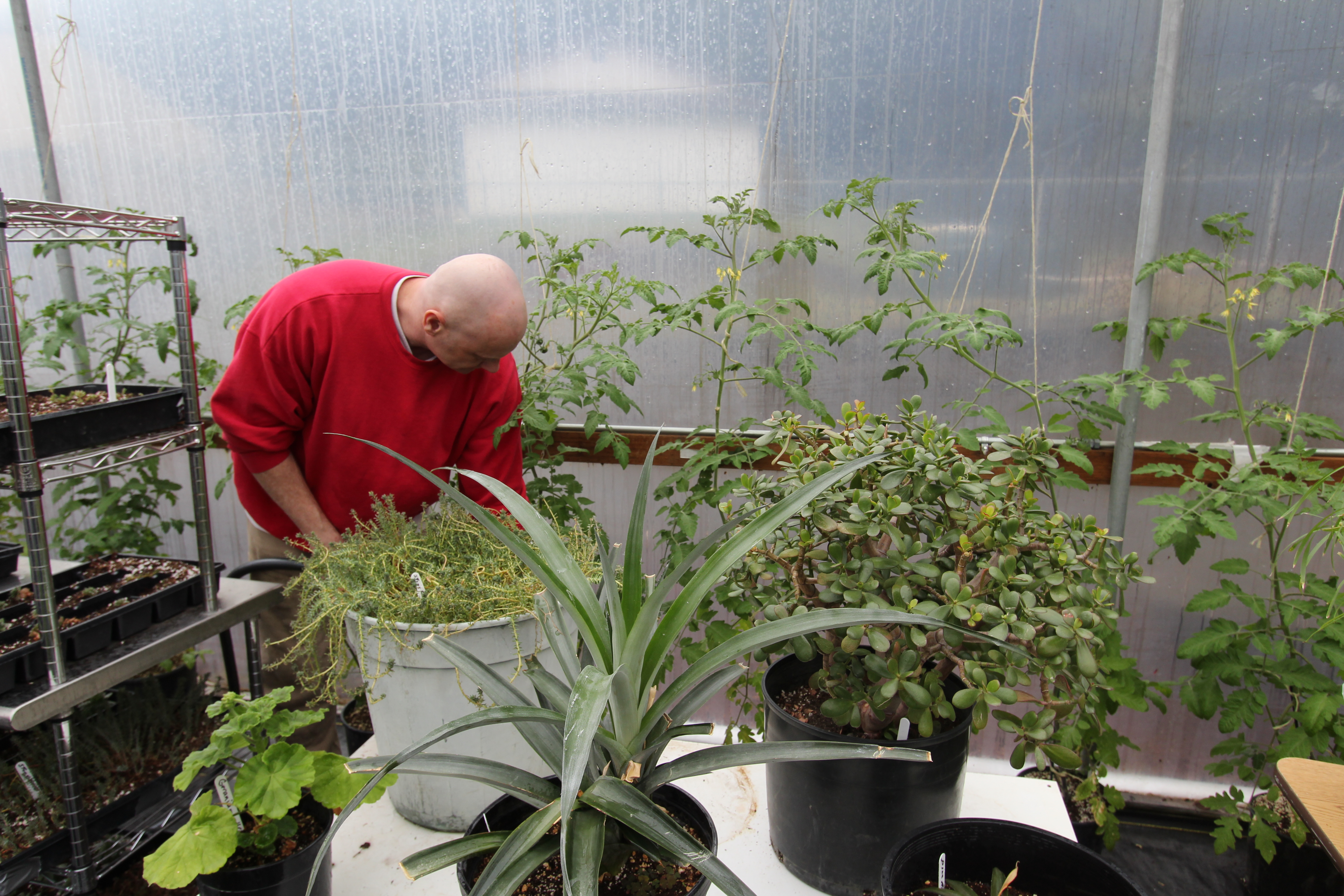
Greenhouse technicians, like Wade pictured here, care for the plants while learning how to sow and grow a prosperous garden. 

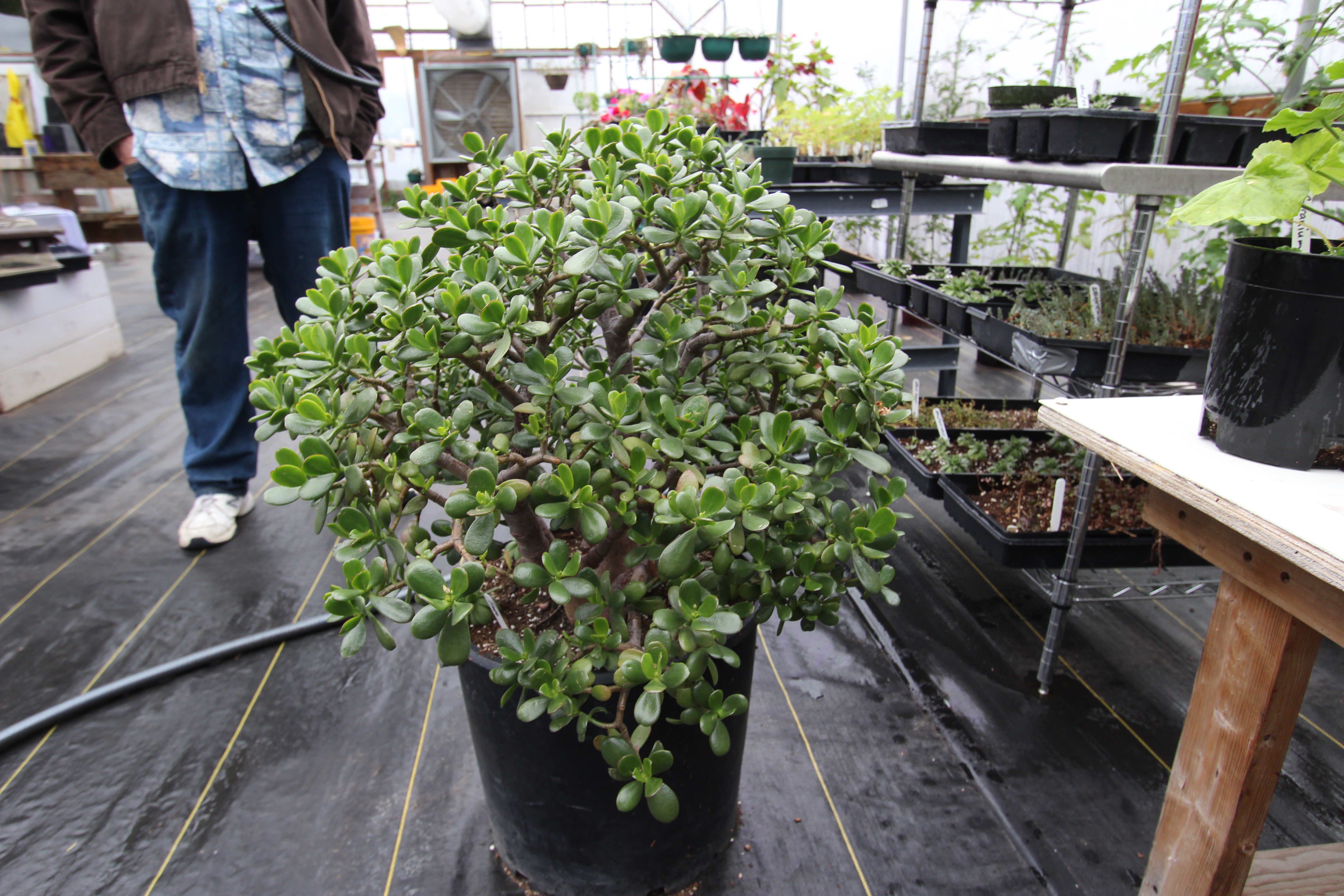
Look how big this succulent is! Greenhouse technicians have been caring for this guy for about 10 years.

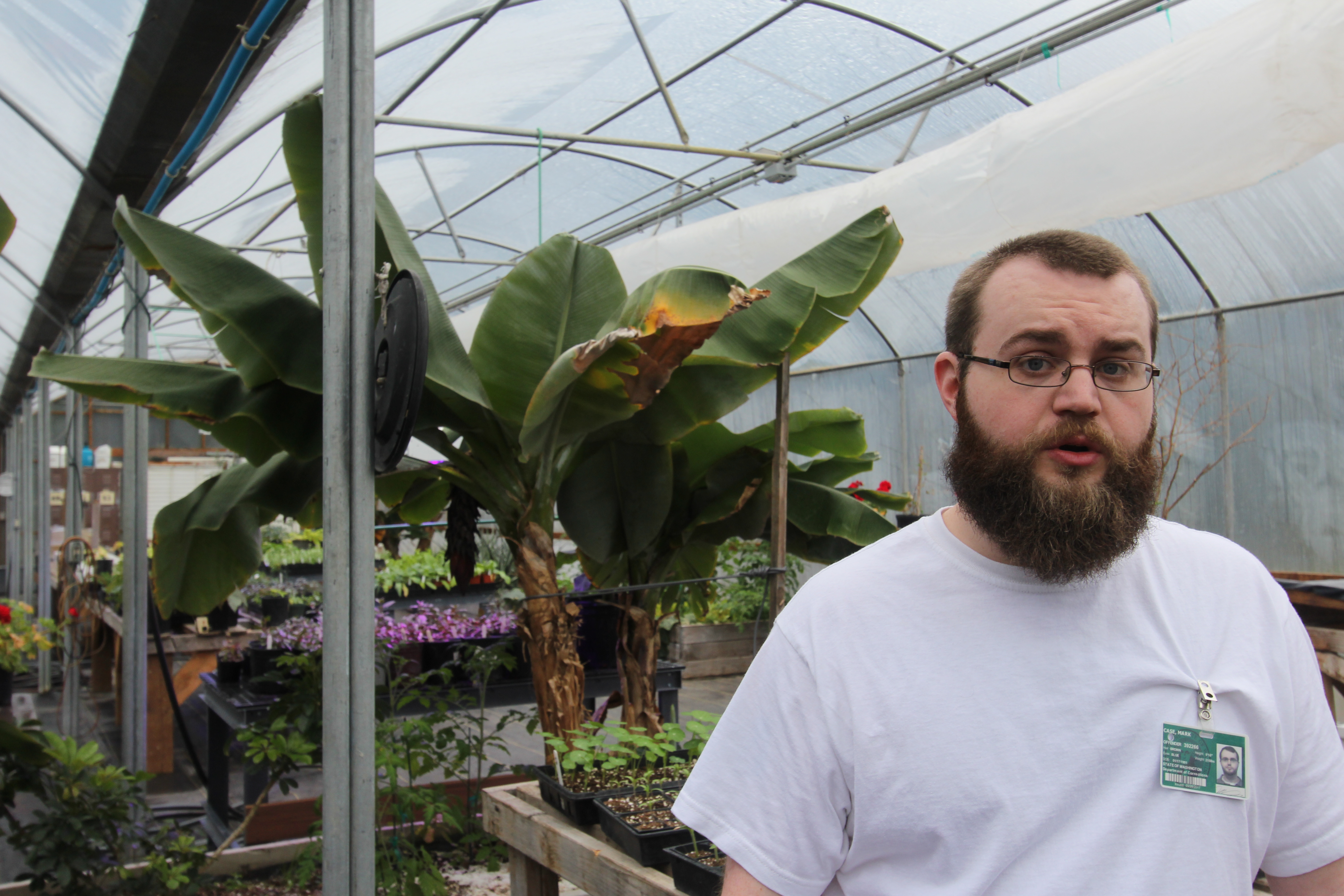
Mark Case is another greenhouse technician. He hopes to have his own garden when he releases where he can put to use all of the knowledge he’s gained from working and learning in the gardens at OCC.

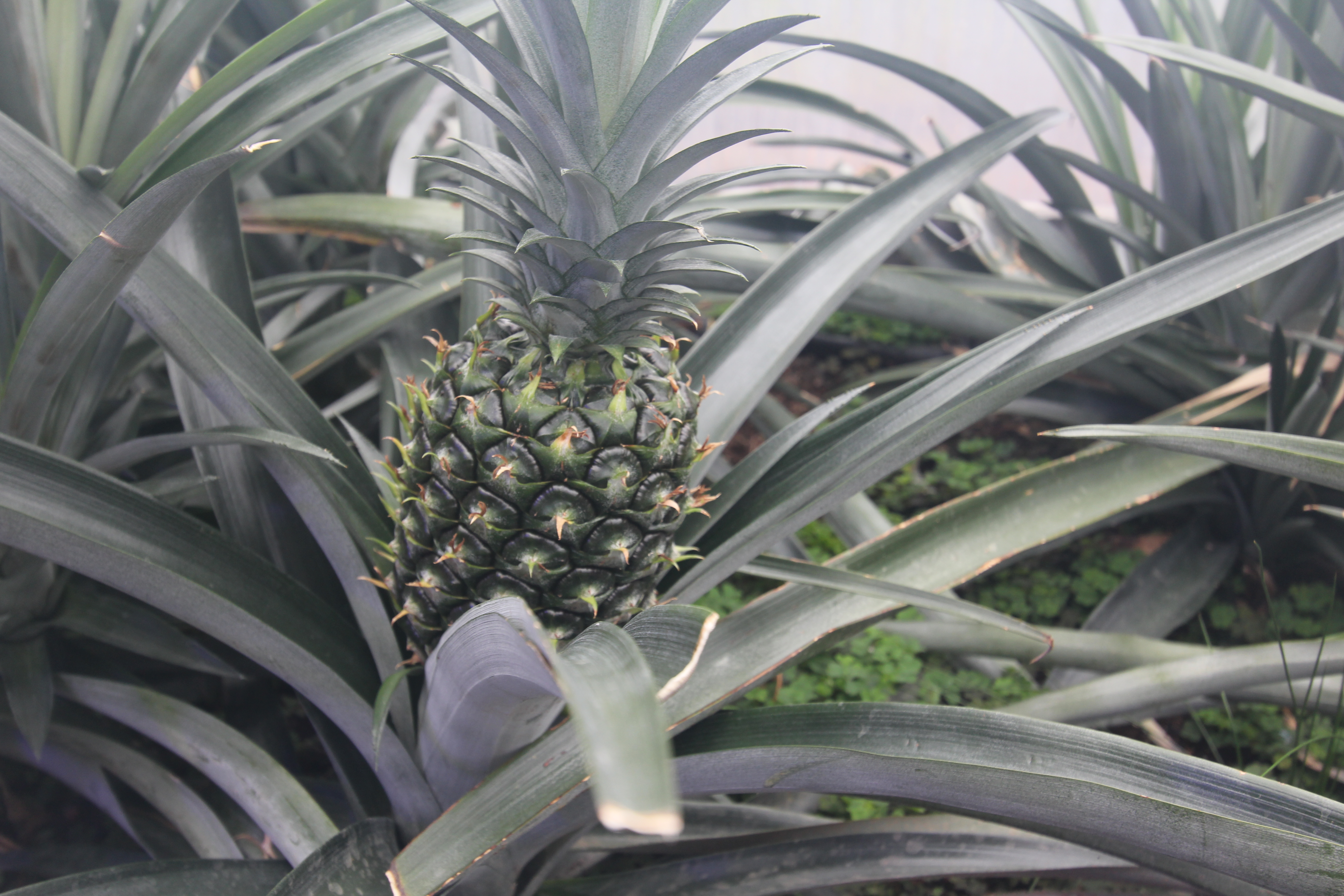
This pineapple isn’t ripe yet, but it sure is cute! When the pineapples are ready to eat, the technicians harvest and eat them.

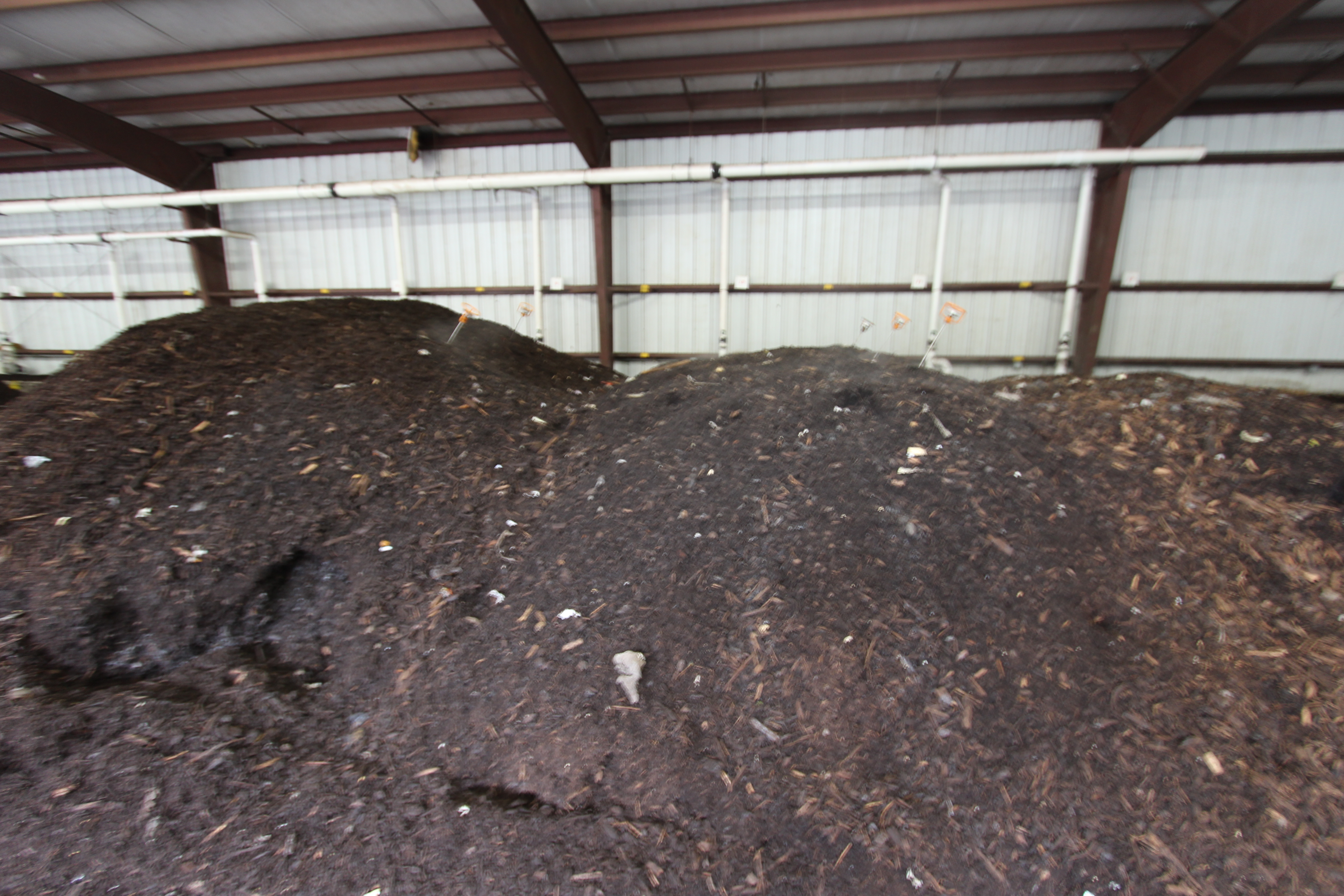
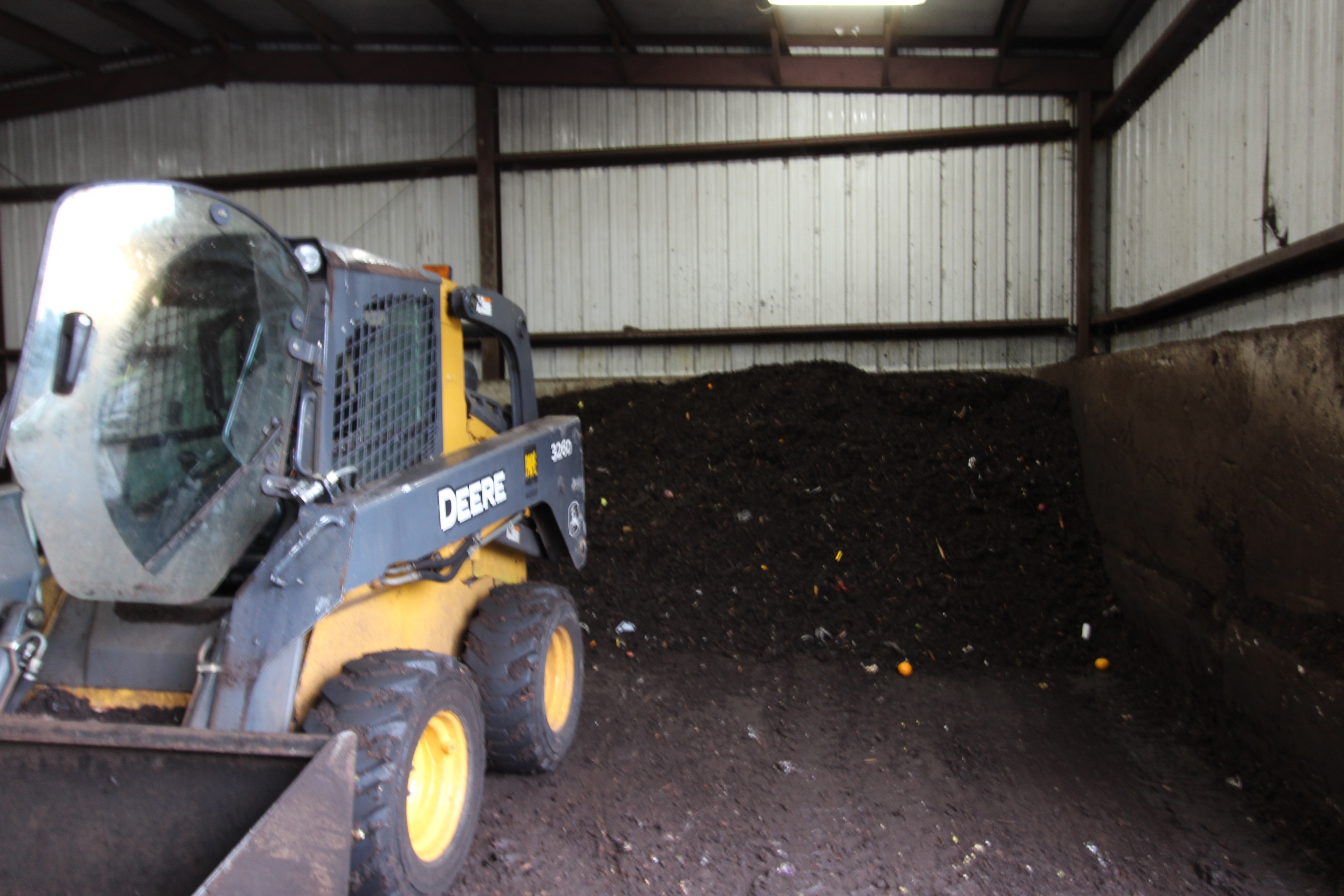
Food, garden, and organic waste is composted on site at OCC. They have a large warehouse specifically designed for composting organic waste. The facility trains technicians who can then use this knowledge and skill base when they get out of prison.

OCC produced about 23 tons of compost last year alone! The product is used to amend the soil throughout the prison grounds. 

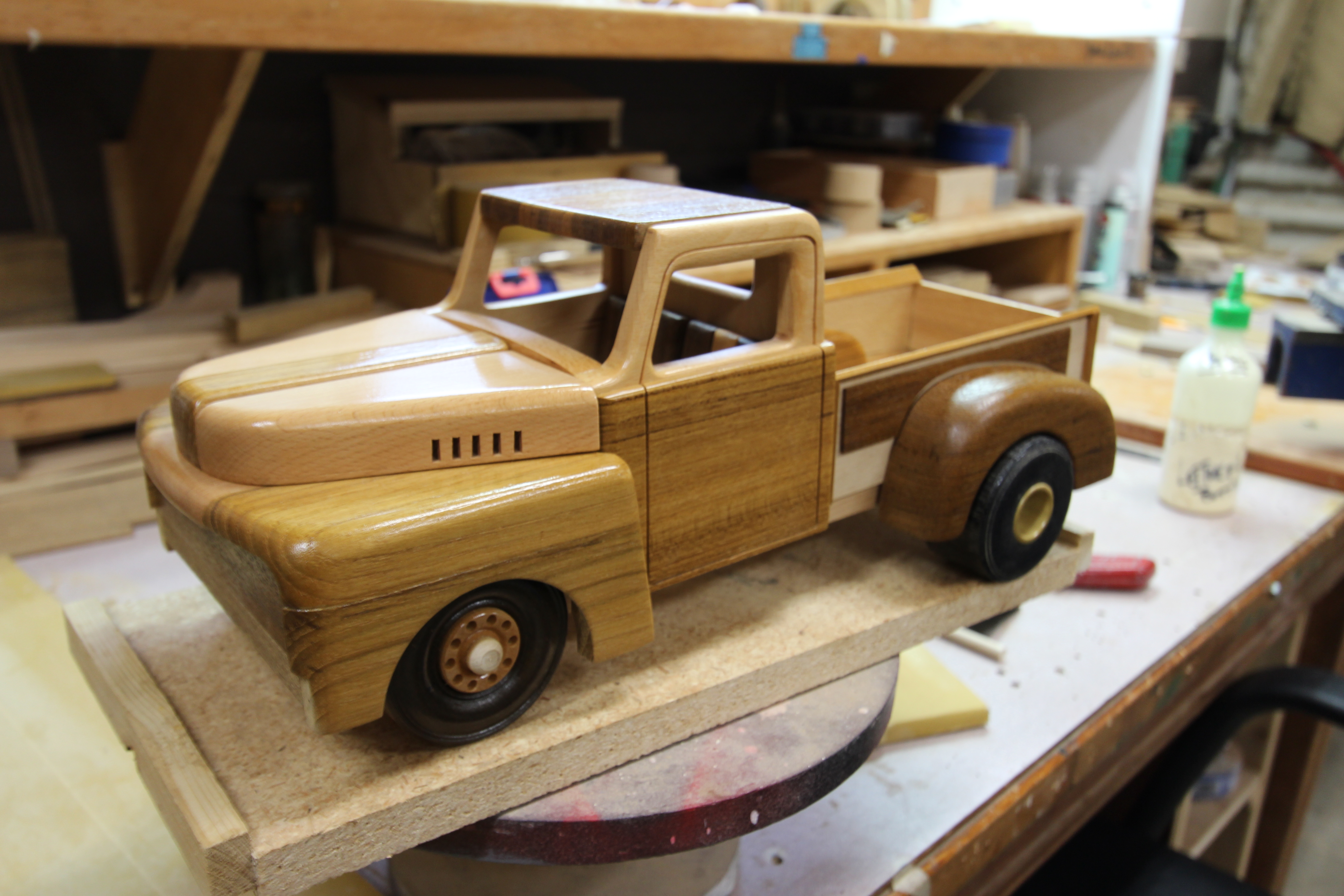
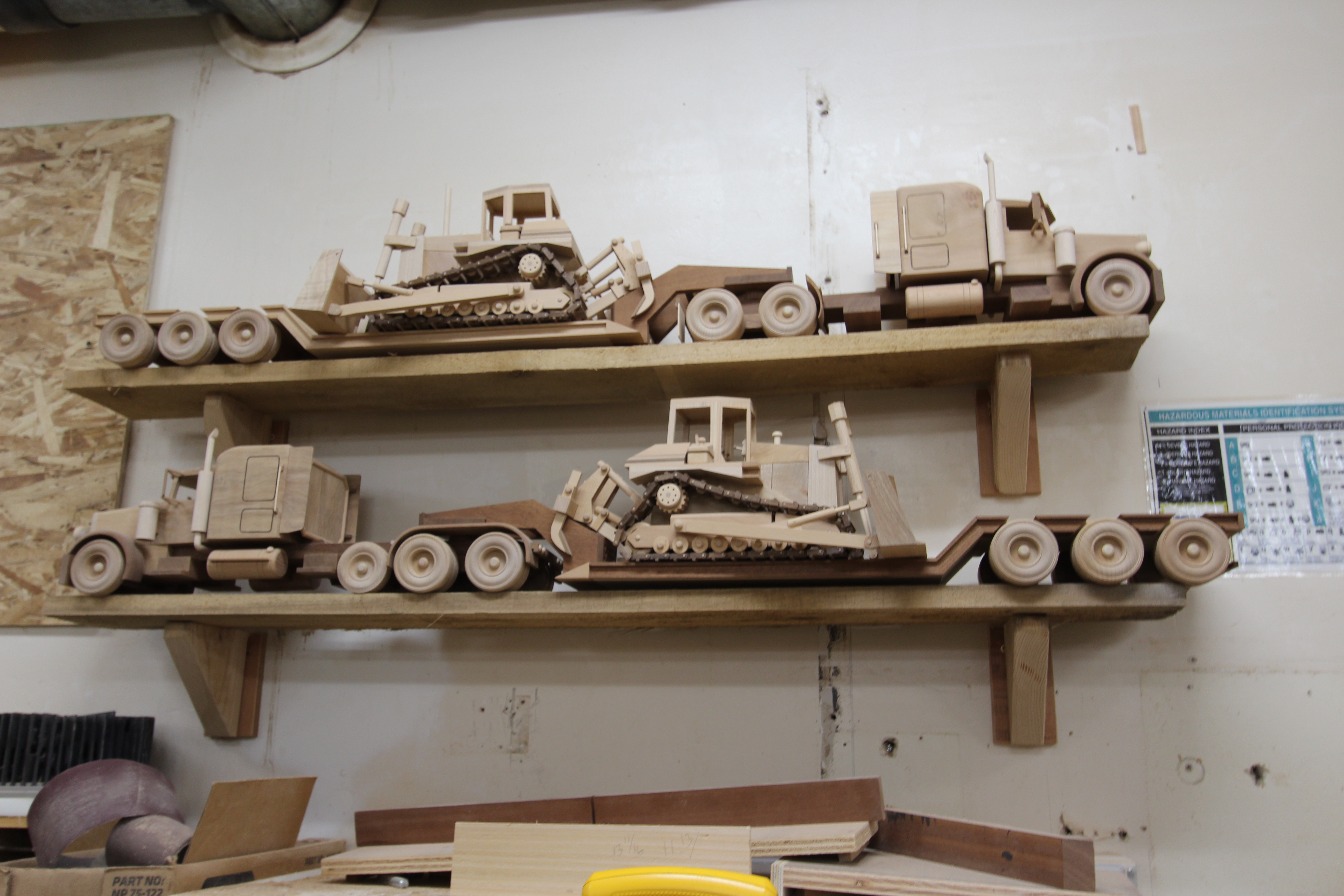
The wood shop at OCC uses donated or reclaimed wood to make wood toy trucks, tractors, and cars. Each intricately detailed toy goes to charity for children.

Here are some more completed projects awaiting to be painted with sealant. Such nice work!