By Joslyn Rose Trivett, SPP Education and Outreach Manager

In 2019, every prison in Washington State has gardens. Most prisons boast extensive plots of food and flowers, some cultivated for their beauty to pollinators and humans, others for verdant rows of herbs and vegetables. These gardens are a source of pride and solace; they are islands of beauty and vitality in an institutional environment.
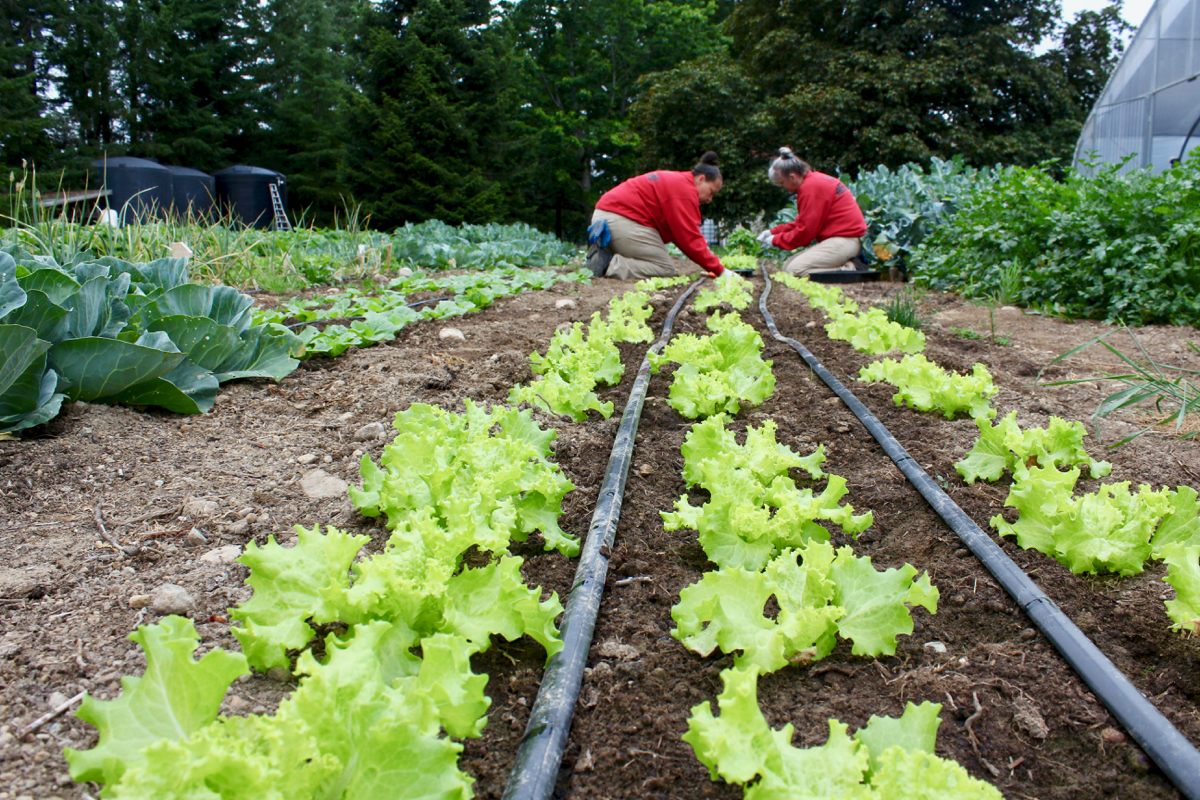
Two community service crew-members from MCCCW transplant lettuce for Kitsap Ecological Conservation District’s GRACE project. Photo by Keegan Curry.

For as long as Sustainability in Prisons Project (SPP)’s Evergreen employees have visited gardens in Washington State prisons, we have heard incarcerated gardeners ask for more information to refine their gardening skills. They want information on plant cultivation, healthy soils, garden placement and sunlight, beneficial insects, and pest management, and many other topics that would help them be better gardeners.
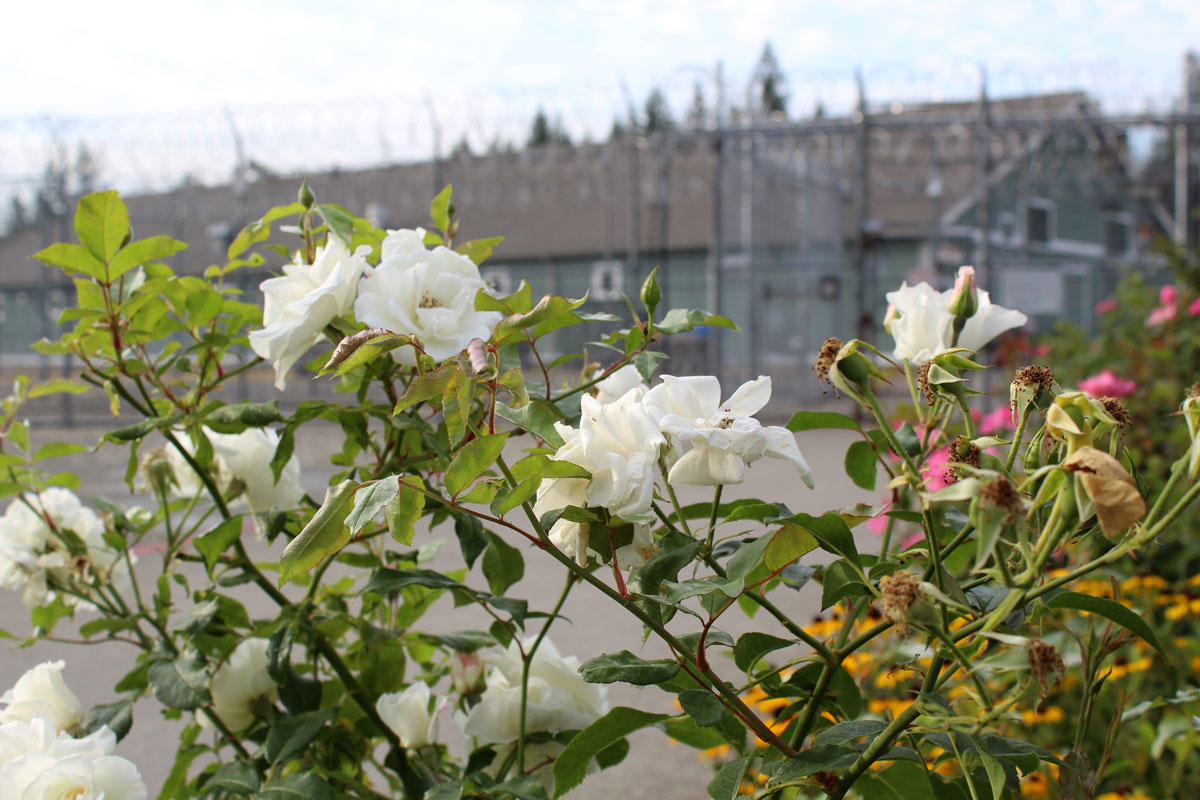
WCCW hosts extensive ornamental and vegetable gardens, lovingly tended by horticulture students and TAs. Photo by Joslyn Rose Trivett.

A relatively small number of gardeners are also formal garden students—they get horticulture instruction from Centralia, Peninsula, or Tacoma Community College—and those opportunities are highly prized. In other cases, mostly in other states, volunteers from Master Gardeners or other non-profit organizations (e.g., Insight Gardening Program, Lettuce Grow, Rikers Island GreenHouse) bring gardening education into the facilities. These classes are sought after and celebrated by gardeners.

There are many more gardeners whose needs and interests aren’t yet met—they haven’t been able to get into a class, their prison is too remote for volunteers, or they already received a class and they want to learn more. Not only in Washington, but across the country, there are staff and incarcerated gardeners who crave more information and instruction.
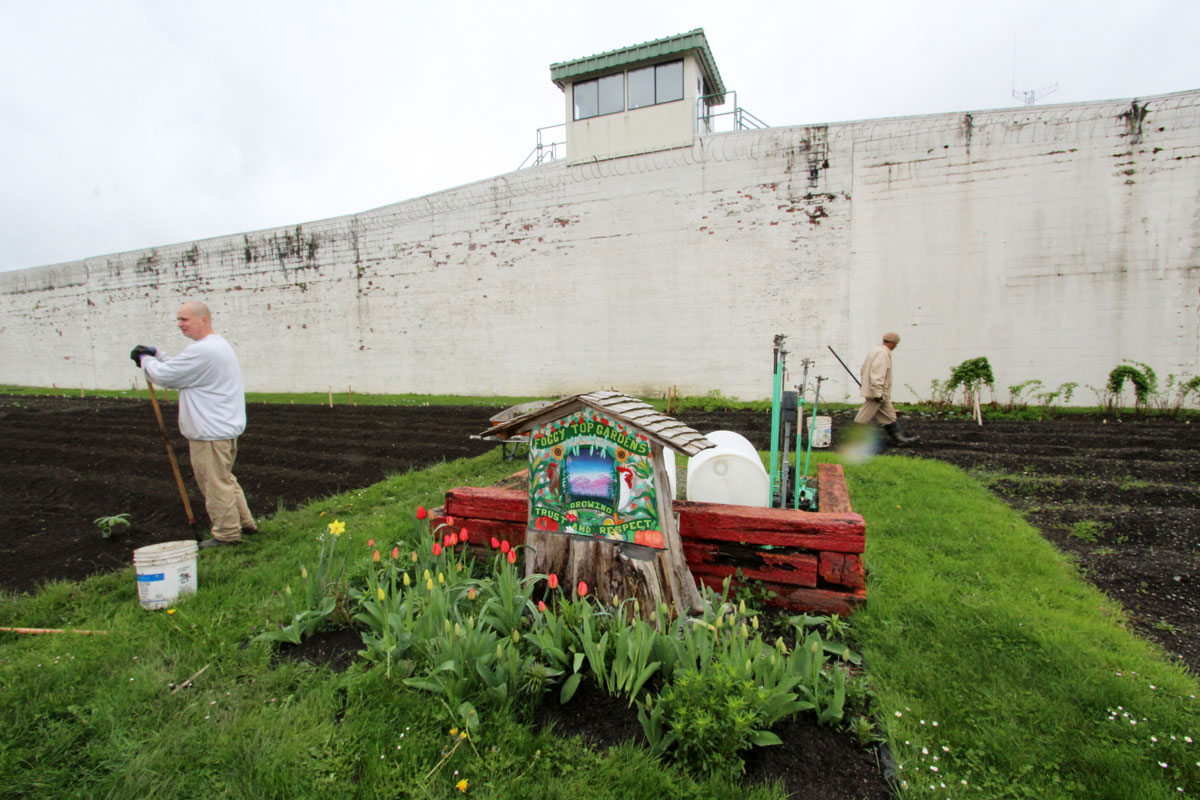
Gardeners tend beds in the early spring at Monroe Correctional Complex. Photo by Joslyn Rose Trivett.

We know from the successes of peer-led education in other SPP programs, like Monroe Correctional Complex’s composting certification, technician-led workshops, and Roots of Success, that peer-to-peer education can work. Given proper preparation and support, peer education can be very effective and empowering.

A new collaboration has emerged to try and meet the requests of incarcerated gardeners, by working together to develop a gardening curriculum based on a peer education model. SPP has found kindred spirits in the Institute for Applied Ecology and the Oregon Food Bank. Even more valuable, incarcerated individuals and staff at two prisons in particular, Monroe Correctional Complex and Stafford Creek Corrections Center, have volunteered to help write, review, and pilot the new curriculum. These incarcerated gardeners offer their technical gardening expertise, their lived experience in the prison system, and their insight into what incarcerated gardeners need to teach and learn. Their input is integral to creating a successful peer-led curriculum.
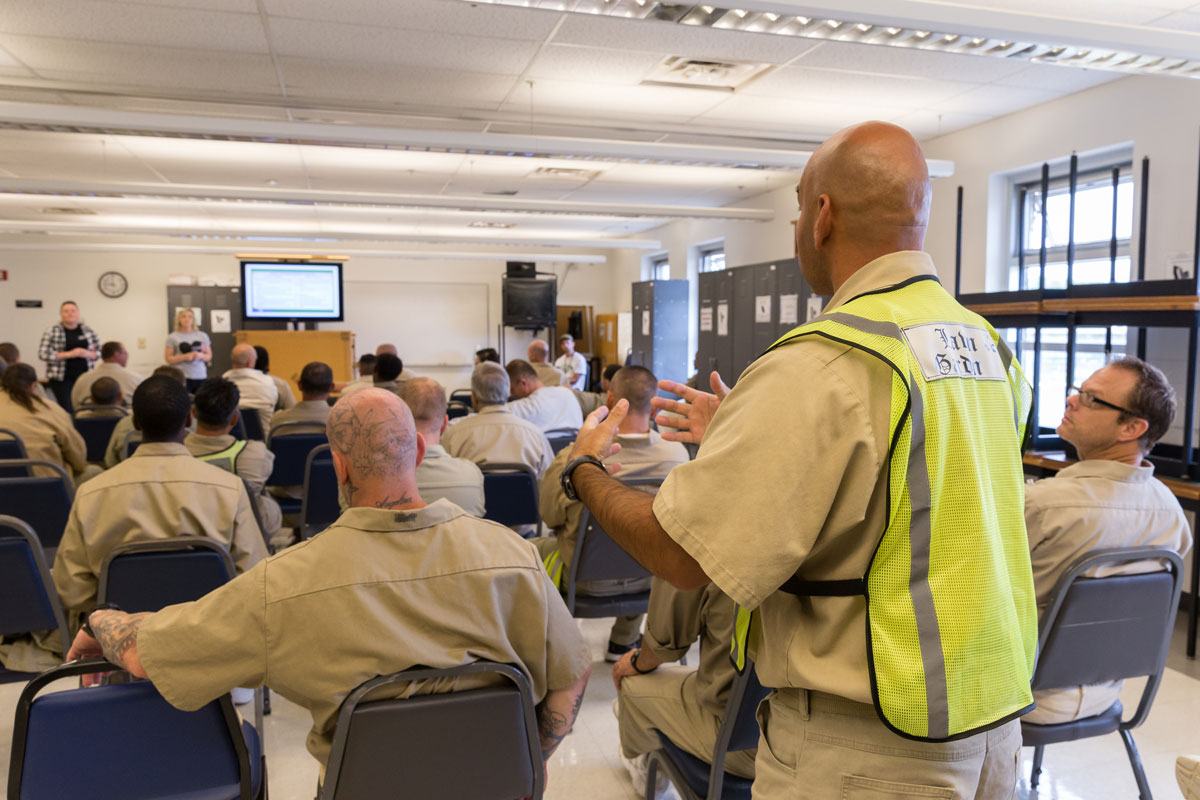
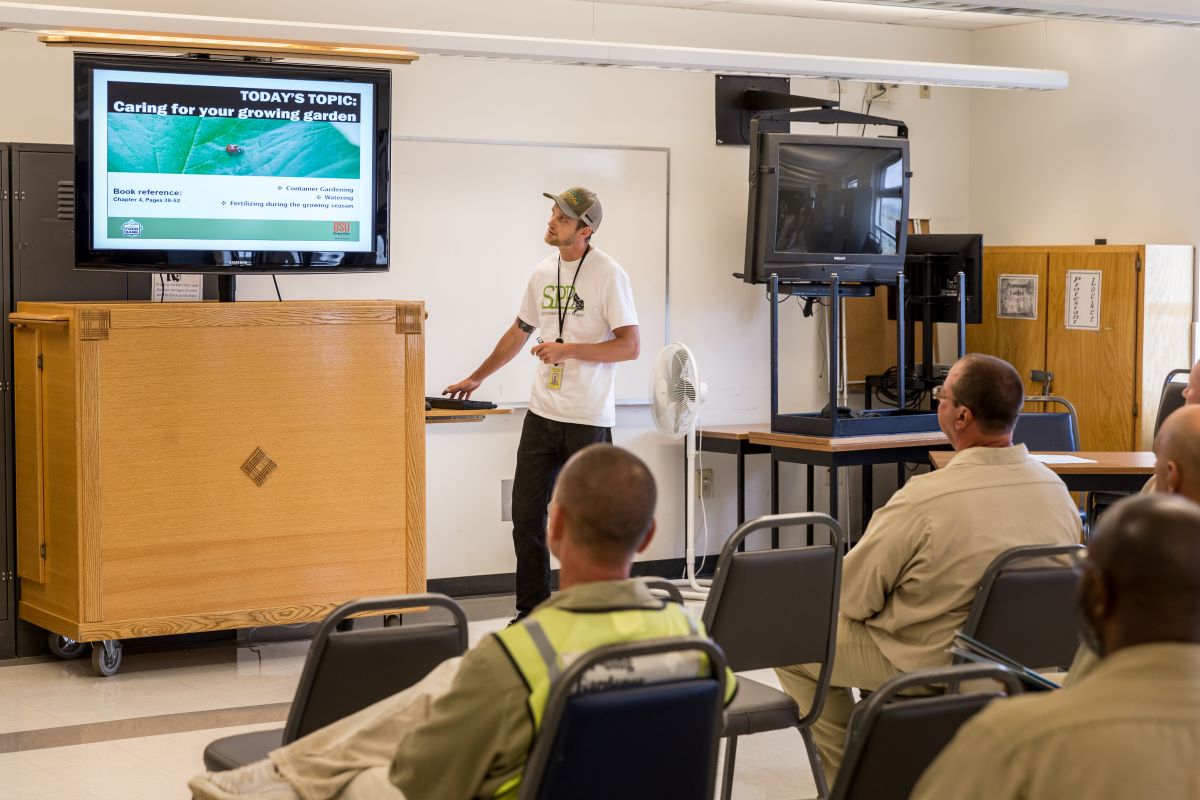
Oregon Food Bank’s Seed to Supper provides the new curriculum’s core. It will be enhanced and augmented by prison-specific edits and added chapters. In this 2017 photo, Seed to Supper students discuss gardening in the SCCC classroom. Photo by Ricky Osborne.

With so many authors and stakeholders, forward progress can be slow; it takes a lot of work to create and finalize plans, and to review and finalize products. The huge upside, though, is that the collective may produce a program that can be used across the state and across the nation.

To give the many partners and steps involved the recognition their due, we will write a series of stories on the gardening curriculum. We want to cultivate something practical, useful, and appealing—a curriculum worthy of a gardener.
Text by Bethany J. Shepler, Green Track Program Coordinator

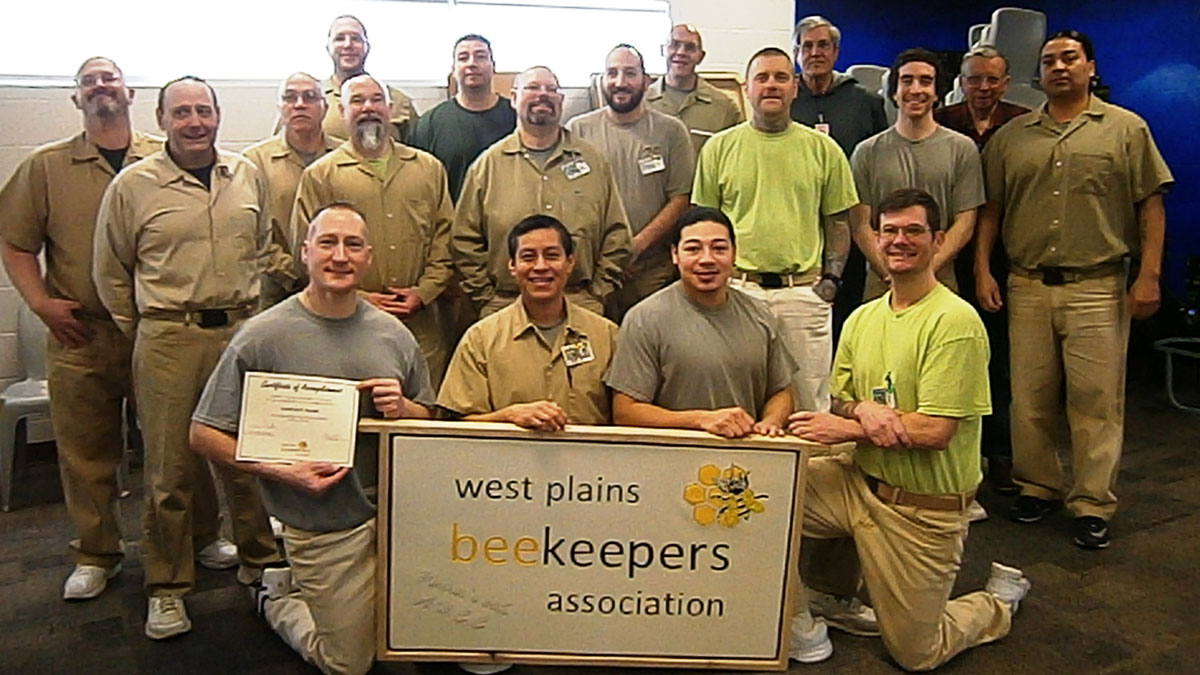
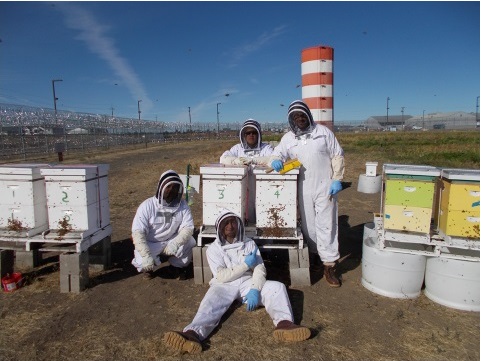
Journeyman Beekeepers at AHCC pose in front of their hives. Photo courtesy of AHCC staff.

Last month, I had the privilege of attending a celebration for the Airway Heights Corrections Center (AHCC)  beekeeping club. At the ceremony, Travis—a Journeyman Beekeeper—shared an analogy about bees we all found rather striking. He told us, “Before I took the class, I always looked at them as the enemy.” Like everyone, he saw bees as pests. He reminded us: “Think about barbeques or picnics— you’re there with your family and friends and everyone is having a good time and sharing food and fun. Then, bees show up and start buzzing around your food. Maybe someone gets stung. Pretty soon these tiny creatures have ruined the picnic.”

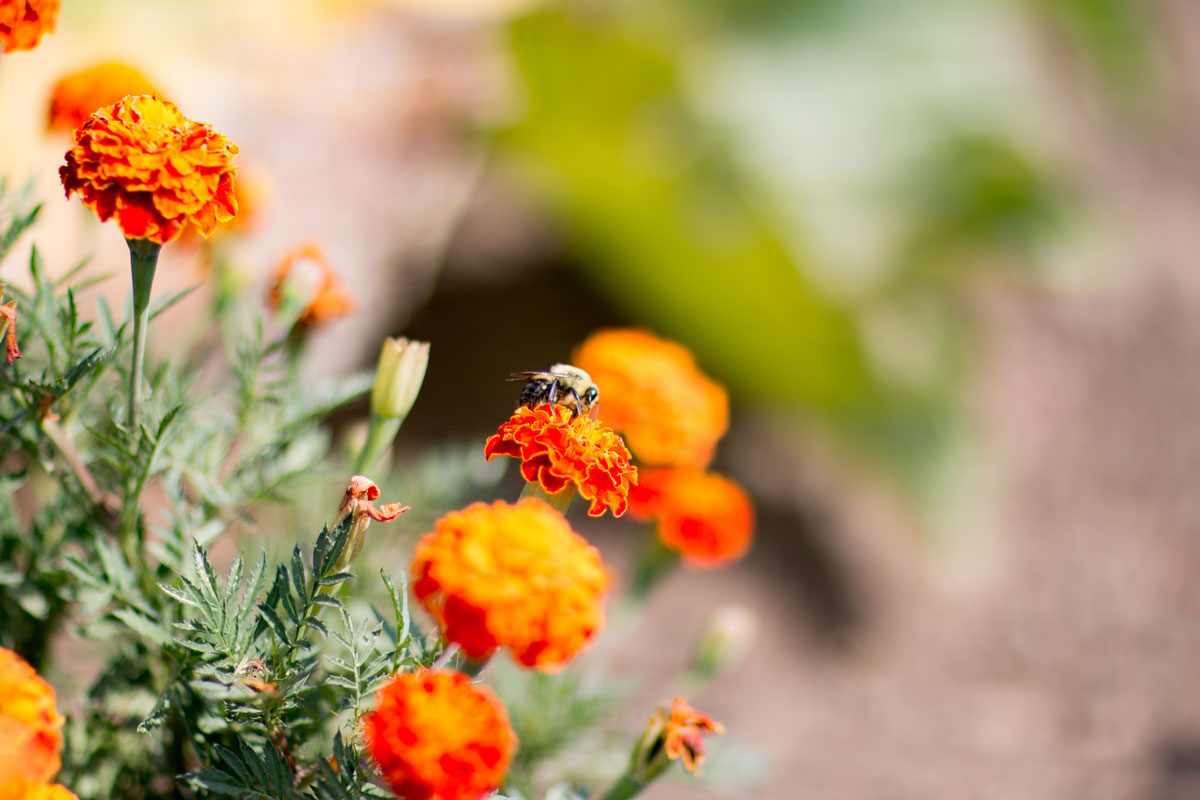
A bee collects pollen from a flower growing by a housing unit at AHCC. Photo by Ricky Osborne.

Then Travis described learning about honeybees, and how his perspective started to shift. When AHCC’s hives were delivered, he was part of the team that kept those bees alive and even thriving. He came to see this responsibility as a force for “good” in his life. He needed to change to care for those bees, and he noticed how that change lined up with the “theme of change” throughout the facility. He told us: “In my change, the hive is my focus. The center of my change.” Then, he went back to the earlier metaphor and brought it full circle:

He realized that society thinks he is going to ruin the picnic, too; criminals and incarcerated people are regarded as the pests of society. He wanted us to understand that, like the bees they care for, incarcerated individuals aren’t trying to ruin things for everyone else. Just like anyone, they’re there to spend time with their loved ones and enjoy the day. “We’re not here to ruin the picnic or barbeque, and through programs like this one we learn positive change.”

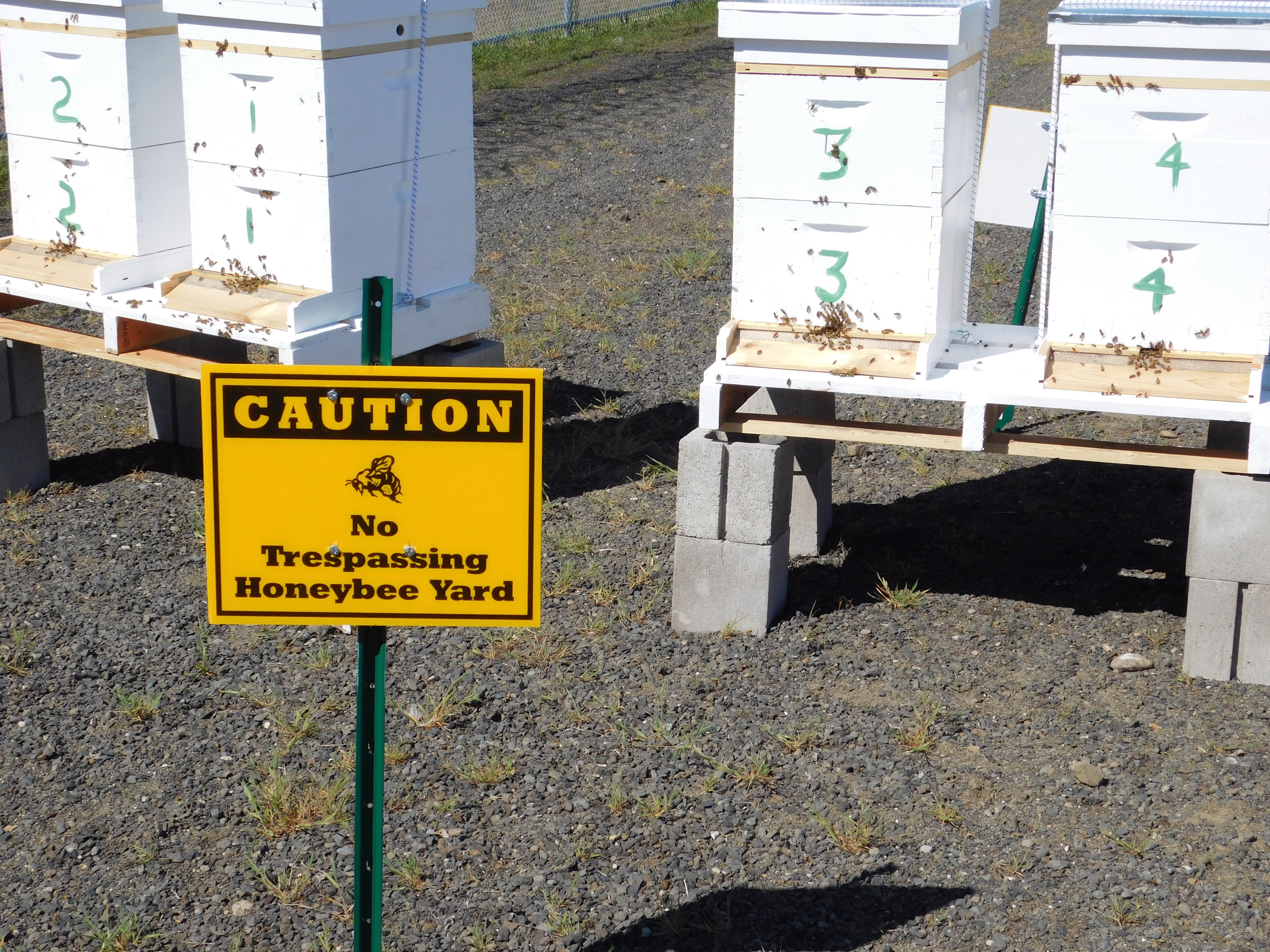
The bee hives at AHCC have their own yard, called the “honeybee yard.” Photo courtesy of SPP staff.

By Joslyn Rose Trivett, SPP Education & Outreach Manager and Ellen Miller, President of the West Plains Beekeepers Association and Vice President of Washington State Beekeepers Association (WASBA).

This story also appears in WASBA’s April Newsletter.

Airways Heights Corrections Center (AHCC) beekeepers pose after passing their Journeyman level exams. Photo courtesy of AHCC.

In late February, beekeepers and associates gathered at Airway Heights Corrections Center (AHCC) for a celebration. It’s been an incredible year for AHCC beekeepers, with forming their own club and starting a queen rearing program – there was a lot to celebrate!

AHCC’s beekeeping program originated only a few years ago, when a local expert from Millers Homestead, Master Beekeeper Jim Miller made an unusually generous offer. For a fee of $0, Jim offered beginner beekeeping education for groups of prison staff, and to incarcerated students who had completed prerequisite programs Roots of Success and Redemption.

Jim Miller also donated program materials, including live honey bees. When delivering the hives to the prison, his show of generosity went ever further. An incarcerated beekeeper present for the bee’s arrival told us that Jim said: “They’re your hives. Do what you have to do with them. I’m just here for moral support.” They were understandably nervous about accepting responsibility of thousands of honeybees, but Jim’s faith in the new beekeepers meant they could learn by doing and build a program they could sustain.

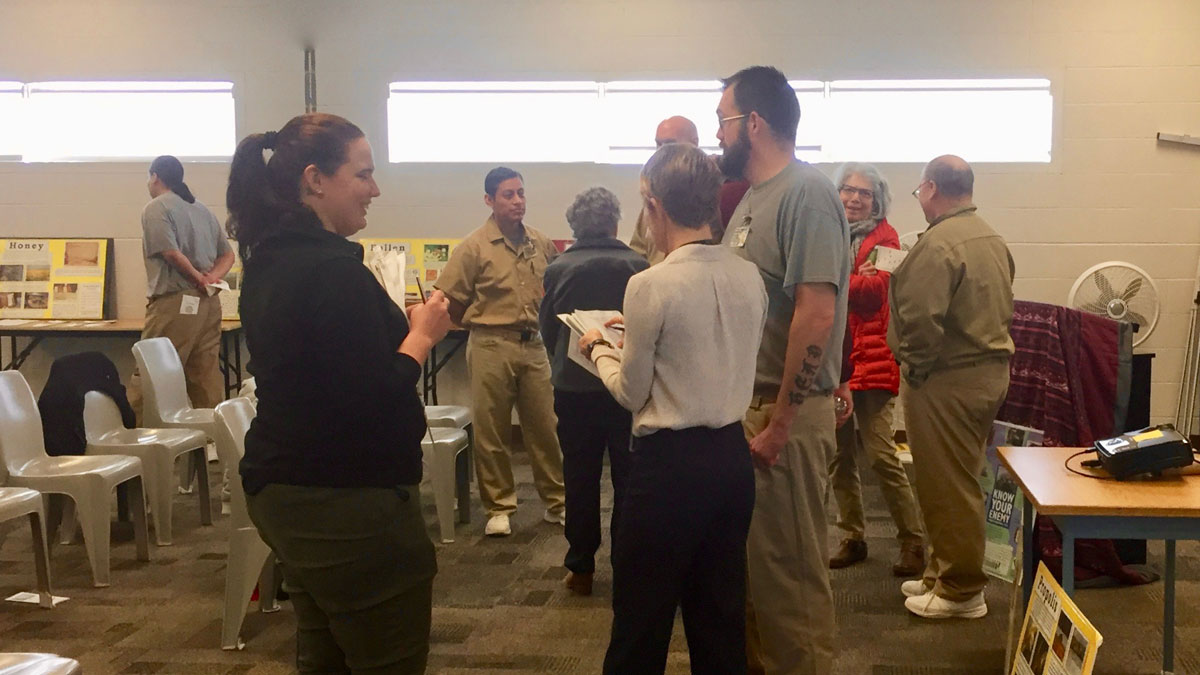
Following the celebration’s speeches, beekeepers and visitors informally talked about ideas for the future of the program. Photo by Kay Heinrich.

Fast forward to 2018, and the results of Jim’s show of trust are clear. With the support of AHCC staff and members of the West Plains Beekeepers Association, incarcerated beekeepers formed their own beekeeping club—likely the only prison-hosted club in the nation. To date, 14 men have successfully completed the Journeyman test and are working on completing the requirements for the field test and service points that are part of the Washington State Beekeepers Association requirements for achieving Journeyman level certification.

The best part of the ceremony was hearing the testimonials from several AHCC bee club members. We heard about what they’ve learned and how the program has changed them for good. Despite growing up allergic to stings, Chuck Roark now finds that “everything I do in beekeeping translates” to other parts of his life. He told the assembled, “The thing is, I’m a beekeeper. I’ll be a beekeeper in the real world. I’ll be a beekeeper for the rest of my life.” He was also the one to tell us that “Beekeeping is freedom.” Given the positivity and creativity of all assembled for the celebration, those surprising words rang true.

AHCC’s Bee Club President described the profound, even spiritual experience of becoming a beekeeper. He said of the honey bees, “They not only change us, they transform us into the men and beekeepers we are meant to be.”

Thank you to all of the beekeepers who have given so much of themselves to this program. And thank you for inviting us to share in the pride of all that has been accomplished. 

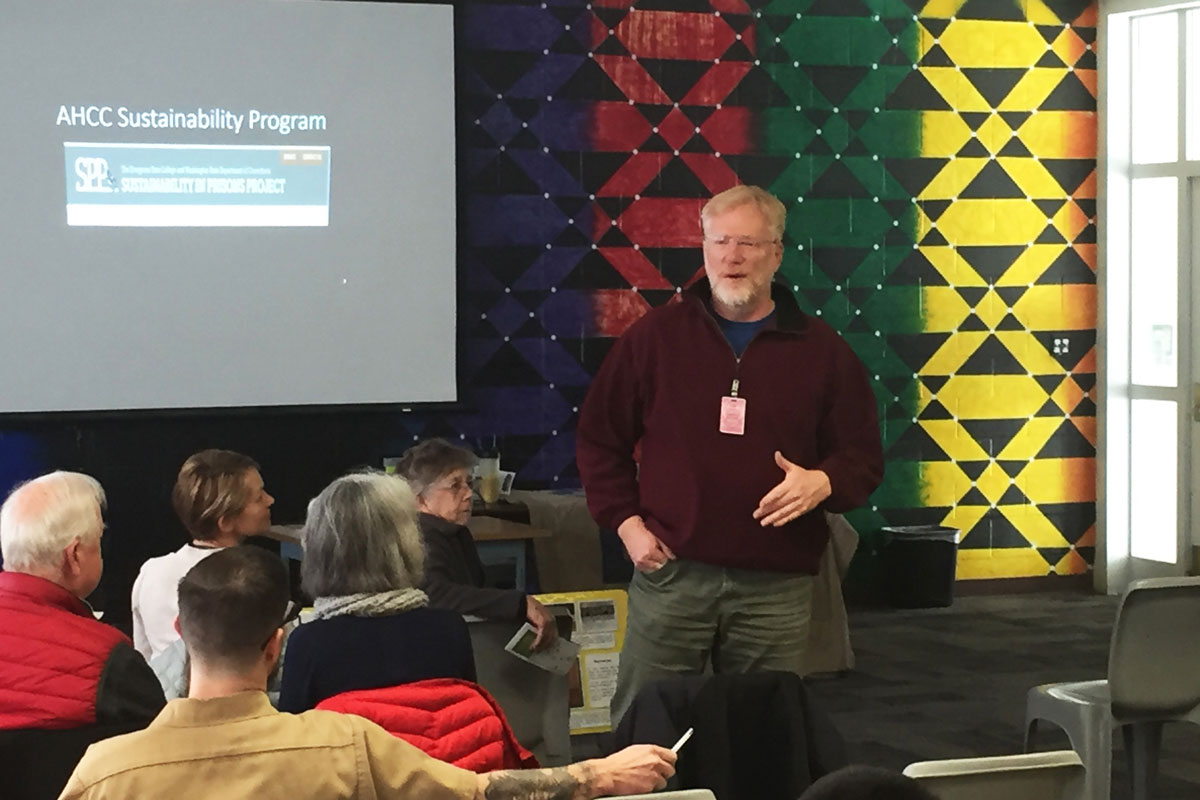
Kevin Oldenburg, President of the Washington State Beekeepers Association (WASBA), encourages members of the AHCC Bee Club to write and submit articles for the WASBA Newsletter. Photo by Kay Heinrich.

Text by Bethany J. Shepler, Green Track Program Coordinator

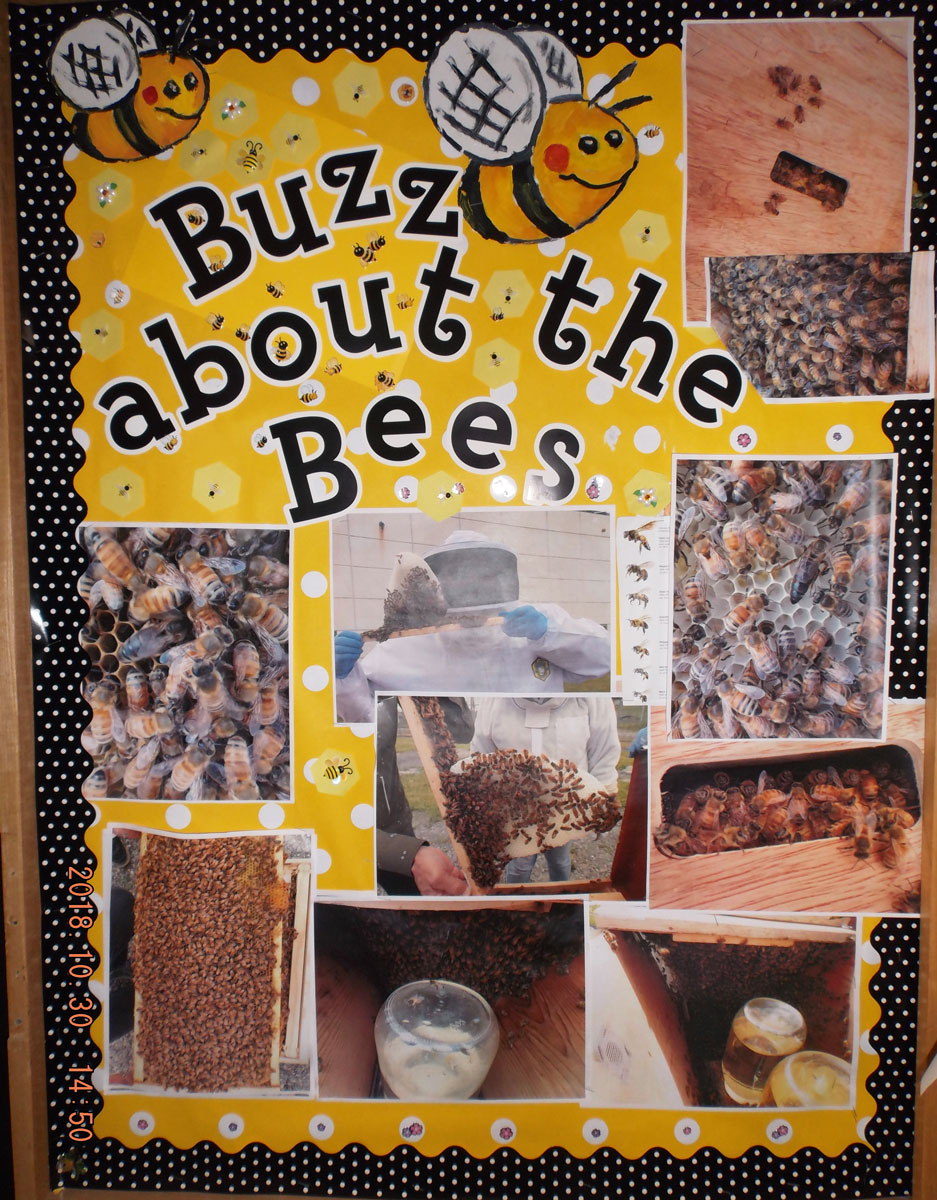
This is a poster created by staff at the SOU to advertise the program to inmates at the facility. Photo by SOU staff.

We are so excited to announce that Monroe Correctional Complex-Special Offender Unit (SOU) just graduated their first class of Beekeepers! Since the beginning of their program last year, the SOU has been incredibly enthusiastic about beekeeping; it has been a pleasure to see their willingness to learn and try new things.

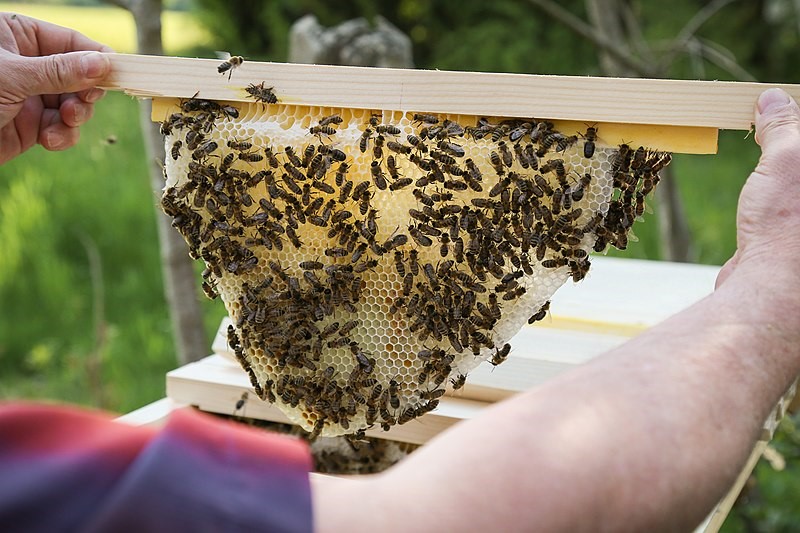
Honeybee comb formed in a top-bar hive. Photo from Wikimedia Commons.

The program partners with the Northwest District Beekeepers Association, and Association member Kurt Sahl volunteered as the program instructor. While every other prison bee program in the state has opted to use the Langstroth hives, the SOU uses primarily top-bar hives. Top-bar hives forgo pre-made, rectuangula frames, and leave space for bees to shape their comb as they wish (see photo for example).

Kathy Grey is the staff liaison for the beekeeping program, and one of the new Apprentice Beekeepers! With her permission, I’m sharing her description of the people and programs of the SOU.

All of the hives SOU has are painted by inmates at the facility, this one has flowers, bees, and the Earth. Photo by Bethany Shepler.
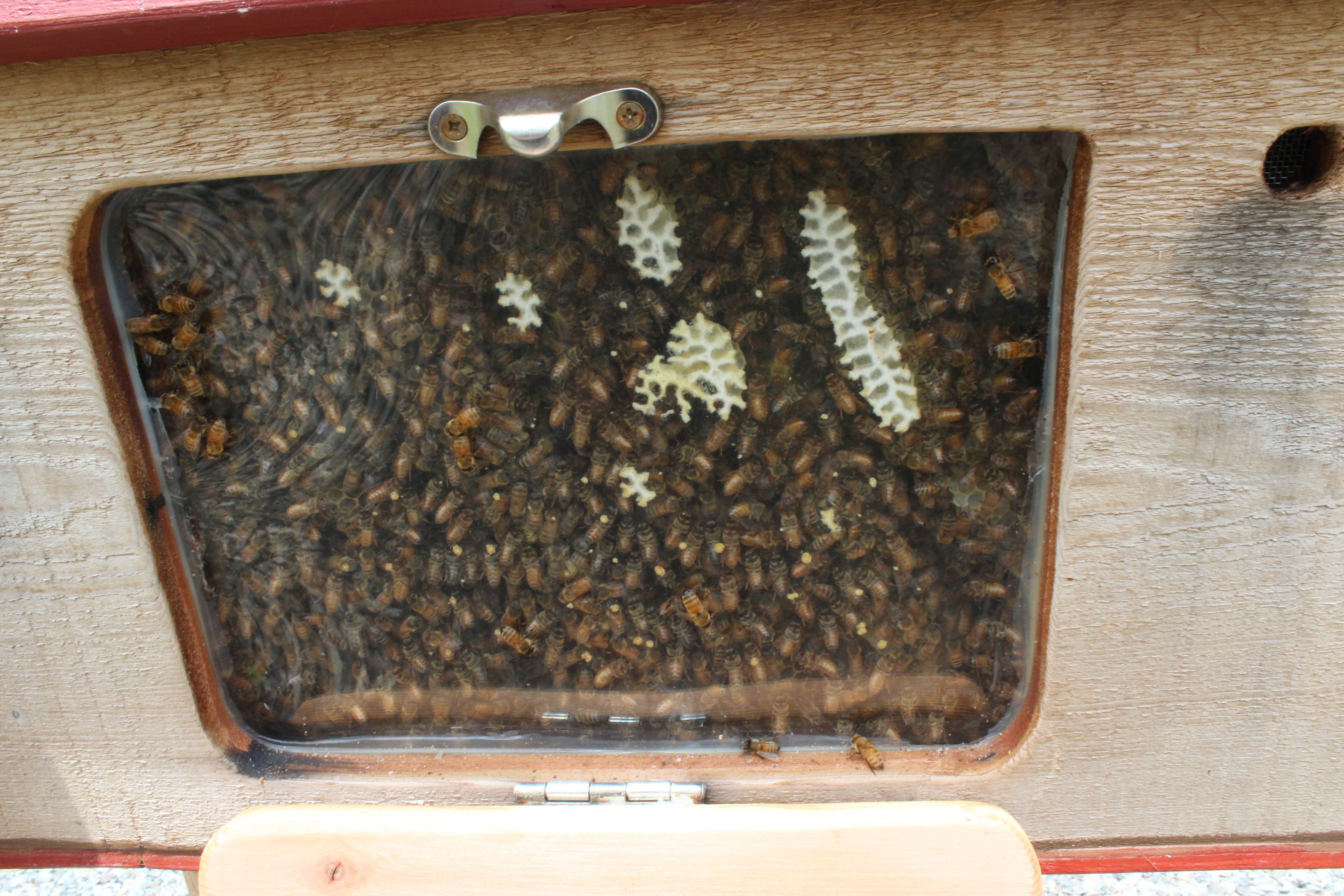
An observation window on the side of the top-bar hive allows you to see what’s going on inside the hive without opening, and disturbing, the hive. Photo by Bethany Shepler.

The Special Offender Unit (SOU) houses and treats mentally ill, intellectually disabled, and brain-injured inmates and is part of the larger Monroe Correctional Complex in Monroe, Washington. In addition to providing psychiatric care for the inmates, SOU also offers mental health counseling, educational opportunities, and innovative, sustainability programs for its incarcerated population. These programs include vegetable gardens and an animal rescue program that is still going strong with close to 900 animals adopted since its inception in January 2006. In addition to those programs, SOU offers Yoga Behind Bars, a University of Washington sponsored Book Club, a Community Visiting Volunteer Program and most recently the Beekeeping Program that was started last year. Beekeeping has been a fascinating outlet for the men at SOU and their excitement is contagious.

SOU is an interesting, dynamic facility with men who are eager to don their bee suits and learn everything they can this spring. Lastly, it’s important to note that volunteers are often pleasantly surprised by the genuine gratitude shown to them by the SOU inmates in recognition for their time, effort and talents.

Keep up the good work, SOU! We’re excited to see your continued successes unfold!

By Jacob Meyers, Ecological Conservation Nursery Coordinator


For the past year and a half, I’ve had a truly unique and remarkable opportunity. Once per month, I made the hour long trek out to Washington’s coast, not to surf or go clamming, but to teach a garden class to over 50 incarcerated individuals. The garden class began as a way for Ed Baldwin, the Ground/Nursery Specialist at Stafford Creek Corrections Center (SCCC), to support and encourage the gardens at the facility. Former SPP Coordinator, Joey Burgess, joined the effort by offering a superb (and free) introductory gardening curriculum called Seed to Supper. Oregon Food Bank and Oregon State University Extension Service teamed up to create the course which aims to educate and inspire adults to grow a portion of their own food and build more food secure communities. Topics covered range from building and planning to maintaining and harvesting a garden.

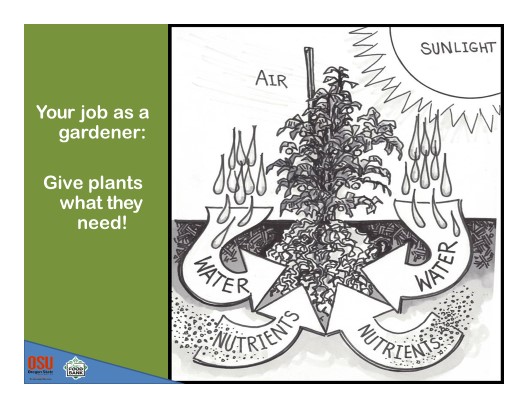
A PowerPoint slide from one of the very first lessons of the Seed to Supper curriculum.

During one of my first trips to prison, I got to watch Joey teach one of these classes. Joey made teaching look effortless with a laid back, but confident persona. But the following month, it was me up in front of 50 inmates and not Joey. I’m not a shy person by any means (I acted on stage in college and high school in front of well more than 50 people) but this was a bit different. For one, when I started I was by no means ‘an expert’ on gardening. And two, I wasn’t sure how well my teaching style would be received.

SPP Nursery Coordinator, Joey Burgess, presenting the Seed to Supper curriculum to gardeners at Stafford Creek Correctional Center. Photo Credit: Ricky Osborne

I remember staying up late the night before my first class scouring the material over and over to make sure I could answer any and every question thrown my way. Of course, I had no such luck. But at the same time I find it kind of funny that I was so worried. I should have guessed that the class would be full of smart, thoughtful, knowledgeable and kind individuals, and it was. They asked me tough questions and challenged me. They took what I offered them, and—with their ideas and questions—made it better. I had been too focused not being a gardening expert or  that I am not a perfect teacher. It was helpful to remember that the students weren’t expecting me to be just as I wasn’t expecting them to be perfect students, or any of us to be perfect people. Sure, these men (and women) have made mistakes, but they are people. Many of whom are eager and thirsty for knowledge.

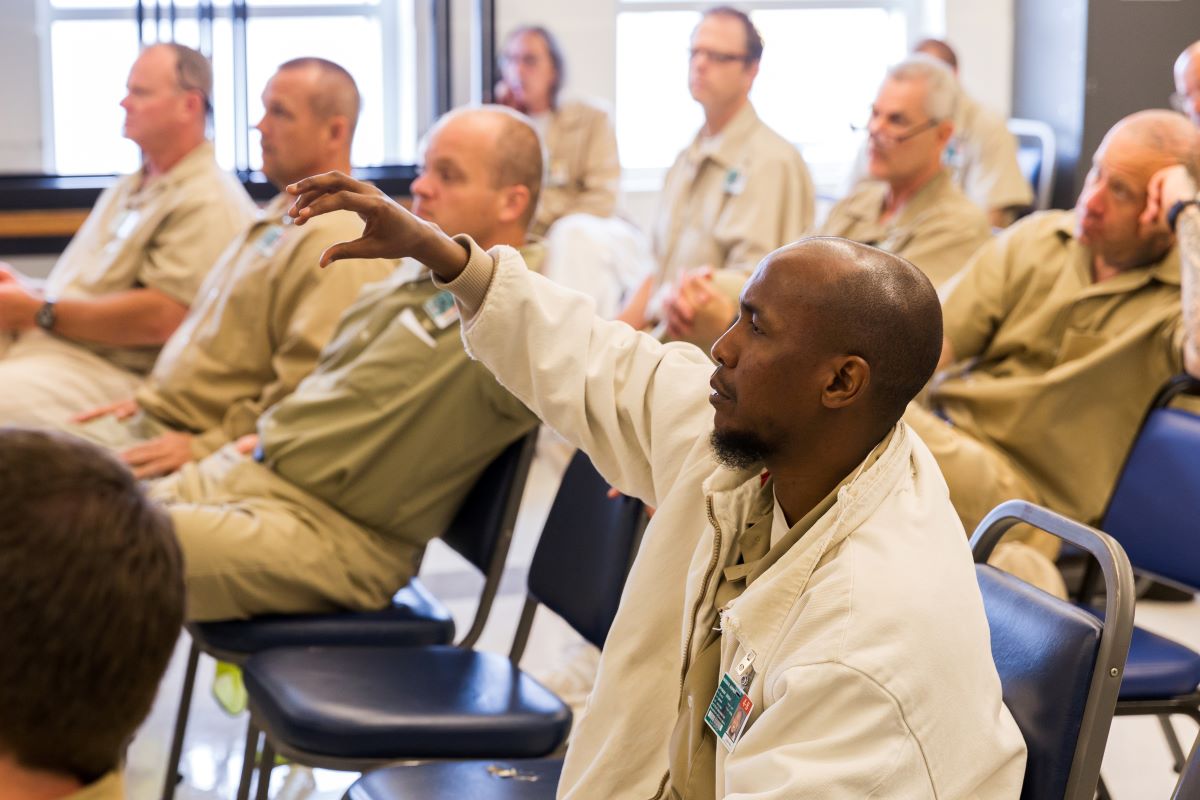
One of the unit gardeners at SCCC raises his hand to ask a question.
Photo credit: Ricky Osborne

So for the past year and a half I’ve made the same trek every month not just to teach a group of men about gardening and growing vegetables, but also to learn from them.

However, in 2019 the gardening education program is transitioning and so is my role in it. I won’t be leading the class at SCCC anymore, but there are exciting developments underway. SPP has signed an agreement with Oregon Food Bank to propose changes to the Seeds to Supper curriculum. SPP staff along with incarcerated students and educators at Monroe Correctional Complex and Stafford Creek Corrections Center, Department of Corrections staff, Institute for Applied Ecology, University Beyond Bars, and Tilth Alliance, will be suggesting revisions to the existing Seed to Supper curriculum, enhancing the course with additional modules on select topics, and transitioning the resources to support a peer-led model. Developing this peer-led format builds on a growing number of efforts to empower incarcerated people with resources and support to increase educational opportunities in prisons across the state. So while it means my time delivering the program has ended, the possibility for reaching more incarcerated men and women and sharing the joys and wonders of gardening has never been higher.

And so to the unit gardeners I had the privilege to teach and learn with and to the staff at Stafford Creek I got to work with, I say goodbye for now. Hopefully someday, I will see you in the garden.

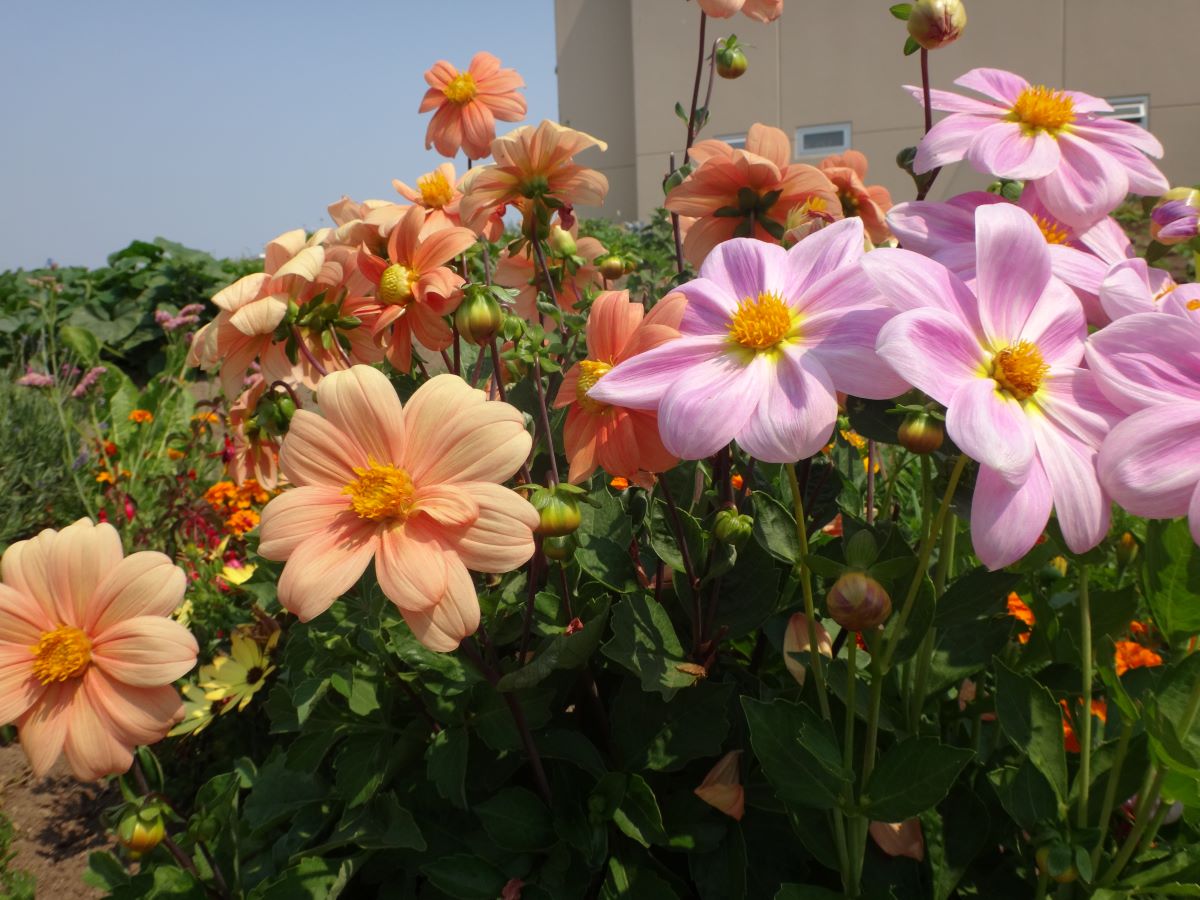
Flowers in full bloom at one of the gardens at Stafford Creek Corrections Center.
Photo credit: Ricky Osborne