2019 update

Mr. Jenkins’ logo lives on in the sagebrush programs. His writing and artwork (from this article) will be shown at the Northwest Nature and Health Symposium on October 30th. At Stafford Creek Corrections Center, Mr. Jenkins is one of the leaders for the Black Prisoners Caucus and has helped to create gardening curricula for both the BPC and SPP. We are grateful for his ongoing partnership.
In 2019, Mr. Jenkin’s logo looks better than ever! See https://appliedeco.org/programs/sagebrush/
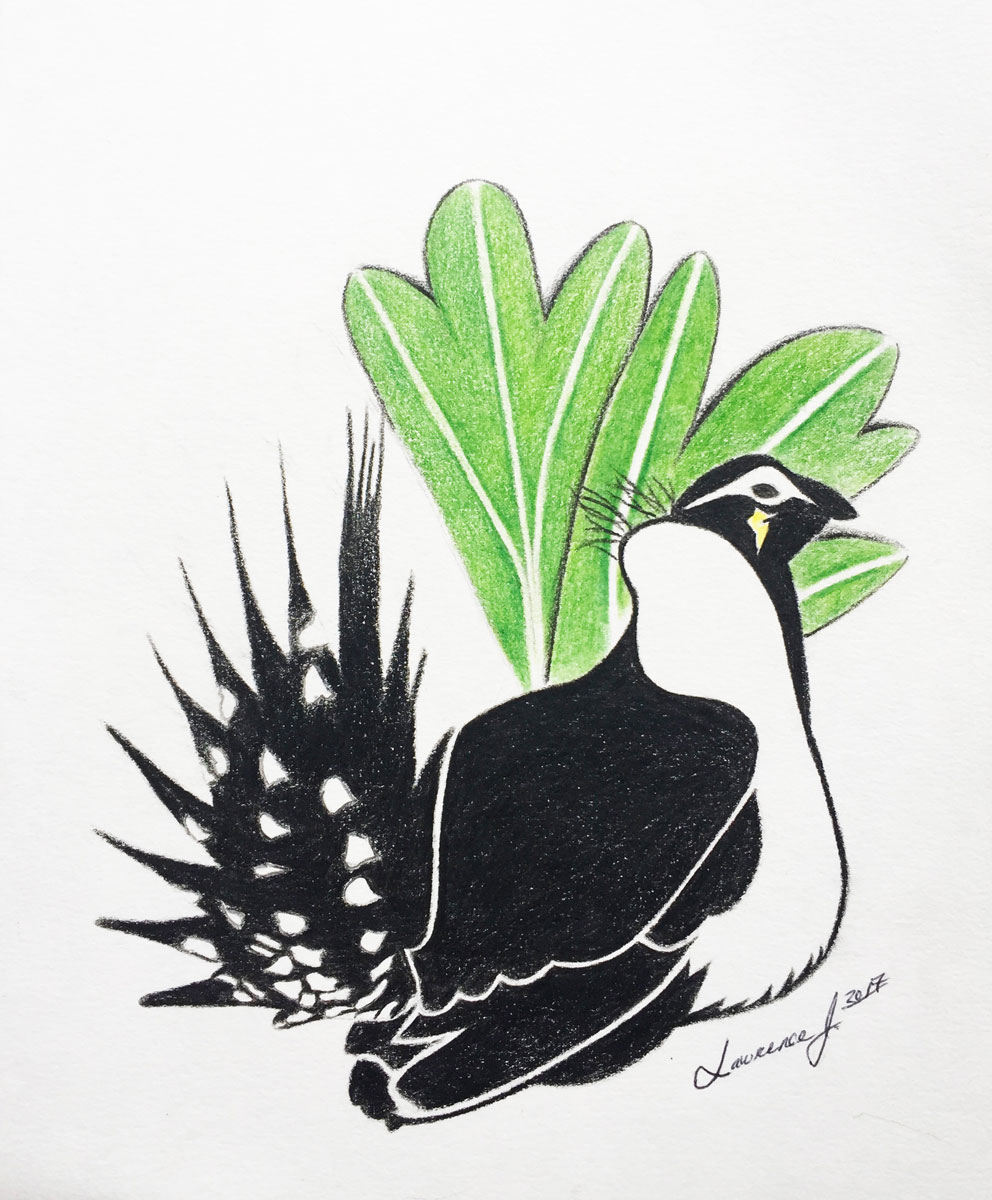
One of the sage-grouse images Mr Jenkins created to develop the Sagebrush in Prisons logo.

2017

In addition to his work as a Sagebrush technician at the Washington State Penitentiary, Lawrence Jenkins is also an amazing artist. In fact Lawrence was the artist behind the logo for the Sagebrush in Prisons Project! This post is his letter of reflection following the Climate Change Symposium held at Stafford Creek Corrections Center this past October.

Hello World,

My name is Lawrence, I’m from Seattle, Washington and I’ve been in prison since the age of 18. I am now 29 years old and with 20 years left to serve in the state and a possible life sentence pending in the federal prison system. My crimes involve law enforcement and I have a long history of violent crimes/gang violence. Along with this I struggle with P.T.S.D., social anxiety, and depression. As unfortunate as all of this sounds, just imagine an entire neighborhood swarming with individuals just like me.

For now, let’s focus on the question: “How do we overcome race/class in order to do something about global warming, climate change, starvation, extinction, preservation/conservation, disease, etc?” 
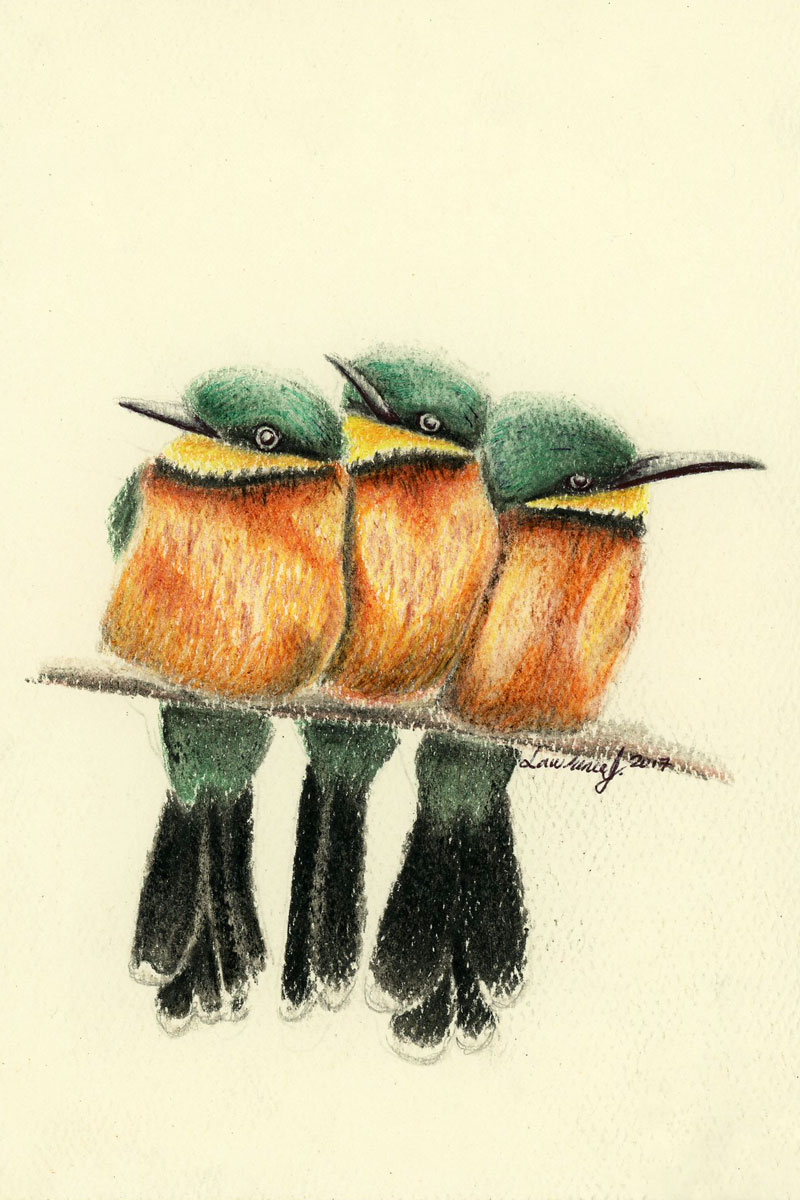
A “quick” drawing he made of three bee-eaters.

I would like to use myself for example…

I completely destroyed my life. I lost everything (which was not much), I even made attempts on my life. I hurt so many other lives. I was probably the most toxic living thing on this planet. Why? Because I wanted to make a difference so bad that I told myself that “right or wrong, I’m going to put a end to all of the bad that is happening to my family, my friends, and my community.” I had good intentions but the way I went about it was all wrong.

So when they tried to bury me, they didn’t know I was a seed [paraphrase from a Got Green presentation]. Unfortunately it took all of this for me to finally “germinate”. To finally realize just how loving, caring and compassionate I am. Just like every other violent gang member, drug dealer, or robber – trust and believe those individuals are willing to die in order to help their people. But the only difference between you and them is the very soil that you are rooted in.

With the global problem we face today, there’s no need to “up-root” people of different race/class in order to address this issue. Just amend the soil in each community just like you did in each prison.
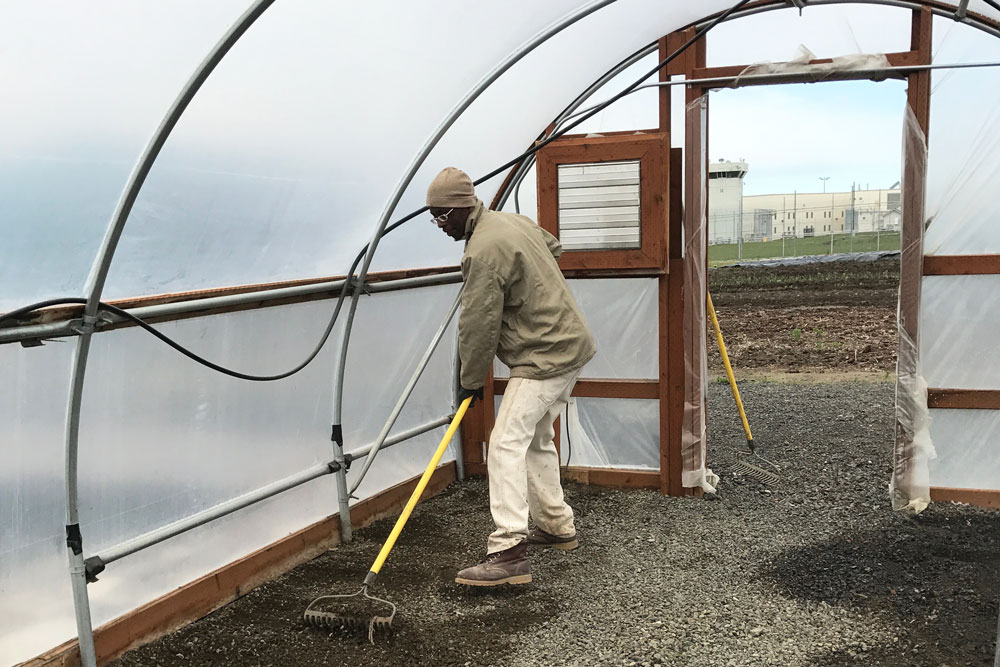
Lawrence Jenkins at work in the sagebrush nursery last summer. Photo by Gretchen Graber.
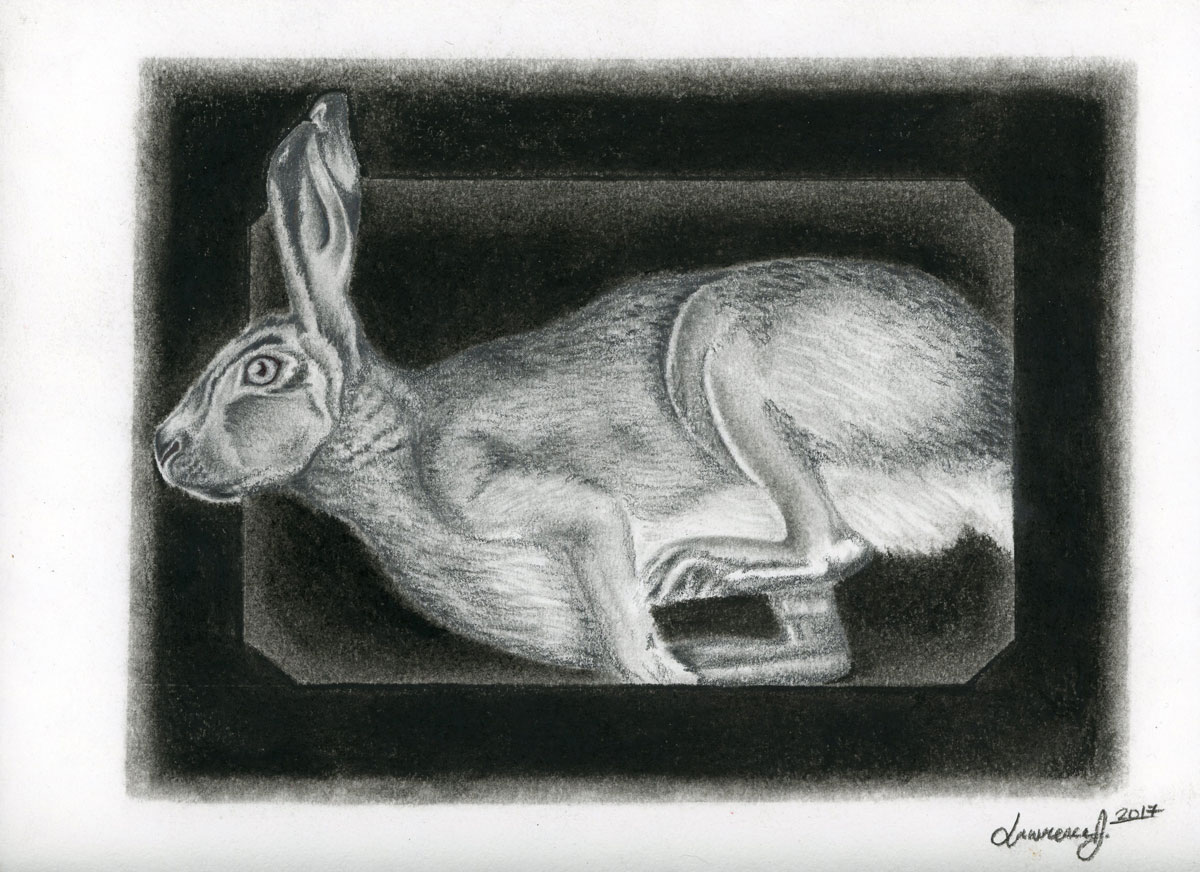
Mr Jenkins made this drawing of a black-tailed jackrabbit to raise funds for Tapteal Greenway. This species of rabbit lives in a protected piece of land supported by Tapteal.
 

Sustainability in Prisons Project (SPP) was lucky to receive several year-end donations, most of them from anonymous donors. These gifts are substantial enough that we can fund new scientific equipment and printed resources for a few programs—these much wanted enhancements will boost the quality of education in those programs.

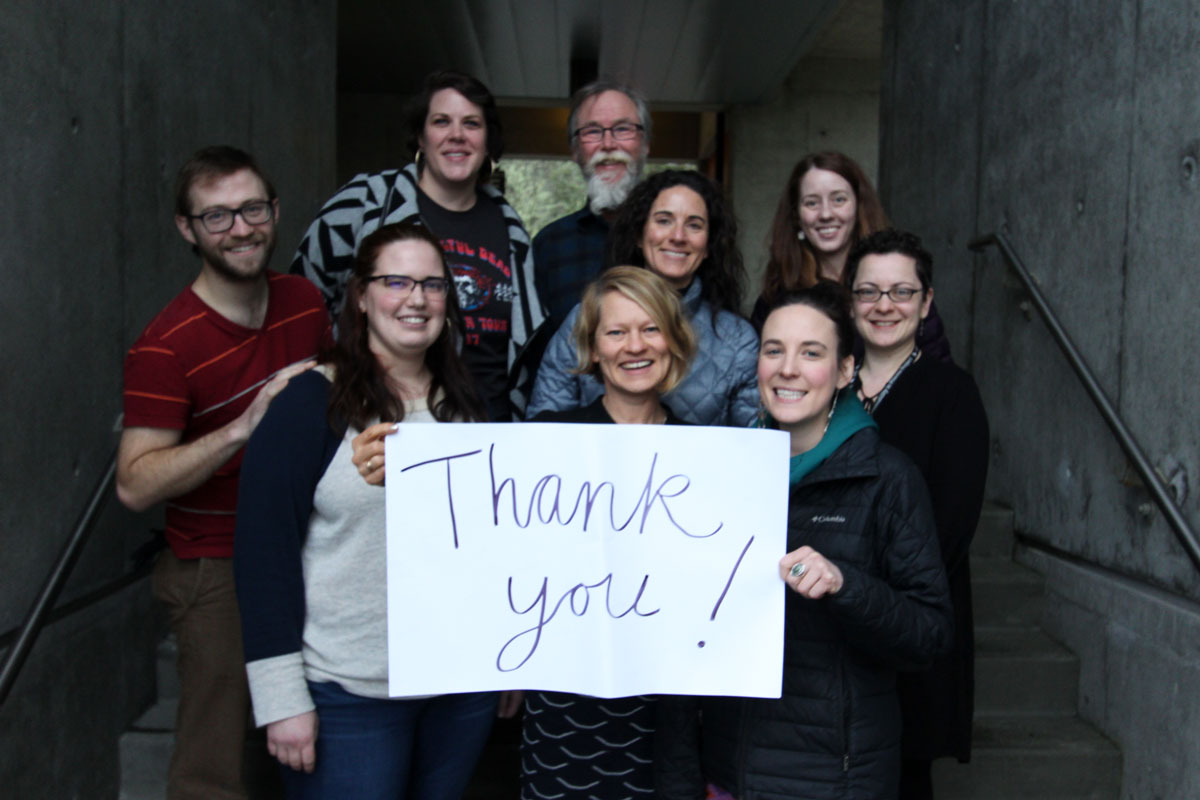
We are dazzled by the unsolicited generosity. We wish we could thank each of you individually, and also appreciate the mystery of having unknown supporters. Know that we love you and thank you!

Anytime you want to donate to SPP, we can put those funds to great use: please see our Get Involved page to contribute.

Text and photos (except where noted) by Bethany Shepler, SPP Green Track Coordinator

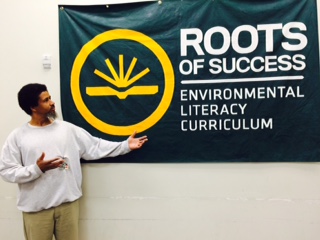
A Roots of Success graduate at CRCC shows his appreciation for the program. Photo by DOC staff.

Roots of Success (Roots) is an environmental education program that promotes awareness of environmental issues, problems and solutions, personally, locally, regionally, and globally. Roots of Success is offered by the Sustainability in Prisons Project in 10 of Washington State’s prisons. The program is championed by incarcerated instructors and students, and more than 1,200 people have graduated since the program began in 2013.

The unsung heroes of Roots of Success are the DOC staff members who serve as program sponsors, or “Roots Liaisons”. The program wouldn’t be possible if not for the incredible individuals that work with us within facilities. Even though I can’t highlight all of them, I want to recognize a few extraordinary people who make Roots of Success possible: Chris McGill at WSP, Gena Brock and CRCC, and Kelly Peterson at SCCC.

The Roots Liaisons are in charge of finding and scheduling the classroom, ensuring secure and functional multimedia equipment, responding to needs of instructors and students, and program reporting. This program would not be possible without the Liaisons’ determination and hard work.

Chris McGill is the Roots Liaison at Washington State Penitentiary (WSP). He manages the amazing Sustainable Practices Lab, where Roots serves as a prerequisite for jobs in the lab’s shops. Chris first got involved with sustainable programming when he and small team of inmates decided to transform an empty space at the prison into a garden.

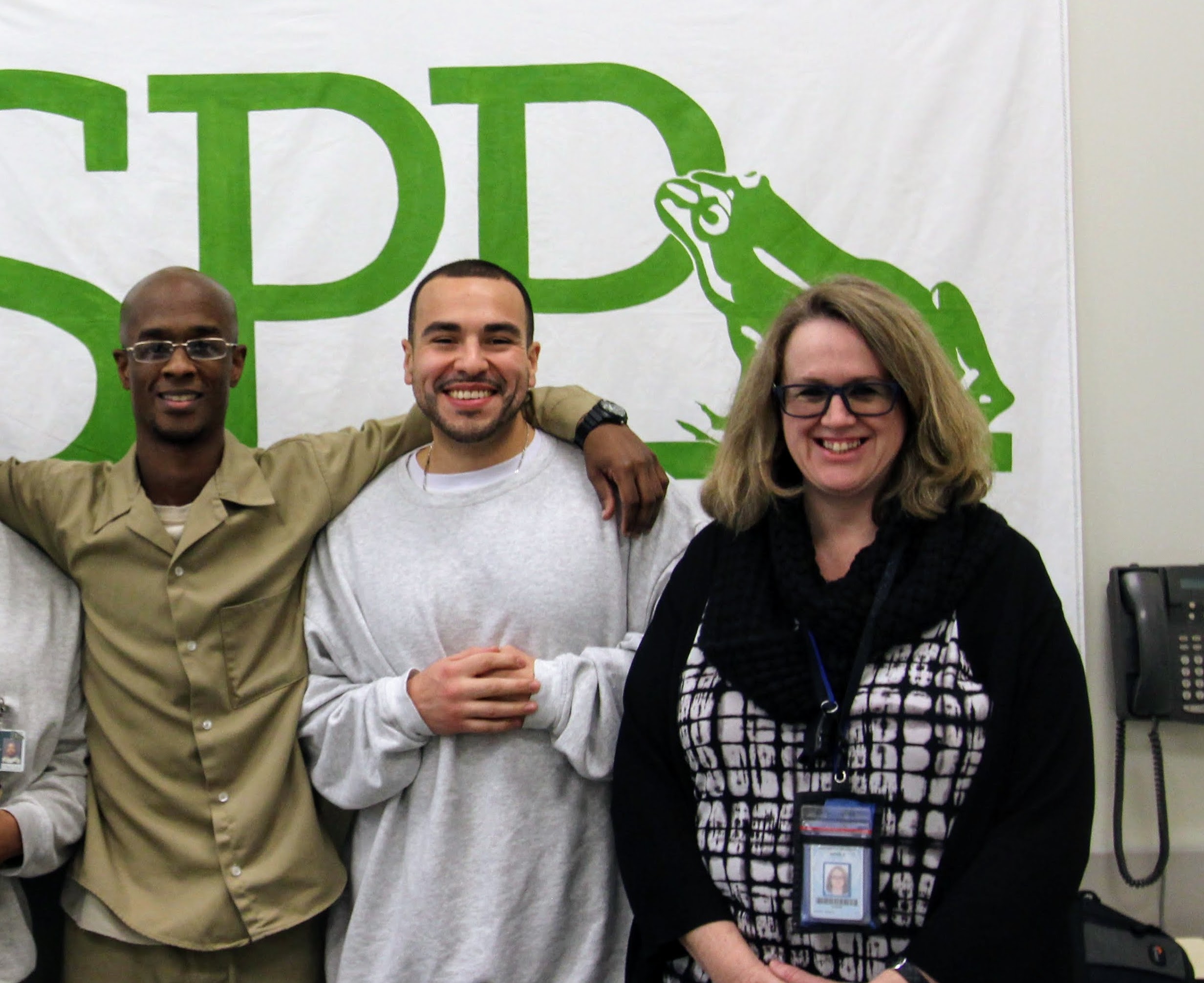
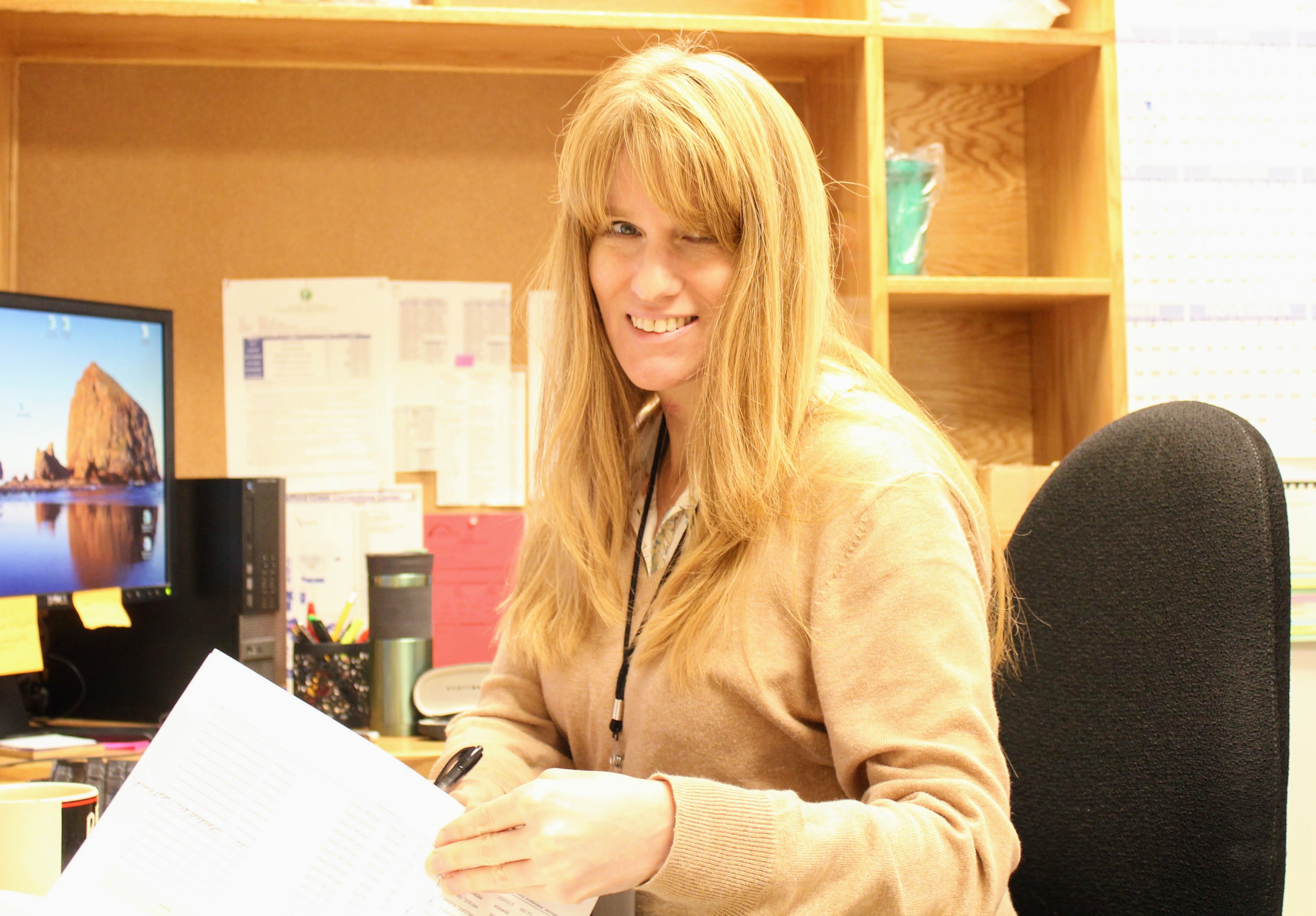
Gena Brock is Roots Liaison for Coyote Ridge Corrections Center (CRCC); in the photo above, she poses with the Roots of Success Instructors at the prison. As the Roots Liaison, she has provided steadfast program support and is always thinking of ways to improve the program at CRCC.

Kelly Peterson at Stafford Creek Corrections Center (SCCC) is a relative newcomer to the Roots program. Kelly recently took on the role of sustainability liaison at SCCC, and is the point of contact for everything from beekeeping to gardening to the aquaponic “EVM” nursery. SCCC’s Roots program has been going strong since 2013, and we fully trust her to continue that success. She is dedicated, productive, and positive—pretty much everything you would want in a partner!

Text and photos by Bethany Shepler, SPP Green Track Program Coordinator

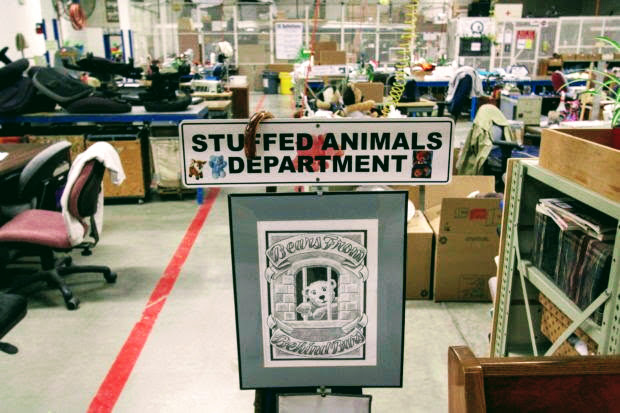
There are little bits of prison humor throughout the SPL; the signs for the bear and quilt production area read “Stuffed Animals Department” and “Bears From Behind Bars.”

Before visiting the Sustainable Practices Lab (SPL) at Washington State Penitentiary (WSP), I was told it was an impressive set-up. Still, I was not prepared for how large and integrated it is. The SPL is basically a warehouse housing 18 programs, including a Teddy Bear program, aquaponics, SafeTap water filtration system (here’s an article on the guys at the SPL constructing water filters!), composting, wood-working, recycling, trout, gardens, quilt making, crochet/knitting, classroom, and the sign shop. I’m sure there’s more I’m forgetting too—the SPL is incredible to the point of overwhelming!


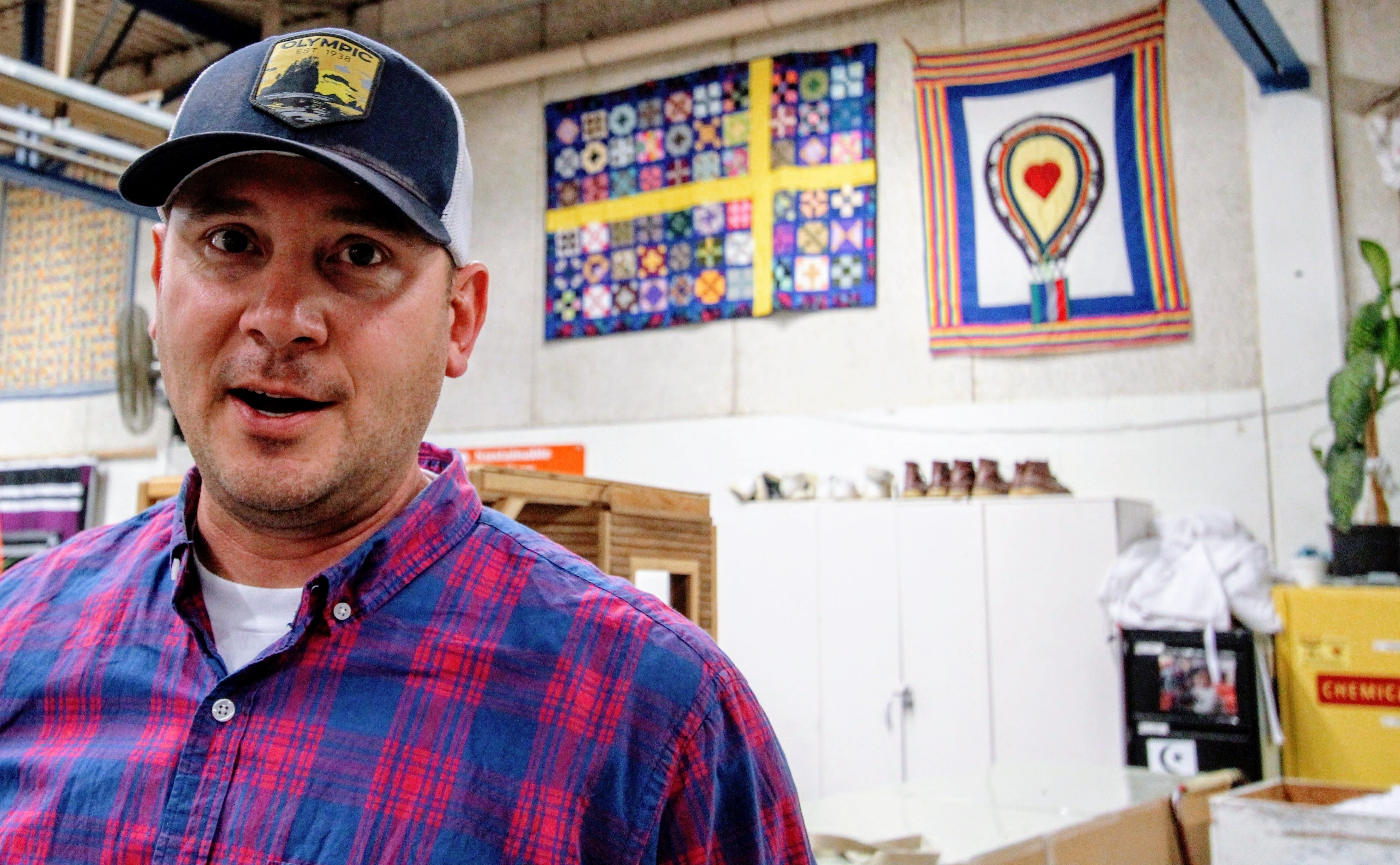
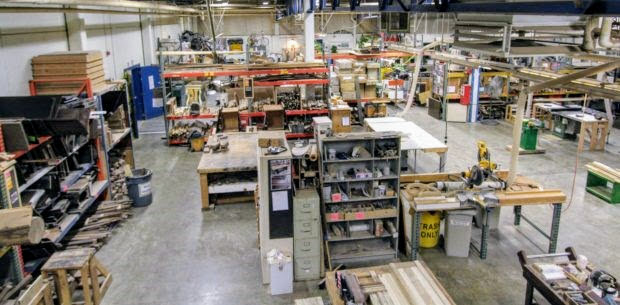
This is a view of the wood-working area within the SPL. In the background is some of the recycling (cloth and cardboard) as well as a little “plant hospital” at the back, where inmates care for “sad” plants brought in by staff members.


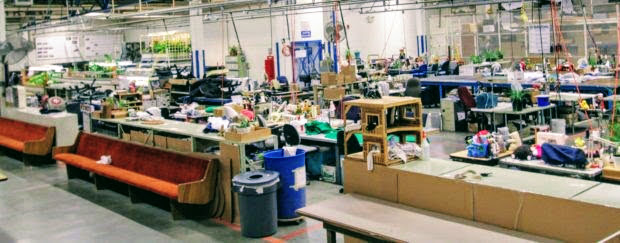
On the left side of the photograph is the aquaponics and trout area of the SPL. On the right is where inmates make quilts, teddy bears, and knitting and crochet crafts. There’s a room in the back of the photo that houses the wood-burning equipment, for sign etching.

I could not believe how resourceful the guys at the SPL are. Everything they work with is recycled or donated — even the teddy bears’ stuffing comes from recycled material retrieved from the prison’s waste stream.


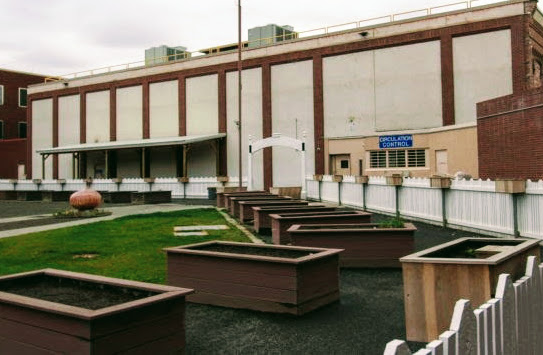
These garden boxes are what started it all at WSP. Inmates rent a box for a small fee, and keep a garden with the plants of their choice. As the popularity of the garden boxes grew so did the sustainability programs available.


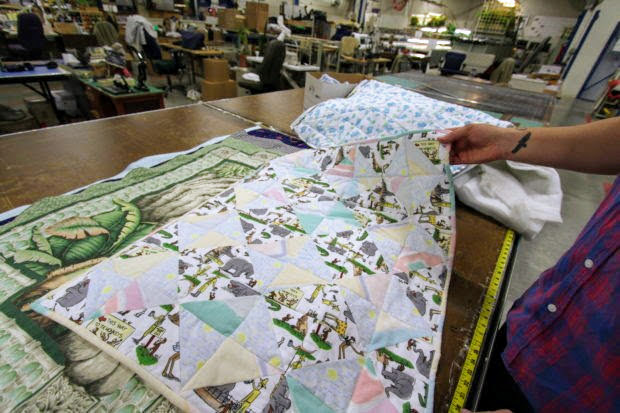
When an inmate joins the SPL their first task is to make a baby quilt. All materials for quilts have been donated by the local community. Once the quilts are completed, they are donated back to the community.

Of all of the stories I heard when I visited the SPL, I was most struck by one about an inmate rebuilding a bicycle. This particular bicycle came with a letter attached. The letter explained that the bike was owned by a little girl who was hit and killed by a drunk driver. The parents kept the bicycle in their garage for almost 20 years before giving it to the prison to be refurbished. When SPL staff and technicians read the letter and saw the little girl’s bike, they knew of the perfect man to refurbish it: an SPL technician who had been incarcerated for hitting and killing a bicyclist while driving drunk. He was asked if he would be willing to refurbish this bike; he accepted knowing the task would be difficult and healing.

He refurbished the bike to look exactly like it did when the little girl rode it and returned the bike to her mother with a letter of his own. He detailed his healing process through refurbishing this bicycle; he was frequently moved to tears while working on the bicycle and even now, he can’t help but cry when he thinks about it. The mother of the little girl now takes the bicycle and the two letters with her to local schools and organizations where she talks about the dangers of driving drunk.

For me this story captures the heart and soul of the SPL, where every program is dedicated to reclaiming materials, creating value, and giving to the community. It’s a moving illustration of how ingenuity, creativity, and hard work can change lives!

Here’s a link to an earlier two-part blog on the WSP SPL: Part 1 and Part 2.