Text and photos by Joslyn Rose Trivett, SPP Education & Outreach Manager

Airway Heights Corrections Center (AHCC) is located in eastern Washington, far from the environmental activism of the Puget Sound. Yet, the prison has become a statewide leader for conserving and recycling resources.  

AHCC is a model for energy conservation. Facility staff regularly check and restore their equipment, fixing it before it breaks. The approach improves performance and life expectancy, and staves off epic fails. By practicing preventative maintenance, they have become a model of efficiency.
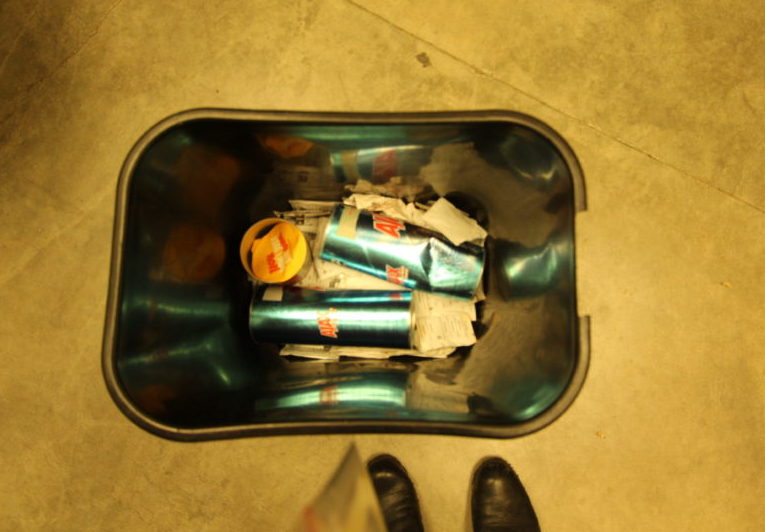
garbageThe prison has also set the standard for sorting waste. Without any fancy equipment, they have figured out how to turn the waste stream into valuable commodities. They sort their waste at the source, or “up stream.” Every day, porters (we call them waste stream technicians) sort the waste stream into dedicated cans, and the results are impressive. Nearly everything is reclaimed or recycled; all that’s left is a tiny can of mixed-materials (see photo).
laughing-about-garbage
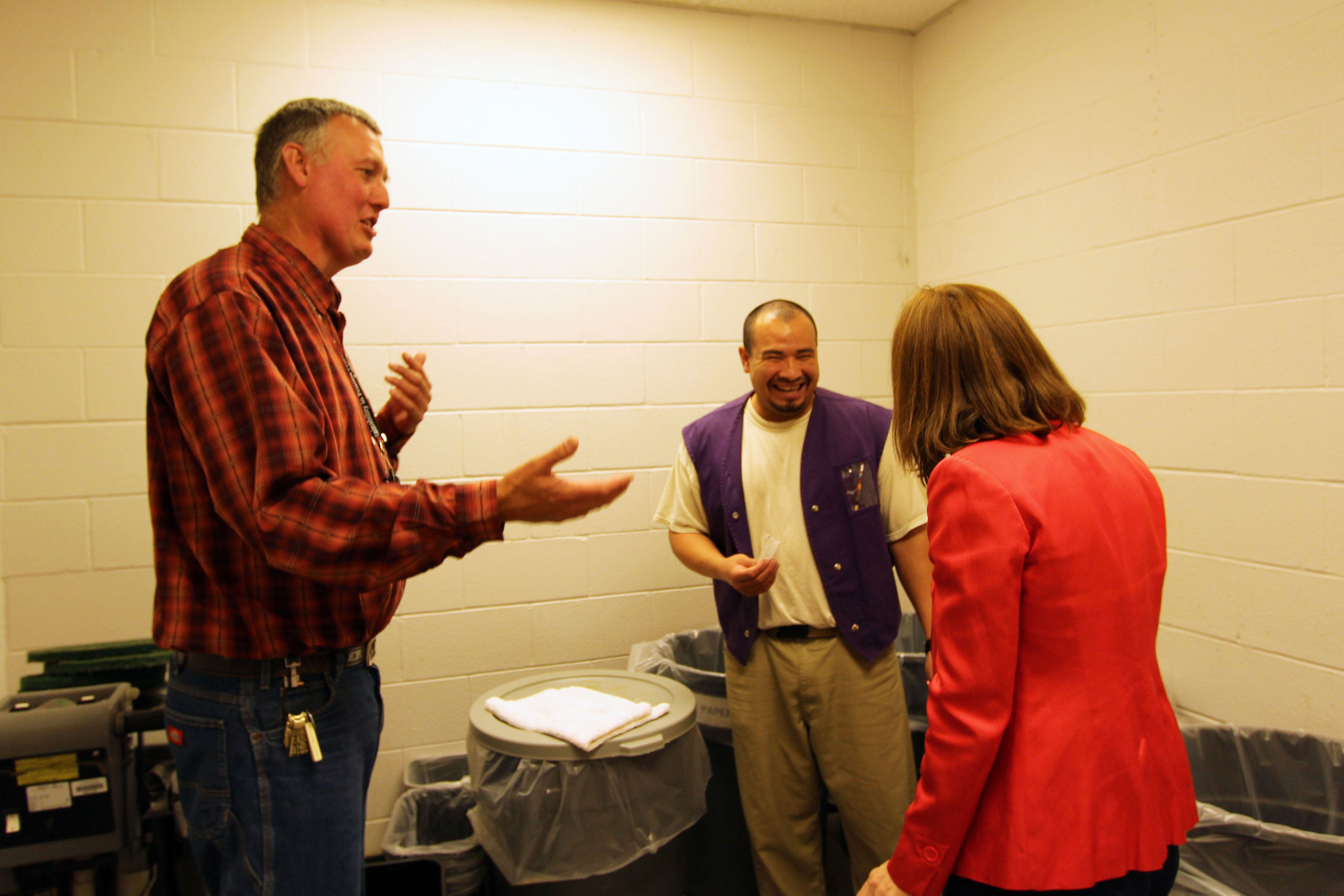
A porter (waste stream technician), AHCC’s Kraig Witt, and Sustainable Operations Manager Julie Vanneste discuss that it’s hard to know what “garbage” means anymore.

In the many gardens, staff and inmates have transformed hardpan into thriving soil with compost. They use no fertilizers or pesticides, and make their compost in small batches on site. The result is gorgeous, healthy produce.
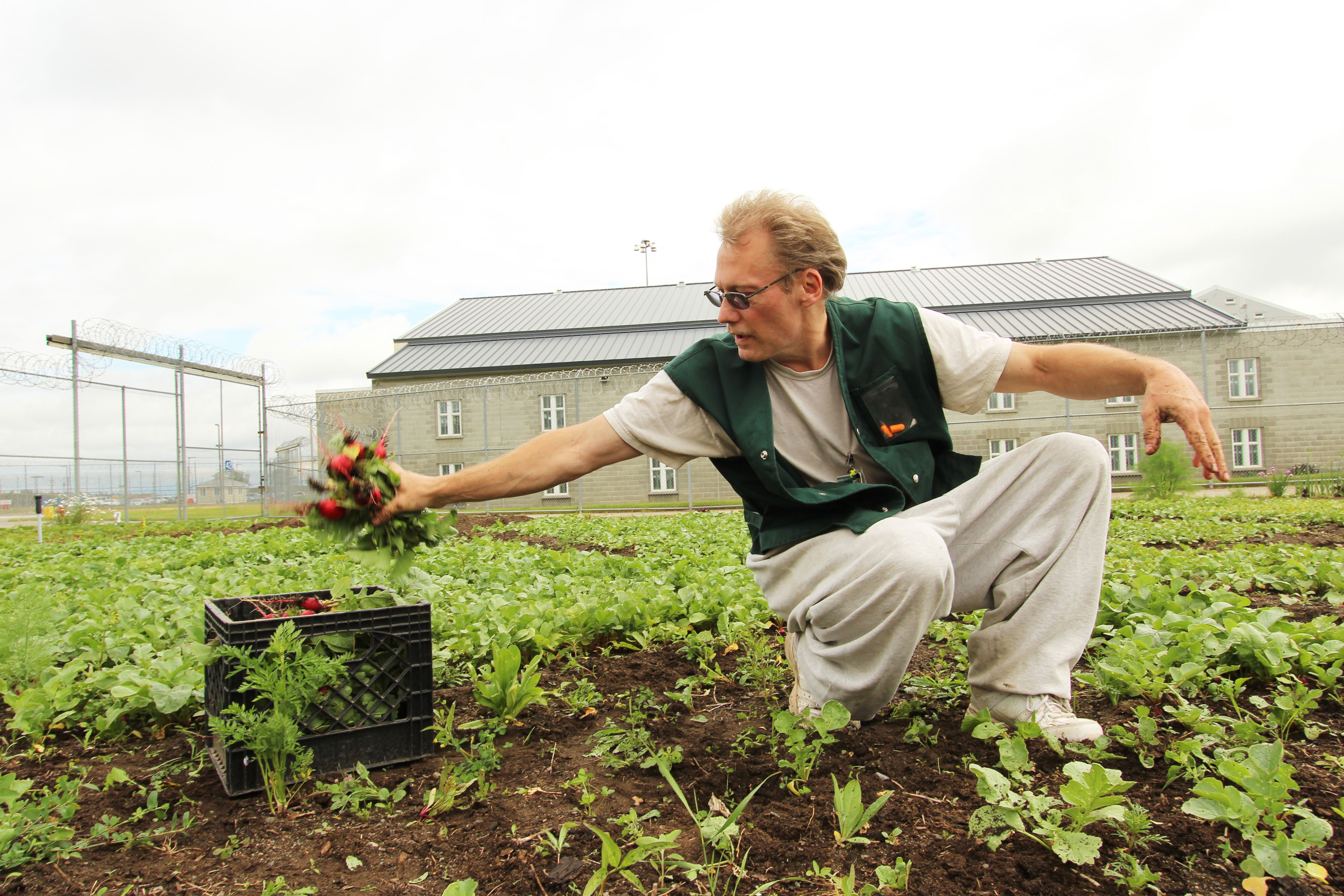
An inmate gardener harvests high quality radishes outside his living unit. Each living unit has its own garden, and each has its own personality. The three gardeners who were tending this one with enormous enthusiasm.
An gardener harvests radishes outside his living unit.

Each living unit has its own garden, and each garden has its own personality, shaped by the gardeners who tend it. The three gardeners I met showed enormous enthusiasm for the work. They turned 1 strawberry plant into 1,200. They gleaned tomato and cantaloupe seeds from cafeteria food. They figured out how to reclaim seeds from everything they grow. They can boast a truly closed-loop system!
garlic-farmer
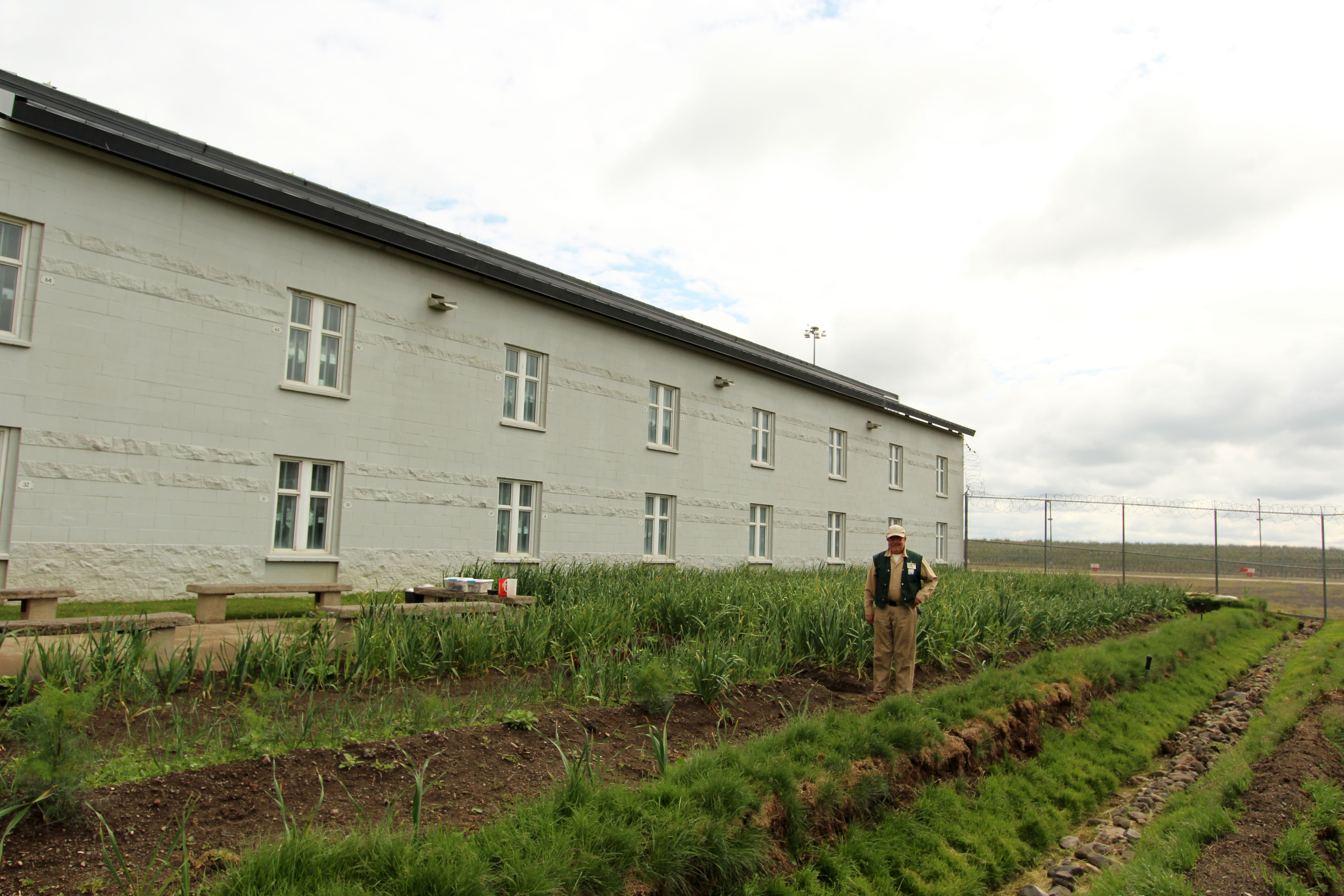
This Horticulture Porter said that adding masses of compost transformed this area from an unproductive low spot to the gorgeous plantings of garlic there now.

SPP had another fantastic meeting with Larch Corrections Center. We went to the prison to talk about beekeeping and were met with enthusiasm for this new educational program.

Sadie Gilliom meets with the turtle technicians. Photo by Ricky Osborne.

Larch has a turtle program that has been wildly successful. In partnership with the Oregon Zoo, Washington Department of Fish and Wildlife, and others, endangered Western Pond Turtles with a shell disease came to Larch for rest and recuperation. The technicians did such a wonderful job caring for the turtles that they were all released back into the wild earlier this season! While they await the arrival of more turtles this fall, the technicians are pursuing a new science education opportunity- beekeeping. With support from SPP and beekeeping partners, Larch Corrections Center plans to offer an apprentice level beekeeping certification class sometime this fall.

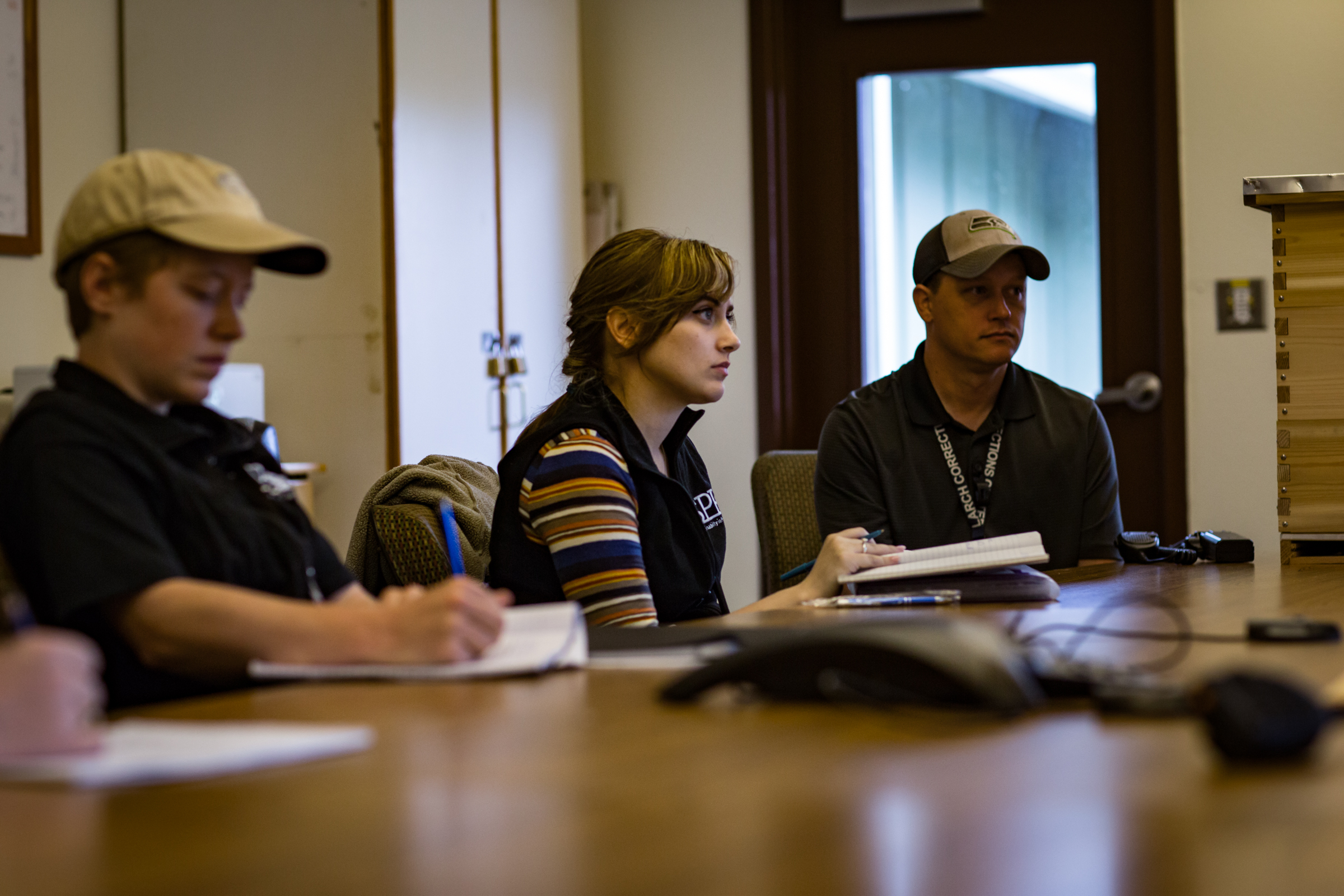
Sadie Gilliom, Emily Passarelli, and Shawn Piliponis discuss beekeeping at Larch. Photo by Ricky Osborne.
Sadie Gilliom, Emily Passarelli, and CC2 Shawn Piliponis discuss beekeeping at Larch. Photo by Ricky Osborne.

This course will not only educate technicians to be state certified beekeepers, but may also provide opportunities to assist in hive research. In addition, with the help of Classification Counselor 2 Shawn Piliponis, technicians are piloting a program to build bee hives out of recycled, untreated pallet wood. They eventually want to donate the bee boxes to local schools and organizations to support pollinator recovery. Programs like these can reduce idleness among incarcerated individuals. Reduced idleness leads to reduced violence and infractions.

While there aren’t any bees at the prison yet, Stafford Creek Corrections Center is generously donating one of their hives so Larch can get started this August. Next season we aim to have six hives of two different hive types in operation.

We are confident this collaborative program will be a great success with education at the center of the endeavor!


By Kay Heinrich, Associate Superintendent at Airway Heights Corrections Center

AIRWAY HEIGHTS — Airway Heights Corrections Center (AHCC) has introduced honeybees to not only help the facility’s gardens but to sustain a healthy bee population for AHCC and the local community.

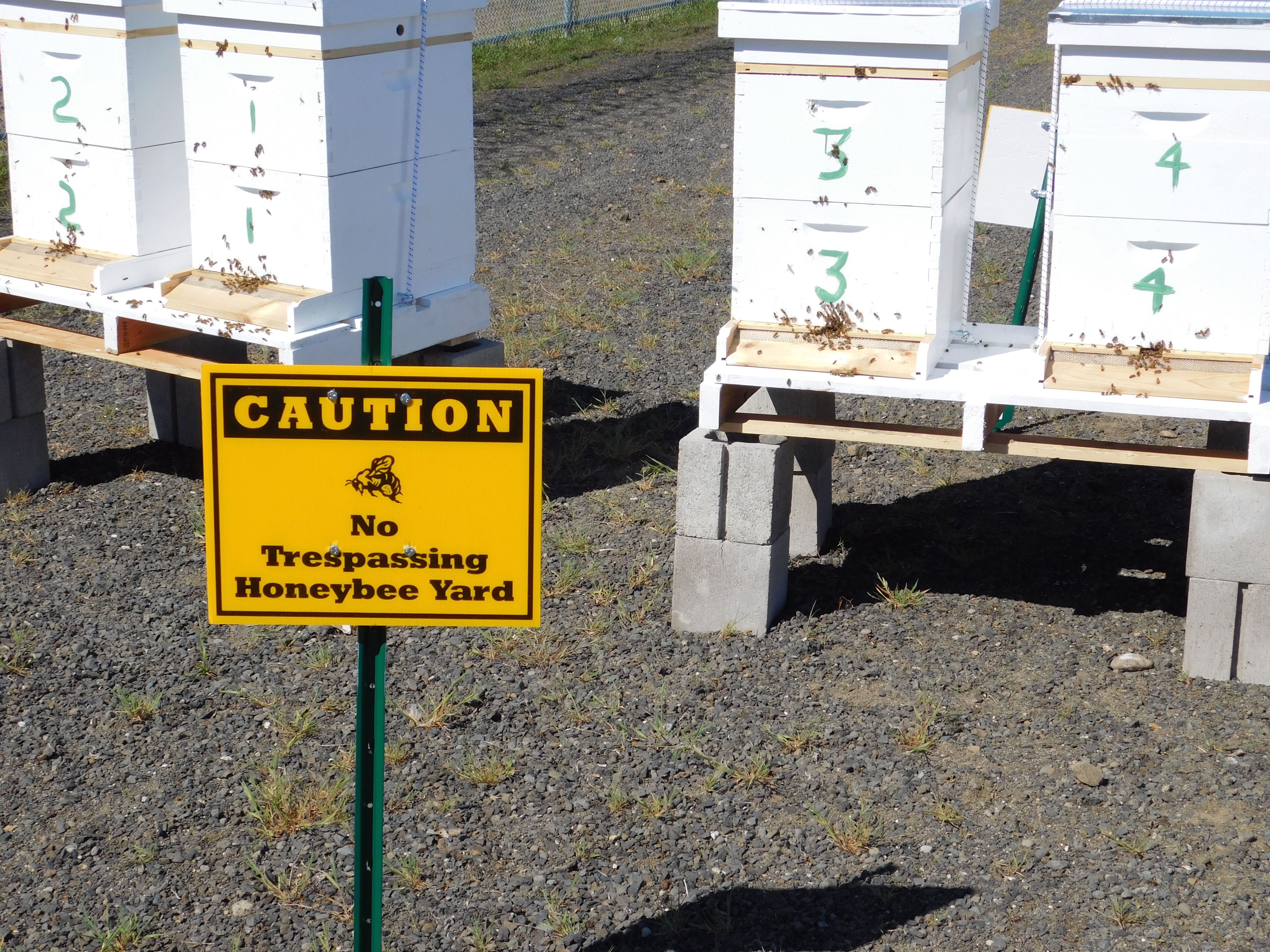
The four beehives will provide an educational opportunity in sustainability and help improve local community for AHCC. Photo by DOC Staff.

The four bee hives arrived this summer, courtesy of Jim Miller, a master beekeeper associated with the West Plains Beekeepers Association and members of AHCC sustainability committee. The bee hives are located near the facility gardens with access to a water source, and safely out of the way of normal foot traffic. Participation in the bee program is highly competitive and increases facility safety by serving an incentive for infraction-free behavior as part of the application and screening process.

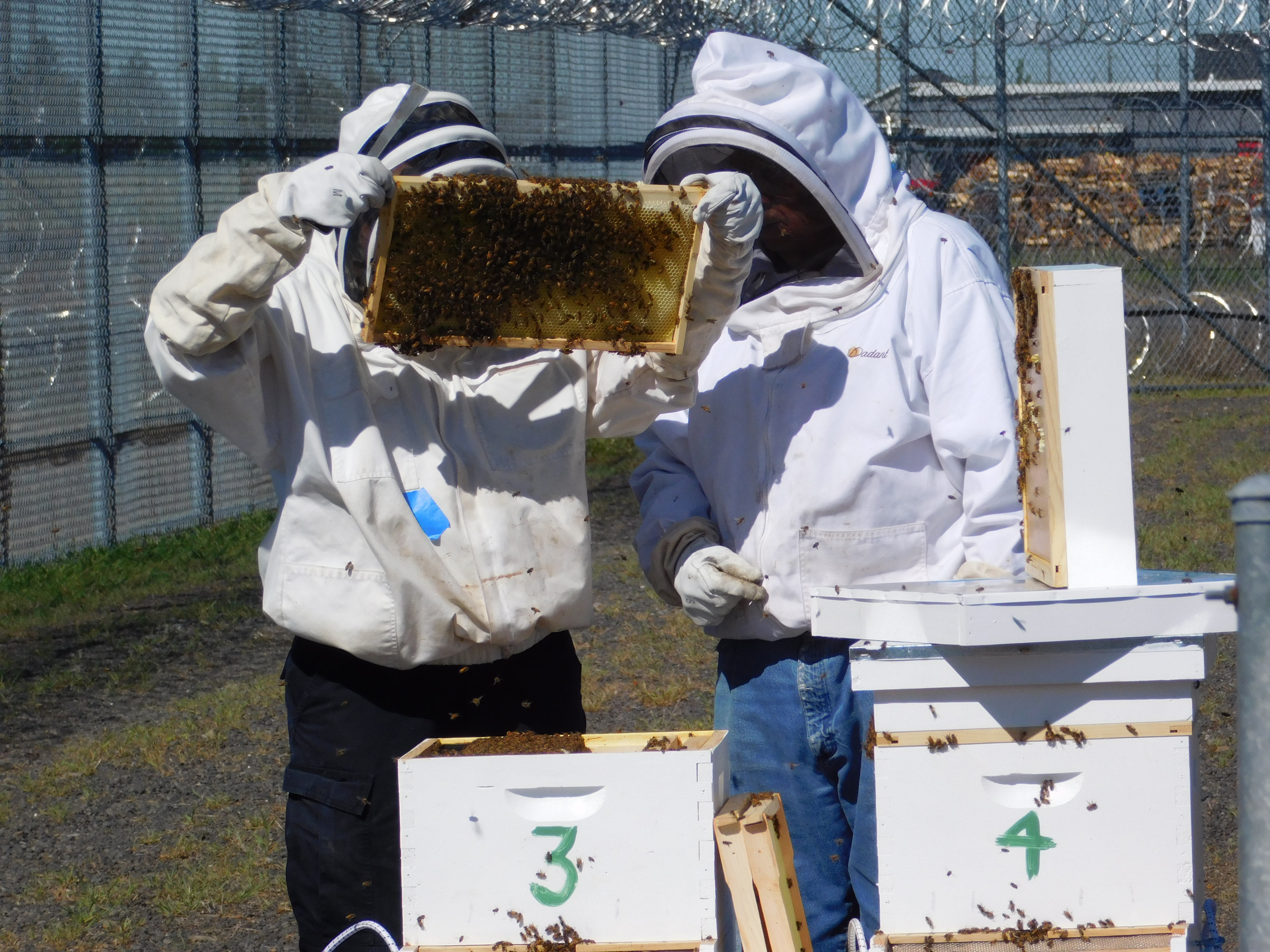
Two incarcerated individuals begin their educational work with the honeybees. Photo by DOC Staff.

The master beekeeper is facilitating a class for those interested in becoming certified bee apprentices. Completion of the course and passing of the Washington State Beekeepers Apprentice Certification will qualify a participant as an apprentice beekeeper. The goal is to include multiple groups in working together for safer communities through knowledge, education and collaboration.

Over the past year, the gardens, bees, vermiculture, recycling, and providing wood for local community members in need during the winter months has been engaging and a uniting effort for staff and inmates to work toward a sustainable environment and a way to give back to the community. The sustainability projects have earned enthusiasm from staff and provided hope and education for the incarcerated population.

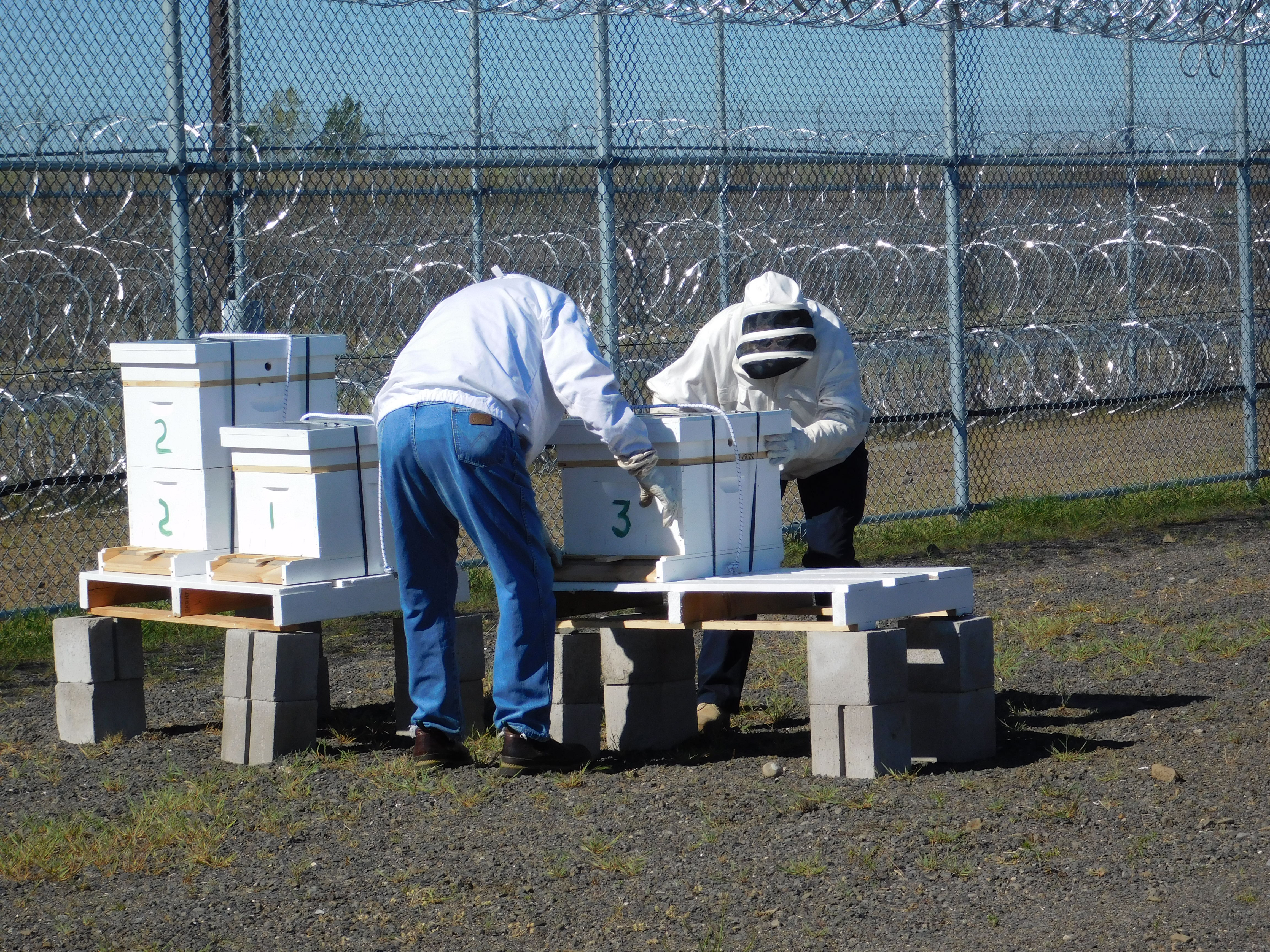
Setting up the new beehives on arrival. Photo by DOC Staff.

The Washington State Department of Corrections has earned a national reputation for its efforts to make both its operations and facilities more sustainable while increasing facility safety. By being innovative and forming unique partnerships, such as the Sustainability in Prisons Project, facilities have been made safer through reduced infractions and the incarcerated population has been provided with new skill sets while being meaningfully engaged.

A special thanks is in order for Ricky Osborne! He’s doing an internship with SPP this summer. He’s been coming along with us on our prisons visits and taking amazing photos of our programs. Check out these photos from our recent trip to Larch Corrections Center. Thanks Ricky for the fantastic pictures!

Sadie Gilliom meets with the turtle technicians. Photo by Ricky Osborne.
Sadie Gilliom, Emily Passarelli, and Shawn Piliponis discuss beekeeping at Larch. Photo by Ricky Osborne.
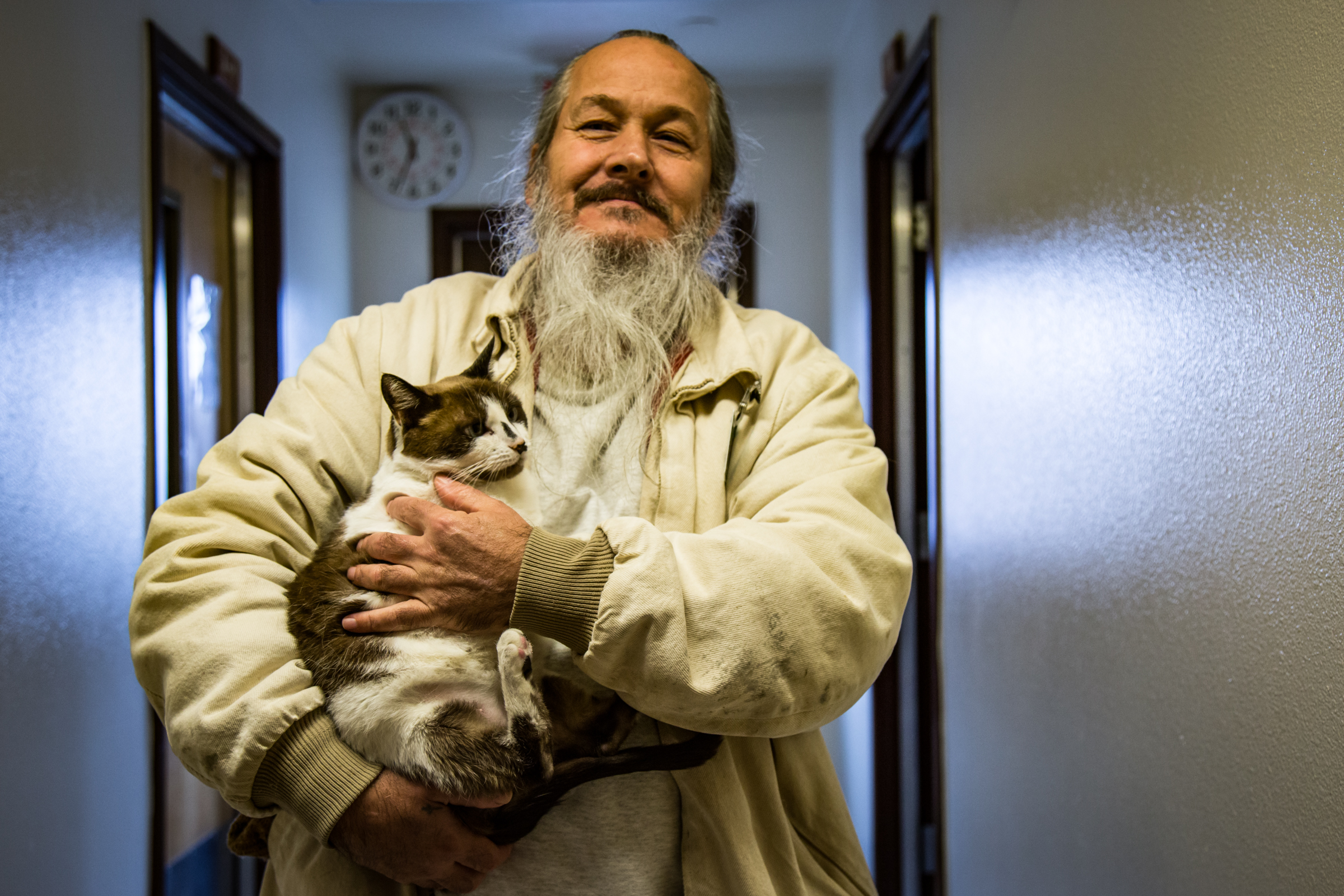
An incarcerated individual proudly shows off the cat he is rehabilitating. Photo by Ricky Osborne.
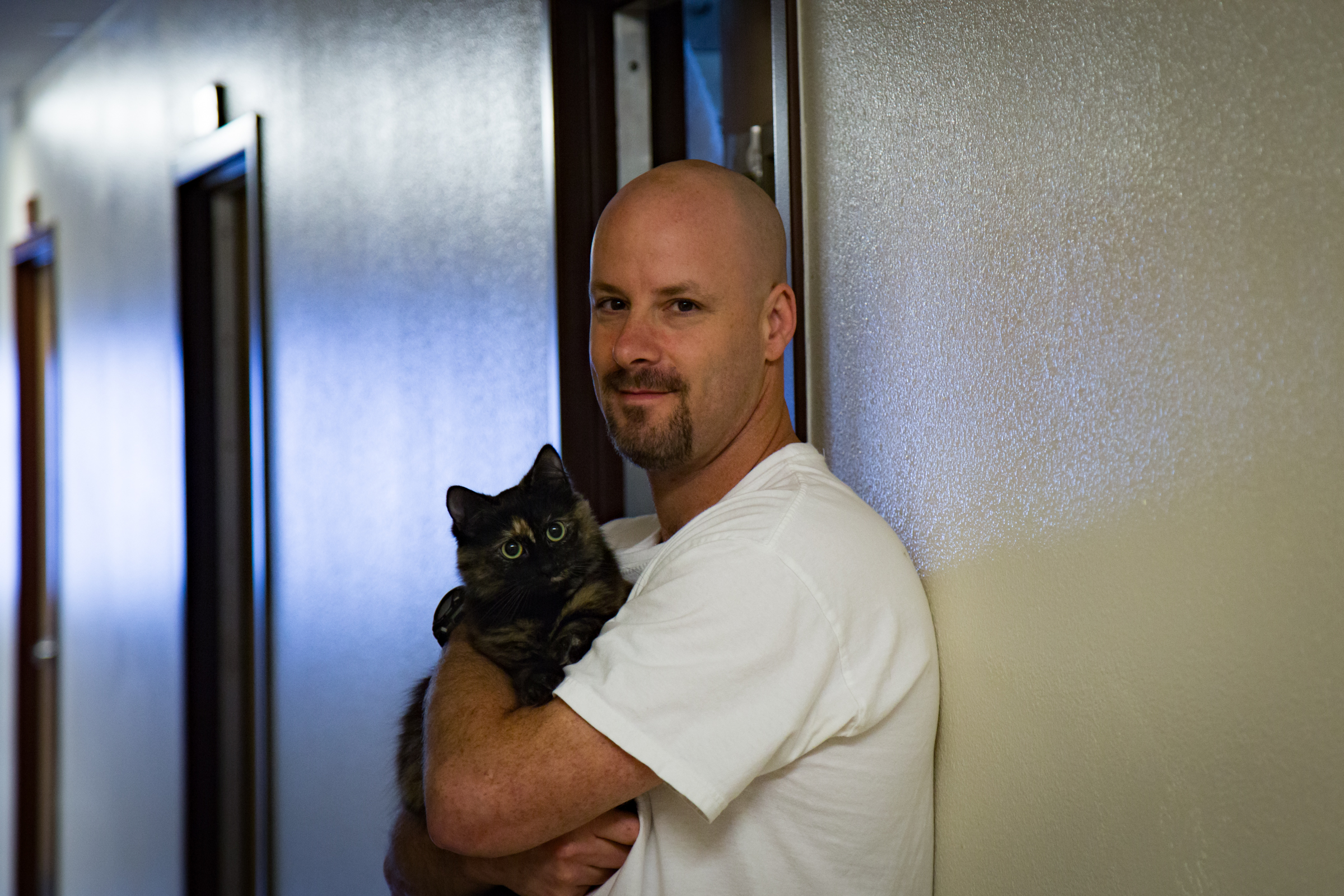
Another member of Larch's cat program poses with his cat. Photo by Ricky Osborne.
Another member of Larch’s cat program poses with his cat. Photo by Ricky Osborne.
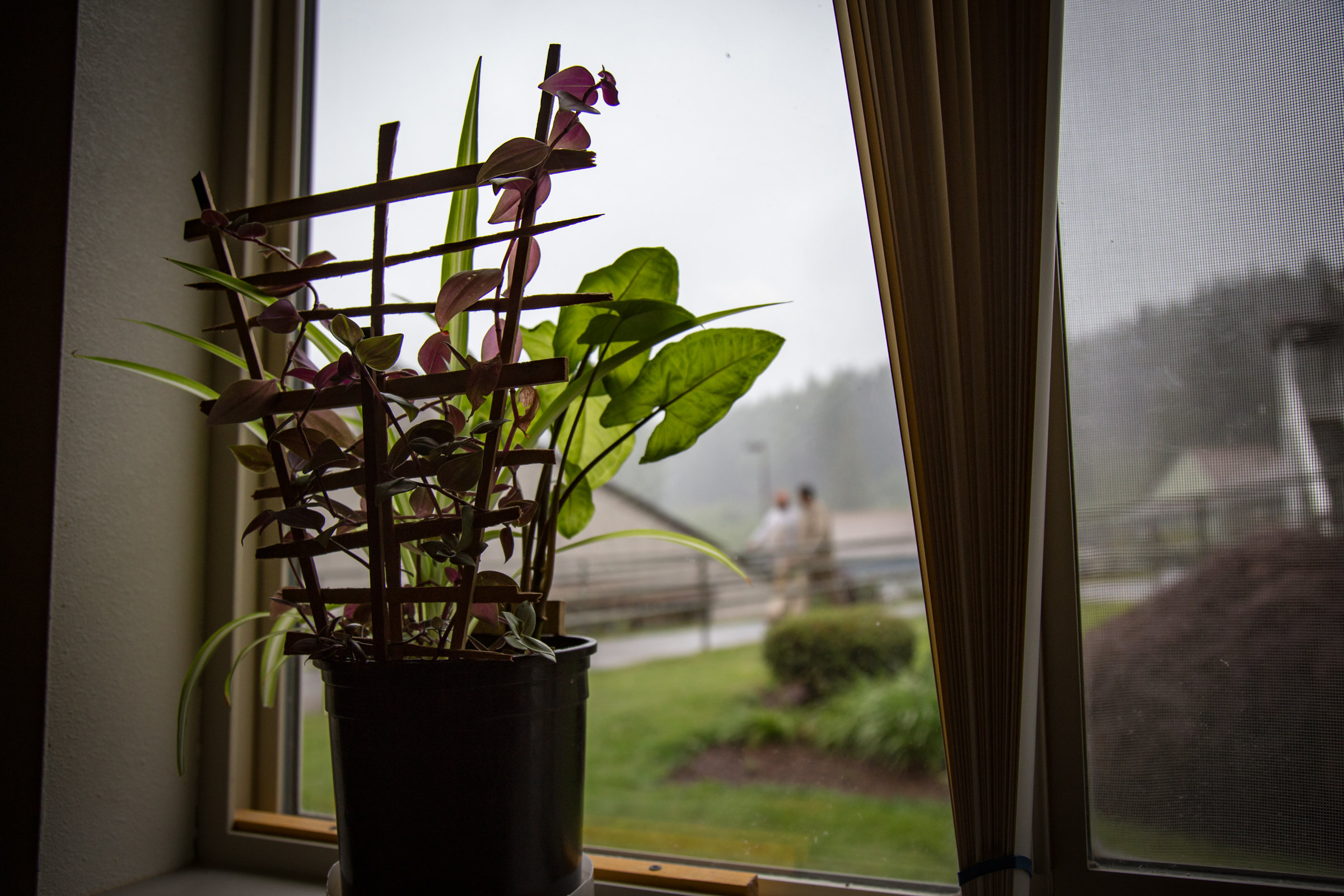
A houseplant in one of the living units. Photo by Ricky Osborne.

by Gretchen Graber, native plant grower and educator, Institute for Applied Ecology

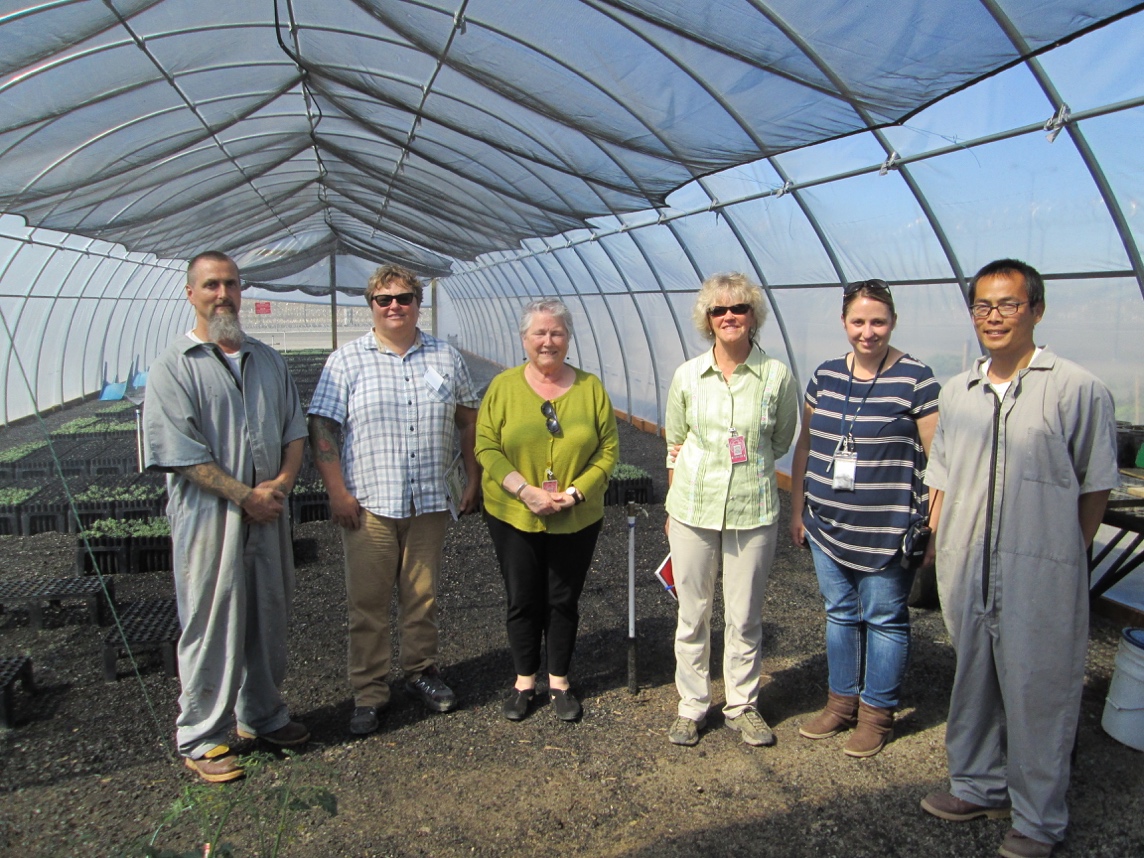
Sagebrush nursery partners stand together in the hoop house. From left to right, they are Mr. Bowen, Ms. Graber, Ms. Olwell, Ms. Erickson, Mrs. Trainer and Mr. Le. Photo by Washington DOC staff.

The iconic greater sage-grouse, a species recently considered for endangered species listing, is getting a helping hand from a unique set of partners: Bureau of Land Management (BLM), Institute for Applied Ecology (IAE), and Sustainability in Prison’s Project (SPP).

Peggy Olwell, the National Plant Materials Program Lead, BLM-Washington D.C. and Vicky Erickson, geneticist for the U.S. Forest Service, Pacific Region visited the “Sagebrush in Prisons Project,” at Coyote Ridge Corrections Center in Connell, WA, on June 3rd. BLM is sponsoring the program propagating 43,300 Wyoming Big Sage and Three-tip sagebrush, plants that will be carefully nurtured over the summer months and planted out in burned shrub-steppe habitat managed by BLM, this November in Douglas County, WA.

Ecological Conservation technicians tend to the growing sagebrush in the nursery at CRCC. Photo by Meagan Murray.

The tour was given by Sam Harris and Dorothy Trainer of Washington Department of Corrections (DOC) and Gretchen Graber, native plant grower and educator with IAE. Olwell and Erickson were able to witness the intangible benefits of the program while meeting the inmates and supporting DOC staff that are growing the sagebrush.  “Community is being created within DOC as a result of the project,” said Mr. Harris. “Coyote Ridge staff have excelled at managing the new program and special thanks goes to Dorothy Trainer and Sam Harris for their intelligent management of the program,” said Graber.

This is an example of healthy sagebrush landscape in central Oregon. Photo by Joseph Weldon, Wildlife Biologist, BLM.

Areas where the sagebrush will be planted are occupied by greater sage-grouse, the species targeted for population increase and recovery. The partnership among BLM, Washington DOC, IAE is part of an unprecedented effort to prevent endangered species listing of the grouse.

Greater sage-grouse are unique from other grouse species in not having a muscular crop used for digesting hard seeds. They forage on sagebrush leaves, herbaceous perennials and insects. Planting genetically appropriate sagebrush species from locally derived genetic sources provides important food and crucial habitat for the birds.

Olwell and Erickson also viewed a living quarters unit, met and talked with several dog training inmates and petted a puppy during their tour at CRCC. “Here’s to a positive future for the greater sage-grouse and to more sagebrush,” commented Olwell.