Text and photos by Bethany J. Shepler, Green Track Program Coordinator
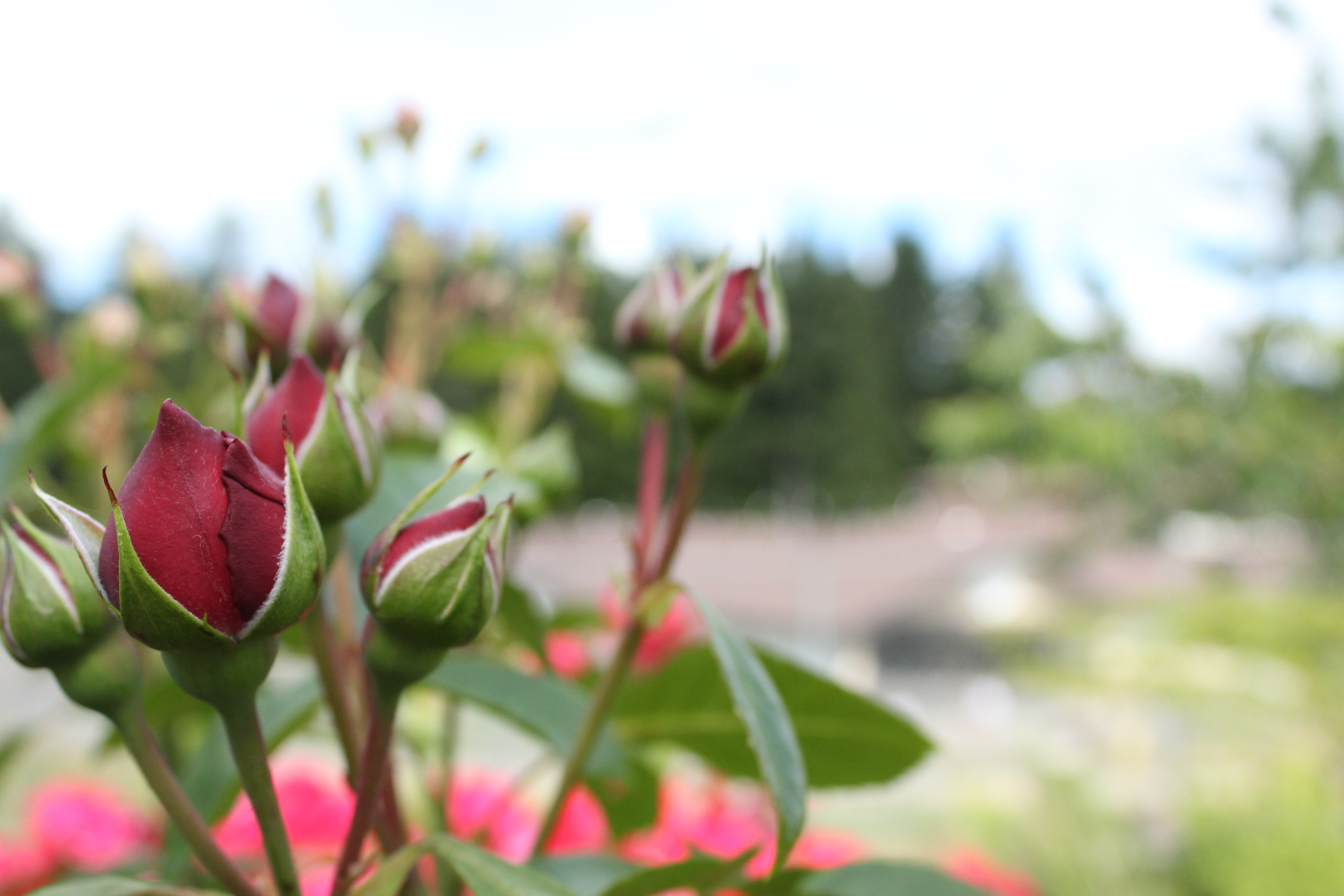
Planted and cared for by the horticulture students at Olympic Corrections Center, these roses, are ready to bloom.
I had the pleasure of visiting Olympic Corrections Center (OCC) in June. I was excited to see all of the gardens’ growth and expansion since my visit last year. After my visit last year, I published a blog about the different sustainability programming at OCC. Though my visits were in different seasons, comparisons were still clear. OCC is on the Olympic Peninsula surrounded by the PNW’s famous temperate rainforest and gets rain most days of the year. OCC is referred to as a “camp”–meaning it houses people who have 4 years or less on their prison sentence–and currently houses about 380 incarcerated individuals. OCC offers some incredible sustainability programs including horticulture, a pre-apprenticeship trade skills program similar to TRAC, wastewater treatment, composting, wood shop, and dog training. OCC also partners with Peninsula College to offer educational opportunities. OCC’s horticulture program, sponsored by instructor Jamie Calley, allows students to take classes, plant and maintain gardens, design and implement projects, and earn certificates for their work.
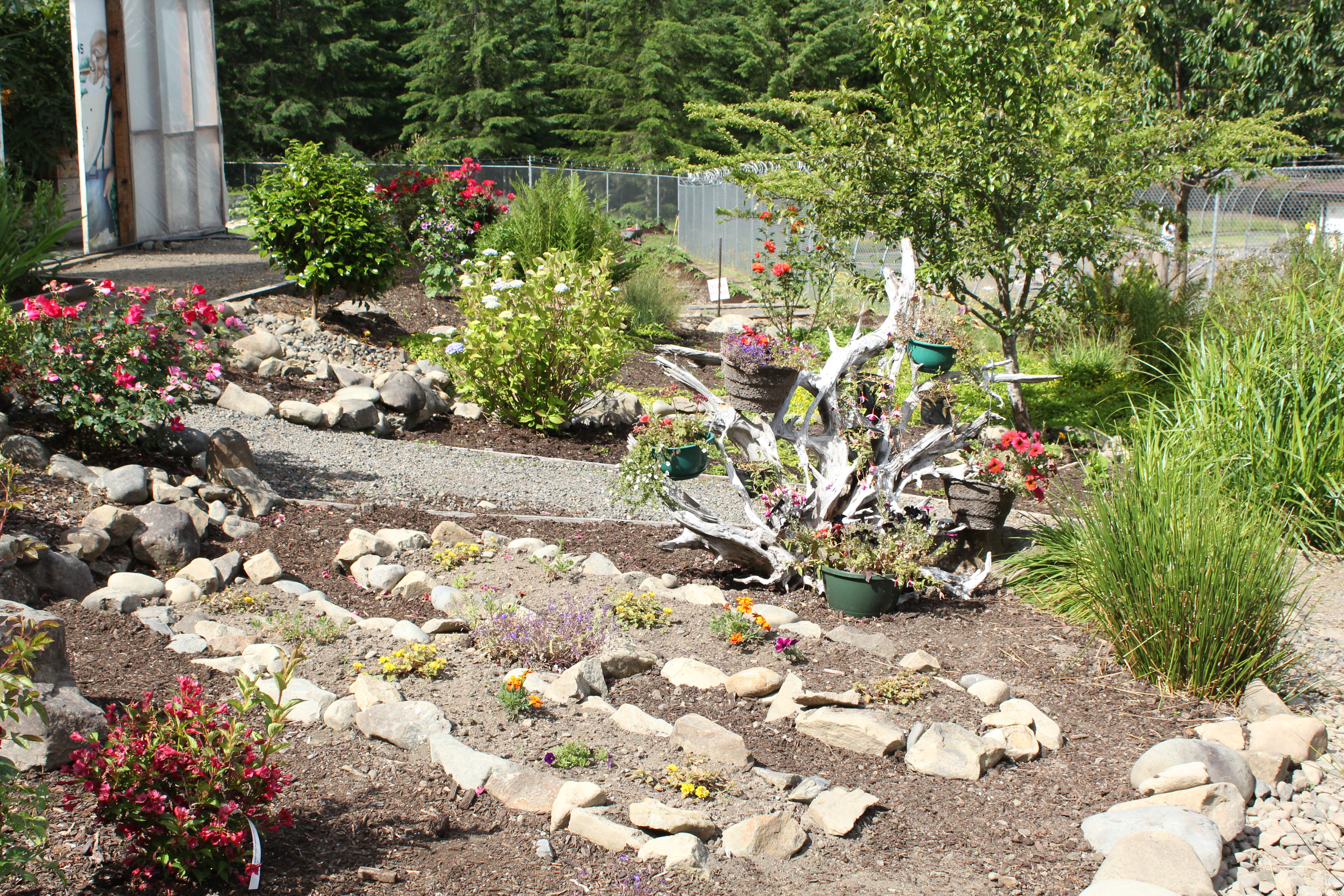
This landscaping surrounds the greenhouses at OCC… the “H” is for horticulture!
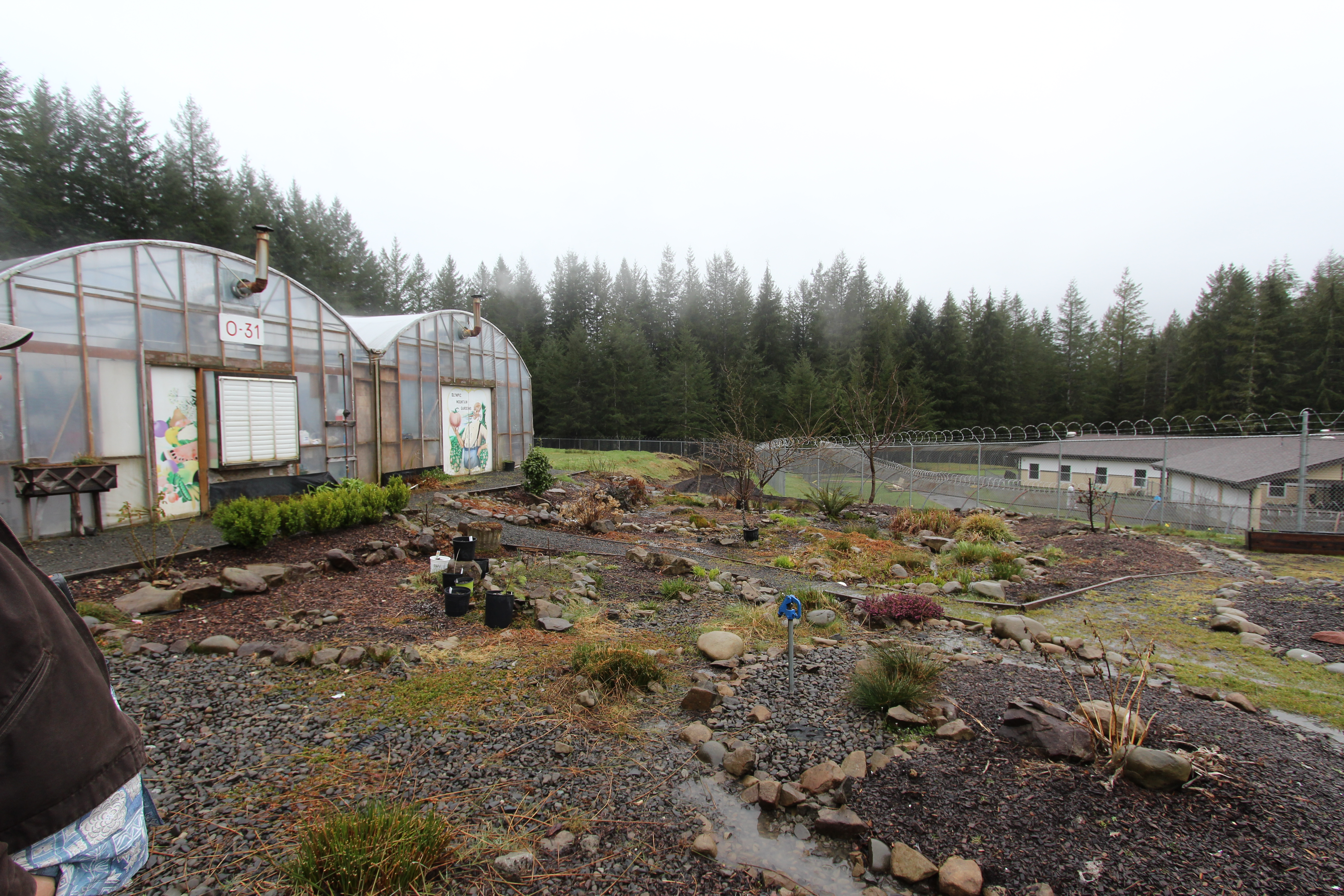
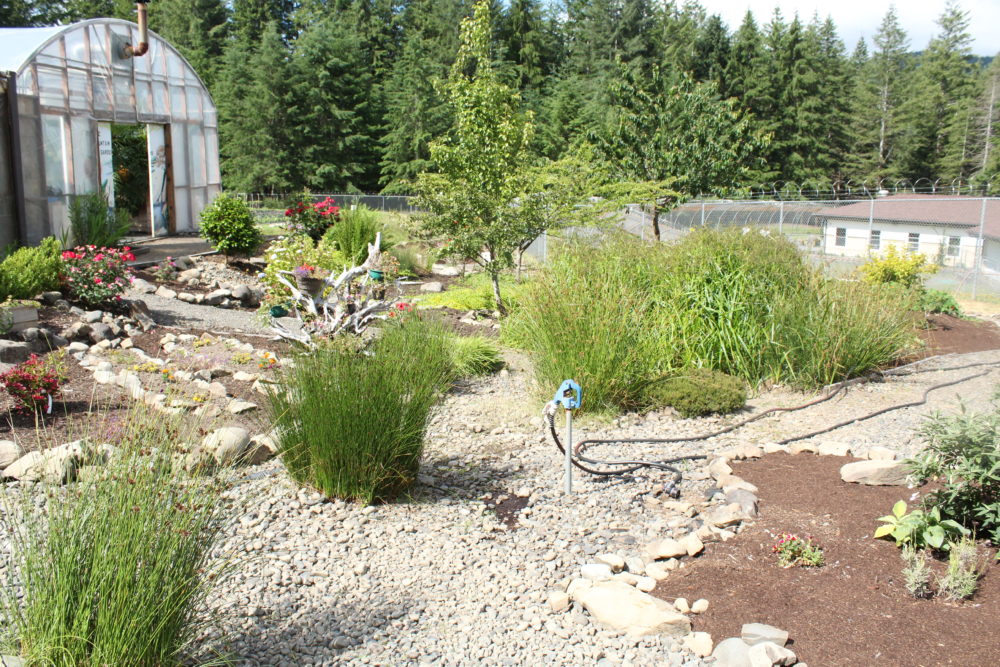
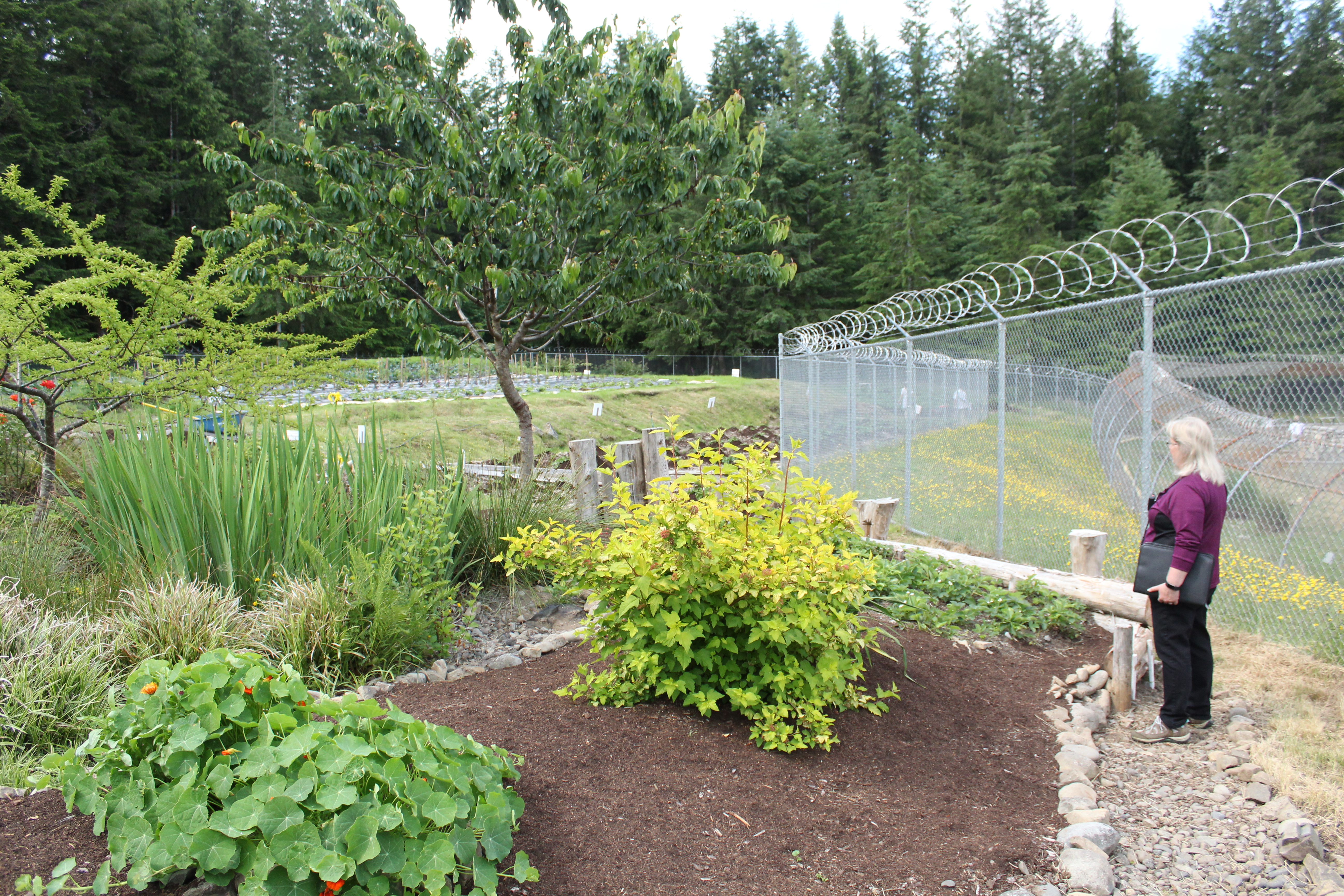
When I first arrived, the facility looked pretty much the same: fences, buildings, lots of tan outfits. But, once I got inside and I was blown away by all of the plant growth and garden expansion in the horticulture area. The horticulture program’s hard work and innovation were well apparent: they’d added whole garden areas, flowerbeds encircling the greenhouses, and additional landscaping in the established garden area. In just over a year, the horticulture students and Ms. Calley have transformed OCC.
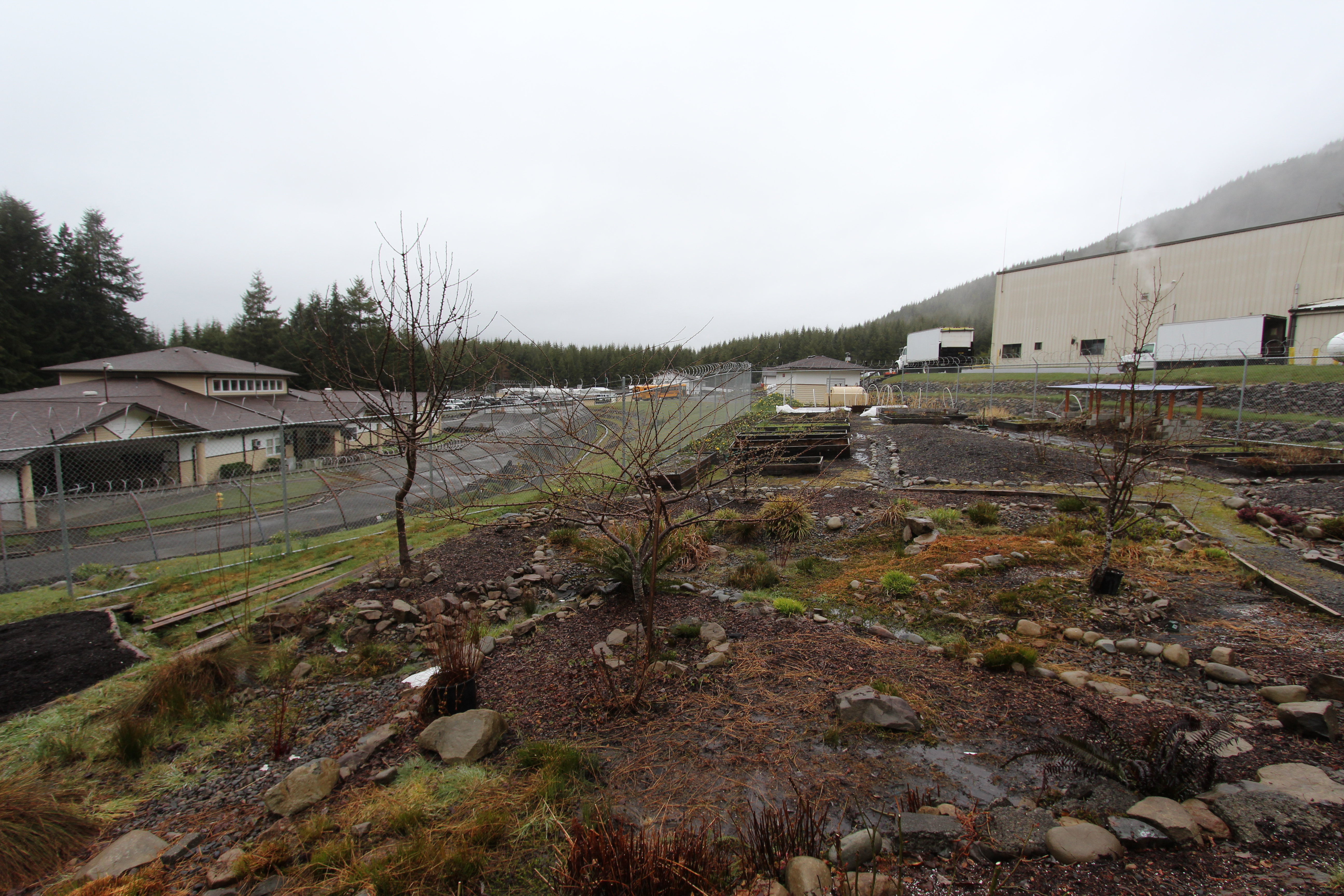
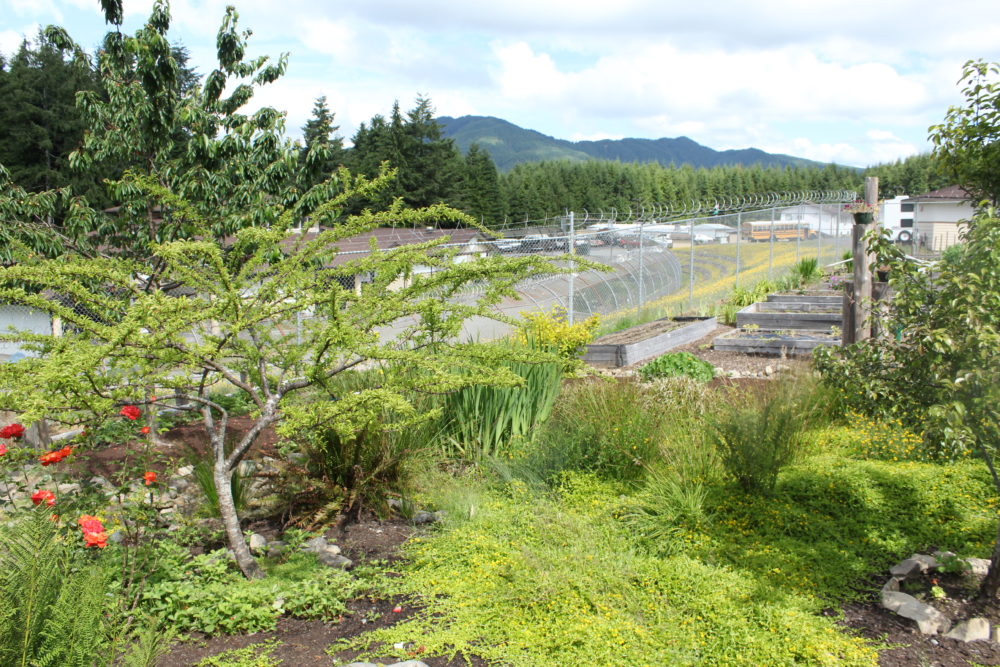
Below are pictures of the horticulture area from both my visit in March of 2018 and my most recent visit in June. They really illustrate how much the program participants have accomplished in a year.
March 2018
June 2019
March 2018
June 2019
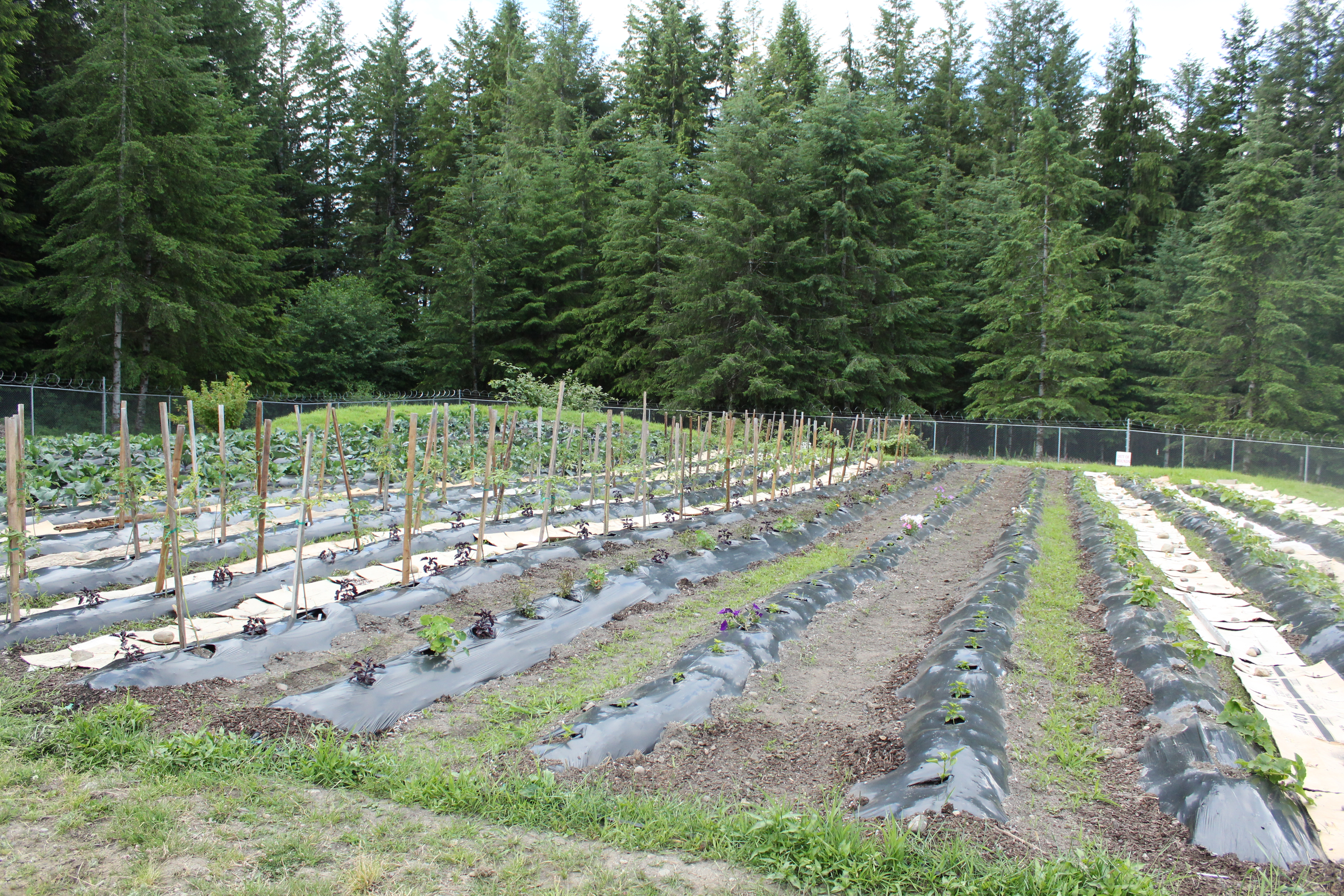
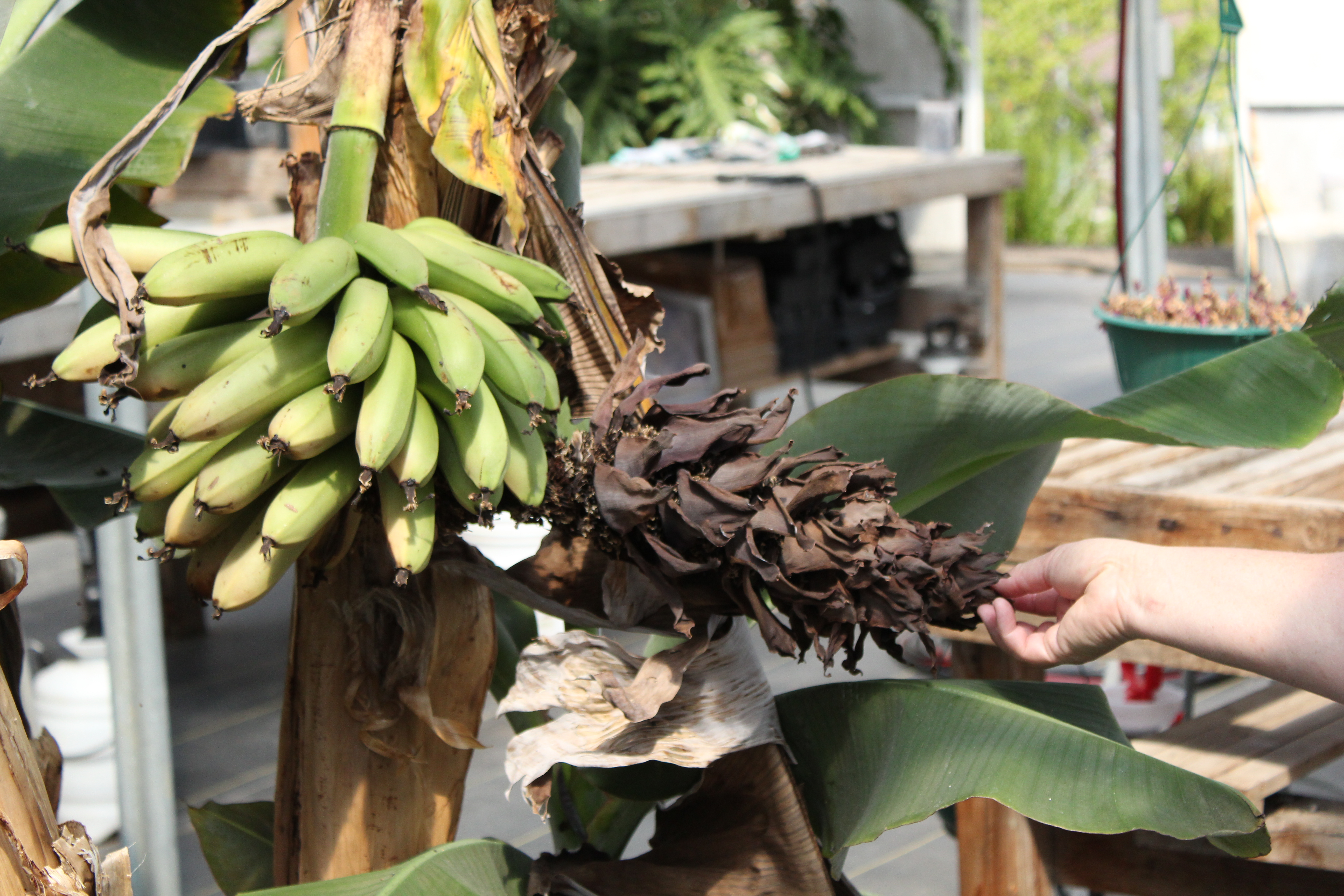
This vegetable garden is a new addition since I visited last year. The horticulturists have been busy!These bananas grow inside the greenhouse – I got to eat one and they are delicious! Jamie Calley is the staff sponsor for the horticulture program at OCC. Here, Jamie is looking at some of the beautiful landscaping and gardens the horticulture cared for by students. Without a doubt, her enthusiastic support and advocacy for this program has enabled progress and expansions in the program.
Text and photos by Marisa Pushee, SPP Ecological Conservation Coordinator.
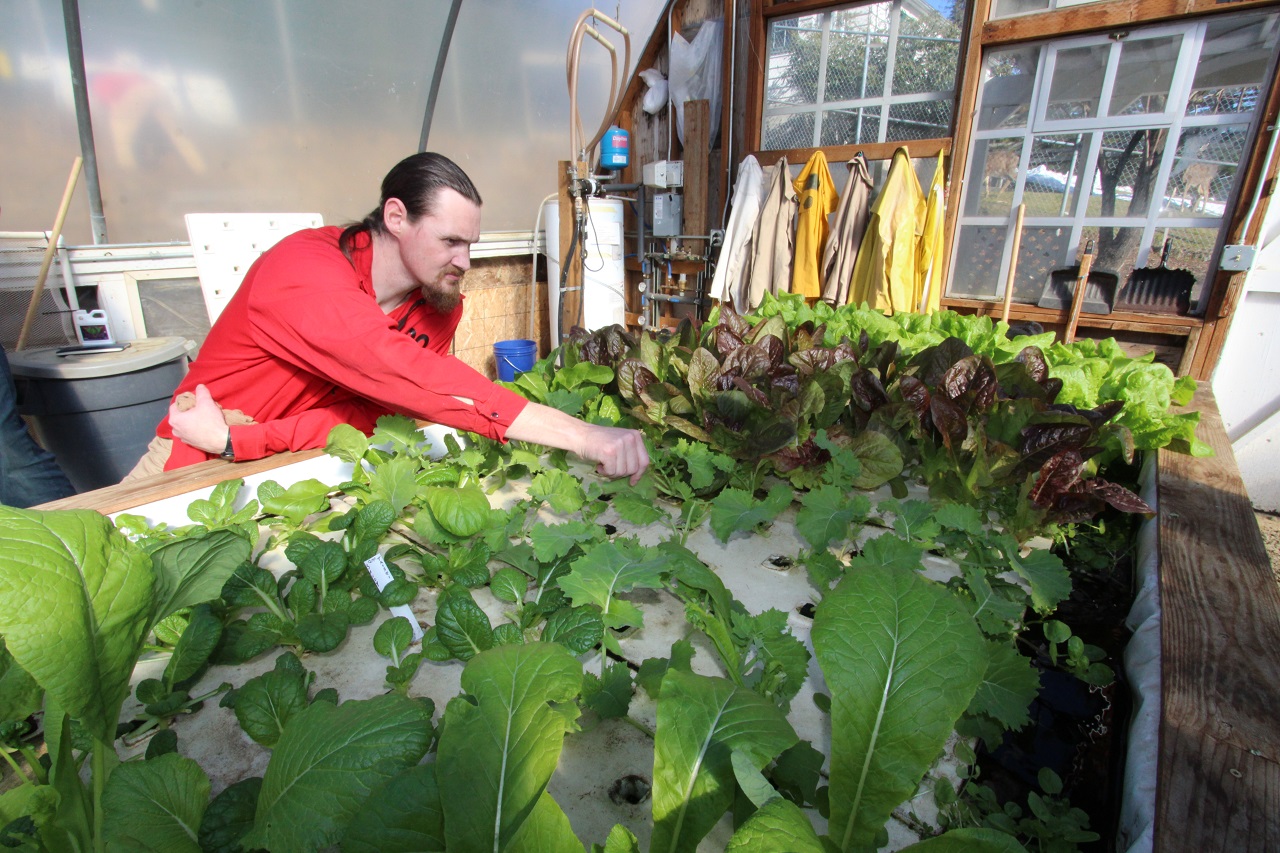
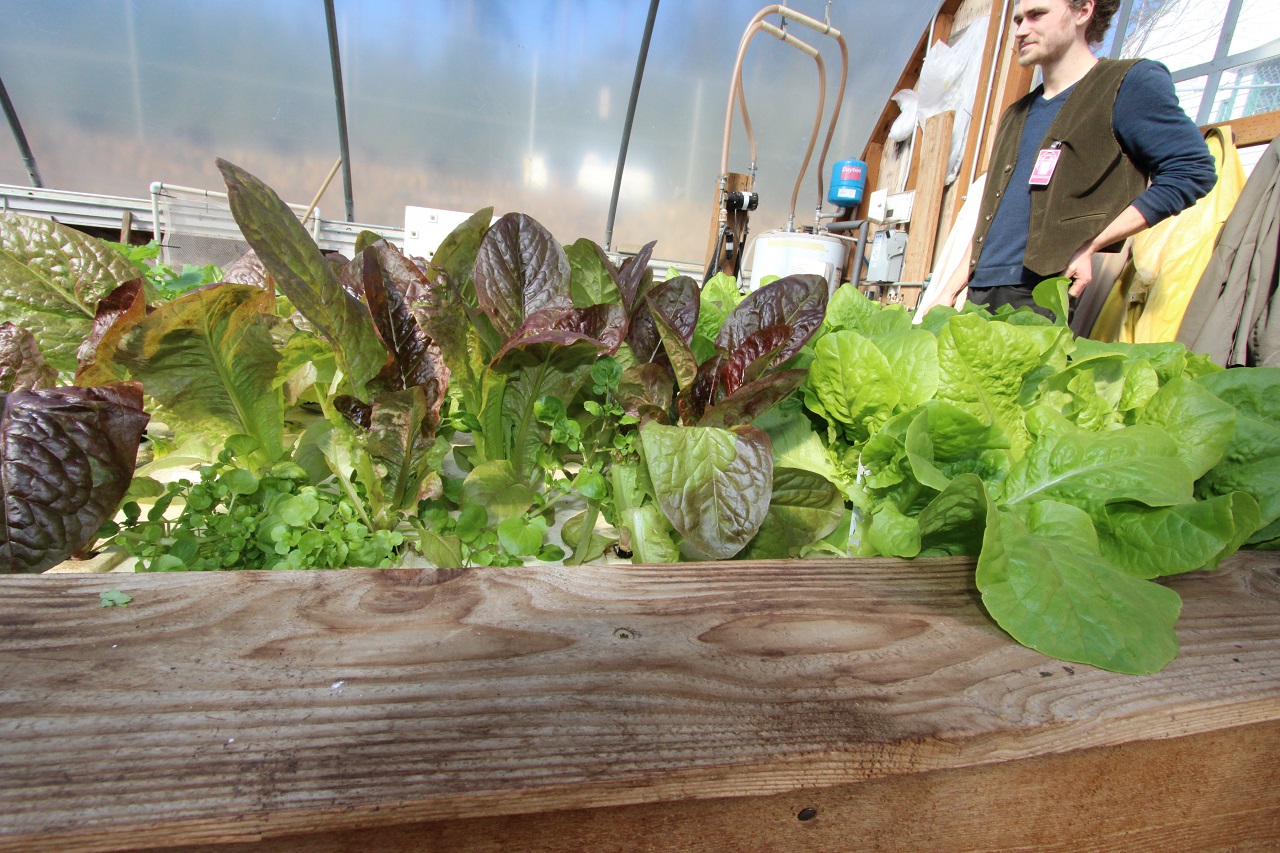
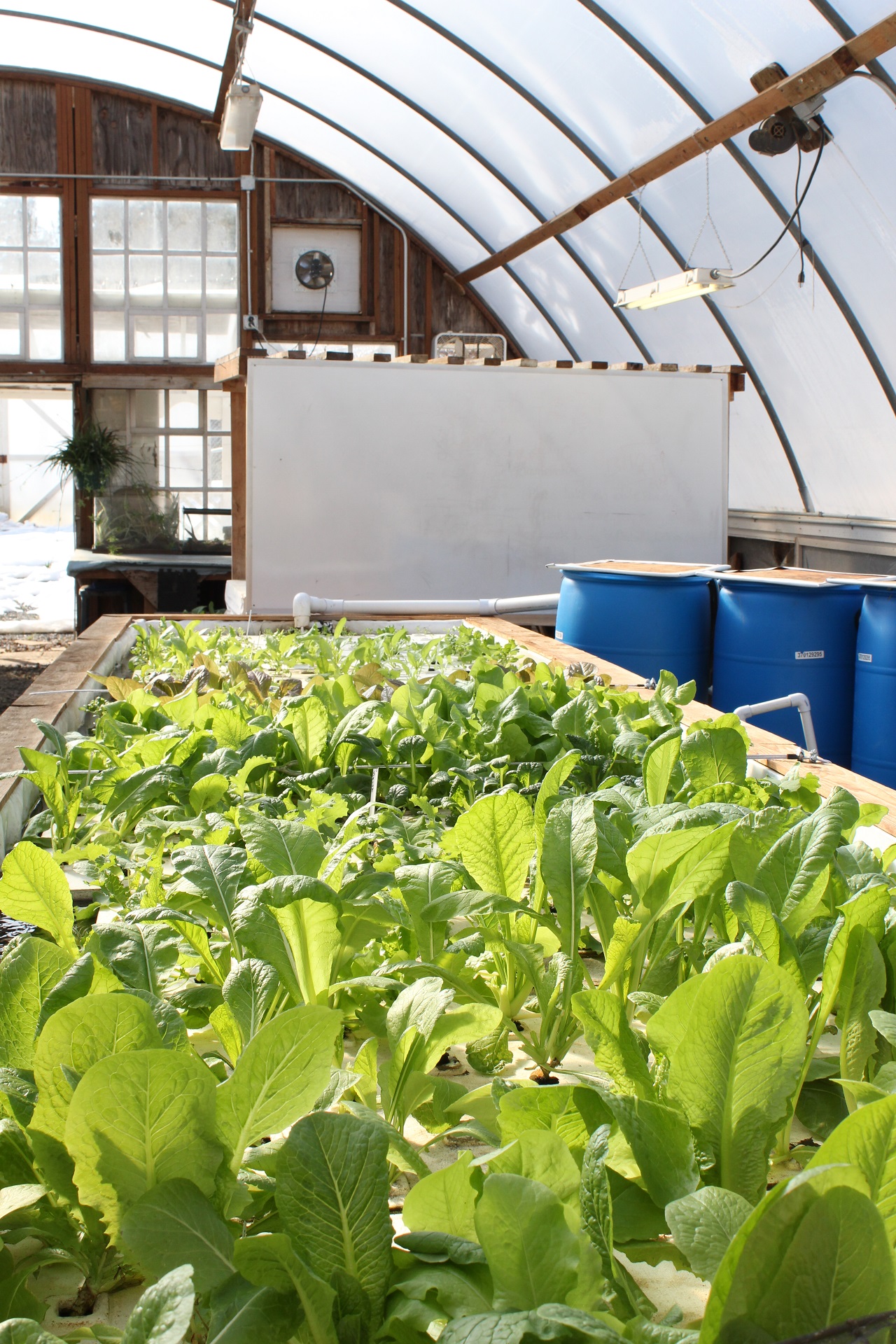
Following some adjustments this past winter, the aquaponics system at Cedar Creek Corrections Center (CCCC) is now thriving. It took a lot of work and perseverance from Sustainability in Prisons Project (SPP) Biological Technicians, but their dedication has paid off.
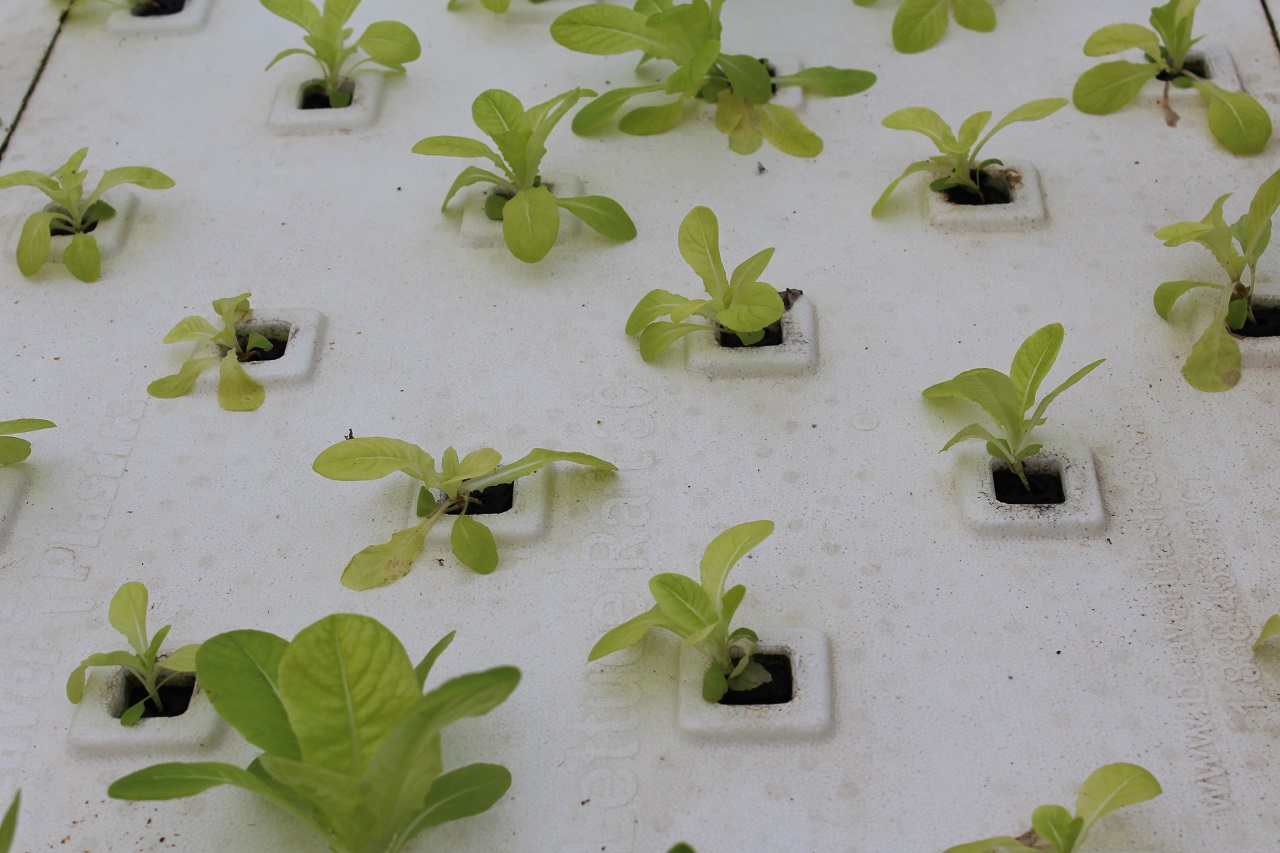
Earlier this winter, SPP technicians noticed that these plants were looking a little yellow, an indication that they weren’t getting enough iron.
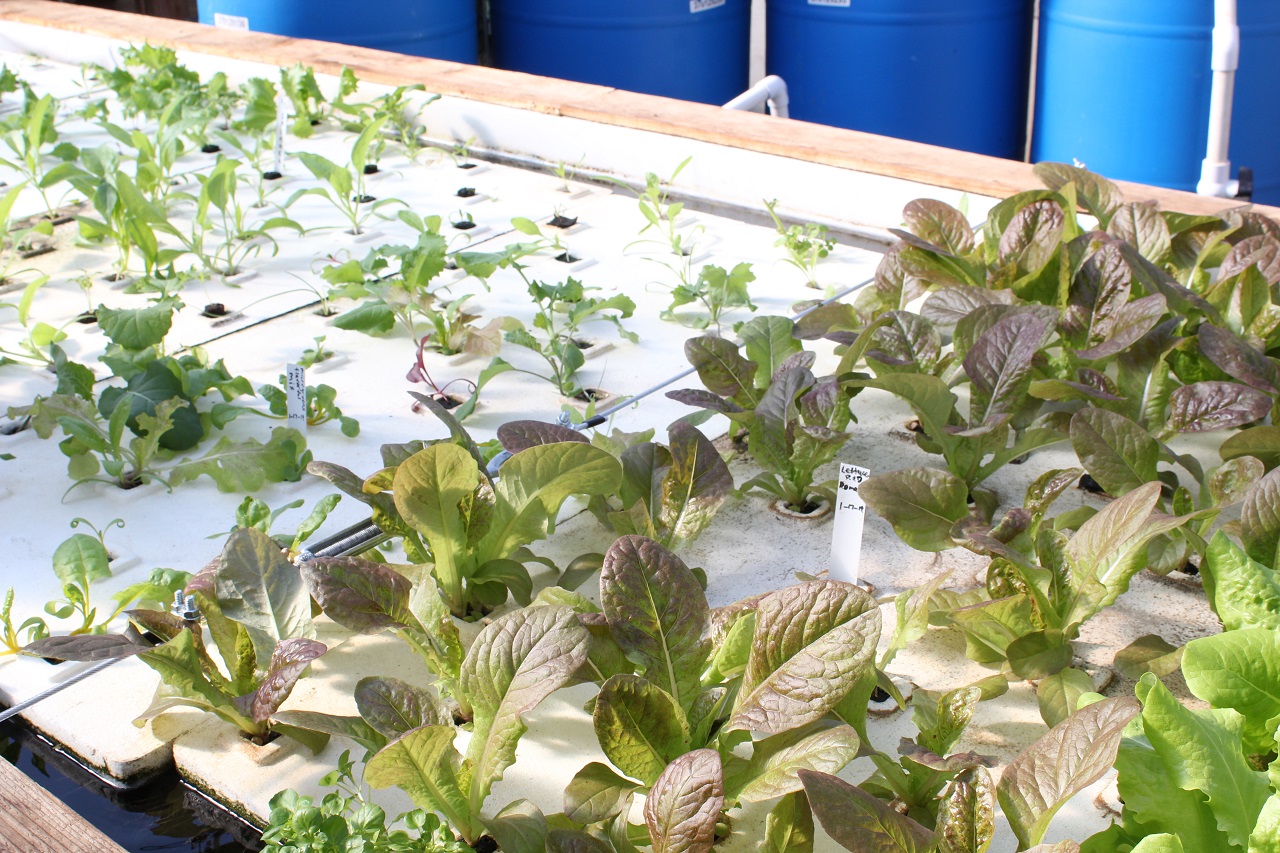
In January, Nick Naselli and Daniel Cherniske, co-founders of Symbiotic Cycles, assessed the state of the system and found that the pH, at 7.8-8, was too alkaline for plant life. The high pH had made the iron in the system inaccessible to the plants, resulting in yellowing of the leaves and stunted growth. In order to combat these problems, Symbiotic Cycles and SPP Biological Technicians changed the system’s bio-media from grow stones to red pumice rock and added iron nutrient to the system. Take a look through the photos to see the impact of these adjustments!
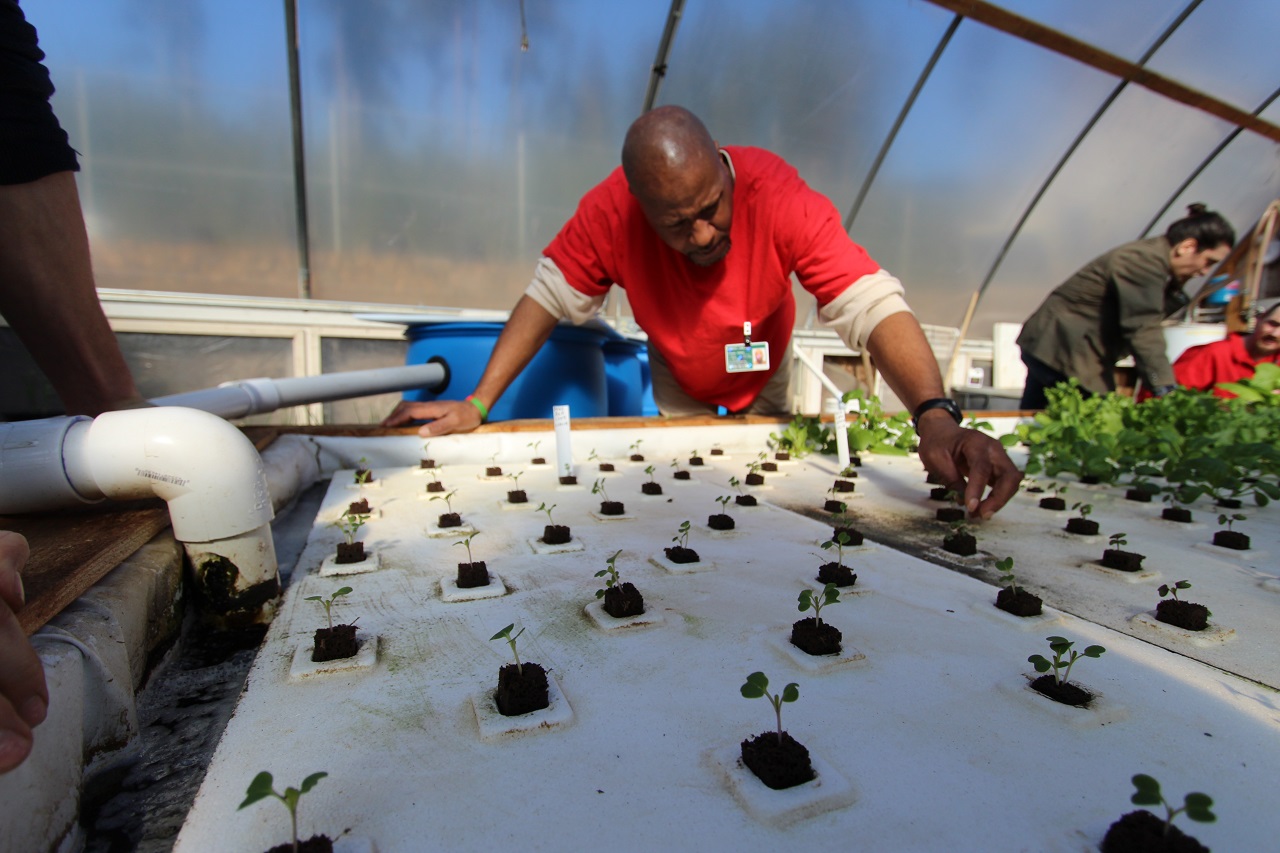
SPP Biological Technician, Lorenzo Stewart, situates the plugs in the system’s raft beds.With the adjustments to the pH and iron levels, the greens started to take off. SPP Biological Technician, Donald McLain, checks the plants for insects. Technicians spray plant leaves with a mixture of olive oil, garlic, natural soap, and water to deter the aphids. Symbiotic Cycles Co-founder, Daniel Cherniske, assesses system progress during a recent site visit to Cedar Creek.
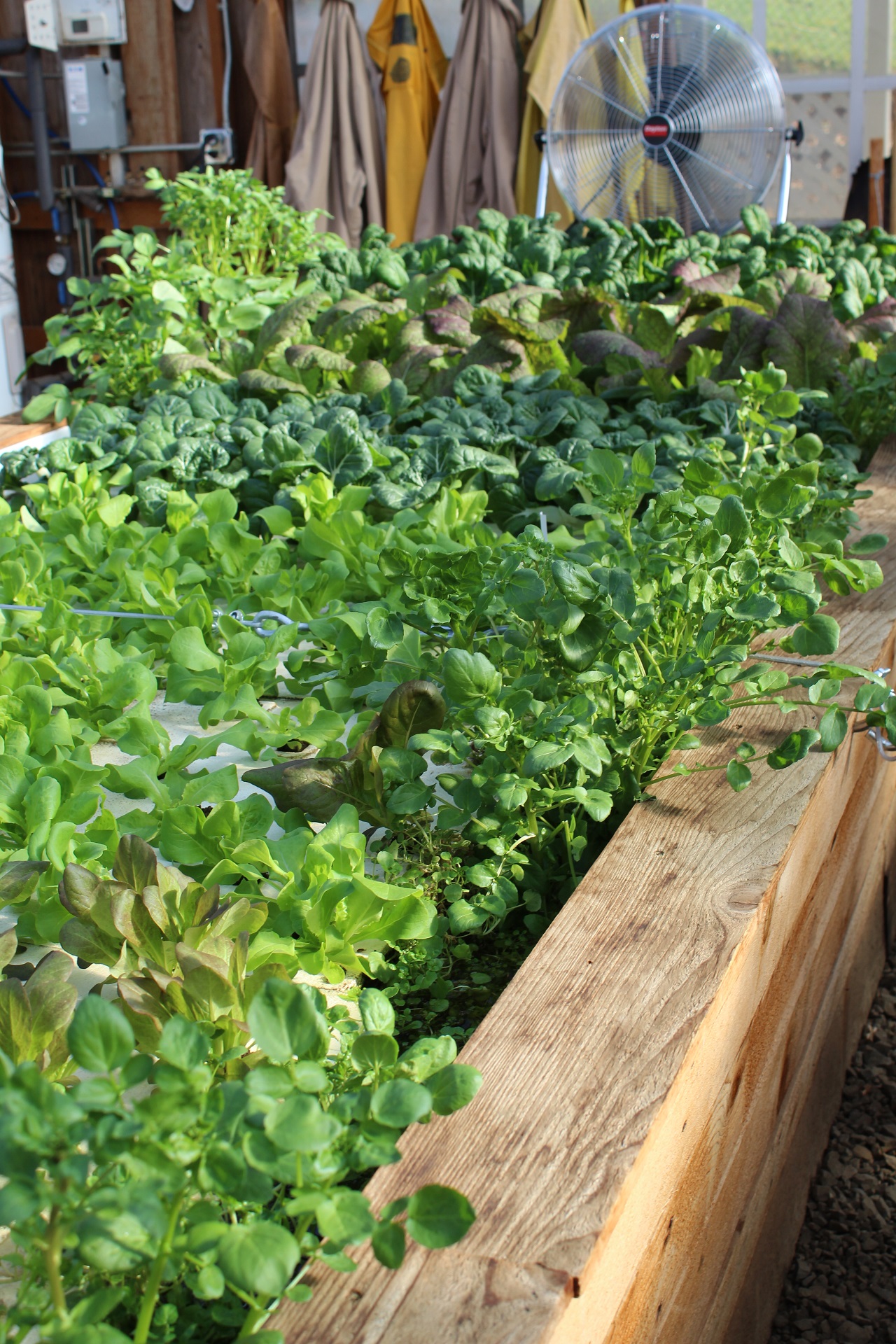
Plants that do well in an aquaponics system include leafy greens like lettuce, kale, chard, mustard greens, and bok choy. Cilantro and chives also thrive, and they even help keep away aphids. The greens from this system are used in Cedar Creek’s kitchens to help provide the facility’s incarcerated population with fresh, healthy meals.
The greens are looking much better, well on their way to harvest.After a little TLC, the plants are looking plush! The fan in this photo helps improve air circulation, which is beneficial for the plants and can help deter aphids.
With summer around the corner, SPP Biological Technicians will soon have to combat rising temperatures and increased sun exposure, but the introduction of a fan and shade cloth will help maintain a healthy and productive system.
Text and photos by Erica Benoit, SPP Environmental Workshop Series Coordinator
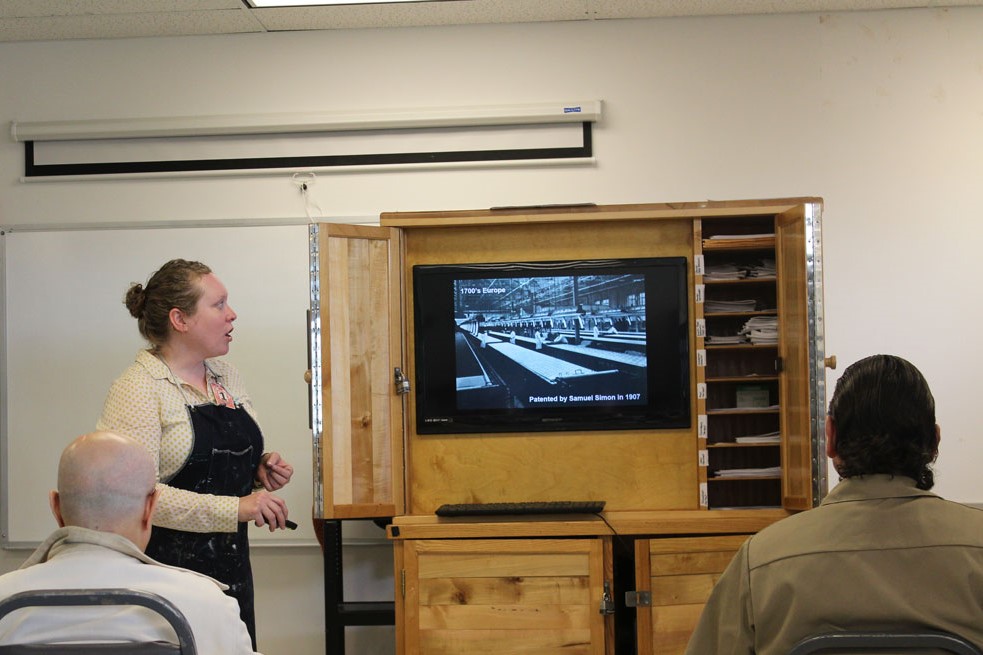
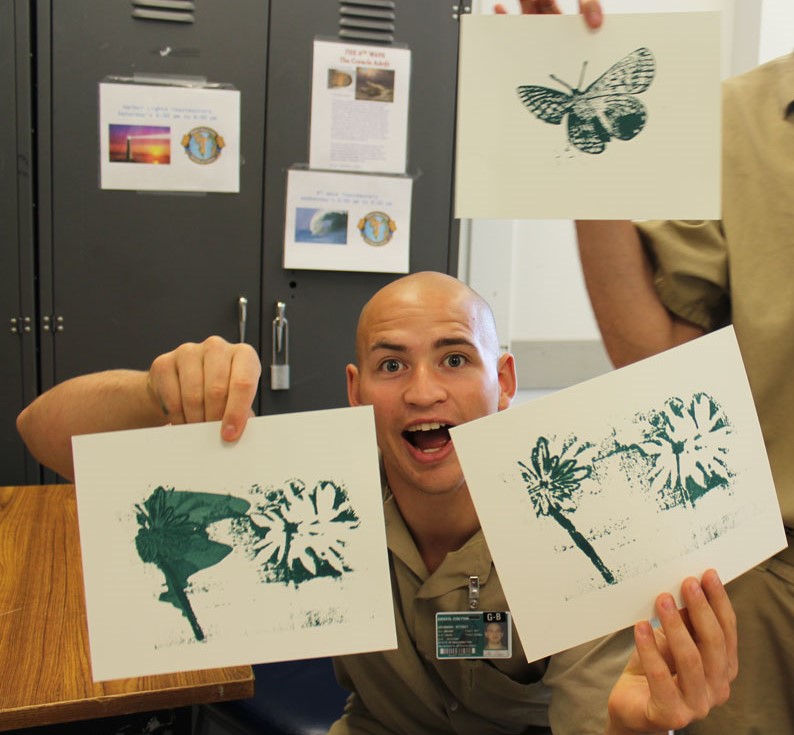
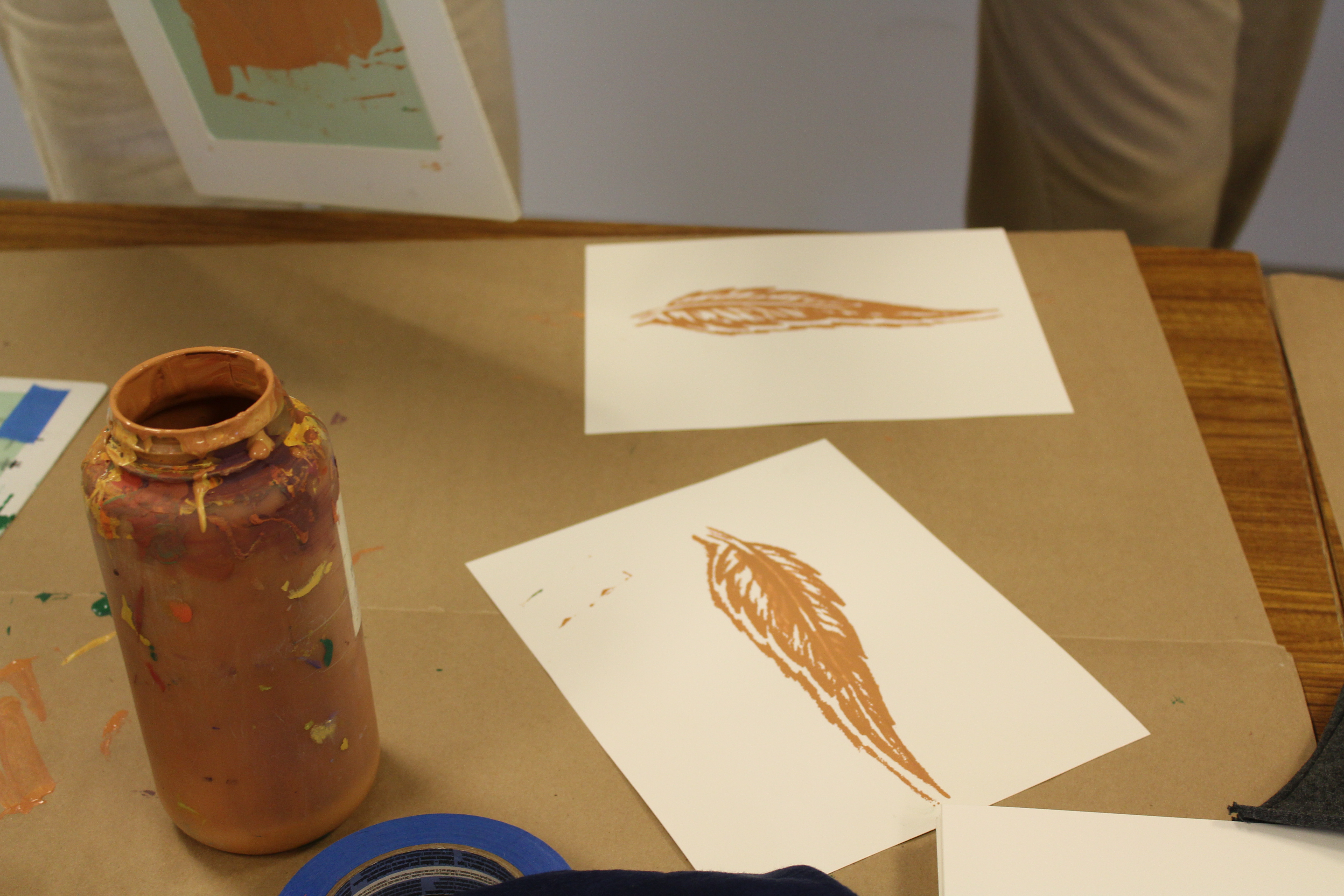
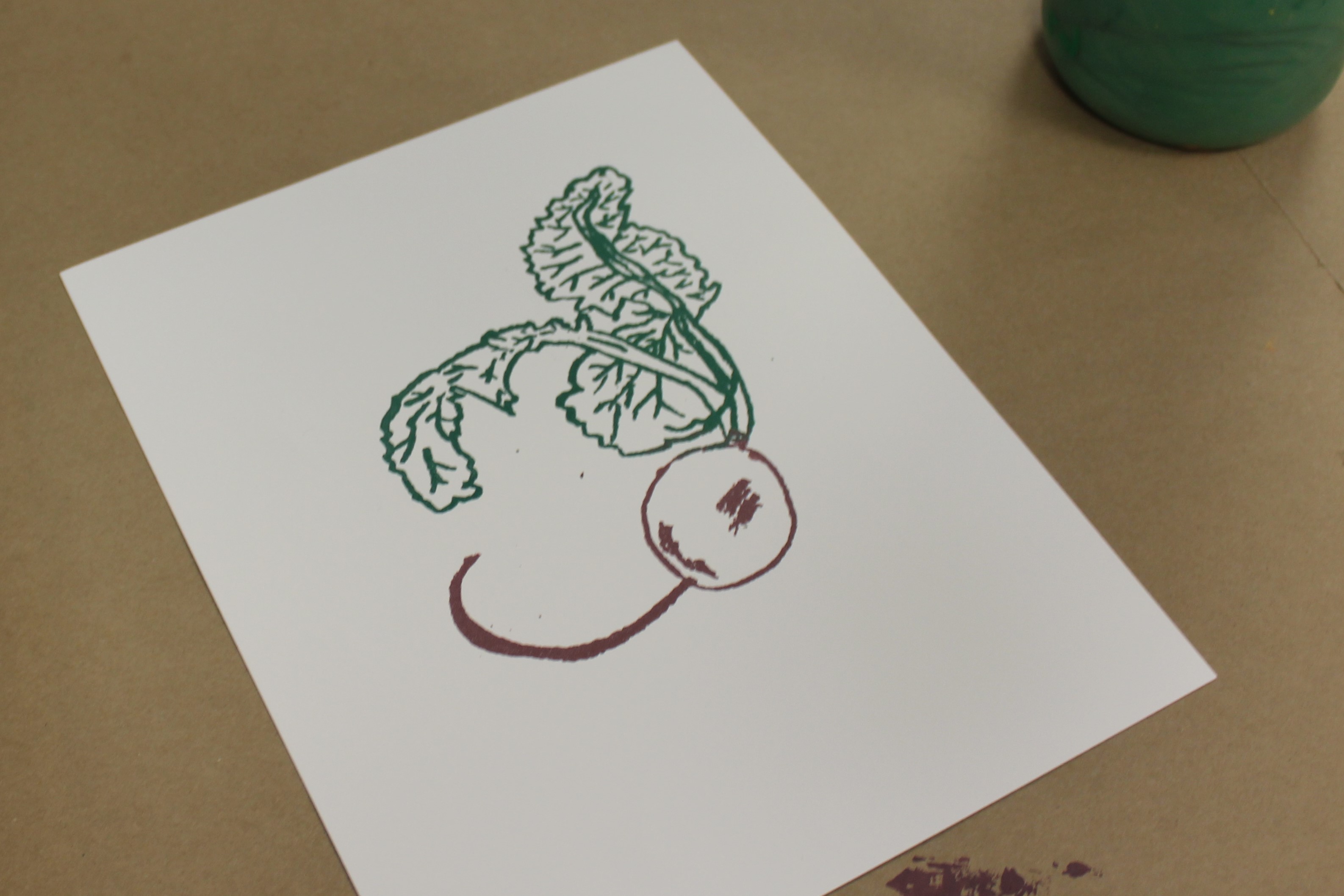
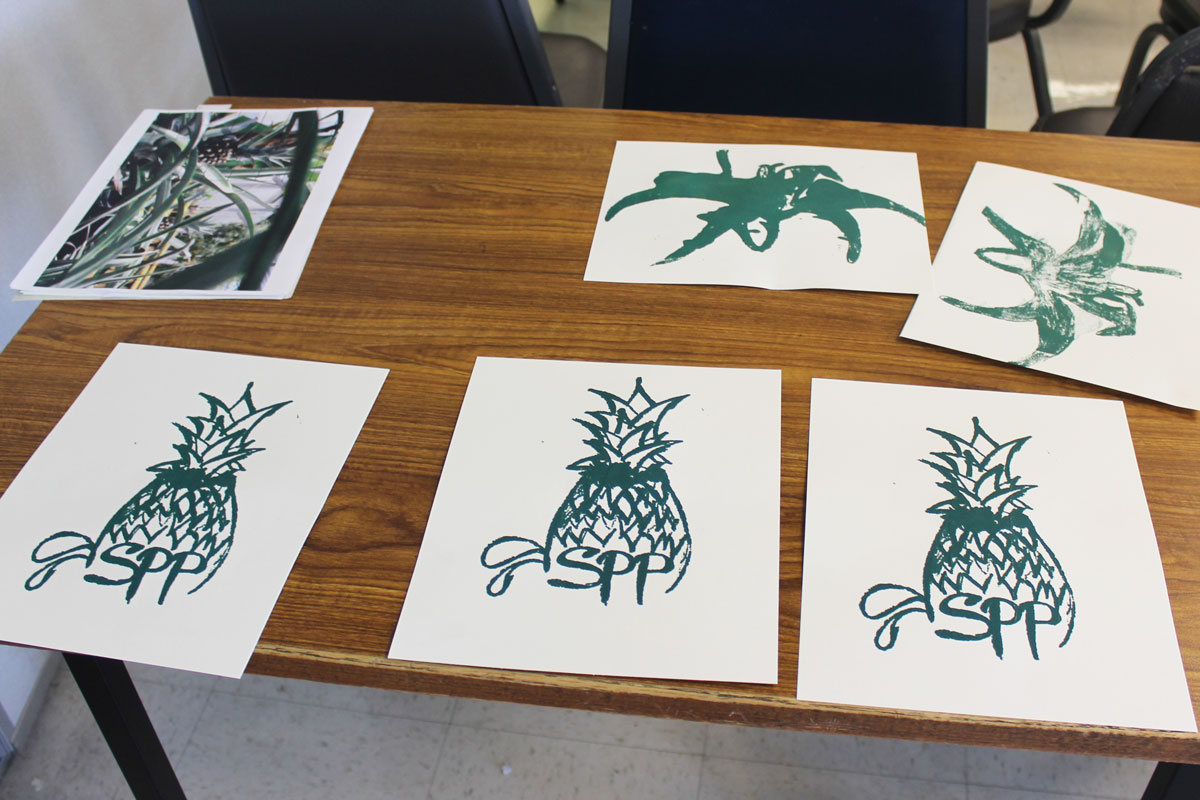
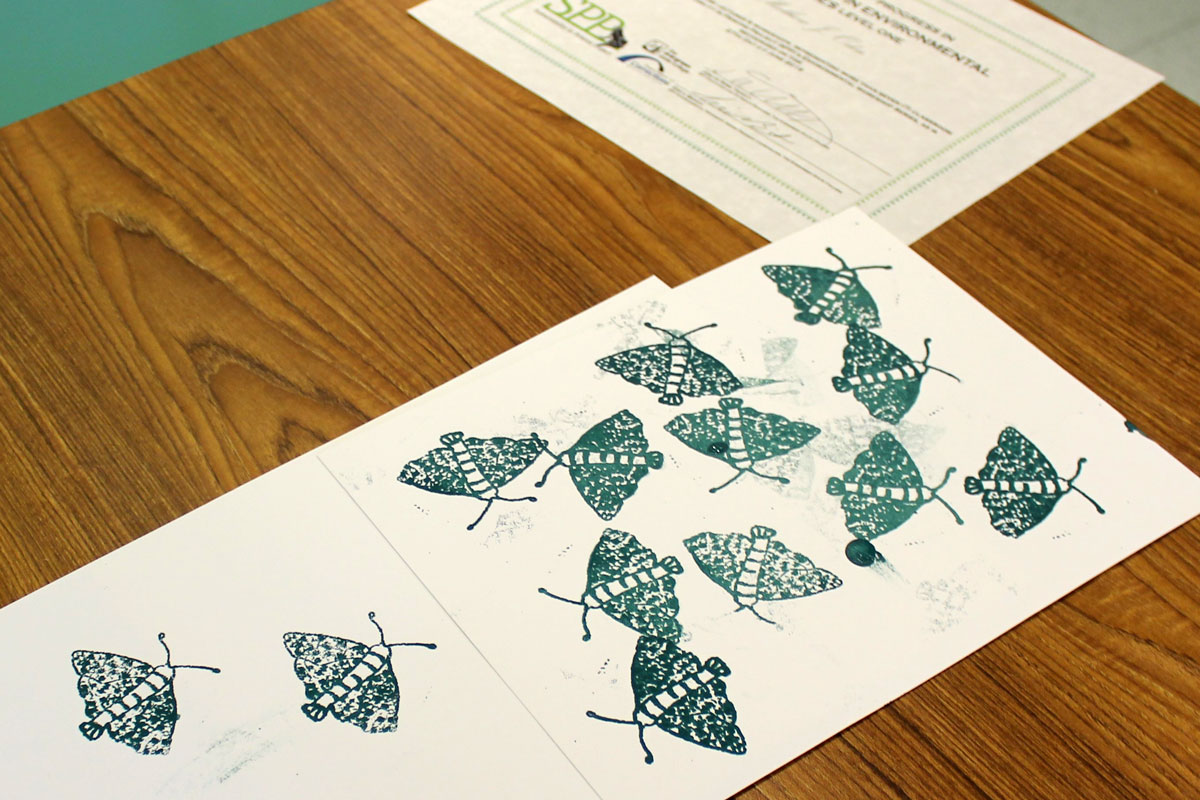
In July, incarcerated students at the Stafford Creek Corrections Center had the unique opportunity to participate in a screen-printing workshop through the SPP Workshop Series. Emily Adams of the Evergreen State College graciously offered two separate workshops so that a greater number of students could participate. Emily gave an introductory lecture on the history and process of screen-printing and then the students had about an hour to create their own prints.
Emily Adams describes the history of screen-printing in a classroom at Stafford Creek Corrections Center.
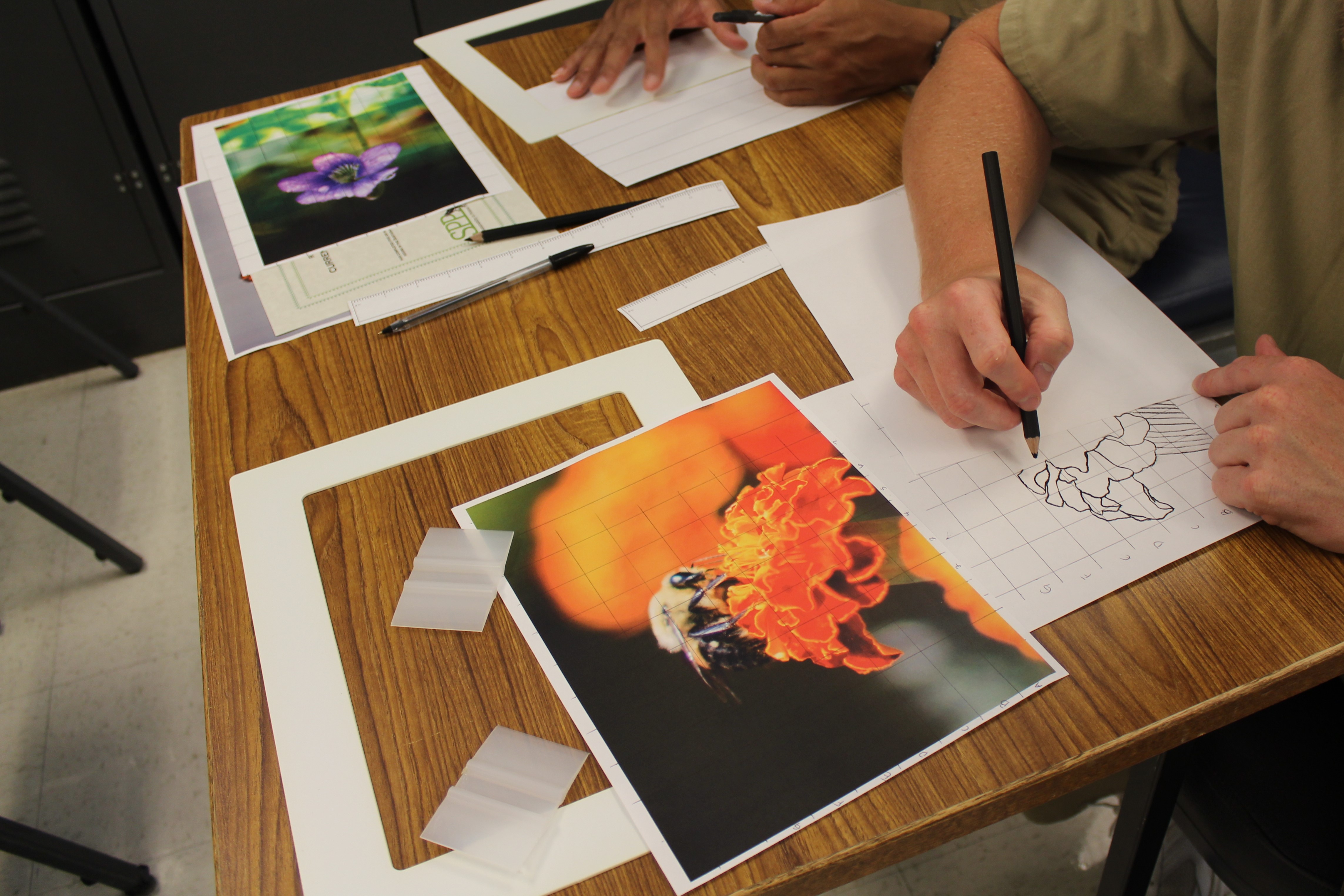
For inspiration, students had a variety of high quality
images taken from SPP’s various programs to choose from as the subject of their
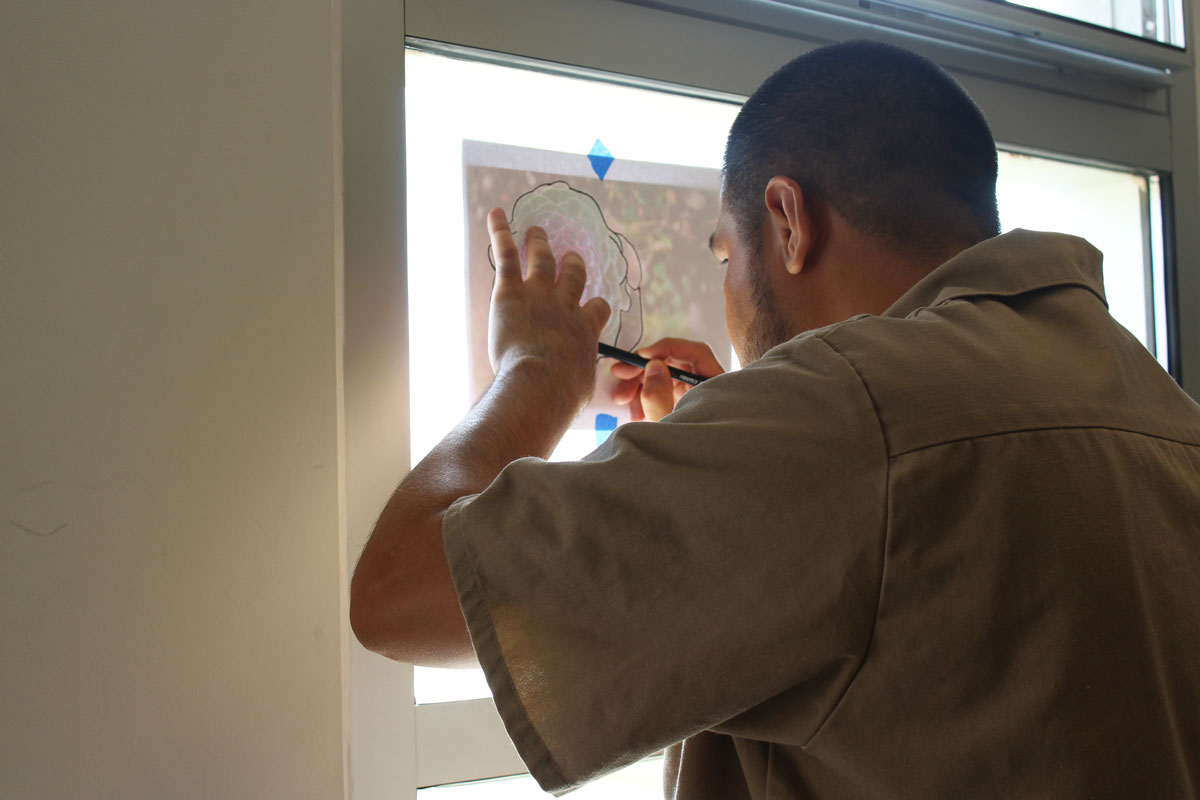
screen prints. In some cases, the students practiced the skill of grid drawing
while others relied on quick tracings due to limited time.
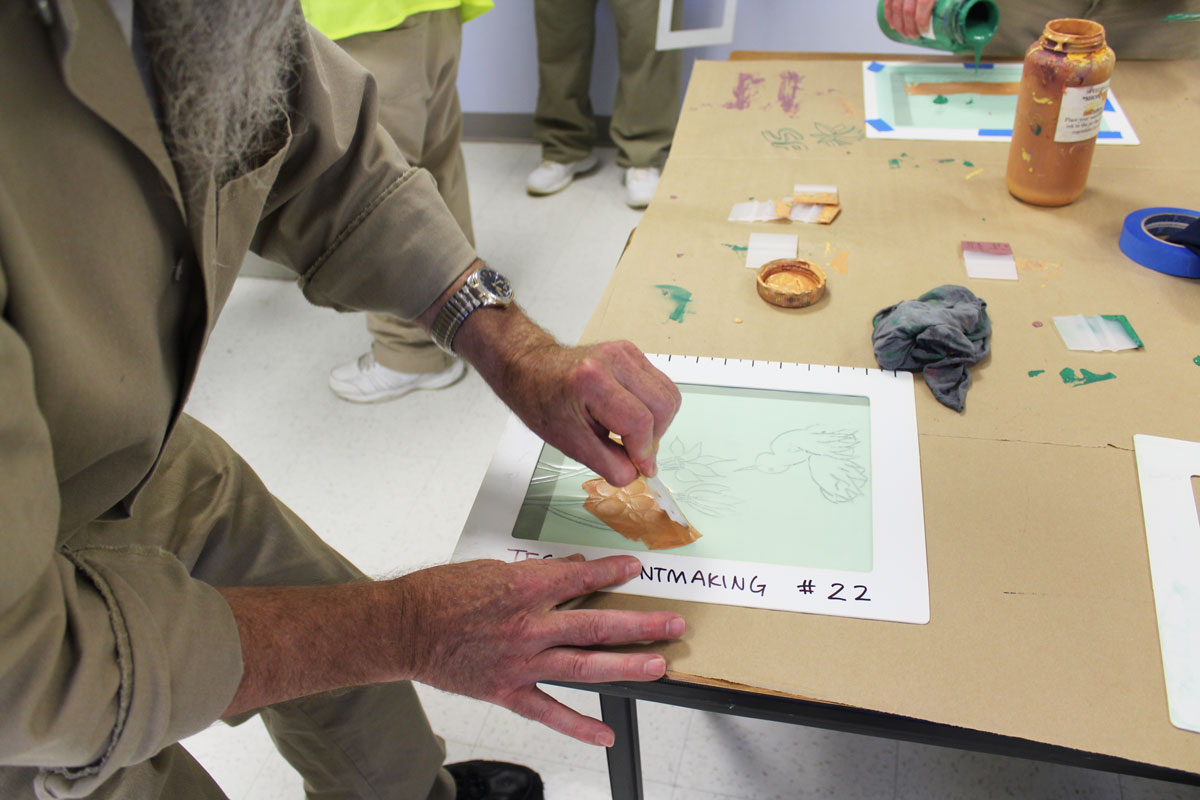
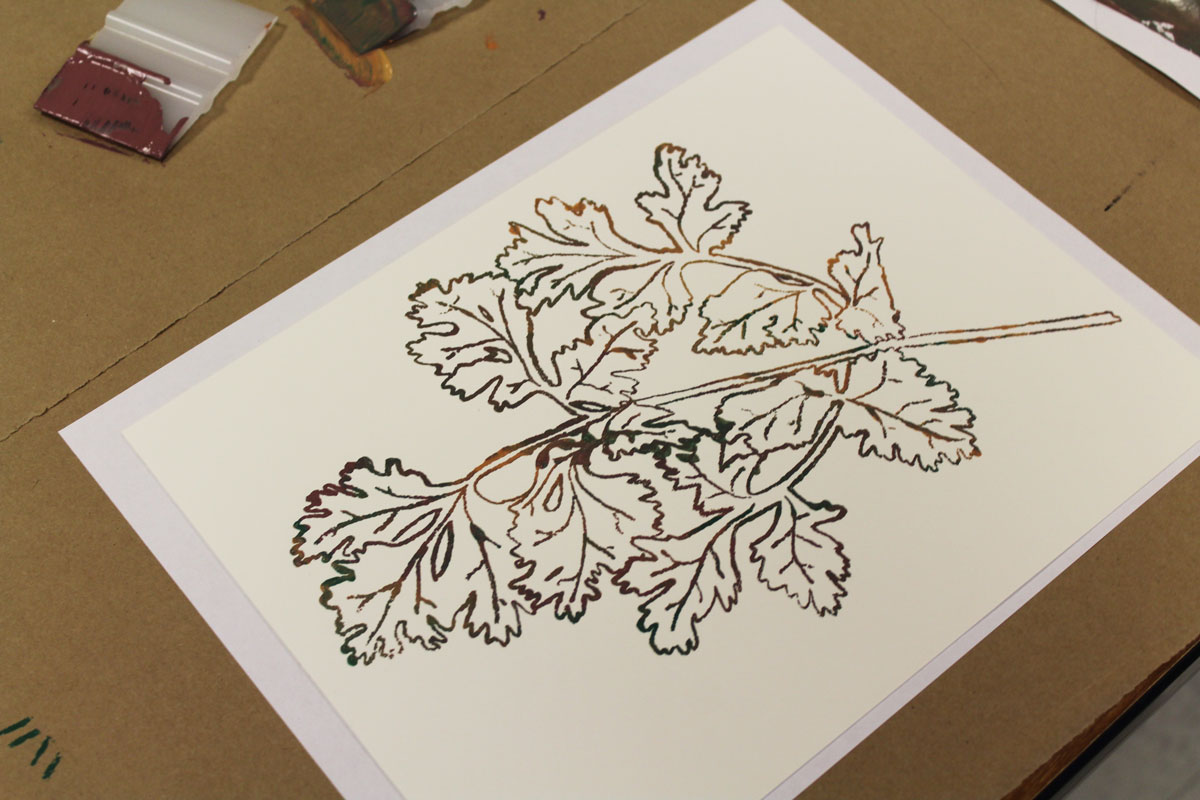
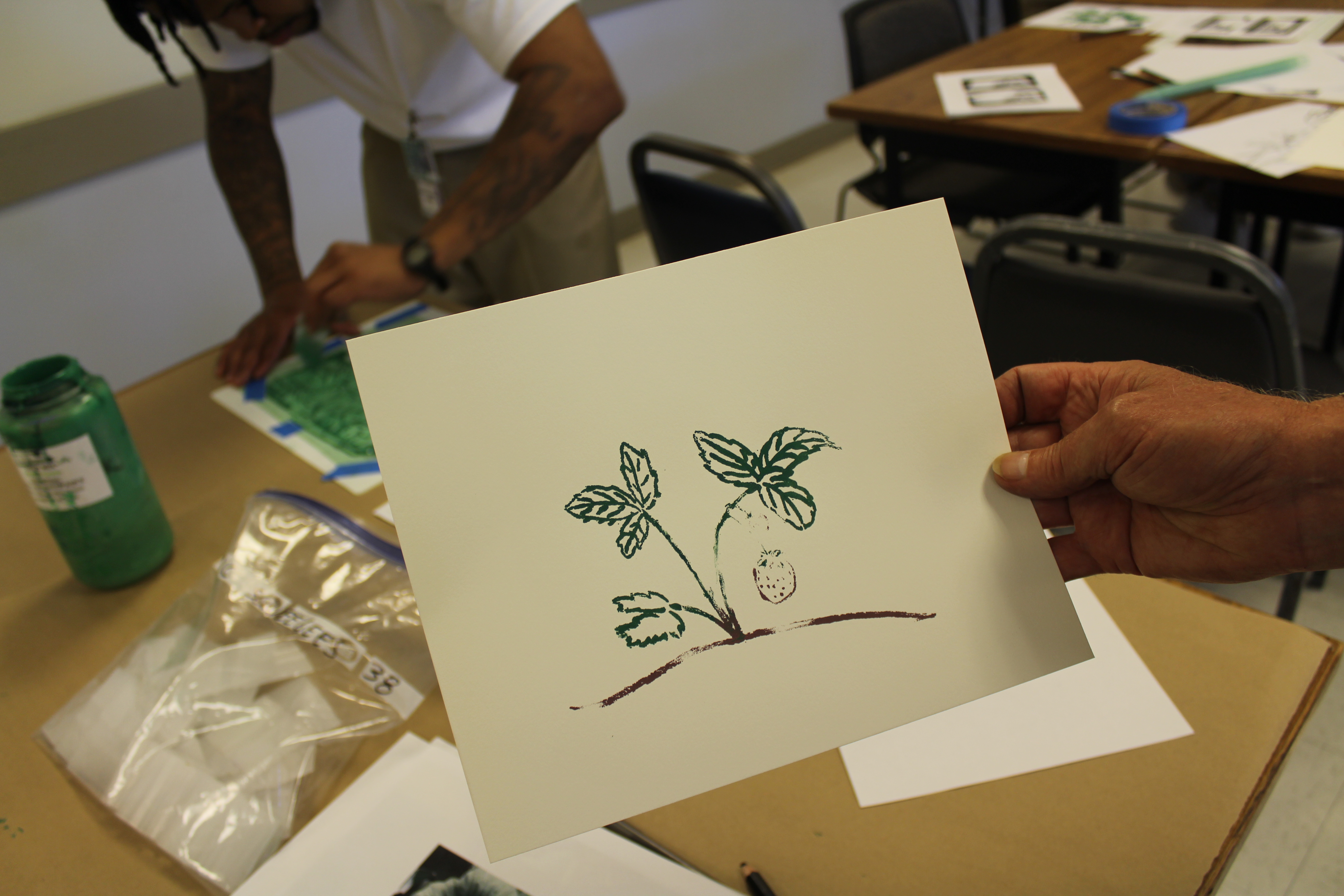
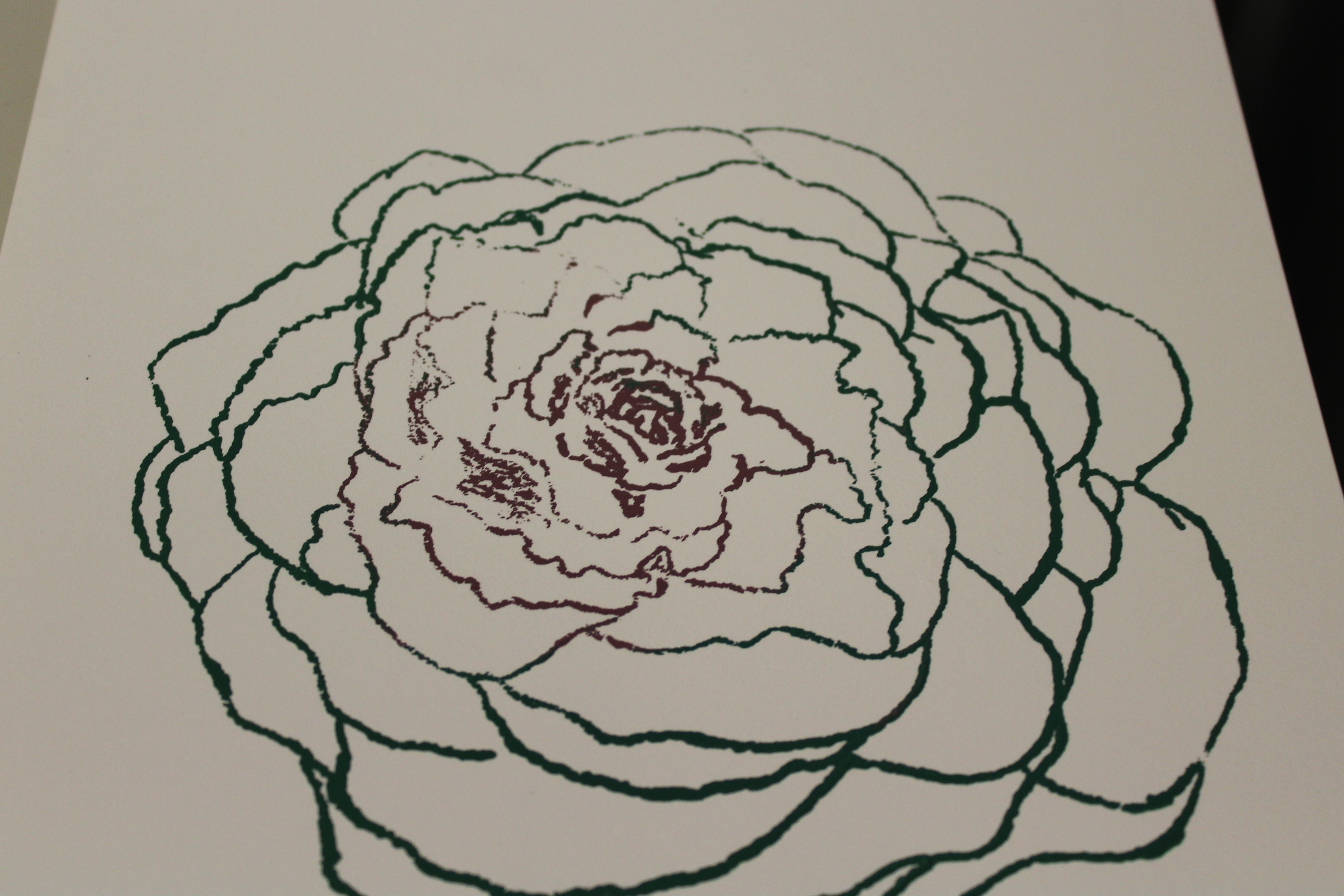
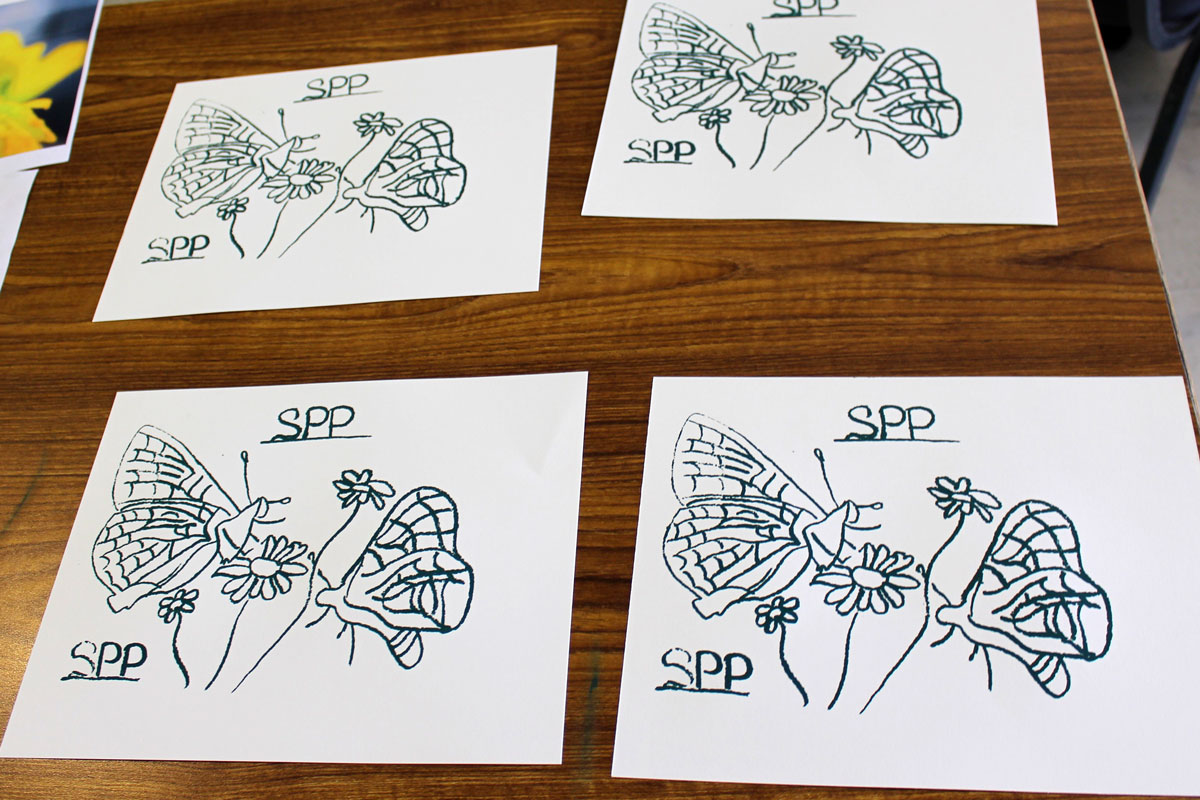
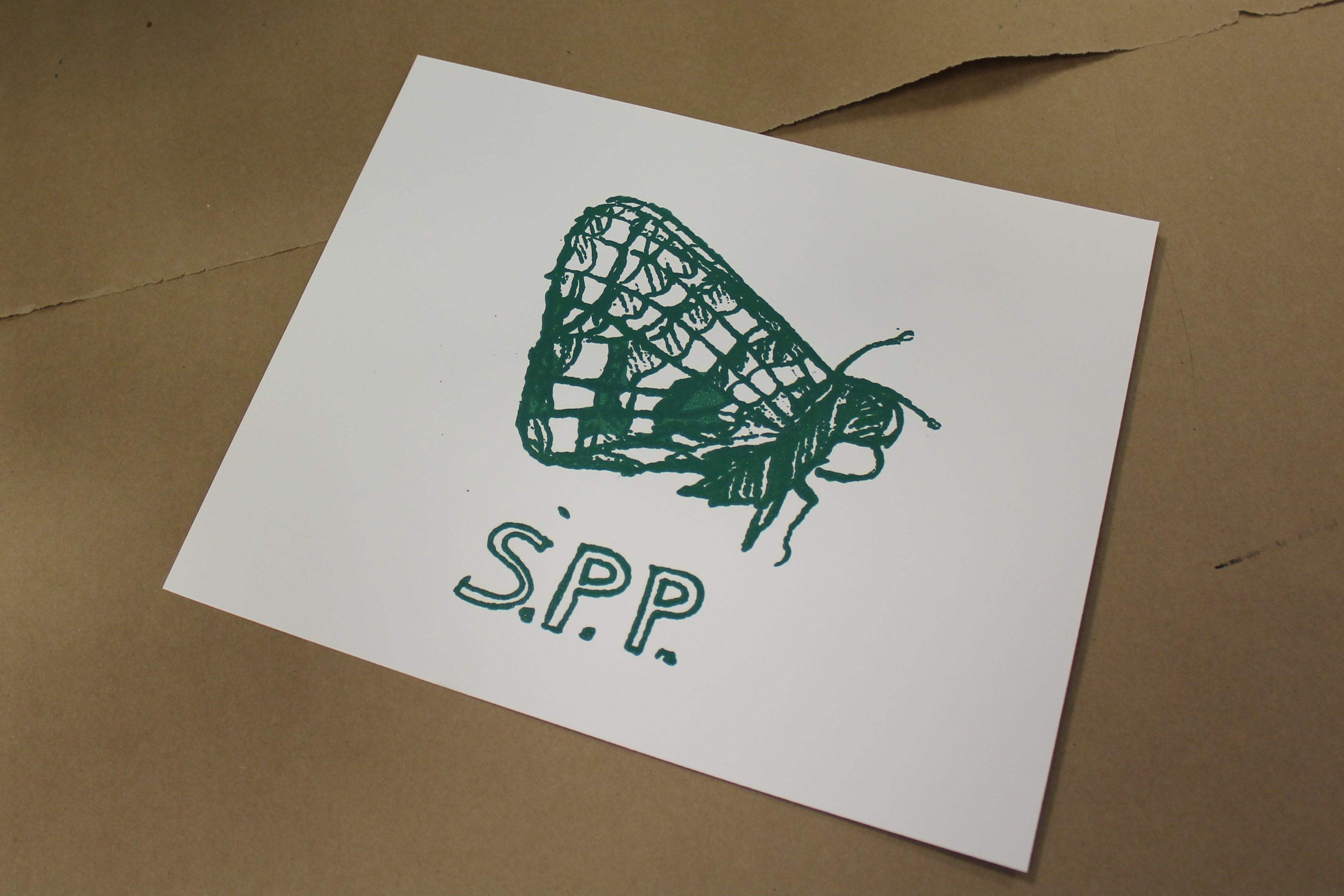
Once they had a drawing in hand, Emily put the drawing through a Thermo Fax Machine to create a “screen,” which each student ran ink through to create the final product. The image below illustrates this process, as one student uses a squeegee to push yellow-orange ink through his screen. For the first workshop, students were pressed for time, but almost everyone was able to complete a print before the session ended.
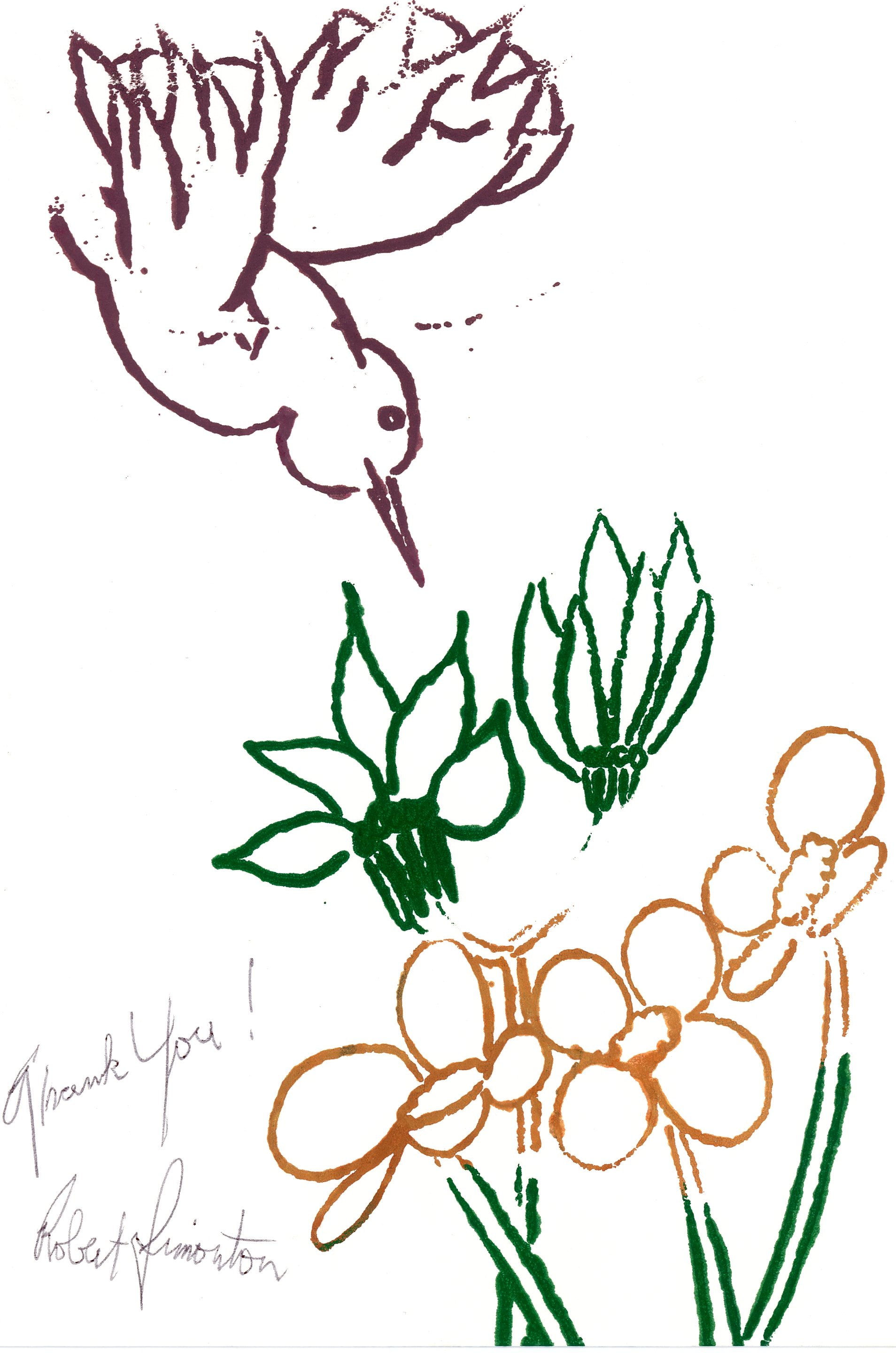
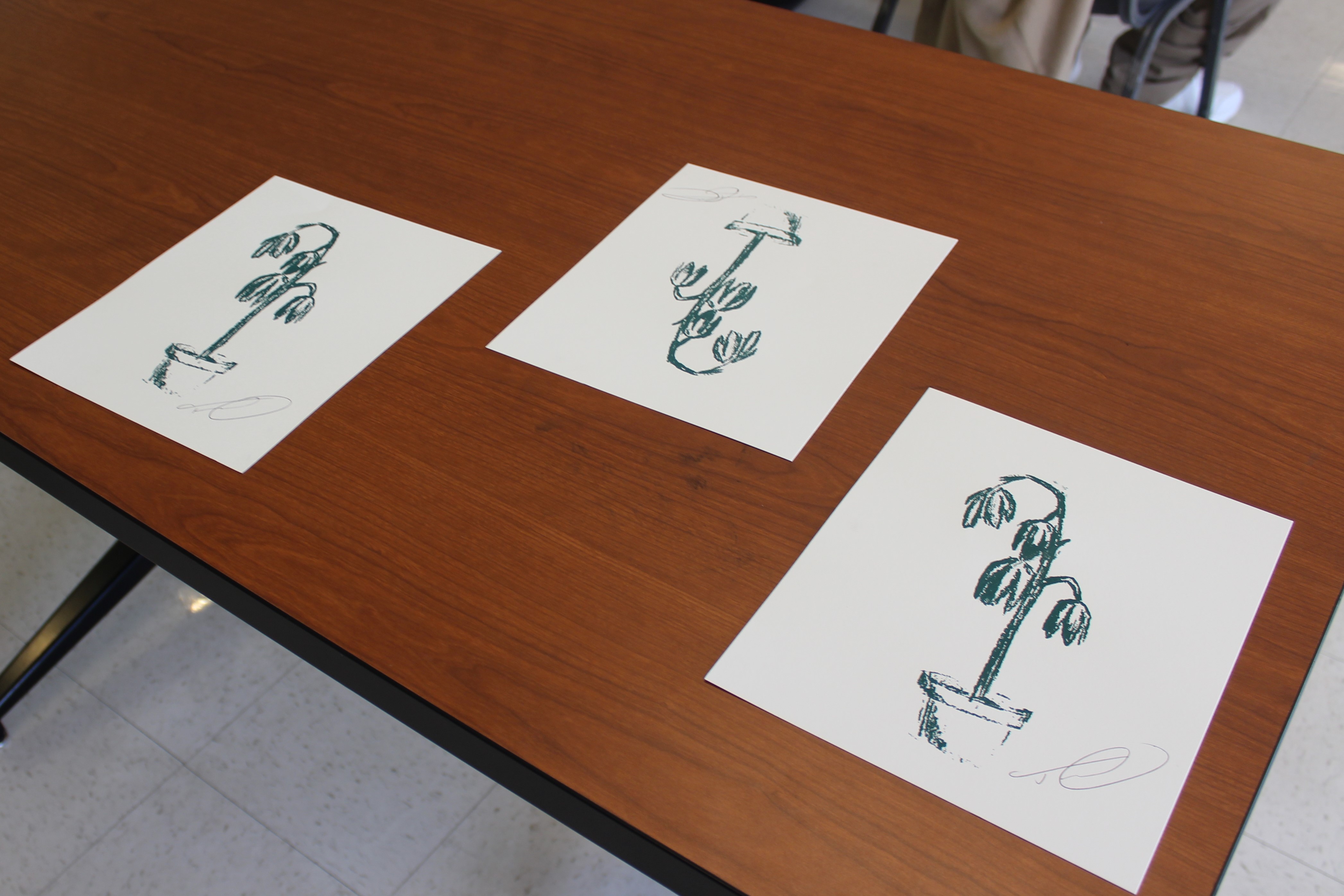
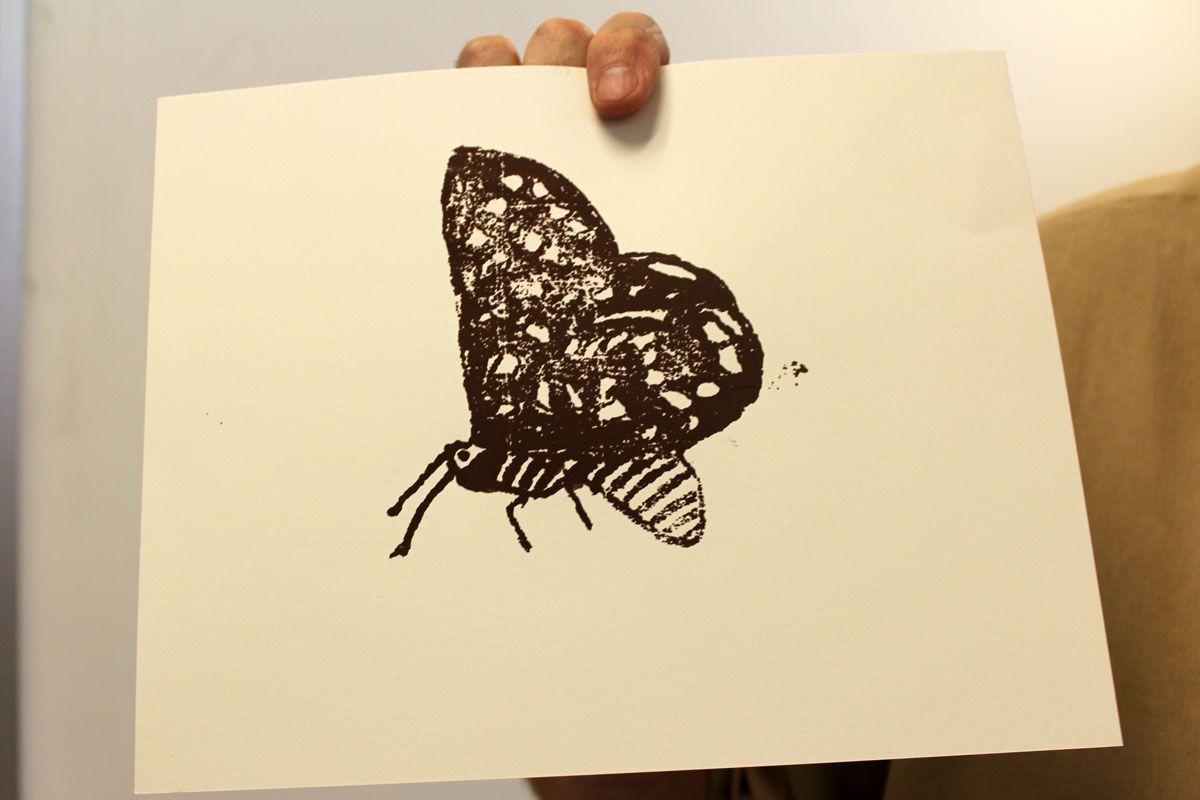
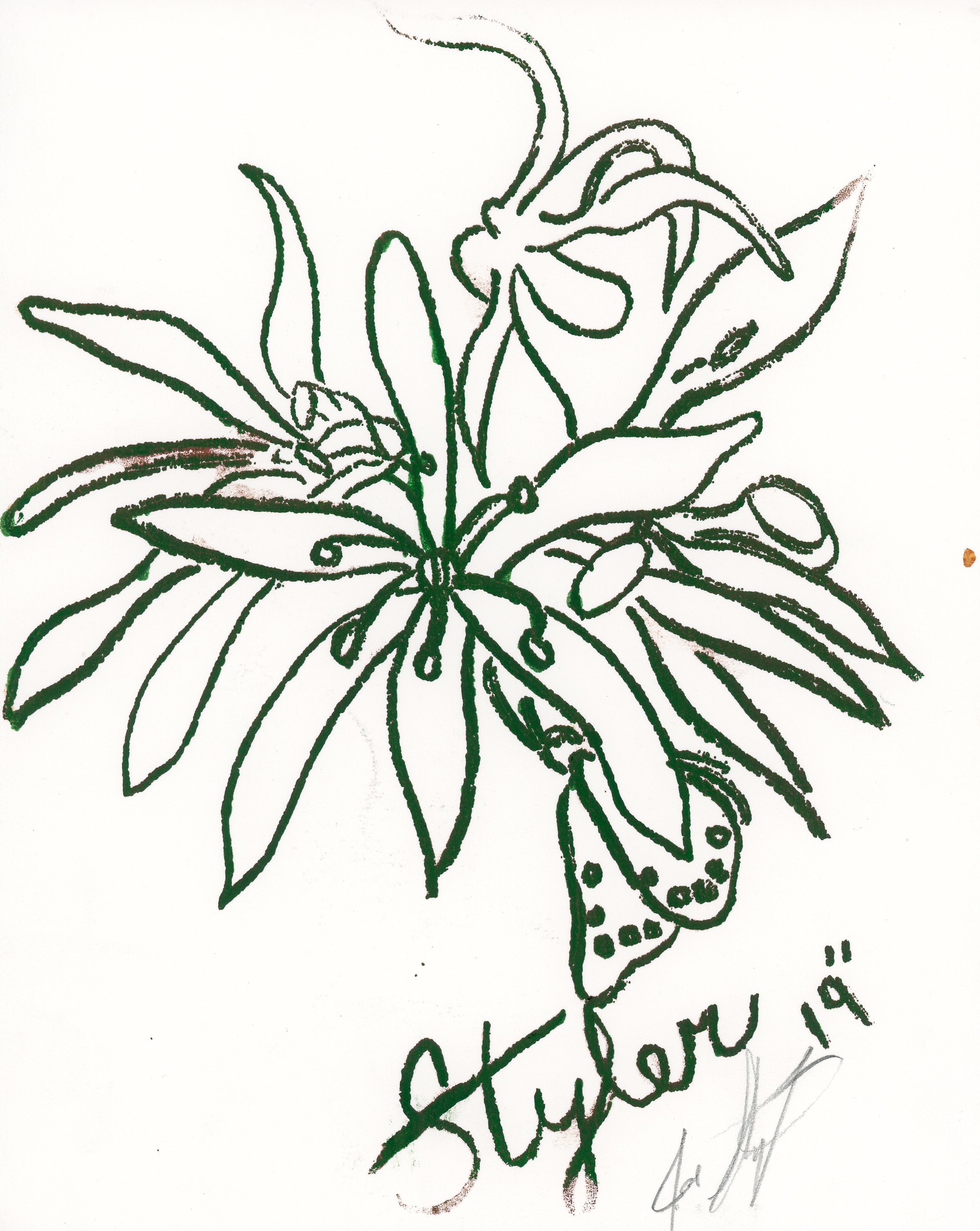
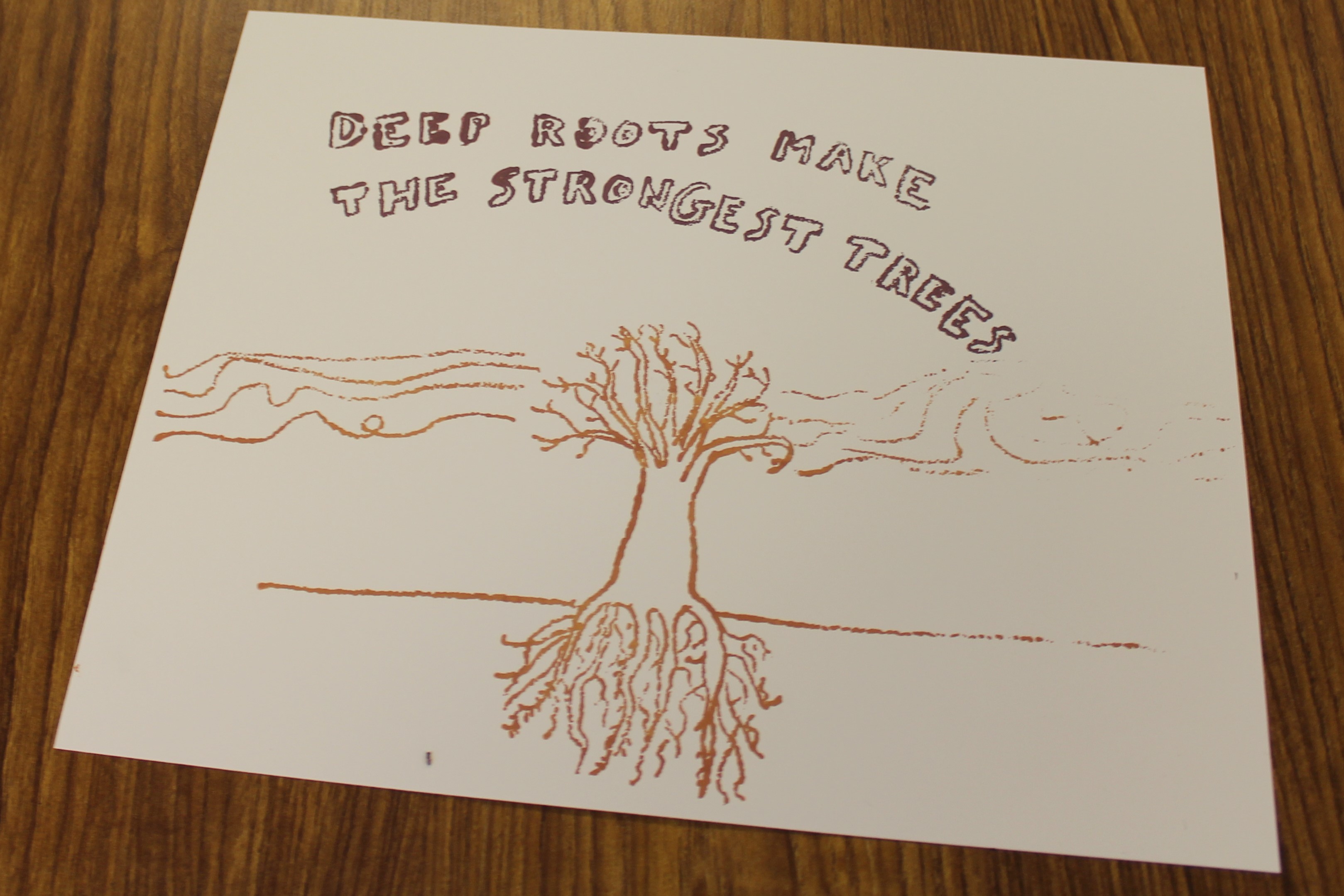
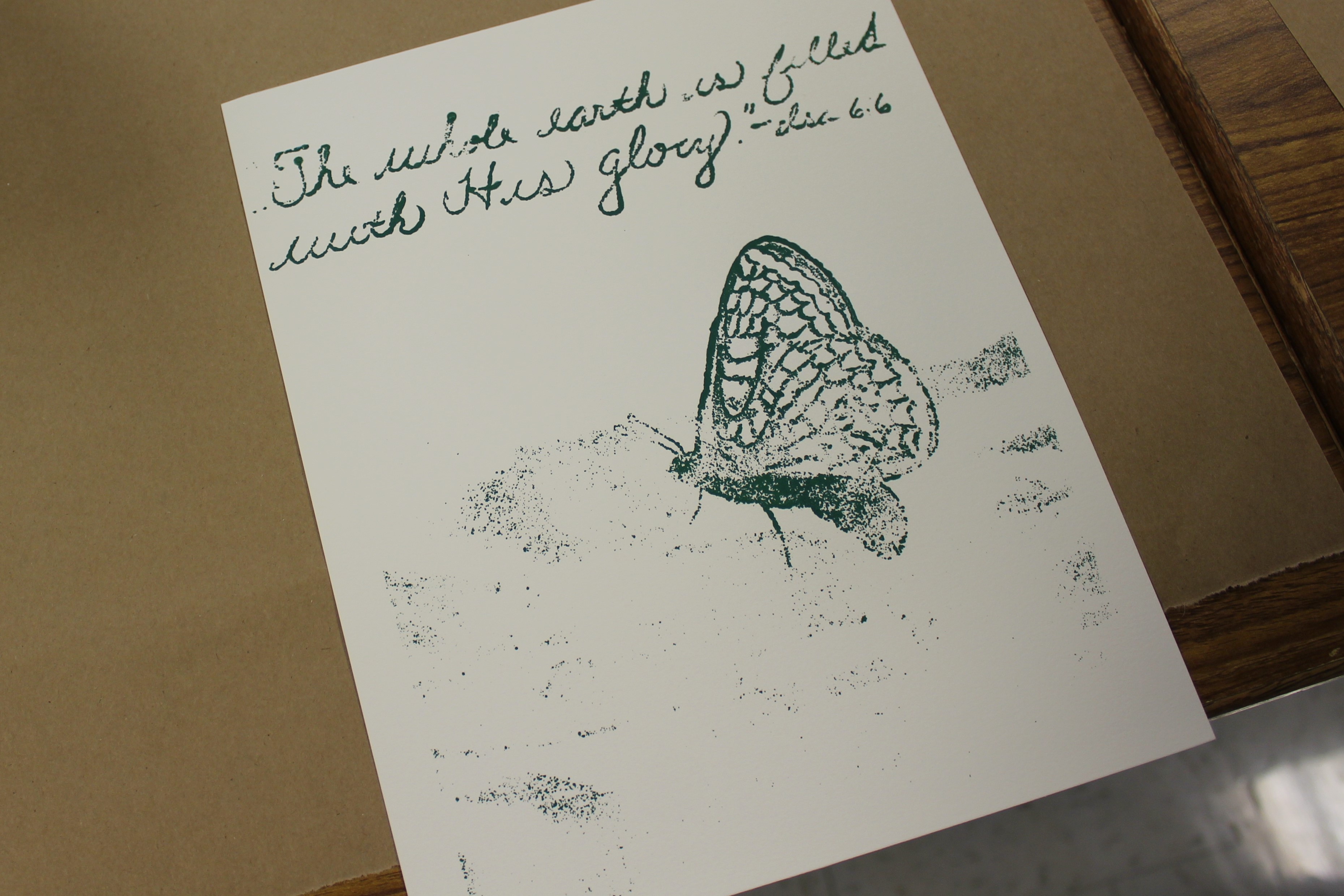
Emily and I worked through a few logistical challenges to make the second workshop an even greater success. Most of the students in the class were able to leave the workshop with two or more different prints. We hope you enjoy some of the great prints the students created, posted below.
Workshop student Colton Green happily shows off his first screen prints!
By Situe Fuiava, SPP Ecological Conservation Technician at Washington Corrections Center. Mr. Fuiava wrote this piece in response to a call for writing on “science in prison.”
Note: please be aware that individuals featured in this story and in these images have victims who are concerned about re-victimization; any sharing or promoting should keep that risk in mind.
My name is Situe Fuiava and I have been incarcerated since the age of 16. When I first came into prison I only knew about street knowledge. I didn’t really know much about anything academically let alone science.
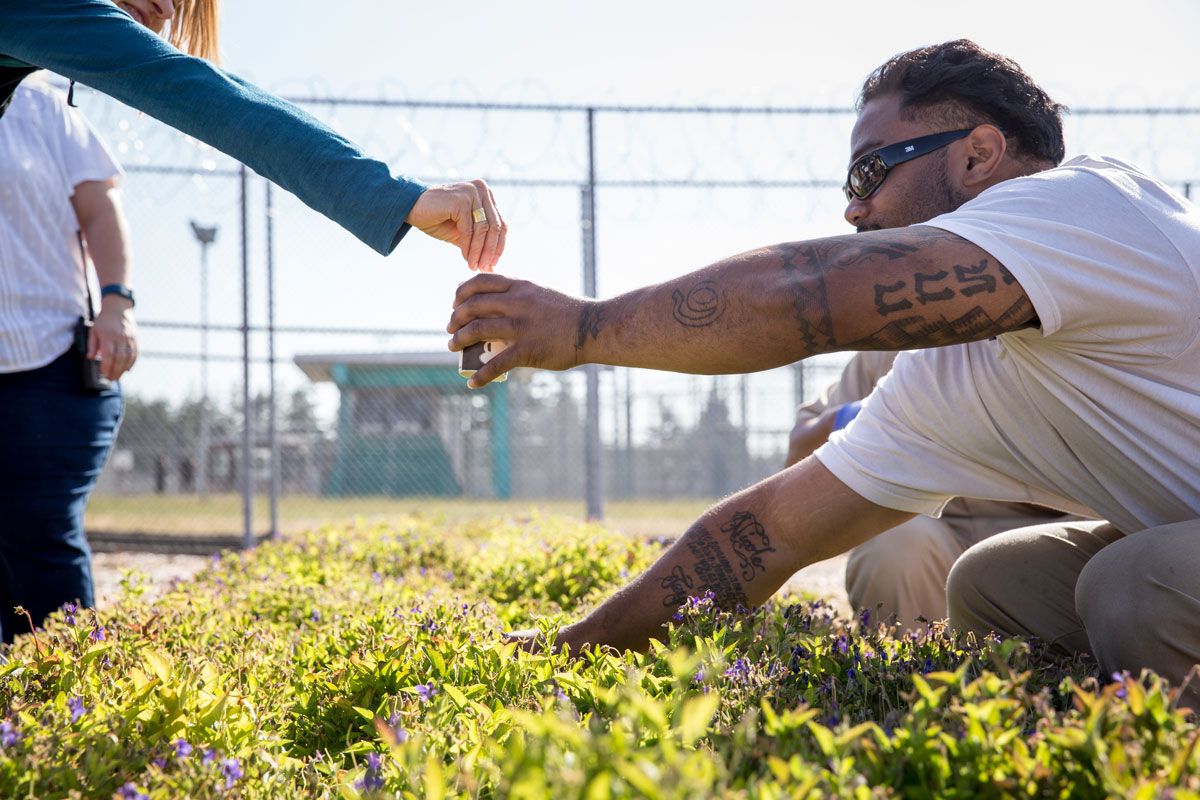
Situe Faiva receives seeds picked by a program visitor; program technicians collect seeds from violets and other prairie plants for Salish lowland restoration efforts. Photo by Ricky Osborne.
What led me to this path of learning is when my nephew asked me to help him with something in school. I couldn’t even answer him. I glamourized and answered everything he asked me about the streets, but could not give him anything academically. That was one of the worst feelings I have ever felt. That was when the light finally turned on for me. I knew that I had to change something before I was going to have a family reunion in prison instead of the community.
During my time of incarceration, one of the programs that dramatically changed my life is the Sustainability in Prisons Projects (SPP). The SPP program is responsible for involving incarcerated individuals in multiple sustainable programs in the United States. In Washington State, in conjunction with Joint Base Lewis-McChord (JBLM) and the Center for Natural Lands Management (CNLM), this program is working towards the restoration of prairies in the greater Northwest. To assist with the program, at Washington Correction Center (WCC) incarcerated individuals work with the largest violet nursery in the world. We also have created the very first demonstration prairie in Department of Corrections (DOC).
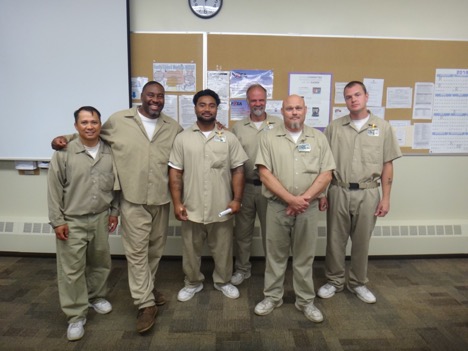
The Prairie Ecological Conservation Nursery Crew: pictured from left to right are technician Fred Burr, TAs John Thompson and Situe Fuiava, and technicians Michael Johnson and Dustin Sutherland.
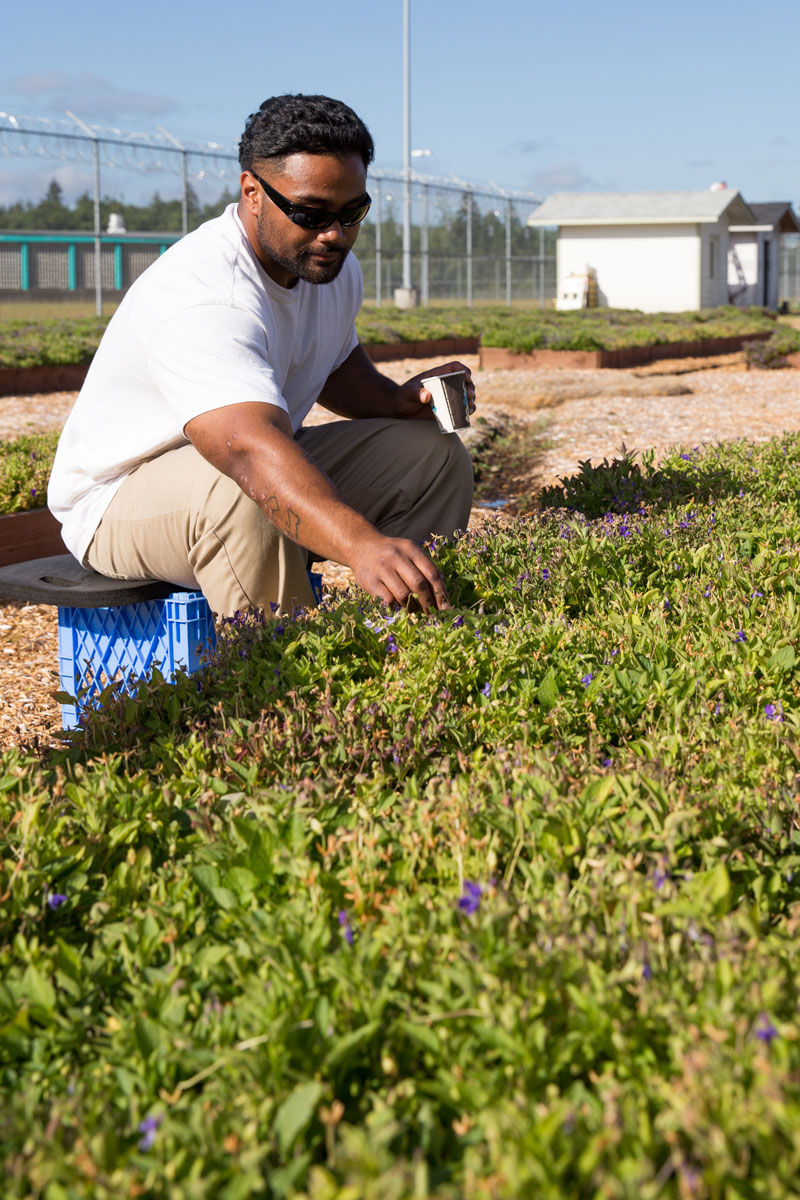
Situe Fuiava collects violet seeds in the nursery. Photo by Ricky Osborne.
I love that we have our own demonstration prairie garden here at this facility because it shows everyone the relationship between the violets and other species that are also found in the prairies of the South Puget Sound area. For me, the best ways of learning and teaching about prairies is by providing hands-on experiences and allowing people to see what happens in a natural prairie. This teaches us what species grow best around the violets and what species are not as beneficial for them. This is one of the few times being incarcerated has been a benefit to me. Having the ability to care for the violets around the clock (besides weekends) is pleasant as well as challenging. We have the ability to sustain life. We built the demonstration garden in 2018 and have seen it flourish in the first season. This is our way of teaching and learning; science in its finest form.
I have worked in many places in the prison system. Some of my jobs have been gym porter, barber, kitchen worker, unit porter, dayroom porter, and plumber. Only now do I have a job that challenges me mentally.
A good brother of mine was already working in the program introduced me to the SPP program and horticulture program. I decided to go into it without expectations and have an open mind. I was eager to learn something new and further my academic education, but I did not want to expect to get something from it and end up disappointed.
This job has been the best I have had. It gives me the opportunity to work and to gain knowledge I would have never taken the time to learn otherwise. Since starting my job with the SPP program, I’ve taken classes on bee handling, record keeping, seed germination, stratification process, transplanting, watering techniques planting depth, how to check the soil, water P.H levels, and when the first and last frost are so that we know when to sow.
I have also learned that everything is connected in one way or another. Everything has the same needs. These are things that we might not understand because we did not grow up learning them. All matter on earth is made up of one or more of the 118 chemical elements that are found on earth. The chemical element carbon is essential to everything because it is the building block for all living organisms. Just as carbon is vital to the foundation of an organism, water is also needed to sustain life on earth. We need soil because the soil is the building block for the evolution of vascular plants. Vascular plants played a big role in a plant’s ability to live further away from water. Without one of the three elements, life on earth as we know it would be nonexistent. Without carbon or water, life on earth would be stuck at the Bryophyte stage.
We need “Nature”. Nature is a great teacher of science. It has a way of creating great relationships within its own ecosystem. I find it interesting that this planet has been here for billions of years. Humans take up a small fraction of that timeline. With minimal time we inhabited the earth, we caused more harm than good to our planet. I believe that if we start paying attention to the relationships that happen organically and naturally in nature, that knowledge can give us the answer of how to prolong our time on earth.
Viola adunca blooms in the beds at Washington Corrections Center. Photo by Alexandra James.
Like I said, the more I learn, the more I believe that everything is connected.
When I first started talking about nature, I thought of nature as a place that hasn’t been touched or bothered by humans. I have learned that nature is everything. Nature is everything that the earth produces naturally. So if everything provided by the earth is considered nature, would we consider a manmade environment nature? If everything on earth is created on earth, why would we say that everything that is manmade isn’t nature when the things that we use to make these structures are from earth. In the wild, animals use everything within their means to survive. When we humans take from nature we take more than what we need. I believe that when we build man-made structures it’s still nature as long as it has a way to give back to nature, instead of just leeching off the eco-system.
When I think of sustainability I think of the ability to keep life going. What we are doing here at Washington Corrections Center is helping with sustaining the life of the silverspot butterfly by growing Viola adunca and Viola praemorsa. With growing these species we are naturally creating an environment for the pollinators.
Someone’s in-prison experience with science can positively affect his or her choices by simply using the scientific method. Most men incarcerated are here because we tend to make claims without even having any evidence to back up what we claim to have been real or true. If we are never taught to research or question what we learn, it can have a negative effect on our behanviors. What we display on a day-to-day basis are learned behaviors. If we are raised up and we see everyone doing the same thing, whether right or wrong, we automatically think it’s the norm.
By Rachel Friederich, DOC Communications Originally published July 31, 2019, in DOC Communications newsroom; reposted here with permission
A member of the offsite crew tends the GRACE project garden, located near Mission Creek Corrections Center for Women. Photo by Rachel Friederich, DOC Communications.
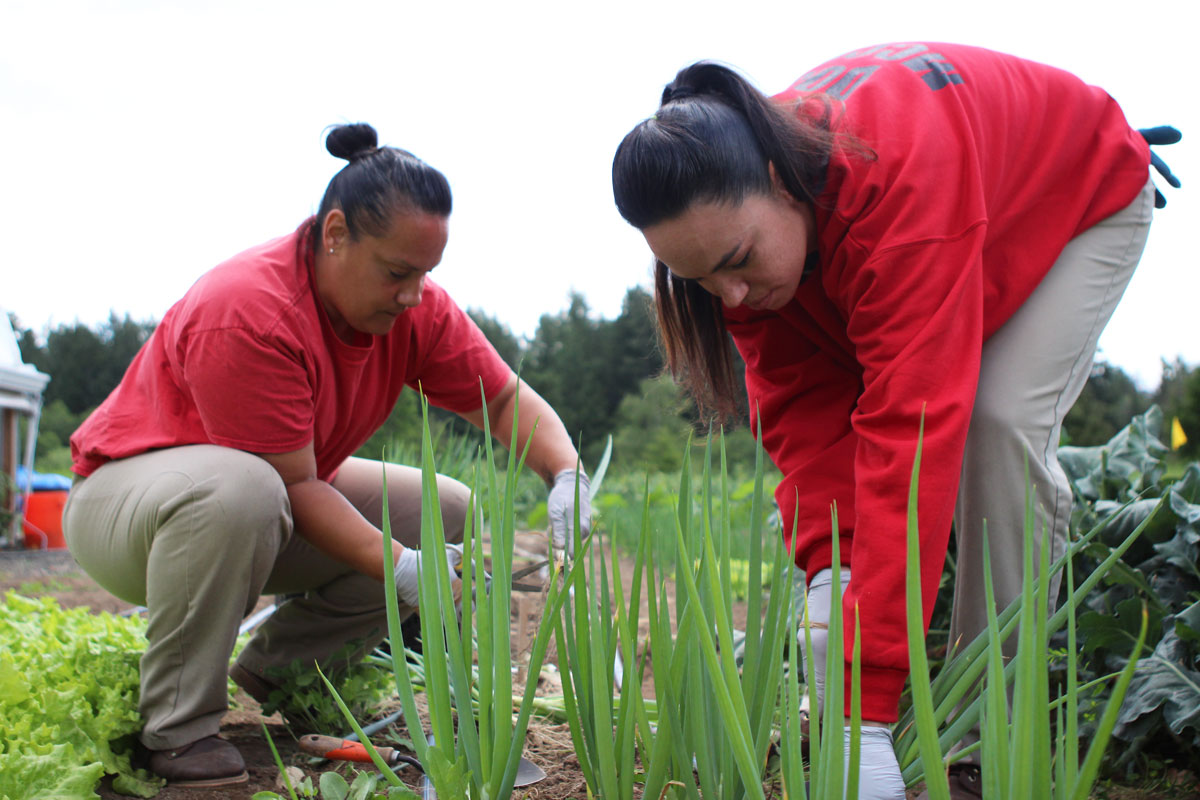
Violet Rose Garcia (left) and Maria Jones (right) harvest some green onions. Photo by Rachel Friederich, DOC Communications.
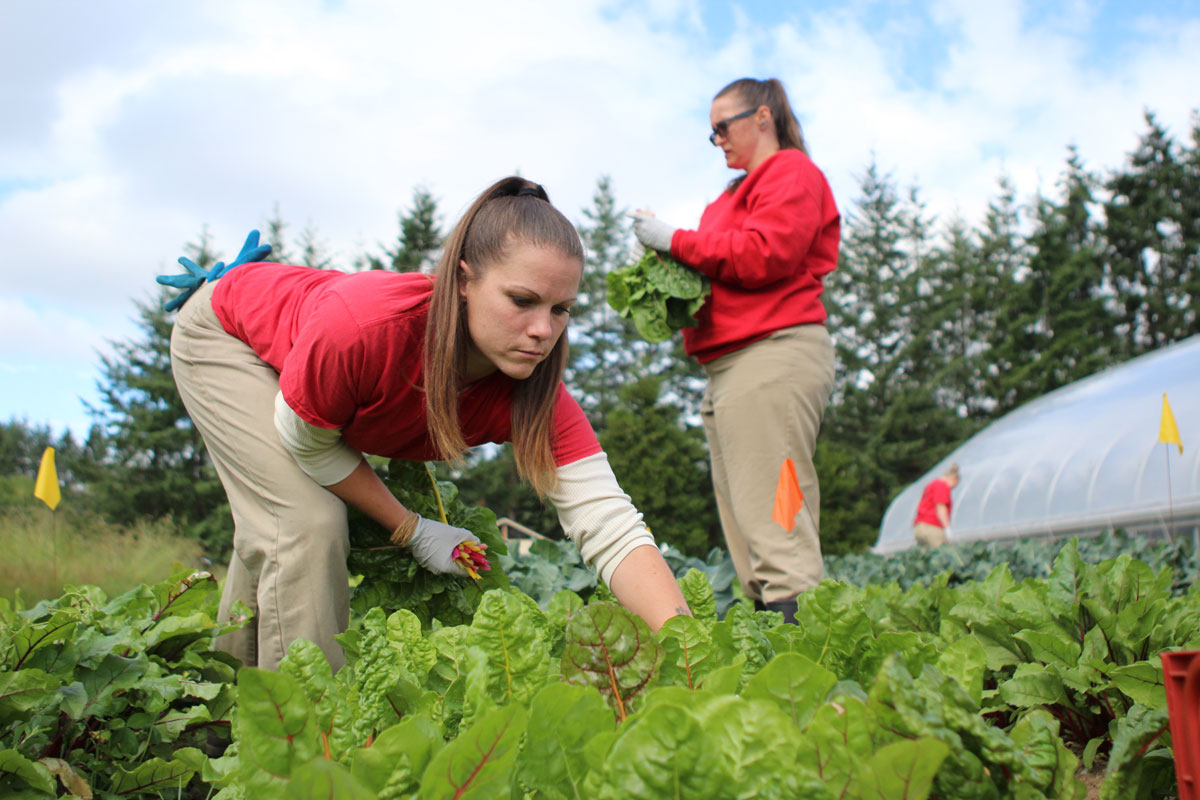
POULSBO – Violet Garcia crouches among rows of lush, green kale and lettuce. Her tan work shoes are caked with dirt, evidence of her hard work.
Between her gloved fingers is a robust bundle of green onions. She smiles as she trims back their long roots with a pair of garden shears.
“I’m giving them a haircut,” Garcia, 37, says. “I didn’t know green onions could get this big!”
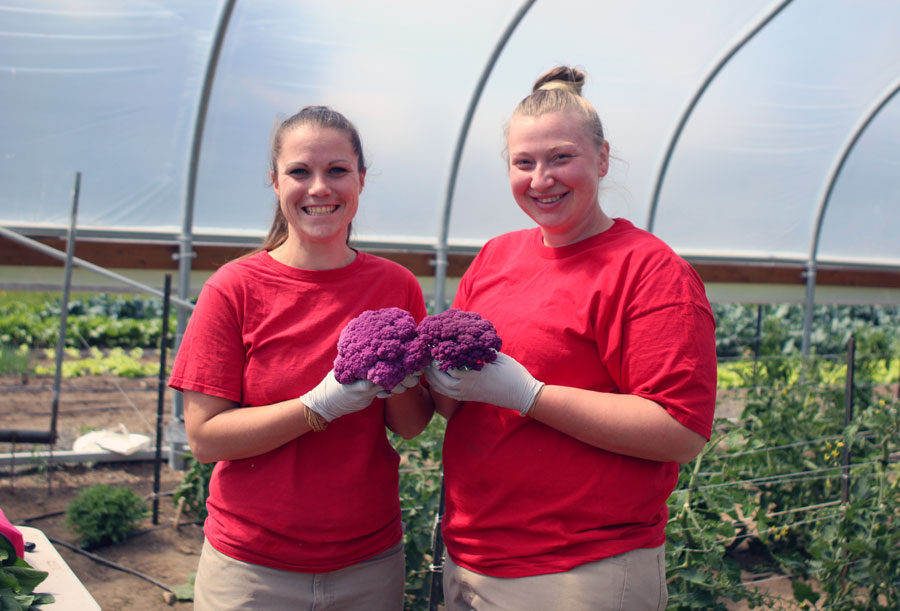
Kaela Glover (left) and Jamie Hugdahl (right) hold some purple cauliflower they grew and harvested from the GRACE garden in Poulsbo. The women are part of an incarcerated work crew from Mission Creek Corrections Center for Women who maintain the garden. Photo by Rachel Friederich, DOC Communications.
The project is called the GRACE garden. The acronym GRACE stands for Gardening for Restoration and Ecological Conservation Education. Besides the food bank, the garden is used as an educational demonstration garden for community groups.
Last year, the district opened the garden, a project made possible by a $50,000 grant from the National Association of Ecological Conservation Districts. The grant focuses on projects that reduce food insecurity and address food deserts.
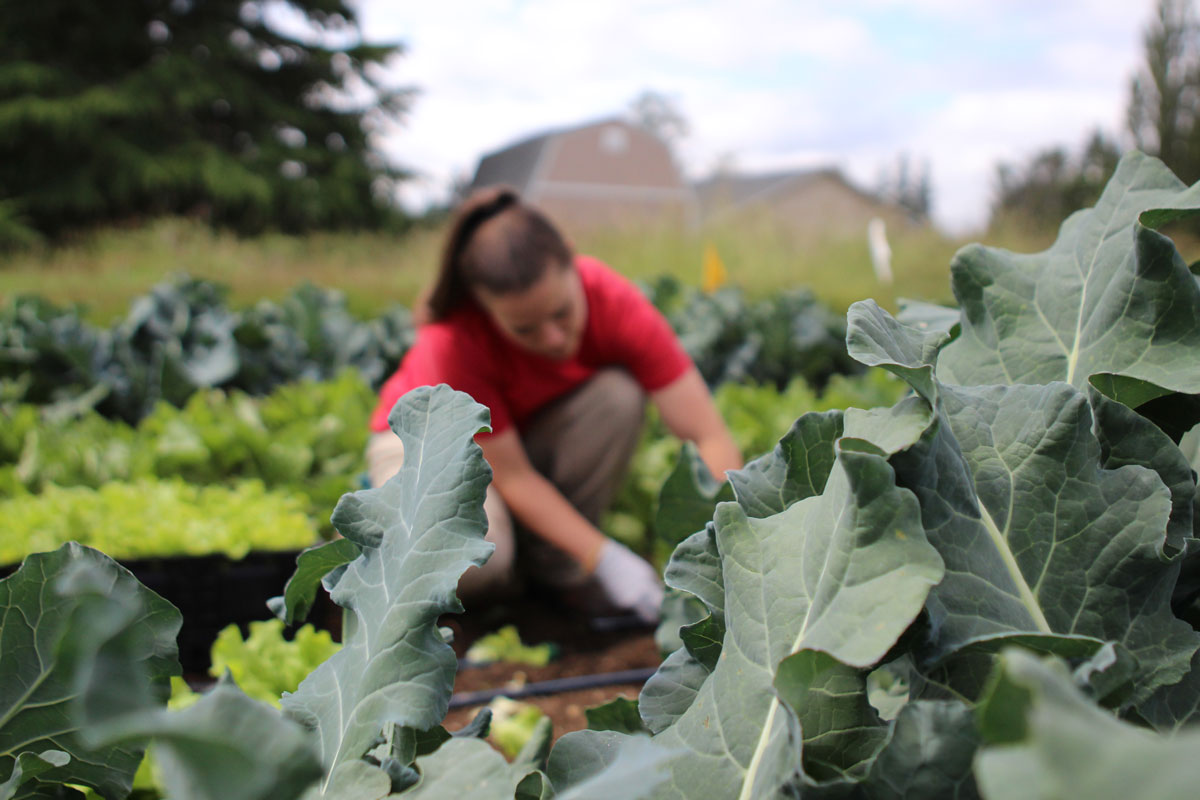
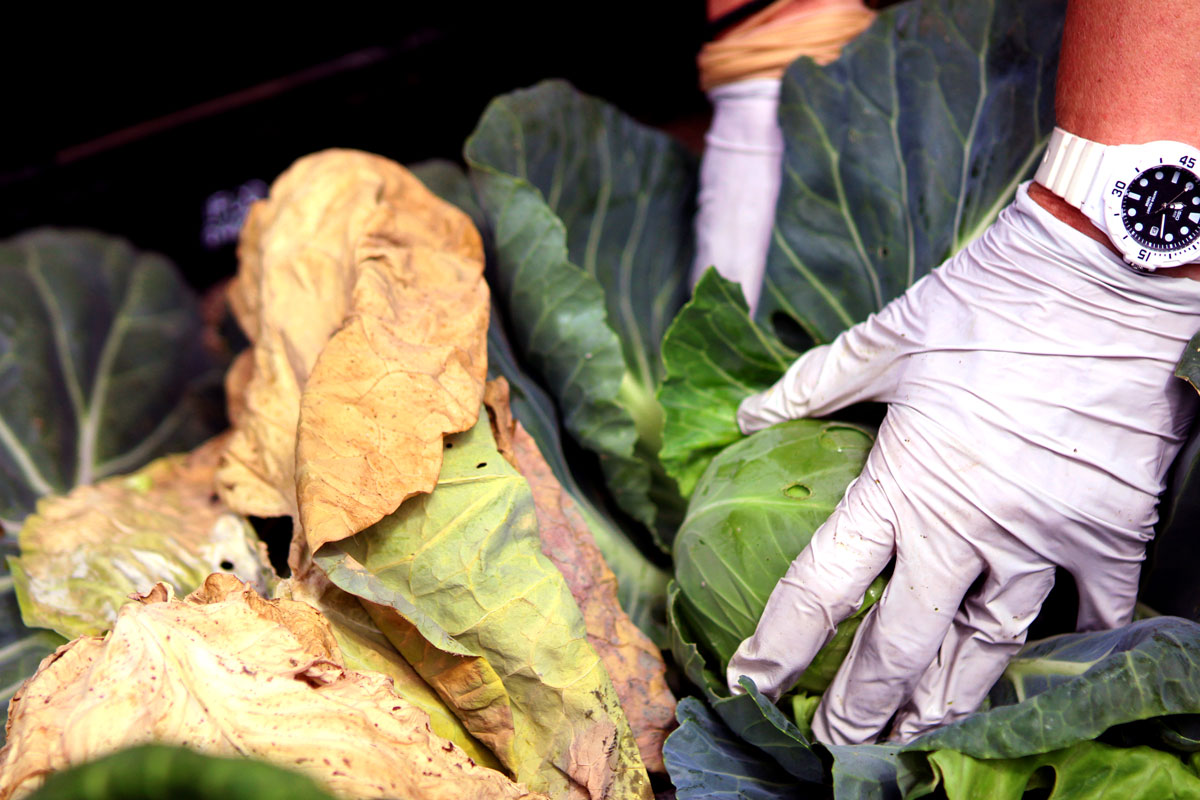
A crewmember harvests cabbage. Photo by Rachel Friederich, DOC Communications.
Food insecurity describes a household’s inability to provide enough food for every person to live an active, healthy life. Approximately 11.6% of Kitsap County’s population, or 30,000 people, experienced food insecurity in 2017, according to data collected by Feeding America, the nation’s largest domestic hunger relief organization. Statewide, nearly 849,000 people, or 11.5% of the population, experienced food insecurity during the same period. Food insecurity can be especially rampant in areas defined as “food deserts,” or areas that lack fresh foods due to a lack of grocery stores, farmer’s markets or healthy food providers. They often occur in impoverished and/or rural communities.
That’s where organizations like food banks and the Kitsap Ecological Conservation District can assist.
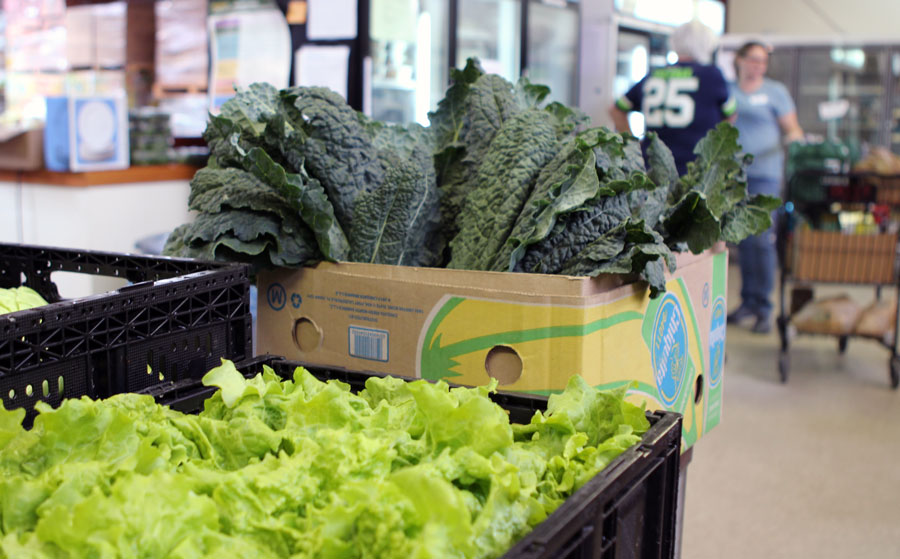
Boxes of kale and green lettuce sit at the Central Kitsap Food Bank. Women from Mission Creek Corrections Center in Mason county grew the produce in a garden in Poulsbo. Photo by Rachel Friederich, DOC Communications.
Besides running the GRACE garden project, the Kitsap Ecological Conservation District holds workshops that teach people how to grow their own food. As a partner with Kitsap County’s Clean Water Kitsap program, it also performs work with farmers and livestock owners to protect the health and wellbeing of their animals, increase crop productivity, and protect water quality and soil erosion. Members of the garden work crew also work with the conservation district on stream restoration projects. Crews remove noxious weeds from salmon habitat and replace them with native plants, which helps improve and restore salmon habitats.
Opening Doors
The work the incarcerated women perform doesn’t just impact the community. It also goes a long way toward their rehabilitation, according to Diane Fish, resource planner for the district’s agricultural assistance program.
“When you see how their attitude changes and their understanding changes, their desires change over the time that they are able to be on crew,” Fish said. “It’s just mind-blowing.”
For example, the garden helped one of the crew members pursue higher education. Fish said one of the incarcerated women shared that many of the topics she was learning through her work on the crew—biology and the environment—were many of the same things she was learning in the science class she was taking to earn her GED. Through some encouragement from her correctional counselor and Fish, the woman decided to get her diploma. A few months later, the woman was part of a graduation ceremony at Mission Creek. She’s now enrolled in college courses at the correctional facility. The incarcerated crew member recently told Fish she’s working on a degree in environmental studies so she can one day work with the Squaxin Island Native American tribal community on salmon habitat restoration.
Gardeners harvest greens from the GRACE garden. Photo by Rachel Friederich, DOC Communications.
Fish says the work crews do more than just pull weeds – they learn to describe their skills and credentials to potential employers. Things they learn about on the crew– habitat restoration and knowledge of native plants and noxious weeds, for example– can lead to jobs in agriculture, commercial greenhouses, farming, and horticulture industries.
Garcia is scheduled to release from incarceration in two years. She’s still exploring her career options. She is a Native American and wants to use her newfound knowledge about the environment to find a job within her tribe, the Squaxin Island Tribe.
“That’s where my heart stands,” Garcia says. “It’s changed my outlook on a lot of different things. I’ve got to plant things and watch them grow and, at the end of the day, when we (work crew) look and see our work and say ‘Oh my gosh. We did that. We did that.’”
Safety and Eligibility
The Department of Corrections and Kitsap Ecological Conservation District makes sure everyone at the worksite as well as surrounding communities are safe.
A correctional officer supervises the work crews at all times. Crew members must meet a strict set of requirements, including being classified as a minimum-security custody level. They can’t have any serious infractions for six months, nor any drug-related infractions for at least a year. Crew members can’t have ties to family members, victims or gangs in the community in which they’ll be working.
At the GRACE garden, there are no public tours when the incarcerated gardeners are present.
The crew also receives occupational safety training on working outdoors and how to properly use garden tools. Ecological Conservation district staff inventory tools after each shift and secure them when not in use.
Additionally, correctional staff provide conservation staff who will be working with the crew orientation and continuous safety training.
Susan Keeler, a correctional officer who supervises the work crew, says getting to leave prison for a few hours a day might seem like a special privilege to outsiders. “But what people may not realize is that in addition to this being hard work, all these women are getting out of prison at some point. They need to learn how to fit back into society and be a part of it again. It makes them feel good and they’re doing something positive and contributing to society.”
Impact
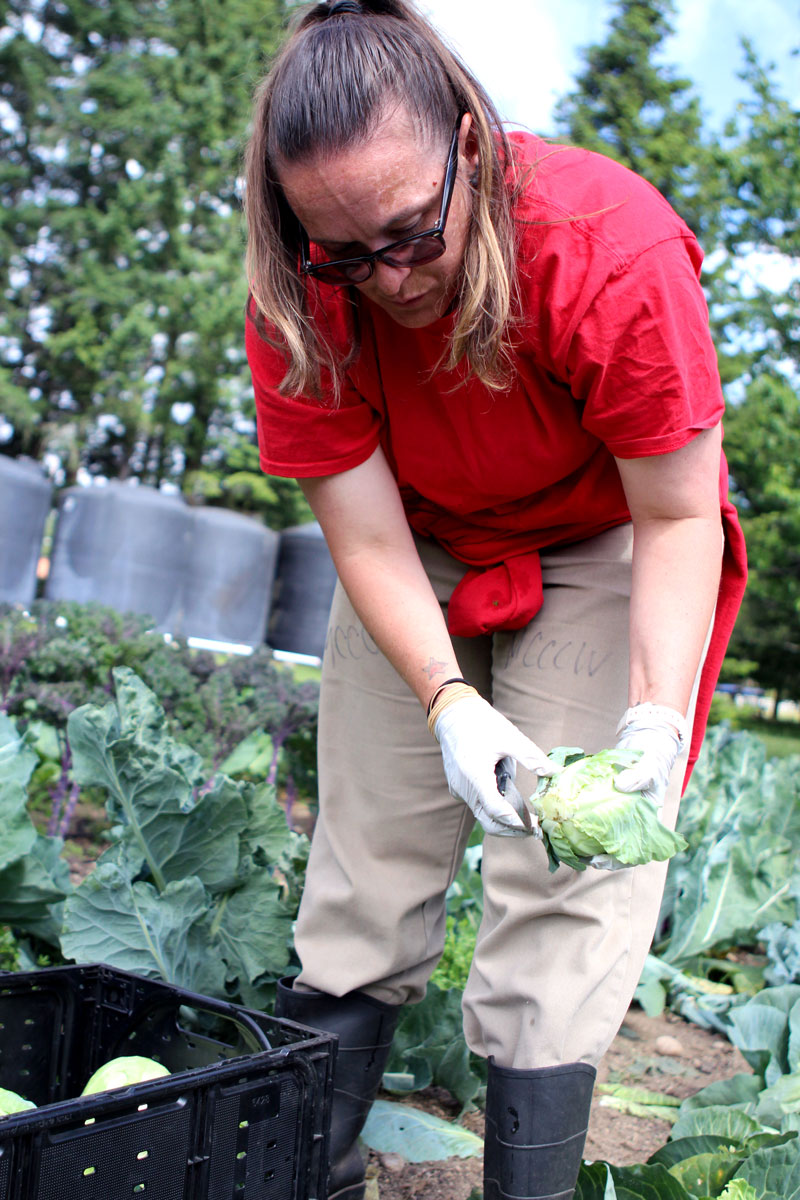
A gardener cleans up a small cabbage before adding it to the transport container. Photo by Rachel Friederich, DOC Communictions.
Peggy Knott, 39, says she’s an example of that. She has just under two years left on her prison sentence. She says while she’s been on the work crew, she’s learned many jobs she could qualify for after prison, many of which she might not have considered otherwise, like wastewater management or working on a farm.
“I’ve taken so much from my community in the past and giving back gives me a more positive aspect on the type of person I can be,” Knott said. “For us to come out and do this, it makes us better people. You really push yourself and you feel really proud of yourself at the end of the day.”