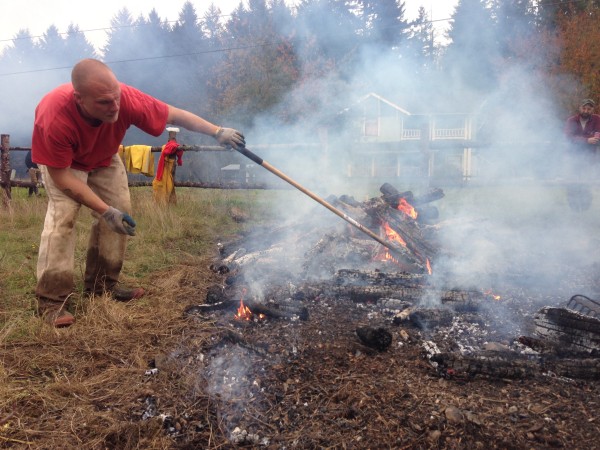
An inmate helping to burn the demonstration garden ducks to avoid the smoke as he moves burning logs across the ground. Photo by Jaal Mann.
Last month, as part of the ongoing cultivation of the demonstration prairie garden at Shotwell’s Landing nursery, the inmate prairie restoration crew got to burn an area for seeding with native species.
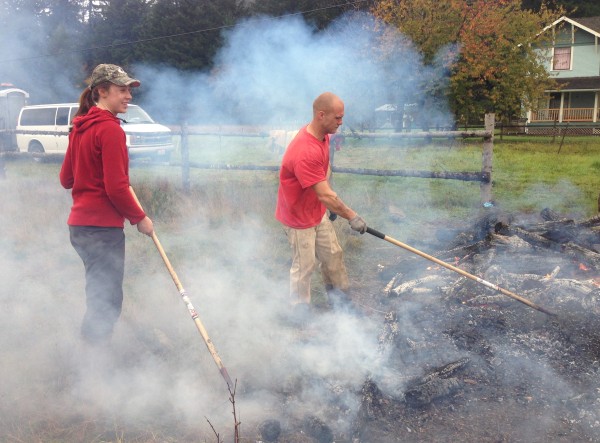
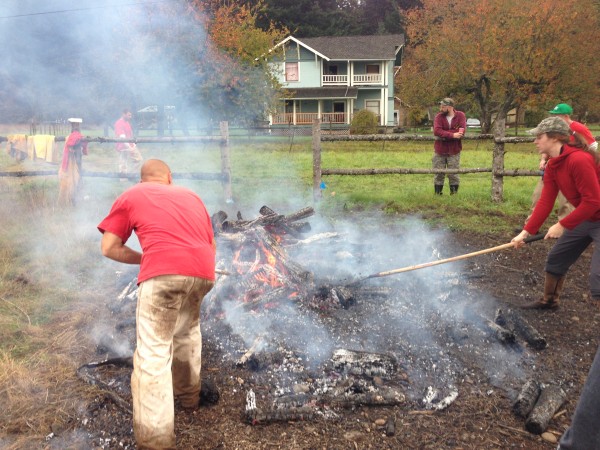
They used the technique of building a large burn pile and then raking the burning wood along until the entire desired area had been burned. They will be using the area to compare different seeding methods; they want to see which technique most reduces bird predation, knowledge that could help landowners succeed with their small-scale prairie restoration projects.
The crew had a lot of fun and it’s exciting that they are able to be involved with the project from start to finish! We’re looking forward to seeing some species beginning to flower this spring.
Jaal Mann
CNLM’s Audrey Lamb and an inmate on the prairie conservation crew rake fire through the demonstration garden. Photo by Jaal Mann.As others observe the progress, an inmate and CNLM’s Audrey Lamb rake burning pieces of wood along the ground to simulate a natural fire moving along the landscape. Photo by Jaal Mann.
by Joslyn Rose Trivett, SPP Network Manager
“The program is called Roots of Success, but it feels like the course is a seed planted in our minds.”
“We have a disposable planet and disposable people and we have got to change how we do things. The challenge doesn’t end here; we’ve got to make those changes in the wider society.”
“It’s a platform for giving back to the community.”
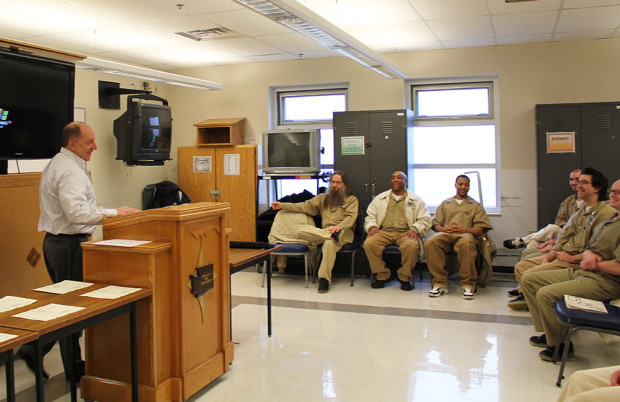
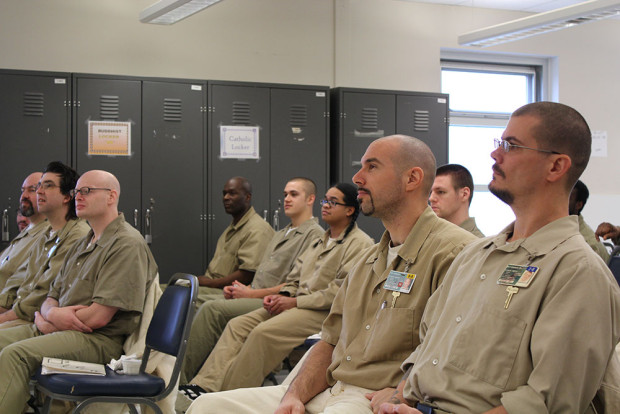
This is what I heard from inmate students and instructors who spoke about what they valued from participating in Roots of Success, an environmental literacy curriculum. It was a happy occasion at Stafford Creek Corrections Center (SCCC), celebrating the thirty-five graduates from two complete sessions of Roots. SCCC offered the class at maximum speed: three times a week for ten weeks, and again on the weekend to make up any missed modules; as SPP Liaison Chris Idso said, that’s just how SCCC likes to do things. That’s also what makes them a national leader in corrections’ sustainability programming.
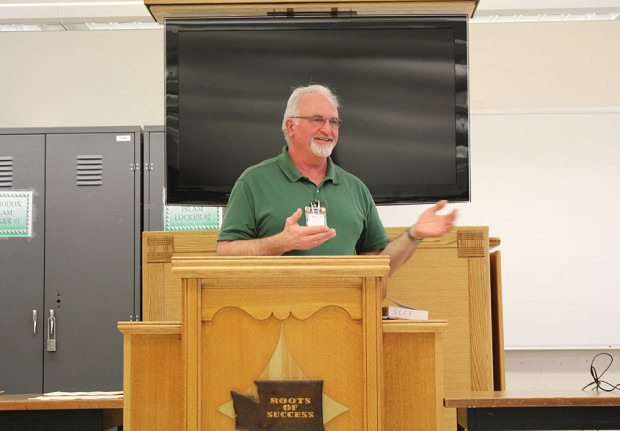
Superintendent of Stafford Creek Corrections Center (SCCC) speaks to the graduating class from two sessions of Roots of Success.
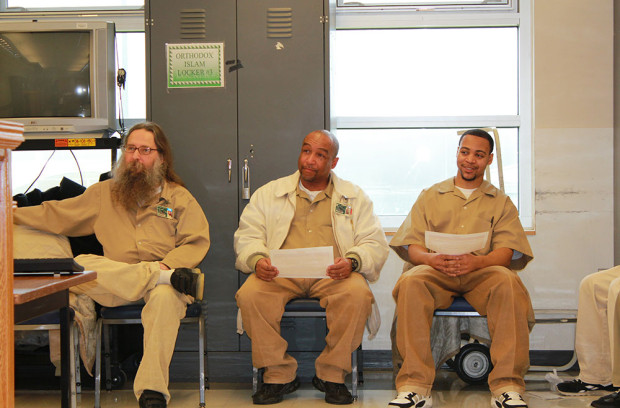
At SCCC, Roots of Success is taught by three inmate instructors (from left to right: David DuHaime, Grady Mitchell, and Cyril Walrond). All three are veterans of the prison’s Redemptions class, an inmate-led program on self awareness, positive thinking, and communication skills. Corrections staff and graduates present for graduation day applauded their talents as Roots instructors, and the next session of Roots of Success is already fully enrolled.
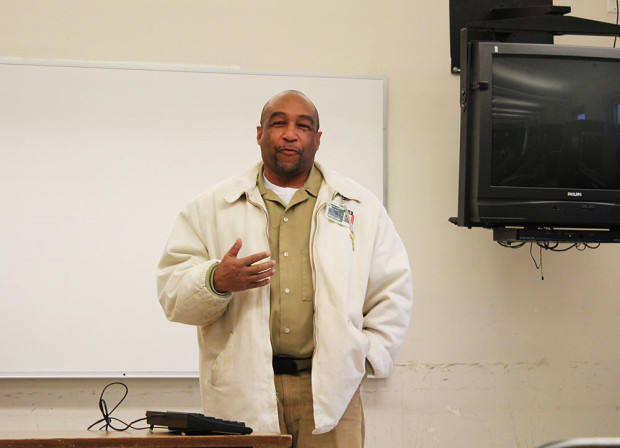
Instructor Cyril Walrond speaks about what the curriculum and class experience meant to him.
The graduating class listens to a presentation from one of their peers.
Instructor Grady Mitchell addresses the graduating class.
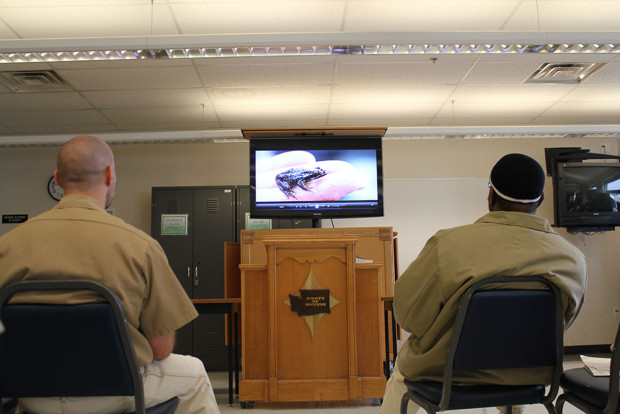
The class watches the 2009 video on SPP, a gorgeous piece by Benj Drummond and Sara Joy Steele that included video and many images from SCCC–including corrections staff who were in the room while it played. It was gratifying and surreal to watch it with an inmate audience.
Robert Aleksinski (“Ski”) is the staff member who has championed Roots of Success at SCCC. He volunteered to be a student in the first session of Roots, and was graduating along with the other 34 inmate students. His enthusiasm for the curriculum and the way they’ve offered it at SCCC is infectious.
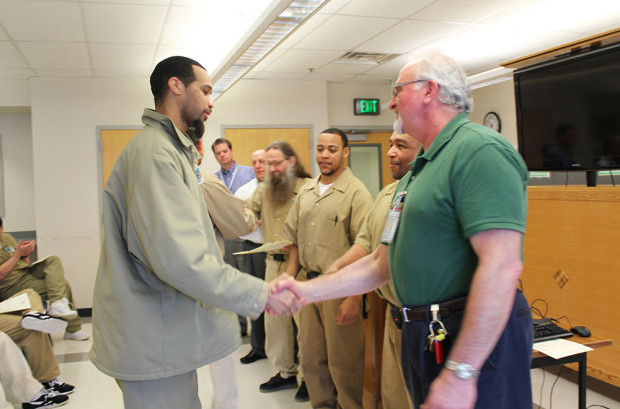
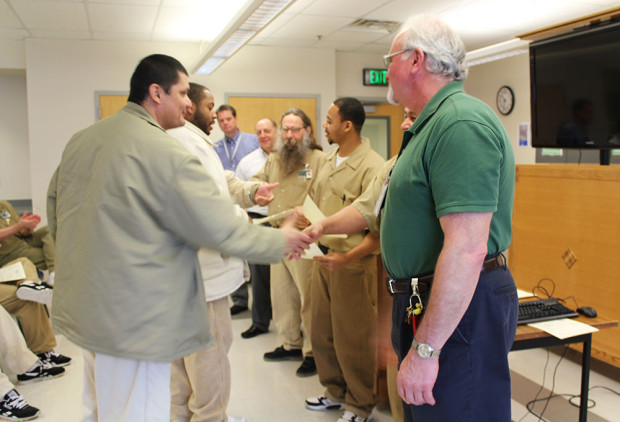
Thirty five graduates of Roots of Success receive their certificates and handshakes from Mr. Aleksinski, Instructor Mitchell, Instructor Walrond, Instructor DuHaime, Superintendent Glebe, SPP Liaison Chris Idso, and SPP Ecological Conservation Nursery Coordinator for SCCC Drissia Ras.
By Taylor’s checkerspot butterfly program coordinator and Graduate Research Assistant, Lindsey Hamilton
At Mission Creek Corrections Center for Women (MCCCW) four inmate technicians rear Taylor’s checkerspot butterflies as a contribution to recovery efforts for this endangered species.These technicians are hired to work year-round even though the workload is not consistent throughout the year. In late July the butterfly larvae enter into diapause, which means that they cuddle up with their brothers and sisters to sleep until late February.During this life stage the technicians have minimal butterfly-related responsibilities.
For the first time this year the technicians are participating in a citizen science project organized by the Cornell Lab of Ornithology called Project FeederWatch.Project FeederWatch surveys birds that visit feeders all across North America throughout the winter months.Feeders that are surveyed can be located in backyards, community areas, nature centers, and even prisons!The inmates at MCCCW watch three different bird feeders for a period of time on two consecutive days of every week, and record how many birds of each species that are attracted to the feeders.This data is collected by an SPP Graduate Research Assistant and entered into the FeederWatch database online.The information collected by this project helps scientists track movements of winter bird populations on a broad scale and is also used to monitor long term trends in bird distribution and abundance.
Screen shot from Project FeederWatch website: http://feederwatch.org/about/how-to-participate/
For the inmates, FeederWatch provides them with a new opportunity to continue to learn something new and stay busy in the off season.They can now build on their knowledge of the different kinds of birds found in their area, and contribute to a nation-wide effort beyond the prison gates.
Screen shot from Project FeederWatch website: http://feederwatch.org/about/how-to-participate/