By Jonathan C. Jones-Thomas, Group Three Wastewater Treatment Plant Operator
Photos by Tiffany Webb, SPP Lecture Series Coordinator

Going back to prison to talk to inmates about job opportunities in the industry of wastewater treatment through SPP was indescribable. To return 1 ½ years after serving a 10-year sentence for assault… I told myself I would never go back. I didn’t know I would have the opportunity to go back to encourage others to walk my path, seek out healthy relationships and green job opportunities.
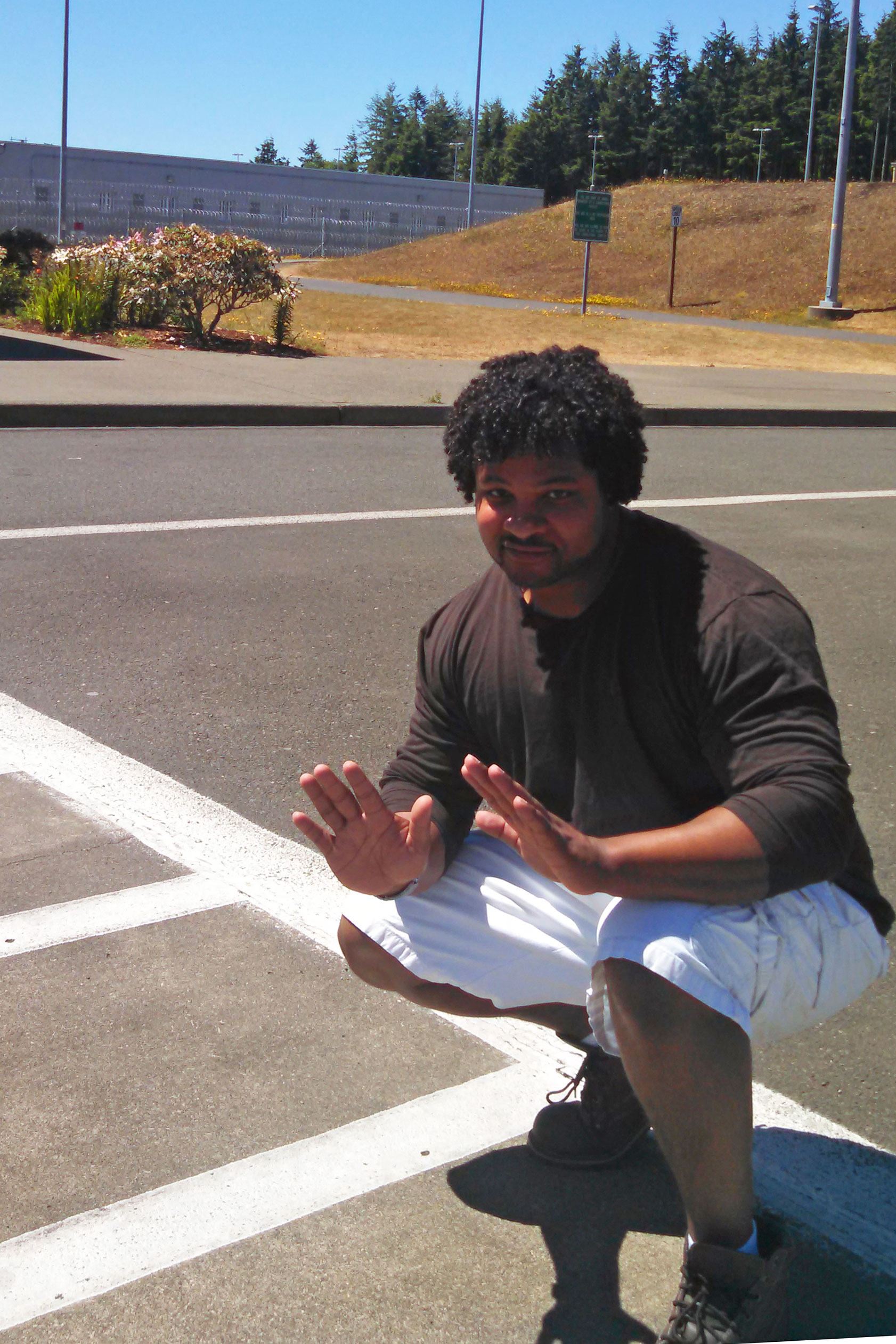
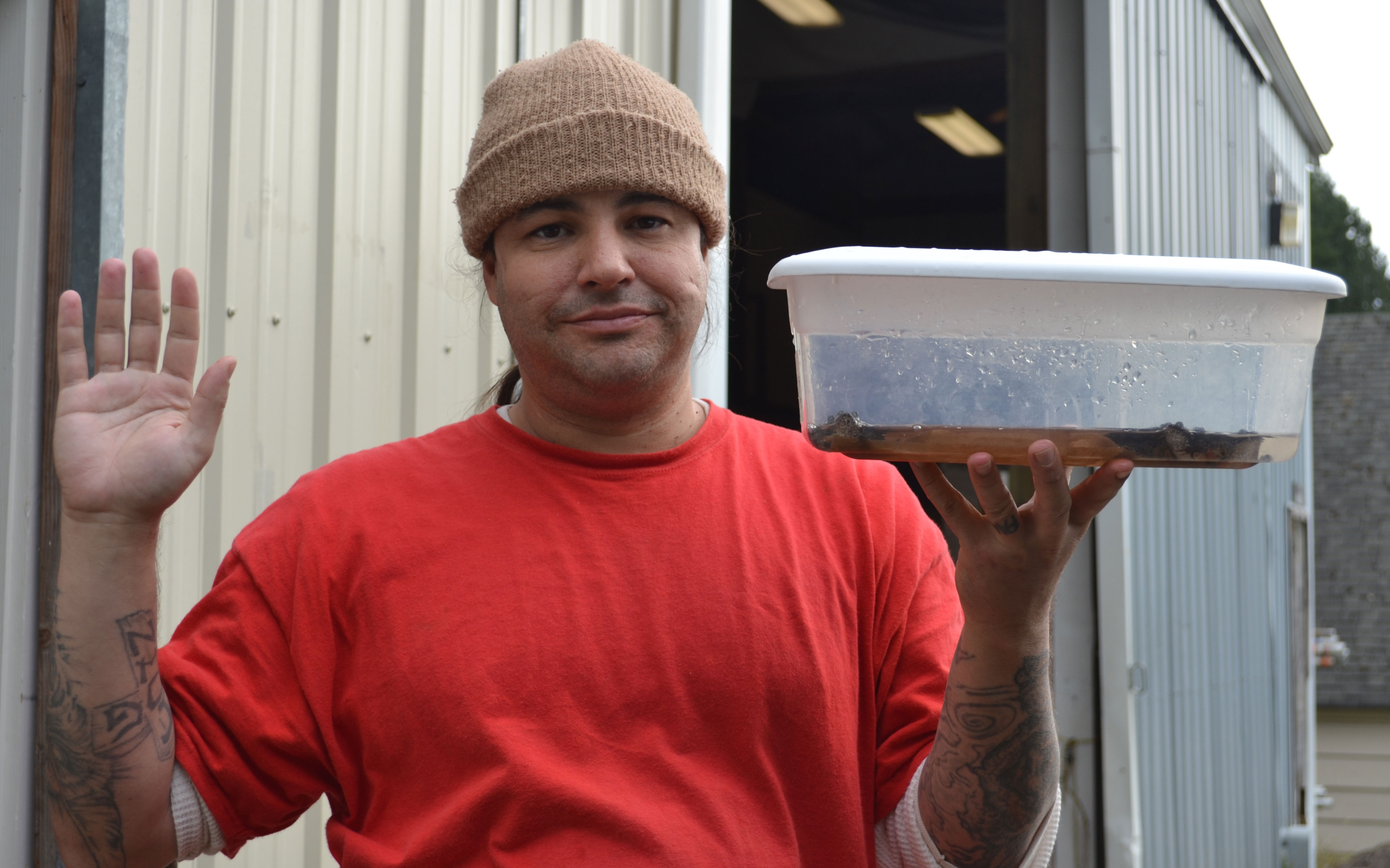
The author poses in the parking lot of Stafford Creek Corrections Center.

While incarcerated at the Monroe Correctional Complex (Monroe, WA), I was introduced to the wastewater industry by a “white man” by the name of Brian Funk. Being “black” myself, I didn’t expect to be introduced to education or employment opportunities by “white dudes”. Brian was unique in that he didn’t care about all the prison politics involved with “looking out for your own kind”. He was the type to “just do the right thing”. As the result, four years later, I type this at a computer working for a municipality in Snohomish County; I make good money, and Brian works next to me. He had no idea his small investment in the “black guy” would lead to a career in wastewater for the both of us, plus a plethora of opportunities to encourage others to do the same thing.

We were invited to speak at Stafford Creek Corrections Center (Aberdeen, WA) by Kristin Covey, a Brightwater employee. Brightwater is the upper echelon of wastewater treatment in the state of Washington. Kristin was invited by SPP to present at the prison and decided it would be best to bring two guys along that have been “in” and are now “out” in the industry. Before arriving, Tiffany Webb, SPP Lecture Series Program Coordinator, made clear that there was a growing interest in green jobs post prison. During the two hour drive, Brian and I formulated a plan to maximize our time with the offenders, knowing that there was a unique opportunity for them to hear about the pitfalls and challenges first hand.
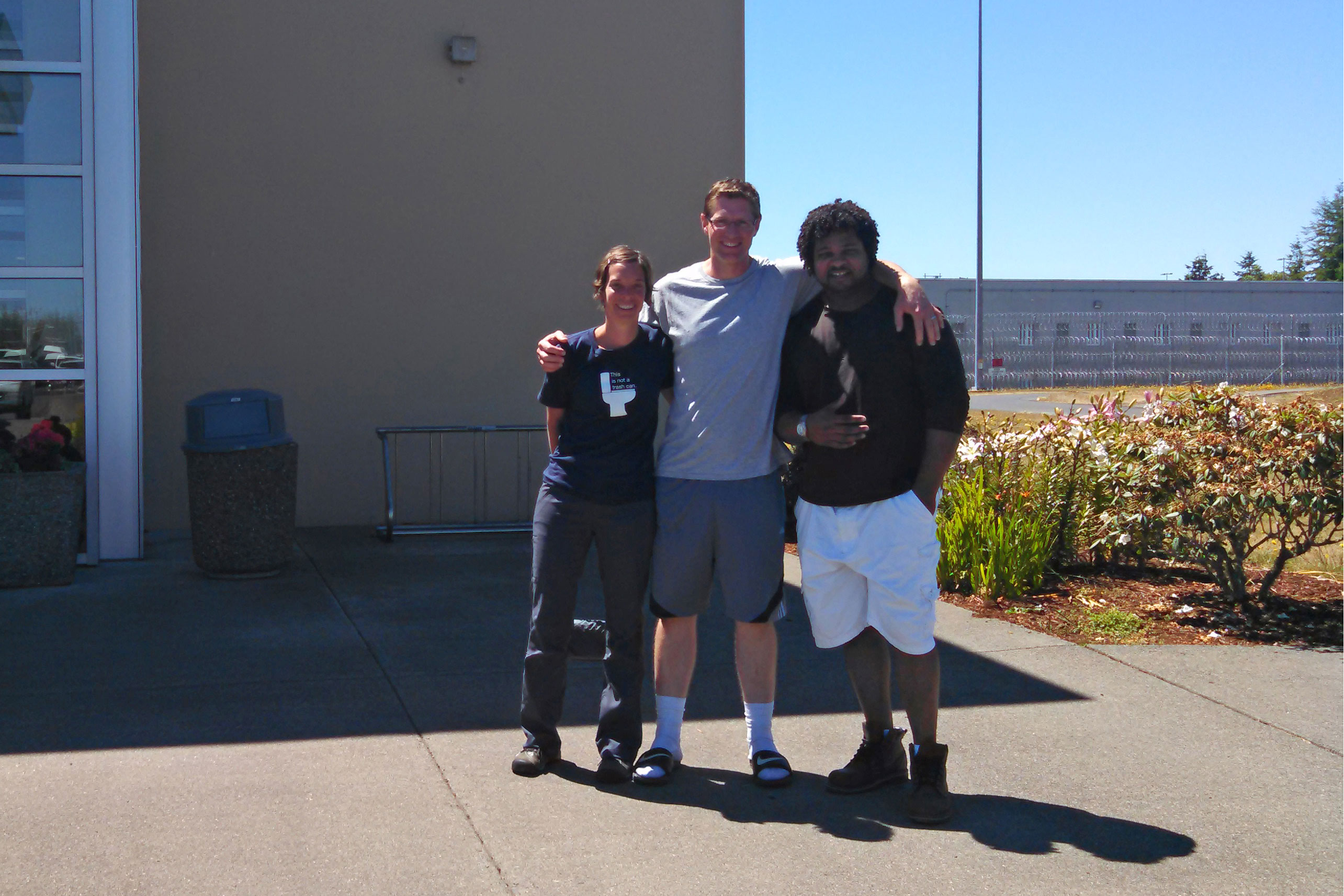
waste-water3-presenters
Kristin Covey, Brian Funk, and Jonathan C. Jones-Thomas, three experts in waste water treatment, co-presented to a mesmerized audience.

Walking into the prison was extremely stressful. In the back of my mind I knew I would be leaving in a matter of hours, but in my emotions…I waited to leave prison for 9 years 21 days and here I am inside again. But this time Brian and I have the reputation of SPP and wastewater industry professional, Kristin Covey, arriving and leaving with us. Walking through the breezeway, I looked at all the other fellow inmates thinking, “I wonder if they know I’m one of them.” Brian, having spent time at Stafford Creek Corrections Center, was greeted by a number of fellow inmates. It made me feel more comfortable knowing that they knew we too have walked that breezeway. By the time I got to the classroom I was ready to present. The fifty or so folks that showed up were ready to learn about the career opportunities in the wastewater industry. They didn’t know that I would bombard them with a lesson in life skills. Hopefully, Brian and I made it clear: you don’t get to get out of prison and maintain success in any industry, or life for that matter, without personal growth. Education is the key to a successful, sustainable transition back to society. It was awesome…
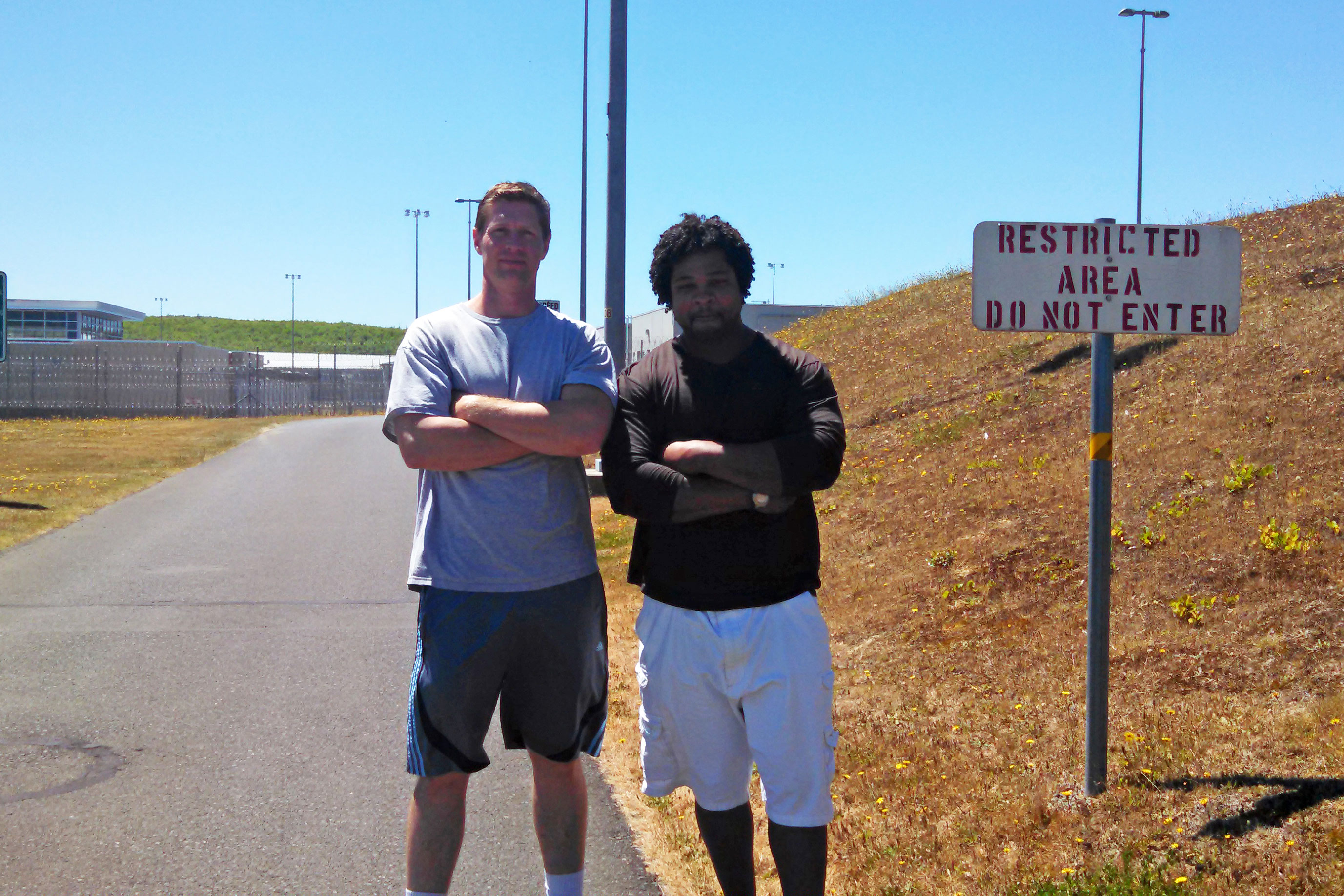
Brian and Jonathan C. Jones-Thomas learned about waste water treatment in-prison and went on to make it a career after release.
Brian Funk and Jonathan C. Jones-Thomas learned about waste water treatment while incarcerated, and they have turned their expertise into careers.

by SPP Program Manager, Kelli Bush

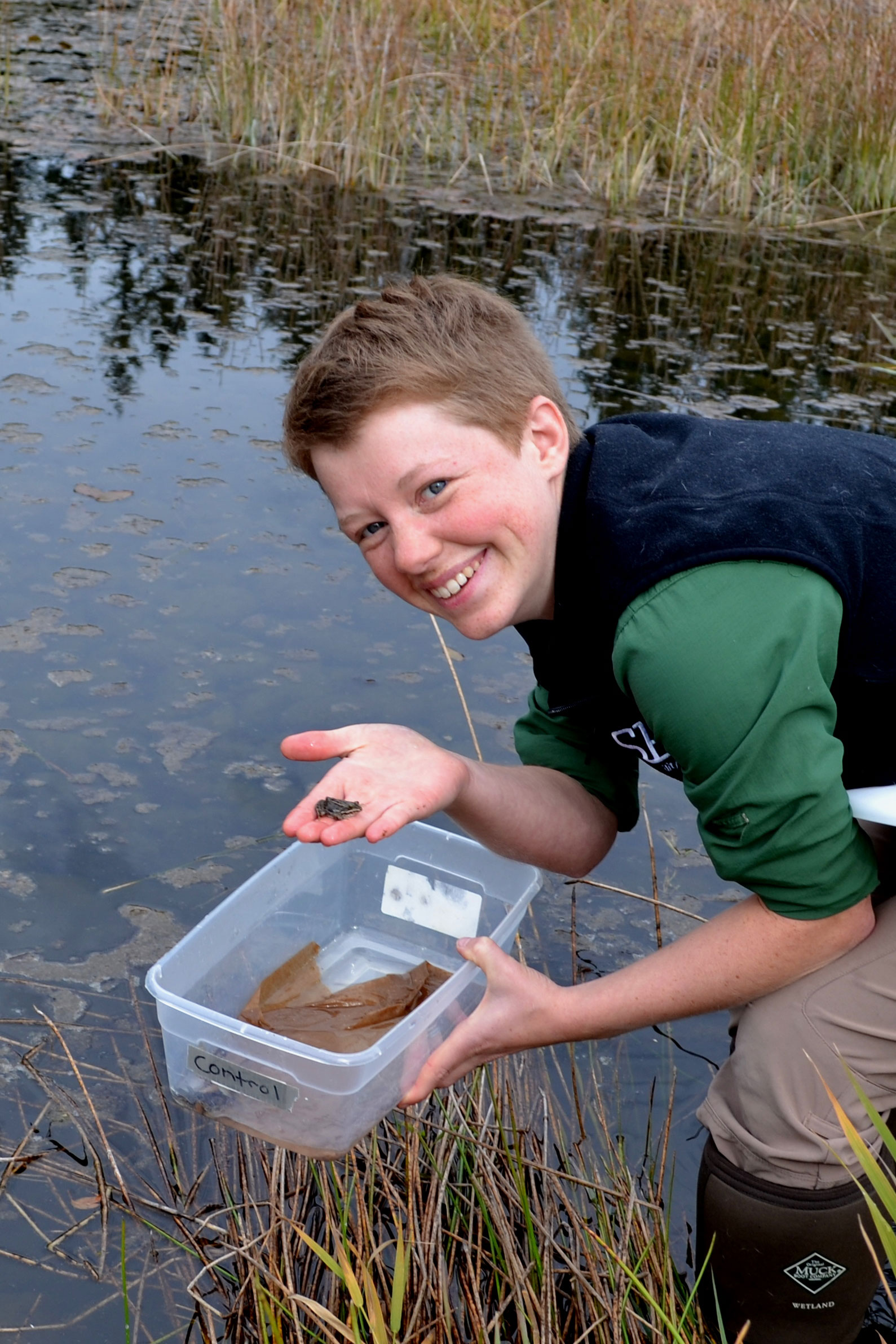
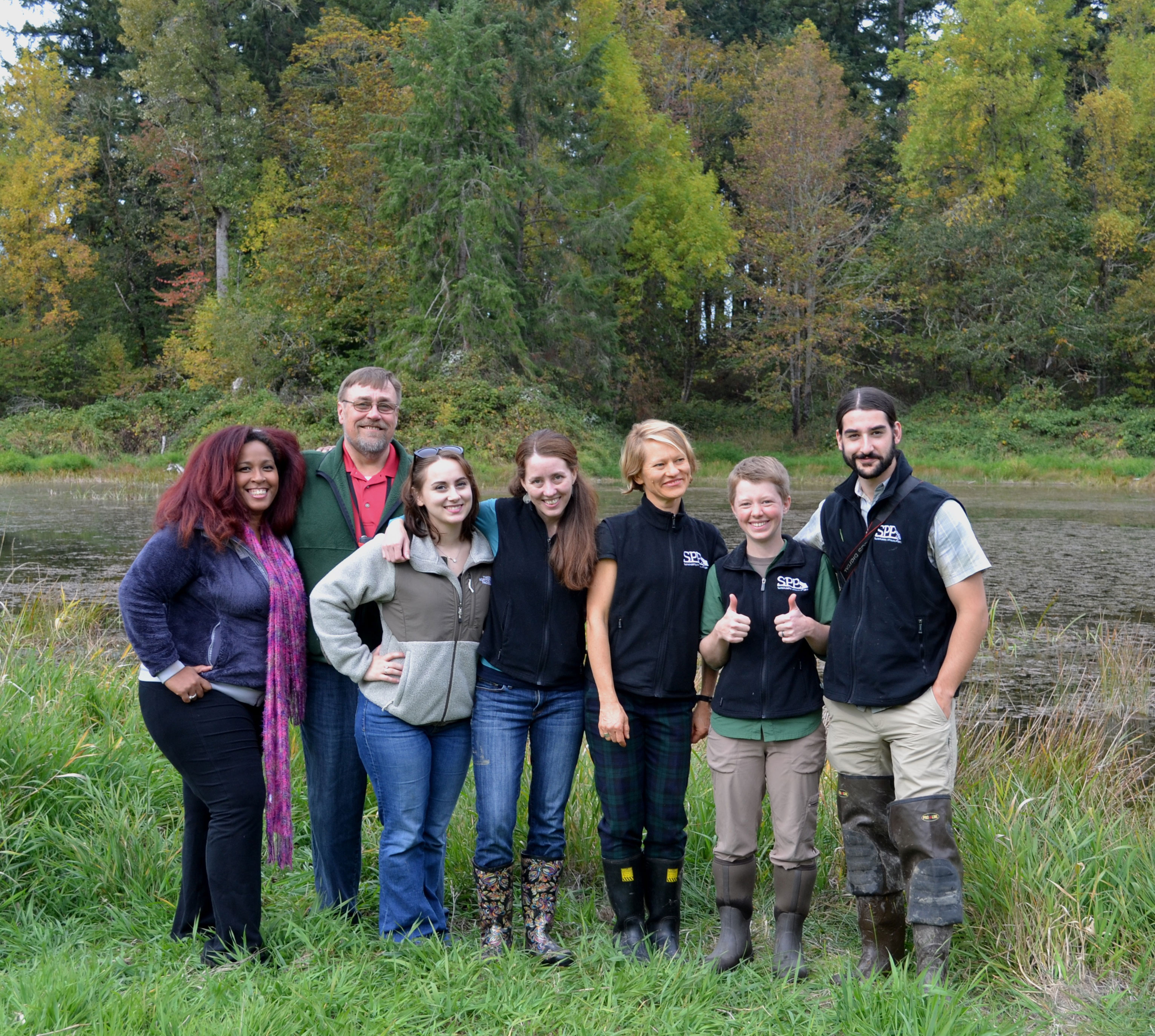
On October 6th, SPP partners from Department of Corrections and The Evergreen State College gathered with representatives from Joint Base Lewis-McChord, Washington Department of Fish and Wildlife, Northwest Trek, and Woodland Park Zoo to release frogs into a Pierce County wetland. This marks the sixth season of the partnership raising federally-threatened Oregon spotted frogs at Cedar Creek Corrections Center (Cedar Creek). It was a joyous occasion as all the partners gathered to release frogs from the three rearing programs.This year Cedar Creek raised 167 frogs and they have raised a total of 879 frogs since the program started in 2009.

frogs in hands
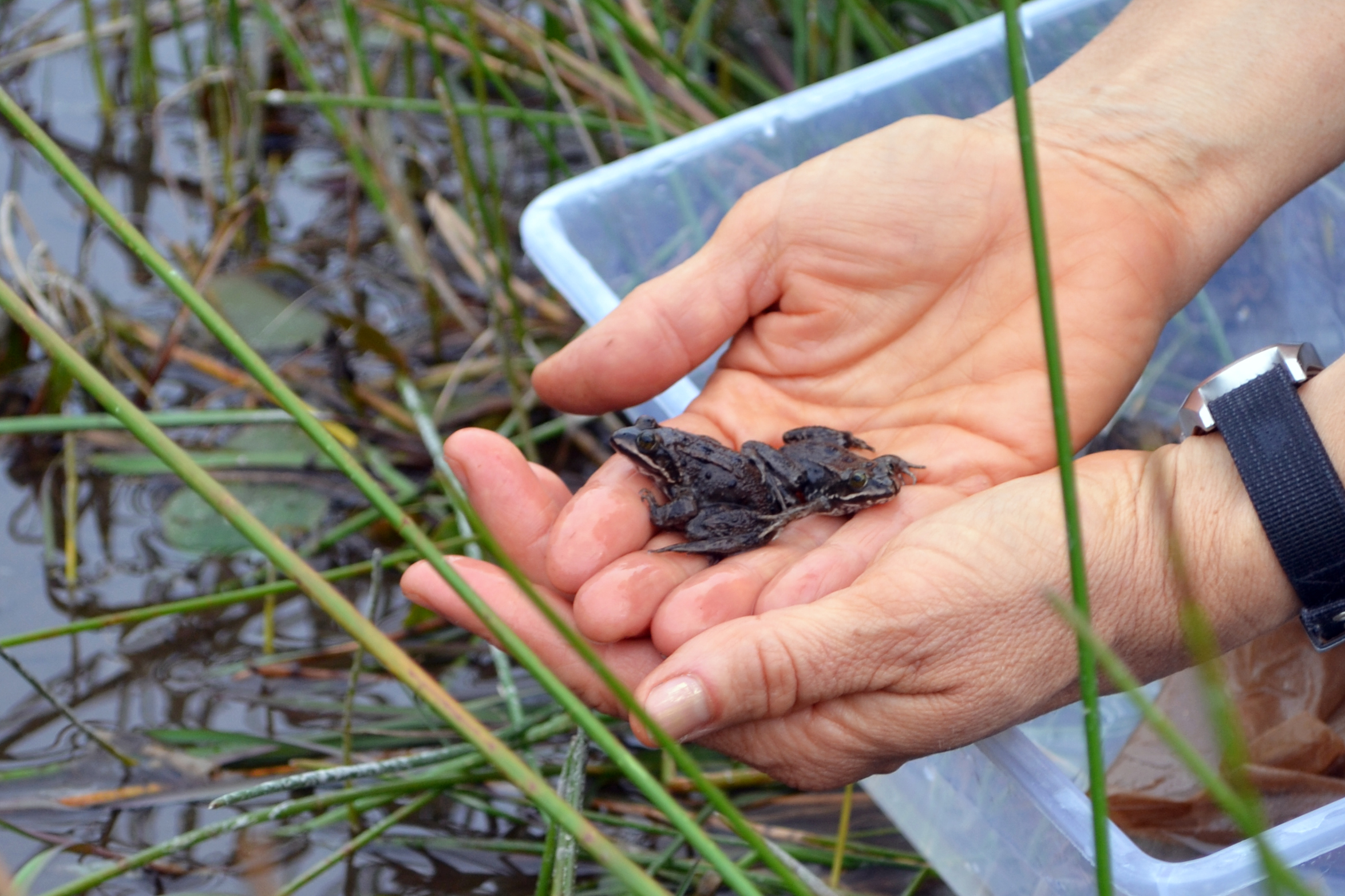
Two Oregon spotted frogs pause for moment before taking a leap into their new home. Photo by Sadie Gilliom.

The program is likely to end while scientists focus on learning more about effective recovery strategies. The likely suspension of the program provides an opportunity to reflect on successes and the many contributors who have dedicated their time to this effort.

MrAnglemeyer
Inmate Technician Mr. Anglemeyer saying goodbye to the frogs. Photo by Sadie Gilliom.

The Oregon Spotted Frog program is the first known prison animal conservation program in the United States. We were able to do this work because several key science partners were convinced that a collaborative program operated in prisons could contribute to species recovery. Special thanks to biologists Jim Lynch and Marc Hays for recognizing the potential of this program.

Since the program started, 13 inmate technicians have received herpetological training and education. SPP inmate technicians have matched the success of programs hosted at zoo facilities. The current technicians, Mr. Boysen and Mr. Anglemyer, have done excellent work!

Boysen-Learning-How-to-Measure-Frogs
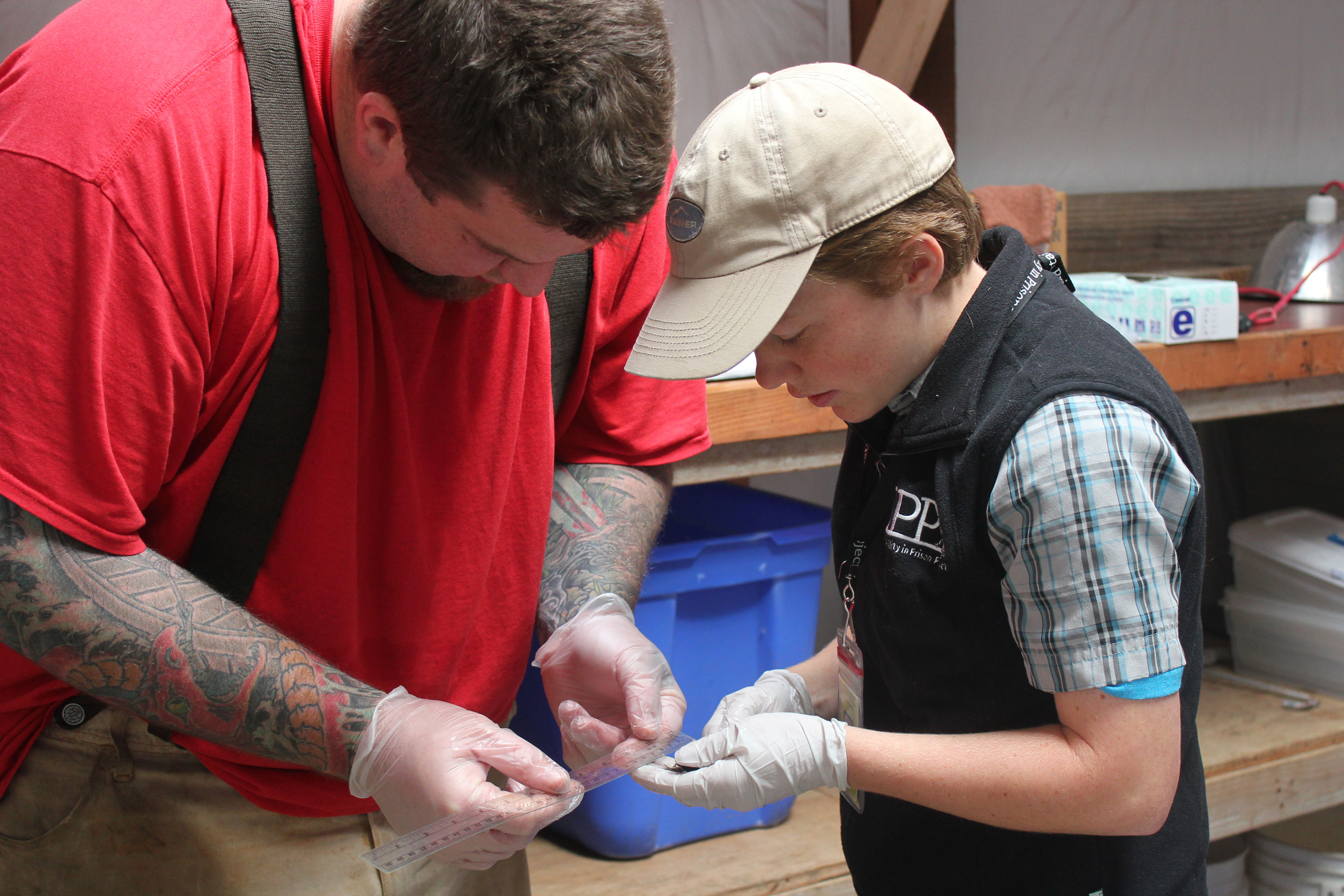
Mr. Boysen measuring frogs with Frog and Turtle Coordinator, Sadie Gilliom. Photo by SPP Liaison Ms. Sibley.

Four corrections staff have served as the SPP Liaison for the program. Each of these staff have accepted this work in addition to their regular duties. Thanks to Ms. Sibley, the current program liaison—her time and dedication has been so important to program operation. Also, special thanks to Superintendent Doug Cole for years of enthusiastic support for the program.

Ms
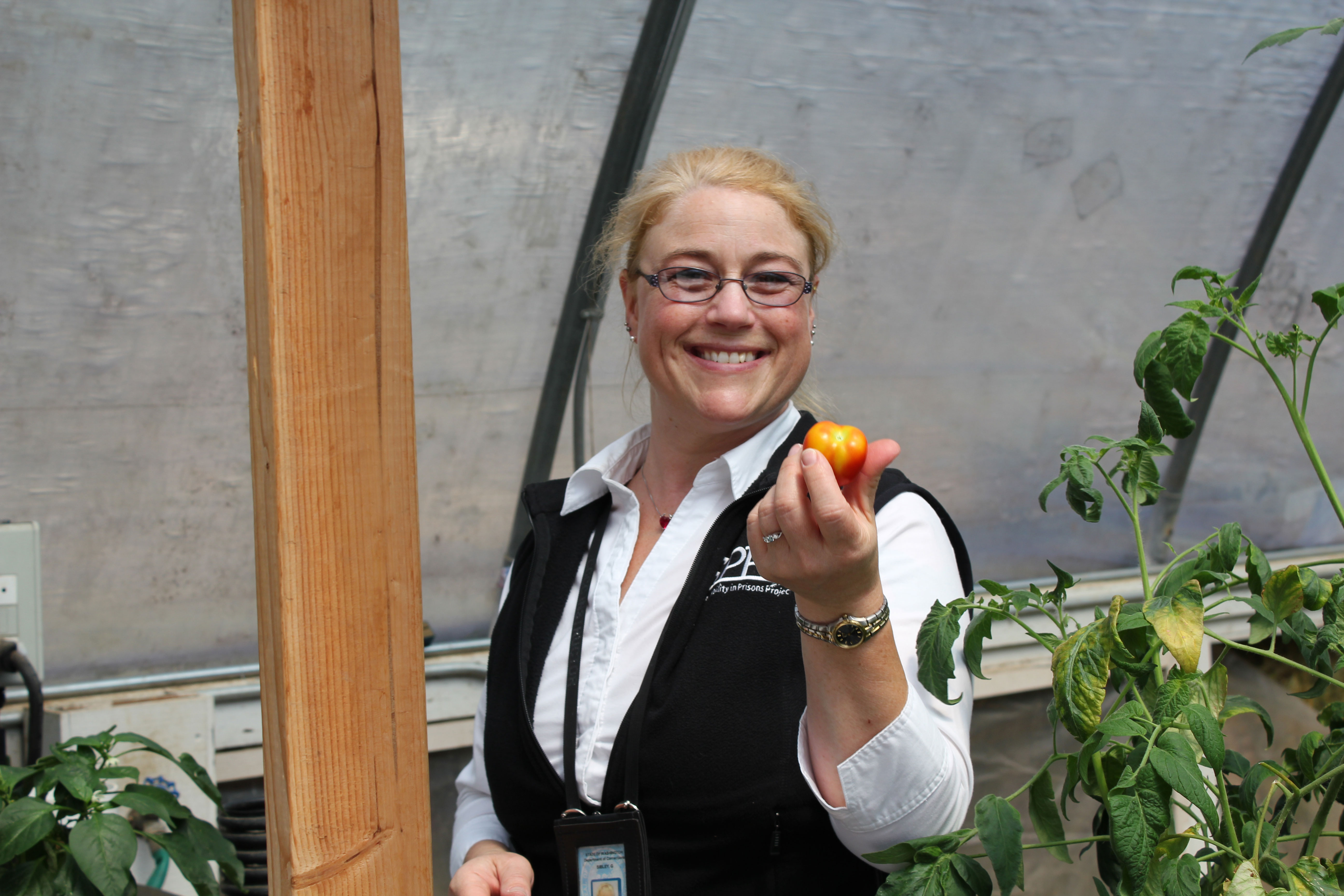
Ms. Sibley, SPP Liaison holding a tomato from the greenhouse. Photo by Joslyn Trivett.
Mr
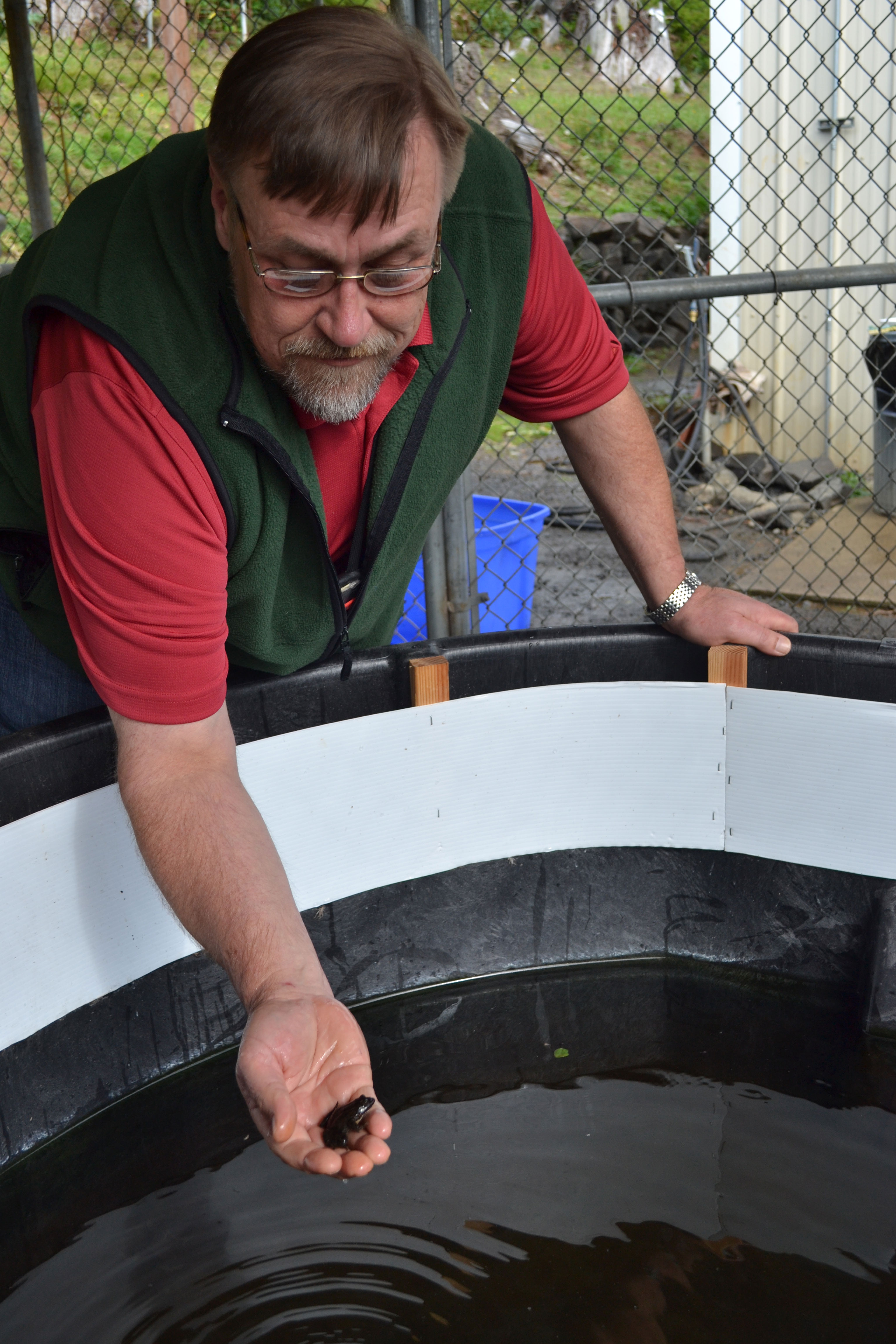
Superintendent Cole holding an Oregon spotted frog. Photo by Sadie Gilliom.

Six graduate students from Evergreen’s Masters of Environmental Studies program have served as program coordinator. Each student makes important contributions and improvements to the program. Sadie Gilliom is the current program coordinator. Sadie’s program contributions have included science seminars, animal behavior studies, and updated outreach materials.

Sadie-Posing-With-Smallest-Frog
Sadie Gilliom releasing a frog. Photo by Kelli Bush.

The Oregon Spotted Frog program at Cedar Creek paved the way for conservation programs in prisons. Through the success of this first program, collaborators proved conservation work can be done well in prisons, and that it can be rewarding for everyone involved.

As a result, new conservation programs have been started in Washington prisons and prisons in other states. SPP partners at Cedar Creek will continue caring for Western pond turtles, another species in need. Now that the frogs are gone we will be keeping an eye out for new science and sustainability programs to introduce to the prison. May these new programs be as successful as the frogs!

Group-Shot
The SPP frog release team. Photo by frog recovery team collaborator.