Teams meet again to complete the launching of six new SPPs!

by Joslyn Rose Trivett, Interim Program Manager
photo(3)

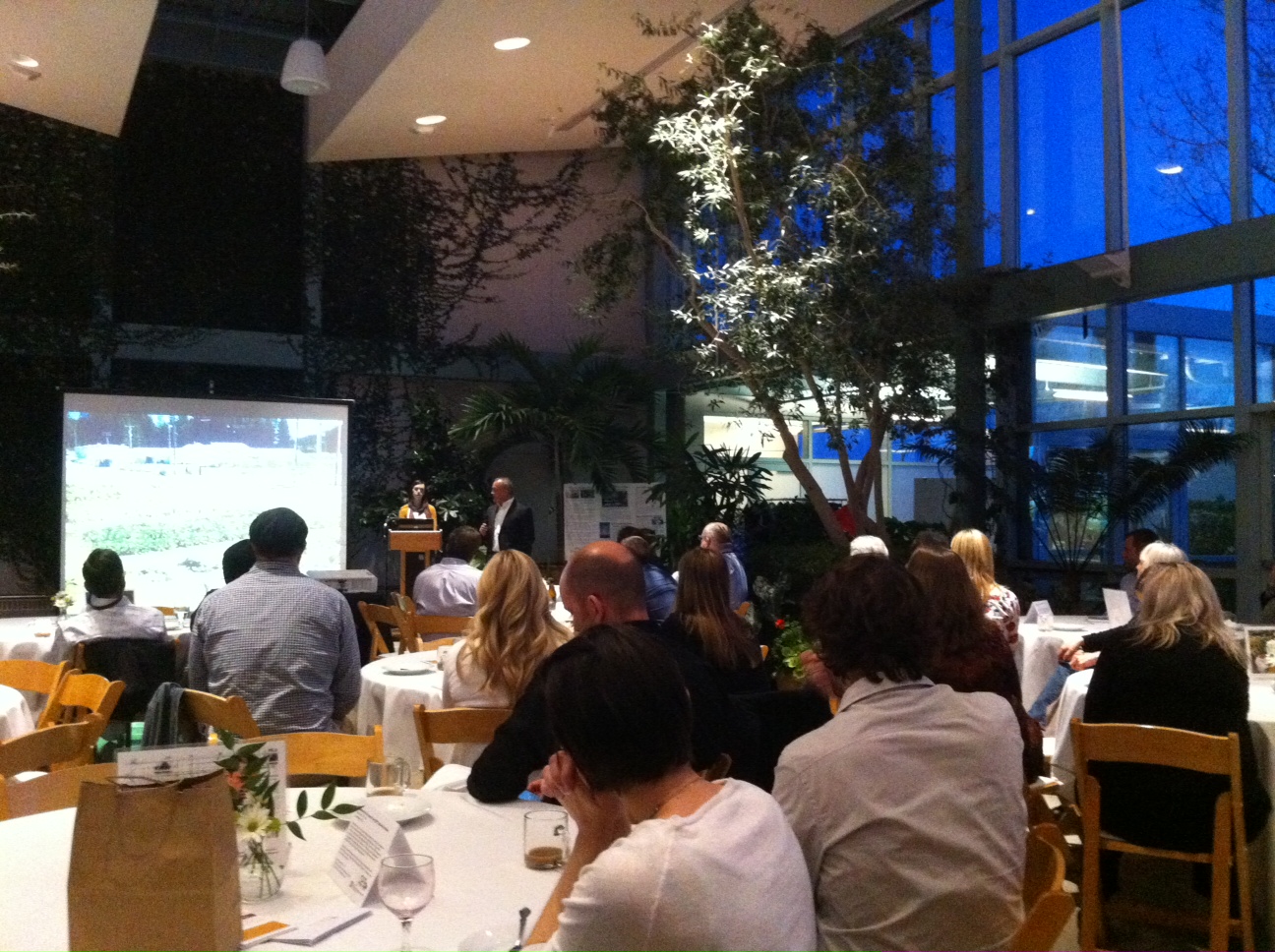
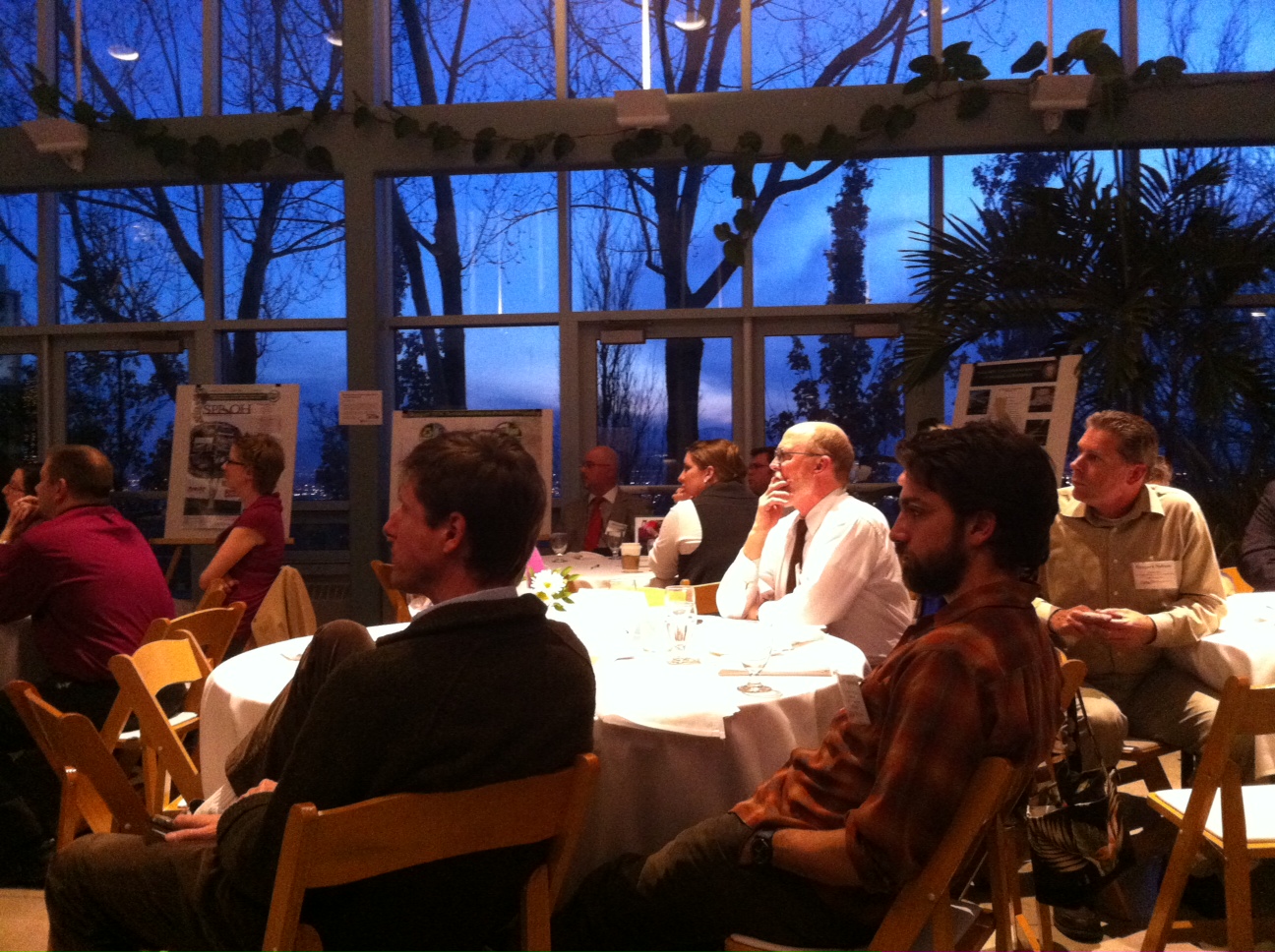
Teams from the states of Oregon, Ohio, Maryland, California, and Washington as well as Multnomah, Santa Clara, and Los Angeles counties were hosted by the Utah team for a two and half day workshop. The workshop was the bookend to the conference held in Olympia back in September. Both meetings were funded by the National Science Foundation (NSF)–SPP Co-Director, Carri LeRoy and Senior Advisor, Nalini Nadkarni secured the funding to help new teams initiate programming based on the SPP model, and create an SPP Network. The same teams attended both meetings, and it was exciting and fun to be reunited.

Paul Sheldon, an expert in sustainable operations in prisons nation-wide, also attended both meetings, and at the second we gained Tommy Norris, Director of GreenPrisons.org. At the Utah workshop we were also blessed by the expertise of Sarah Galgano of the Vera Institute and Kathleen Gookin of Criminal Justice Planning Services, Inc. Conference evaluator Chuck Lennox of Cascade Interpretive Consulting LLC and facilitator Eric Mitchell of Fifth Ocean Consulting provided guidance on Network visioning, structure, and strategy. These experts’ diverse perspectives enriched the conversations and the outcomes of the workshop.

The agenda was action-packed, and communications ranged from tackling difficult questions to wide-ranging dreams for the future. Every team presented highlights of their progress and plans, and we were dazzled at how far they had come in six months. The group discussed tools created by our SPP-WA team that will support the Network and gave feedback and ideas for how the Network may best meet their future needs. I feel gratified at the efforts of our hosts and every team who attended. There was a great showing of optimism, creativity, and good humor. May we all meet again soon!

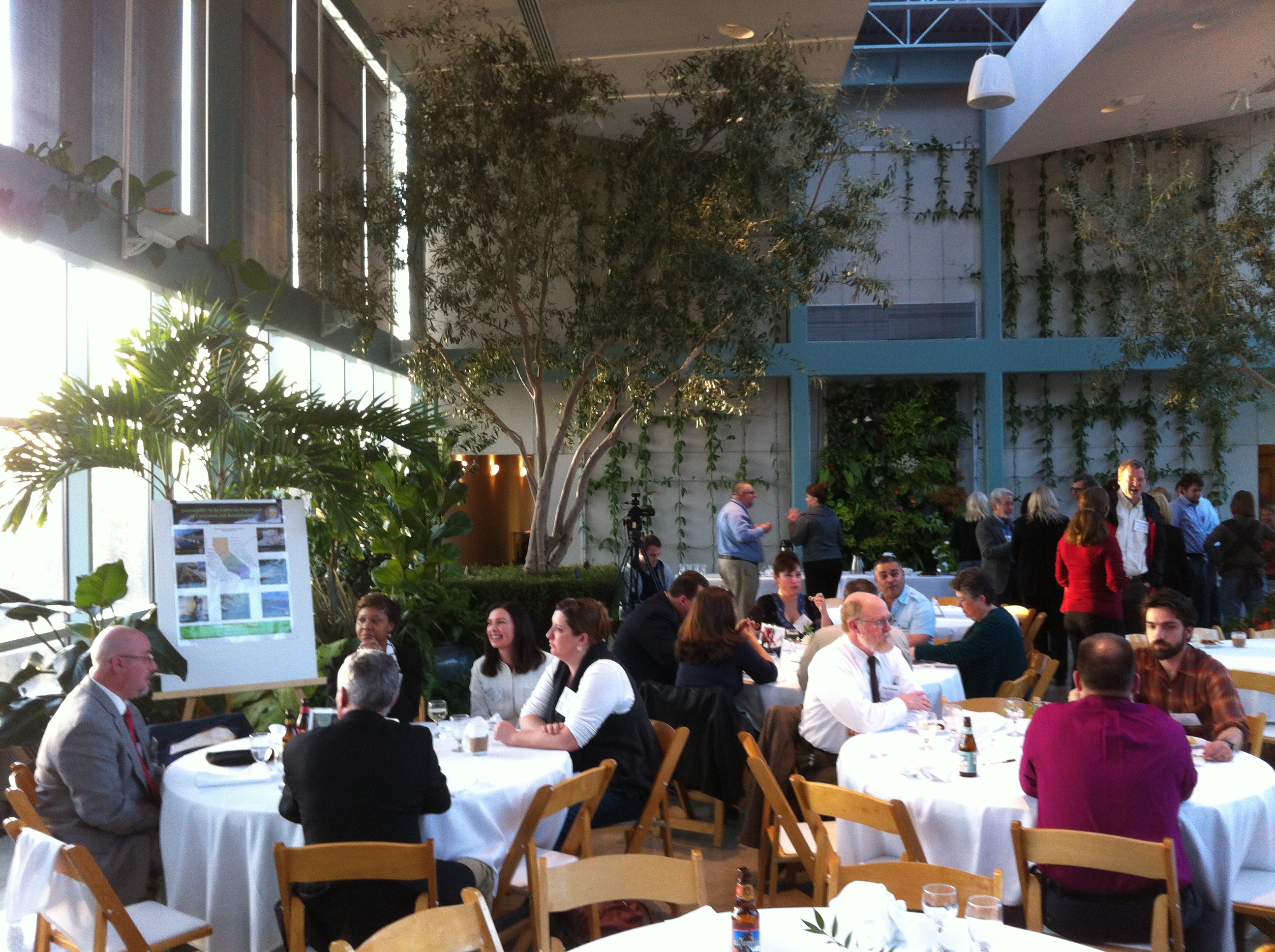
All photos are from the gala at the lovely Orangerie, an event that also included invites from local conservation, education, and restoration organizations. SPP Co-Director Dan Pacholke and Graduate Research Assistant Andrea Martin performed their TEDx talk and it was even better than the original. In addition, it was exciting to hear former inmate Craig Ulrich speak about his life-changing experiences with SPP-WA and current PhD research, and Tami Goetz (UT Legislative Science Advisor) discuss the need for expanded STEM (science technology engineering and mathematics) education. Hats off to SPP-UT for a terrific workshop!
photo(1)

photo(5)

by Graduate Research Assistant Dennis Aubrey

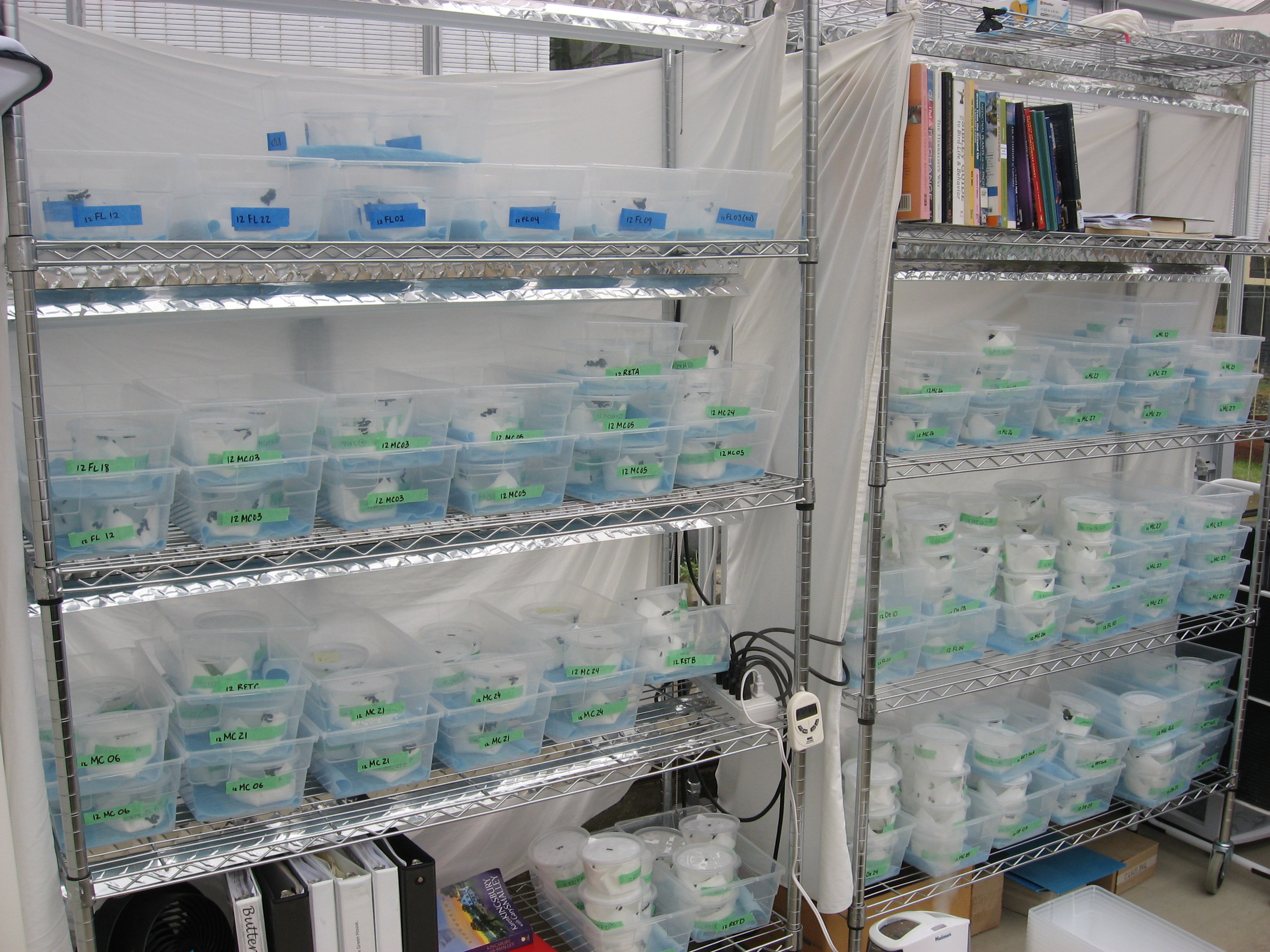
Over 3500 caterpillars were at Mission Creek, waiting to be released


Diapause Survival

Congratulations and thanks are in order for the Taylor’s checkerspot butterfly technicians and staff at Mission Creek Corrections Center for Women (MCCCW), and everyone else who supports the program at Evergreen, the Washington Department of Fish and Wildlife (WDFW), the US Fish and Wildlife Service (USFWS), and the Oregon Zoo. To recap, last season we produced 3624 eggs, which was 180% of our target, then the caterpillars that hatched from those eggs reached summer diapause with 96.6% survivorship. For eight months they have been sleeping in small insect cups beneath overturned terra cotta pots, but now they are awake again and the numbers are in: 98.9% diapause survival.

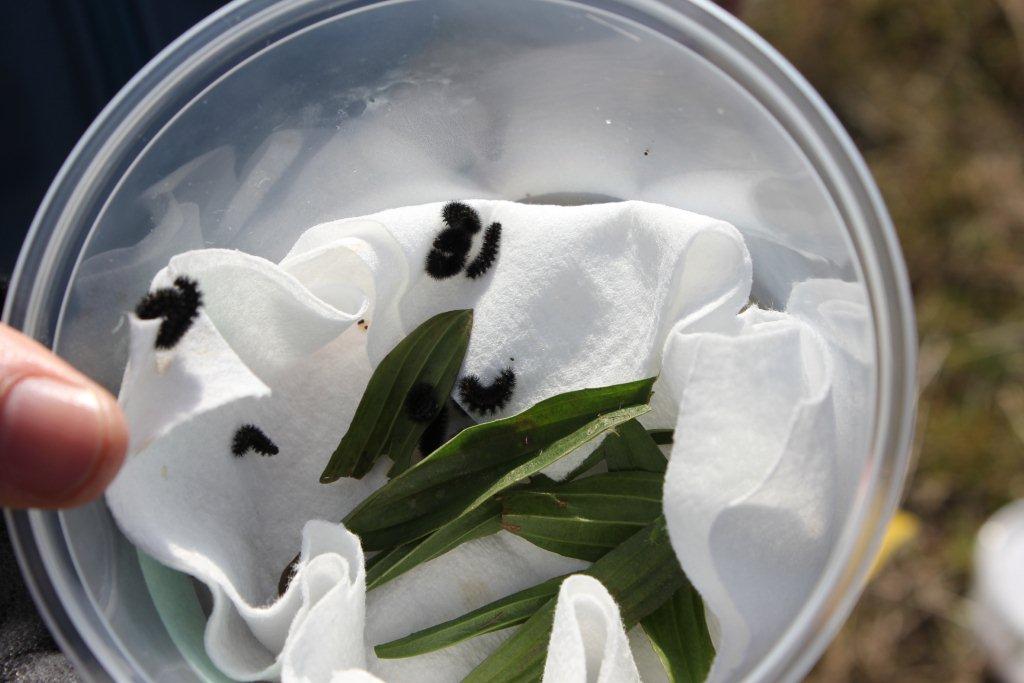
Fifteen Taylor's checkerspot caterpillars waiting to be released
Fifteen Taylor’s checkerspot caterpillars waiting to be released

After spending the summer being pampered by the inmate technicians at Mission Creek, the bulk of our caterpillars were transported to the established diapause facility at the Oregon Zoo. Five hundred were left behind as a trial group since it was our first season and we wanted to test the over-winter conditions at the greenhouse before risking a whole cohort. Of those five hundred, 100% survived! As always, our success is a credit to the meticulous, dedicated, and compassionate care provided by the inmate technicians. Every step of the way they have gone the extra mile, checking every detail twice as often as required, keeping records that no one ever asked them to take, and proving with every stage’s success that the faith placed in their abilities by our partners was well warranted.

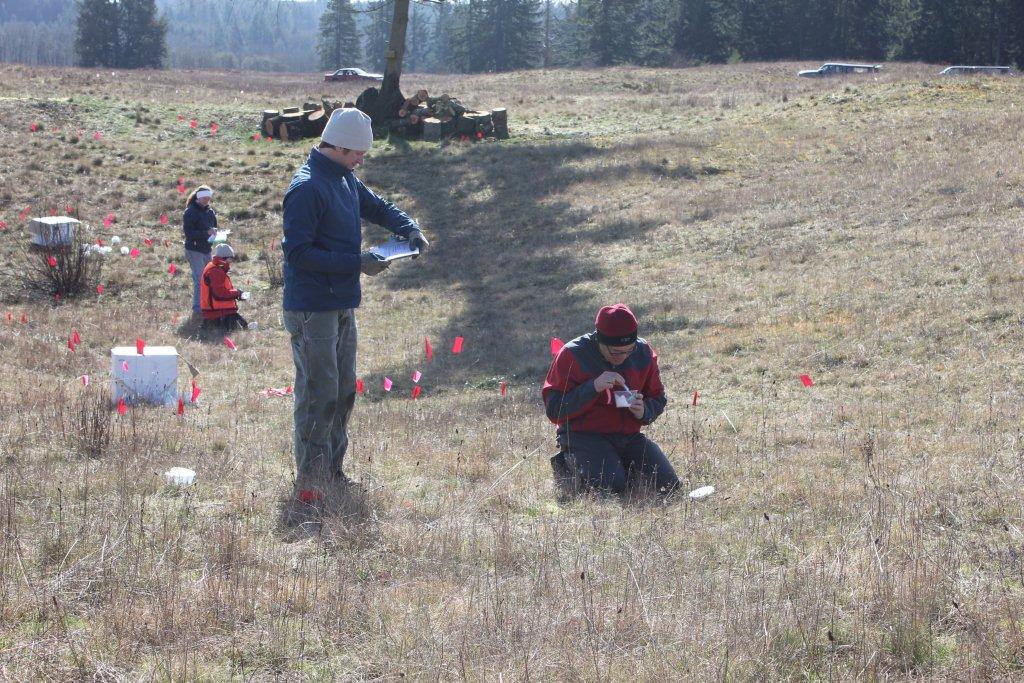
Two teams releasing caterpillars at Glacial Heritage Preserve, near Littlerock, Wa

Post-diapause release

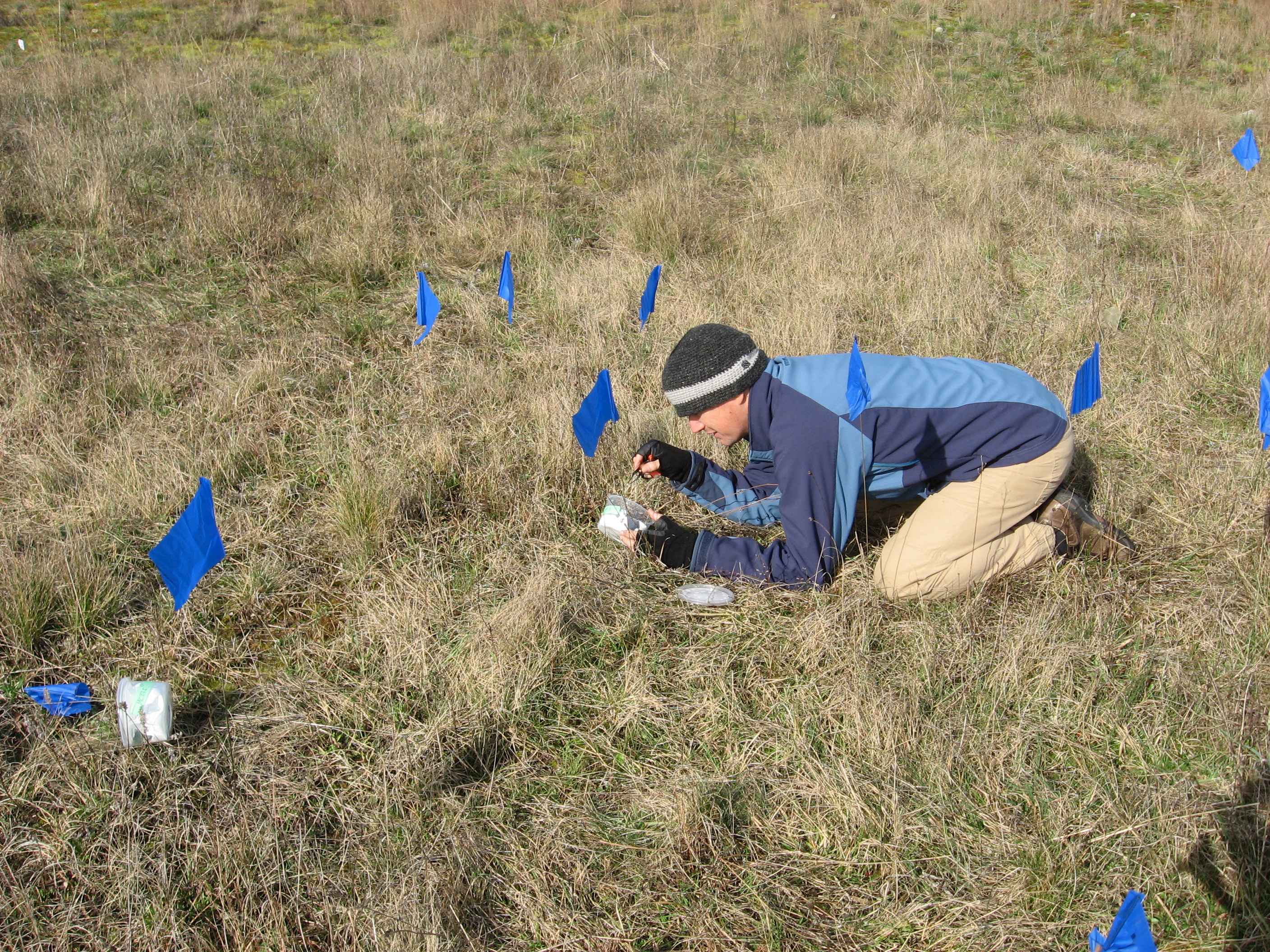
About 3400 of our federally threatened caterpillars are now munching leaves on the prairies at Glacial Heritage Preserve and Scatter Creek Wildlife Area, raising the total number of animals released the butterfly program at MCCCW from 701 to over 4000! Our biggest release of the year is just a week after diapause wake-up, so we had a wild week at MCCCW trying to feed breakfast to so many animals. Our supply of food plants was dwindling rapidly, but relief was in sight: sunny weather was forecast for Monday, March 4. We filled up seven coolers with caterpillar cups and sent them out to the prairie. Once there, a team of about ten biologists, students, and volunteers spent the day crawling backwards from host plant to host plant depositing 2-5 caterpillars on each one. It’s a painstaking process, but it’s important to make sure that the animals have enough host plant material to give them a good chance of making it to pupation, sometime in April.

SPP Graduate Research Assistant Dennis Aubrey helping caterpillars find new homes

Just 185 caterpillars remain in the captive colony at MCCCW. These are considered our “backup breeders”. We will raise them to adulthood so that we can rely on them for eggs if anomalous weather or some other unforeseen event causes wild populations to crash. Every year we aim to produce a new generation from wild-caught females, but the colony of backup breeders is arranged to maintain maximum possible genetic diversity for as long as possible just in case. The butterfly technicians at MCCCW are out there every day taking care of those 185 special recruits, giving them fresh leaves and raising them up like athletes in case they have to pitch in to help save their species.

 Taylor's checkerspot caterpillars enjoying some tasty leaves after being released

Taylor’s checkerspot caterpillars enjoying some tasty leaves after being released

by Sophie Hart, SPP volunteer

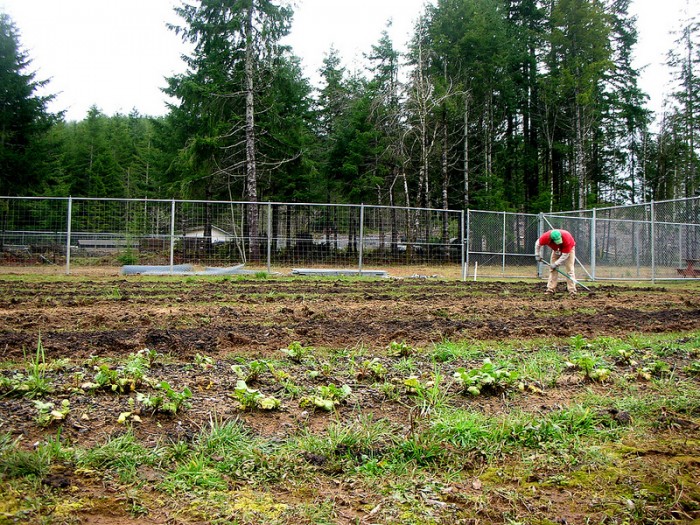
Inmate prepping the beds for seed sowing.

About a month ago, I began volunteering in the gardening programs at Cedar Creek Corrections Center (CCCC) through the Sustainability in Prisons Project (SPP). My experiences at CCCC have been very positive. I find myself really looking forward to my time spent there each week. It has been great working with the staff, from superintendant Douglas Cole, programs manager Charlie Washburn and volunteer coordinator Kim Govreau, to the officers I encounter each week. All have been welcoming of my efforts and presence, and I am especially thankful for their support and dedication to the gardening programs. I think they have truly tough jobs, and I am impressed by the positive attitudes and spirit they bring to their work. I see them show respect to inmates, and get respect in return.

I am grateful, too, to be working with a group of hard-working inmates. They seem to enjoy their work, and have responded kindly and welcomingly to my input. When I first began volunteering, I was worried about establishing my role with them. Recently, though, we have been so busy measuring garden plots, discussing what seeds to order and preparing the beds for Spring planting that I haven’t had much time to dwell on the fact that I’m in a prison working with inmates. They don’t do much to remind me of that either.

Of course, I am reminded whenever an inmate opens up about what led them to CCCC. And every time I hear myself called “Ms. Hart.” And when I am buzzed-through the control office to get to the gardens outside the fence. But when the inmates discuss their experiences working on the gardens, they remind me of any other gardener. Some talk about their time in the greenhouses as a reprieve from their daily lives, and the gardens as their own space to take care of. This month, everyone is itching to get growing.

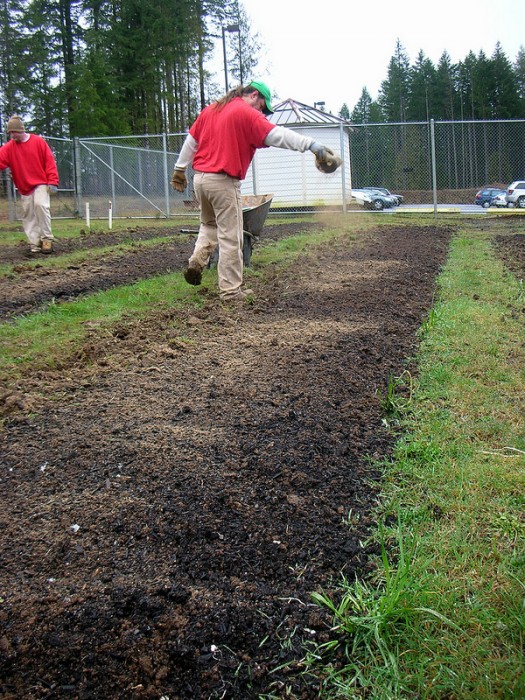
Inmates applying a blend of organic fertilizers to the beds.

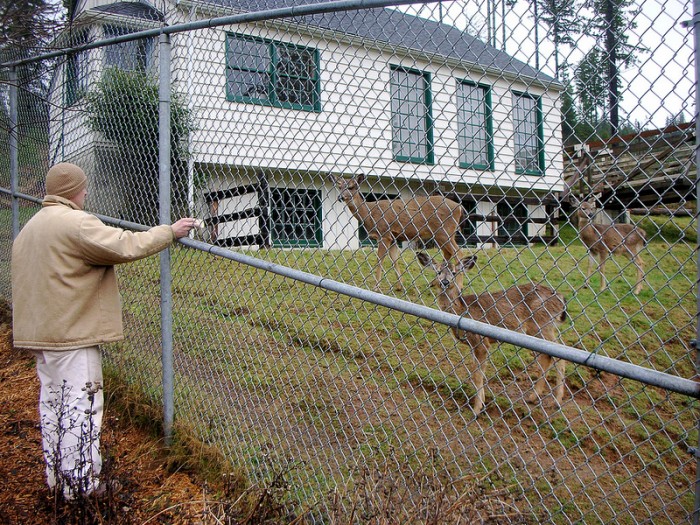
In the brief time I have spent at CCCC, I can tell that SPP doesn’t only impact the inmates by providing interesting and engaging jobs, but the programs also affect the way the facility is perceived, by staff and prisoners alike. On my first visit to the prison, Mr. Cole led our group on a tour of the prison grounds, stopping at their many different gardening plots. We discussed the history of each plot: what was planted there before, how the soil behaved, how it was watered. When I asked about pests, I was told about their deer problem: the gardening spaces that are situated outside of the fence are frequently munched on by deer coming out of the (seriously beautiful) surrounding state park. Mr. Cole then laughed and jested that the fence wasn’t actually there to keep the men inside, but really to keep the deer out. An inmate challenged that it still wasn’t doing a very good job of keeping out the raccoons who love to rummage in the open compost heaps. Suddenly, the tall, chain-linked, razor-wire fence lost some of its edge. I remember this story and smile when I see it, imagining stealthy raccoons successfully navigating corrections’ security system to sneak in to the prison to steal from the gardens.

Inmate watches hungry deer eyeing the garden plot.