It is the biggest week for giving in the United States. As you are opening your huge hearts, we ask you to choose SPP for your end-of-the-year donations.

Our core value is partnerships with multiple benefits, and we strive to maximize the positives for everyone involved. That includes you!

Participants of the first national meeting for SPP on tour at Cedar Creek Corrections Center; here they are visiting the Oregon spotted frog rearing program. Photo by Shauna Bittle.

SPP programs have proven to be models of sustainability on multiple levels: socially, economically, and environmentally. The success of our programs has brought daily contacts from folks across the state, country, and around the world who want SPP programming where they live. We need more staff to help them get started—to develop and deliver trainings, help them find partners, and stay connected so that we can all learn from each other.
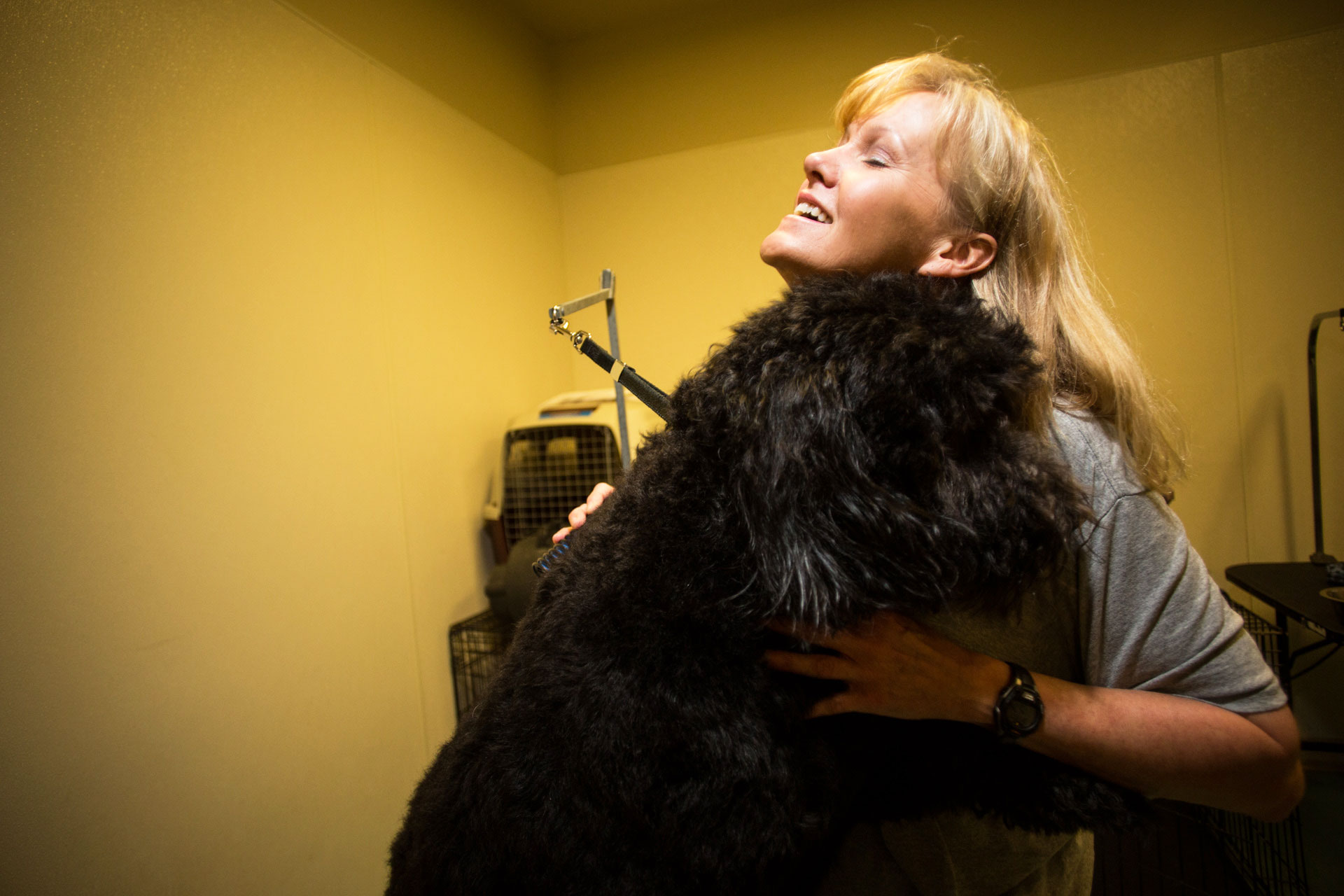
A dog trainer in the Prison Pet Partnership at Washington Corrections Center for Women shares a blissful moment with her trainee. Photo by Benj Drummond and Sara Joy Steel.
A dog trainer in the Prison Pet Partnership program at Washington Corrections Center for Women shares a blissful moment with her trainee. Photo by Benj Drummond and Sara Joy Steele.

SPP is all about partnership, and we want you as a partner. Join us in bringing new educational and environmental programs to the incarcerated: you can help us raise frogs, grow vegetables for prison menus and food banks, train service dogs, and raise bees, and all while reducing our ecological footprint.

To donate to SPP, use this link. Thank you and have a wonderful new year. We will see you again in 2014!

SPP Graduate Research Assistant Brittany Gallagher helps an Oregon spotted frog take its first leap into the wild. Photo by Matthew Williams of the New York Times.

Beekeeping Behind Bars

By Tiffany Webb, SPP Education and Evaluation Coordinator

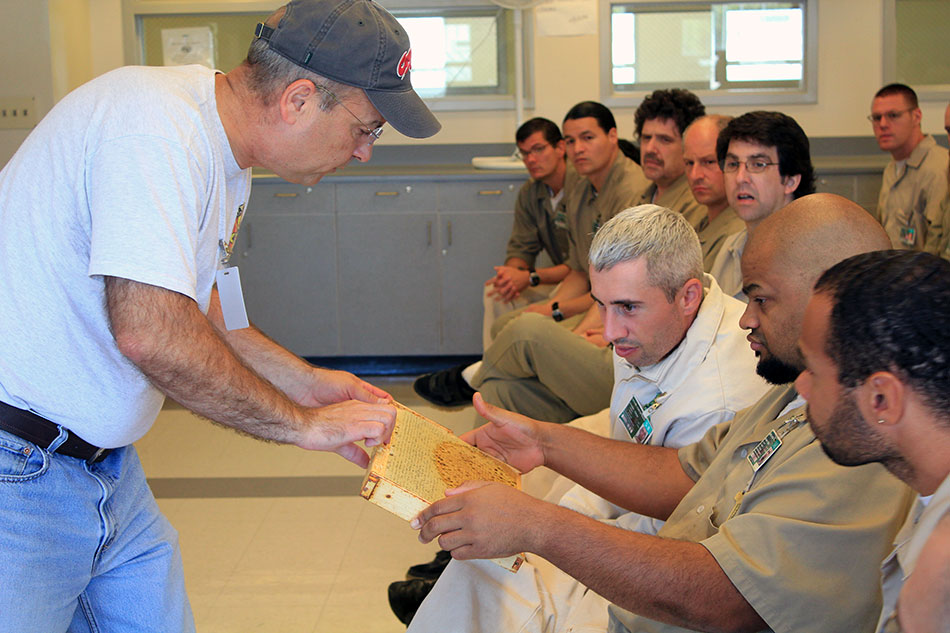
This fall, inmates gathered with enthusiastic faces for a presentation from the Olympia Beekeeper’s Association. The presentation was hosted by Stafford Creek Corrections Center (SCCC) as part of the SPP Science and Sustainability Lecture Series. Renzy and Laurie of the Olympia Beekeeper’s Association covered bee behavior, needs, habitats, a beginner lesson on beekeeping, and how to become a certified beekeeper in Washington.

David Supensky, Olympia Beekeeper’s Association, describes to inmates how bees form detailed structures.
Renzy Davenport, Olympia Beekeeper’s Association, describes to inmates how bees form detailed structures.

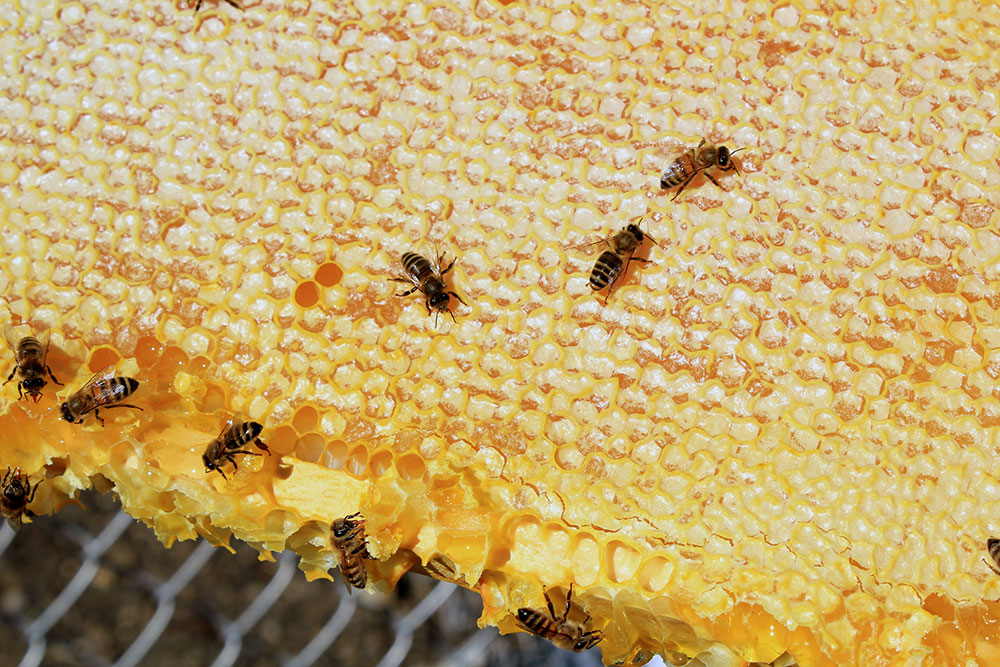
Many of the inmates in attendance have the opportunity to work directly with bees, as SCCC houses thousands of bees in three hives. Because of their opportunity for direct experience with beekeeping, inmates showed enthusiasm and energy for the lecture, and offered an incredible assortment of questions for the beekeeping experts.

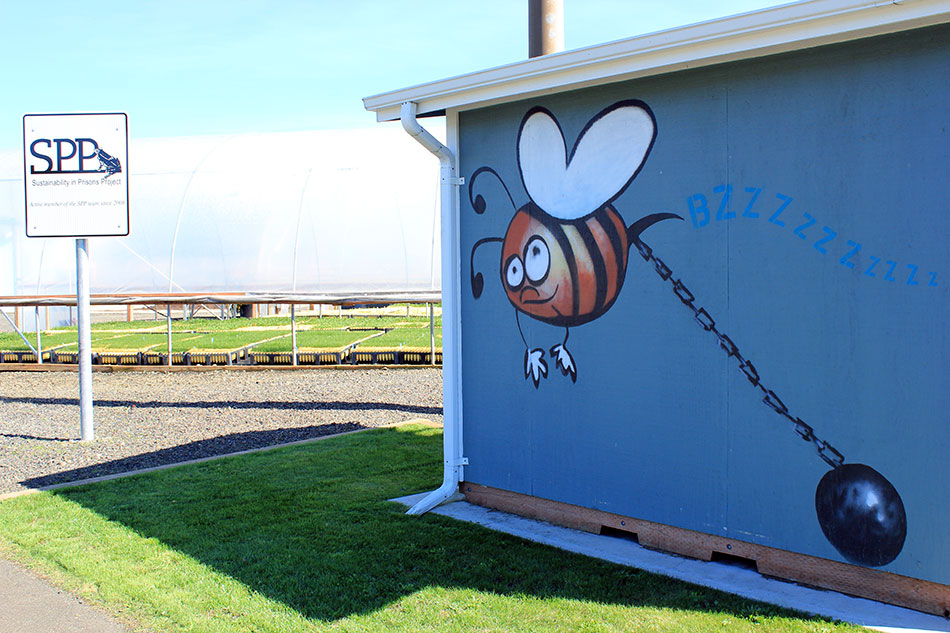
Housing for bee boxes at Stafford Creek Corrections Center.

Following the lecture, Renzy and Laurie met with Chris Idso, the SPP liaison at SCCC, and other DOC staff and inmates who are involved with beekeeping. The experts guided the group’s work to reorganize and improve the structures of the prison’s bee boxes. After more than an hour, the beekeepers answered final questions and departed from Stafford Creek Corrections Center, leaving an abundance of useful information on beekeeping for inmates and staff alike.

Claudia Supensky, Olympia Beekeeper’s Associate, talks with inmates about beekeeping practices at SCCC.
Laurie Pyne, Olympia Beekeeper’s Association, talks with inmates about beekeeping practices at SCCC.

The Sustainability in Prisons Project and WDOC staff at Stafford Creek are working with the Olympia Beekeeper’s Association to implement a beekeeper certification program at the prison. Inmates wait eagerly for the opportunity to gain the skills and knowledge associated with beekeeping that they will be able to take with them upon release. For many, this is a chance to learn a useful skill while behind bars, and develop an affinity for environmentally relevant work.

Olympia Beekeeper's Association shows inmates the best ways to organize the hive.
Olympia Beekeeper’s Association shows inmates the best ways to organize the hive.

Check out the Olympia Beekeeper’s Association HERE.