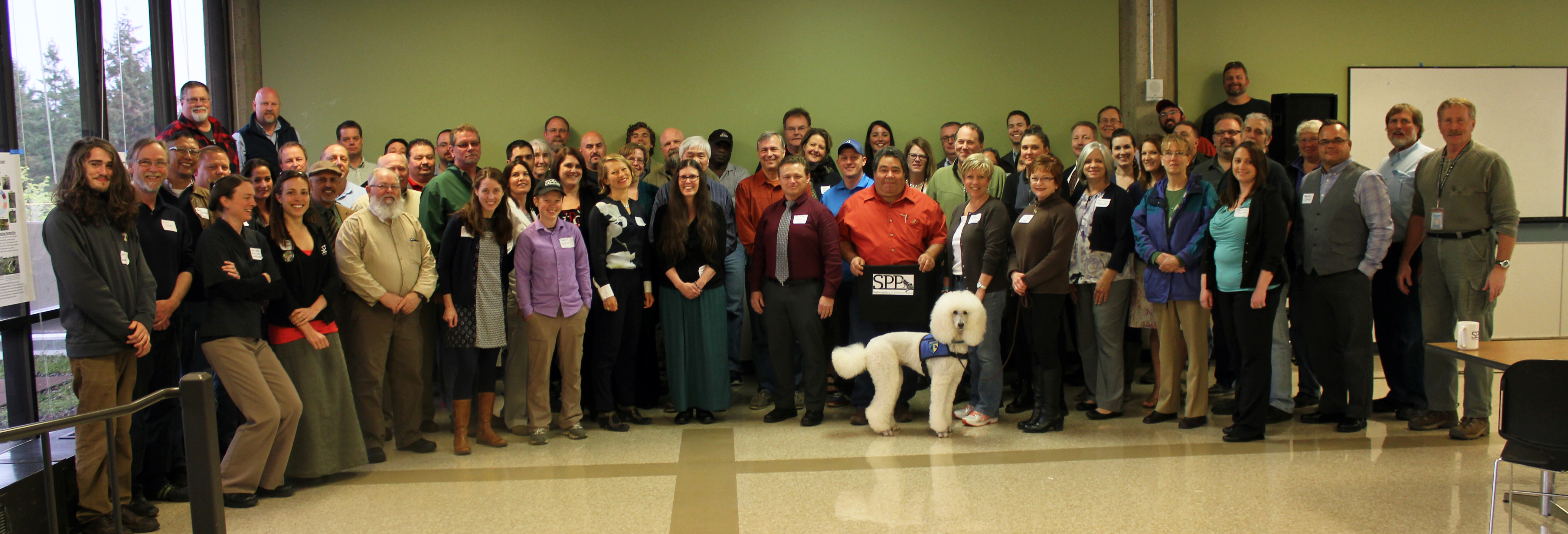
Summit 2015 attendees and SPP staff. Photo taken by Zandra Jones

by Zandra Jones, SPP Program and Administrative Assistant

On Wednesday April 23rd and Thursday April 24th, 2015, SPP hosted a Washington State Summit at The Evergreen State College (Evergreen). As a fairly new SPP staff member, the Summit was my chance to dive right into all things SPP. I personally could not have asked for a better introduction to this fantastic partnership. Not only did I spend time with a plethora of intelligent, passionate guests, I was able to spend ample time collaborating with my hardworking new colleagues to host a productive and memorable event. The two-day Summit was a major success, with more than 100 attendees from all across Washington State, as well as a few from Oregon and California.

Attendees were welcomed by Les Purce, Evergreen’s President. He delivered a motivating speech, his enthusiasm setting a positive energy for the gathering. Shortly after, Carri LeRoy, SPP Co-director and Stephen Sinclair, SPP Senior Advisor for Prisons, gave the group an SPP Statewide Overview.
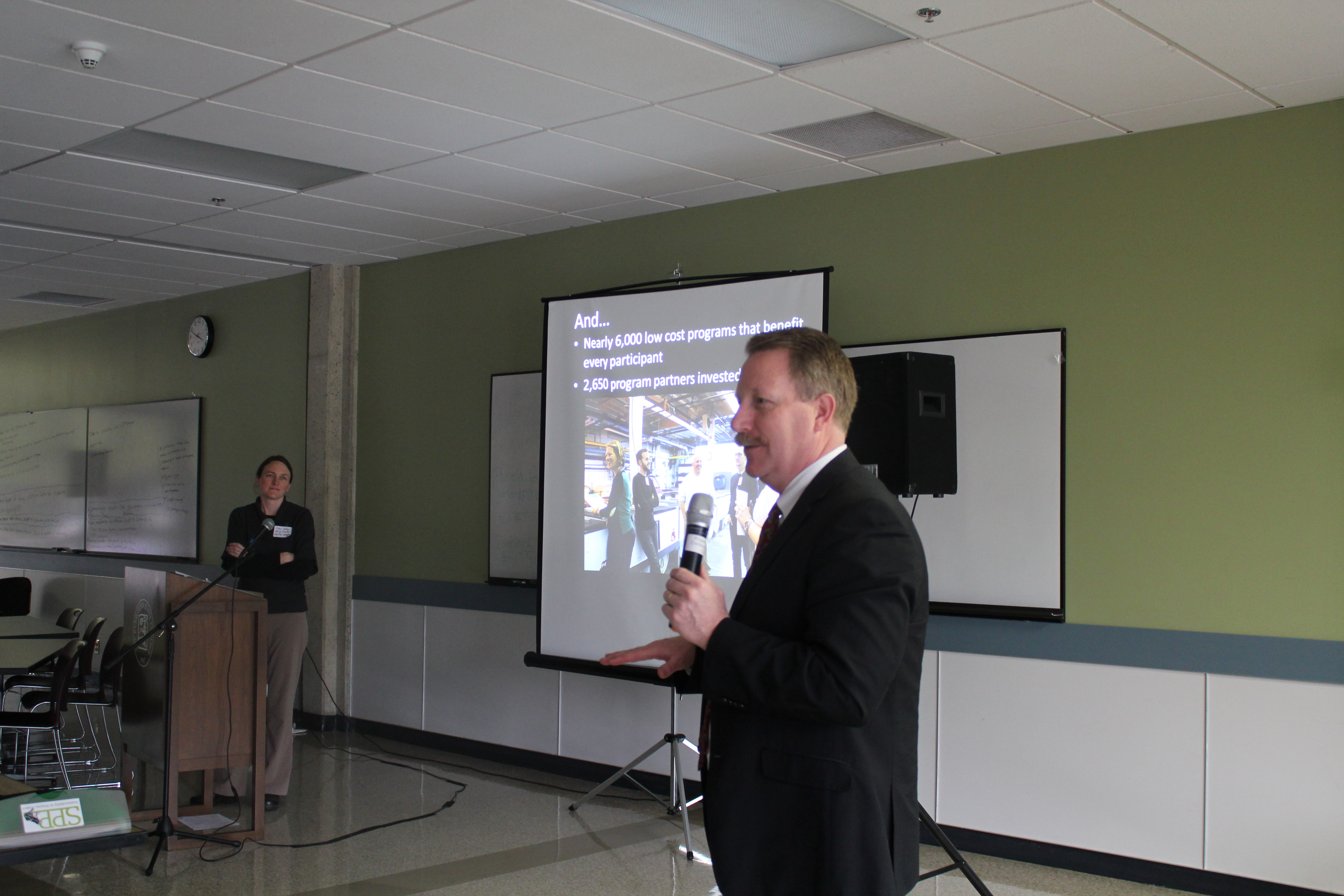
Stephen Sinclair, SPP Advisor for Prisons, presents to a packed room. Photo taken by Joslyn Rose Trivett.

The Summit continued with various presentations on SPP, including the SPP Brand by Stephen Sinclair, and some of our many vital partnerships by Kelli Bush, SPP’s Program Manager. My favorite part of the first day had to be the coffee break, which was an awesome opportunity to listen in on SPP-related conversations. I heard widespread interest and dedication to the partnership.

Guests enjoying the coffee break. Photo taken by SPP staff.

My first day at the Summit was drawing to an early close due to class, but not before I was able to see Stew Henderson, the Lean Project Leader from the Governors Office, speak about Results Washington. It was exciting to see someone in such a high position so involved with sustainability and the SPP vision.

Stew Henderson, Lean Project Leader, talks about how SPP fits into state government efforts in sustainability. Photo taken by SPP Staff.

On the morning of day two I was excited to see a couple of the panels, as well as participate in one myself. I could not wait to hear more of what people had to say pertaining to the brilliant work they have done. The first panel focused on Sustainable Operations, and was introduced by Julie Vanneste, SPP’s Sustainable Operations Manager. It was the perfect opener for my panel experience.
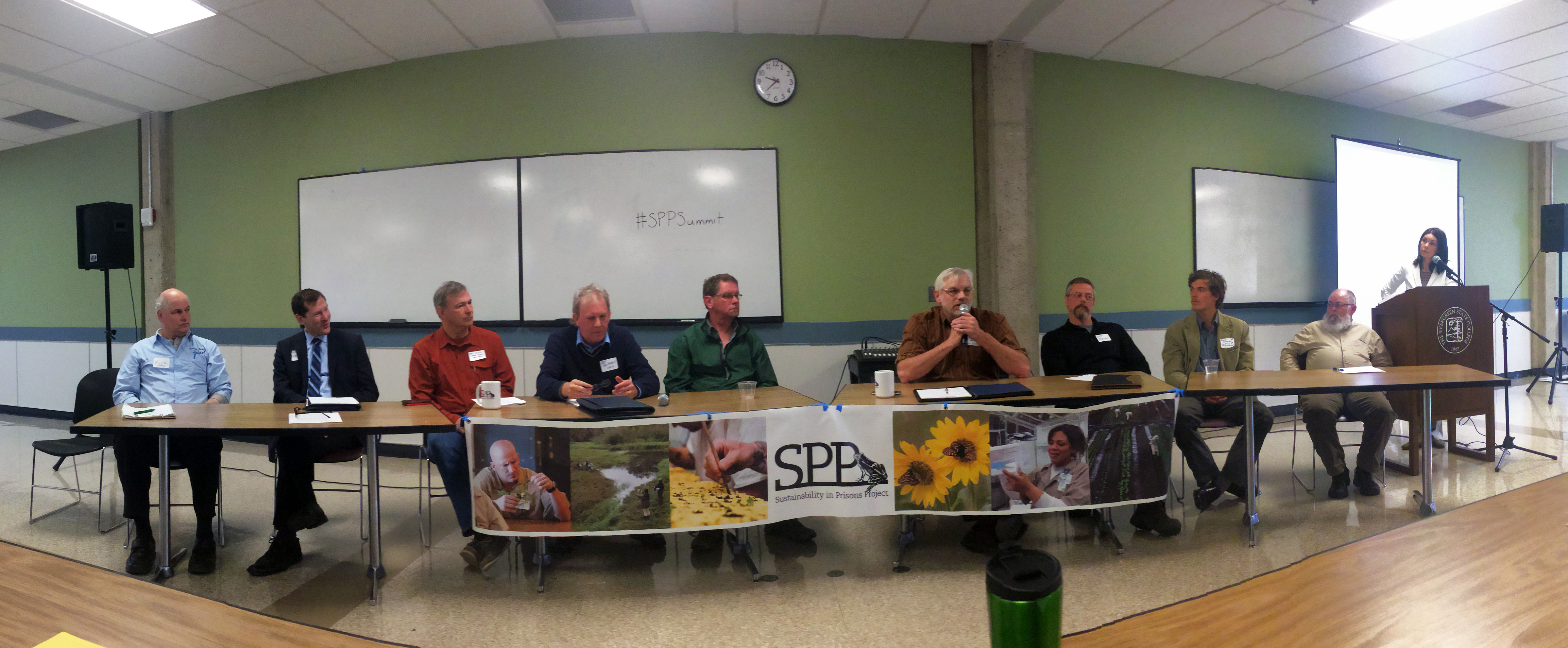
The Sustainable Operations Panel described best practices and innovative ideas. Photo taken by SPP Staff.

The day continued with a panel on Community Contributions, introduced by Kelli Bush. I got yet another dose of SPP education and felt quite inspired! The work these people do helps tremendously with inmates’ behavior and health, and benefits the communities incarcerated people go back to in the long run. It also directly benefits the communities on the outside that are in need of bikes, wheel chairs, service dogs, and more.

Kelli Bush, SPP’s Program Manager provides a brief overview of Community Contribution programs. Photo by Zandra Jones.


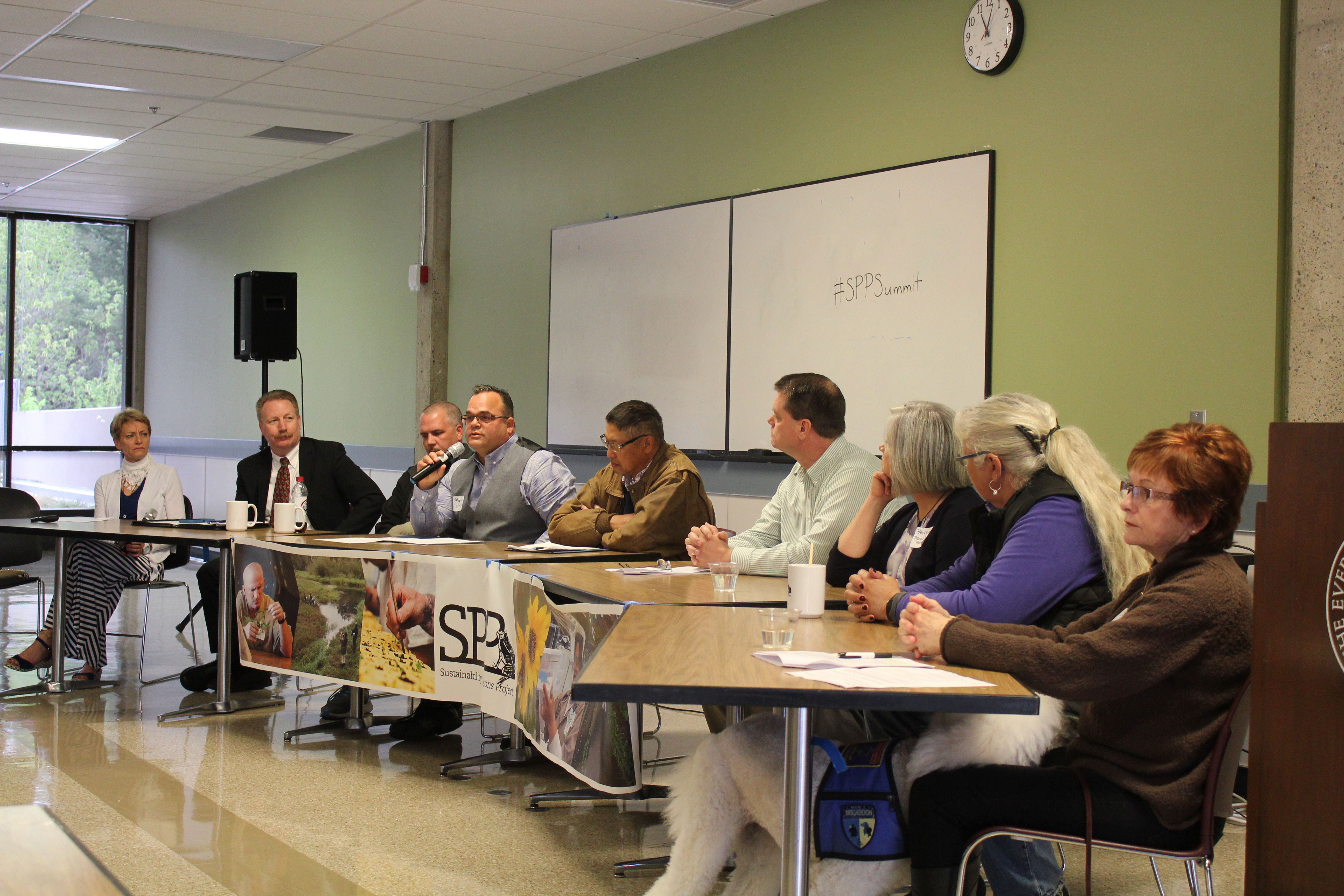
Community Contributions Panel. Photo taken by Zandra Jones
The Community Contributions Panel included partners from programs working with dogs, growing vegetables and flowers, fixing bikes and wheelchairs, and creating crafts for the community. Photo by Zandra Jones.

In a turn of events, myself and other current Evergreen Students were called up to share a bit about ourselves and our involvement with SPP. I was so excited to be sitting in the same space as people I have come to really admire, but my nerves began taking over when I realized that theirs are tough acts to follow. I felt much more confident as the faces in the audience showed interest in what I had to say.
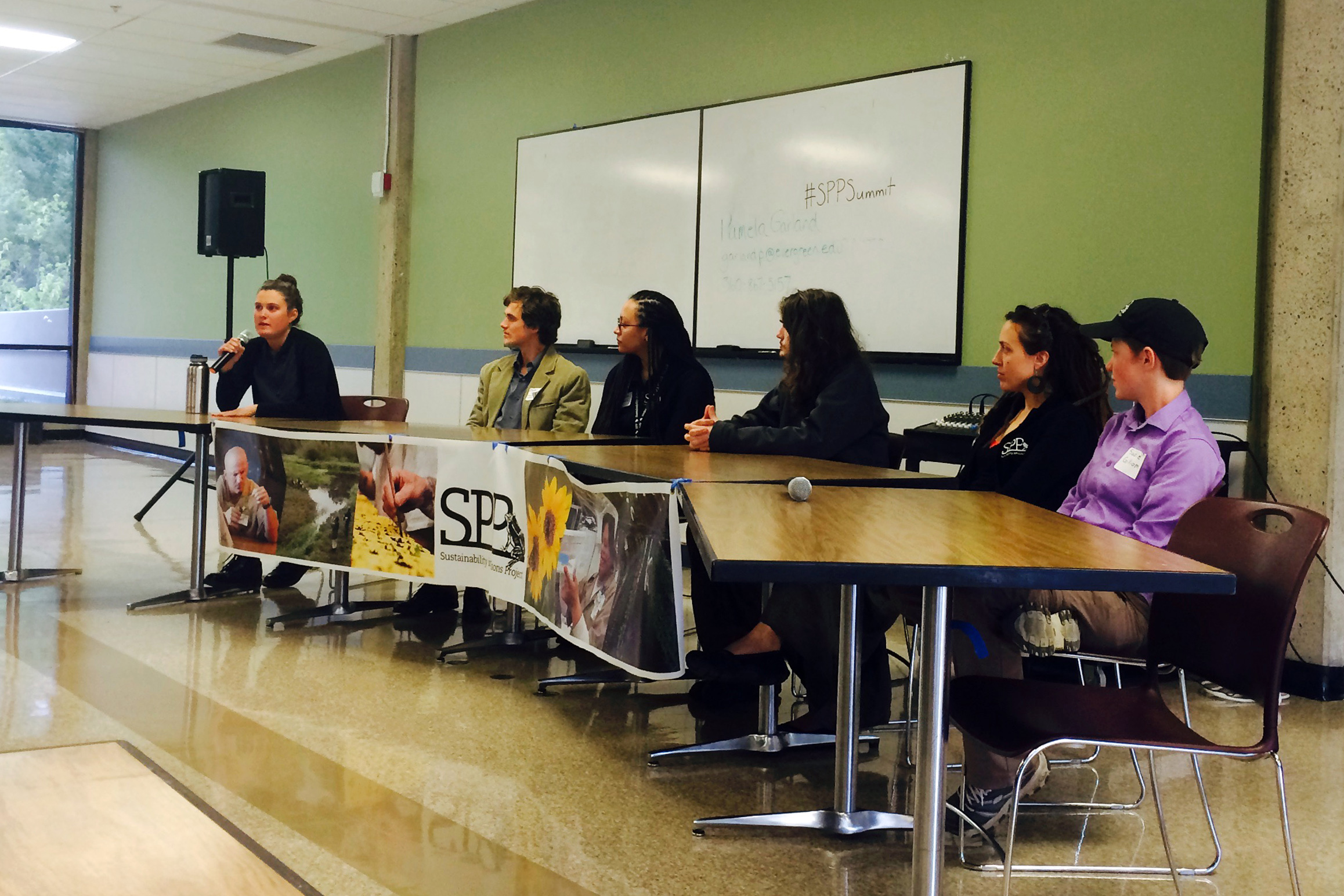
A Student Panel included past and present SPP program coordinators, interns, and me! Photo by Joslyn Rose Trivett.

The remainder of day two presented us with good food, great presentations, and motivating conversations.
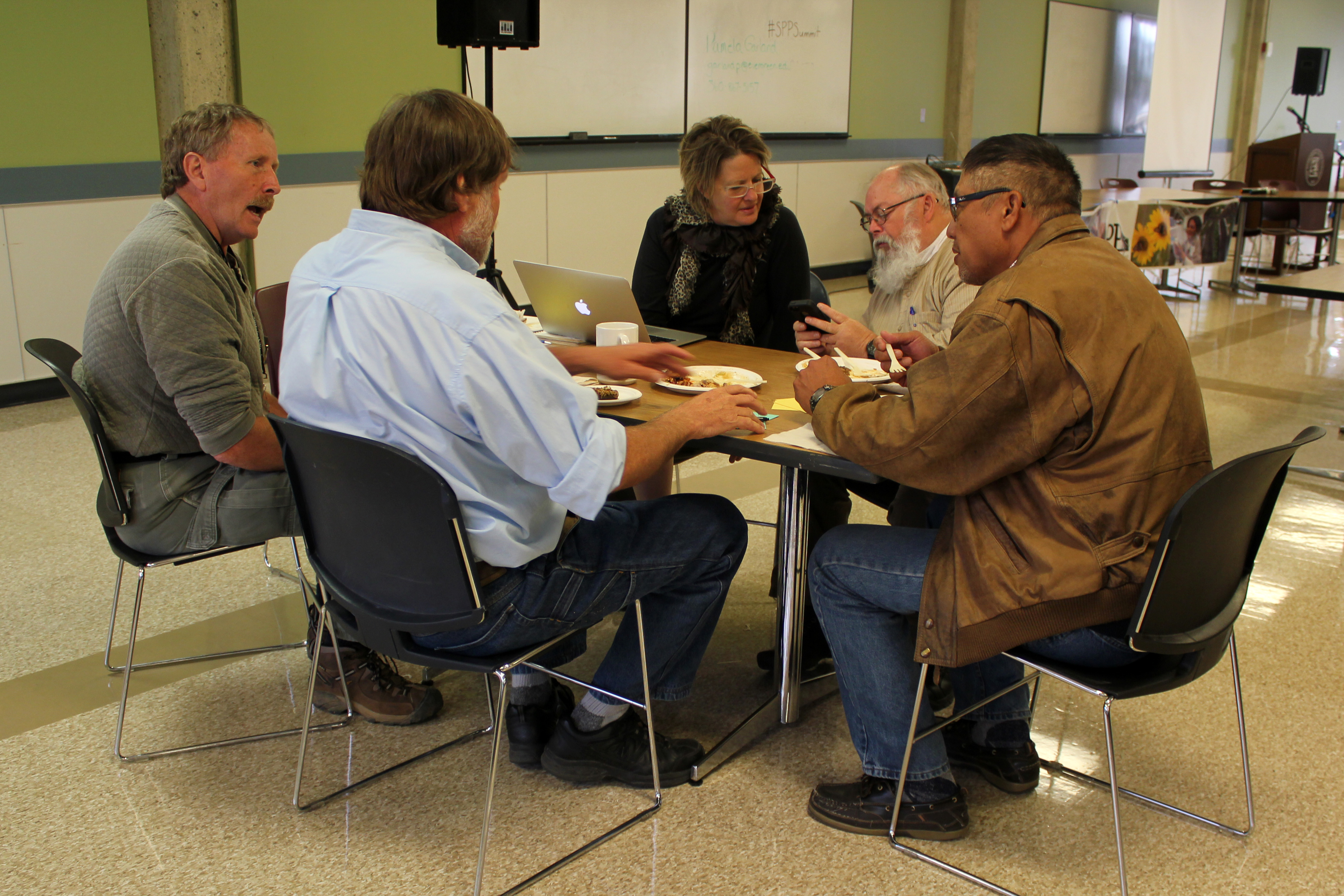
Gardeners from five programs held an impromptu lunchtime meeting. Photo by Zandra Jones.

After lunch, Joslyn Trivett, SPP’s Network Manager and Dorothy Trainer, Environmental Specialist, launched into the action planning process at Coyote Ridge Correctional Center.

Joslyn Trivett, SPP’s Network Manager, outlined the Action Planning Process, a way to set priorities and create work plans for SPP programs. Photo by Zandra Jones.

Next, Stephen Sinclair took the spotlight alongside Carri LeRoy to share some of SPP’s history, the direction we are hoping to go, and some new initiatives that are already in place.
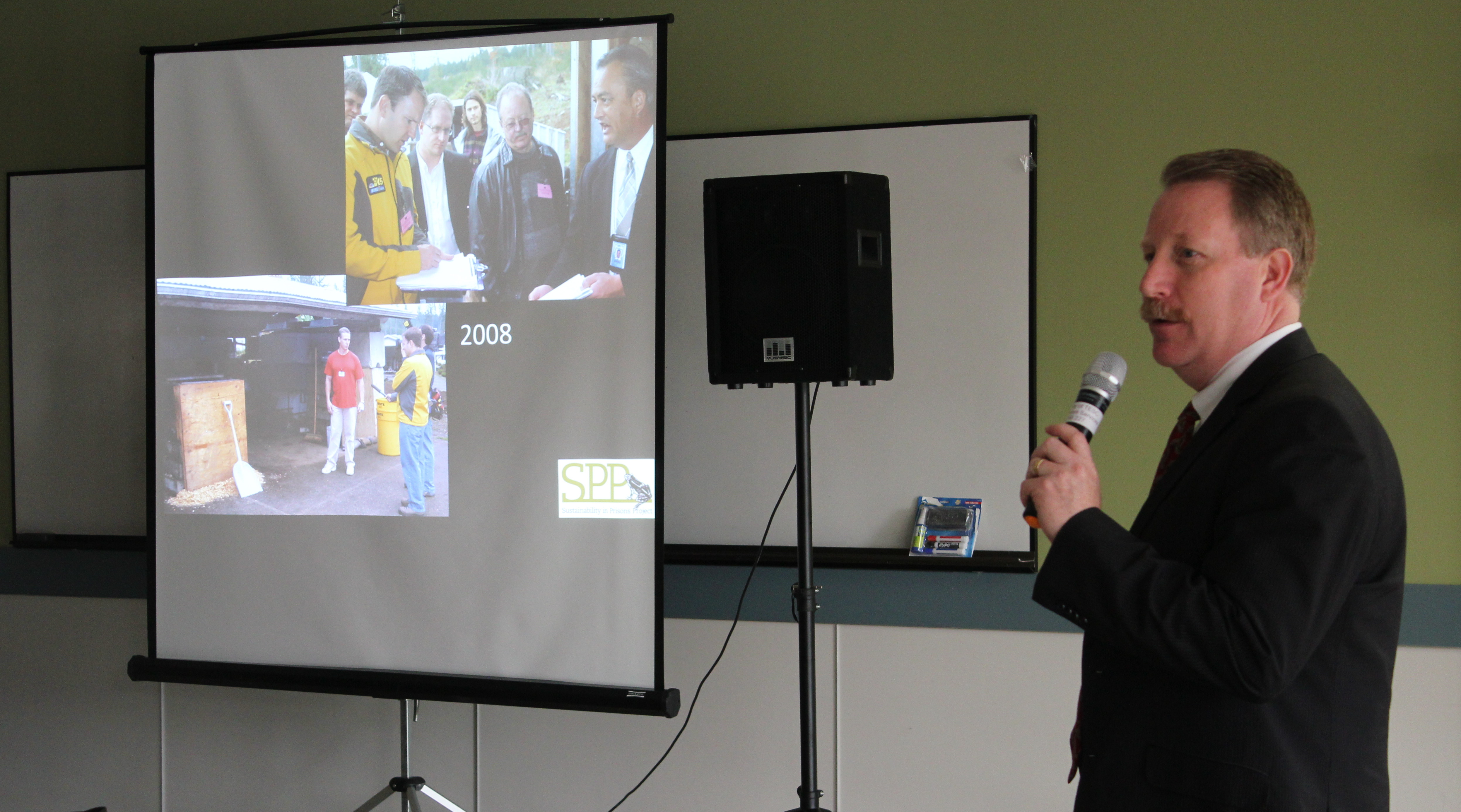
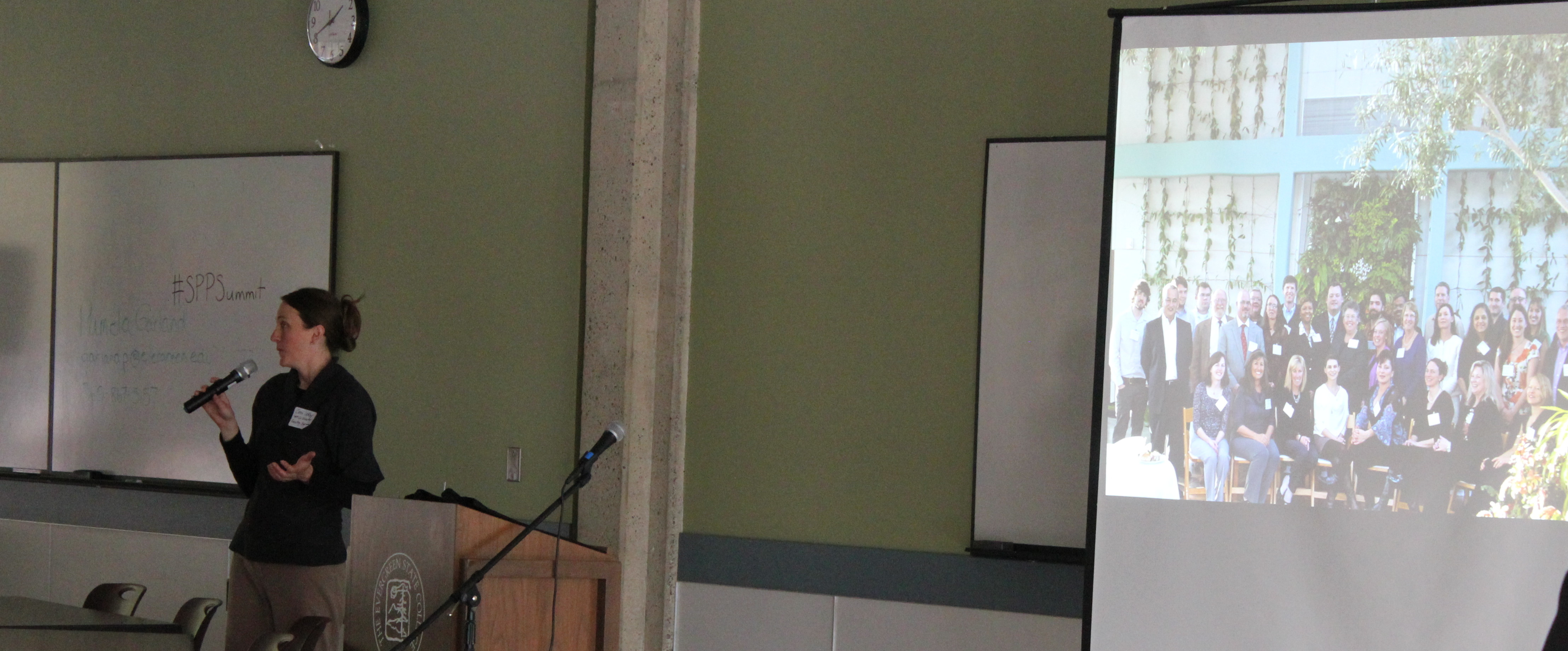
Stephen Sinclair, SPP Senior Advisor for prisons talks about earlier days of SPP. Photo taken by Joslyn Rose Trivett.
IMG_5130
Carri LeRoy, SPP’s Co-director describes activities of the SPP Network. Photo by SPP staff.

Joslyn Trivett and Kelli Bush made another appearance to introduce the Green Track concept.
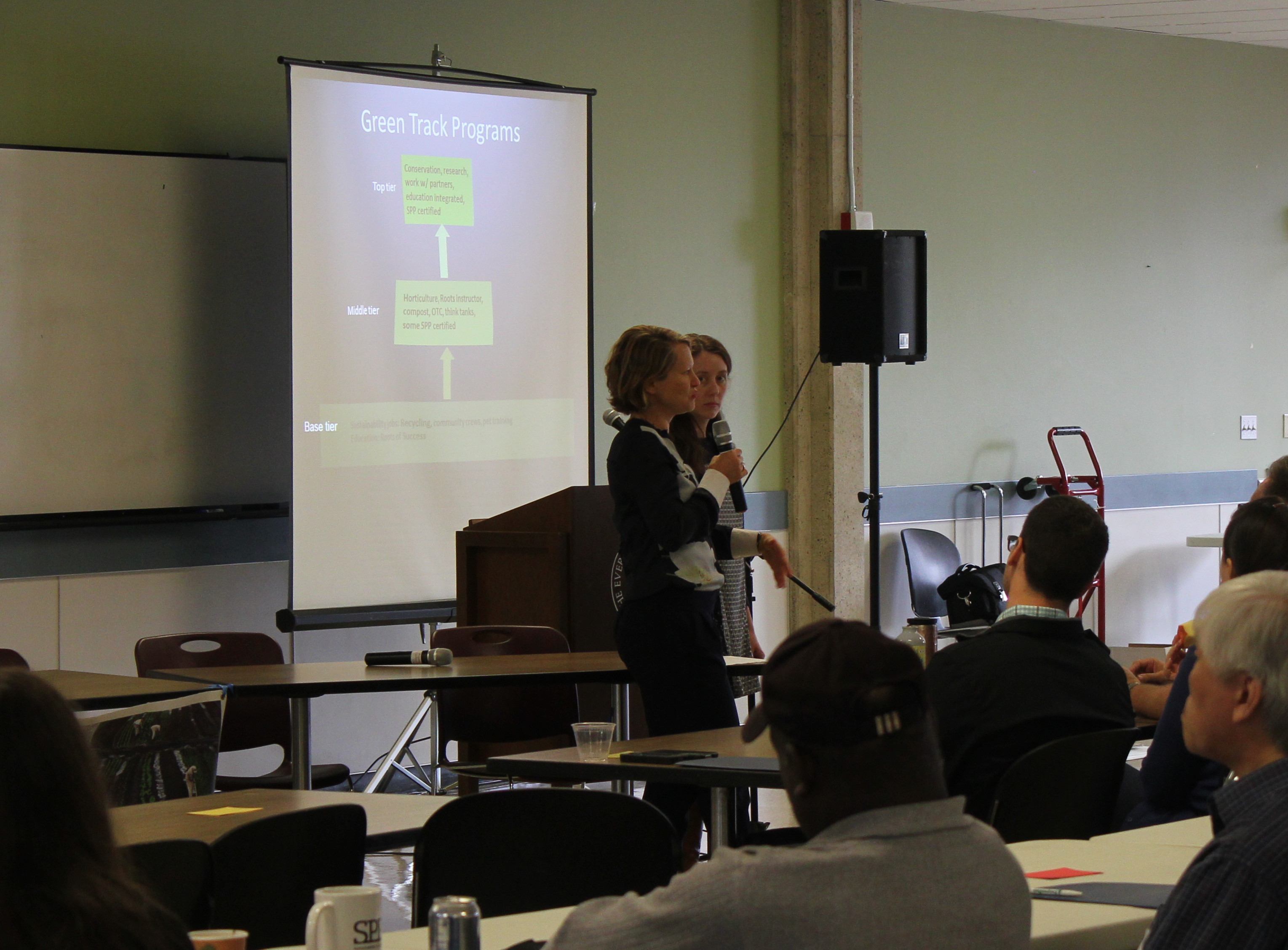
Joslyn Trivett, SPP’s Network Manager, and Kelli Bush, SPP’s Program Manager, co-present on new SPP initiatives. Photo by Zandra Jones.

Then it was the guests turn to speak up. Carl Elliott, SPP’s Ecological Conservation Nursery Manager, facilitated a seminar-like discussion. Many guests shared their ideas and answers to posed questions. I really enjoyed getting to be a part of the exchange and observing the shared passion for improvement.
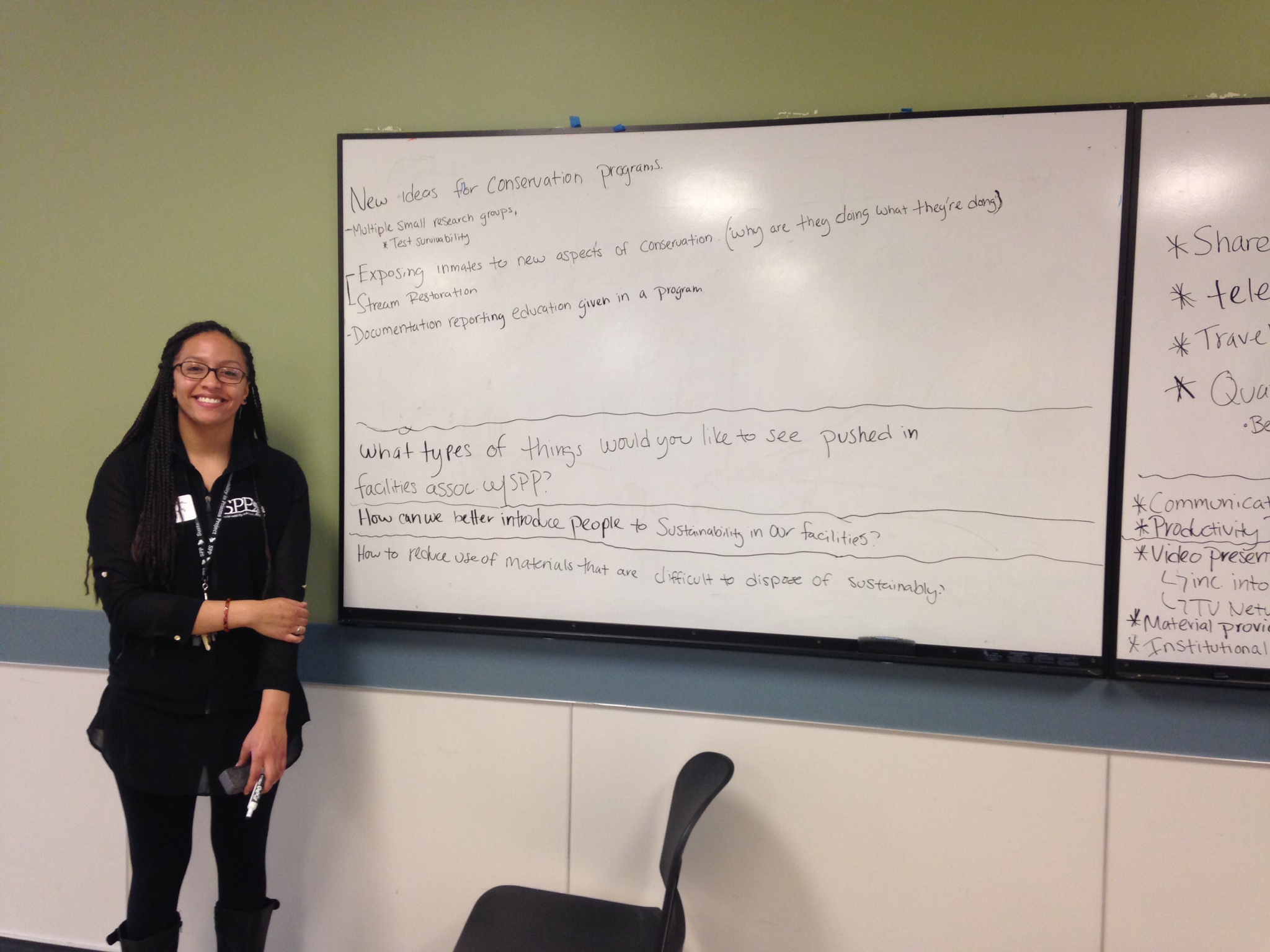
Zandra Jones, SPP’s Administrative Assistant, standing next to her notes from the group discussion. Photo by Carri LeRoy.

The discussion was the perfect transition to carry us into the last segment of the Summit. Stephen Sinclair stepped up one last time to speak about the Sustainability plan for 2016-2017 and take suggestions for improvement.
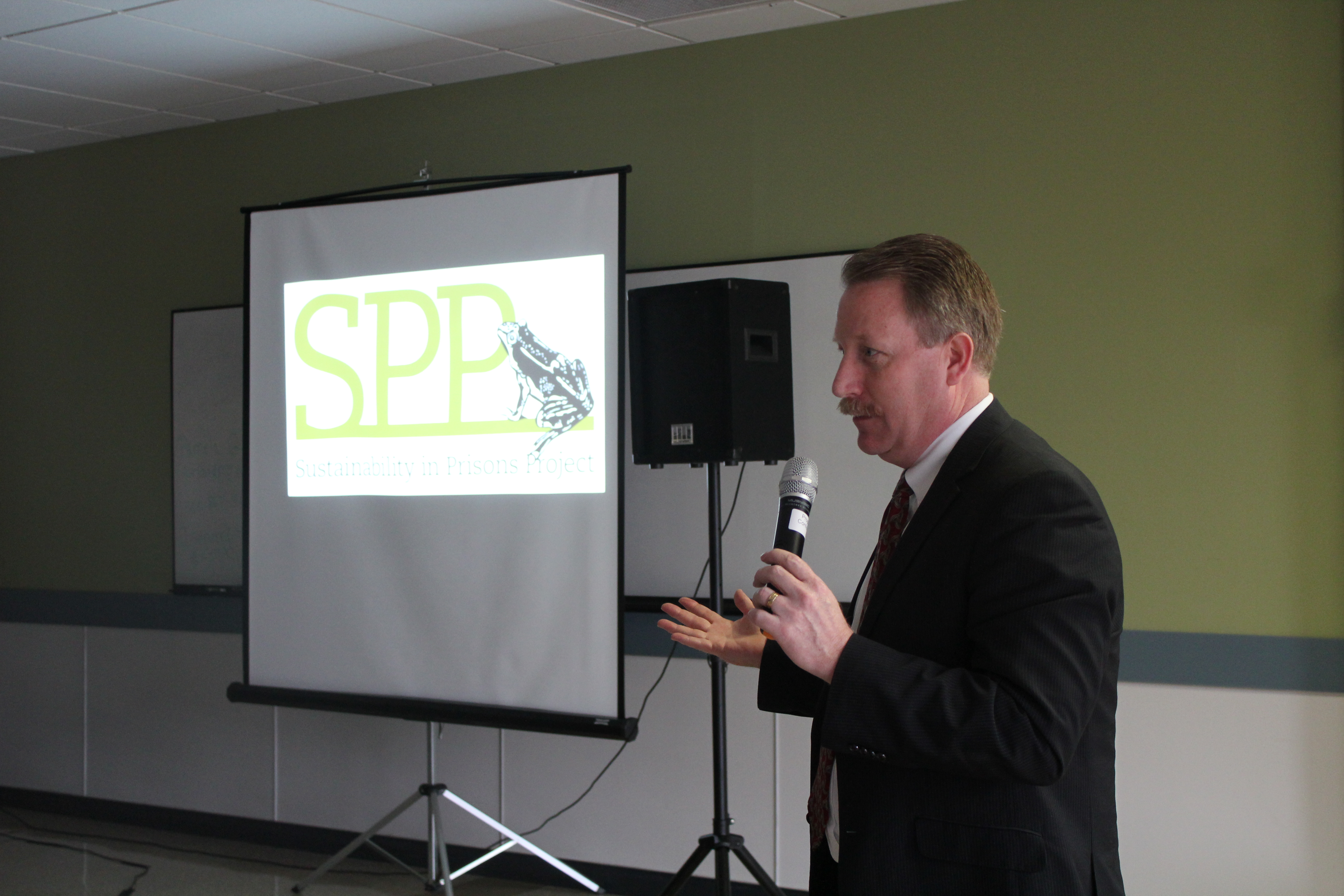
Steve Sinclair, SPP's Senior Advisor for Prisons. Photo taken by SPP staff
Stephen Sinclair ends the 2 day event. Photo by SPP staff.

I am definitely looking forward to next year’s Summit. Hope there is one!
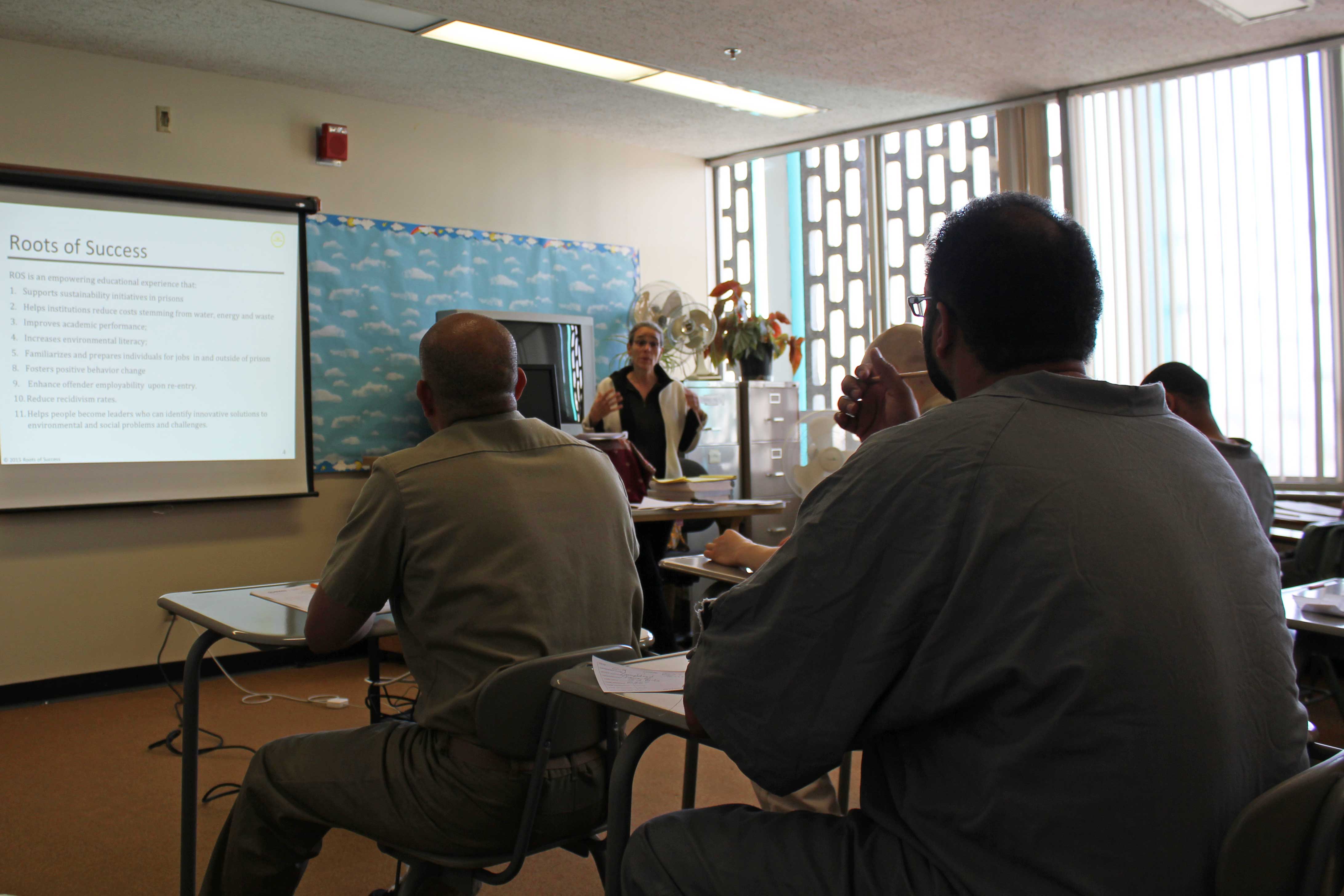
By Christina Stalnaker, SPP Graduate Research Assistant and Roots of Success Coordinator

After a rigorous, 4-day training event, all 12 prisons in Washington State have a cadre of Roots of Success instructors. Each day, a fresh group of instructor candidates learned the necessary skills to teach Roots’ environmental literacy curriculum. In total, we certified 31 new instructors representing programs at Clallam Bay Corrections Center, Coyote Ridge Corrections Center, Larch Corrections Center, Mission Creek Corrections Center for Women, Olympic Corrections Center, Washington Corrections Center, and Washington Corrections Center for Women.

On the first day of training, Dr. Raquel Pinderhughes, founder of Roots of Success, teaches and certifies Roots instructor candidates from WCC. Master Trainers observe her teaching methods in preparation for the next two days, when they will teach and certify the candidates themselves. Photo by Christina Stalnaker.
On the first day of training, Dr. Raquel Pinderhughes, founder of Roots of Success and expert on Green Workforce Training, taught and certified Roots instructor candidates from WCC. Master Trainer candidates observed her teaching methods in preparation for the next two days, when they would teach and certify instructor candidates themselves. Photo by Christina Stalnaker.

The first three days of the training were held at Washington Corrections Center, and served to train fifteen male Roots instructors. At the same time, 6 of our exemplary and seasoned instructors earned their promotion to Master Trainer.

Several weeks prior to the big event, Master Trainer candidates from Stafford Creek Corrections Center, Coyote Ridge Corrections Center, Washington Corrections Center, and Washington State Penitentiary began studying Roots’ teaching aides. Roots of Success Director Dr. Raquel Pinderhughes led the course on the first day, and the 6 observed and took notes. Then she handed  the reigns over to the future Master Trainers; for two days, they took turns leading the class.

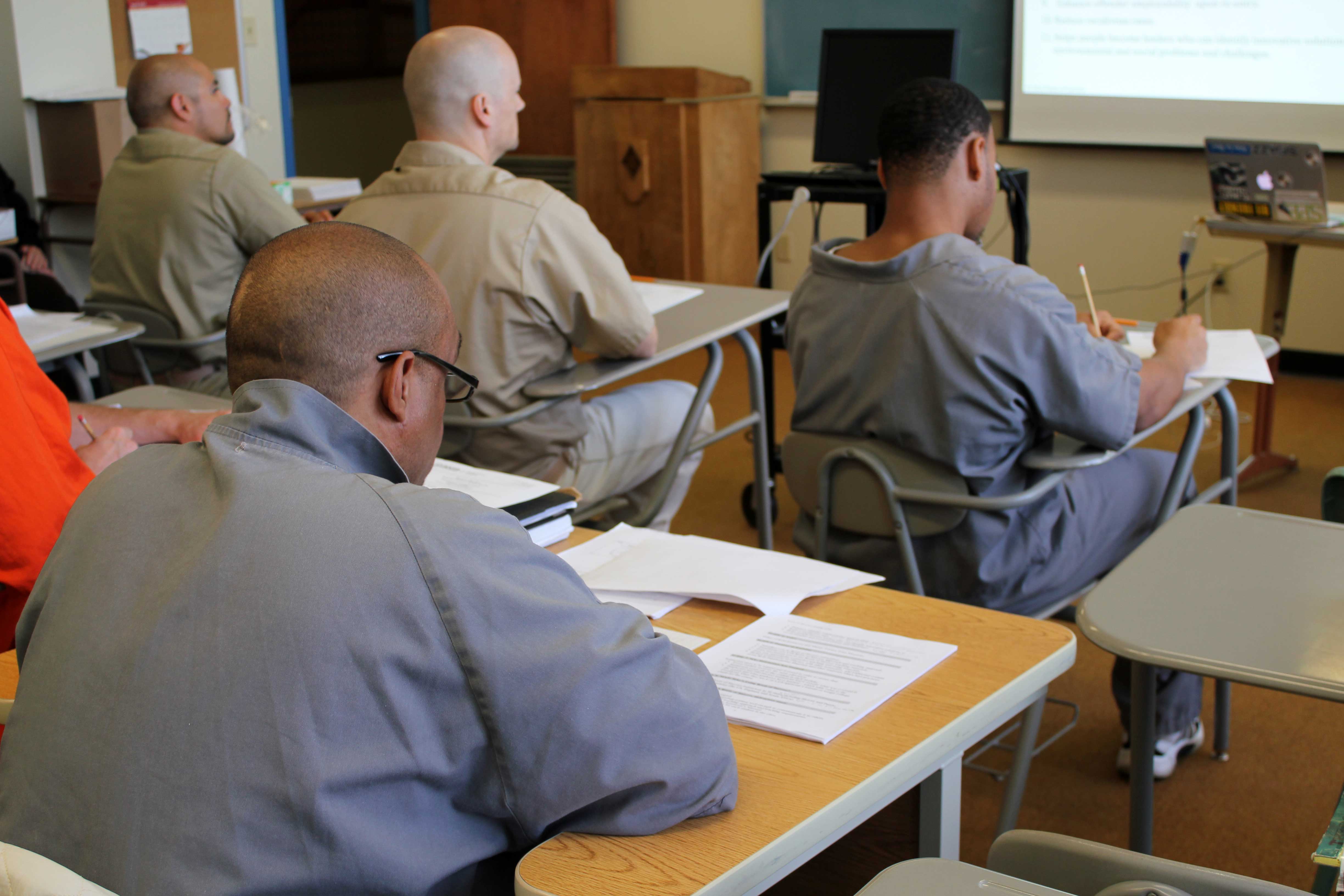
Master Trainers follow the day’s agenda with their training scripts as they take notes on Dr. Pinderhughes teaching techniques. Photo by Christina Stalnaker.
Master Trainer candidates used their training scripts to follow each lesson as they took notes on Dr. Pinderhughes’ teaching techniques. Photo by Christina Stalnaker.
The Stafford Creek Master Trainer team- Cyril Walrond, David Duhaime, and Grady Mitchell- teach instructor candidates for the first time. Photo by Joslyn Rose Trivett.
On day 2, the Stafford Creek Master Trainer team–Cyril Walrond, David Duhaime, and Grady Mitchell–taught instructor candidates for the first time. Photo by Joslyn Rose Trivett.

Dr. Pinderhughes met with the Master Trainer candidates for several hours after each training day to review notes, give and receive critiques, and hone their instructional skills. These Master Trainers now have the credentials to train and certify new instructors for the program. Certifying Master Trainers is a major accomplishment for SPP-WA & WDOC; Roots of Success has become nearly self-sustaining. This valuable education program is gaining momentum, and graduating hundreds of students across the state.

Congratulations to all the newly certified Roots of Success Master Trainers and Instructors! A giant Thank You goes out to Roots staff, Master Trainers, new instructors, WDOC staff, and SPP GRAs for helping us take this monumental step forward in our Roots of Success program!!!

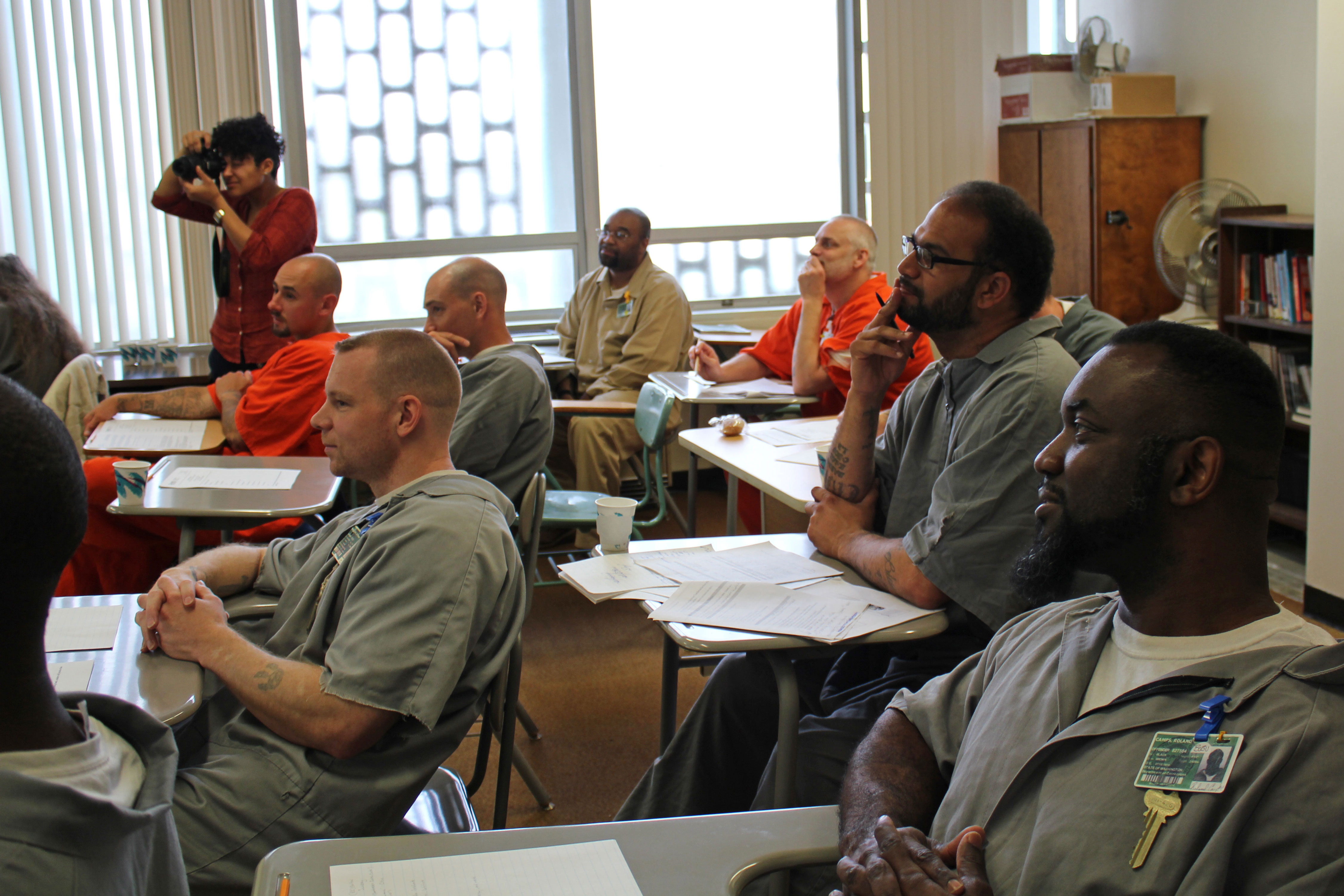
Men from Clallam Bay and Larch Corrections Center attend the Roots of Success Instructor certification course May 10, 2015. Photo by Joslyn Rose Trivett.
Men from Clallam Bay and Larch Corrections Center attended the Roots of Success Instructor certification course so that they could teach the environmental literacy program at their facilities. Photo by Joslyn Rose Trivett.
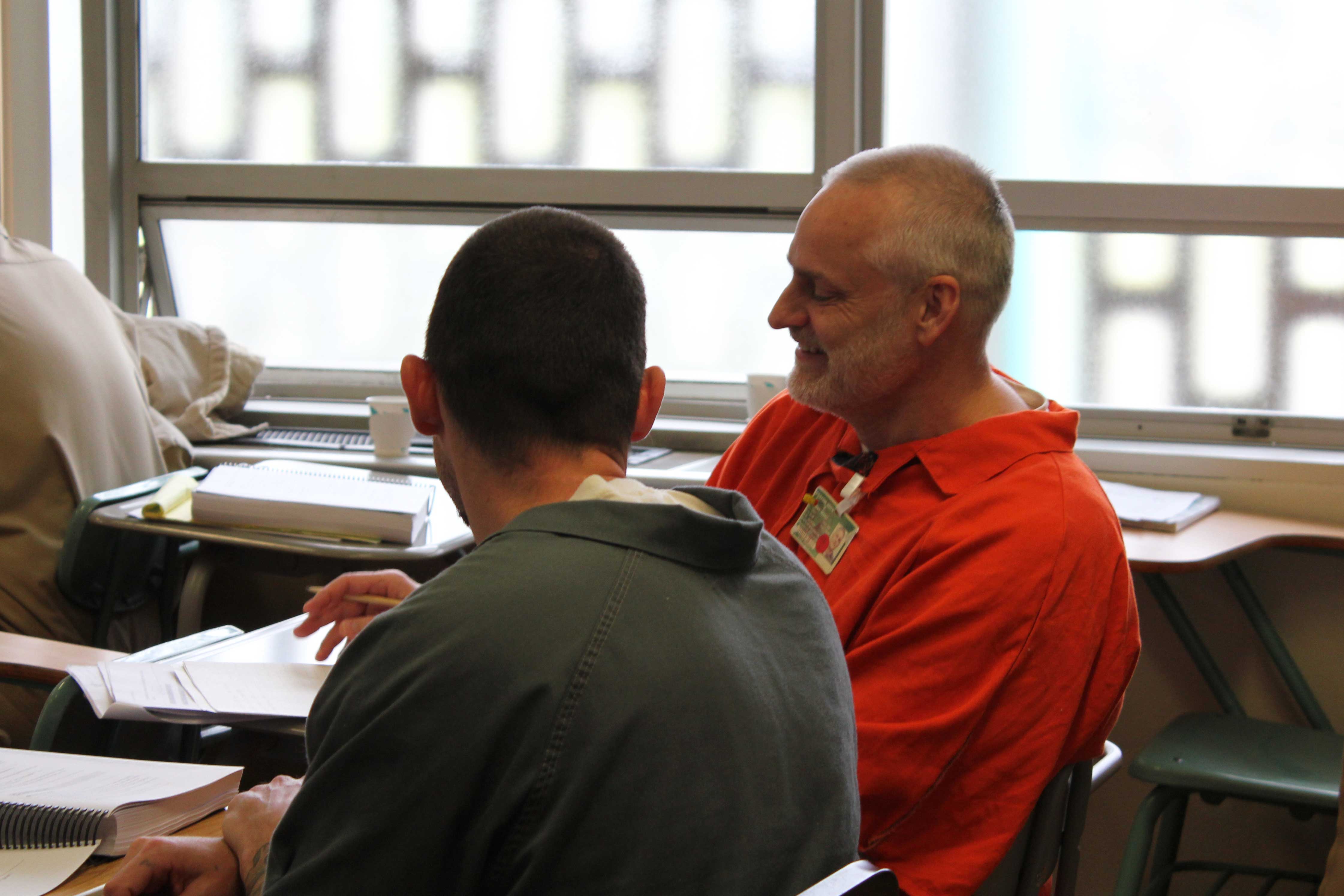
Kieth Parkins, Roots Master Trainer from WSP, works with a future Roots of Success instructor. Photo by Joslyn Rose Trivett.
Kieth Parkins, Roots Master Trainer candidate from WSP, works one-on-one with a future Roots of Success instructor during a class exercise. Photo by Joslyn Rose Trivett.
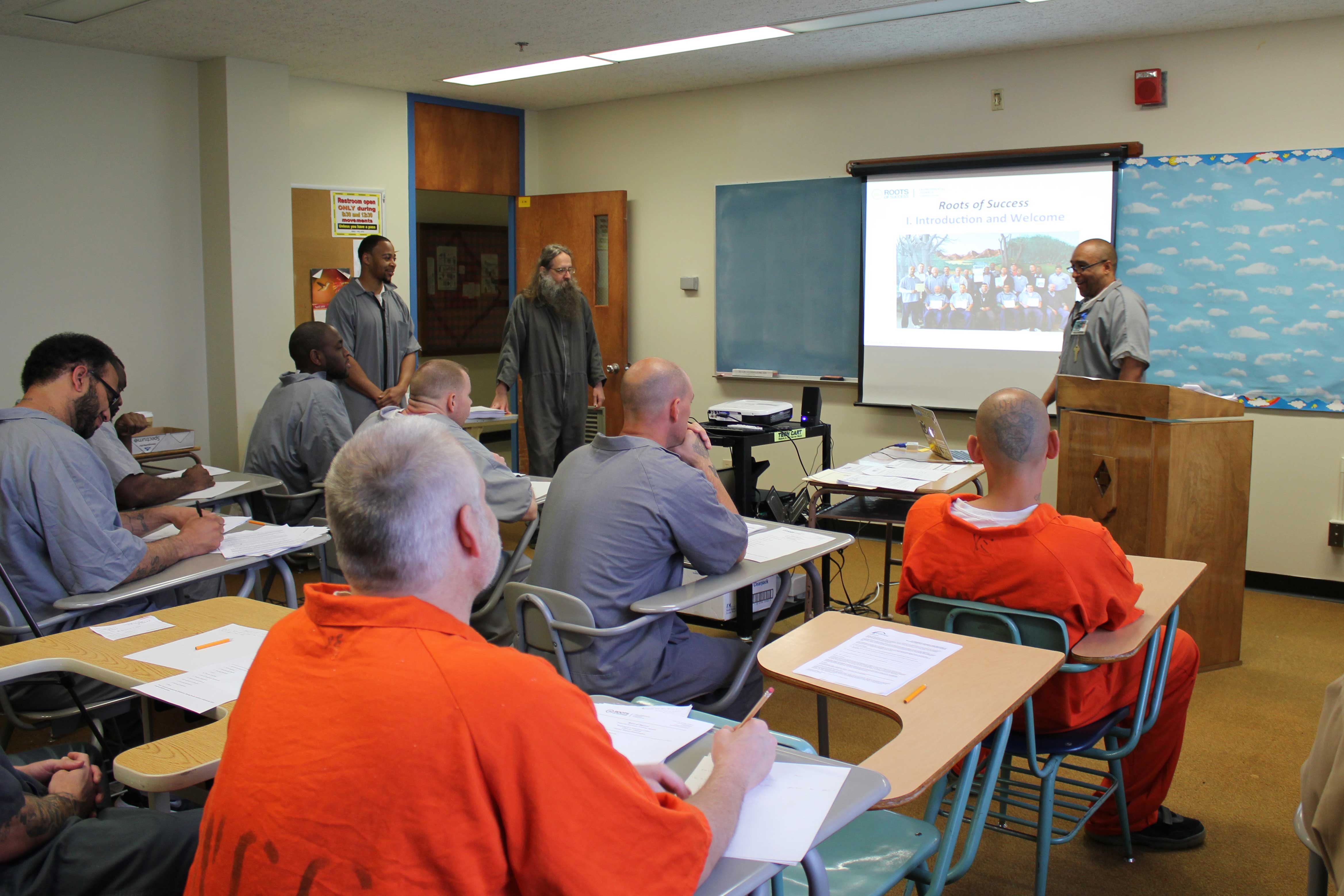
Grady Mitchell, Stafford Creek Roots Master Trainer, takes the helm of the Roots classroom. Photo by Joslyn Rose Trivett.
For a few hours, Grady Mitchell, Stafford Creek Roots Master Trainer, took the helm of the Roots instructor classroom. Photo by Joslyn Rose Trivett.
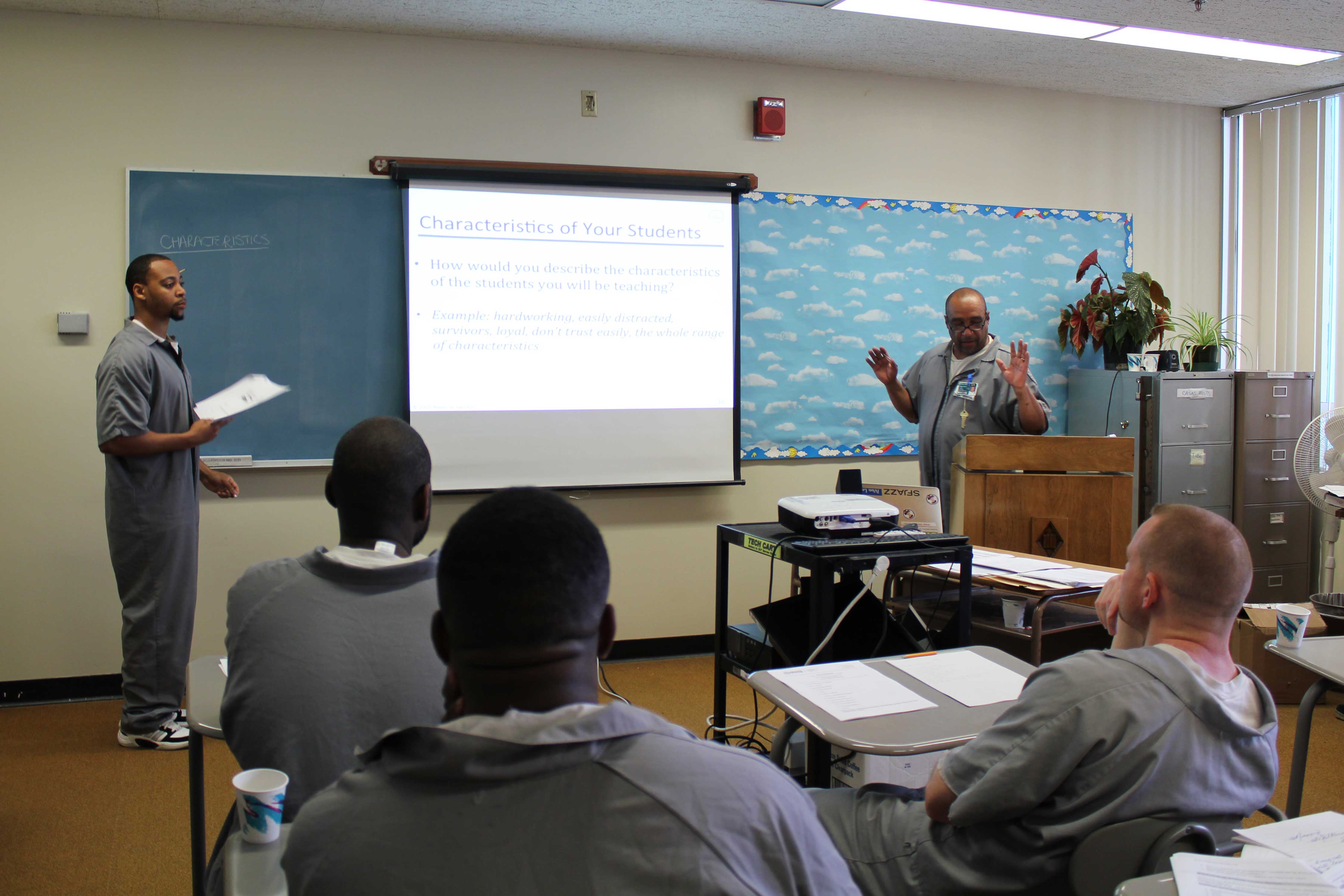
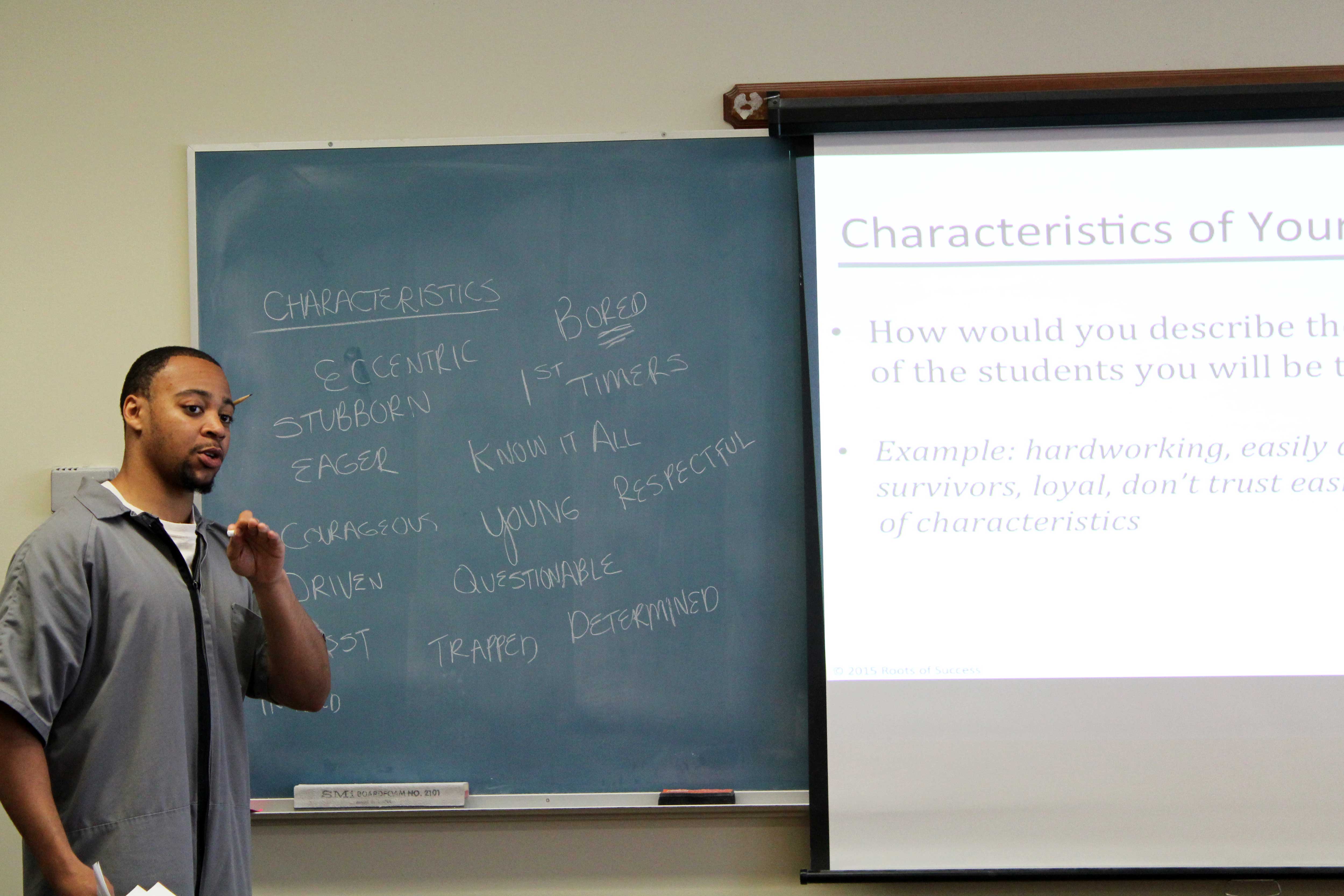
Roots instructors are most successful when they work as teaching teams. Here Cyril Walrond, Stafford Creek Roots Master Trainer, takes notes on the chalkboard and engages students as they describe the characteristics of their future students. Photo by Joslyn Rose Trivett.
Roots instructors are most successful when they work as teaching teams. Here Cyril Walrond, Stafford Creek Roots Master Trainer candidate, challenges students to describe the characteristics of their future students. Photo by Joslyn Rose Trivett.
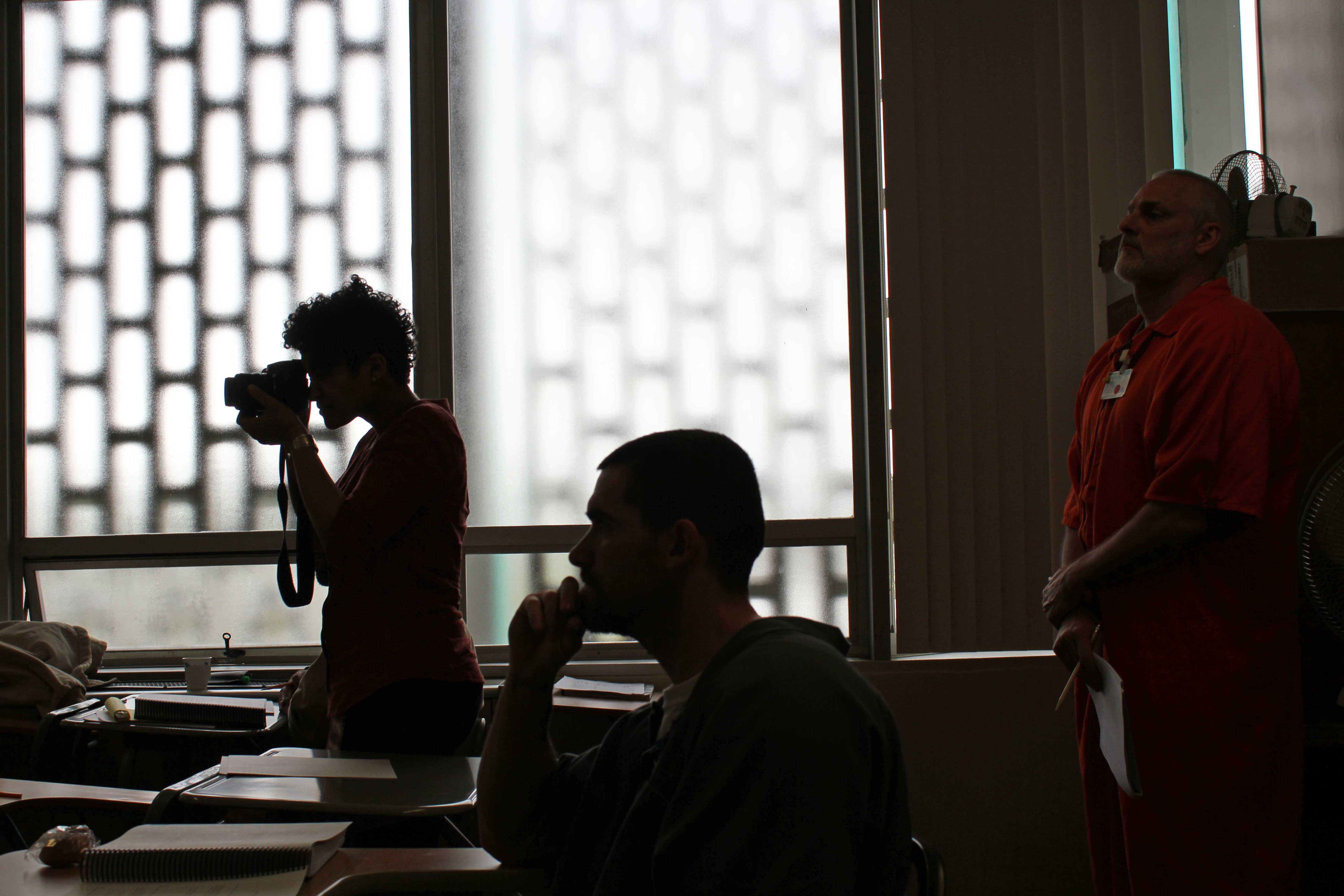
Aliesha Baldé, Roots of Success staff, documented the entire training via photograph and video. Master Trainers use the videos as a training tool to refine their instruction techniques. Photo by Joslyn Rose Trivett.
Aliesha Baldé, Roots of Success staff, documented the entire training via photograph and video. Master Trainers used the videos as a training tool to refine their instruction techniques. Photo by Joslyn Rose Trivett.

Be on the look out for Part 2 of the photo gallery with highlights from the Roots of Success training with the women at Washington Corrections Center for Women and Mission Creek Corrections Center for Women.

By Christina Stalnaker, SPP Graduate Research Assistant and Roots of Success Coordinator

It was a smaller crowd than usual: two males fluttered around a single female. The lighting was ideal and temperature at just the right degree for a successful pairing. As these butterflies moved in their miniature habitat, two inmate technicians quietly watched to verify if they had a fruitful engagement. We had just entered the greenhouse of the Taylor’s checkerspot butterfly (TCB) captive rearing program at Mission Creek Corrections Center for Women on an early spring morning.

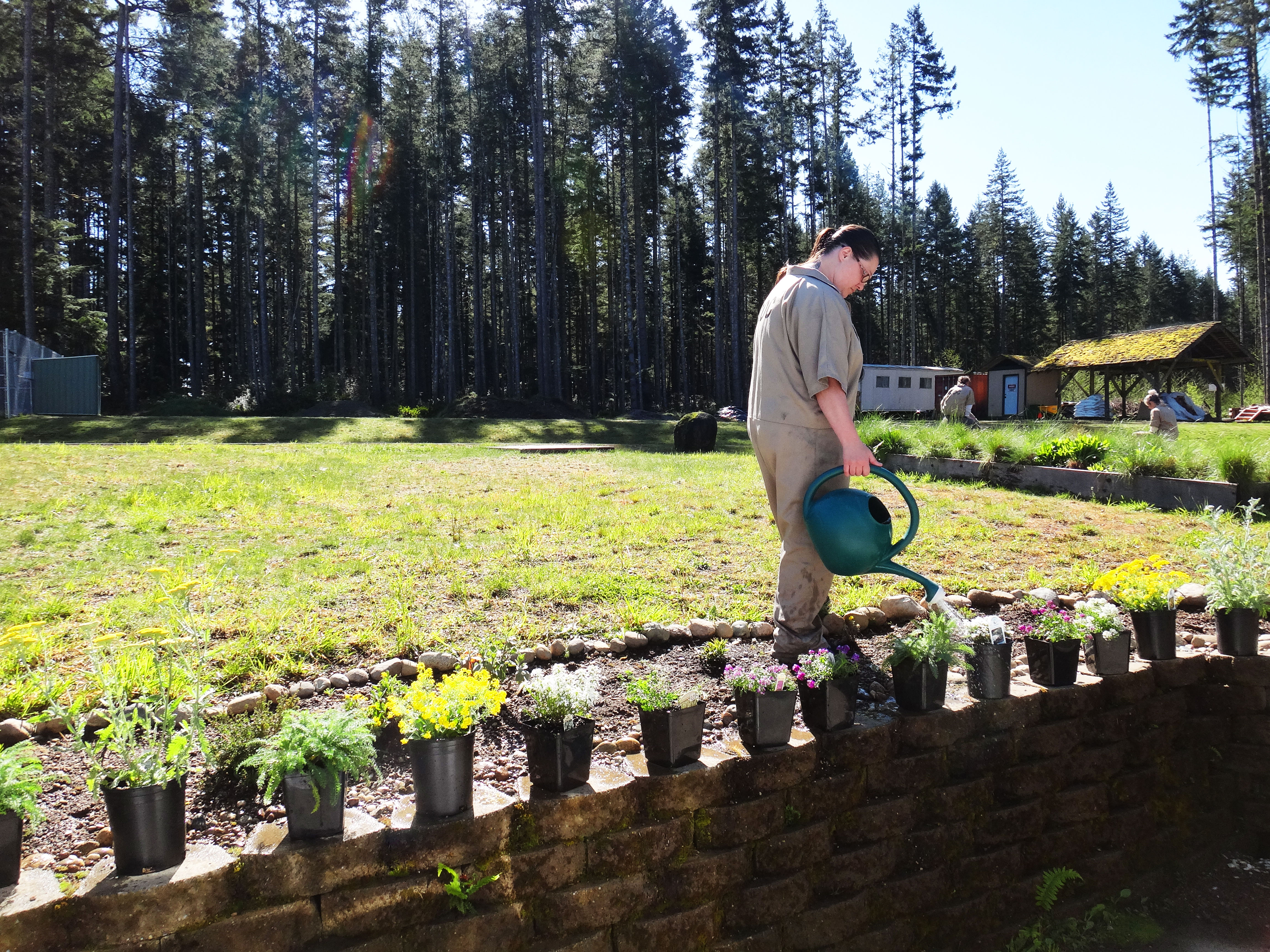
A technician waters flowers that will be placed in TCB habitats for captive rearing. Photo by Christina Stalnaker.

These butterflies were the first of their cohort to eclose, marking the beginning of TCB flight season. Eclosure is one of the final stages of a Taylor’s checkerspot butterfly’s life cycle—it occurs when the butterfly emerges from its cocoon. When the remaining butterflies join them in flight, the technicians will place two females and up to seven males in an insect habitat. Lindsey Hamilton, SPP’s TCB program coordinator, later explained to me that placing so many in the habitat at once ignites the male’s competitive behavior. In the wild, TCB males can be found next to a female pupa, waiting for her to eclose.

Having just emerged from its cocoon, a Taylor's Checkerspot Butterfly patiently waits to feed on honey and take flight for the first time. Photo by Christina Stalnaker.
Having just eclosed (emerged from its cocoon), a Taylor’s Checkerspot Butterfly patiently waits to feed on honey water and take flight for the first time. Photo by Christina Stalnaker.

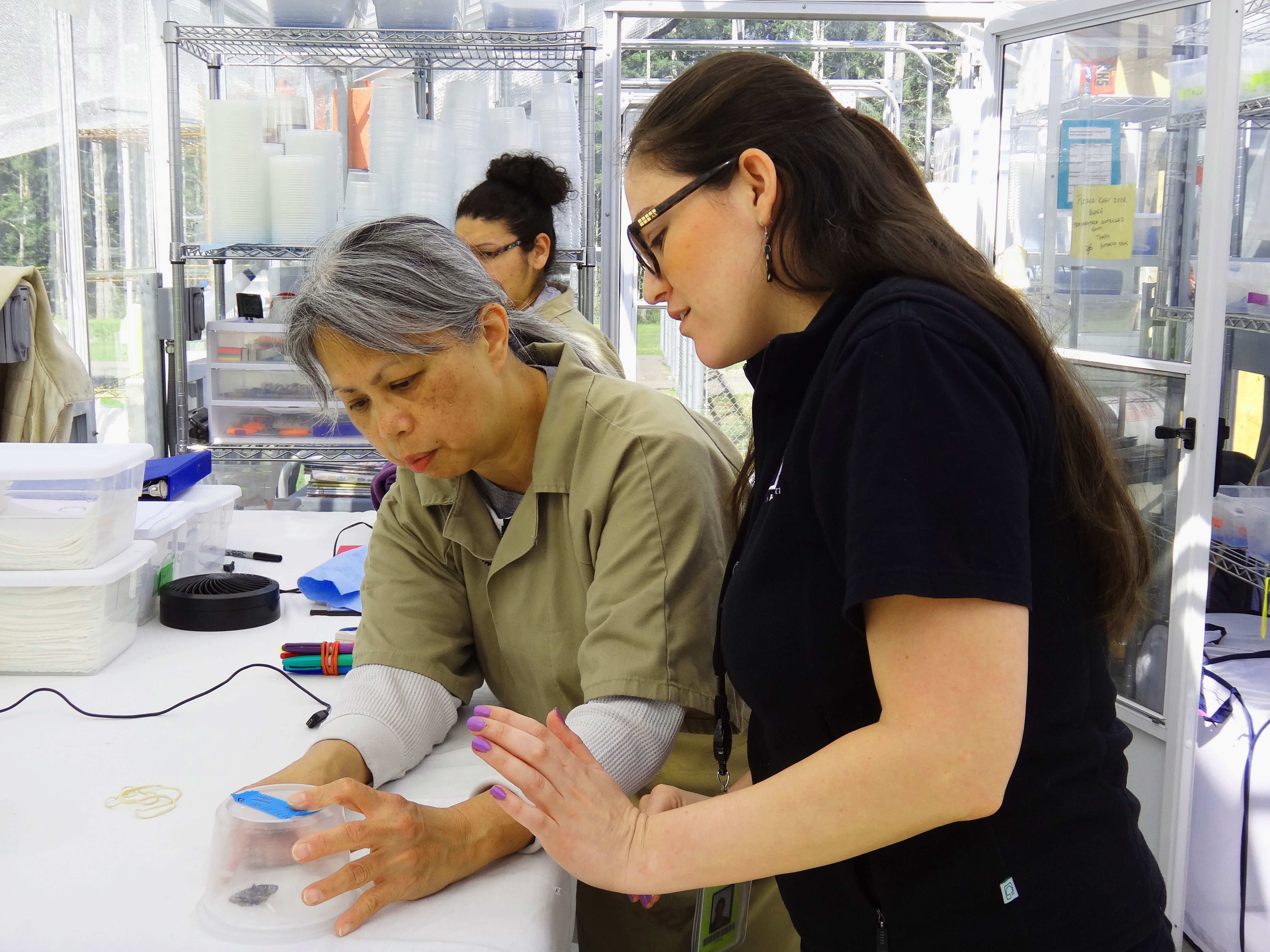
The technicians had been waiting for us to arrive at the prison’s greenhouse to “process” two more butterflies that had just completed eclosion. The word “process” is far too ordinary to describe this next step in caring for these beautiful, endangered butterflies. Upon emergence, the butterflies patiently wait in their tiny container for at least 24 hours before feeding on honey water and taking flight. I had never handled butterflies before and was pretty nervous. Elizabeth Louie, TCB inmate technician, proudly demonstrated how to handle and process the delicate insects. After she showed me exactly what to do from start to finish, I went on to process the second TCB on my own.

Name?, TCB technician, shows Christina how to "process" an eclosed butterfly. Photo by Lindsey Hamilton,
Elizabeth Louie, TCB inmate technician, shows Christina Stalnaker how to “process” an eclosed butterfly. Photo by Lindsey Hamilton.

First, we recorded the ID number and color code. Next, we removed the mesh caging and the TCB from its insect cup, gently pinch its wings, and closely examined the butterfly to determine if it is a male or female. Mine was female; I could tell by looking at the tip of the abdomen. Females have a pointed tip at the end of their abdomen, whereas males’ are more rounded. After placing her on the balance, we recorded her weight. Swirling the end of a q-tip in the honey water and teasing her proboscis with a paperclip, I set her down and watched as she tasted her first drops of honey as a butterfly.

A Taylor's Checkerspot Butterfly enjoys her first taste of honey water. Photo by Lindsey Hamilton.
A Taylor’s Checkerspot Butterfly enjoys her first taste of honey water. Photo by Lindsey Hamilton.

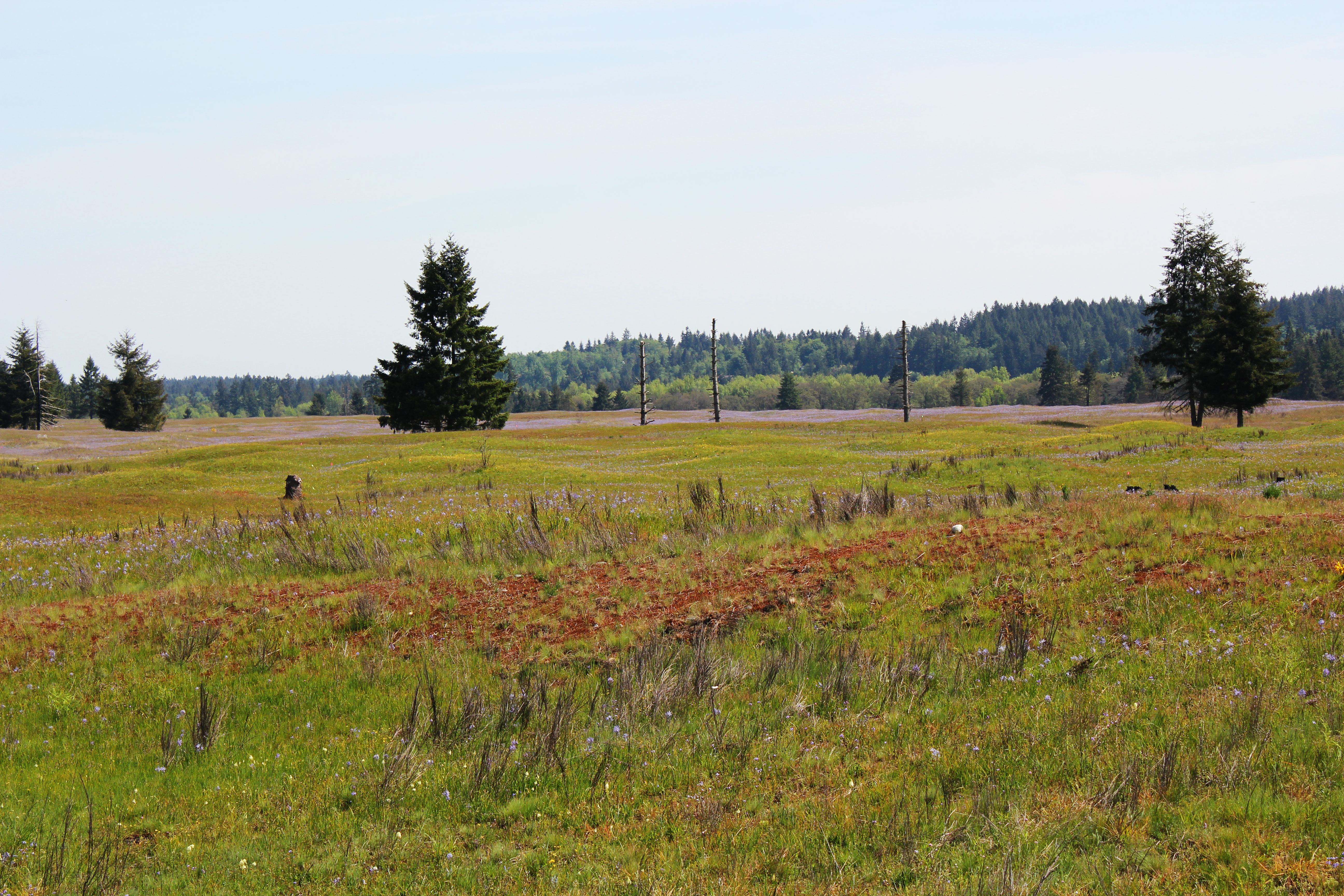
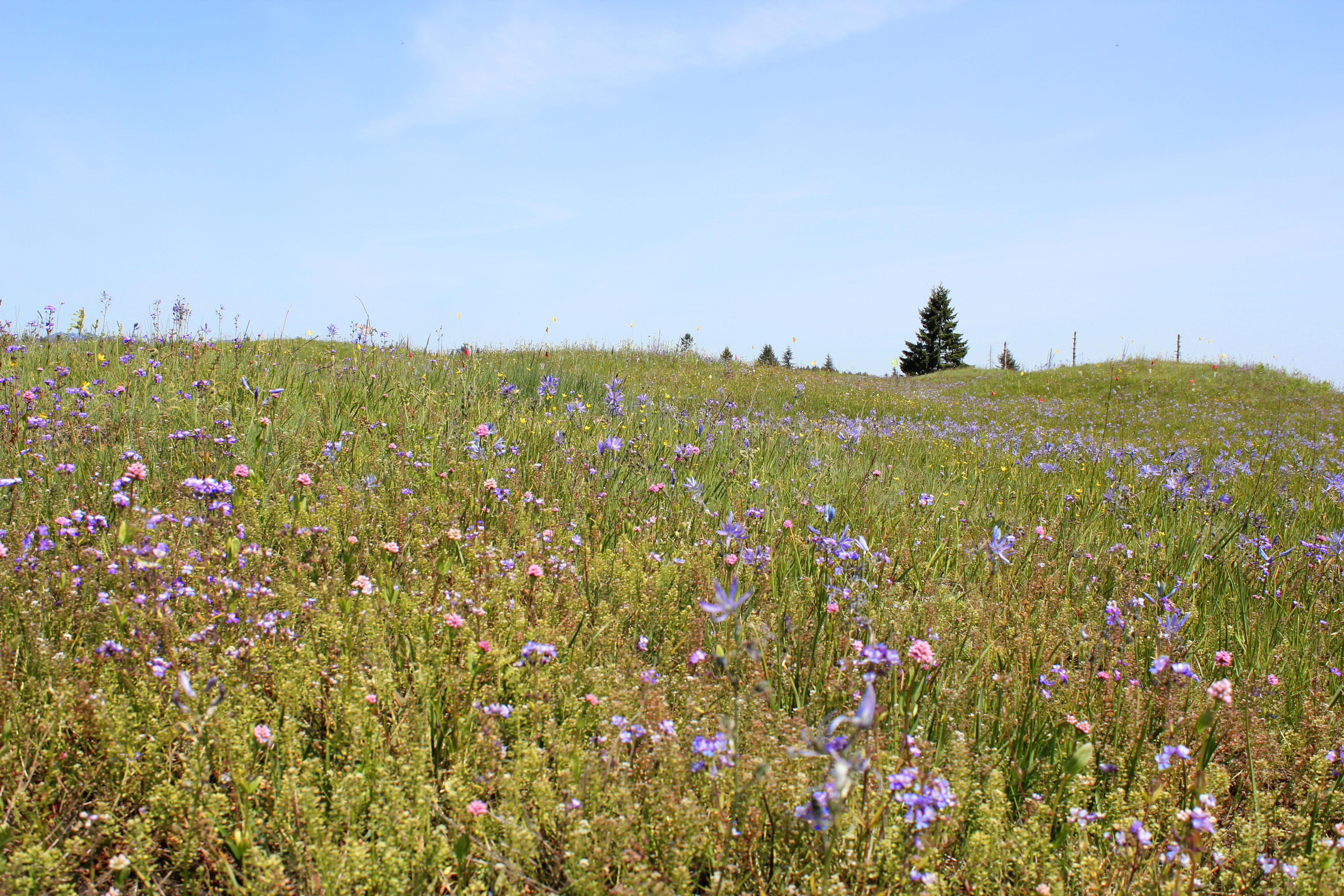
Once captive rearing is complete and the females finish laying their eggs, the butterflies are released to various South Sound Prairies, like the Glacial Heritage Preserve (photographed below). Here they will live the remainder of their lives, and we hope that they continue to mate and lay eggs in their native habitat to bolster populations directly.

Home of the mysterious Mima Mounds and a critical habitat for Taylor's Checkerspot Butterflies, Glacial Heritage Preserve is managed by many of our partners to ensure they continued survival of these beautiful butterflies. Photo by Christina Stalnaker.
Home of the mysterious Mima Mounds and a critical habitat for Taylor’s Checkerspot Butterflies, Glacial Heritage Preserve is intensively managed by our partners to ensure the continued survival of these beautiful butterflies. Photo by Christina Stalnaker.
Yellow and red flags mark areas of Glacial Heritage Preserve with prairie plants cultivated to enhance TCB habitat. Photo by Christina Stalnaker.
by SPP Network Manager, Joslyn Rose Trivett
All photos by AHCC staff.

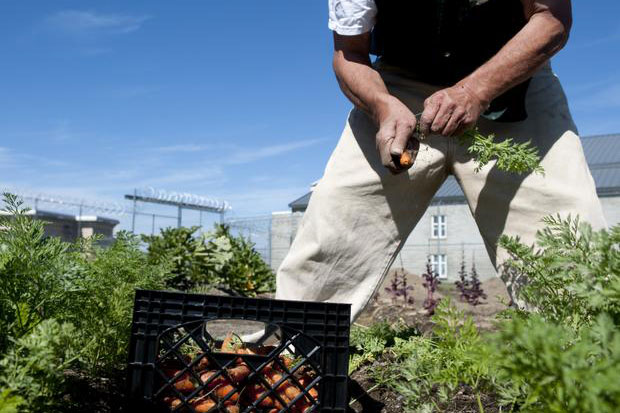
A gardener at Airway Heights Corrections Center (AHCC) harvest carrots from one of the gardens on the campus. Photo by DOC staff.
A gardener at Airway Heights Corrections Center (AHCC) harvest carrots from one of the gardens on the campus.
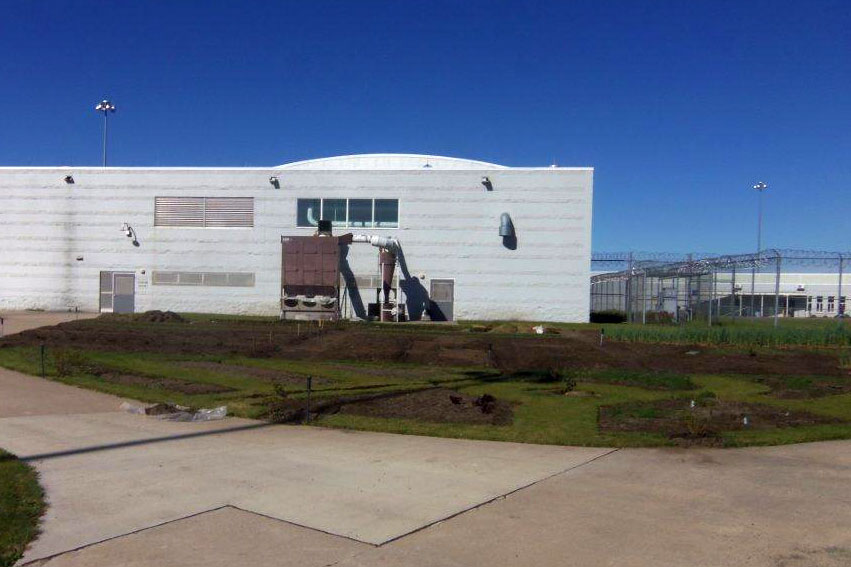
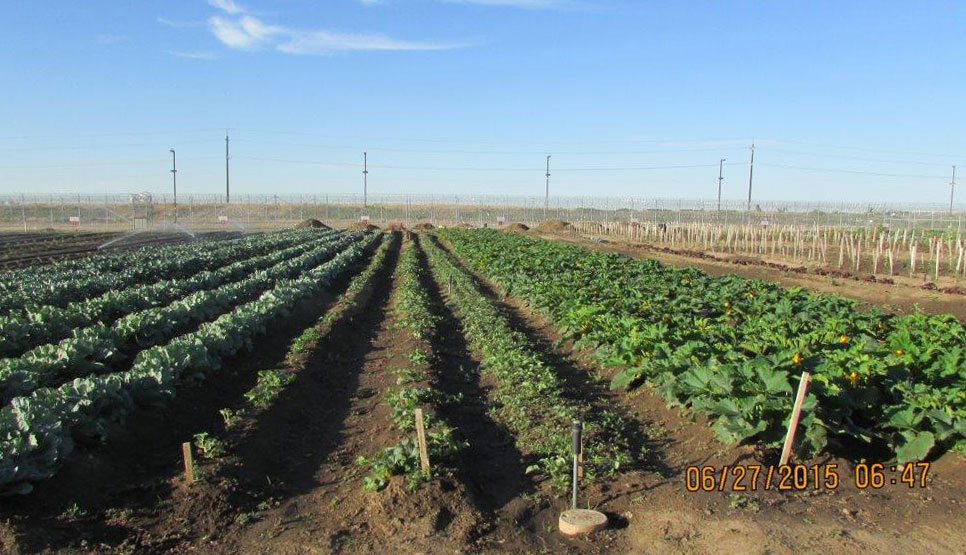
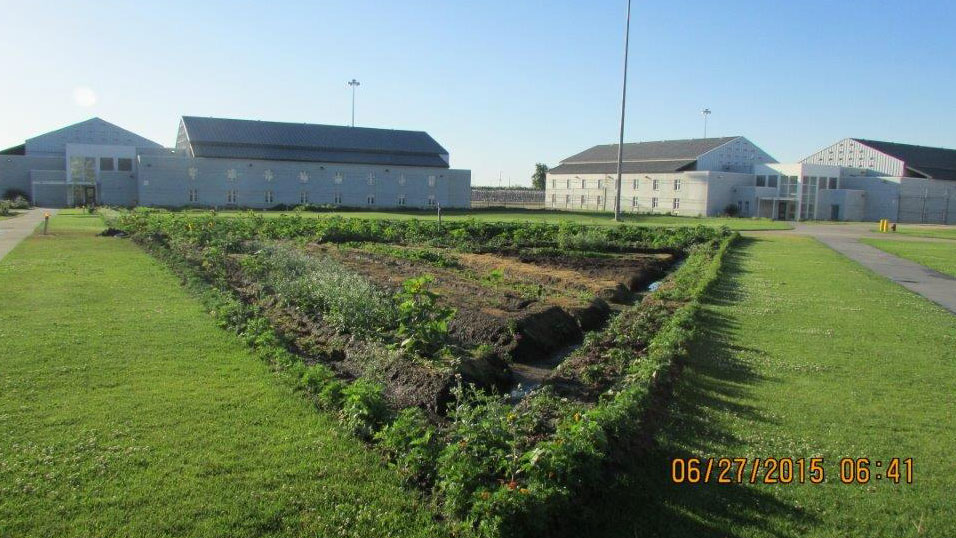
Airway Heights Corrections Center (AHCC), located near Spokane, Washington, has abundant vegetable gardens. There is a huge main garden, and nearly every living unit has its own courtyard garden. Inmates tend these gardens, and send the produce to the prison’s kitchen; their harvest goes to inmate-dining halls.
Nearly every living unit at AHCC has a courtyard garden.
Nearly every living unit at AHCC has a courtyard garden, growing produce in the eastern Washington sunshine.

Volunteers from the nearby community support and enhance the gardening program. Two community volunteers work with the K-Unit (a living unit) Seniors in the K Unit garden. A Washington State University (WSU) Spokane County Extension Horticulture Specialist, Jeremy Cowan, makes presentations to all inmates active in the program, and consults on every garden at the prison. DOC staff Kraig Witt, a Recreation Specialist, and Lt. Leonard Mayfield also are integral to operations, and do a wonderful job of coordinating all the gardens.

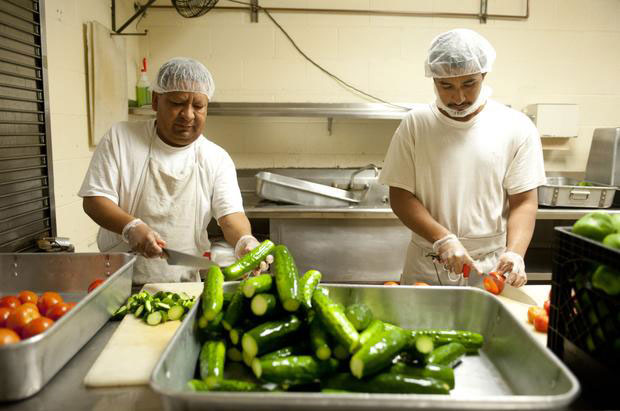
Inmates in the kitchen process vegetables grown on-site, and on their way to the prison menu.
Cooks process vegetables grown on-site, preparing them for inmates’ dining hall.

Many thanks to all involved for their dedication to the gardens. The bring nature inside and healthy, delicious food to the menu.

Update June 29, 2015

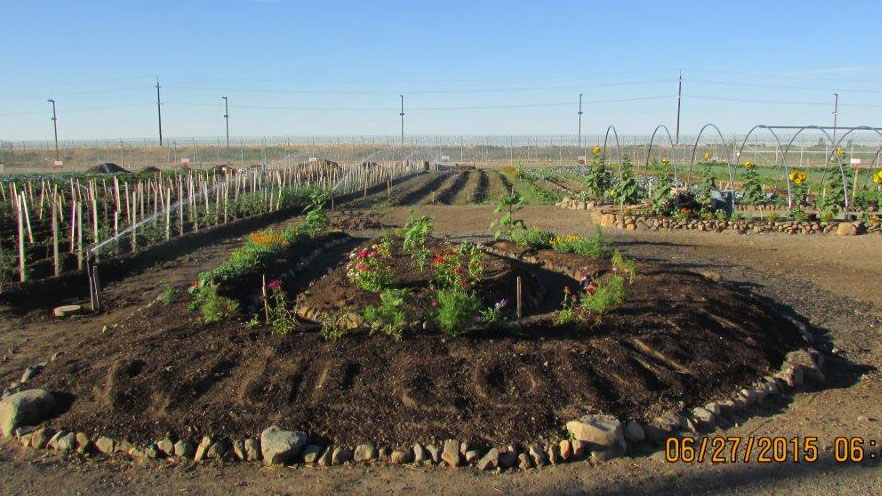
The gardens at AHCC are thriving, and on track to out-produce last year. Here are photos from only a few days ago:

Welcome garden is in bloom!
AHCC-gardens-June-2015-3
The prison’s main garden is showing acres of healthy crops.
A living unit garden and surrounding grounds are lush and green.