By David Duhaime, Roots of Success Master Instructor, Stafford Creek Corrections Center
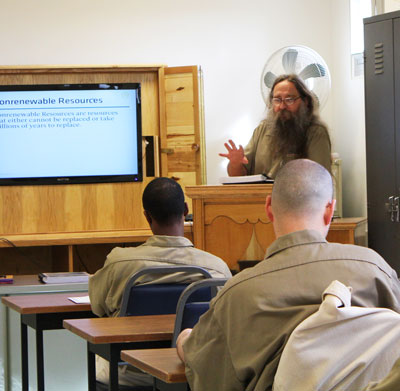
When I consider what’s sustainable I realize that I don’t believe anything is. I am new to environmental issues; teaching Roots of Success is what sparked my interest. Over the past three years my thought has developed into a belief that all systems will continue to evolve, sustaining only the dynamic process. Society continues to change as does the justice system. All things change, people, the planet, all systems considered by environmentalists. If change ends, wouldn’t that mean the end of existence?
There can be no Just Sustainability without a complete education, meaning that everyone has to understand all issues. This would be more than a political education. We would have to revamp how we raise our children to include cultivating their understanding of how they interact with the whole, what impacts they will have and what right to equal access we all have to everything, plus stewardship and responsibility for the inheritance we will pass to future generations. Most people in prison often miss any part of that. We generally don’t know about stewardship and responsibility and those charged with keeping us don’t set that type of example. Perhaps we were all brought up with similar ideals.
Before Roots I worked as a literacy tutor and within self-development groups. In both I came to the idea of interest. If one has no interest, fairness is forfeit. My literacy students could not make significant progress until their interest peaked. They had to want to learn. Only then had the learning become interesting. Getting someone else interested seems to me analogous to Stephen Covey’s “Circle of Influence”: How do I get another interested in learning about what to them is peripheral or non-existent? I need to find the way to expand my influence. One of the first techniques I learned was the “Life Experience” method where the tutor listens to the student’s personal story, writing it down verbatim, and then has the student read their own words back.
Environmental Justice, I believe, requires active involvement, which is predicated on interest. Roots, environmental issues, and one’s stock in the world around them are often outside students’ experience or interest. “Scotoma” is a word I once learned that refers to a blind spot in our psyche or attention, something we ignore unconsciously. If we want to have genuine environmental justice, we must find a way to get all parties interested, which means getting past our automatic process of ignoring, which has developed through nature, a process which may eventually lead to our extinction.
Everyone has scotoma. Leaders in politics, leaders in industry, educators, and prisoners all have interests and areas of personal blindness. If we can find a way to get a student involved in their own education, perhaps we can find the way to make sustaining the environment a way of life for people. We can find a way to believe in their ability to make a difference and have a fair share of bounty and security without taking from others. To help people make the leap to a sustaining life style we have to ask what they need and how their interest can be developed.
How do we get people in prison involved? Here, the facility has started some agricultural and recycling practices, as a result of the SPP lecture series and a realization that it can reduce expenses. Prisoners who could see a value to themselves have embraced similar practices and looked for ways to learn more. I am interested in those that still do not have the ability to see the value of learning how they are affected and in turn are part of the cause leading to the affect. Some believe that they should do anything to cost DOC more money, that imprisoning humans should not be cheap, not making the connection to their taxpaying families. Others have no idea about how they affect the world by their actions. There are as many variations as people, staff and prisoners. Lectures and Roots are steps to include more people, but have also, for me, highlighted the blind spot. We need to find something to make it personal, not about saving DOC money or getting a certificate to get some good-time back. How is taking care of the environment related to me and my life, the lives of my loved ones and the world I will live in when I leave this place? Though we focus on personal benefits in Roots, students often have already put on the blinders putting in only the minimum effort and thought. Part of that is due to personal habit and discipline. We may know something is right to do, but have been doing it this way for so long that we don’t have the motivation or discipline to change. Bad examples are drug, alcohol and tobacco use. We know what is harmful about them but we keep using them anyway. Can we learn methods to cure these issues while making it a broad enough cure to use in all aspects of our lives and behavior?
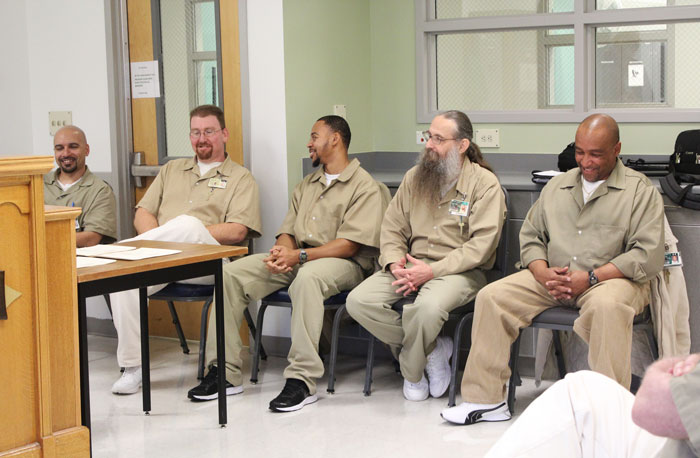
We talk about grassroots methods of making something happen. However, in prison, I see that prisoners emulate authority. Prisons behave so similar to prison staff that I often tell people that if you switched clothes, and roles, nothing would change. But take that thought further. Think of clothes as the Habit or uniform we wear to fit in. How we behave is also the habit we wear to fit in to our lives. If the people in authority were also encouraged and educated and involved in EJ issues and how to model (mentor) the behavior we are looking for, learning stewardship and treating everyone fairly, could we then make progress in developing habits that may lead us closer to the fantasy of Just Sustainability, and a realistic Justice System.
At SCCC I ran into groups with staff as sponsors and had to work with them, a new experience for me; making me uncomfortable, threatening my comfort zone. I worked through it and found value and personal growth in the experience. People everywhere experience something similar with anything that challenges us to think and act in ways not habitual to or supportive of our lifestyle. An idea that may terrify proponents of the status quo and us against them is to include DOC staff, prisoners, law makers, law enforcers, citizens, students, and educators in a popular education dialog about moving forward with environmental justice and how to evolve our communities so we are the dynamic force for change and sustainability. Some might call that a Restorative Justice approach.
Can we perceive our own blind spots and see beyond them?!
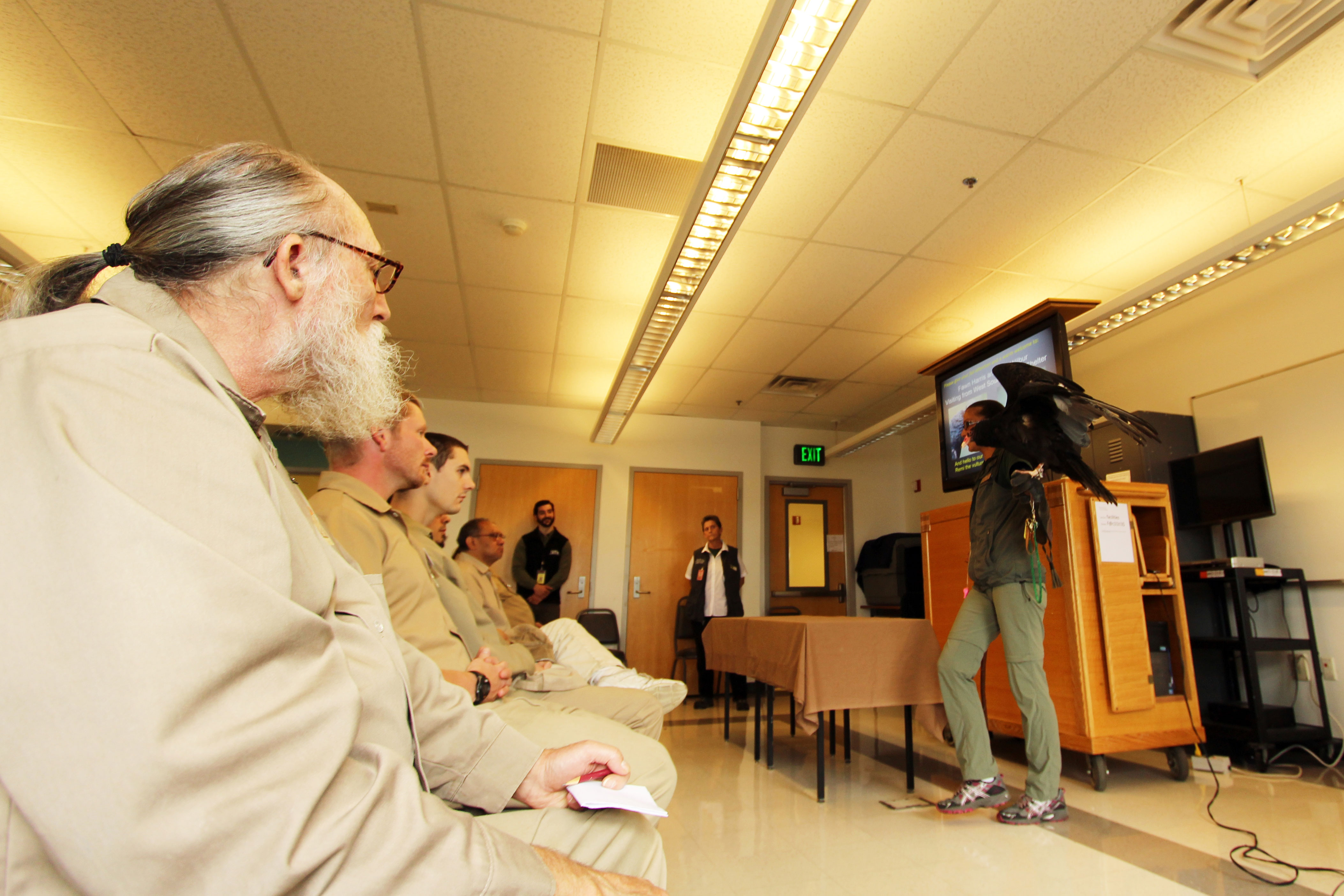
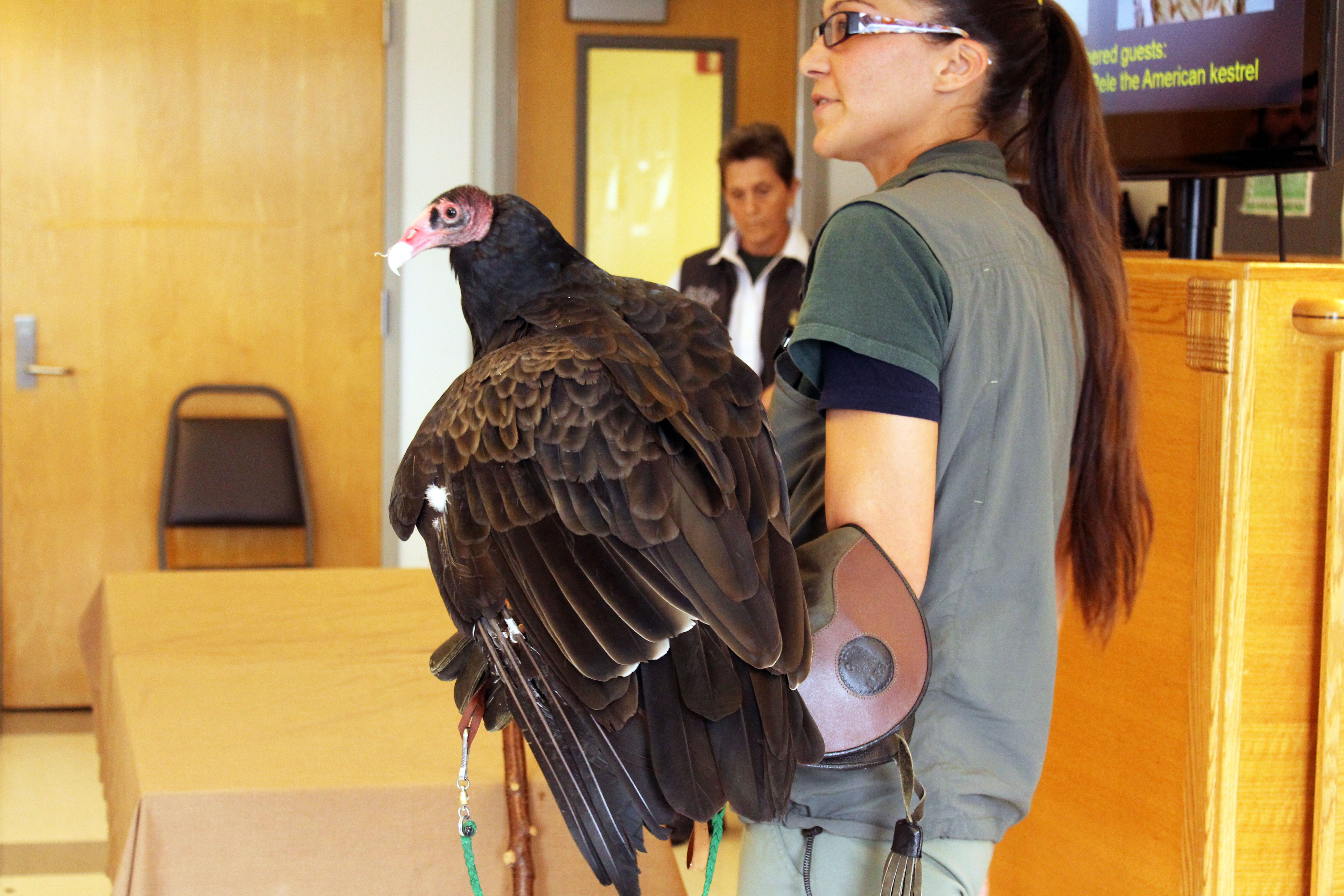




Once a year, SPP reports on all things sustainable happening in Washington State Prisons.