By Desiree Whittenberg, SPP Environmental Education Development and Outreach Coordinator

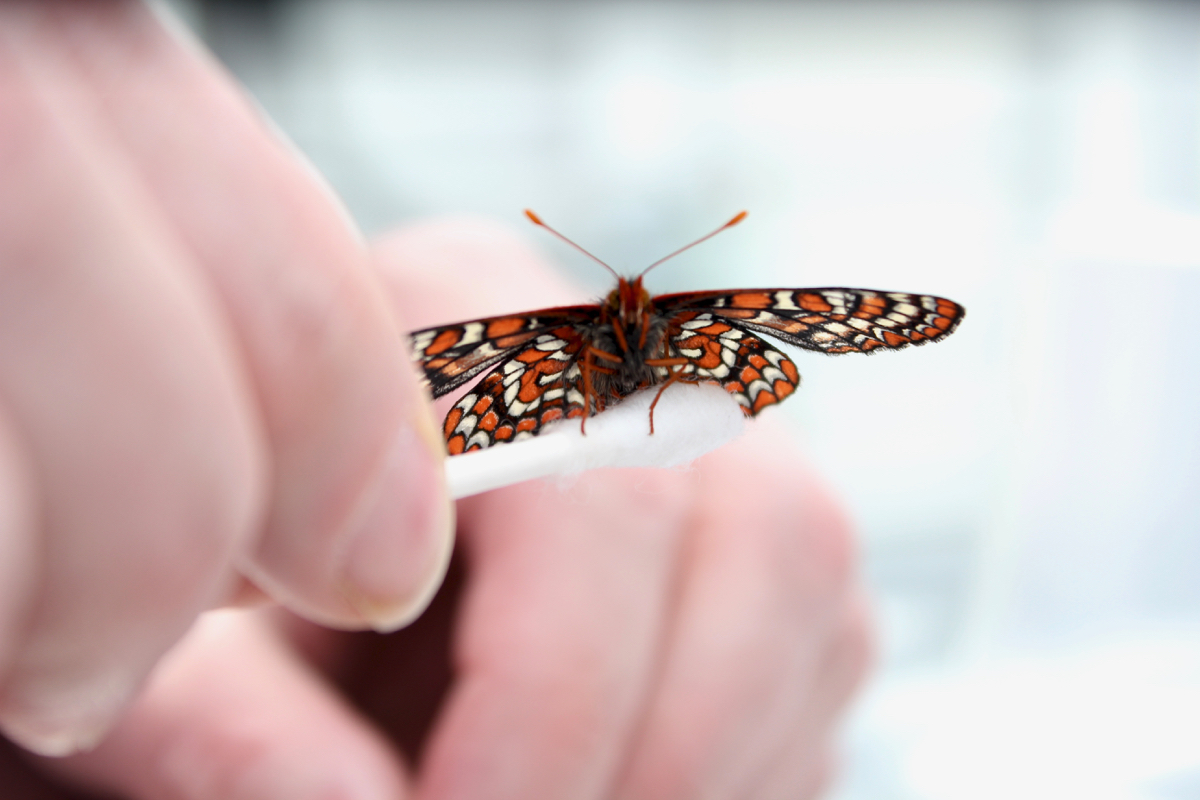
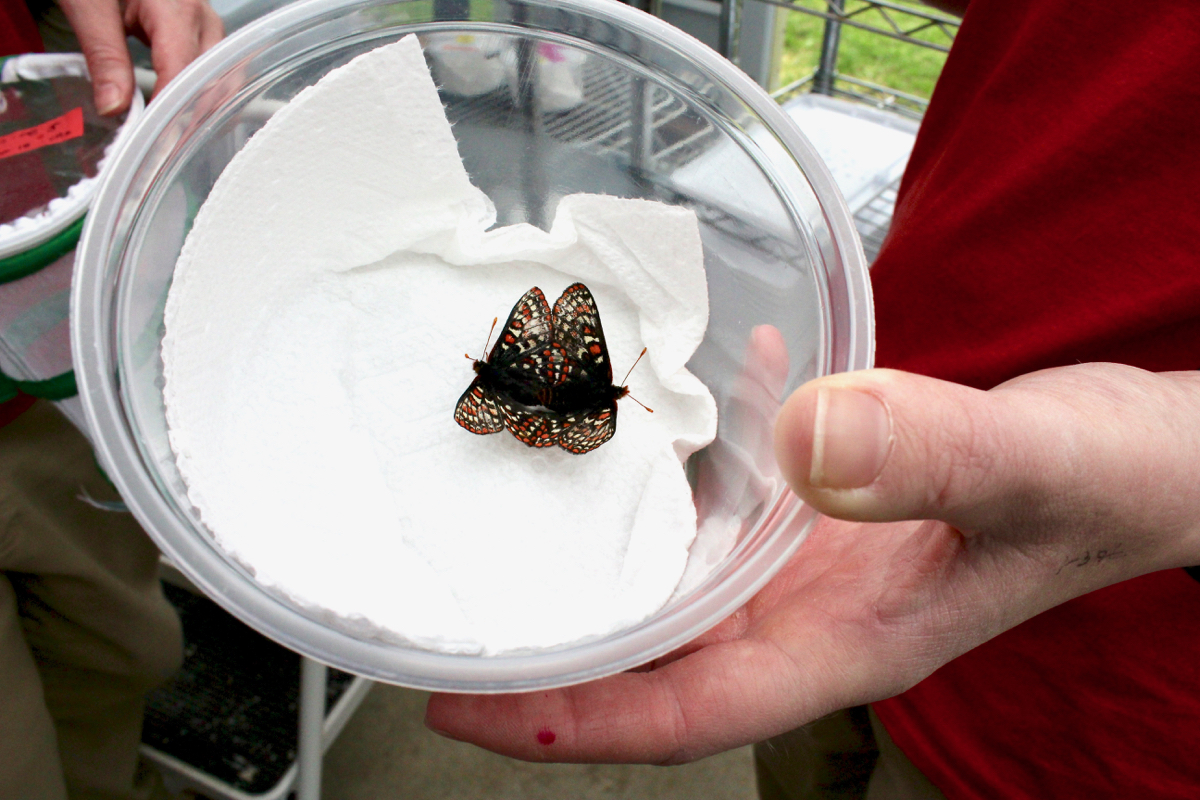
Adult TCB in the hands of a technician at MCCCW. Photo by Desiree Whittenberg.


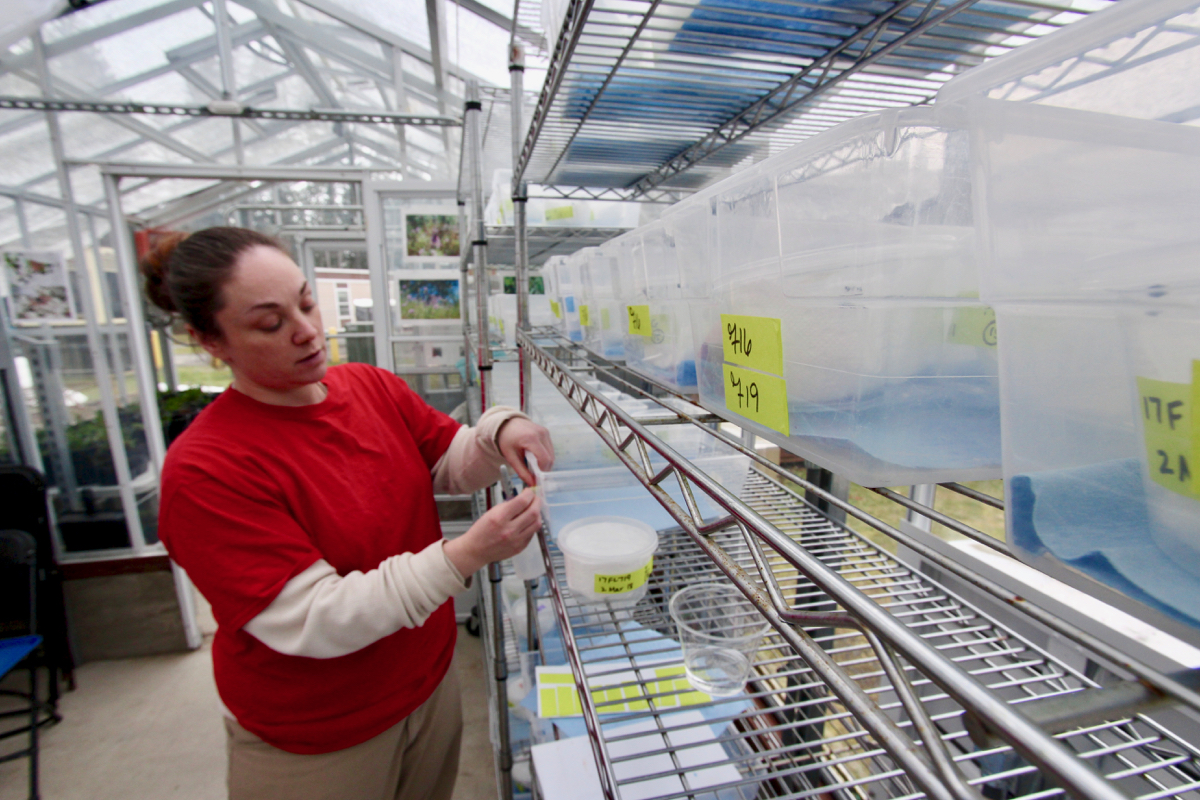
I recently traveled to Mission Creek Correctional Facility for Women (MCCCW), a Washington Department of Corrections (WA DOC) facility that has been closed since September 2025. For over 14 years before closing, MCCCW played a crucial role in native prairie habitat restoration and species recovery through SPP’s Taylor’s Checkerspot Butterfly Program. This program is an ongoing collaboration between SPP, Department of Corrections, and Washington Department of Fish & Wildlife (WDFW) to restore the population of this keystone species, which contributes to the overall health of Washington State prairies.  The health of prairie ecosystems and the future of the Taylor Checkerspot Butterfly (TCB) are closely connected, with each relying on the other for survival. Prairies supply the essential ingredients butterflies need, like specific host plants for their larvae, nectar for adults, and the right seasonal patterns to guide their life cycle. In turn, the butterfly plays a role in supporting pollination, contributing to food webs, and reflecting the overall condition of the ecosystem. Because prairie habitats are so limited and vulnerable, declines in the TCB often point to deeper environmental challenges, such as reduced plant diversity or shifts in climate timing. Protecting this butterfly, therefore, goes hand in hand with restoring prairie landscapes, helping to rebuild resilient ecosystems that support a wide range of species while maintaining important environmental functions.

When MCCCW closed its doors in September 2025, the incarcerated women were transferred to Washington Corrections Center for Women (WCCW). The federally endangered butterfly larvae, who were peacefully unaware of their looming migration, remained at MCCCW and rested in diapause. For three months, SPP made special trips to MCCCW to check on the larvae as they overwintered by providing food, checking environmental conditions, and tucking the larvae back in if/when they stirred too much. In December 2025, the larvae took the same 40-mile car ride their incarcerated caretakers had just a few short months before. Reunited at WCCW, technicians worked hard to ensure the larvae remained healthy through diapause until Wake Up in February 2026. From then until March, larvae were provided daily care at WCCW until all larvae were released back into the wild. This moment marked the completion of the first steps in plans that had been hatched by partner organizations when they learned about the impending closure of MCCCW.


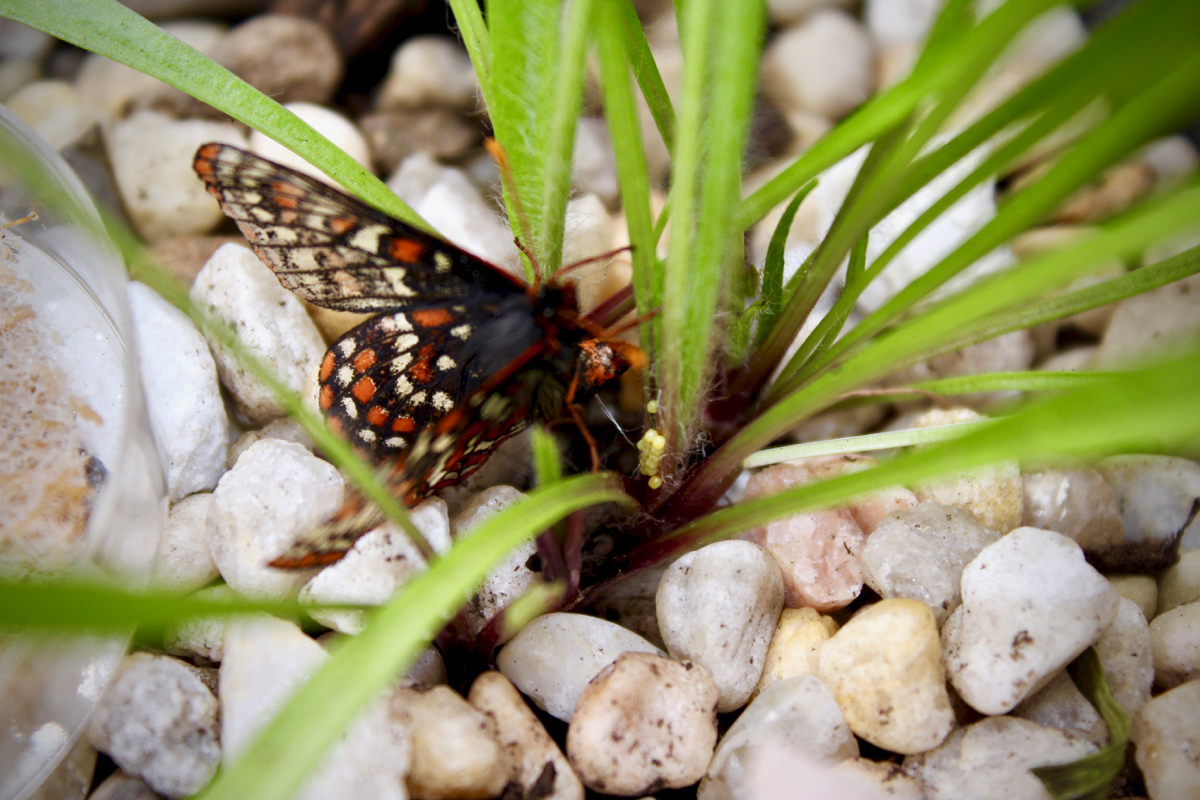
TCB Technician counts eggs laid by adult butterflies on the leaves of Plantago lanceolata, also known as narrowleaf or English plantain. Photo by Desiree Whittenberg.

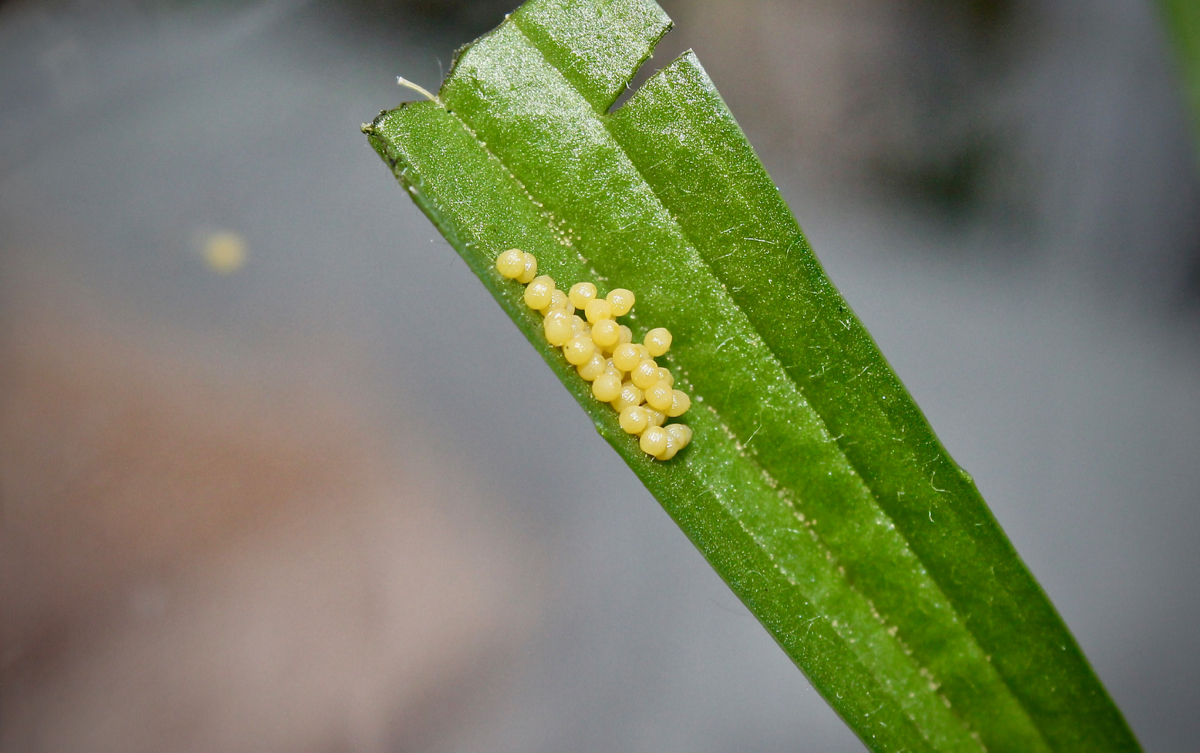
Starting late 2024, SPP worked tirelessly with partners from WDFW, the US Department of Fish and Wildlife, MCCCW staff and leadership, WA DOC leadership, incarcerated technicians, and many other entities to determine the best course of action to relocate the TCB program from MCCCW to WCCW while keeping the program active and functioning. Knowing that proper rearing facilities would not be quite ready for the emerging butterflies in early spring, this collaboration had to devise a plan that worked for all parties involved. In 2025, DOC leadership and staff, TCB Technicians, and SPP crafted a plan to continue utilizing existing greenhouse infrastructure at MCCCW. In April 2026, WCCW transported technicians to their temporary job site at MCCCW to care for, measure, and monitor wild-caught adult butterflies. Technicians also needed to care for eggs being laid by the adults (as seen in the photo below) through development until they once again enter diapause and are transported back to WCCW, where they will overwinter until they too will emerge in the early months of 2027, this time in their brand-new lab at WCCW.

Adult TCB boasts the fruit of her labor, future TCB generations on English plantain leaf under her left wing. Photo by Desiree Whittenberg.

While speaking with the technicians, it was clear that they were not only passionate about their jobs but also deeply connected to the experiences of the butterflies in their care.

“We are so similar. We are both in captivity, you know? We’re both trying to recover and grow against the odds. At first, I just thought this job would be nice because the pay was better than our other options. I didn’t expect it to have such an impact on my overall well-being. We don’t really get that too much in here.”

I heard this sentiment echoed by several voices that day in the greenhouses, each expressing a mix of gratitude, reflection, and honesty. For some, the reality that not every butterfly will get to thrive outside of locked-up spaces felt personal. And yet, there was also a quiet sense of purpose, an understanding that every individual, whether released or not, contributes to something larger. In caring for these fragile species, the technicians are not only supporting the recovery of a federally endangered butterfly but also participating in the restoration of an entire ecosystem, leaving a lasting impact that extends far beyond the walls they work within.

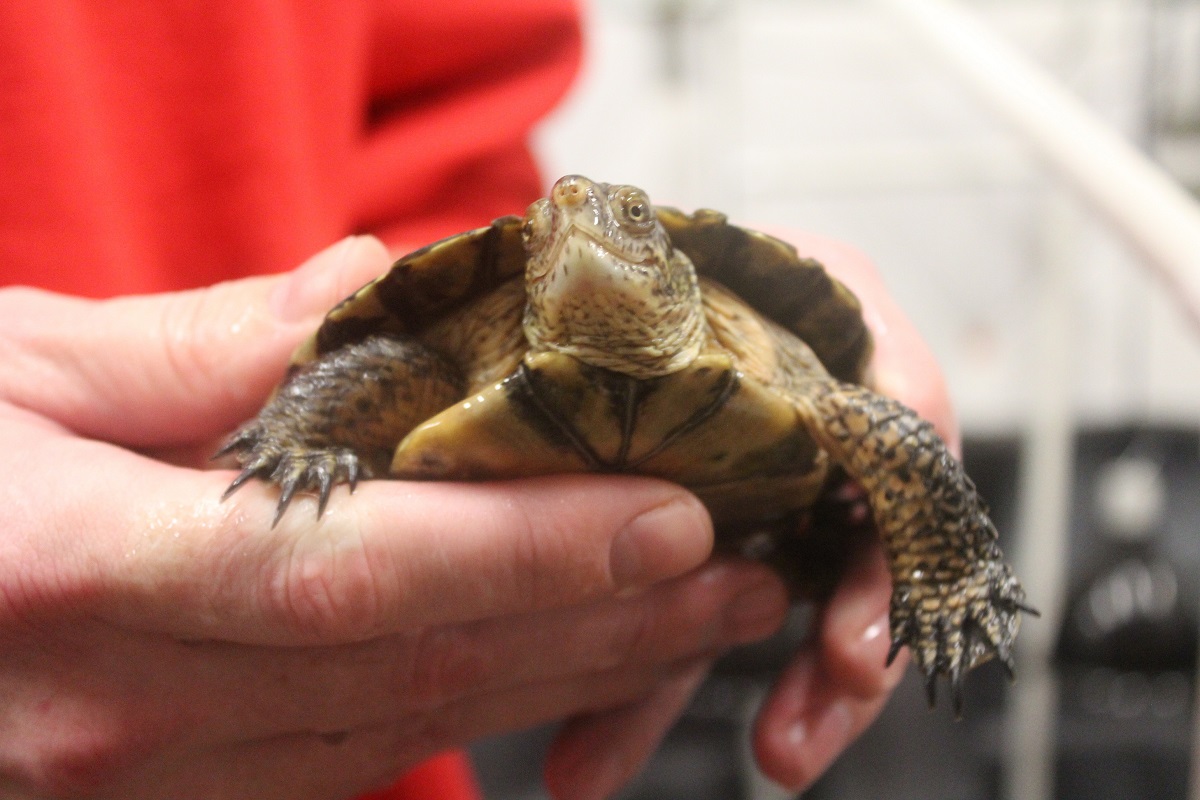
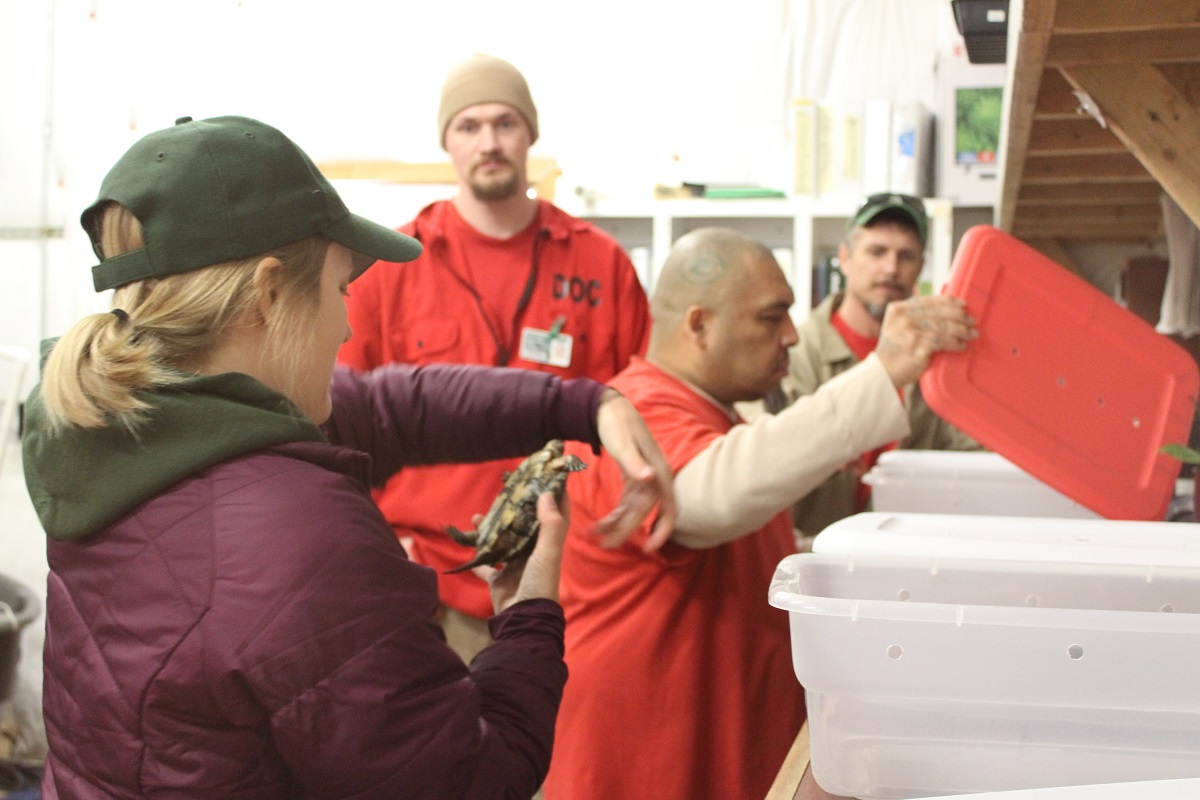
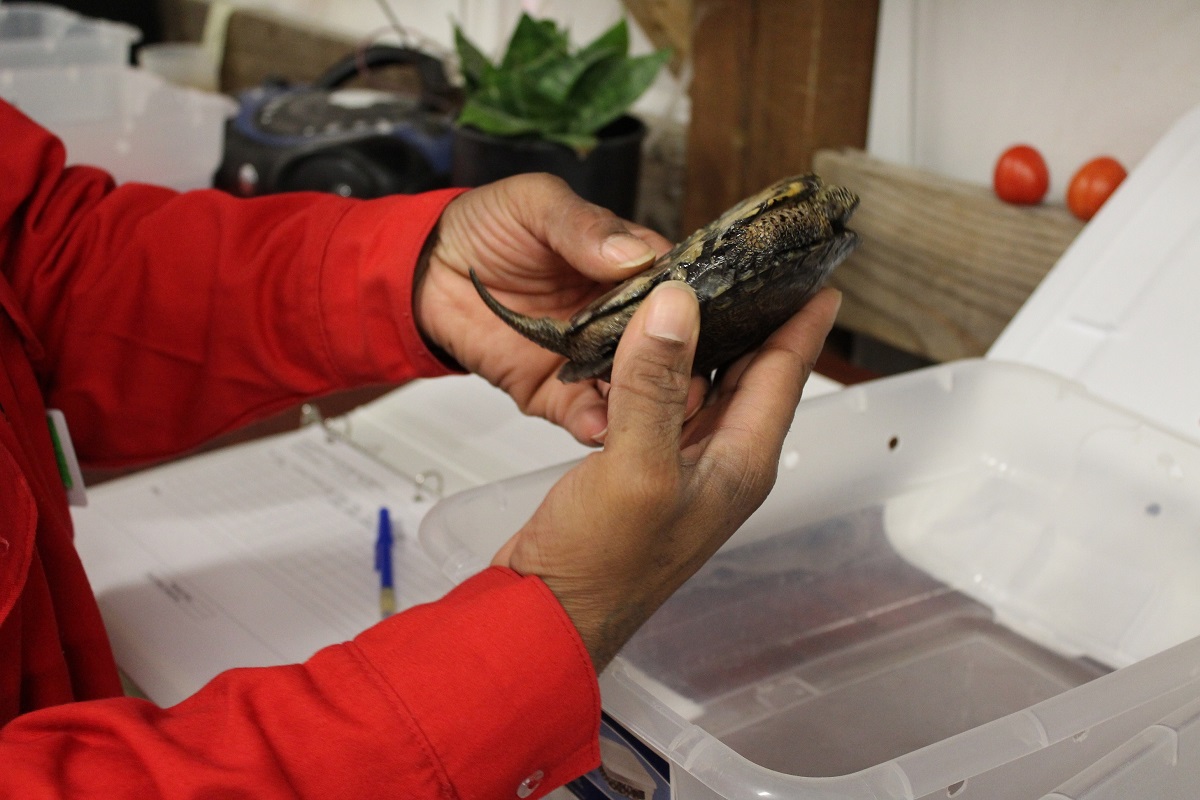
This season, the northwestern pond turtles (NWPT) in post treatment care at Cedar Creek Correction Center (CCCC) have a new routine: bath time. Turtles housed at CCCC are trapped by biologists from The Washington Department of Fish and Wildlife (WDFW) as part of a monitoring and rehabilitation effort focused on combatting a fungal-associated shell disease. This shell disease is thought to be caused by a keratin eating fungus known as Emydomyces testavorans that infect the NWPTs and create lesions and pitting on their shells. These lesions make parts of their normally hard shells soft and, if left untreated, can pose serious health risks.

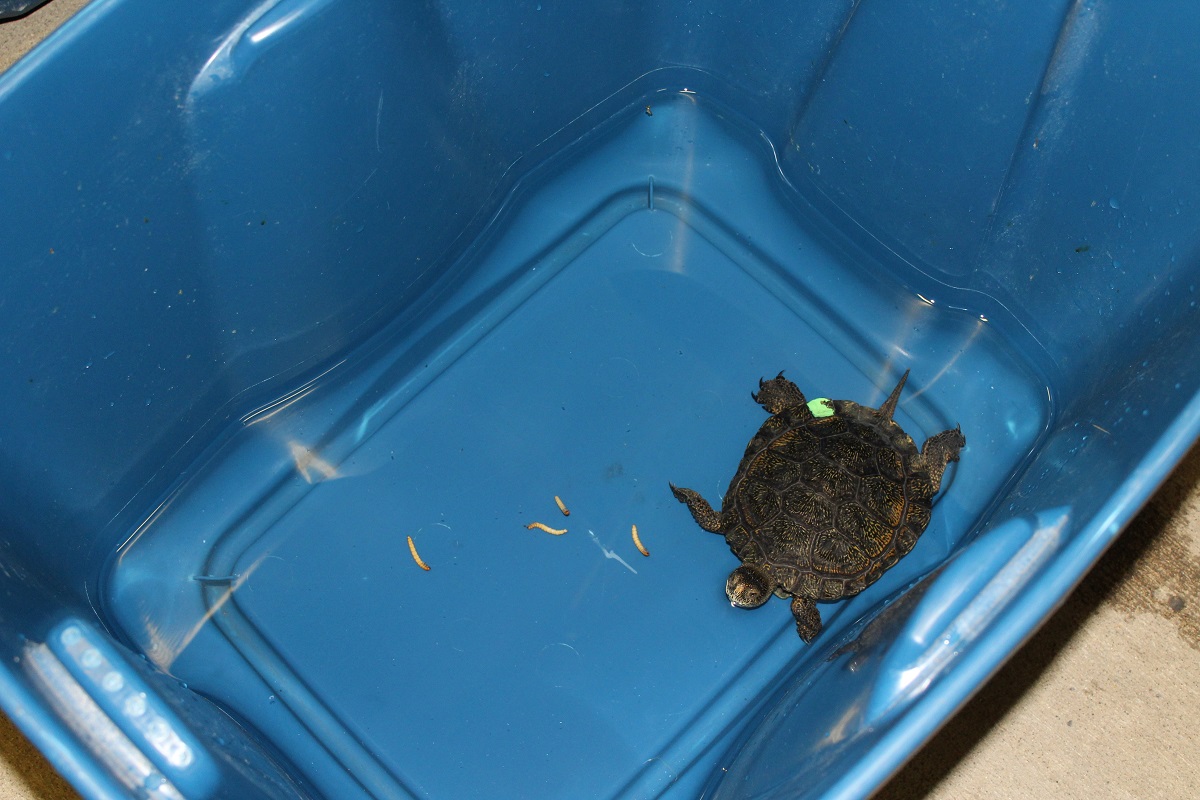
SPP is partnering with WDFW to pilot a less invasive treatment option for these turtles. Based on research from the University of Illinois Wildlife Epidemiology Lab, SPP is administering an anti-fungal treatment bath for the turtles. Three times a week turtles soak for 30 minutes in a terbinafine and water solution to coat them in the medicine, in hopes of clearing them of the fungal pathogen.

This season there are 10 sub-adult turtles and 12 adult turtles in care at Cedar Creek, all of which have tested positive for E. testavorens. The 10 sub-adult turtles came to CCCC in August of 2025 and have been taking baths 3 times a week since. These sub-adults are also being periodically tested for E. testavorens, to assess the effectiveness of the terbinafine bath treatment. In addition to taking terbinafine baths 3 times a week, the 12 adult turtles also received treatments similar to past years with surgical removal of portions of the shell most severely impacted by the shell disease. This treatment took place at the Progressive Animal Welfare Society (PAWS) in the fall and winter. In February, the first round of adult turtles were transferred to Cedar Creek Correction Center for long term care prior to their release back to their native ponds in the spring.

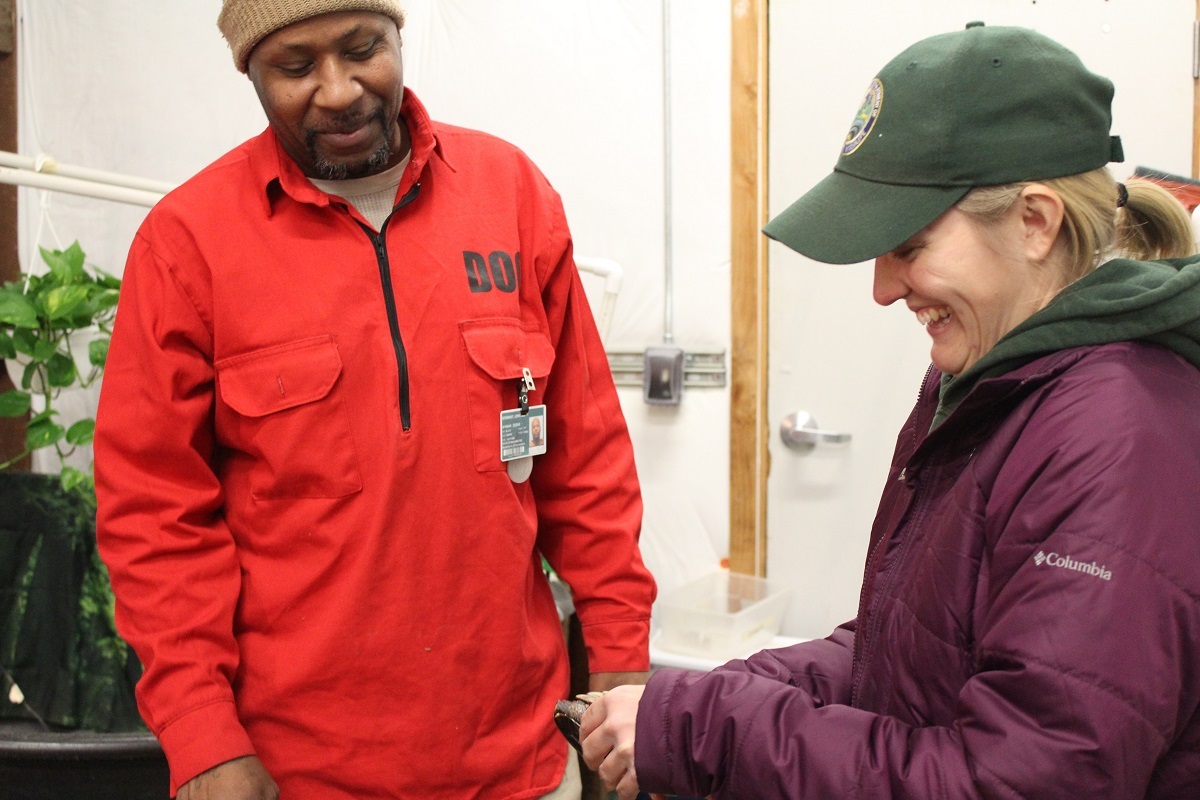
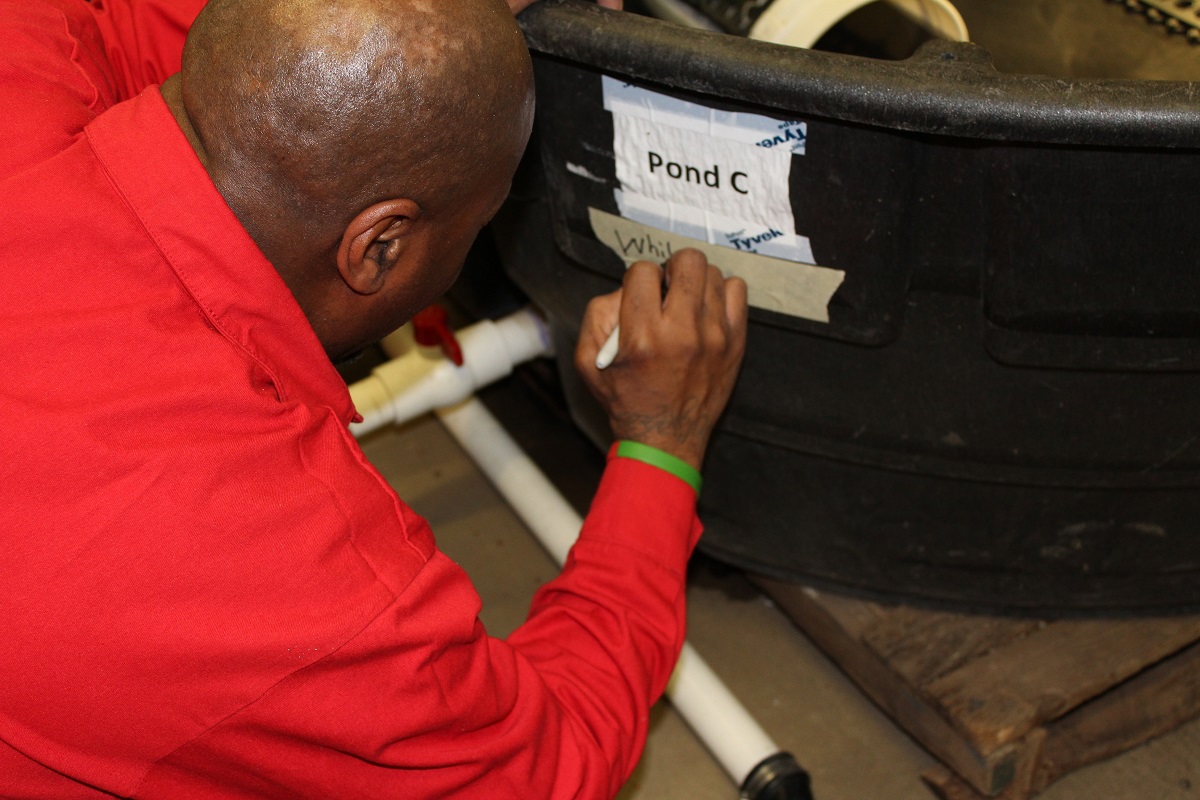
As in past seasons, the technicians caring for the turtles work diligently to ensure environmental conditions are stable in the program area along with ensuring daily feeding and tank cleanings are performed by protocol standards. With the addition of the terbinafine treatment, the technicians are now also administering the baths to the turtles, which gave the technicians the opportunity to learn and implement new care protocols. In addition to the hands-on turtle care, northwestern pond turtle rehabilitation technicians receive education on wetland ecology, turtle biology, and animal husbandry. A total of 10 credits are offered by The Evergreen State College for technicians who complete the educational portfolio.

Thank you to all the partners and technicians for making this work possible!

By Mikala Waldrup, SPP Ecological Program Coordinator 

On Tuesday, April 2nd, the Sustainability in Prisons Project (SPP) team along with the turtle technicians from Cedar Creek Correction Center (CCCC), The Department of Corrections (DOC) Staff, and the Washington Department of Fish and Wildlife staff (WDFW) visited the Pierce County Recovery Site to release western pond turtles (WPT) back to their native ponds after treatment from a shell disease. During this field trip, we released 11 turtles that received follow up care from incarcerated turtle technicians at CCCC after receiving acute veterinary treatment. These turtles, a Washington state listed endangered species, were found to have a shell disease that, left untreated, can be fatal. This shell disease is caused by a keratin eating fungus that infects the WPTs and creates lesions and pitting on their shells. These lesions make their normally hard shells soft. Turtles that show symptoms of shell disease are brought to PAWS Wildlife and Rehabilitation Center (PAWS) or The Oregon Zoo for treatment.  

Once treated, the turtles move to CCCC for longer term care. The turtle technicians prepared and fed the turtles a varied diet of smelt, mealworms, night crawlers, turtle pellets, mixed greens, and reptile gel. They also provided daily water changes and weekly tank cleanings to prevent possible infections in the turtles’ post-treatment wounds. With daily behavior observations, the technicians quickly learned the personality each turtle had—some were shy and preferred to hide while others were bold and sassy, preferring to bask all day.  

During the 2023-2024 season, SPP and the turtle technicians cared for 23 turtles both before and after the turtles received veterinary care. When reflecting on this season, turtle technician Robert Asagai wrote, “Although this was a program/job provided by SPP and DOC, I really enjoyed it and felt that it wasn’t. I looked forward to coming in everyday and doing something that was outside of everyday prison stuff. It felt like a safe place or a place of peace.” 
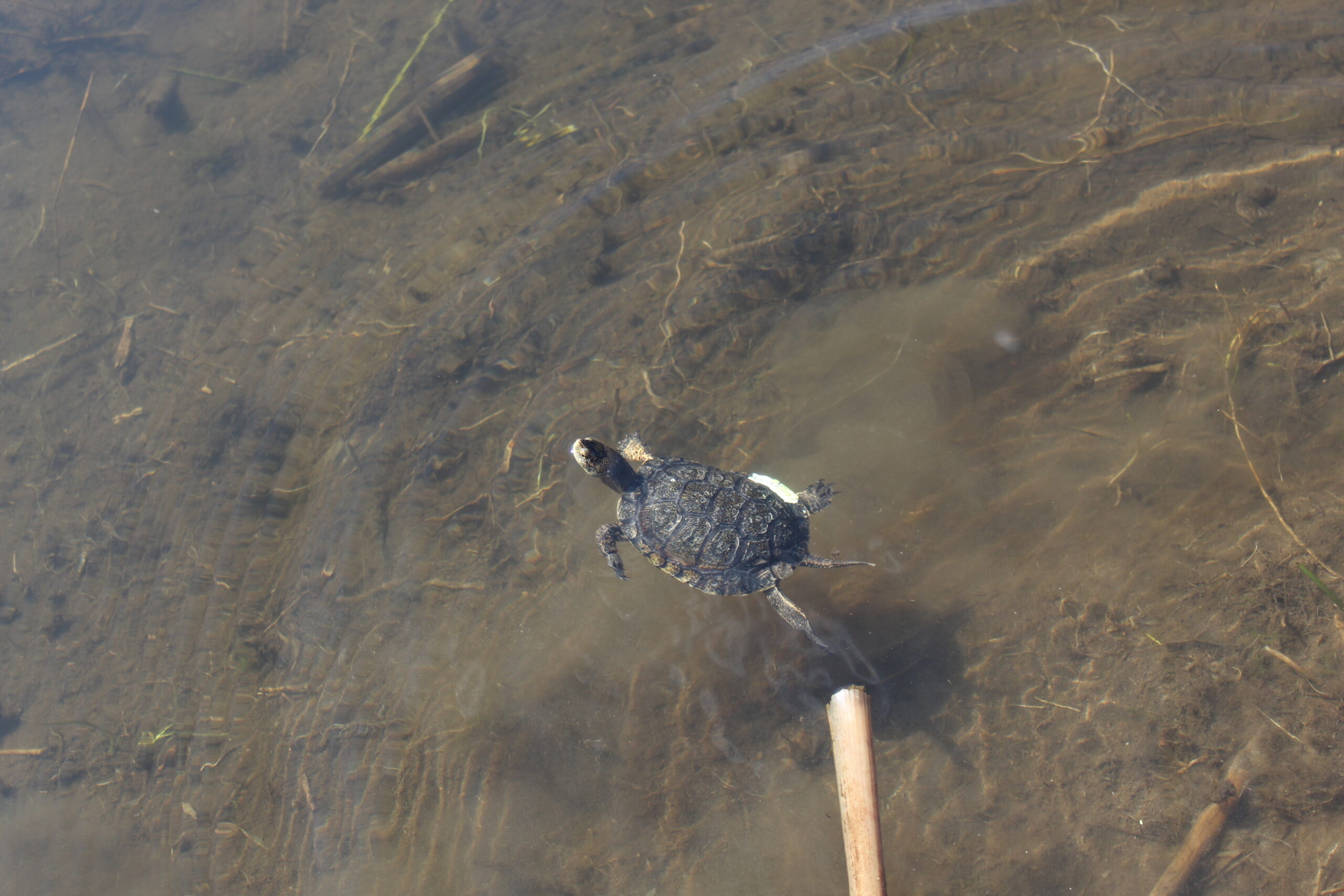
A WPT swimming away upon release.
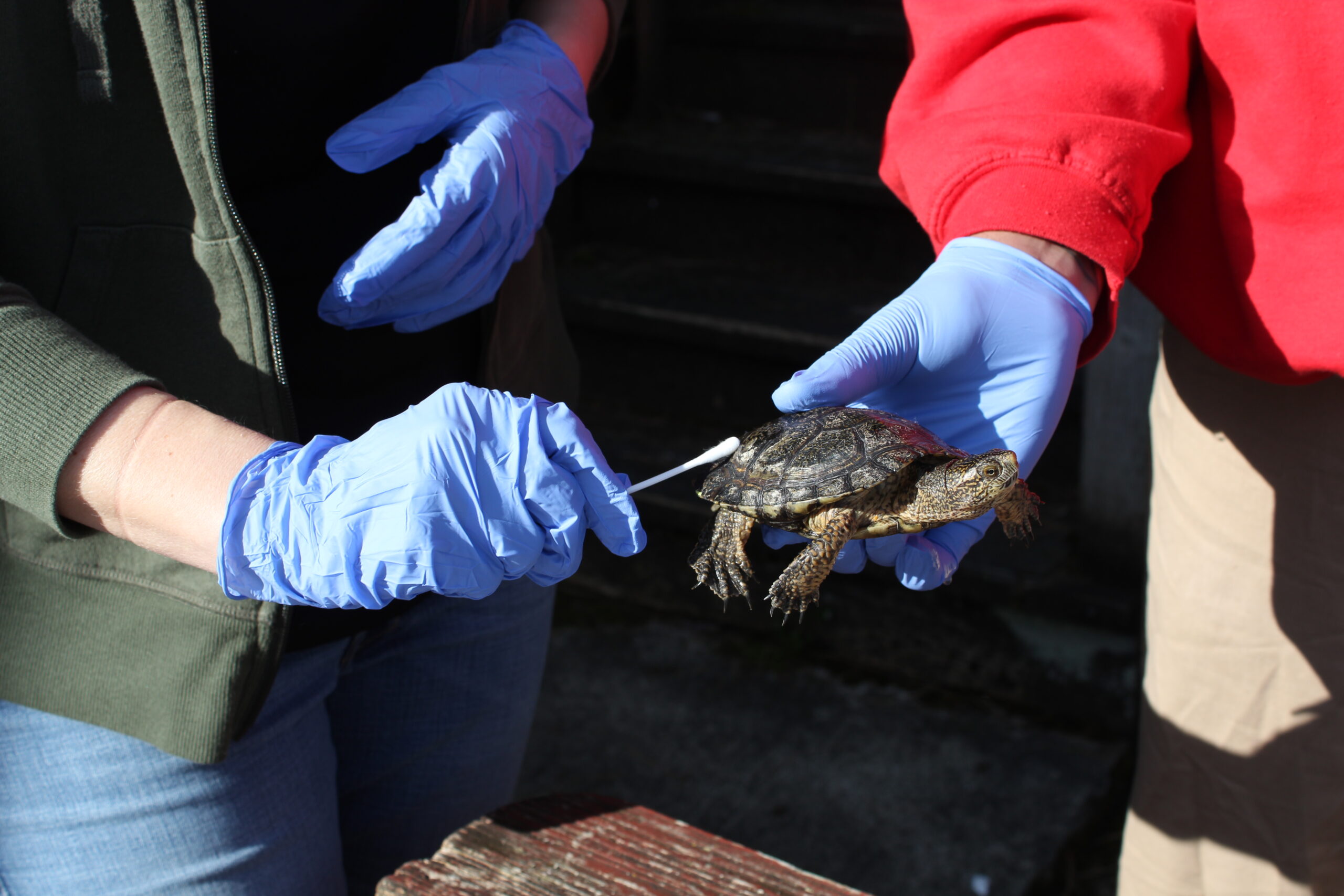
Below: A WPT being swabbed to see if the shell disease is present post treatment prior to release.

Due to the pandemic, this was the first time the technicians and DOC staff have been able to attend a release since 2019, which added a special element to the day. Prior to releasing the turtles back into their ponds, the technicians and wildlife biologist swabbed each turtle to further study shell disease treatment. The technicians work so hard throughout the season caring for the turtles and ensuring they are recovering from their treatments, and it was so great to have them attend the release. It was also neat to see a lot of the concepts that we were learning about together, such as wetland ecology, in person at the recovery site.

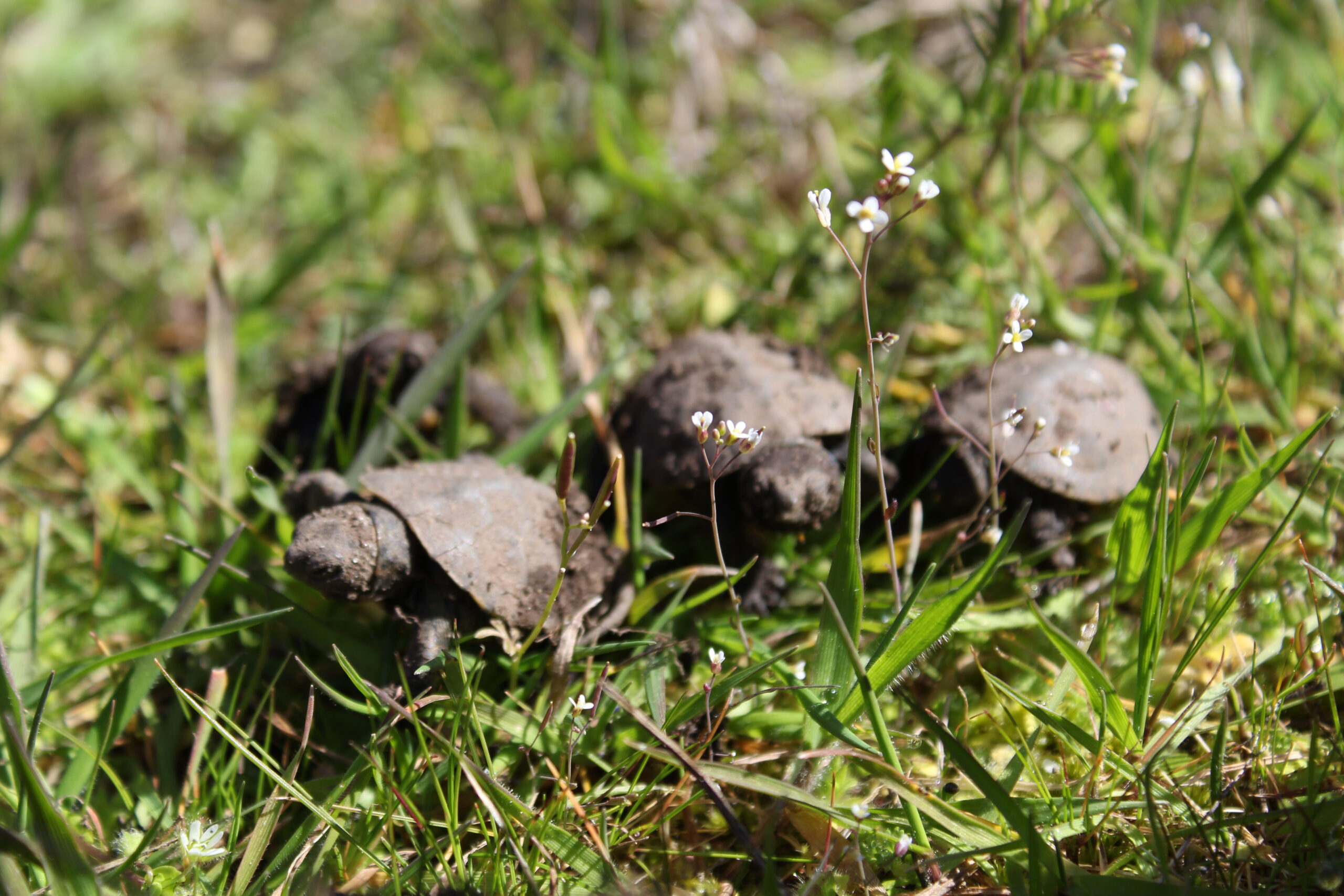
During our visit to the Pierce County Recovery Site, the WDFW wildlife biologist took the team on a tour of the recovery area, and we were able to check on several nest sites that had teeny tiny turtle hatchlings. This was a highlight for everyone to see the next generation of a species we are all working to conserve and protect. Upon release, the turtles swam away and rejoined their population just in time for the summer and the WPT mating season. SPP and the Cedar Creek crew are very happy to see the successful release of the WPTs but will be missing the turtles until the next batch are trapped for treatment next season. 
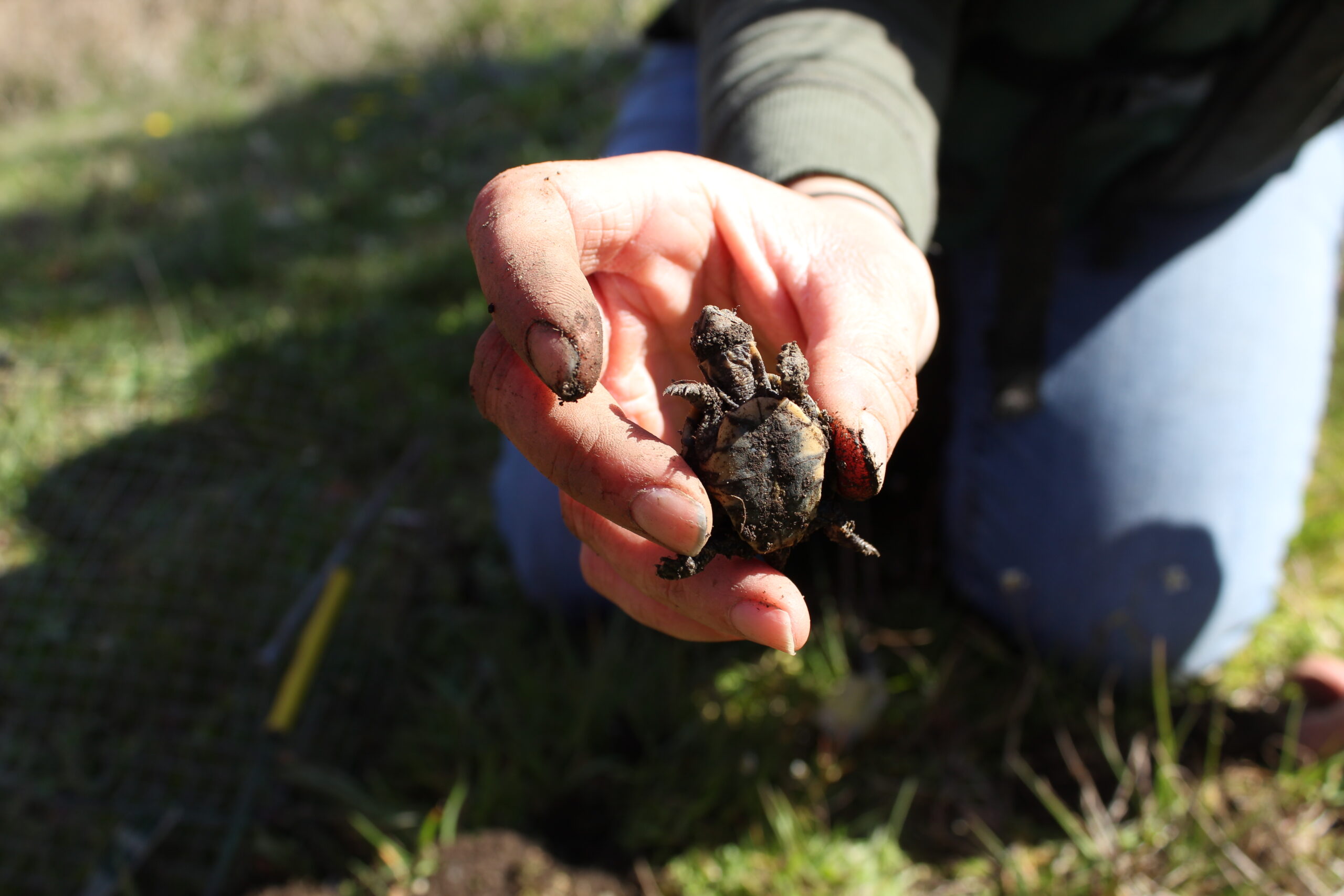
Teeny tiny turtle hatchlings seen at the release site, each no bigger than a half dollar. Photos by SPP staff.

Text and photos by Marisa Pushee, Ecological Conservation Coordinator.

Our friend, Yellow, is always camera-ready.

Ten western pond turtles have arrived at Cedar Creek Corrections Center (CCCC). Washington Department of Fish and Wildlife (WDFW) Biologist, Emily Butler, delivered the first four turtles to CCCC in early December and provided incarcerated Biological Technicians with an overview of turtle care for this year’s program.

Emily Butler, Biologist with Washington Department of Fish and Wildlife (WDFW), delivers this year’s western pond turtles to Cedar Creek.

Biological Technicians George Gonzalez, Donald McLain, and Jeramie Inge help the turtles settle in.

Biological Technician, Lorenzo Stewart, examines the effects of shell disease on one of the turtles.

Upon arrival, and before technicians transfer them to their new homes, the turtles are offered an appealing snack of prison-grown mealworms.

A state listed endangered species, the western pond turtle struggles with a shell disease. Each year, wildlife veterinarians at Progressive Animal Welfare Society (PAWS) treat afflicted turtles. Technicians at CCCC then care for, feed, and monitor the turtles through their recovery period. In the spring, they will be released back into their habitat.

Lorenzo Stewart labels each enclosure.

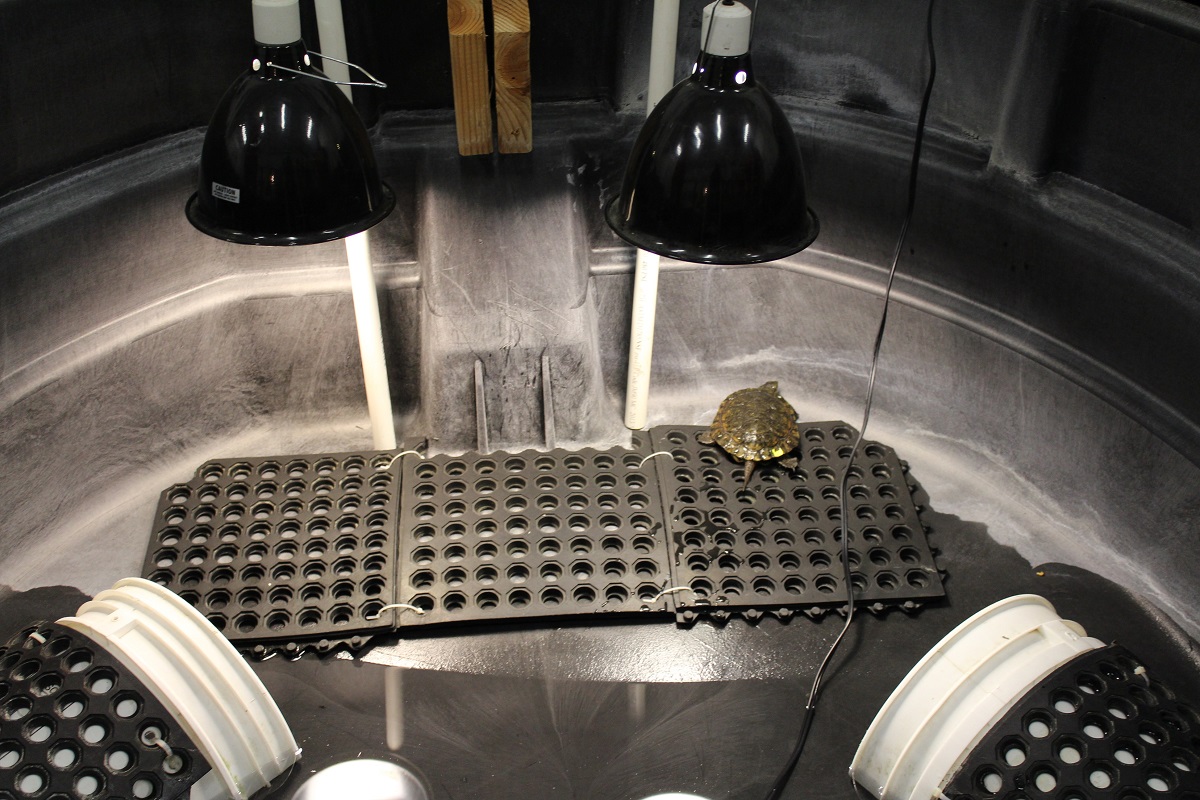
The turtles at Cedar Creek have access to underwater and basking areas, both heated to comfortable temperatures for the turtles. While their surroundings are kept simple and clean during their recovery, it is important that the turtles have hides where they can escape for some privacy. This enclosure features two hides, one for each of the turtles.

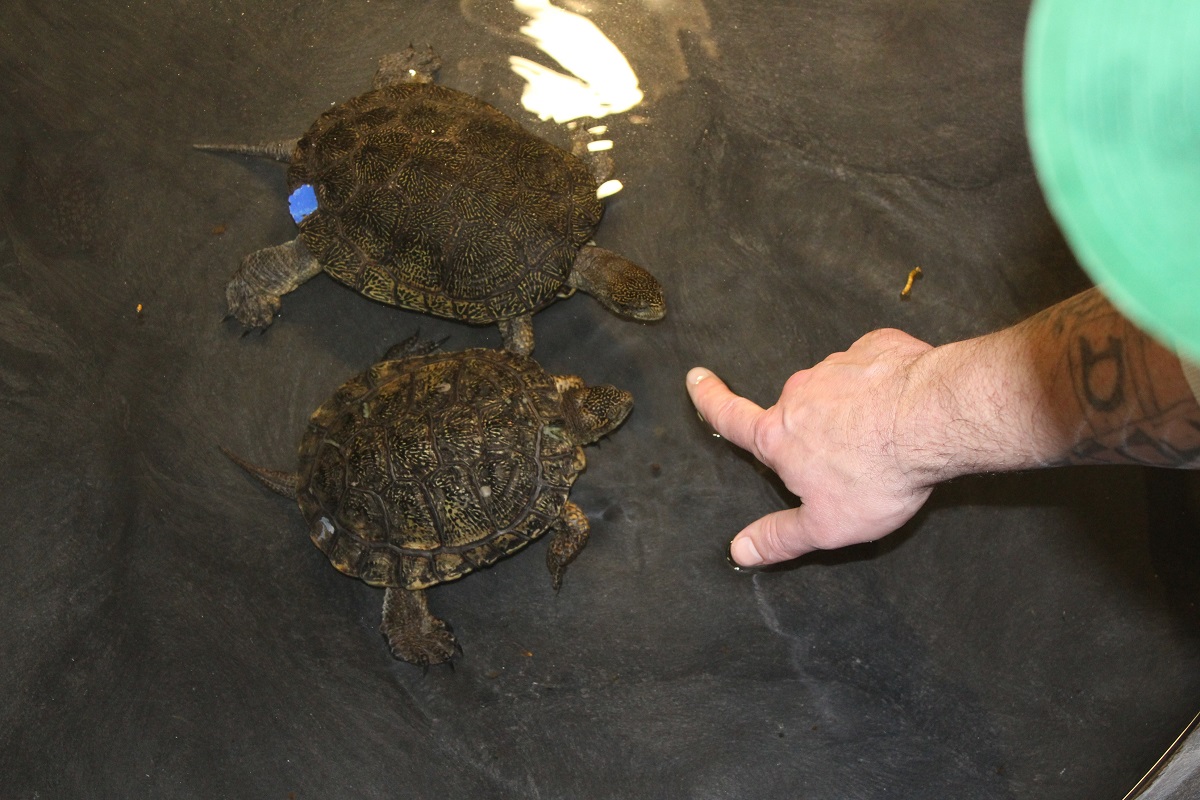
The turtles are typically housed two per enclosure, for companionship. Technicians monitor each pair to ensure compatibility.

CCCC has been caring for western pond turtles from the Puget Sound region since 2013. The biological technicians have the program running smoothly and efficiently.

By Marisa Pushee, SPP Ecological Conservation Coordinator

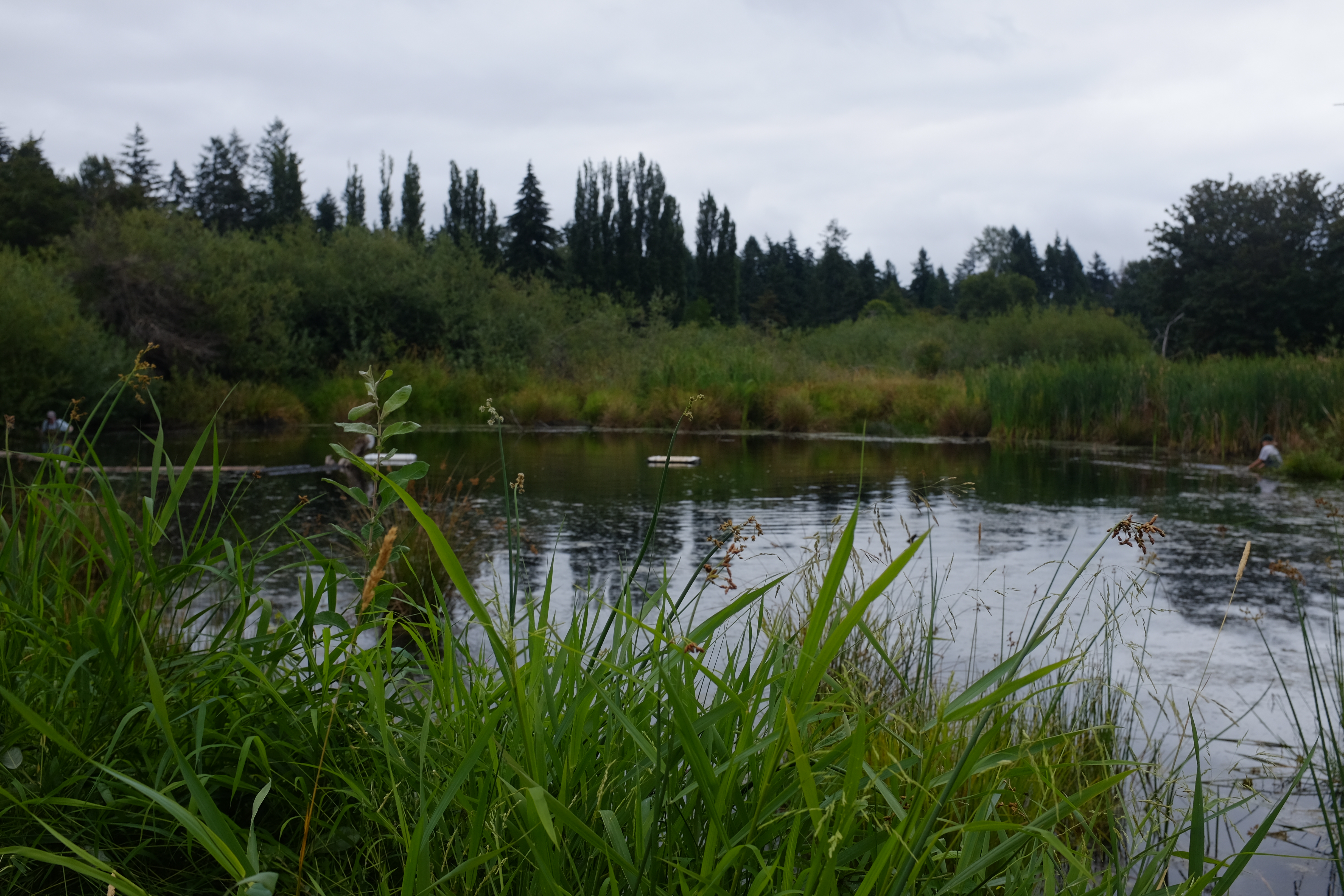
South Puget Sound Wildlife Area in Lakewood, WA. Photo by Marisa Pushee.

It’s turtle trapping season for the Washington Department of Fish and Wildlife (WDFW). When we arrived onsite at the South Puget Sound Wildlife Area, Wildlife Biologist Emily Butler was already hard at work and chest-deep in one of the three ponds at the wildlife area that western pond turtles (WPT) call home. Emily and two dedicated volunteers were diligently placing traps in turtle habitat.

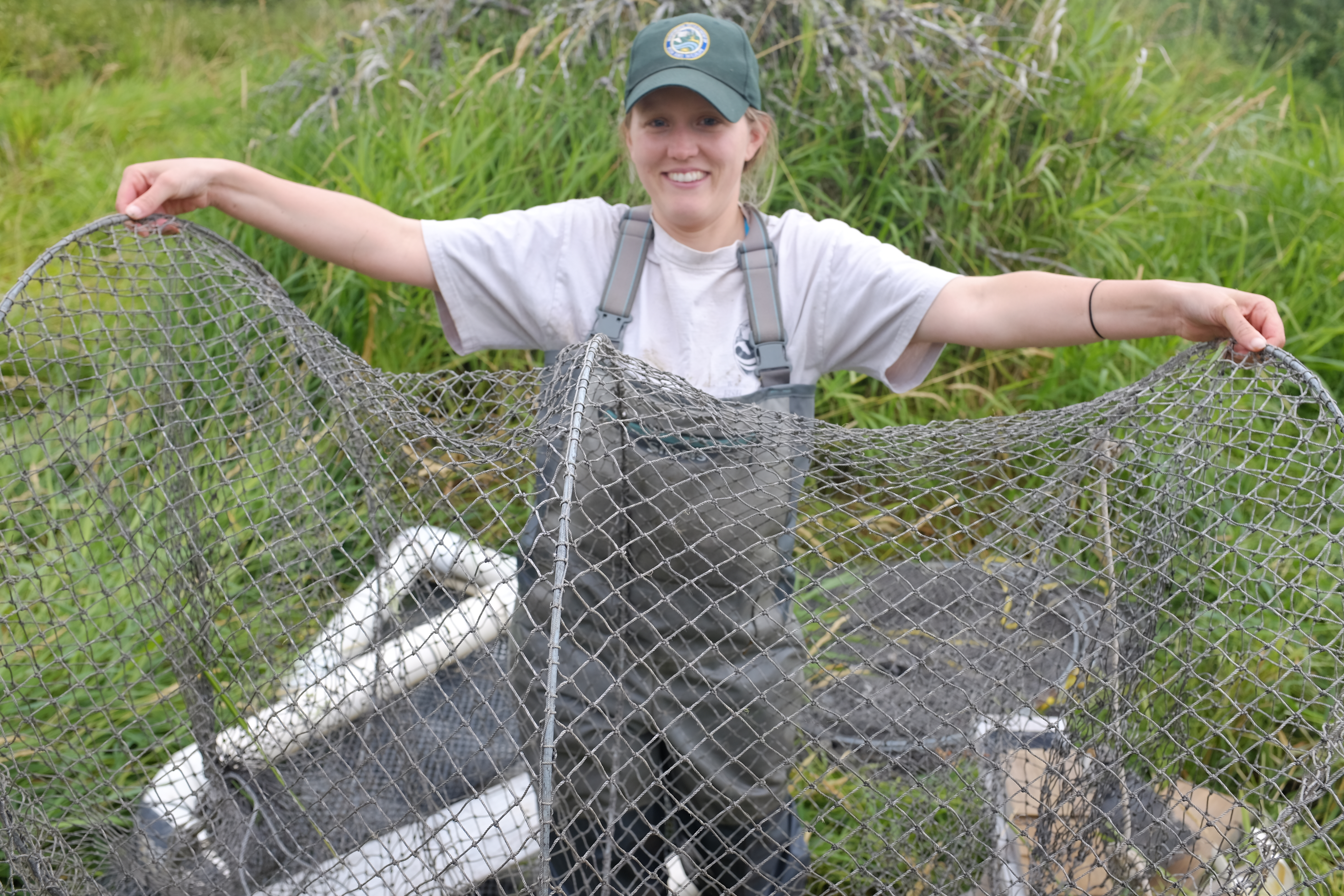
Emily Butler, Assistant District Biologist, Wildlife Program with one of the traps she uses for western pond turtles. Photo by Marisa Pushee.

Along with trapping, WDFW also identifies turtle nests in the area. They establish a barrier to protect the site from predators. The barrier pictured below protects an active nest that currently houses WPT eggs. While the eggs will hatch in the fall, the turtles will not emerge until next spring, and it is crucial to protect them from predators until then.

Western Pond Turtle Nest. Photo by Marisa Pushee.

As a recent addition to the SPP team, I was excited to see the Western pond turtle habitat firsthand. I am taking over Jessica Brown’s position as Ecological Conservation Coordinator with Cedar Creek Corrections Center (CCCC) and Larch Corrections Center (LCC), and working closely with WDFW to help western pond turtles fight off shell disease. Critically endangered in the state of Washington, WPT are a crucial native species that have recently fallen victim to shell disease, which deteriorates their shells and shortens the turtles’ lifespans.

In the next week WDFW will locate and identify any turtles that show signs of shell disease. The turtles that they trap will be evaluated at Progressive Animal Welfare Society (PAWS) where veterinarians will determine which individuals require treatment. Those turtles will then be transferred to Cedar Creek Corrections Center (CCCC) where SPP Biological Science Technicians will care for and monitor them through their recovery, then releasing the turtles next spring.

Left to right: SPP Liasion Tyler Kennedy, SPP Ecological Conservation Coordinator Marisa Pushee, Technician Daniel Silva, Technician Lorenzo Stewart, Technician George Gonzales, Technician Darin Armstrong, SPP Ecological Conservation Coordinator Jessica Brown. Photo by Amanda Mintz.

It was a pleasure to see the South Puget Sound Wildlife Area firsthand and gain insight from Emily. With two new Biological Science Technicians also joining our team, we all look forward to meeting our new patients soon and helping them along to a speedy recovery. Stay tuned for updates on our turtles in the fall!

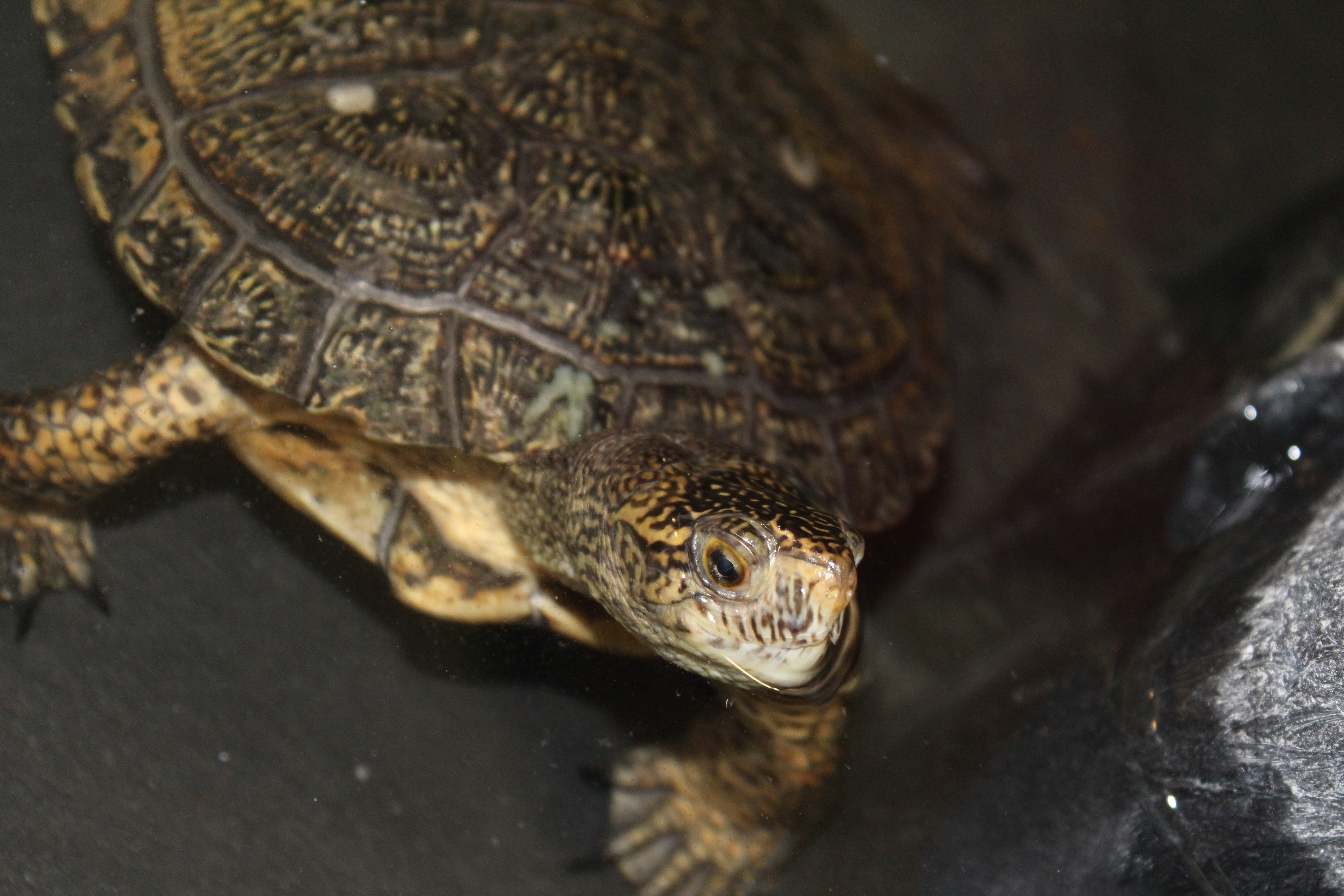
Western Pond Turtle. Photo by Keegan Curry.


by Keegan Curry, SPP Taylor’s Checkerspot Butterfly Coordinator

Each year, the Sustainability in Prisons Project’s (SPP) Taylor’s Checkerspot Butterfly Program rears thousands of endangered caterpillars for reintroduction to the wild. Incarcerated technicians at Mission Creek Corrections Center for Women (MCCCW) shepherd these rare butterflies through each of their four life stages—eggs, larvae, pupae, and adults. The transition from winter to spring is an exciting time for the program because that’s when all the action happens: the larvae wake up and begin to eat, followed shortly by pupation, adult emergence, and captive breeding.

Taylor’s checkerspots are adult butterflies for only about 5 weeks during the spring, so things happen fast; now that we’re nearing the end of “flight” season, it all feels like a white and orange blur! And yet, a lot has happened in the past few months. Two new butterfly technicians joined our team, ~2,800 post-diapause larvae were sent to Joint Base Lewis-McChord for release, 225 adult butterflies eclosed in the lab, and technicians hosted site visits for some of our most valued partners (including one very special guest). To top it all off, the MCCCW butterfly crew celebrated their most productive breeding season to date!

I am pleased to share with you some images from the 2018 rearing season. These photos highlight the tremendous efforts and accomplishments of everyone involved, including staff from Washington Department of Corrections (WA Corrections), Washington Department of Fish and Wildlife (WDFW), Oregon Zoo, U.S. Fish and Wildlife Service (USFWS), and many more.
(Left to right) Technician Susan Christopher, WDFW Biologist Mary Linders, and Technicians Nichole Alexander, and Alexis Coleman work together to decide which caterpillars should be released this year and which ones should remain at MCCCW for captive breeding.

Technician Nichole Alexander labels individual deli cups full of caterpillars that have just been woken up from winter diapause. Over 3,000 hungry caterpillars now line these shelves waiting to be released!

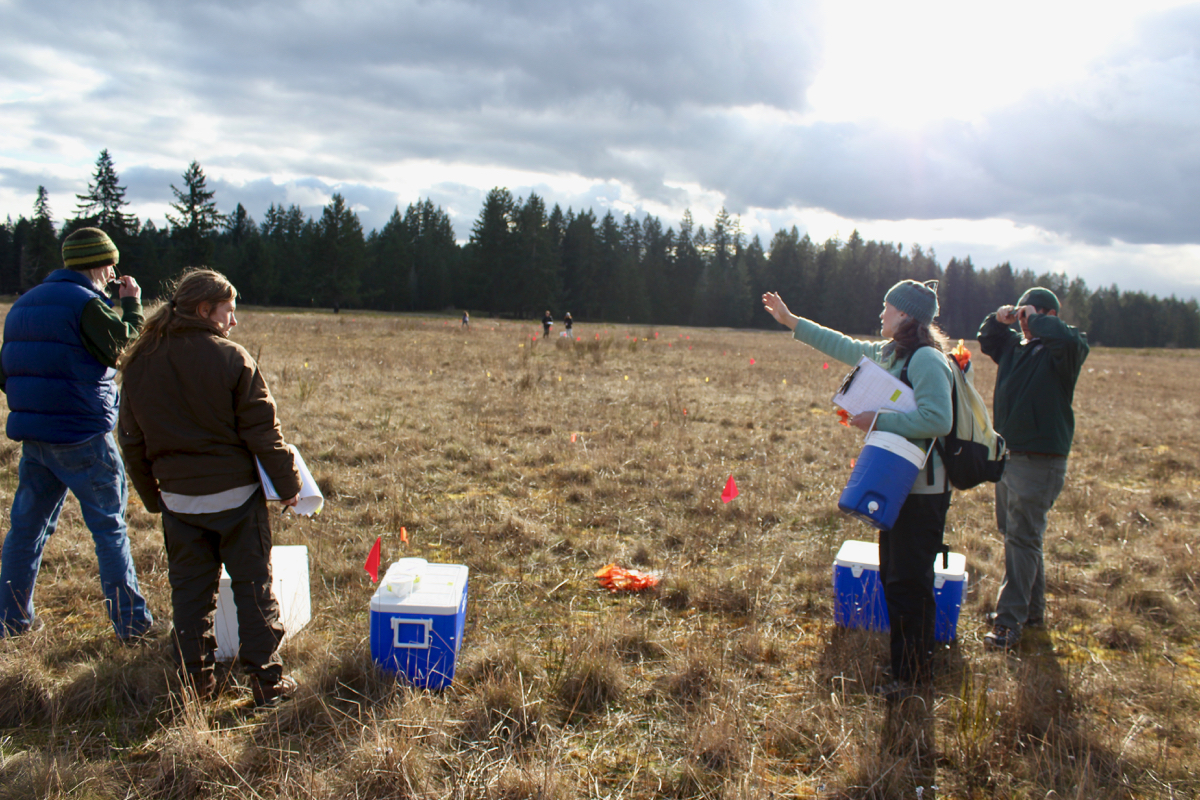
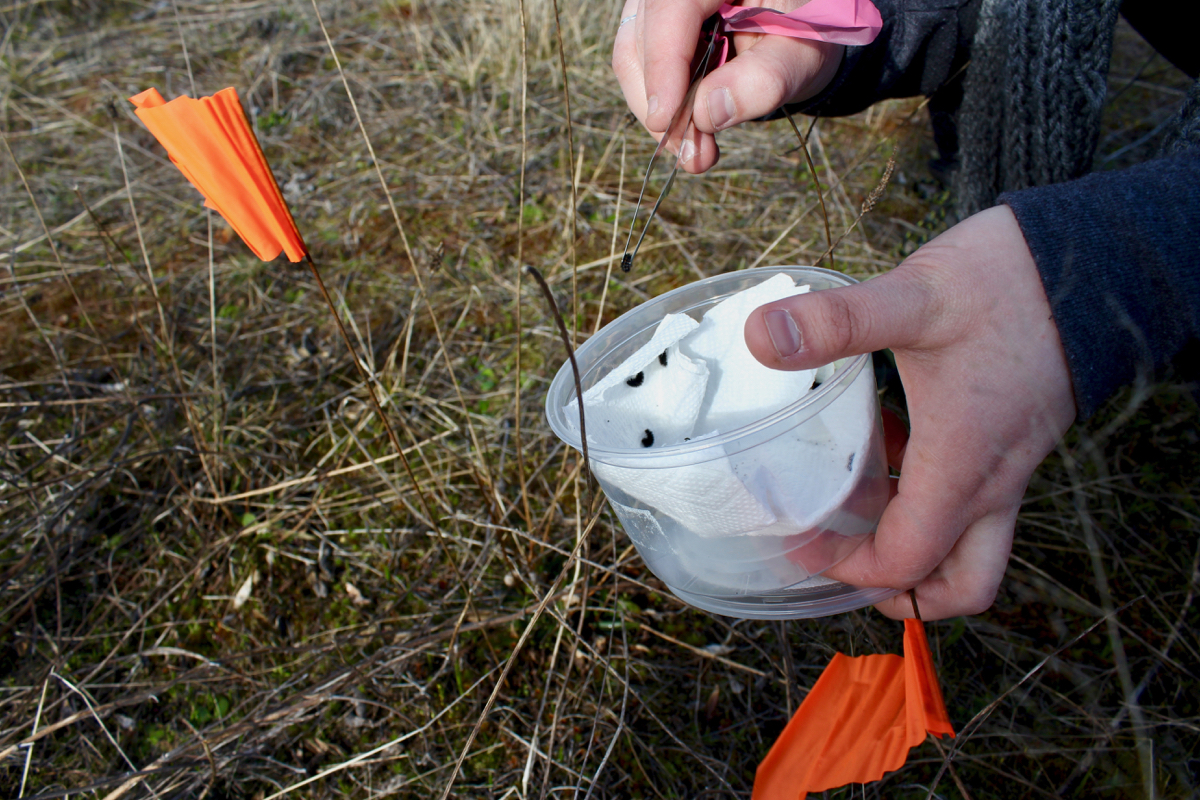
WDFW Biologist Mary Linders directs volunteers at a Taylor’s checkerspot release site. We transport caterpillars from the prison to the field and very carefully introduce them to their new environment.

A volunteer transplants Taylor’s checkerspot caterpillars to Plantago lanceolata host plants. It is early spring, so much of the prairie vegetation has yet to flower.

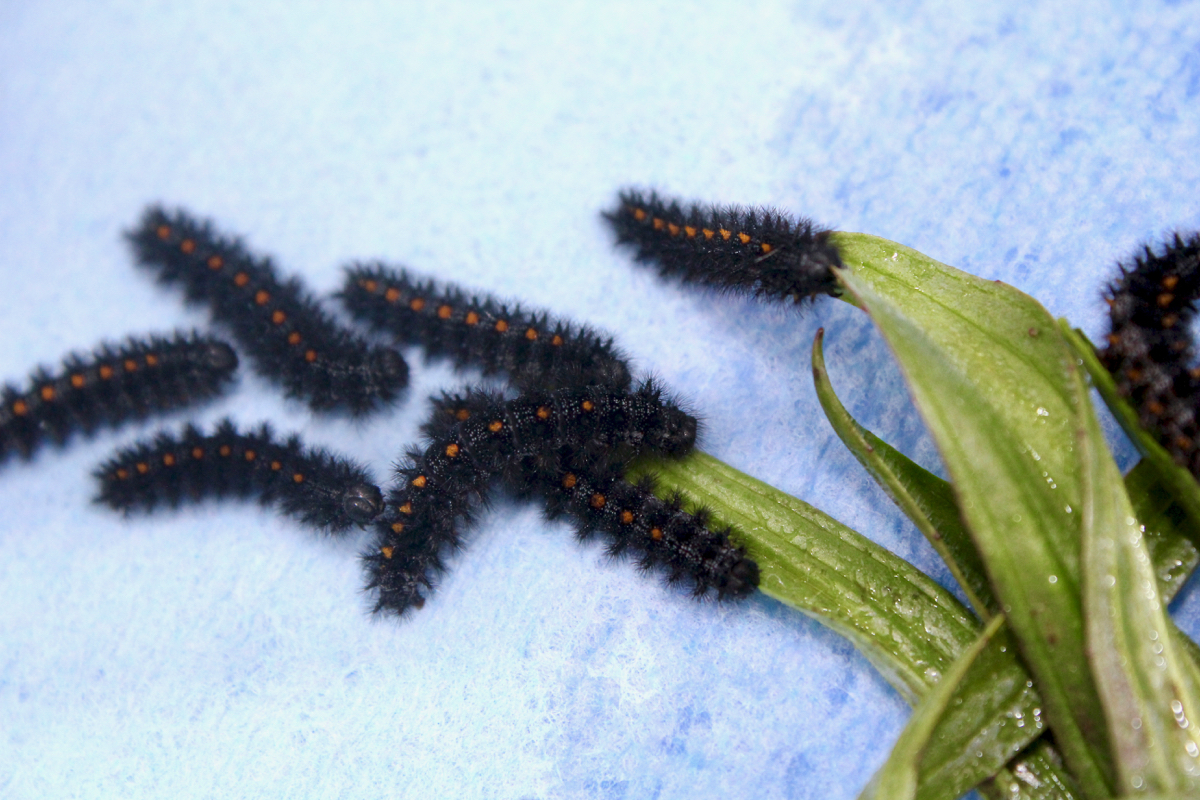
A few caterpillars remain in the MCCCW lab where they will mature to produce some of the program’s next batch of eggs. Here, a few caterpillars get fat and happy as they prepare for pupation. A group of fifteen caterpillars can eat up to eight Plantago leaves per day! Technicians have to feed them constantly to keep up with their appetites.
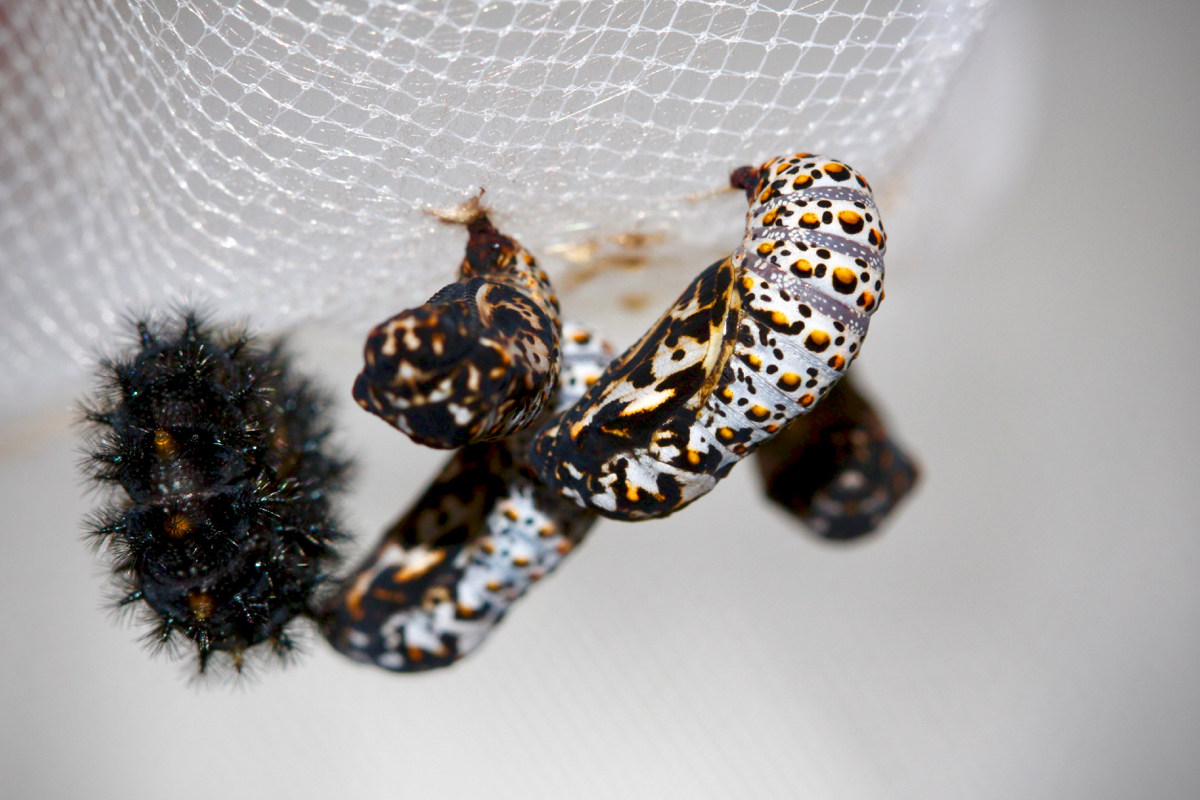
Once they have reached the appropriate size, caterpillars crawl to the top of their mesh enclosure and hang in a ‘J’ shape before transforming into a chrysalis. Pupation is such a strange and beautiful process to behold, and MCCCW technicians get to watch it happen right before their eyes.

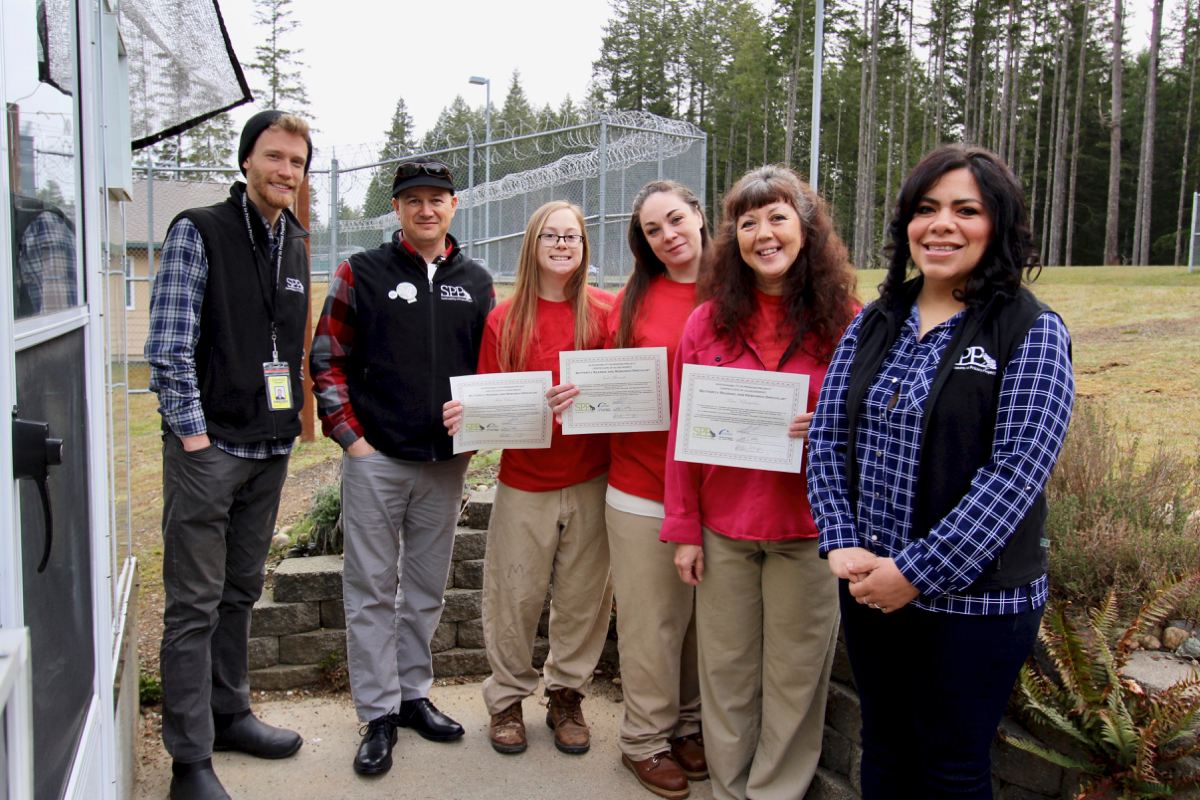
Midway through the season, Carolina Landa (far right) and Dennis Buckingham (second from the left) paid a special visit to the butterfly program. Dennis was the first SPP coordinator and Carolina was one of the original incarcerated technicians, and the part she played in shaping the program is legendary. Carolina returned to MCCCW and share valuable words of encouragement with the current technicians. It was a great opportunity to present Alexis Coleman, Nichole Alexander, and Susan Christopher with their Butterfly Rearing and Research Specialist certificates.

About three weeks after pupation, butterflies begin to emerge from their chrysalises. This is a rewarding moment for the butterfly technicians, but it also means more work! Each butterfly needs to be fed honey from a Q-tip, weighed on a scale, photographed, identified as male or female, and placed in the appropriate enclosure.

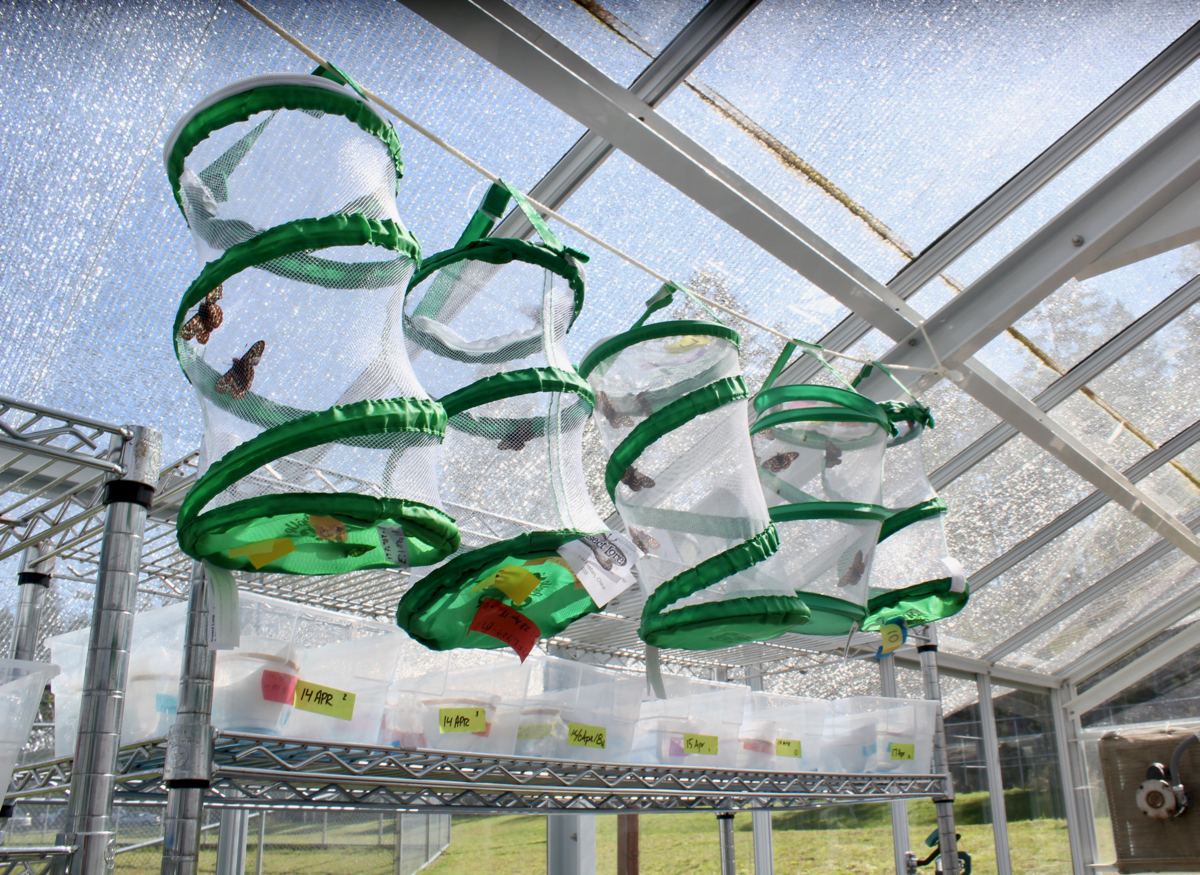
Technicians pair male and female checkerspots based on their genetic lineage. Males and females are introduced to each other in these mesh tents. The butterflies were very cooperative this year, wasting no time in consummating the match.

Mated pairs are removed from the breeding tents. Technicians then place the female butterflies on Plantago plant for egg-laying. The male gets to go hang out with his buddies until they are released into the field.

A mated female lays eggs near the base of Plantago lanceolata. In the wild, this is a great place to keep the eggs safe from harm, but in the lab, eggs laid this way pose a challenge for technicians. They will have to use a tiny paintbrush to remove these fragile eggs and transfer them to a 5.5oz cup where they will eventually hatch.

(Left to right) MCCCW Superintendent Devon Schrum, SPP Co-Director Kelli Bush, USFWS Biologist Karen Reagan, Alexis Coleman, Susan Christopher, Tracy Hatch, USFWS Division Manager Tom McDowell, Nichole Alexander, and SPP Coordinator Keegan Curry take a group photo in front of the butterfly lab. Karen and Tom from USFWS oversee Taylor’s checkerspot recovery on a regional level; they took time out of their busy schedules to visit the MCCCW captive rearing program and see firsthand the work that incarcerated technicians are doing to support endangered species conservation.
Technician Alexis Coleman shares her observations about Taylor’s checkerspot egg-laying behavior with Tom McDowell and Karen Reagan from USFWS.
This year was the most productive breeding season to date for MCCCW: our captive-bred butterflies laid over 7,000 eggs! This is great news for the program and for species recovery in the field, and the technicians at MCCCW should be proud. Their contributions are vital to restoring Taylor’s checkerspot populations in Washington State.


Photos and text by Amanda Mintz, SPP EVM Program Coordinator

In mid-October, SPP delivered our third batch of Emergent pre-Vegetated Mats (EVM) to wetlands at West Rocky Prairie, Joint Base Lewis McChord (JBLM) and Mima Creek Preserve. At these sites, the Center for Natural Lands Management (CNLM) is conducting an experiment using the mats as part of a reed canarygrass suppression strategy. Replacing the reed canarygrass with wetland plants will help restore habitat for the threatened Oregon spotted frog. This project is supported with funding and resources by the Washington Department of Fish and Wildlife, United States Fish and Wildlife Service, CNLM, and JBLM.

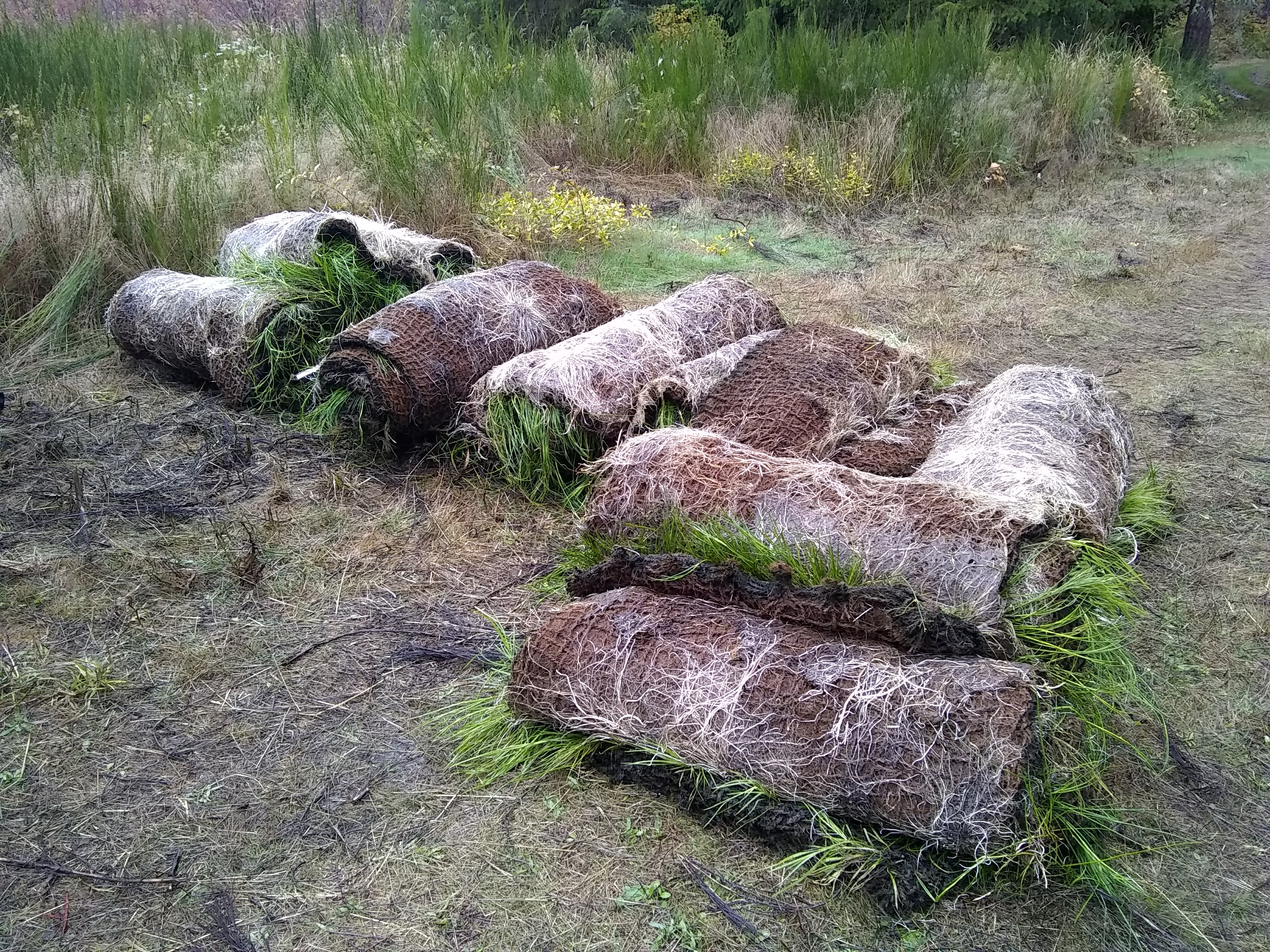
Prior to delivery, we rolled up the mats and let them drain for 24 hours. Even with reduced water, each mat weighs about 60 pounds when it is delivered—healthy roots and shoots are heavy!

Each mat contains a combination of native wetland plants: spreading rush (Juncus supiniformis), tall mannagrass (Glyceria elata), and creeping spike-rush (Eleocharis palustris). The mats were produced in Stafford Creek Corrections Center’s aquaponics greenhouse by a team of corrections staff, incarcerated technicians, and SPP-Evergreen staff.

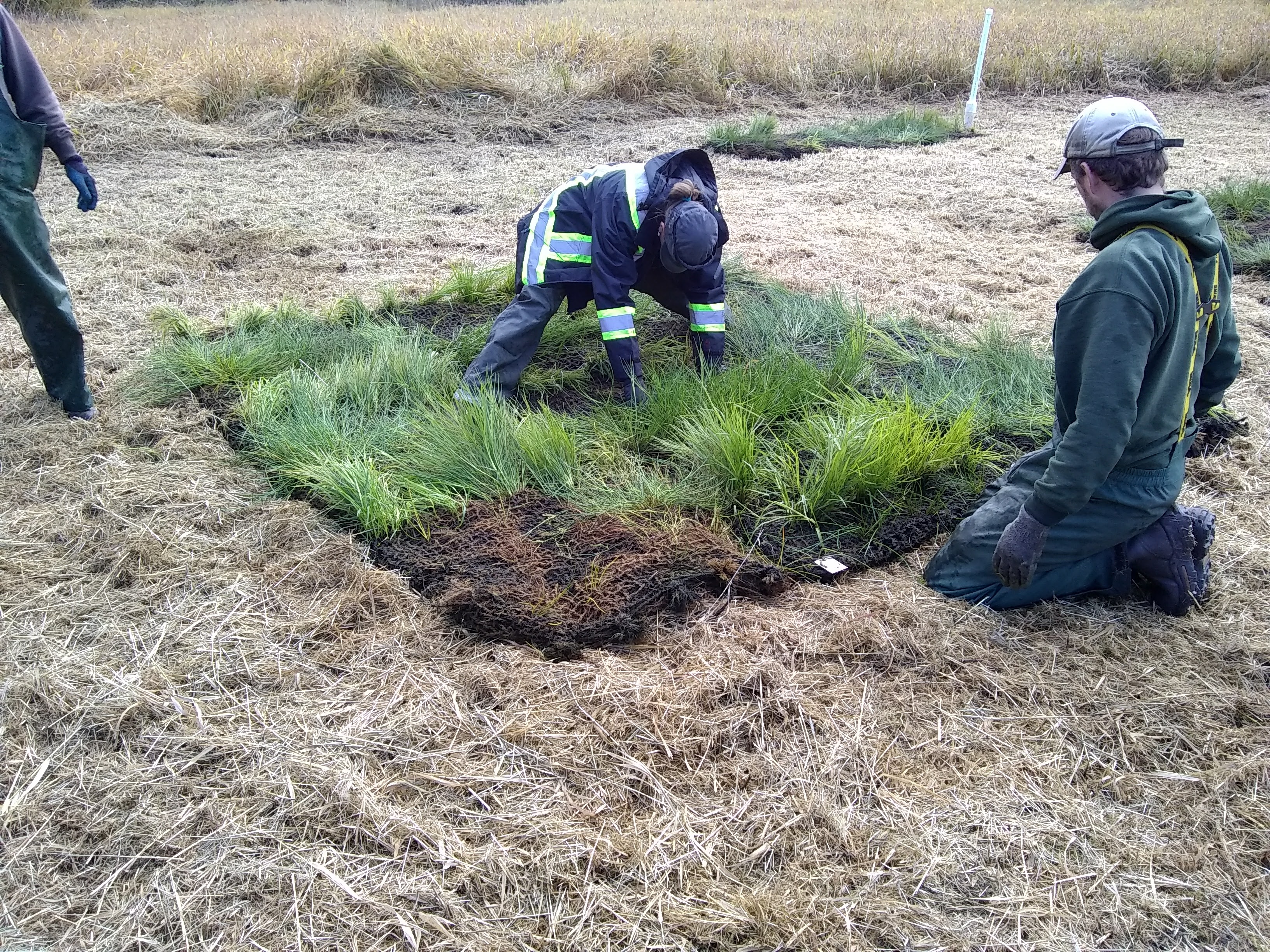
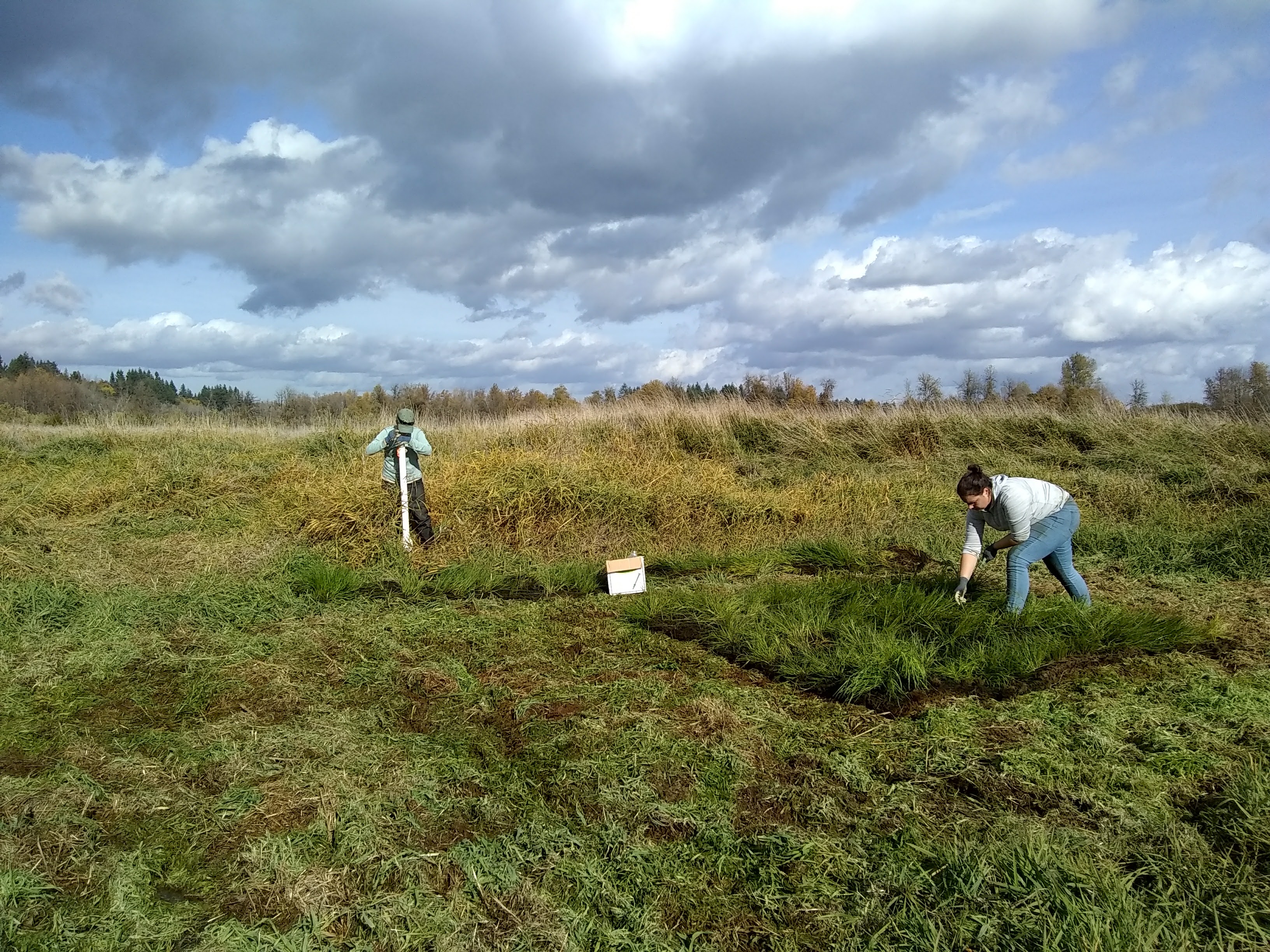
Staff and volunteers from CNLM and JBLM lay three, 1-meter by 3-meter mats side by side and anchor them with biodegradable stakes.

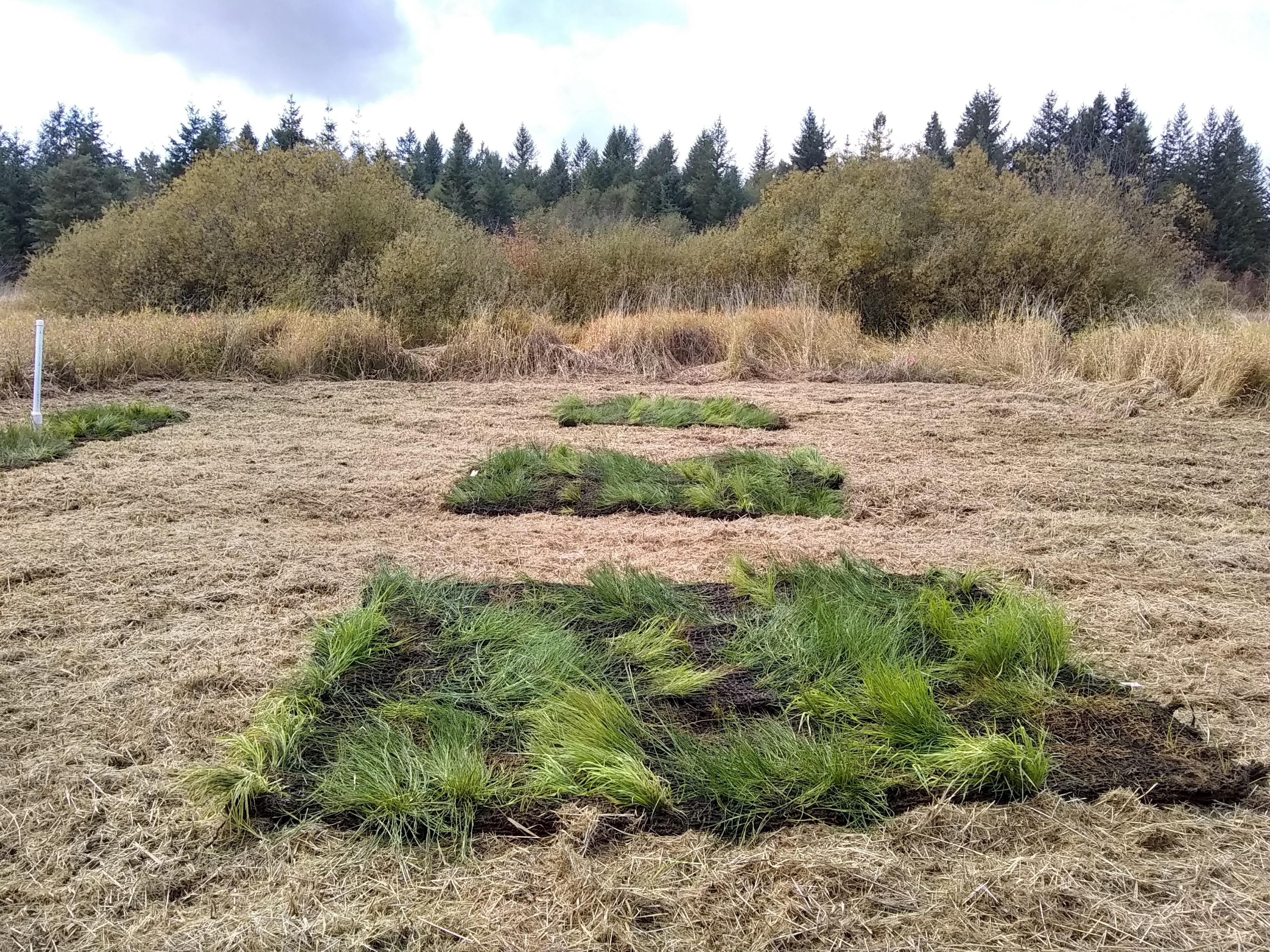
At each site, the mats are arranged in squares, three meters on each side. Staff and volunteers from JBLM and CNLM prepared the sites using a variety of combinations of herbicide, mowing, and solarization to remove the reed canarygrass; on the day of mat installation, they removed dead grass and root material with weed cutters making it easier for the plants in the mats to make contact with soil and establish themselves quickly. Teams will revisit each square to determine which of the various reed canarygrass treatments best allowed the native wetland species to take hold.

At the site shown here, reed canarygrass was treated only by mowing; in the background, you can see its pre-mowing height of up to six feet tall. Sarah Hamman deploys a water depth gauge–believe it or not, this is a wetland!

Will the coconut coir mats prevent reed canarygrass from growing back? Will the native plants grow quickly enough to establish healthy populations, competing for space with the reed canarygrass? Stay tuned to find out!

Three, 3-meter square mats in each replicate (experimental copy), three replicates per site, and three sites!

By Graduate Research Associate Sarah Weber

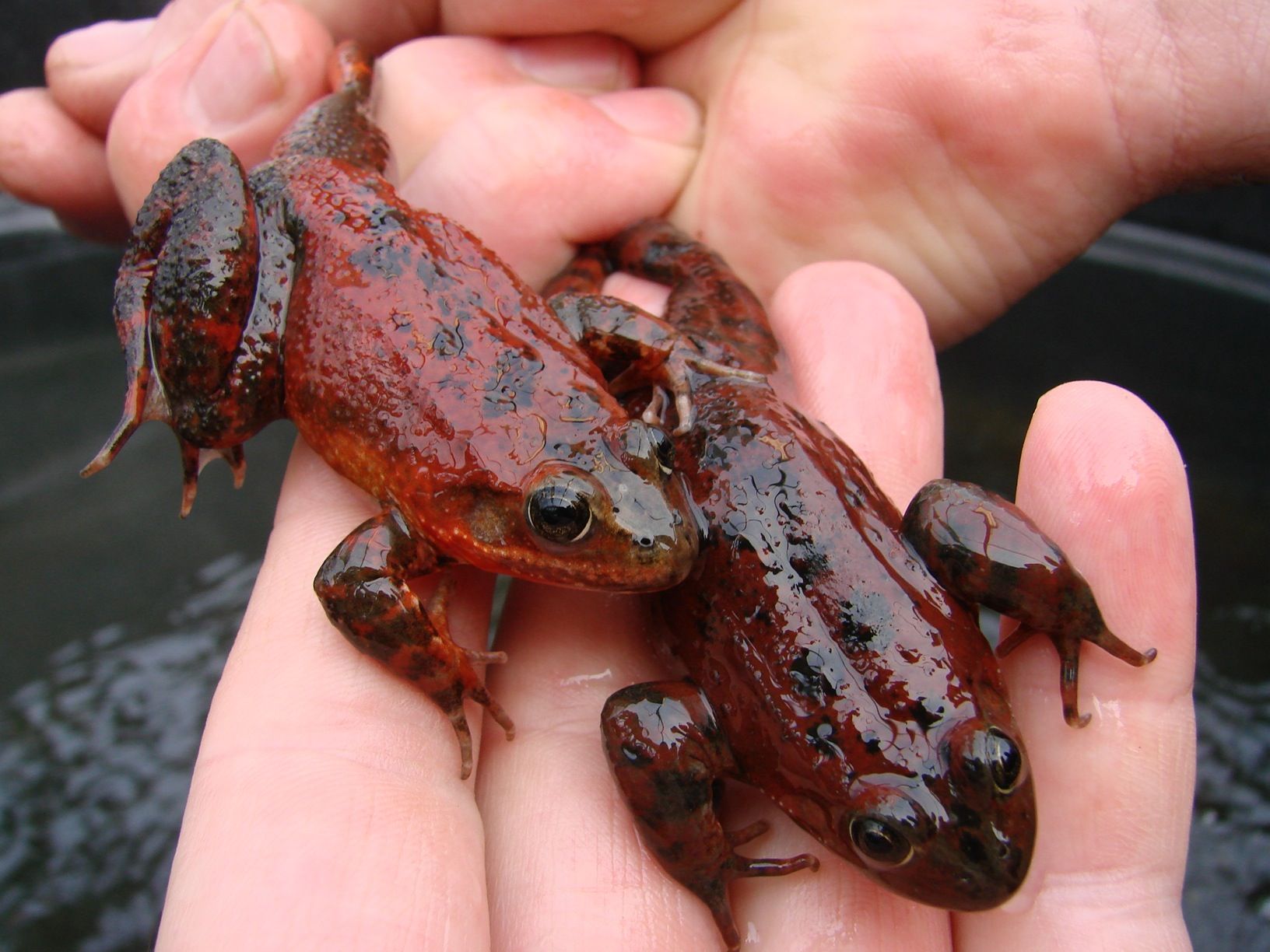
Oregon spotted frog


The Oregon spotted frogs (OSF) at Cedar Creek Corrections Center (CCCC) are the subjects of a growth comparison study between two separate OSF populations: Black River and Conboy Lake.  Inmates at CCCC are raising the two populations side-by-side in separate tanks, keeping all rearing conditions identical, in order to compare growth rates.  Measurements have been taken throughout the rearing season and will be taken again just prior to release in October at Joint Base Lewis McChord.  The OSF population at Conboy Lake is the only source population that successfully cohabitates with bullfrogs, a primary predator of OSF.  The hypothesis is that OSFs from Conboy Lake are bigger in size, and as a result of that, are faster in their response to predation.  This study will help determine whether or not captive rearing efforts should focus primarily on the Conboy Lake population.

As part of the comparison study, the OSFs predator response instincts were also tested.  Twenty frogs from each population were isolated for a short period of time in a stimulus free environment.  One by one, they were placed in a large plastic tub filled with just enough water to cover their bodies.  Once they relaxed enough to come to the surface and rest with their eyes out of the water, a plastic ball–tethered to stop before impact–was dropped from above, simulating a predator in the wild.  Each individual test is filmed to record the amount of time it takes each frog to react to the “predator”, and also to record response distance in its effort to escape.  The film is reviewed and data logged at the Oregon Zoo.  The data will allow for a parallel test between the Black River and Conboy Lake populations, and also a comparison between OSF rearing institutions, CCCC and Oregon Zoo.

The experiment took place at CCCC under the supervision and guidance of Senior Research Scientist Dr. Marc Hayes and Kyle Tidwell from the Oregon Zoo.  SPP interns Dennis Aubrey and Sarah Weber, and CCCC OSF inmates assisted with noting sex, coloration and tag number as well as taking the measurements and weight of each individual frog in order to identify any size or mass related variation in response. The inmate’s contribution to the predator response experiment and the side by side growth comparison study is integral to development of the OSF captive rearing program.  The rearing season continues at CCCC with inmates raising fat, healthy frogs getting closer to their release date.

Predator response experiment underway!


Weighing and measuring frogs

By Graduate Research Associate Alicia LeDuc

Two of SPP’s former Graduate Research Associates have completed theses for the Master of Environmental Studies program at The Evergreen State College.  Liesl Plomski and Sarah Clarke selected topics related to the Sustainable Prisons Project. Both women have been integral parts of SPP since its early inception, working closely with inmates and DOC staff in two of Washington’s prisons.

Liesl Plomski presented her thesis regarding best practices in the rearing of endangered Oregon Spotted Frogs, drawing on her experience working with inmates at the Cedar Creek Corrections Center in Little Rock, Washington.  Plomski said she enjoyed working with inmates on the conservation efforts and that, “experiencing the importance of tuning people into a passion for positive development has definitely affected my subsequent career choice since finishing at Evergreen.” Plomski now lives in Portland, Oregon where she works mentoring at-risk youth.

Sarah Clarke completed her thesis on the impact of horticulture therapy and how working with living things affects the knowledge, behavior, and attitudes of inmates participating in the Sustainable Prisons Project.  Her work included data from four institutions working with  SPP.  Reflecting on her experience with inmates at the Washington Corrections Center for Women in Gig Harbor, Washington, Clarke said, “working with SPP has profoundly changed my life.  It has been rewarding on a personal level to work with inmates and see how interacting with nature benefits them.” One of SPP’s first Graduate Research Associates, Clarke said it was exciting to be part of a ground-breaking project from the very start. “It was a meaningful job that will be hard to replace,” she said.  Clarke now works at the Evergreen State College as a youth educator in the childcare center.

Both former SPP staff attested to the personal growth and professional rewards of working with the SPP.  Referring to her work lecture coordination and project evaluation efforts, Clarke said SPP enhanced her ability to work independently, manage time efficiently, work with a wide range of people, and change roles quickly. “I gained confidence to make judgments and take actions in new territory,” she said. Plomski agreed with Clarke’s observations, adding that working with SPP also improved her communication and analytical skills while working in a variety of different settings.

Most of all, the former Research Associates attested to the immense personal reward and satisfaction they felt when working with SPP.  Plomski said, “You come home at the end of the day and honestly feel like you’ve made society a little better, you actually did something.” For Clarke, it was, “really rewarding to witness the human healing that comes from working with nature.”  Both Plomski and Clarke have made contributions that continue to leave a lasting impact on the inmates, DOC staff, and community members they worked with over the course of their tenure with the Sustainable Prisons Project.

To view Sarah Clarke’s thesis, click here.

Liesl Plomski’s thesis is available here.

By Undergraduate Research Associate Dennis Aubrey

Oregon Spotted Frog egg masses at Joint Base Lewis-McChord indicate SPP's conservation efforts are working.

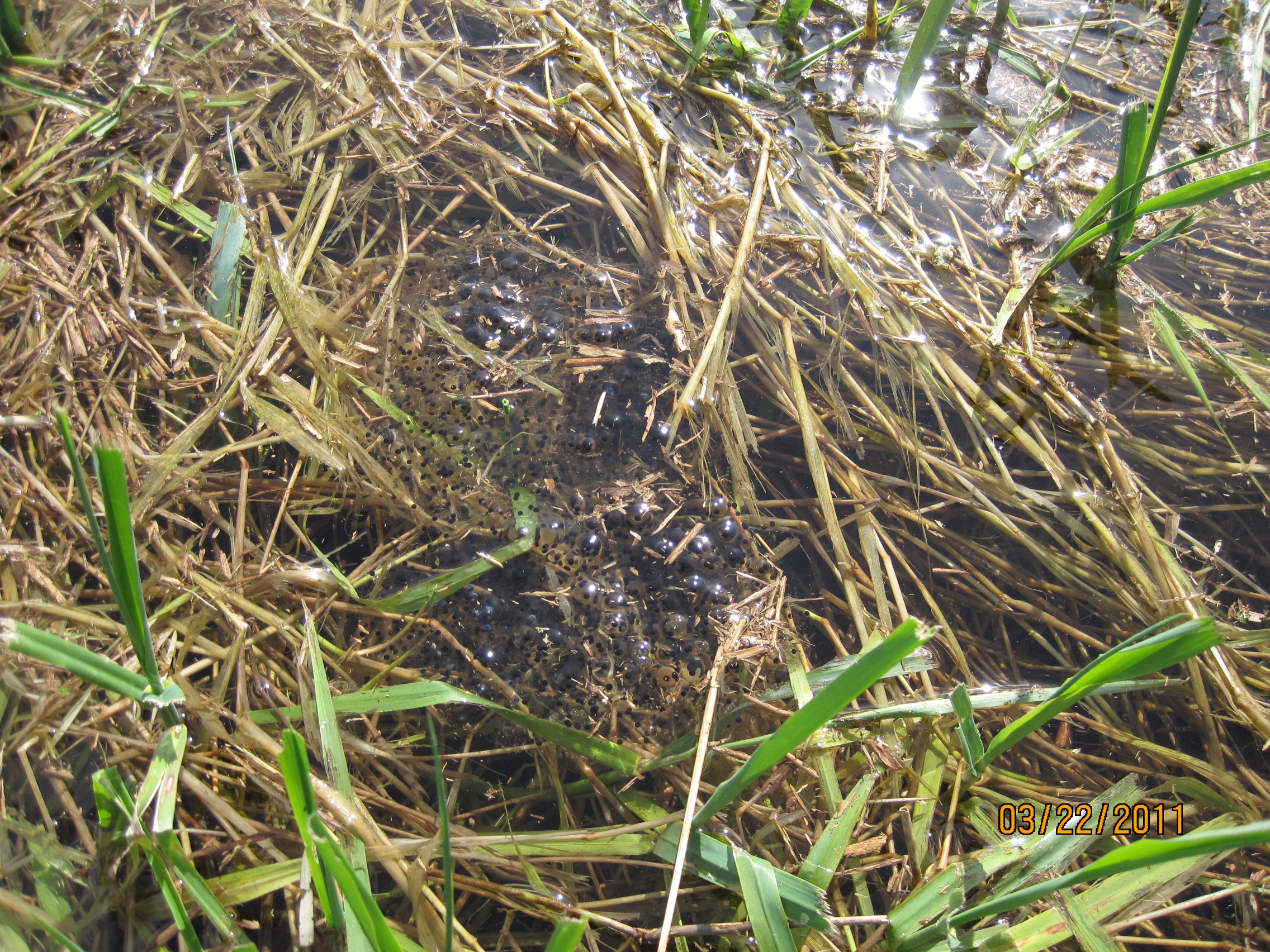
The most exciting news imaginable came in last week!  Biologist Jim Lynch and his team discovered the first Oregon spotted frog egg masses on Joint Base Lewis-McChord since captive rearing programs were established.

This indicates the overall success of reintroduction efforts so far.  Some of the frogs released have survived to reach sexual maturity, and furthermore have done so in large enough numbers to find one another and successfully reproduce.

The news was greeted with great relief and elation on the part of all four rearing institutions.  Until now we have been diligently working with our partners at the other captive rearing facilities, not knowing what impact the work was having on the local Oregon Spotted Frog population. Egg mass surveys will continue in the next few weeks to assess the extent of breeding success.

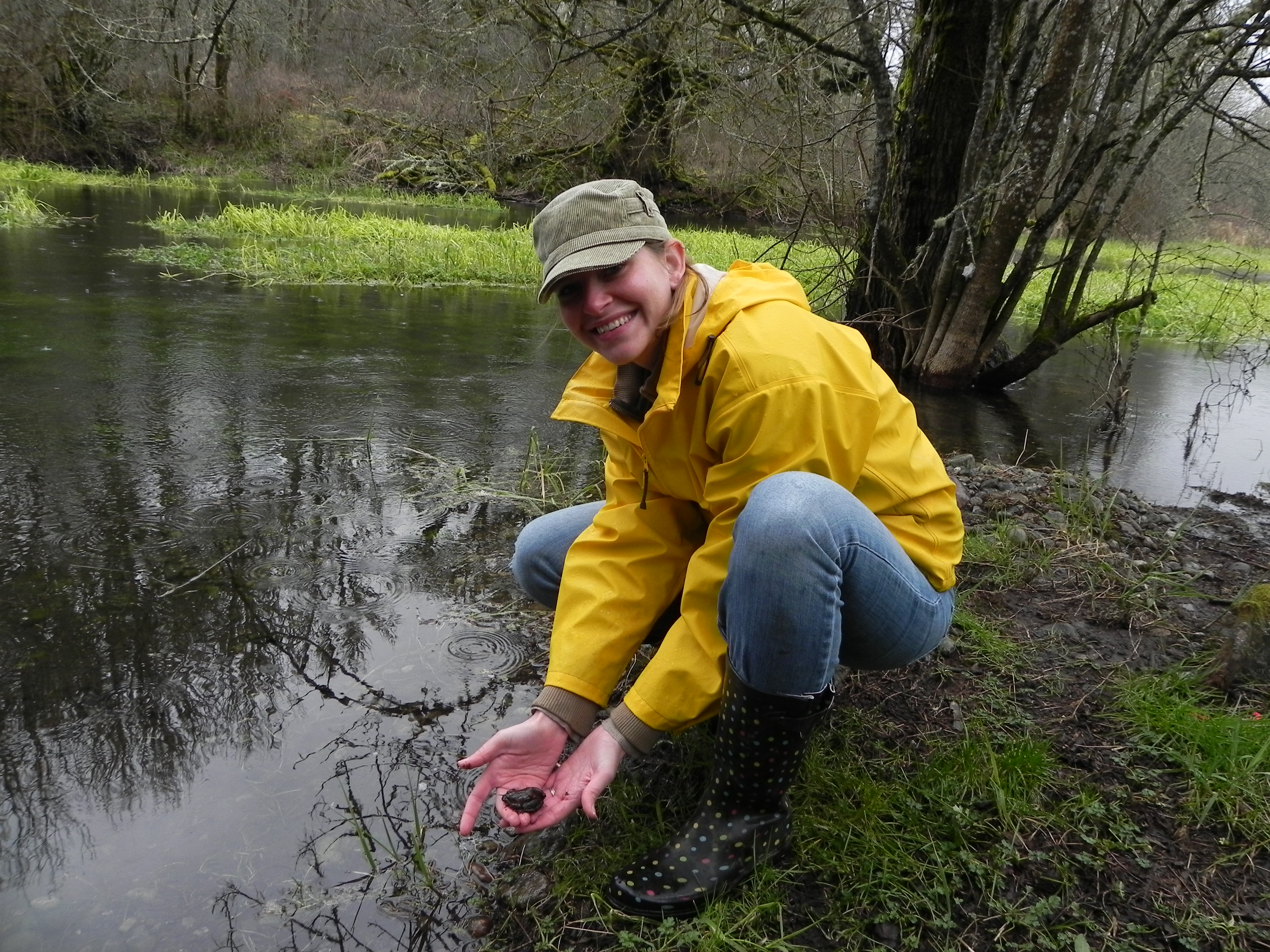
SPP research associate Dennis Aubrey releases frogs he raised with inmates at Cedar Creek Corrections Center.

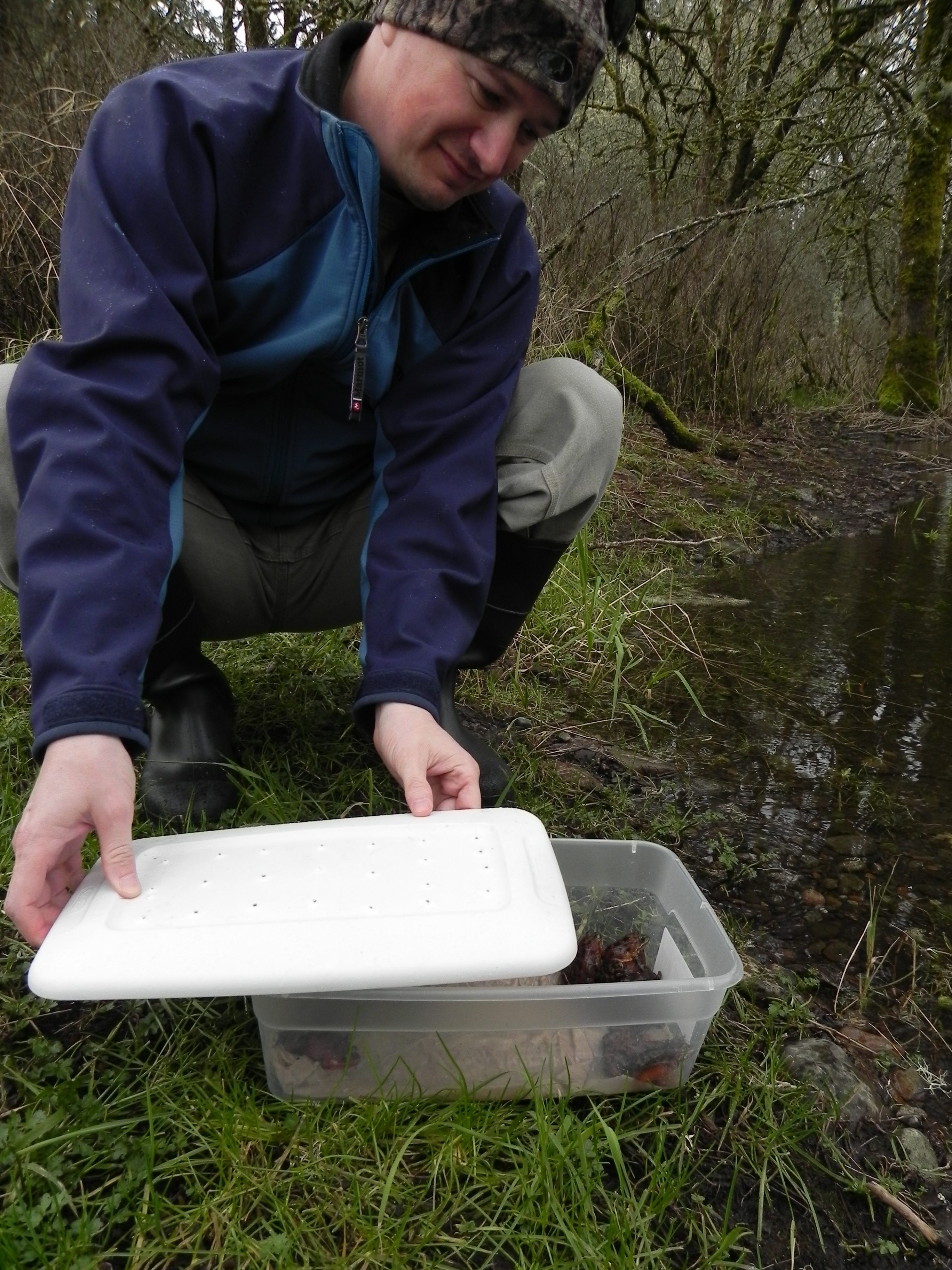
In related news, the frogs which were held over the winter at the OSF facility at Cedar Creek Corrections Center were successfully released on Ft. Lewis. We now know that they joined a waiting population of siblings! Interestingly, it was striking to note the behavioral differences in the frogs at the actual moment of release. When the lids were pulled back on the travel tubs containing the frogs, some immediately scrambled into the water and dove down to instantly bury themselves in the mud, while others were clearly reluctant to depart and had to be hand-coaxed into the cold water. The last few sat on the outstretched hands of SPP research associates Dennis Aubrey and Sarah Weber for several minutes and ultimately had to be dunked and let go before they would swim away.

SPP research associate Sarah Weber coaxes a hesistant frog into its new habitat.

To donate to the SPP Oregon Spotted Frog project and help conserve biodiversity in Washington, click here.