

Community
Contributions
SPP celebrates the many Community Contribution programs in facilities across Washington. Community Contribution programs are administered and supported by hundreds of diverse organizations across the state, and many were established long before they were considered part of SPP — they’ve had their own staff, volunteers, brand identity, and reporting structures. SPP seeks to add to the programs’ identities and to document and promote their achievements and best practices.
Community
Partnerships in Action
Most programs developed as a relationship between a single facility and local community organizations, often non-profits. Typically, the community organizations are already engaged in work that benefits the community; creating a partnership with a prison means the organization can offer benefits to more people.
For the corrections facility, partnering with community organizations provides incarcerated individuals with more options for meaningful work, and allows them to contribute to the world outside the secure perimeter. For many incarcerated individuals and corrections staff, these programs provide a welcome relief from an otherwise stressful and stark environment. Here we highlight only some of these programs; For full details, see the Community Contributions section of SPP’s annual reports.
Many programs in Washington prisons provide a variety of services and goods to the local communities. Photos by SPP and DOC staff.
Program Highlights

Reclaim, Repurpose, Restore, and Donate Programs
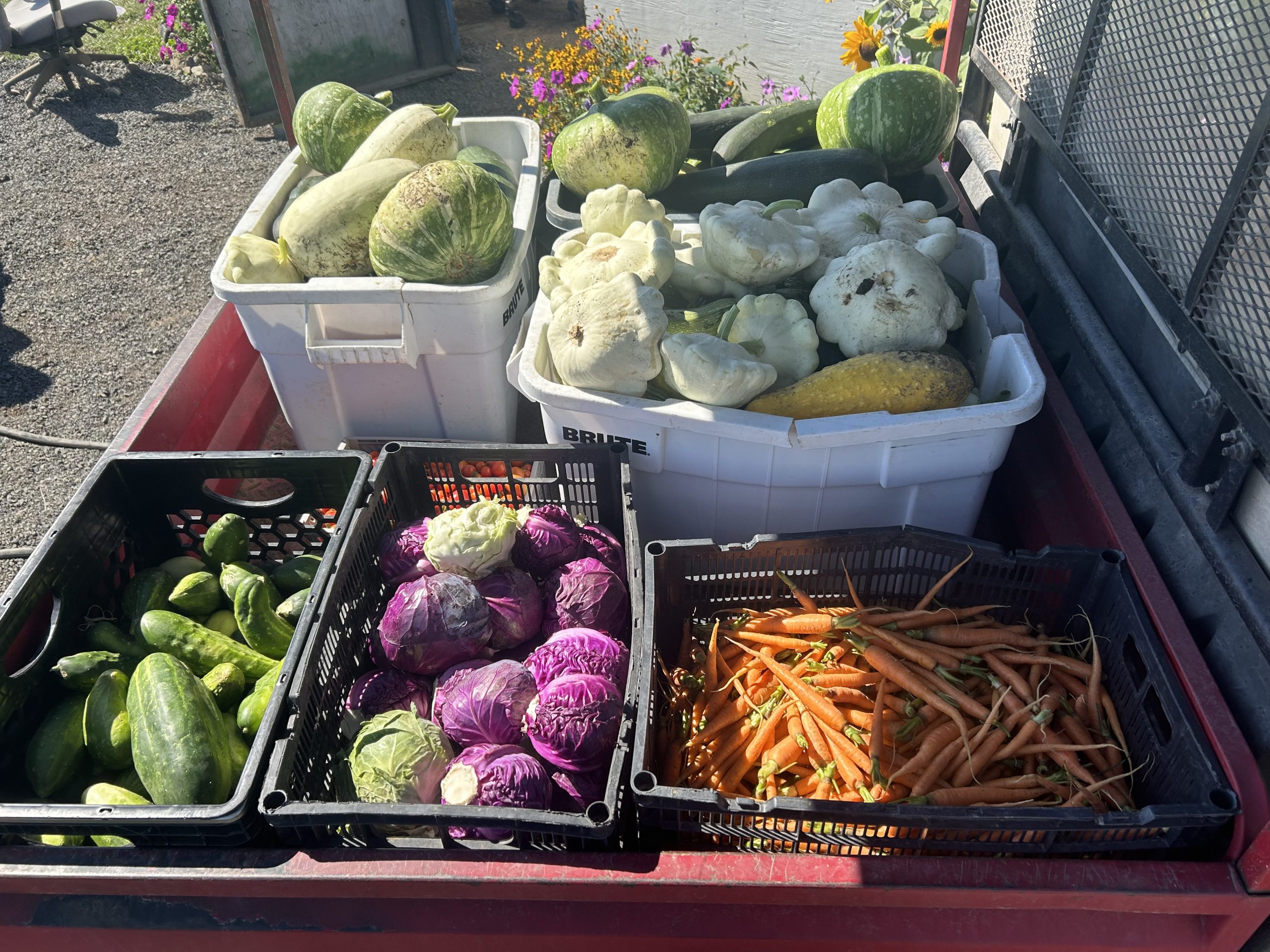
Consistent with the earliest days of SPP programs, WA prisons strive to “throw nothing away,” to transform potential refuse into something of value. In some cases, these programs’ creations directly meet an organization’s need: donating quilts to a homeless shelter, refurbished computers for schools, and growing produce for food banks. In other cases, programs donate handmade or restored creations for organizations’ fundraising events.
This view of an area of WSP’s Sustainable Operations Lab (SPL) gives some sense of the lab’s incredible productivity.
The productivity and generosity of the programs (Highlights 2025)
The productivity and generosity of these programs are best illustrated by statewide numbers. Here’s just a sampling of highlights from 2025:
- AHCC’s “Computers 4 Kids” program refurbished 21,563 computers.
- In partnership with local Master Gardeners, Shriners Children’s Hospital, and the Ronald McDonald House, AHCC gardeners grew Over 12,000 lbs produce and donated some of it to Spokane’s Women and Children’s Pantry.
- CBCC vegetable gardeners donated 26,75 pounds of produce to the Clallam Bay Food Bank (with 153 pounds of that grown hydroponically!).
- CRCC’s gardeners donated 9,000 pounds of produce to local food banks.
- SCCC restored 238 bikes in partnership with the Lions Club.
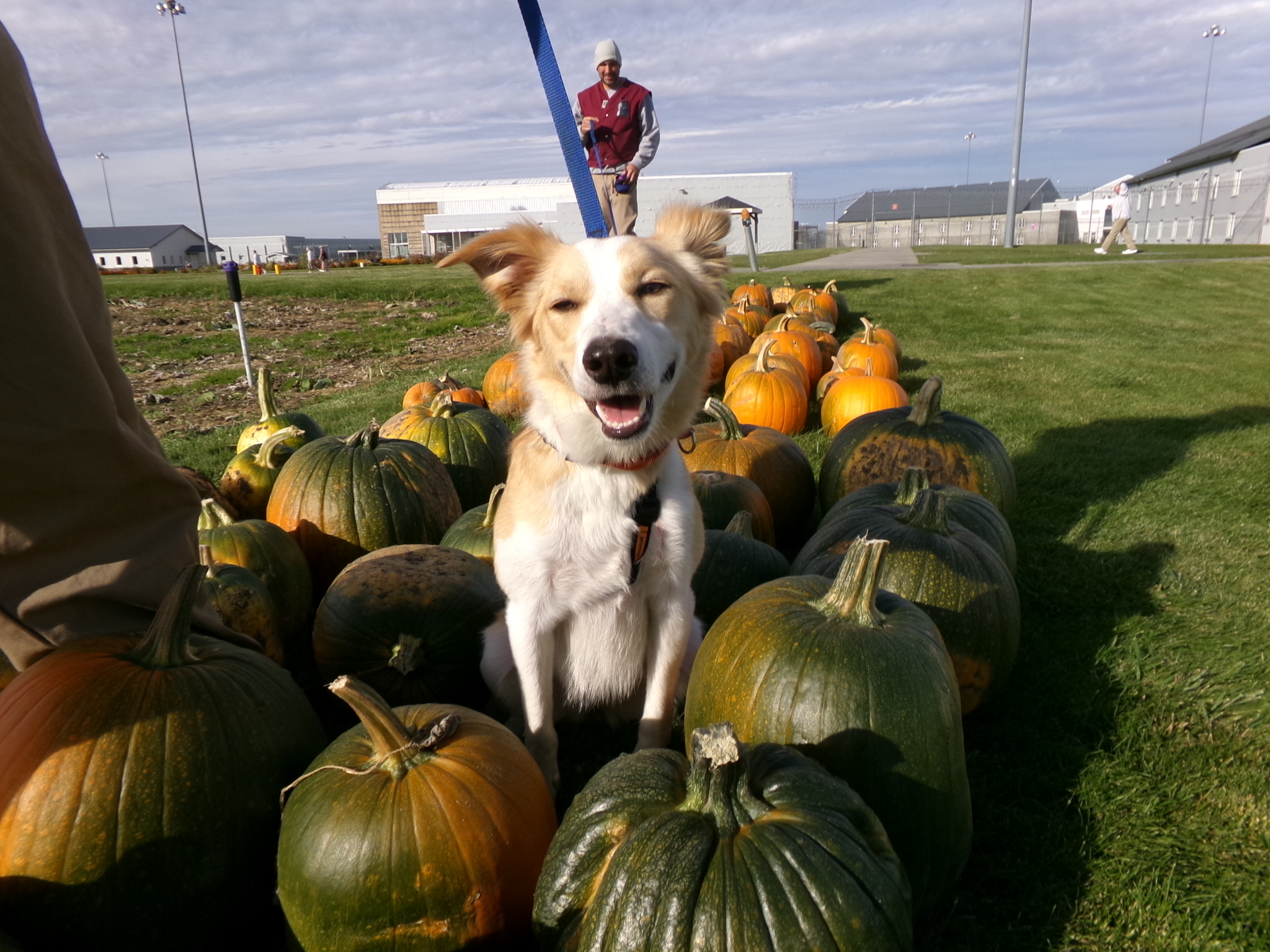
- WSP gardeners donated 243,822 pounds of produce to the Blue Mountain Action Council food bank and 9,000 pumpkins to elementary schools.
- WSP’s SPL’s quilting program donated 890 quilts in 2024.
At the Stafford Creek Corrections Center, inmates learn how to refurbish bicycles and distribute them as gifts to local families through a partnership with the Grays Harbor Lions Club. Photo by Benj Drummond.
Dog and Cat Programs
Dog and cat programs are common in prisons across Washington. Nearly all of Washington’s prisons have formed one or more partnerships with community nonprofits to create pet programs. Incarcerated individuals receive support from partner organizations to provide excellent animal care and obedience training, and—in a few cases—service and/or therapy training. We have heard from incarcerated people and corrections staff that pet programs are a benefit to all directly involved, and to the larger prison community as well. Sometimes, participants of these programs say that working with dogs or cats transformed them.
“I’ve had a chance to transform a dog’s trauma into joy through love and discipline. In the end, my efforts liberated not only the dog, but me as well.”
Almost every facility in Washington has a dog training program. Photos from partners, DOC, and SPP staff.
Program Partners Highlights
Cat program
Program Highlights:
Cat program continues to thrive. CBCC had 18 cats in 2025.
Partners:
Cat Program
Program Highlights:
Program room was decorated with new supplies for cats to have a nice space to socialize. 25 cats went through the program in 2025.
Partners:
Purrfect Pals
Dog training & adoption
Program Highlights 2025:
Dogs live 24/7 with pairs of incarcerated individuals who care for and train them. 10 program classes and graduations. 8 dogs in training, 9 dedicated two-person handler teams, and 14 dedicated dog walkers.
Partners:
New Dog Program coming soon
Program Highlights:
New CCCC dog program coming soon.
Pawsitive dog training
Program Highlights:
29 dogs since the program restarted in 2024. They have 3 sessions planned for 2026.
Partners:
Diamonds in the Ruff, SpokAnimal, Spokane Humane Society
Prison Pet Partnership
Program Highlights:
Continued education and training for incarcerated people in basic pet care, training, grooming, and boarding.
Partners:
Prison Pet Partnership (PPP), Feisty Felines
Ridge Dogs
Program Highlights:
84 dogs graduated from the program.
Partners:
Adams County Pet Rescue, The Pitbull Pen
Service dogs for veterans
Program Highlights:
24 dogs were trained and 8were placed with veterans.
Partners:
Brigadoon Service Dogs
Training dogs for veterans
Program Highlights:
New CCCC dog program coming soon.
Partners:
———
Training dogs for veterans
Program Highlights:
2 primary dog handlers, 2 secondary gandlers, 1 handler as an alternate in traning. 2 dogs most of the years. CCCC is considering partnering with PAWS.



Once a year, SPP reports on all things sustainable happening in Washington State Prisons.